7 days in Lithuania: the highlights itinerary
Vilnius: Hill of crosses siauliai full day
Duration: 8 hours
What are the highlights of Lithuania in 7 days? Vilnius (Days 1-3), Trakai (half day), Kaunas (Day 4), Hill of Crosses (Day 5), and the coast — Klaipėda and the Curonian Spit (Days 6-7). A car makes the western leg much easier; trains handle Vilnius, Trakai, and Kaunas without one. Budget €70-100/person/day.
Planning a one-week Lithuania trip
Lithuania in seven days is ambitious but very achievable. The country is small enough (roughly the size of Ireland) that driving from Vilnius to Klaipėda takes 3.5 hours. The challenge is choosing: this itinerary covers the most important sights in an efficient loop, but every day involves either a train journey or a significant drive.
The split: Days 1-4 in the east (Vilnius hub, Trakai, Kaunas), Days 5-7 on the road west (Hill of Crosses, coast, Curonian Spit). You can do Days 1-4 entirely by train; Days 5-7 benefit significantly from a rental car.
Car rental note: Pick up a car in Vilnius on Day 5 morning, drive the A1 motorway west. Car rental guide for Lithuania. Rates from €35-50/day including basic insurance.
| Where | Vilnius, Trakai, Kaunas, Hill of Crosses, Klaipėda, Curonian Spit, Palanga |
| Cost | around €70-100/person/day, plus car rental for days 5-7 |
| Time needed | 7 days: train-based east, car-based west |
| Getting there | train Days 1-4; rental car Days 5-7 |
| Best time | June-August for the Curonian Spit and coast |
Day 1: Vilnius arrival and Old Town first pass
Arrive in Vilnius (VNO Airport, 15 minutes from centre by bus 88, €1). Check in to your Old Town hotel or hostel.
Afternoon (14:00–18:30): Walk Cathedral Square, climb Gediminas Tower (€5, funicular €1), and walk down into the university quarter. Vilnius University courtyards (€6 combined ticket) are the highlight of an introductory walk.
Evening: Dinner at Džiaugsmas (Trakų g. 1, mains €14-18) or Etno Dvaras (Pilies g. 16, mains €8-14) for reliable Lithuanian classics. Walk Pilies Street in the evening for the baroque atmosphere without the midday crowds.
Day 2: Vilnius — museums and Užupis
Morning (9:30): The Museum of Occupations (KGB Museum) on Aukų g. 2A (€8, Tue–Sun 10:00–18:00) takes 2 hours and is the most important cultural stop in Lithuania. The intact basement cells of the former KGB headquarters are unlike anything else in the Baltics.
Afternoon (14:00): Gates of Dawn, the Jewish heritage quarter (Žydų gatvė, Vilna Gaon Museum €4), and then into Užupis — the self-declared bohemian republic with its 43-language constitution and genuine artistic community.
Evening: Sweet Root (Užupio g. 22) for the city’s most accomplished tasting menu (€30-45, book ahead), or a craft beer evening at Špunka (Užupio g. 9) with Lithuanian beers from €4.
Day 3: Vilnius to Trakai (half day)
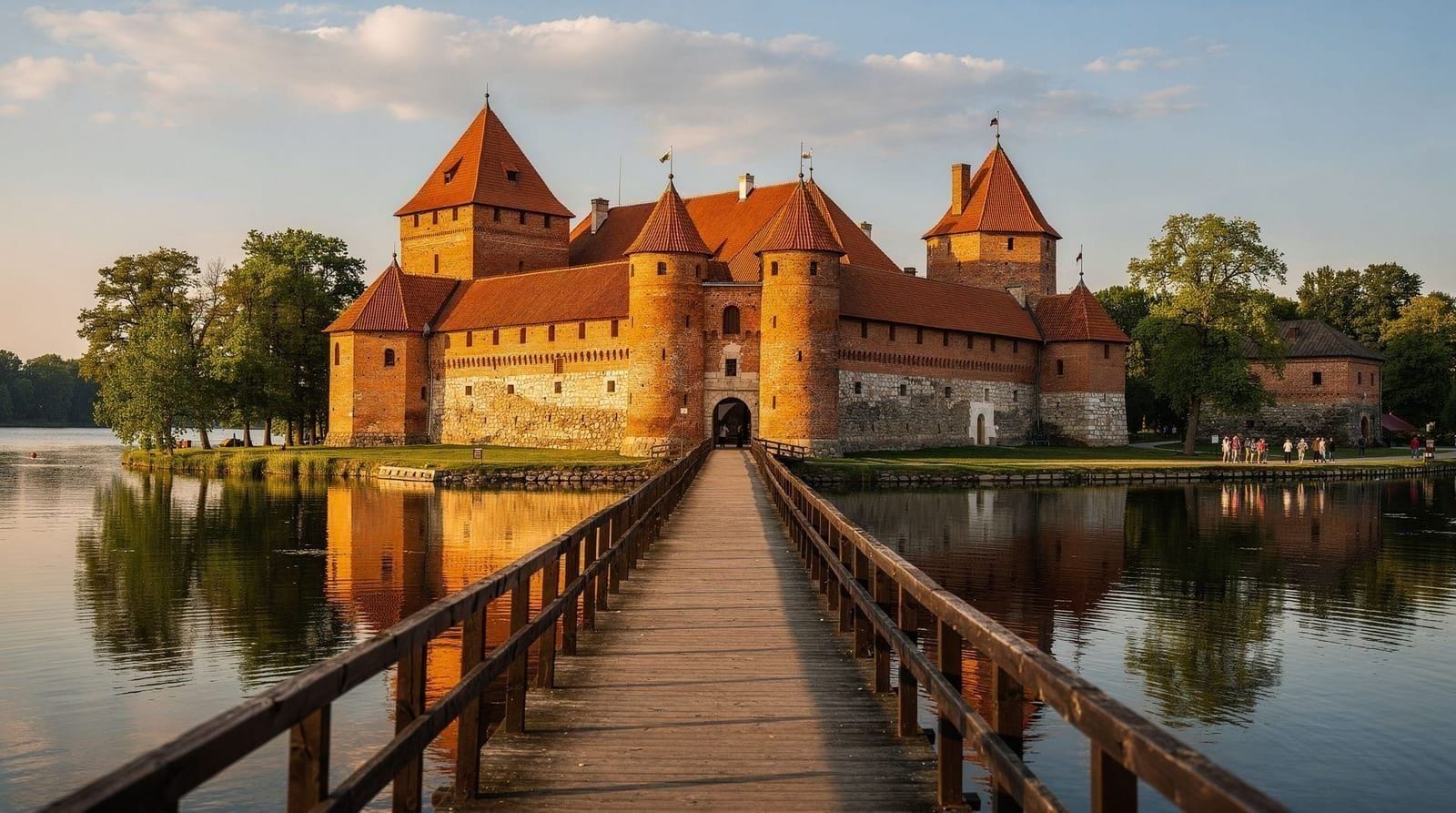
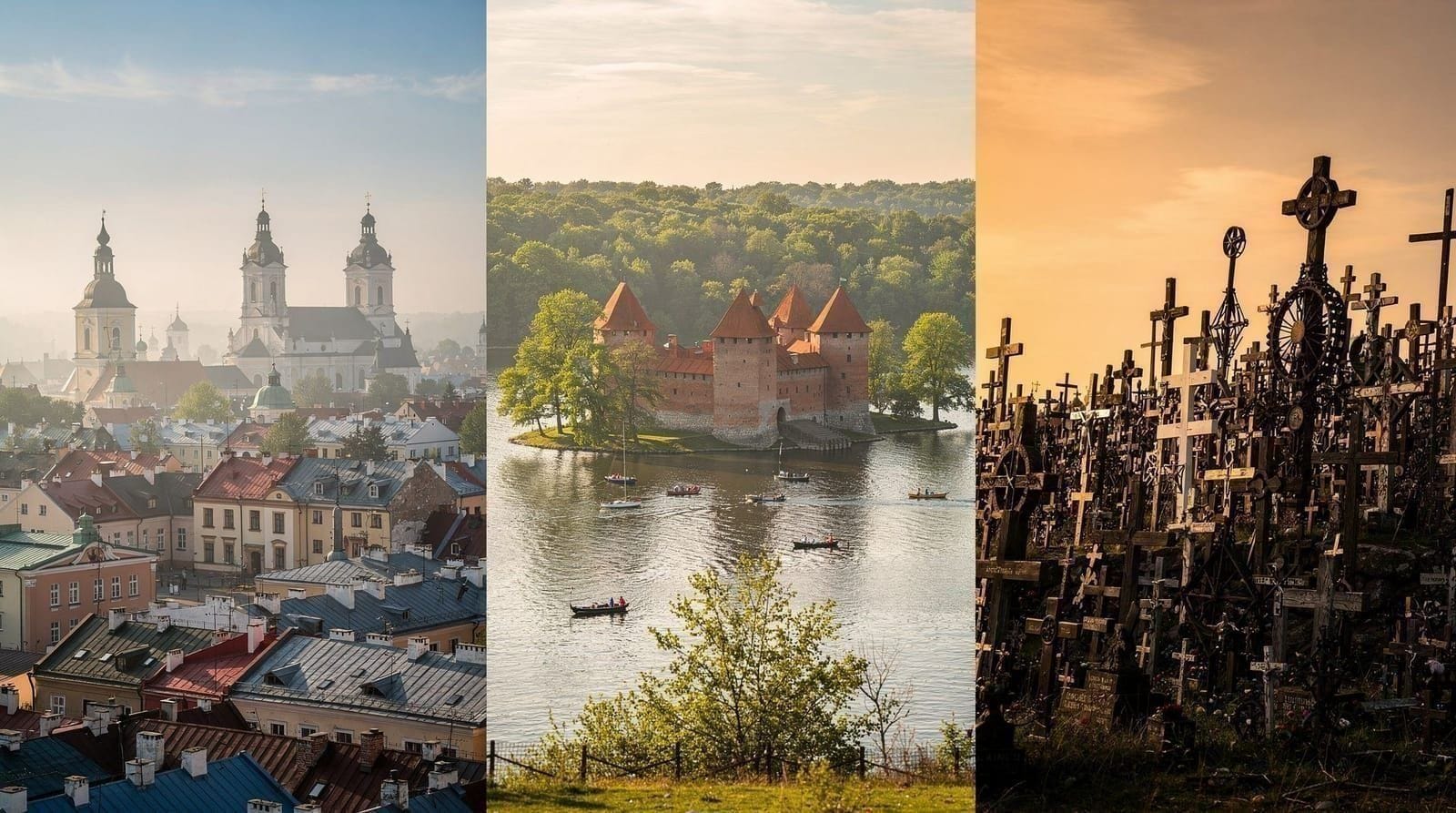
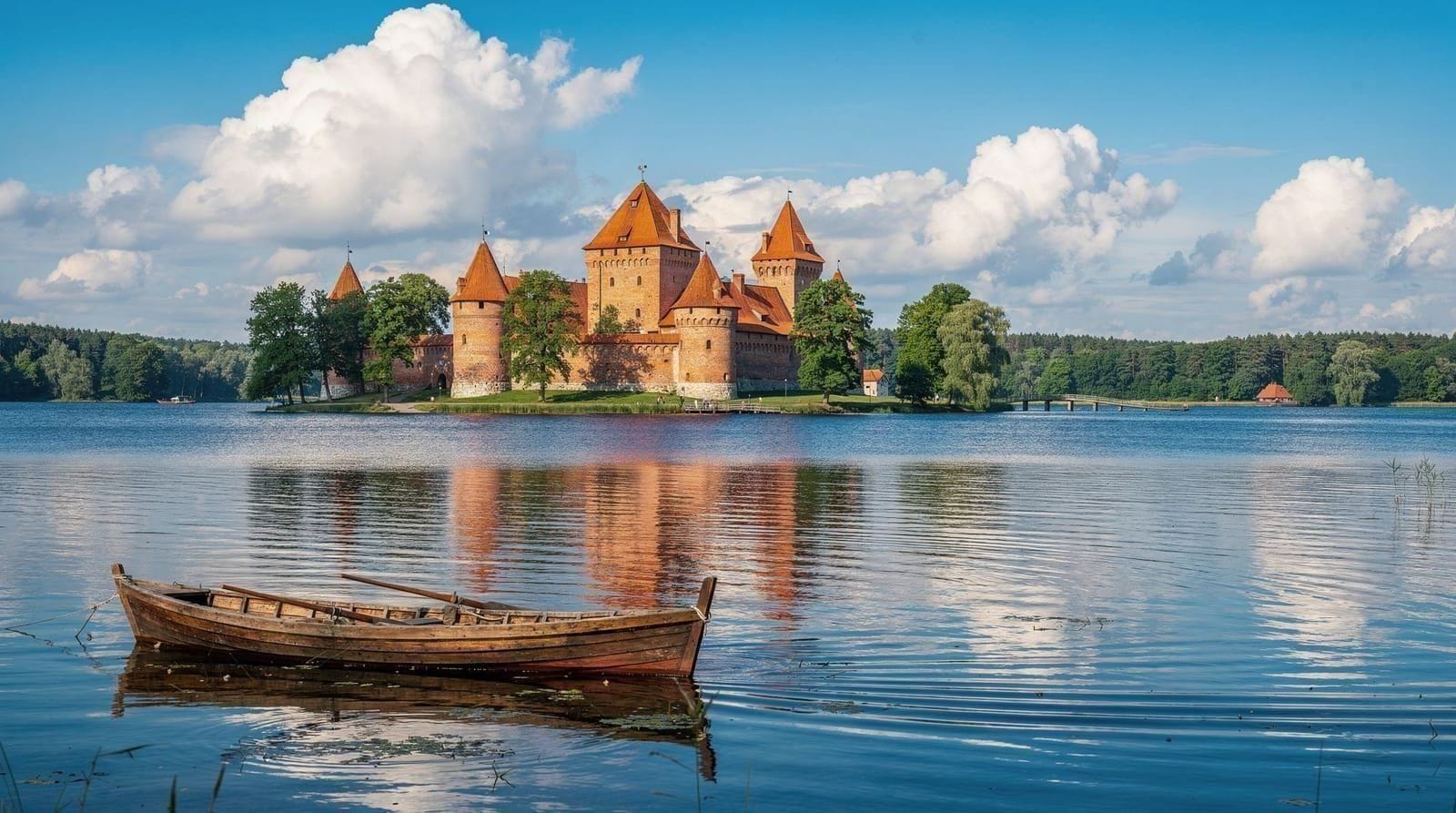
Train from Vilnius to Trakai at 9:15 (€2.90, 30 min). Spend the morning at Trakai Island Castle (€12, open 10:00–19:00 in summer). Kibinai lunch at Senoji Kibininė (Karaimų g. 65). Return to Vilnius by 14:00.
Vilnius: Trakai half day sightseeing tourAfternoon: The National Museum of Lithuania (Arsenalo g. 1, €5, Tue–Sun), or the Paneriai Memorial (15-min train from Vilnius, free). Paneriai — site of the murder of ~100,000 people during the Nazi occupation — is an essential counterpart to Trakai’s medieval grandeur. The juxtaposition is historically important.
Evening: Last night in Vilnius before the road trip leg. Tores (Užupio g. 40, mains €12-15) or any restaurant you missed earlier.
Day 4: Kaunas — interwar capital
Train to Kaunas at 9:00 (€6-8, 1h10). Spend the full day:
10:00–12:30: Kaunas Old Town (Rotušės aikštė, Perkūnas House, Cathedral) then the full length of Laisvės alėja — the 1.7 km modernist Freedom Avenue, UNESCO-listed. The M. K. Čiurlionis Art Museum (€5) is worth 45 minutes.
Lunch: Fredas (Savanorių pr. 142, mains €8-12) or Miesto Sodas (Laisvės al. 93, €9-14).
14:00 — Ninth Fort: Bus 23 or taxi (€5) to the mass execution site outside the city. Ninth Fort guide. Essential. Entry €4, open 10:00–17:00.
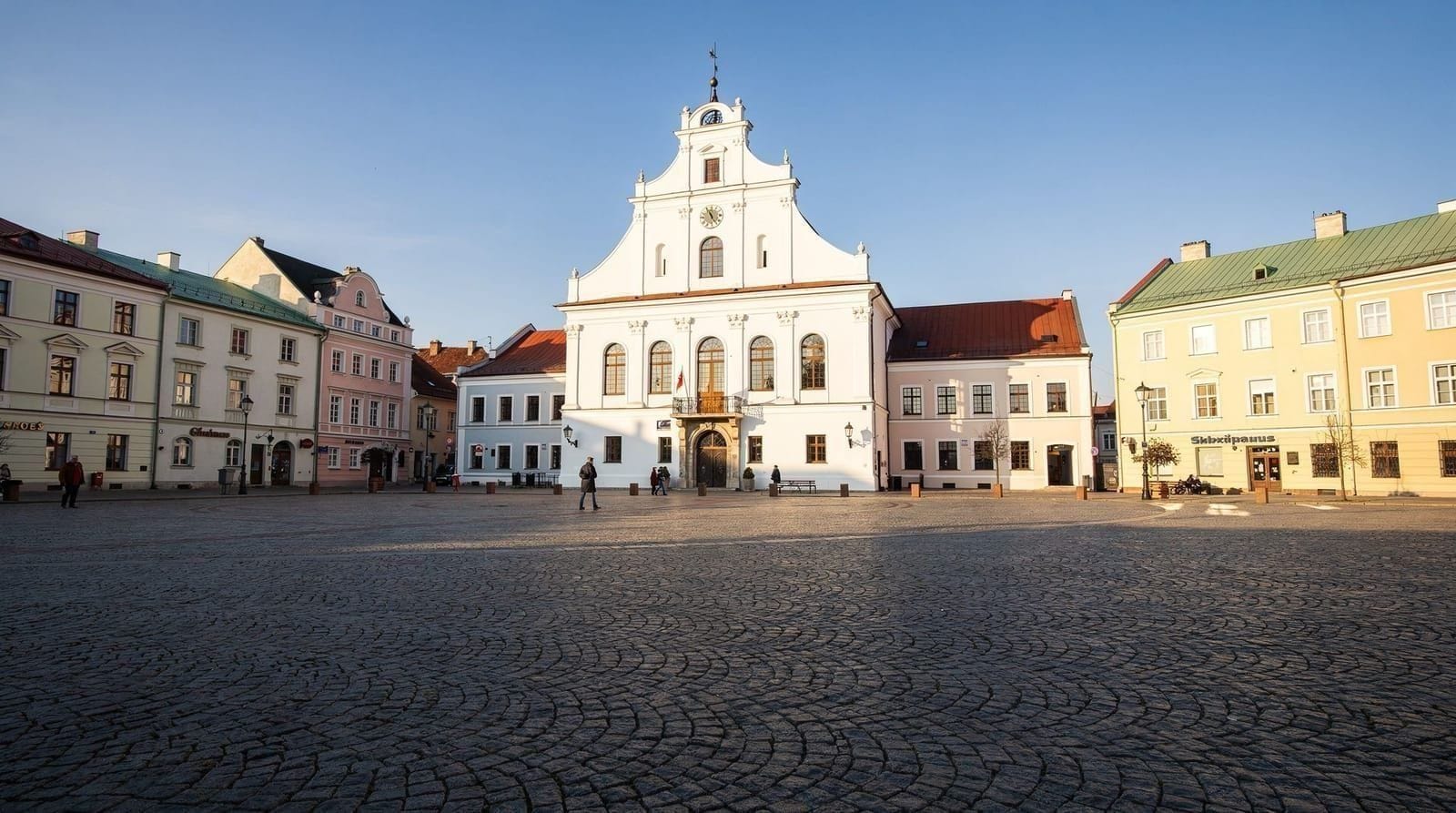
Kaunas: Sightseeing 2 hour tourReturn: Stay overnight in Kaunas (cheaper than Vilnius: doubles €50-75 in the centre), or train back to Vilnius if you prefer one base. Pick up your rental car in Kaunas or Vilnius on Day 5 morning.
Day 5: Hill of Crosses and drive north
Car pickup: Vilnius or Kaunas, morning. Drive the A1 motorway northwest.
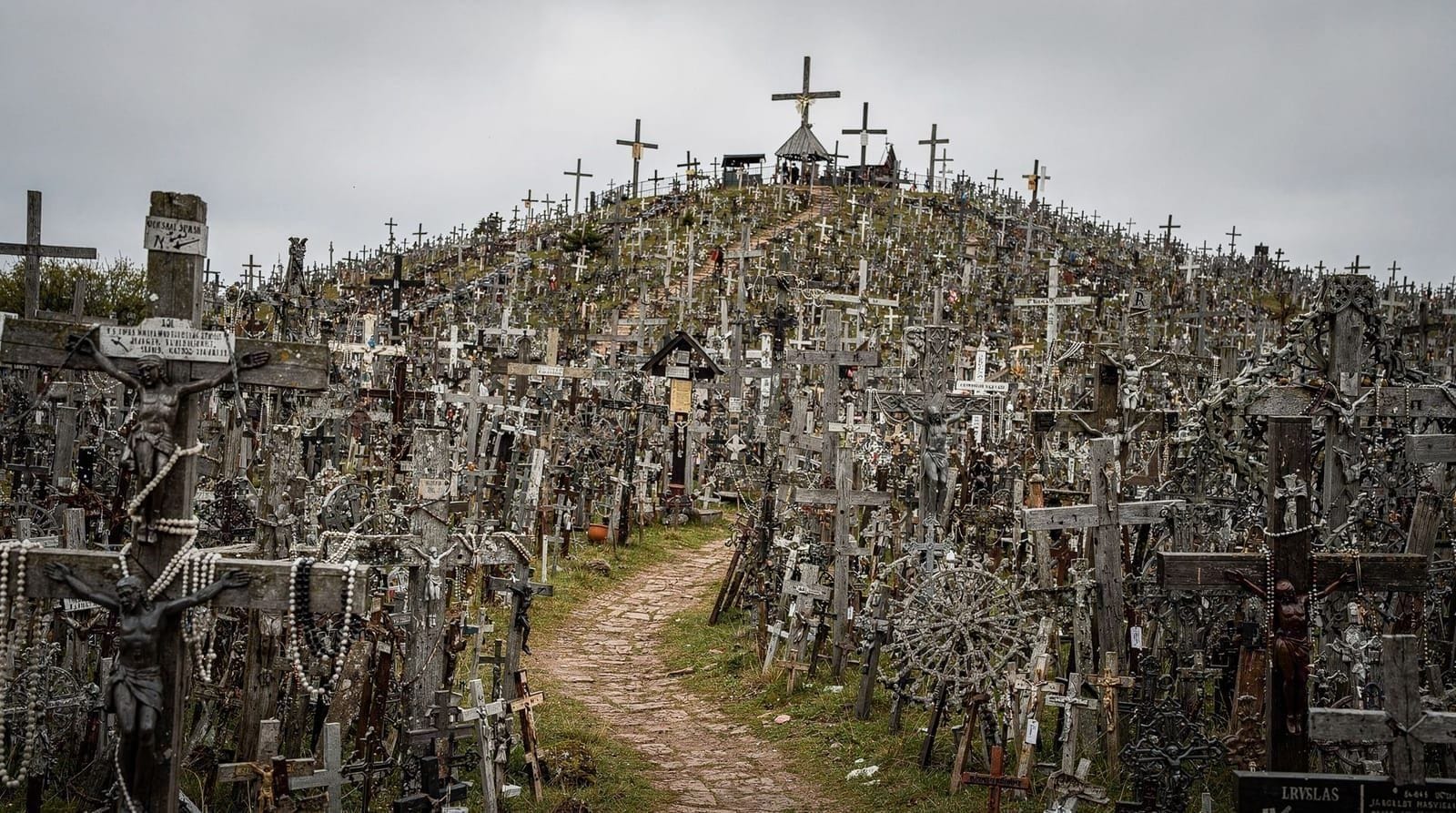
11:00 — Hill of Crosses Kryžių kalnas near Šiauliai is 210 km from Vilnius (2.5 hours drive). A hilltop covered with hundreds of thousands of crosses, rosaries, and devotional objects accumulated over centuries of resistance against Russian and Soviet occupation. Entry free. The site is open at all hours; arrive before or after tour groups (midday is busiest). The Hill of Crosses guide covers history and logistics.
Vilnius: Hill of crosses siauliai full day13:00 — Šiauliai lunch Šiauliai is 12 km from the Hill of Crosses. The centre has decent cafes around Vilniaus gatvė. Kavos Studija or Avilys for a quick lunch (€8-12). The Sundial Square (Saulės laikrodis) is the city’s main landmark.
Drive to Klaipėda: 130 km from Šiauliai, 1.5 hours on the A11. Arrive ~17:00.
Overnight in Klaipėda: Klaipėda has good mid-range hotels; the Old Town area is walkable and pleasant. Amberton Klaipėda (Šimkaus g. 1, doubles from €70) or Old Mill Hotel (Šaltinių g. 1, doubles from €60).
Evening: Walk Klaipėda Old Town — the half-timbered Memel-era architecture is distinct from Lithuanian baroque. Dinner at Le Bernardin (Šaulių g. 3, mains €12-18) or Iki Marios (S. Neries g. 1A, terrace, seafood mains €13-19).
Day 6: Curonian Spit
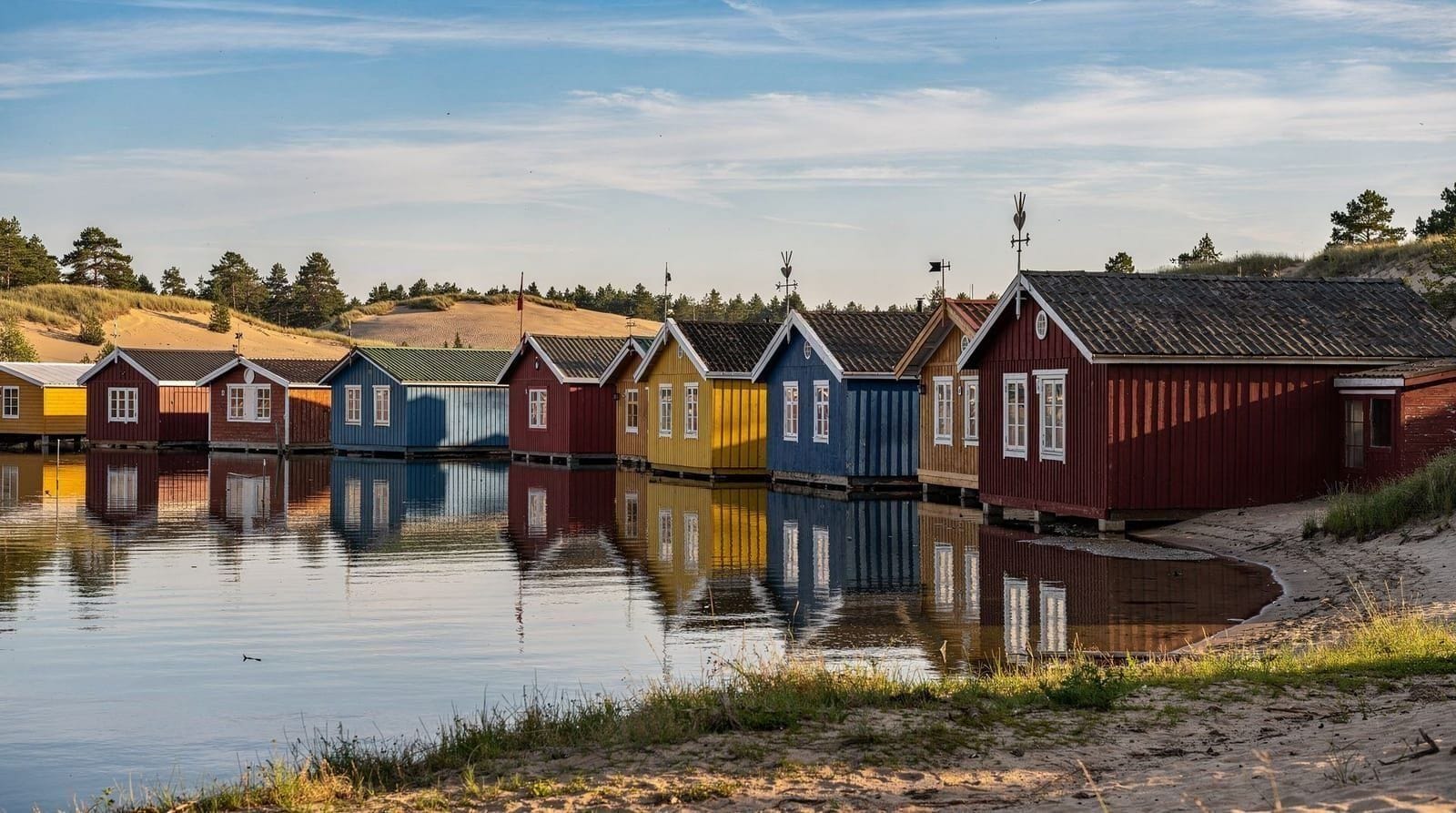
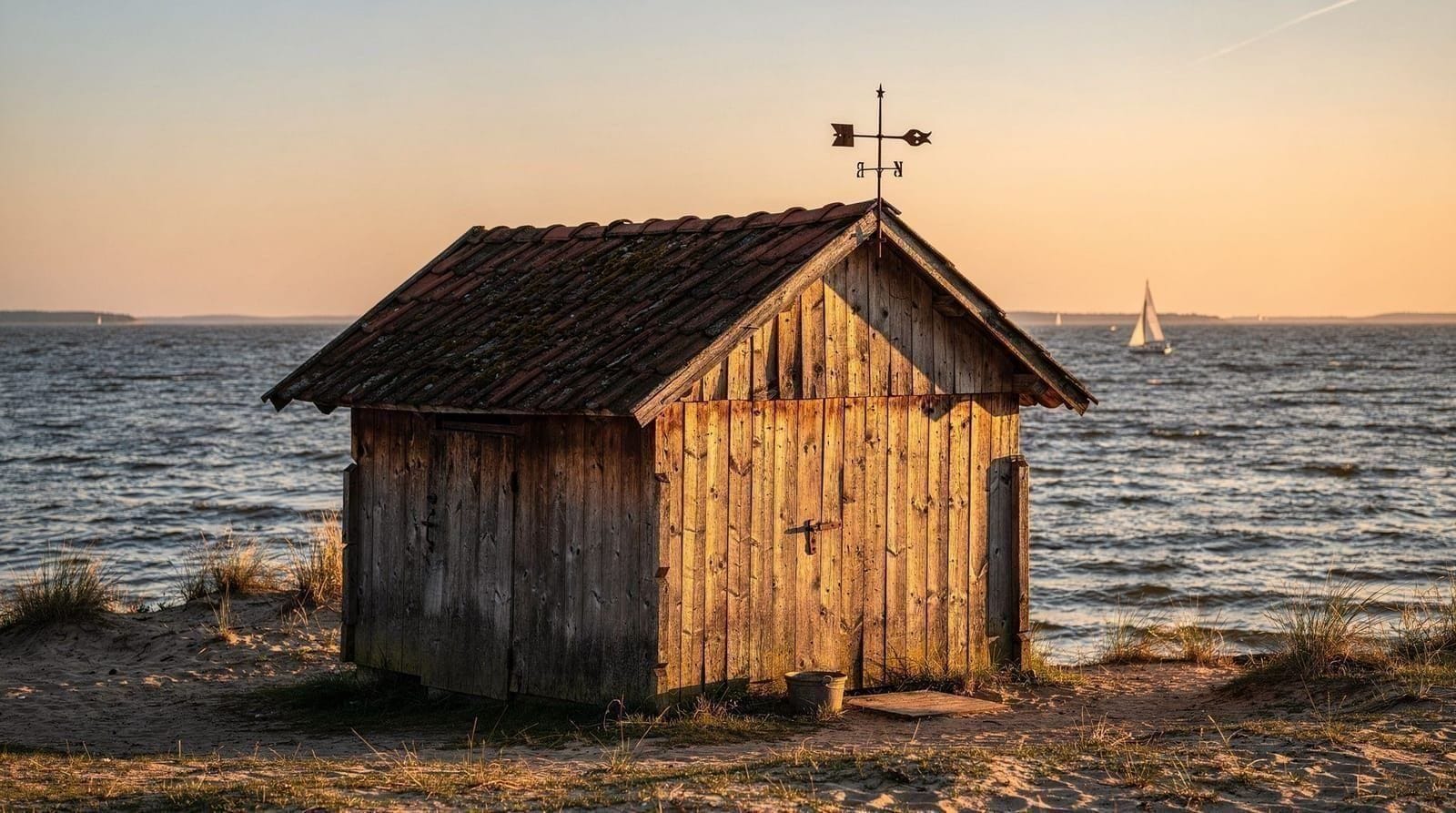
The Curonian Spit is the defining Lithuanian landscape experience — a 98 km UNESCO-listed sand spit separating a lagoon from the Baltic Sea, shared with Russia (the southern half is Kaliningrad). Drive to Smiltynė (the Lithuanian side’s northern tip), take the short ferry from Klaipėda (car ferries run every 30 minutes, €8.50/car + €1/person).
Drive south: The main road runs the full length of the Lithuanian Curonian Spit (50 km). Stop at:
- Juodkrantė (25 km from ferry): the Witches’ Hill (Raganos kalnas) — a forest sculpture park with carvings from Lithuanian folklore. Free, always open. 1 hour.
- Pervalka dunes: pull off at one of the signed viewpoints to walk up to the dune ridge. Views of the lagoon and Baltic simultaneously.
- Nida (50 km from ferry): the main resort village at the southern end. The Parnidis Dune (52m tall, the highest on the spit) requires a 30-minute walk from the village. The Thomas Mann House (Skruzdynės g. 17, €3) — where the Nobel Prize-winning author spent three summers — is a small but interesting museum.
Lunch in Nida: Seklyčia (Lotmiškio g. 1, smoked fish, €8-14) or Nidos Seklycja for traditional smoked eel, which is the regional speciality. Smoked fish and eel from the roadside stalls along the spit road are also good and cheaper (€5-8 per portion).
Return to Klaipėda by 18:00 for another night, or drive south along the coast to Palanga.
Day 7: Palanga and return to Vilnius
Morning: Palanga Palanga is Lithuania’s main beach resort (30 km north of Klaipėda). In summer it’s packed but the beach is genuinely good and the Amber Museum (in the Tiškevičiai Park mansion, €5, Tue–Sun 10:00–18:00) is one of the best amber collections in Europe. The amber is embedded in coastal cliffs of this region — the museum explains the science and history.
Walk the pedestrianised resort strip — more relaxed in the morning before the day-trippers arrive.
Drive back to Vilnius: Palanga to Vilnius is 370 km on the A1 motorway, approximately 3.5 hours. Depart by 13:00 for a 16:30-17:00 arrival. Airport is en route if flying from Vilnius.
Practical notes for 7 days
Transport split: Train for Days 1-4 (Vilnius hub), rental car from Day 5 (western loop). This is the most efficient approach. Trains in Lithuania guide.
Costs: Day 5-7 adds fuel (Vilnius–Klaipėda–Vilnius ~650 km, ~€60 in petrol), ferry (€10-12 per car), and Curonian Spit park entry (€5/car). Total car expenses for 3 days: ~€130-180 including rental.
Curonian Spit seasonality: The spit is best June–August. Off-season, many Nida restaurants close. The dunes and nature are accessible year-round; the resort atmosphere is not.
Accommodation route: Vilnius (3 nights) → Kaunas or Vilnius (1 night) → Klaipėda (2 nights).
Day-by-day summary
| Day | Focus | Transport |
|---|---|---|
| 1 | Vilnius arrival, Cathedral Square, Gediminas Tower | on foot |
| 2 | KGB Museum, Jewish heritage, Užupis | on foot |
| 3 | Trakai Island Castle, National Museum or Paneriai | train |
| 4 | Kaunas: Old Town, Laisvės alėja, Ninth Fort | train |
| 5 | Hill of Crosses, drive to Klaipėda | rental car |
| 6 | Curonian Spit: Juodkrantė, Nida, Parnidis Dune | rental car + ferry |
| 7 | Palanga beach and Amber Museum, drive back to Vilnius | rental car |
Why the east-west split works
Splitting the week into a train-based eastern half and a car-based western half isn’t just logistics — it changes the character of the trip. Days 1-4 are dense, walkable, city-and-museum days around Vilnius and Kaunas; Days 5-7 open up into road-trip territory with longer drives, coastal scenery, and a genuinely different pace. Travellers who prefer to stay in one mode throughout sometimes drop the western leg entirely and instead add a second eastern day trip — see the 5-day itinerary for that version — but the coast is worth the gear change if you have the full week.
If you’d rather not drive
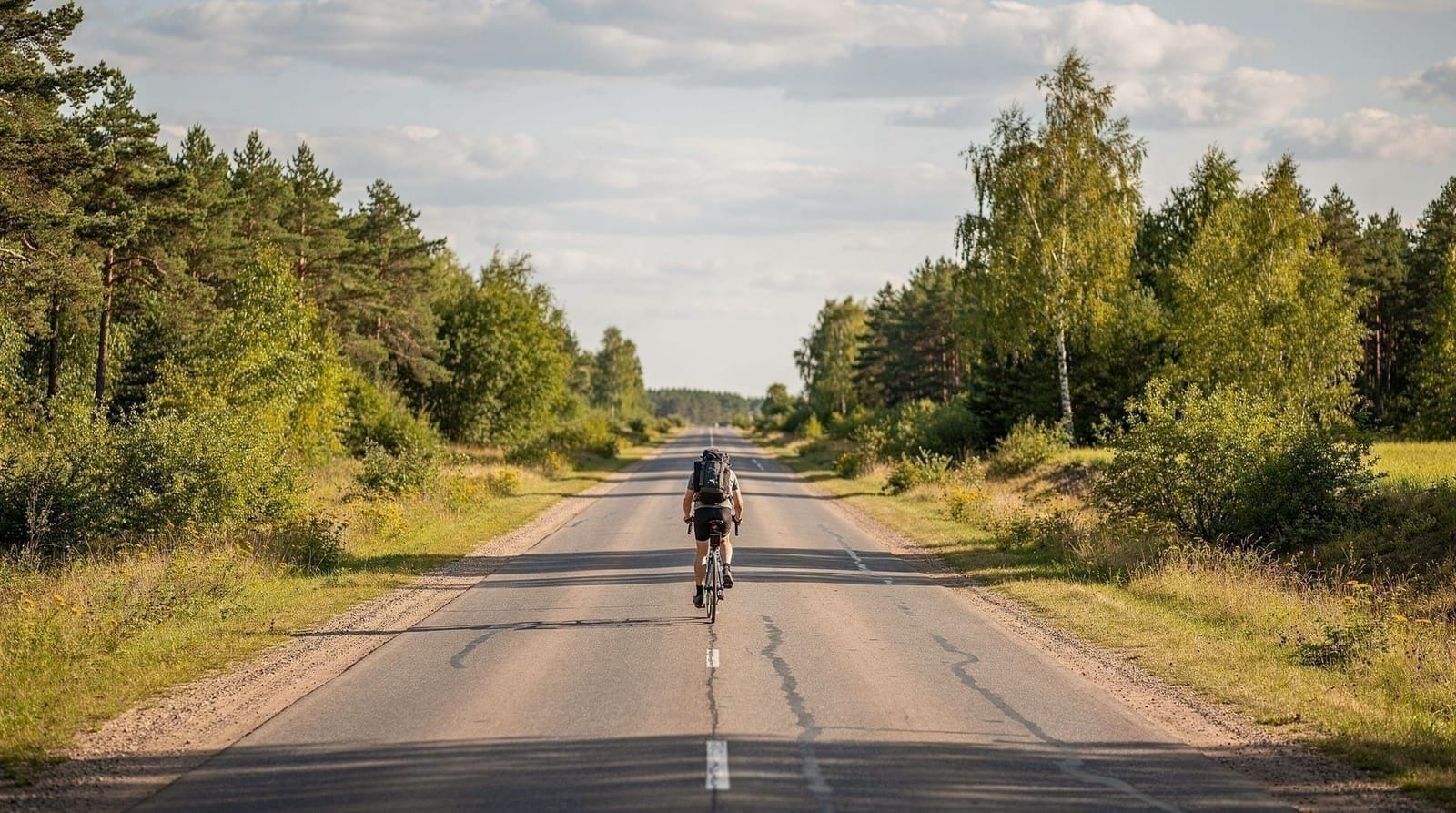
The western leg is far more comfortable with a car, but it isn’t impossible without one. Buses connect Vilnius, Šiauliai (near the Hill of Crosses), and Klaipėda, and once you’re in Klaipėda, the Curonian Spit ferry and local buses cover Nida and Juodkrantė without a rental. It adds significant journey time and requires more advance planning around bus schedules — see the trains and buses guide for realistic timings. Most travellers doing this itinerary without a car end up dropping either the Hill of Crosses or Palanga to keep the week manageable.
Frequently asked questions about 7 days in Lithuania
Is 7 days enough to see Lithuania?
Seven days covers the main highlights — Vilnius, Trakai, Kaunas, Hill of Crosses, and the Curonian Spit. It leaves out Druskininkai (spa town in the south), Anykščiai (lakes and forests), and rural eastern Lithuania. For a complete picture, 10 days is better.
Do I need a car for a week in Lithuania?
Not for the first four days (Vilnius, Trakai, Kaunas are all well-connected by train). A car is strongly recommended for Days 5-7 (Hill of Crosses, Klaipėda, Curonian Spit) — the coast is doable by public transport but buses are infrequent and journeys are long.
How far is it from Vilnius to the Curonian Spit?
Approximately 320 km (3.5 hours driving). The most efficient approach is to base in Klaipėda (the gateway city) for 2 nights and day-trip the spit from there.
What is the Curonian Spit and why is it UNESCO-listed?
The Curonian Spit is a 98 km sand barrier separating the Curonian Lagoon from the Baltic Sea. It’s UNESCO-listed for its exceptional dune landscape (Europe’s highest dunes after Pyla in France), unique flora, and traditional fishing villages. It’s shared between Lithuania (northern 50 km) and the Russian Kaliningrad exclave (southern 48 km — not accessible to most Western visitors currently).
What’s the best thing to eat in Lithuania?
Cepelinai (potato dumplings stuffed with meat or cheese) are the national dish — filling, cheap (€7-9), and genuinely good when fresh. Cold beet soup (šaltibarščiai) in summer. Smoked fish and eel on the Curonian Spit. Kibinai (Karaim pastries) in Trakai. Dark rye bread everywhere.
Should I rent the car in Vilnius or wait until Kaunas?
Either works, but picking up in Vilnius on Day 5 morning is usually simpler logistically than arranging a one-way drop from Kaunas. If you overnight in Kaunas on Day 4, check whether your rental company offers pickup there before committing to the Vilnius option.
Is 7 days too rushed for this itinerary?
It’s full but manageable if you accept that Days 5-7 involve real driving time. Travellers who prefer a slower pace often drop Palanga (Day 7) and instead spend a relaxed extra morning in Nida before the drive back, or extend to the 10-day grand tour if their schedule allows.
Top experiences
Bookable activities with verified prices and instant confirmation on GetYourGuide.