Užupis, Vilnius
Užupis is Vilnius's bohemian arts district and self-declared republic with its own constitution, galleries, and independent cafés. How to explore it.
Vilnius: Old town uzupis tour
Quick facts
- Location
- East edge of Vilnius old town, across the Vilnelė River
- Getting there
- 15-min walk from Cathedral Square
- Best time
- Year-round; April 1 (Republic Day) most festive
- Time needed
- 2–3 hours
- Entry
- Free (public streets and parks)
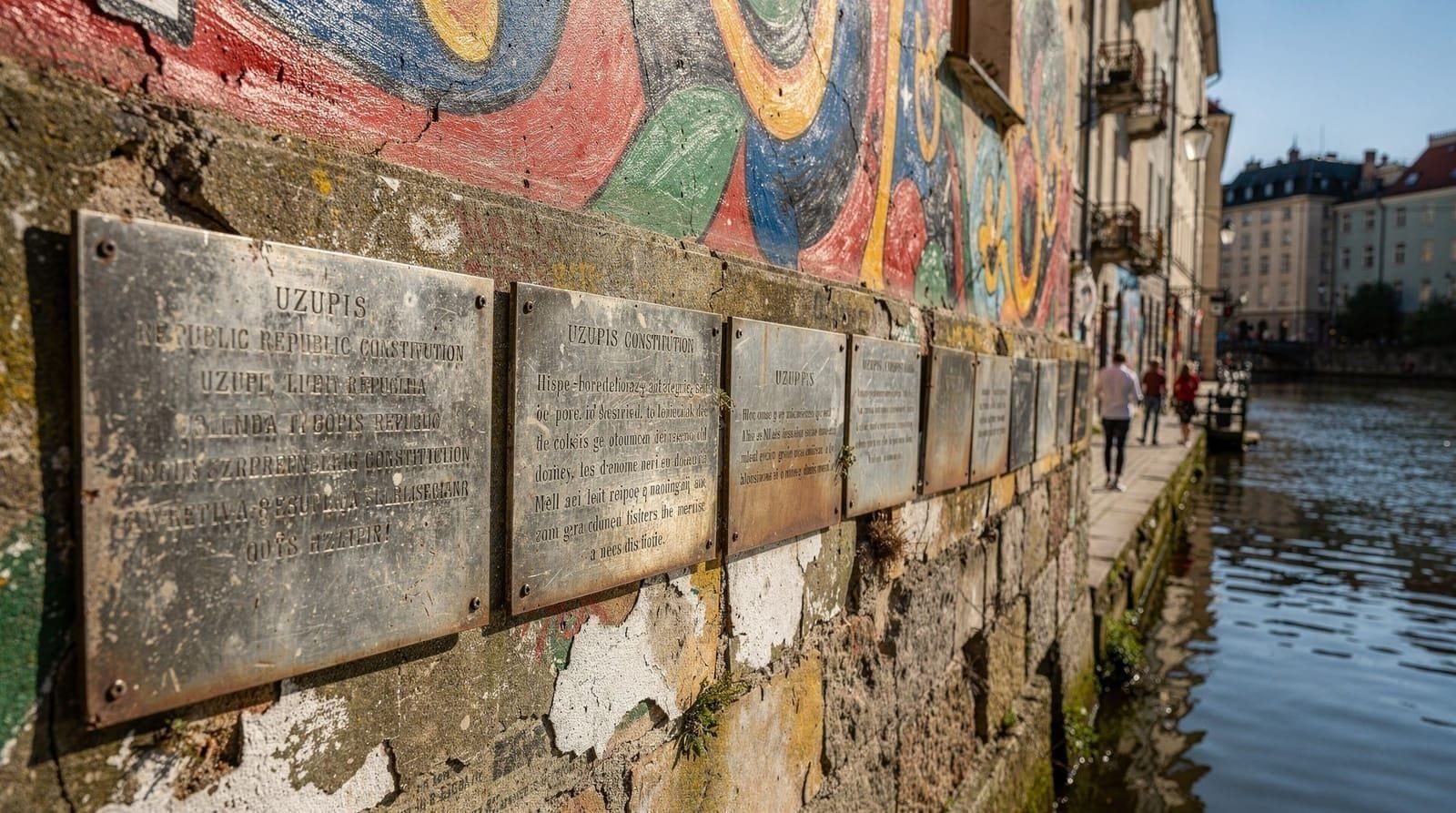
Quick answer: Užupis is a small neighbourhood at the eastern edge of Vilnius’s old town, across the narrow Vilnelė River. In 1998, its residents (mostly artists, bohemians, and local characters) declared it the “Republic of Užupis” — a performance-art project that has persisted for nearly 30 years, complete with a president, an anthem, an army of about 10 men, and a constitution posted on metal plaques in 41 languages on Paupio Street. It is still a living neighbourhood with genuine residents, real art studios, coffee shops, and a distinct atmosphere that has survived the past decade of tourist attention better than most similar European “artistic districts.” A 2–3 hour walk covers it thoroughly; it is most rewarding if you walk slowly and look carefully.
| Where | East of the old town, across the Vilnelė River |
| Getting there | 15-min walk from Cathedral Square |
| Time needed | 2–3 hours at a relaxed pace |
| Cost | Free to walk; cafés €6–12, art varies |
| Best time | Year-round; April 1 (Republic Day) most festive |
What Užupis is and what it isn’t
Užupis (literally “beyond the river” in Lithuanian) was an economically depressed neighbourhood in the Soviet period, home to working-class residents and, towards the end of the Soviet era, artists and musicians who could afford its cheap rents. After Lithuanian independence, artists moved in more deliberately; the semi-joking Republic of Užupis was declared on April Fool’s Day (April 1) 1998.
What it isn’t: a theme park or a deliberately constructed tourist attraction. The constitution plaques are real art objects installed by the community. The galleries are real galleries selling real art. The cafés are where local residents and artists actually eat. The “ambassador” plaques on houses are largely ironic. But it’s also not secret or undiscovered — Užupis has been on the Vilnius tourist circuit for at least 15 years, and the neighbourhood is aware of and managing its own image.
The genuine bohemian core remains. What has been added around it is a tourism layer of souvenir-adjacent galleries and “Užupis passport” stamps. You can ignore the tourism layer and find the real neighbourhood underneath it, if you look for it.
The constitution
The Užupis Constitution, posted on metal plaques on the wall at the eastern end of Paupio Street, is available in 41 languages (including Klingon and Esperanto). It consists of 41 articles, including:
- “Everyone has the right to live by the River Vilnelė, and the River Vilnelė has the right to flow by everyone.”
- “A person has the right to be happy.”
- “A dog has the right to be a dog.”
- “Do not defeat.”
- “Do not fight back.”
- “Do not surrender.”
The last three articles are the complete closing section. Reading the full constitution in English takes about 10 minutes. It is worth doing.
What to see and do in Užupis
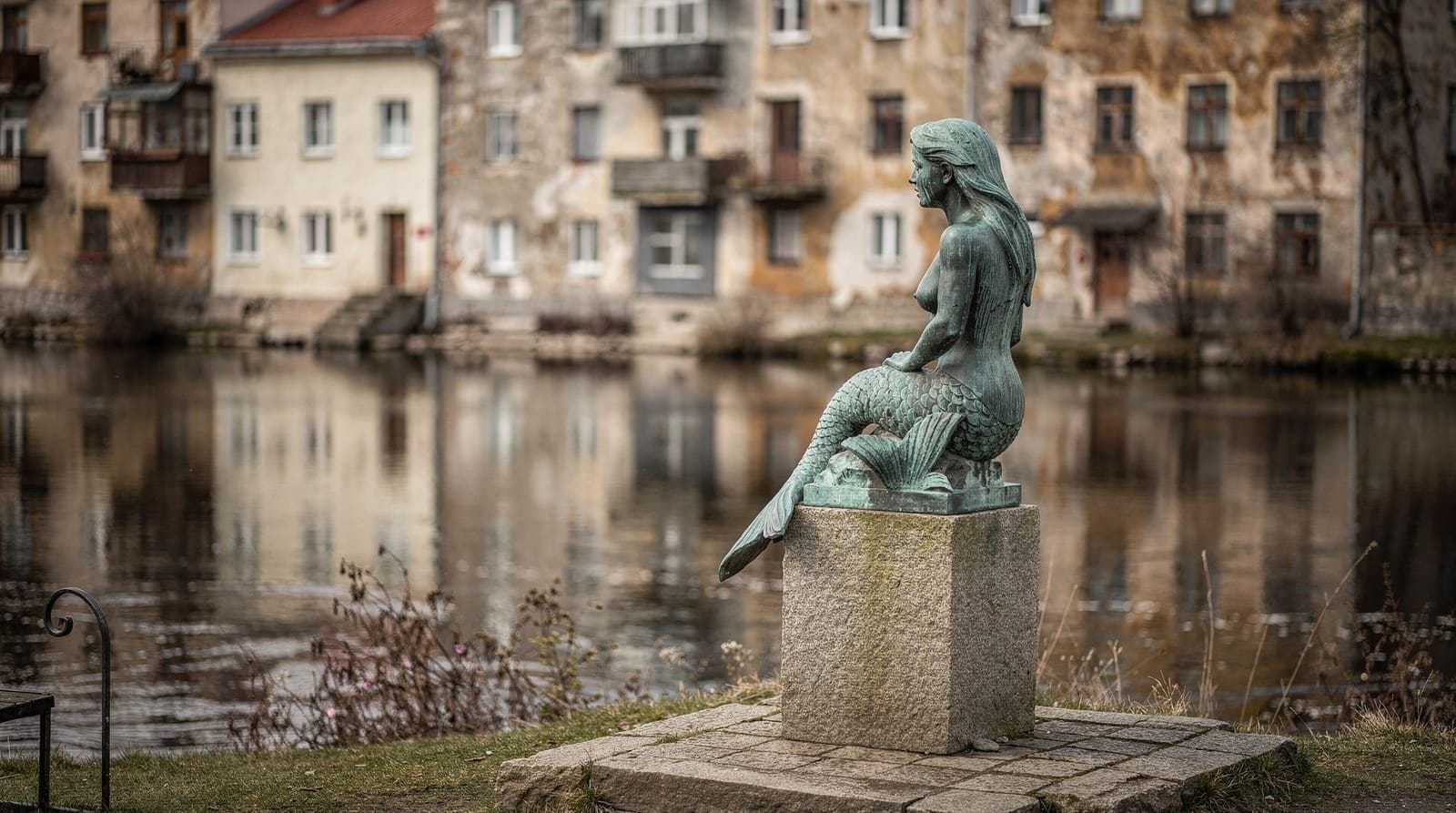
The angel statue: At the main bridge over the Vilnelė, a gilded angel on a column marks the symbolic border of the republic. The original was installed in 2002; the current version replaced it. It’s the most photographed spot in the neighbourhood.
Paupio Street and the constitution plaques: Walk east along Paupio from the bridge to find the multilingual constitution wall. The street itself is lined with old wooden houses, some renovated, some in original semi-derelict condition.
Užupis Street: The main artery of the neighbourhood, running parallel to the river. Galleries, studios, and independent cafés line this street. Look for signs advertising current exhibitions — several spaces rotate work monthly.
Bernadine Garden and Church: The Bernardine Church and its garden are at the entrance to Užupis from the old town, across the first bridge. The garden is public and pleasant; the church is one of the finest Gothic brick buildings in Vilnius.
Vilnelė River embankment: The path along the Vilnelė is peaceful and offers a different angle on the neighbourhood’s wooden houses and gardens backing onto the river.
Vilnius: Old town uzupis tour Vilnius: Suburbs hot air balloon hotel transferUžupis and the rest of the old town
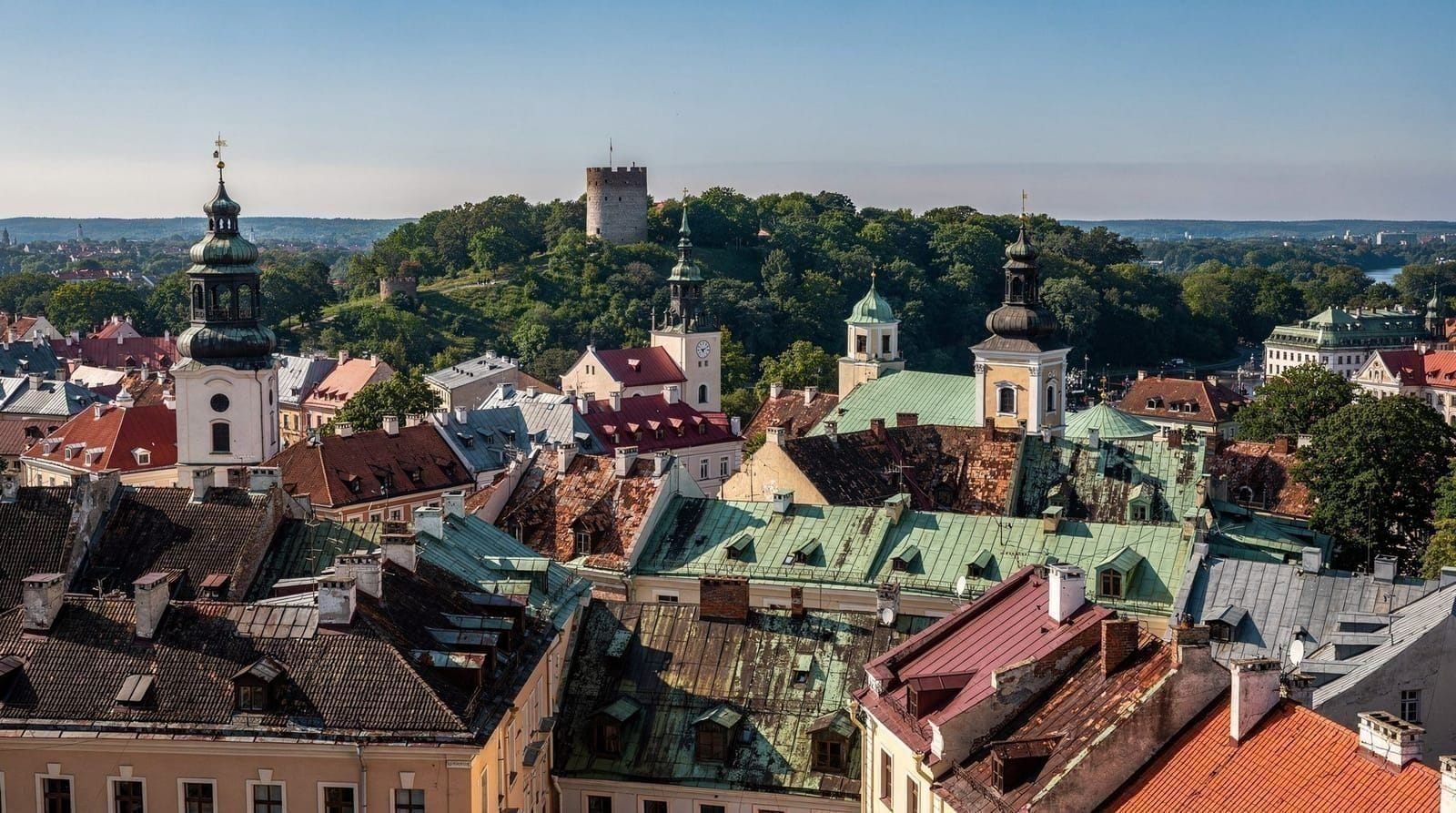
Užupis is not a separate excursion — it’s a natural extension of a walk through Vilnius old town. Most visitors cross from Cathedral Square, past St Anne’s and the Bernardine Church, and are in Užupis within 15 minutes without any special planning. It pairs naturally with a morning spent on Cathedral Square and Gediminas Tower, followed by lunch and gallery-browsing across the river. See the Vilnius old town guide for how to sequence a full day that includes both.
Coffee is a genuine strength of the neighbourhood — several of the roasters and cafés that anchor the wider Vilnius coffee scene have their roots or a branch in Užupis. In the evening, a handful of bars give the neighbourhood a different, quieter energy than the Vilnius nightlife found in the old town proper — worth knowing if you want a calmer night out.
The Užupis Republic day (April 1)
On April 1 each year, Užupis “closes its borders” — the bridge is guarded by the Republic’s army of about 10 people in theatrical uniforms, who stamp passports and issue visas with deliberate bureaucratic pomposity. Food stalls, street performances, and a general street party atmosphere last through the afternoon. The president of Užupis makes a speech. The event is free to attend and is the most concentrated expression of the neighbourhood’s performance-art identity.
If you happen to be in Vilnius on April 1, this is worth attending. It is not serious, which is precisely the point.
Galleries and studios
Užupis has a real gallery culture. A few notable spaces:
- Galeria Vartai (now relocated to the old town, but historically Užupis-connected): One of Lithuania’s most respected contemporary art galleries. Currently shows Baltic and international contemporary artists.
- The Art Incubator (Užupio Street): Exhibition and studio space in a converted building; various shows throughout the year.
- Small pop-up galleries throughout the neighbourhood change regularly — keep an eye open for handwritten signs and lit windows.
Where to eat and drink in Užupis
- Café de Paris (Užupio Street 8): A reliable French-influenced café serving crêpes, salads, and daily specials. Popular with neighbourhood residents; prices fair (€6–12 for lunch). Outdoor tables in summer.
- Robusta (Užupio Street): A coffee shop with serious espresso, taken seriously by Vilnius coffee drinkers. Not a tourist café.
- Uzupio Kriaučiai (Užupio Street): A quirky small restaurant in a tailoring-shop setting. Lithuanian and European food; dinner; moderately priced (€10–16 for a main).
- Skonis ir Kvapas (Trakų Street, just outside Užupis boundary): Popular brunch spot with a large café-food menu and good pastries. Often has a queue on weekend mornings.
Getting to Užupis from the old town
Užupis is a 15-minute walk from Cathedral Square. Cross the old town eastward to the Bernardine Garden area and cross the Vilnelė River via the small bridge at the statue of the angel (or the adjacent Bernardine bridge). You’re now in Užupis. The neighbourhood is compact — the core of interest is about 400 metres from east to west and 300 metres from north to south.
Practical notes
Photography: Užupis is heavily photographed and its residents are accustomed to it. Street photography is fine. If photographing inside open galleries or studios, ask first.
What to spend money on: Original art, if something speaks to you, supports local artists genuinely. The Užupis “passport” stamp (available at some galleries) is a harmless souvenir. Avoid mass-produced Užupis-branded souvenirs that are not meaningfully different from old-town tourist merchandise.
Time of day: Užupis is most atmospheric in the late morning and afternoon when studios and galleries are open. In the evening, a few bars and restaurants are lively; the streets are quieter and slightly different in feel — more residential.
Frequently asked questions about Užupis
Is Užupis a separate country?
No — it is a neighbourhood of Vilnius within Lithuania. The “Republic of Užupis” is a longstanding performance-art project that established an ironic micro-state with a constitution, flag, president, and “army.” Lithuania’s laws and jurisdiction apply fully. The borders are symbolic; no one is actually checking passports (except theatrically on April 1).
How long does it take to walk around Užupis?
Two hours covers the main streets, the constitution plaques, the angel statue, a gallery or two, and a coffee. Three hours at a relaxed pace includes sitting somewhere for a proper lunch and exploring some of the quieter residential streets away from Užupis Street. It’s a neighbourhood you walk through rather than tick off a list.
What is the Užupis constitution?
A list of 41 articles written by Romas Lileikis (the Republic’s self-styled “Foreign Minister” and constitution author), combining philosophy, humour, environmental thought, and political idealism. It is posted on metal plaques on Paupio Street in 41 languages. Reading it is free and takes about 10 minutes. It is genuinely thoughtful as well as funny.
When is Užupis most crowded?
Summer, especially July and August, brings significant visitor numbers to the neighbourhood. April 1 (Republic Day) is a special occasion. Weekday mornings in shoulder season are the calmest time to explore. The neighbourhood is pleasant year-round — even in winter, the streets and galleries have a characteristic warmth.
Do I need to visit Užupis separately from the Vilnius old town?
No — Užupis is a 15-minute walk from Cathedral Square. Any visit to Vilnius’s old town naturally encompasses Užupis without special arrangements. It pairs well with a morning in the old town followed by lunch in Užupis and an afternoon exploring the galleries.
What else is nearby if I have more time?
Užupis sits close enough to the old town that most people combine it with central Vilnius sights rather than treating it as a separate leg of a trip. If you want a full day of contrast, pair a Užupis morning with an afternoon at Paneriai memorial (15 minutes by train from Vilnius) for a sobering counterpoint, or with Kernavė if you have a car and want to extend into the countryside. Neither is walkable from Užupis itself — both require a separate trip from central Vilnius.
Top experiences
Bookable activities with verified prices and instant confirmation on GetYourGuide.