Palanga, Lithuania
Palanga is Lithuania's Baltic beach resort with the Amber Museum, Birutė Park, and long sandy beaches. 25 km from Klaipėda; how to visit.
Palanga: Klaipeda palanga amber museum guided tour
Duration: 6 hours
Quick facts
- Distance from Vilnius
- ~360 km
- Travel time
- ~4 hours from Vilnius (train to Klaipėda + bus); or ~30 min from Klaipėda
- Best time
- Jun–Aug; off-season the resort largely closes
- Days needed
- Half day to 1 day combined with Klaipėda
- Amber Museum
- €6–8, Birutė Park (free to walk)
Quick answer: Palanga is Lithuania’s primary Baltic beach resort, 25 km north of Klaipėda. In summer it transforms from a town of 15,000 into a resort of 100,000+ daily visitors; in winter it’s nearly empty. Its standout attraction is the Amber Museum in Birutė Park — genuinely excellent and worth visiting even if you have no interest in amber specifically. The beach is clean, wide, and long. As a standalone day trip from Vilnius (360 km), Palanga is a stretch; combined with Klaipėda and the Curonian Spit in a two- or three-day coastal trip, it makes complete sense.
| Where | Lithuanian coast, 25 km north of Klaipėda |
| Cost | Beach free; Amber Museum €6–8 (by season) |
| Time needed | Half day to 1 day, combined with Klaipėda |
| Getting there | Bus from Klaipėda (~30min); no direct train from Vilnius |
| Best time | Jun–Aug; largely closed off-season |
Palanga in summer
Summer Palanga is concentrated around the Basanavičiaus Street pedestrian pier street — a kilometre of bars, restaurants, amber shops, ice cream sellers, and souvenir stalls that runs from the town centre straight to the beach. This is explicitly resort town Lithuania: cheerful, loud, a little chaotic, and very affordable compared to comparable beach resorts in Germany, Poland, or Scandinavia.
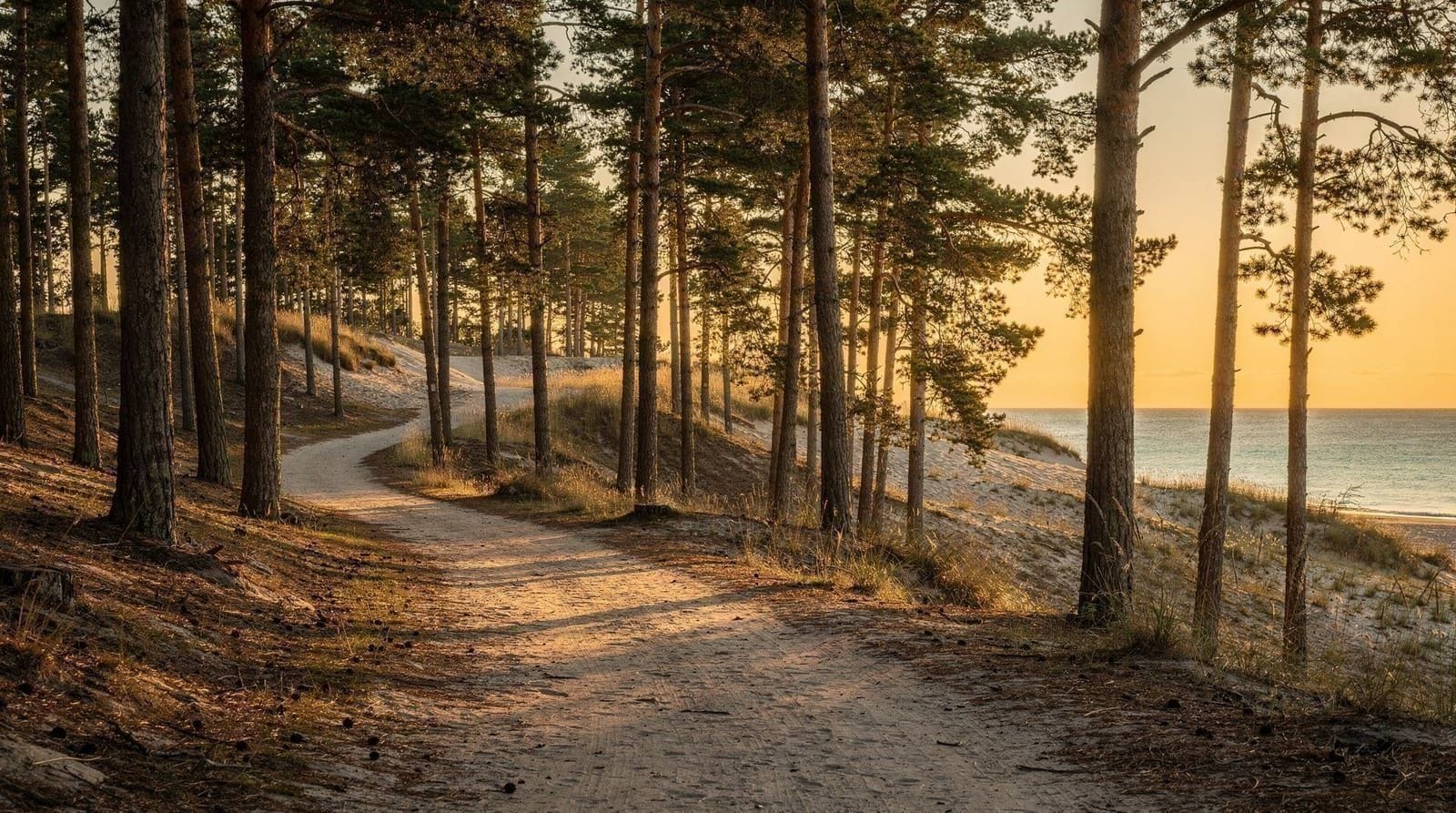
The beach itself is 10 km long, sandy, and clean. Lifeguards operate in designated swimming areas in July and August. Water temperature peaks at 18–22°C in the warmest summers; Baltic sea swimming is bracing rather than Mediterranean. Windsurfing and kiteboarding are active at the northern end of the beach.
Evening Palanga in July and August is animated until late — the boardwalk, bars along Basanavičiaus, and the pier area remain lively until midnight and beyond. This is where Lithuanians, Latvians, and an increasing number of western Europeans spend Baltic summer nights.
Amber Museum (Gintaro Muziejus)
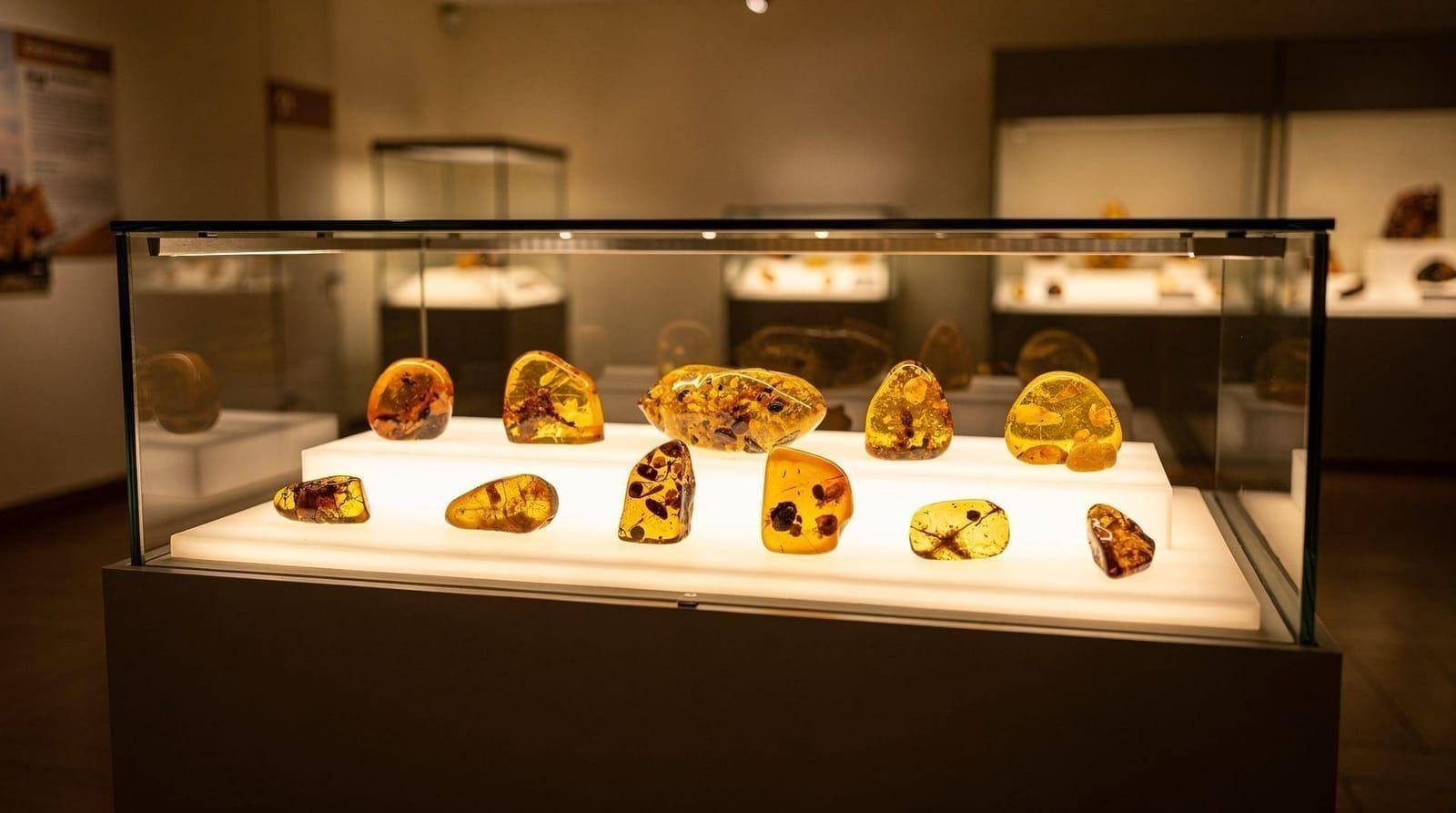
The Amber Museum in Birutė Park is the single best reason to visit Palanga beyond the beach. Housed in a neo-Baroque manor (Tiškevičiai Palace, 1897) in a landscaped park, the museum holds one of the largest amber collections in the world — over 28,000 pieces, including exceptional specimens with insect and plant inclusions, some dating 40–50 million years.
The exhibits cover:
- The Baltic amber trade through history (from Neolithic to present)
- Amber’s geological formation from pine resin
- Amber inclusions (insects, spiders, plant fragments preserved in the resin)
- Decorative arts in amber through the centuries
The insect-inclusion collection alone is worth the entry fee — amber specimens with perfectly preserved insects and spiders, visible under magnification. The manor building itself is architecturally interesting.
Entry: €8 adults from 15 May to 15 September, €6 the rest of the year (reduced €4 / €3); closed Mondays and public holidays. See the official museum site (Lithuanian National Museum of Art) for current hours. Allow 1.5–2 hours.
Palanga: Klaipeda palanga amber museum guided tour Klaipėda: Curonian spit palanga 7 day bike tourBirutė Park
The park surrounding the Amber Museum is one of the finest designed parks in Lithuania — a late 19th-century English landscape garden with old oaks, pines, and the Birutė Hill chapel (a 19th-century wooden chapel on a site traditionally associated with a Vestal-like fire-keeper). The hill is 20 metres high with views over the park and coast. Free to walk.
The park is pleasant year-round but best in May–June (flowering shrubs) and September–October (autumn colour). In summer, outdoor concerts and events take place in the park’s amphitheatre.
How to pace a day in Palanga
The easiest way to enjoy Palanga is to let the weather set the order. On a bright morning, head for the sand first while the beach is at its calmest, then retreat to Birutė Park and the Amber Museum when the afternoon crowds arrive. If the sky turns grey or the wind picks up, flip the plan: museum first, a slow walk through the park, and a long lunch somewhere warm. Because the museum and the park share the same grounds, you lose almost no time moving between them.
Late afternoon is a good moment for the pedestrian street, when the day-trippers start drifting home and the evening crowd has not yet taken over. Finish with a walk out onto the pier at sunset; it is the simplest, cheapest way to end a day here, and the light over the Baltic is the reason many Lithuanians keep coming back year after year.
If you are travelling with children, the long, gently sloping beach and the open lawns of the park make Palanga one of the easier coastal stops. For more ideas on keeping younger travellers happy across the country, see family day trips from Vilnius and the family week in Lithuania itinerary.
Getting to Palanga
From Klaipėda: Bus service is frequent — departures every 20–30 minutes from Klaipėda bus station, journey time about 30 minutes, cost under €3. Palanga is a natural half-day add-on to a Klaipėda visit.
From Vilnius: No direct train; the nearest rail point is Klaipėda (3.5 hours from Vilnius). From Klaipėda, add 30 minutes by bus. Total journey from Vilnius: about 4 hours each way. For most visitors, Palanga is part of a longer coastal trip rather than a standalone day trip from Vilnius.
By air: Palanga has a small international airport (PLQ), which serves seasonal flights from several European cities, primarily in summer. Convenient for arriving directly on the coast.
Palanga: Klaipeda private old town tour lost memel palangaCombining Palanga with Klaipėda and the Curonian Spit
The practical coastal combination from Vilnius:
- Day 1: Train to Klaipėda, walk old town (half day), ferry to Curonian Spit, night in Nida
- Day 2: Nida and Parnidis Dune, return to Klaipėda, bus to Palanga afternoon, Amber Museum, evening in Palanga
- Day 3: Return to Vilnius
This covers the best of the Lithuanian coast in three days. See the Vilnius to Klaipėda and Curonian Spit guide for detailed transport logistics.
If you want a longer version, the Vilnius and Curonian Spit week itinerary spreads the same stops over more days and leaves room for the capital at both ends. Travellers who prefer to set their own pace on the coast may also like the flexibility of a rental car; the car rental in Lithuania guide explains what to expect, while the trains and buses in Lithuania guide covers the public-transport alternative. For a wider look at what else can be reached from the capital, browse the best day trips from Vilnius.
Why the coast pairs well with a city break
Lithuania is small enough that the sea and the capital sit in the same trip without much strain, and the contrast is part of the appeal. Vilnius gives you baroque streets, churches, and cafés; Palanga gives you salt air, pine-backed sand, and a slower rhythm. Many visitors spend the first part of a trip in the capital, using the Vilnius old town guide to cover the historic centre, and then finish on the coast to rest.
If you are still deciding how to divide your time, the Lithuania travel guide gives a broader overview, and the 7 days in Lithuania highlights route shows where a coastal stop fits into a week. Readers interested in the amber story beyond the museum can also read our blog post on the best amber souvenirs from Lithuania, which pairs naturally with a visit to the Amber Museum.
Where to eat in Palanga
In summer, Palanga has more restaurant options per square kilometre than most Lithuanian cities. Quality varies enormously. Avoid places with aggressive touts on Basanavičiaus Street.
- 1925 (near the pier): Named for the year the first Palanga casino opened (different building). Fish dishes, Lithuanian cuisine, terrace. Mid-range; €12–20 for a main.
- Žvejonė (Dariaus ir Girėno Street): A fisherman’s cottage restaurant specialising in Baltic fish — smoked and fresh. Local atmosphere, fair prices (€9–15). The smoked eel is authentic.
- Palangos Kurhauzas (beach pavilion): Beach-facing terrace, cocktails, burgers and light food. Expensive by Lithuanian standards (€12–18 for a main) but the location is genuine. Worth one drink watching the Baltic.
Practical tips before you go
A few small habits make a Palanga stop smoother. Bring layers even in summer, since the sea breeze can turn a warm afternoon cool within minutes, and pack a light windproof jacket for the pier. Carry some cash for small kiosks and beach stalls, though most restaurants take cards. Sunscreen matters more than people expect on an open, reflective beach, and shoes you can walk on sand in will save you on the long stretch between the pier and the quieter northern end.
If you are visiting for the museum and park only, go early in the day, before tour groups arrive, and take your time with the display panels rather than rushing to the insect inclusions. Photography of the exhibits is easiest when the rooms are quiet. After the museum, the shaded paths of the park are a good place to sit down and let the visit sink in before the next leg of your trip.
For travellers who like to read up on local food before choosing a table, the Lithuanian food guide for Vilnius and the cepelinai and Lithuanian dishes guide introduce the dishes you are likely to see on coastal menus alongside the smoked fish.
What to skip in Palanga
The souvenir amber shops on Basanavičiaus Street operate on tourist pricing and quality ranges from genuine to synthetic. If you want to buy amber, the Amber Museum gift shop (verified quality) or established shops with certificates are safer. Avoid amber sold from street stalls or kiosks.
Palanga’s amusement park area near the beach is strictly for families with children under 12. The go-kart tracks and shooting galleries are not culturally significant.
Seasonality at a glance
| Period | What to expect |
|---|---|
| Jun–Aug | Full resort mode, 100,000+ daily visitors, all services open |
| May, Sep | Beach and Amber Museum open, far fewer people |
| Oct–Apr | Most restaurants and hotels closed; dramatic empty beach |
Palanga’s identity shifts more dramatically by season than almost anywhere else in Lithuania. If lively resort atmosphere is the appeal, come in July or August and book ahead. If you want the Amber Museum and a quiet beach walk without the crowds, May or September delivers both with far less noise and cost.
Palanga versus Nida for a beach stop
Coastal Lithuania offers two very different beach experiences:
| Palanga | Nida | |
|---|---|---|
| Character | Lively resort town, nightlife | Quiet dune village, nature-focused |
| Beach | 10 km sandy, lifeguarded in season | Baltic beach, quieter, part of national park |
| Best for | Nightlife, amber shopping, families wanting activity | Scenery, dunes, a slower pace |
Neither is objectively better — they suit different travellers. See the Nida destination page for the comparison from the other side, and the Curonian Spit day trip guide if you’re weighing how much of the coast to cover in limited time.
Frequently asked questions about Palanga
Is Palanga worth visiting in summer?
Yes, as a beach resort — the beach is clean and long, the town is animated, and the Amber Museum is genuinely excellent. As a purely cultural destination, it’s thinner. If you enjoy Baltic beach culture, Palanga in July is exactly what it is: a lively, affordable Lithuanian summer resort.
What is Palanga like in winter?
Very quiet. Most restaurants and accommodation close from October to May. The beach is dramatic (storm waves, wide empty sand), and the Amber Museum may have limited hours. For off-season exploration, Palanga is not the right destination.
Is the Amber Museum worth visiting?
Yes — it’s better than most visitors expect. The collection is one of the largest in the world, the inclusions (insects and plants preserved in amber) are genuinely extraordinary, and the manor building is a pleasant setting. Allow 1.5 hours and read the display panels.
How far is Palanga from Klaipėda?
25 km, approximately 30 minutes by bus or car. Buses run every 20–30 minutes from Klaipėda bus station. Palanga is the natural half-day add-on to a Klaipėda visit.
Can I fly directly to Palanga?
Palanga Airport (PLQ) serves seasonal flights from several European cities (mainly UK, Germany, and Scandinavia) in summer. In winter, flight availability is minimal. Check Ryanair and airBaltic for current routes. The airport is 5 km from the town centre.
Is Palanga or Nida the better beach base?
Palanga suits visitors who want resort atmosphere, nightlife, and easy access from Klaipėda. Nida suits visitors who want dunes, lagoon scenery, and quiet mornings, at the cost of fewer year-round services. Many multi-day coastal itineraries include both.
Top experiences
Bookable activities with verified prices and instant confirmation on GetYourGuide.