Vilnius, Lithuania
Plan your trip to Vilnius: old town walks, Soviet heritage, food scene, ballooning, and honest logistics for Europe's most underrated capital.
Vilnius: City highlights walking tour
Duration: ~2 hours
Quick facts
- Best time
- May–Jun and Sep (mild, fewer crowds); Dec for Christmas market
- Days needed
- 2–3 days (city only); 3–5 days with day trips
- Getting there
- Vilnius Airport (VNO) 6 km from centre, 15 min by bus/train
- Getting around
- Old Town fully walkable; buses and trolleys citywide; Bolt app for taxis
- Currency
- Euro (€) — eurozone since 2015
- Budget
- Meal €8–15, beer €3–5, museum €5–12, hostel €15–25, 3★ hotel €60–90
Quick answer: Vilnius is Lithuania’s capital and the Baltic region’s most compelling city for a short break. Its UNESCO-listed old town packs 15th-century Gothic, Baroque church towers, cobblestone courtyards, and a bohemian arts district into a compact, walkable area. Two to three days covers the city well; add a day for Trakai and another for Kaunas and you have a strong five-day itinerary.
| Days needed | 2–3 for the city; 3–5 with day trips |
| Getting there | Vilnius Airport (VNO), 6 km from centre, ~15 min by bus/train |
| Getting around | Old town fully walkable; buses/trolleys €1/ride |
| Daily budget | Around €40–70/day mid-range, excluding hotel |
| Best time | May–Jun and Sep for weather; Dec for the Christmas market |
Why Vilnius keeps surprising first-time visitors
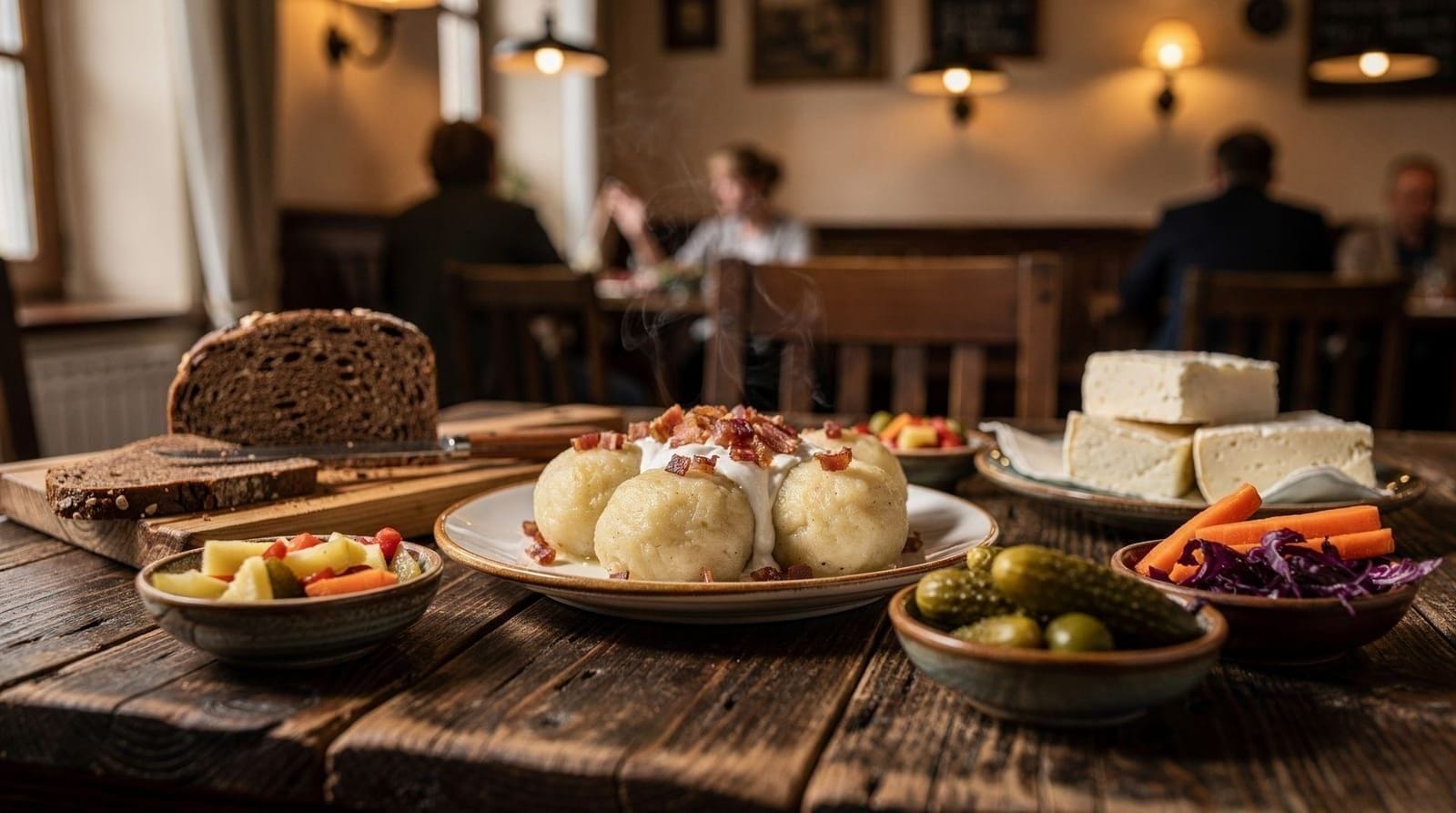
Vilnius is routinely underestimated. It sits at the bottom of “Baltic capitals” searches, overshadowed by Tallinn’s Instagram presence and Riga’s size. What visitors find instead is a city where a €10 lunch of cepelinai (potato dumplings stuffed with pork) feels genuinely satisfying, where Soviet-era bunkers sit two kilometres from Baroque church spires, and where the self-declared “Republic of Užupis” posts its own constitution on metal plaques across the quarter every April 1st.
The honest appeal: Vilnius is cheap by Western European standards, architecturally rich, and less crowded than Prague, Kraków, or Tallinn. Its old town is genuinely large — 3.6 km² — so you can explore for days without repeating yourself.
The old town: what to actually see
Cathedral Square and Gediminas Tower
Cathedral Square is the ceremonial heart of Vilnius. Vilnius Cathedral (free entry) is a Neoclassical rebuild of a medieval structure; the interior is calmer than the exterior suggests. The Casimir Chapel inside is worth a few minutes. Behind the cathedral, the bell tower holds a miracle stone — a flagstone with a small tile where pilgrims once placed their foot. Most visitors walk past it; it’s signposted near the tower base.
Gediminas Tower on Castle Hill is a 10-minute uphill walk from the square. Entry costs around €5. Views across the old town are excellent, especially in morning light before tour groups arrive. The small museum inside covers the tower’s military history with reasonable English signage.
Pilies Street and the courtyards
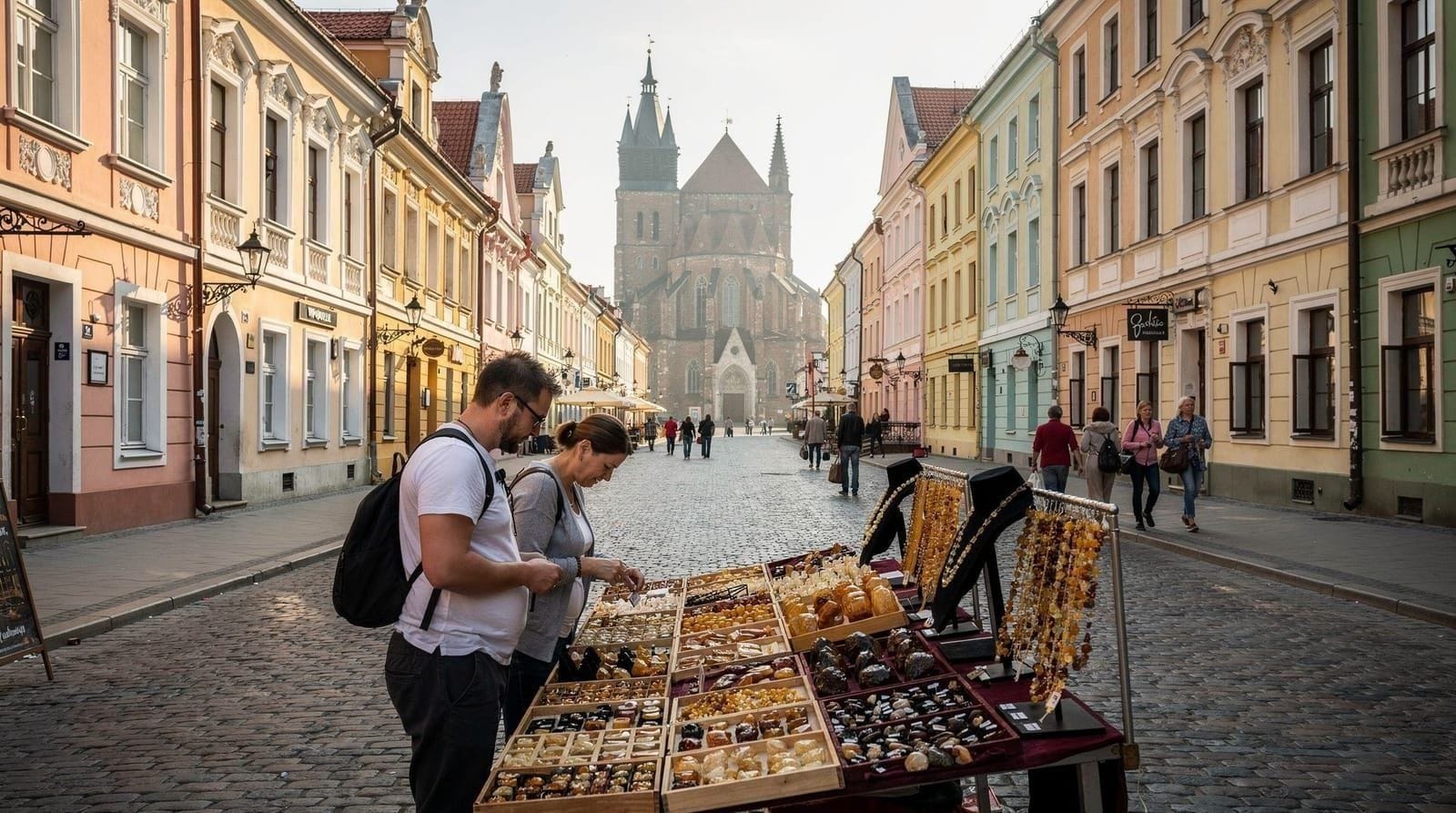
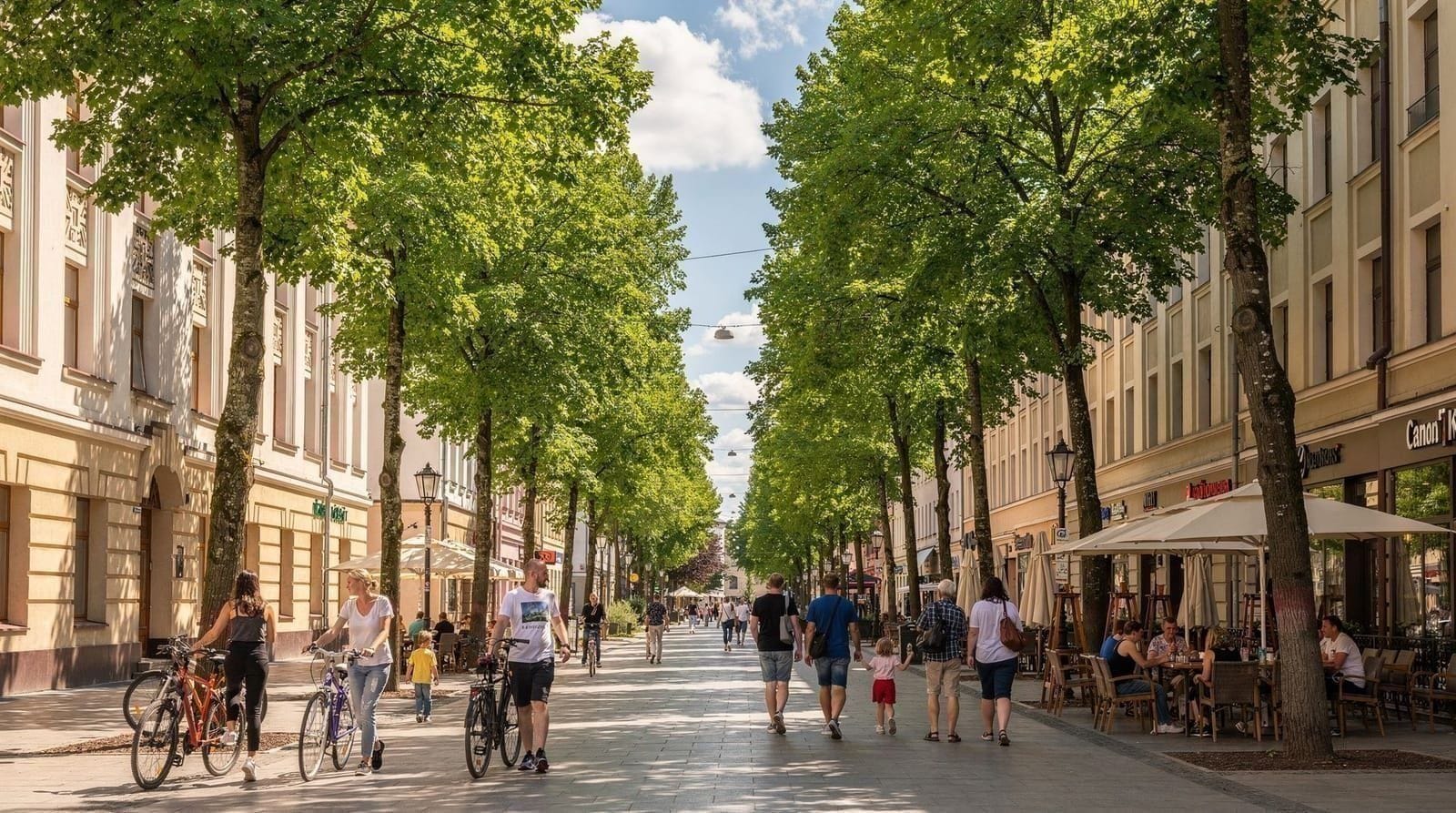
Pilies Street is Vilnius’s tourist artery — lined with amber shops, cafés, and souvenir stalls. It’s worth walking once, but the real Vilnius is in the courtyards that branch off it. Look for open gates: many lead to quiet residential yards, small galleries, or unexpected cafés. Literatų Gatvė (off Pilies) is lined with small metal plaques commemorating Lithuanian writers — one of the city’s quirkier monuments.
St Anne’s Church and the attached Bernardine Church (near the river at the old town’s eastern edge) are the most photographed Gothic buildings in Lithuania. Napoleon reportedly said he wanted to carry St Anne’s back to Paris in his hand. The exterior is detailed Flamboyant Gothic brick; the interior is modest by comparison.
Vilnius University and its courtyards
Vilnius University was founded in 1579 and is one of the oldest in Northern Europe. You can pay a small fee (around €3) to walk through its 13 interconnected courtyards — a genuinely pleasant half-hour that most visitors skip. The university library has medieval astronomical frescoes in the hall above the reading room; ask at the entrance.
Vilnius: City highlights walking tour Vilnius: Majestic royal private walking tourUžupis: the bohemian republic
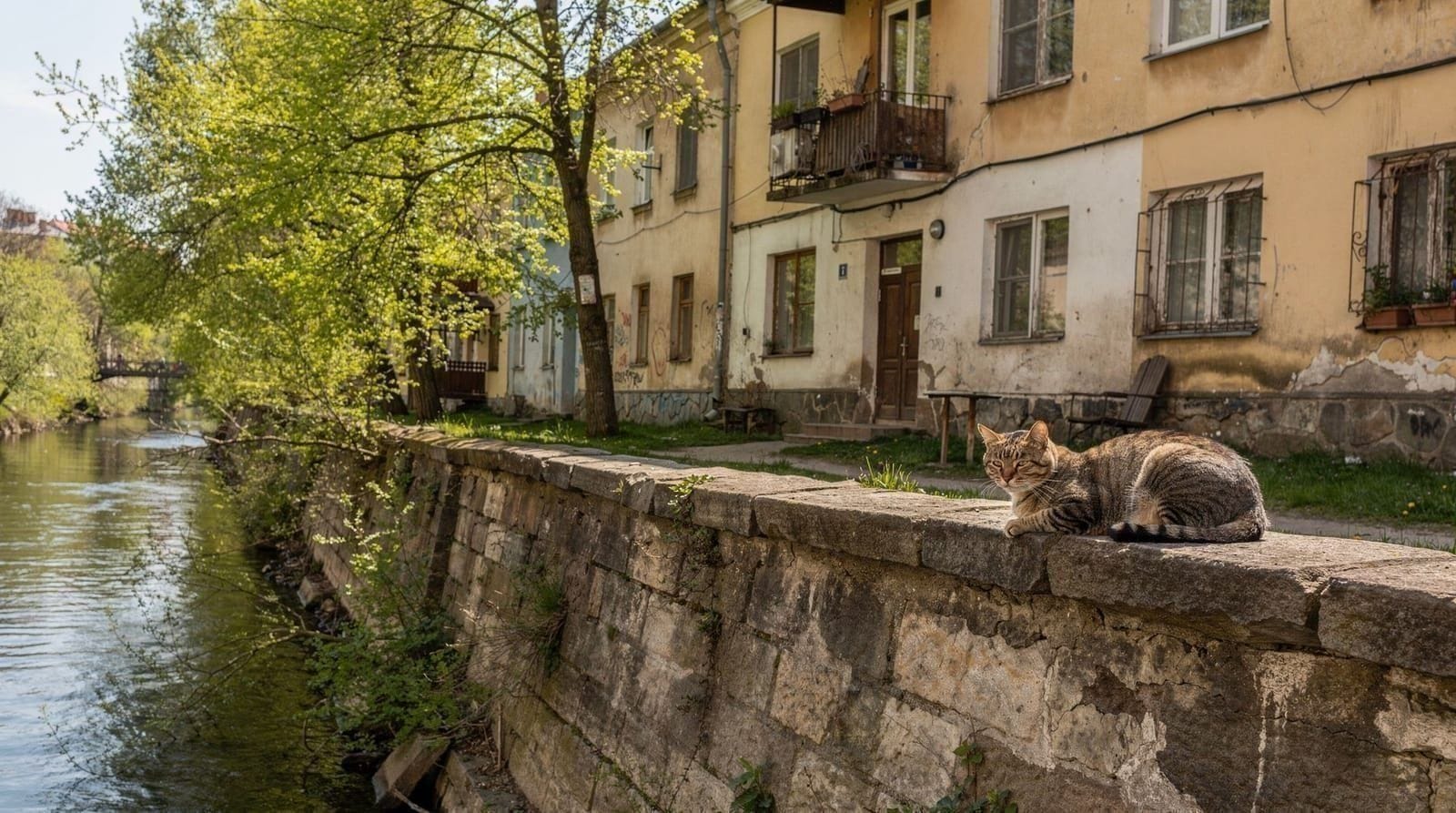
The Užupis district sits just east of the old town across the Vilnelė River. It declared independence as the “Republic of Užupis” in 1998 — a performance-art project that has persisted for nearly 30 years. The constitution (printed in 41 languages on mirrors along Paupio Street) includes such articles as “A person has the right to be happy” and “A dog has the right to be a dog.”
Užupis is home to artists, gallery owners, and the kind of coffee shops where the menu is handwritten on a chalkboard. It’s genuinely neighbourhood-feeling rather than performed quirkiness. Café de Paris on Užupio Street is a reliable stop for breakfast or lunch at non-tourist prices.
Soviet and Jewish heritage
Vilnius carries difficult history that deserves more than a cursory museum visit.
Museum of Occupations and Resistance (KGB Museum)
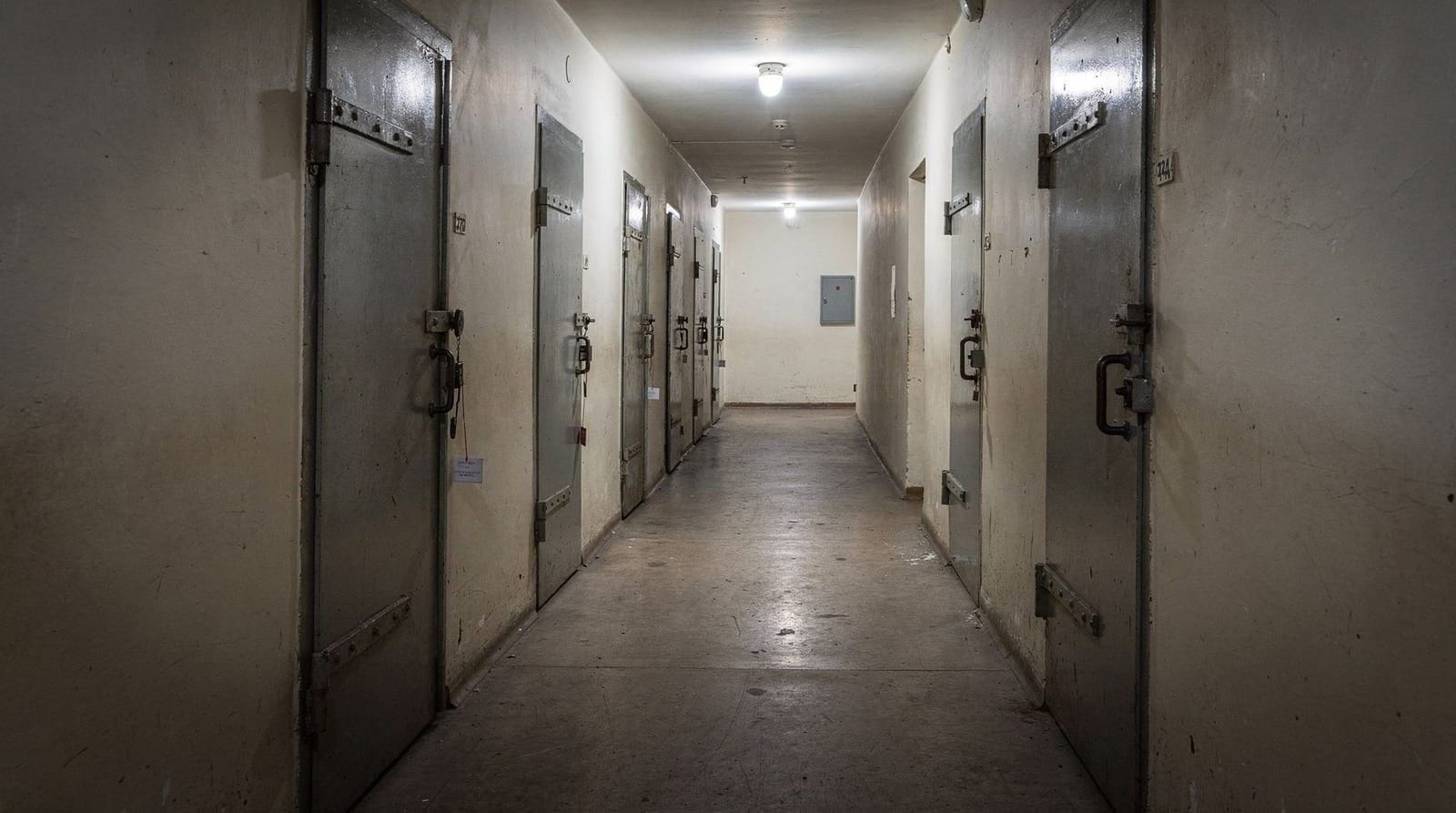
Located at the former KGB headquarters on Aukų Street, this is one of Europe’s most affecting Soviet-era museums. The basement prison cells are largely preserved: you can walk through isolation cells, the execution corridor, and the courtyard where prisoners were shot. Entry is around €8. Allow two hours minimum. This is not comfortable, but it is important.
Vilnius: Kgb museum occupations tourJewish Vilnius (the Vilna Gaon trail)
Before World War II, Vilnius was one of the most important centres of Jewish learning in the world — the city of the Vilna Gaon. The Jewish population was almost entirely murdered during the Nazi occupation, primarily at Paneriai forest. The Vilna Gaon Jewish State Museum near Pylimo Street documents this history with restraint and depth. The Old Vilna Ghetto area (near Vokiečių Street) has plaques marking where the ghetto boundaries once ran.
For a structured tour that covers both the heritage and the history of destruction, guided tours are much more informative than self-guided walking.
Food and drink
Lithuanian food is heavier than you might expect from a Baltic country — pork-based, potato-heavy, dairy-rich. This is not a complaint.
Cepelinai (potato-dough dumplings stuffed with minced pork or curd, served with bacon and sour cream) is the national dish. Šaltibarščiai (cold beetroot soup with hard-boiled egg) is the summer staple. Kibinai (pastry pockets from the Karaim community in Trakai) are worth seeking out.
Where to eat without getting fleeced: avoid restaurants directly on Pilies Street with touts at the door. Lokys (Stiklių Street) has been serving traditional Lithuanian food since 1972 — it’s touristic but consistent and reasonably priced at €10–16 for a main. Sweet Root (Užupio Street) offers a more ambitious contemporary take on Lithuanian produce at mid-range prices. Radharane (Šv. Kazimiero Street) is a long-running vegetarian canteen where you fill a tray for under €7 — popular with students and locals.
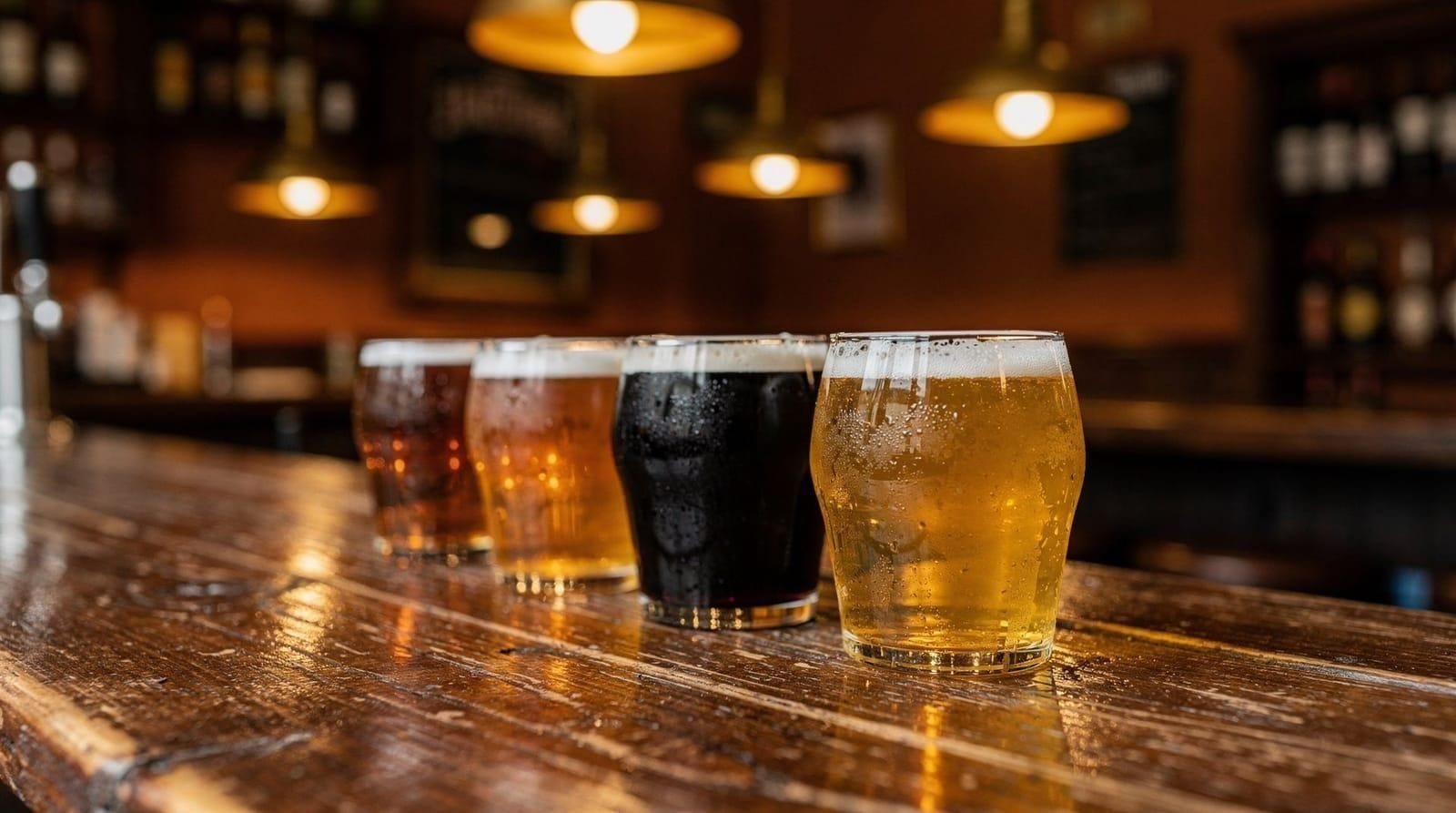
Vilnius: Flavors 3 hour food tasting tourFor craft beer: Prohibicija (Dominikonu Street) has a strong local tap list and reasonable prices for the neighbourhood. The Vilnius craft beer scene is genuinely developed — not just for tourists.
Hot-air ballooning over Vilnius
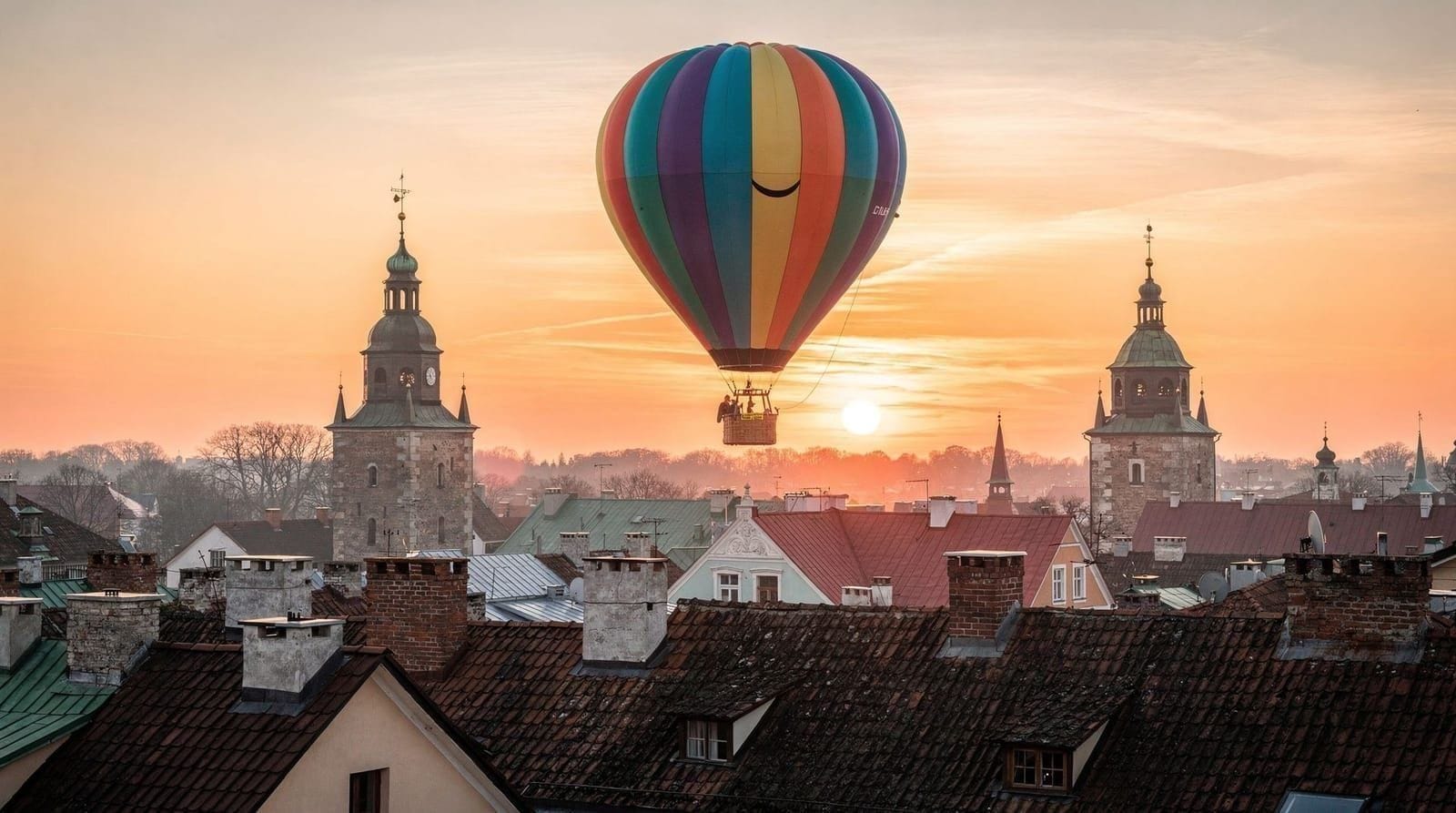
Vilnius is one of the few European capitals where you can float above the old town in a hot-air balloon as a standard tourist activity. Flights operate from a meadow near the city and drift over the cathedral, castle hill, and old town roofscape depending on wind direction. Typical cost €100–130 per person; book in advance in summer.
Vilnius: Hot air balloon ride hotel transferVilnius by season
| Season | Weather | What to expect |
|---|---|---|
| May–Jun | Mild, 15–22°C | Long days, gardens in bloom, moderate prices |
| Jul–Aug | Warm, up to 25°C+ | Peak season, highest hotel rates, liveliest terraces |
| Sep | Mild, 12–20°C | Fewer crowds, harvest-season food, good value |
| Oct–Nov | Cool, rainy | Quiet, indoor sights (museums, KGB Museum) shine |
| Dec | Cold, 0°C or below | Christmas market on Cathedral Square, festive atmosphere |
| Jan–Feb | Coldest, often snow | Cheapest rates, genuinely local feel, short daylight |
For a fuller season-by-season breakdown of weather and events, see the Vilnius in winter and Vilnius in spring and autumn guides, plus the Vilnius in summer guide for the warmer months.
Neighbourhoods beyond the old town and Užupis
Vilnius rewards venturing past the historic centre. Naujamiestis (New Town), just south and west of the old town, has a grid of 19th- and early 20th-century streets, more local restaurants, and the Gedimino Avenue shopping strip. Šnipiškės, across the Neris River, is Vilnius’s modern business district — glass towers next to wooden Soviet-era houses, an odd but genuine contrast. Digital nomads and longer-stay visitors often base themselves slightly outside the tourist core; the Vilnius for digital nomads guide covers coworking spaces, SIM cards, and neighbourhood options in more depth.
For green space, Vingis Park along the Neris River and Bernardine Garden near Užupis both offer a break from cobblestones — useful on a longer stay or with children in tow. See the Vilnius with kids guide for a family-focused version of the city.
Day trips from Vilnius
Vilnius’s position makes it an excellent hub:
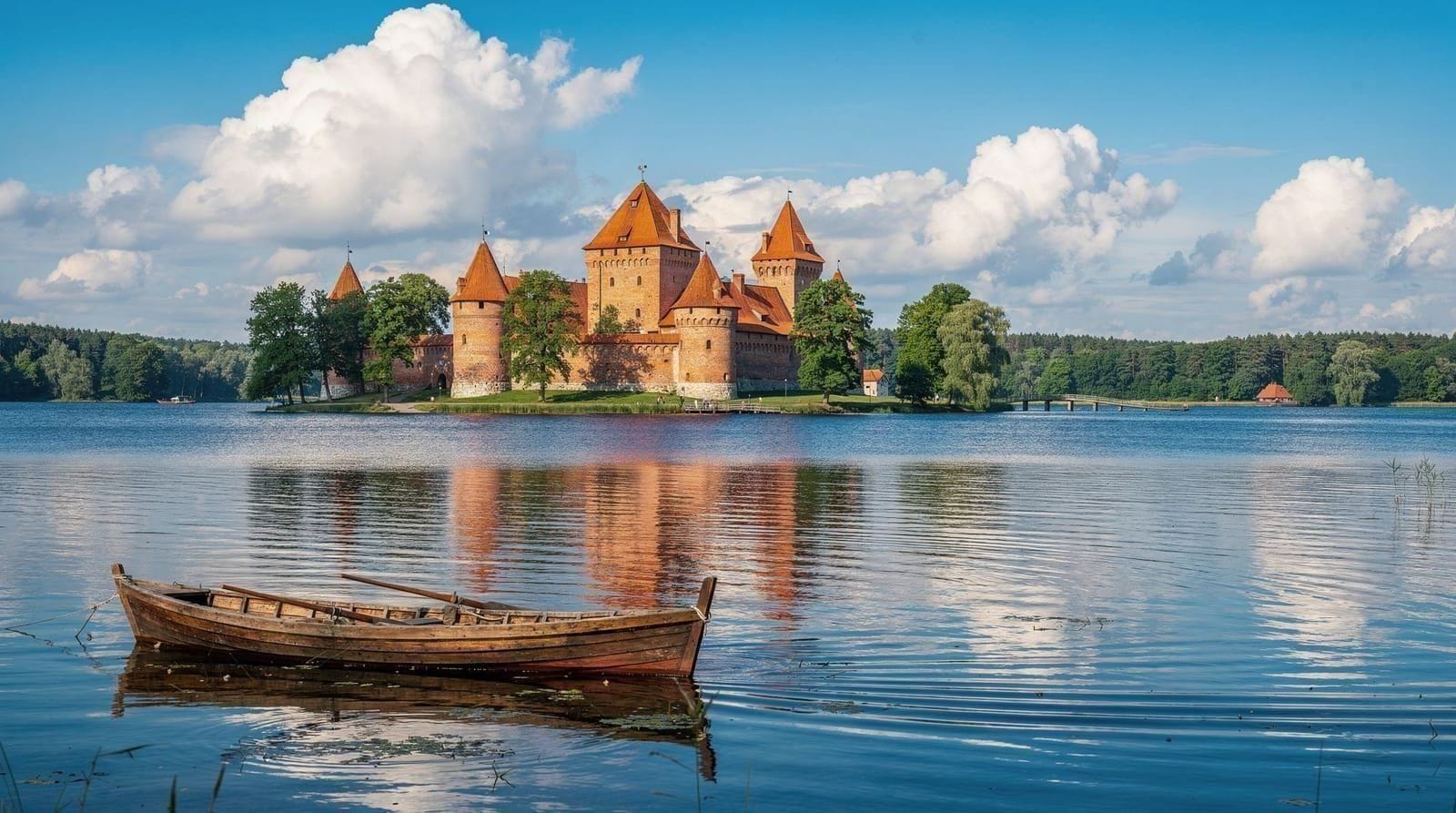
- Trakai — 28 km, 30 minutes by train or bus. The island castle is the iconic image of Lithuania. Half-day minimum, full day for kayaking. See the Vilnius to Trakai guide.
- Kaunas — 100 km, 1 hour by frequent trains. Lithuania’s second city with interwar Modernist architecture and the sobering Ninth Fort. See the Kaunas day trip guide.
- Paneriai — 10 km, 15 minutes by train. Holocaust memorial at the forest where 70,000–100,000 people were murdered. Necessary and sobering.
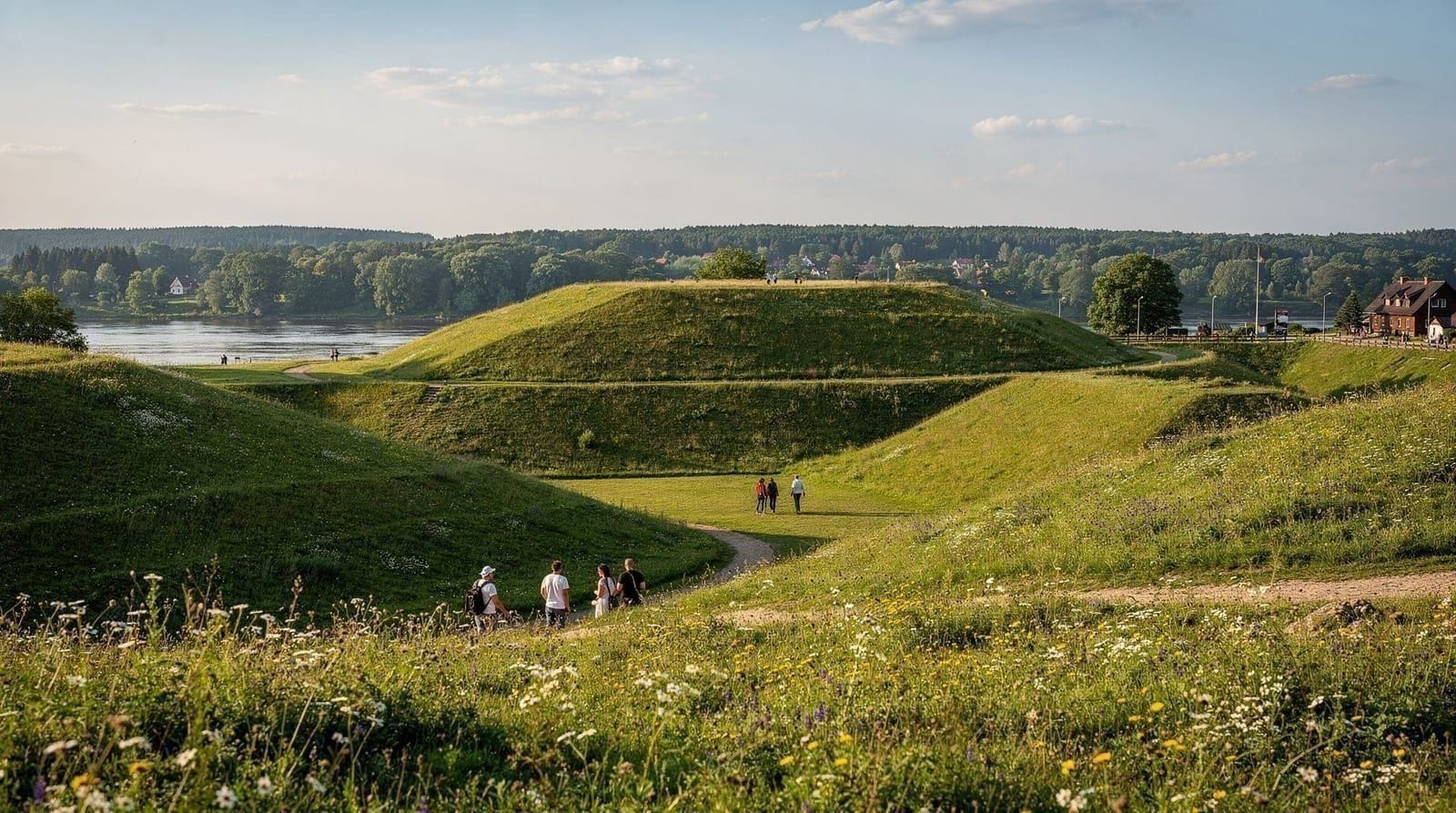
- Kernavė — 35 km, 45 minutes. UNESCO archaeological mounds. Half-day, easy to combine with Trakai.
- Hill of Crosses — 210 km, 2.5 hours. Requires an organised tour or car. Full day. See the Hill of Crosses day trip guide.
- Druskininkai — 130 km, 1.5 hours by bus. Spa town with Grūtas Park Soviet sculpture garden. Full day or overnight.
- Curonian Spit — 310 km, 3.5 hours. UNESCO dunes and beaches. This requires a full day minimum; an overnight in Nida makes more sense if you have time. See the Curonian Spit day trip guide.
For planning multiple day trips, the best day trips from Vilnius guide compares options by travel time, cost, and what you actually get. A 3-day Vilnius and Trakai itinerary and a 5-day Vilnius day trips itinerary are also available.
Practical logistics
Getting there: Most visitors fly into Vilnius Airport (VNO), 6 km from the centre. Bus 88 runs to the old town in about 20 minutes; tickets cost €1 (buy from driver or app). The airport train takes 7 minutes to Vilnius station. A Bolt taxi costs €4–7 from the airport to the old town — do not use rank taxis without agreeing a price or using the meter.
Getting around: The old town is entirely walkable; most major sights are within a 25-minute walk of Cathedral Square. Buses and trolleys cover the rest of the city (€1 per ride, day passes available). Bolt is cheaper and more reliable than rank taxis.
Where to stay: The old town is the best base — you can walk everywhere. The Loftas area and Užupis district offer more local neighbourhood feel at similar prices. Mid-range hotels in the old town: €65–100/night in shoulder season, €90–140 in July–August. Hostels: €15–25/dorm.
Safety: Vilnius is safe. Standard city precautions apply; the old town is tourist-heavy but not dangerous. Pickpocketing is uncommon but not unknown in crowded spots.
What to skip: The “Free” walking tours that end with a €10–15 tip expectation are legal but the guides vary enormously. The Gediminas Tower cable car (when operating) is not worth the queue for the 20-metre ride. Amber shops on Pilies Street charge tourist premium — the Amber Museum-Gallery on Šv. Mykolo Street is a better place to buy if you want the real thing.
Airport arrival in more detail: If your flight lands late or you’re travelling with luggage, the Vilnius airport to city centre guide covers every option — bus, train, and taxi — with current fares. For getting around once you’re settled, the getting around Vilnius guide covers the bus network and ticketing in full. Choosing where to stay matters more than in most cities this compact — see the where to stay in Vilnius guide for a neighbourhood-by-neighbourhood breakdown.
Sightseeing passes: If you plan to visit several paid museums (Gediminas Tower, the KGB Museum, the university) in a short stay, check whether a city pass works out cheaper — the Vilnius pass and tickets guide breaks down what’s included and when it’s worth buying.
Frequently asked questions about Vilnius
How many days do I need in Vilnius?
Two full days cover the old town, Užupis, Cathedral Square, the KGB Museum, and a decent restaurant or two. Three days allows a half-day trip to Trakai and time to explore at a slower pace. If you plan multiple day trips, budget 4–5 days total.
Is Vilnius expensive?
No — it is one of the cheapest EU capitals. A sit-down lunch with a beer costs €10–15. Museum entry is typically €5–10. Accommodation is significantly cheaper than Tallinn, Warsaw, or Prague at equivalent quality.
When is the best time to visit Vilnius?
May and September offer mild weather, moderate crowds, and reasonable prices. June–August is warm with very long days but higher hotel prices and larger tour groups. December has the Christmas market in Cathedral Square (atmospheric, worth it) but cold, dark days. January–February is the most local-feeling season: cheap, quiet, and genuinely cold.
Is Vilnius safe for solo travellers?
Yes. Vilnius has a low street-crime rate. Standard urban awareness applies. The old town and Užupis are well-lit and lively into the evening. Solo women travellers consistently report feeling comfortable.
Do people speak English in Vilnius?
Yes — English is widely spoken in restaurants, hotels, shops, and by younger Lithuanians generally. Russian is still understood by older generations but is not expected or appreciated as a first choice. Lithuanian has no widely shared third language for visitors; English is your practical option.
What is the currency in Vilnius?
Lithuania uses the Euro (€). Lithuania joined the eurozone in 2015. Cards (Visa/Mastercard) are accepted almost everywhere. ATMs are plentiful in the old town; use bank ATMs, not the standalone machines with no branding.
How do I get from Vilnius Airport to the city?
Bus 88 departs from directly outside the terminal every 15–20 minutes and reaches the city centre in about 20 minutes. Cost: €1. The airport railway station is a 5-minute walk; trains to Vilnius station take 7 minutes. Bolt taxi: €4–7 to the old town. Avoid unmarked taxis at the rank without an agreed fare. See the Vilnius airport to city centre guide for the full comparison.
Where should I stay in Vilnius?
The old town is the best base for a short stay — everything is walkable. Užupis offers a quieter, more local neighbourhood feel at similar prices, a short walk from the old town core. Naujamiestis (New Town) suits longer stays or those who prefer a more residential, less tourist-dense area with easy tram and bus access. The where to stay in Vilnius guide breaks down each area by budget and trip length.
Top experiences
Bookable activities with verified prices and instant confirmation on GetYourGuide.