Klaipėda, Lithuania
Klaipėda is Lithuania's only port city and the gateway to the Curonian Spit. Old town walking guide, amber, ferry logistics, and what's worth your time.
Klaipėda: Old town walking tour
Quick facts
- Distance from Vilnius
- ~310 km
- Travel time
- ~3.5 hours by train from Vilnius
- Best time
- May–Sep; sea jazz festival mid-Jul
- Days needed
- Half day to 1 day; mainly a transit hub for the Curonian Spit
- Ferry to spit
- Old Ferry (Senoji Perkėla) every 30 min, 5 min crossing, under €1 on foot
Quick answer: Klaipėda is Lithuania’s third-largest city and only seaport, 310 km from Vilnius and about 3.5 hours by train. Most visitors treat it as a transit point for the Curonian Spit — the Old Ferry crossing is 5 minutes from the city centre. But Klaipėda has its own merit: a half-timbered German old town (it was Memel until 1923, and German-speaking until 1945), an active harbour waterfront, and an amber trade that predates most of Europe’s amber markets. Budget half a day for the city itself; more if you’re combining with Palanga or the spit.
| Where | Lithuanian coast, ~310 km from Vilnius |
| Cost | Old town free; ferry to spit under €1 on foot |
| Time needed | Half day to 1 day; mainly a transit hub |
| Getting there | Train (~3.5h) or car (~3h) |
| Best time | May–Sep; Sea Jazz Festival mid-Jul |
Klaipėda’s identity: the city that was Memel
Klaipėda has an unusual history even by Lithuanian standards. The city was founded by the Teutonic Knights in the 13th century, and it remained a German-speaking town called Memel for most of the next 700 years. It was part of the German Empire until 1919, then became a League of Nations Protectorate, was seized by Lithuania in 1923 (the “Klaipėda Revolt”), reannexed by Nazi Germany in 1939, and incorporated into Soviet Lithuania in 1945. The German-speaking population was expelled after the war.
What remains is an old town with German architectural bones and a Lithuanian population that has been here for less than 80 years — a shorter continuous local history than almost any other Lithuanian city. The half-timbered buildings, the street pattern, and the Theatre Square (Adolf-Hitler-Platz in its worst days, now Teatrų Aikštė) are all legacies of Memel.
The “Lost City of Memel” walking tour frames this history explicitly and is the most informative way to understand what you’re looking at.
Klaipėda: Old town walking tour lost memelThe old town
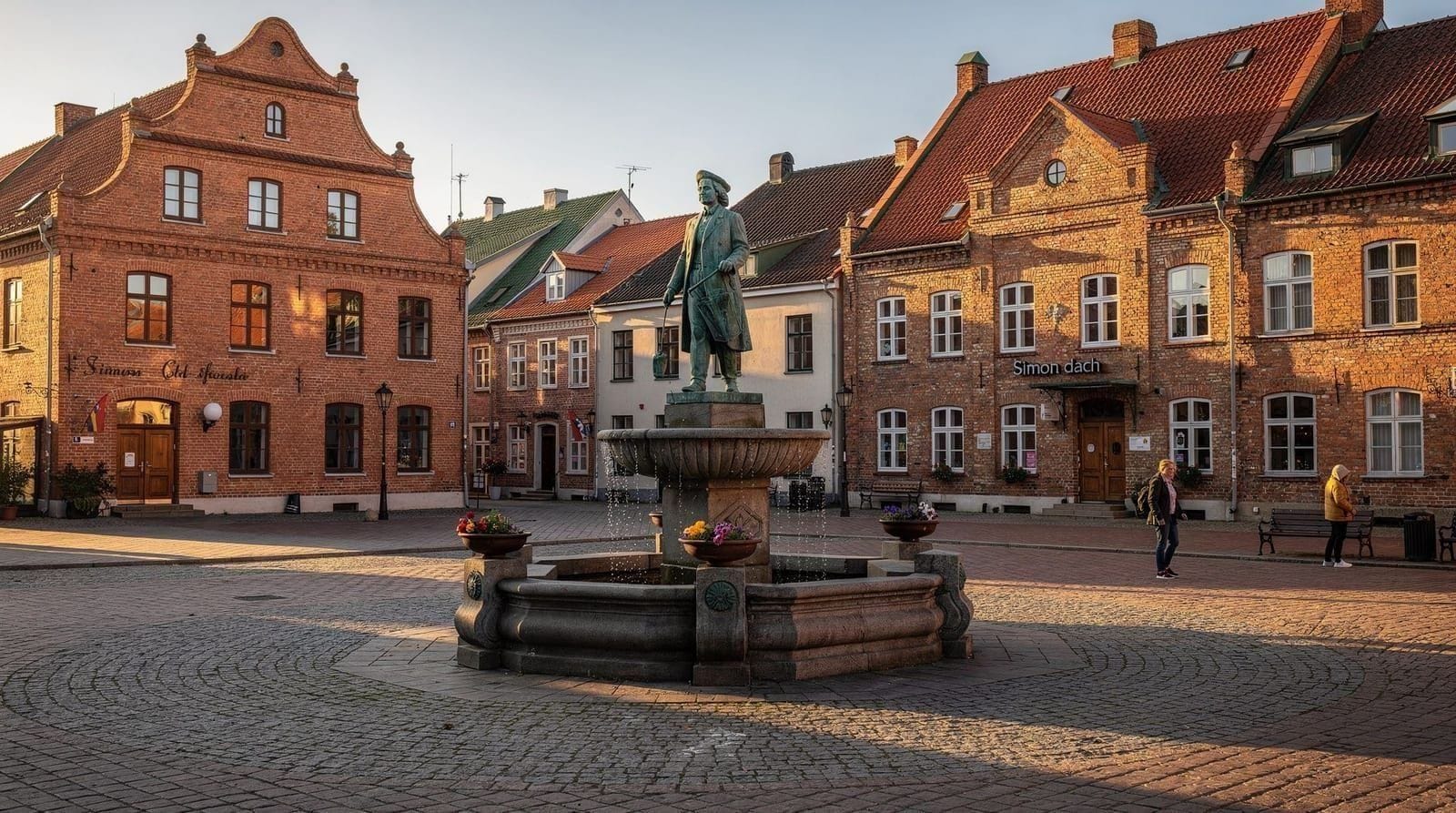
The old town is compact — you can walk it end-to-end in 20 minutes. Teatrų Aikštė (Theatre Square) is the central reference point, with the Simon Dach Fountain (a replica of the original 17th-century artwork, moved to Germany during the war) and the Drama Theatre. The square is lined with outdoor restaurants in summer.
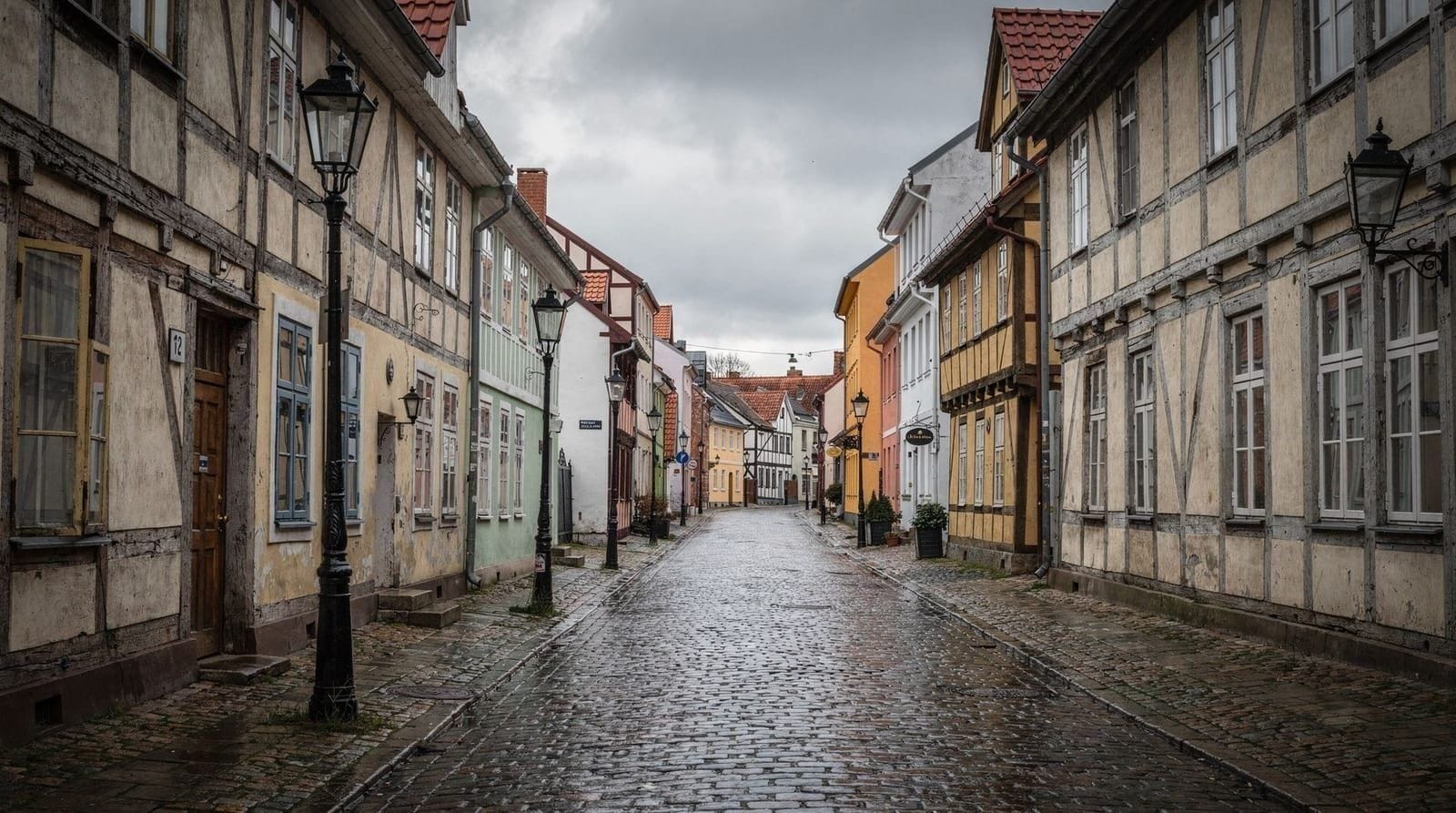
Key streets: Tiltų Gatvė and Kurpių Gatvė have the best concentration of half-timbered buildings. Mėnulio Gatvė runs toward the old warehouse district along the Danė River. The waterfront along the Danė is being redeveloped and is worth a walk even at construction stage — the scale of the old harbour infrastructure is evident.
The Post Office on Liepų Street (1893) is the most architecturally significant single building remaining from the German era. The Blacksmith’s Museum on Šaltkalvių Street has an eclectic collection of Lithuanian folk ironwork — unusual, and free.
Klaipėda: Old town walking tourFerry to the Curonian Spit
The Old Ferry (Senoji Perkėla) runs from the northern end of the Klaipėda old town waterfront to Smiltynė on the spit side. Frequency: every 30 minutes in summer (less frequent in winter). Duration: 5 minutes. Cost for foot passengers: under €1. Cost for cars: around €14 one way. The new (larger) ferry terminal for car crossings is a short walk south.
From Smiltynė, the Resort Bus (route 1) goes to all villages on the Lithuanian spit, reaching Nida in about 50 minutes. Bike rentals are also available at Smiltynė.
For full logistics on reaching the spit from Vilnius via Klaipėda, see the Vilnius to Klaipėda and Curonian Spit guide.
Amber
Klaipėda has a genuine amber trade — Baltic amber has been collected and worked here for thousands of years. The old town has multiple amber shops of varying quality and honesty.
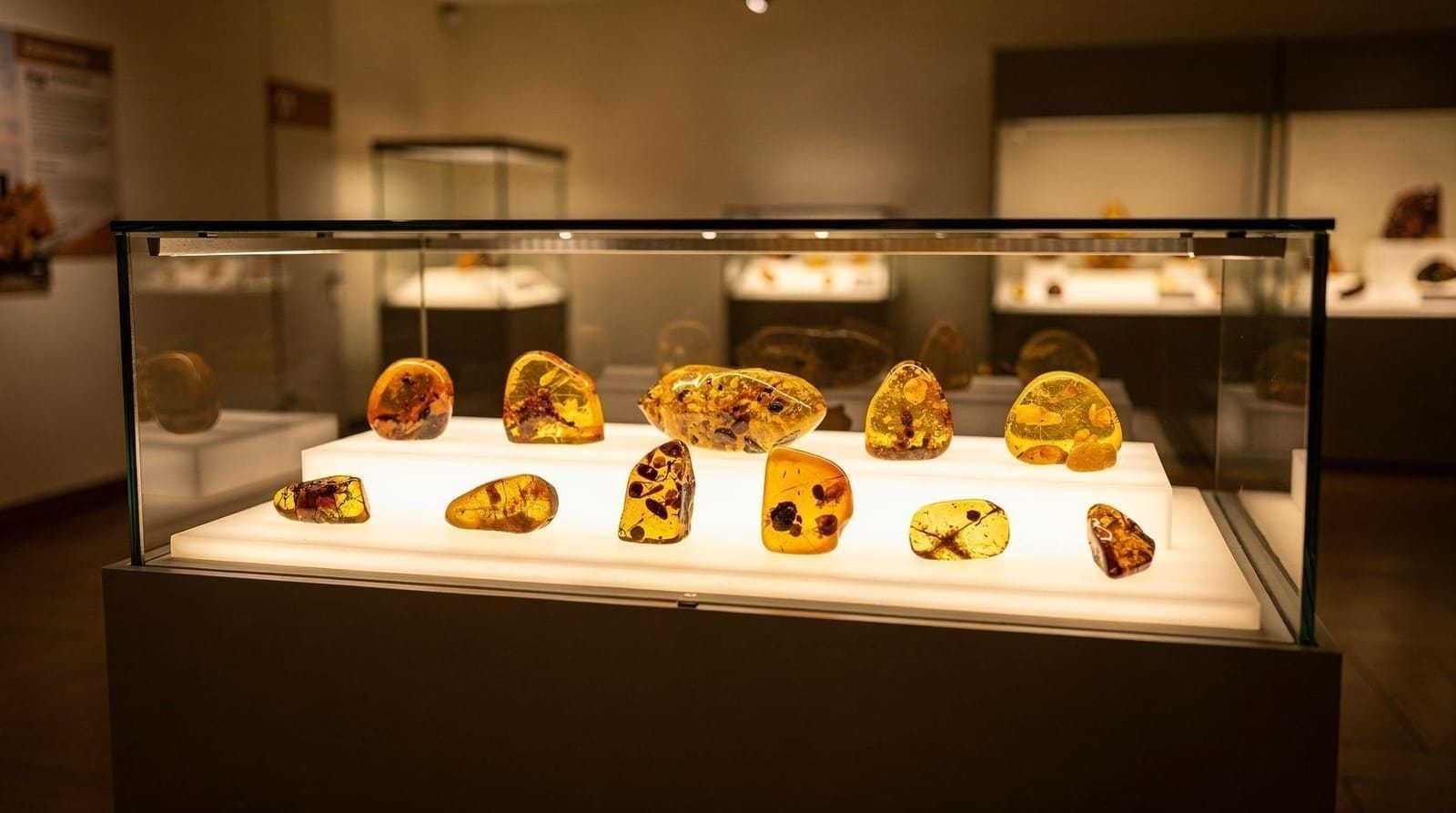
Indicators of quality amber: raw pieces with inclusions (trapped insects, plant matter), reddish-brown or pale yellow natural colours, a resinous smell when rubbed. Avoid shops selling unnaturally vivid green, blue, or cherry-red amber — these are almost always dyed or synthetic. The “float test” (real amber floats in saturated salt water) can catch copal or plastic substitutes.
Where to buy with reasonable confidence: the amber shops on Tiltų Street and around the old town centre that are permanent, non-aggressive, and display certificates are generally reliable. The open-air amber stalls near the ferry terminal are more tourist-oriented and less trustworthy on provenance.
The tour combining Klaipėda and Palanga (home to the Amber Museum) is a good option for understanding amber’s context before spending money on it.
Palanga: Klaipeda palanga amber museum guided tourDay trips from Klaipėda
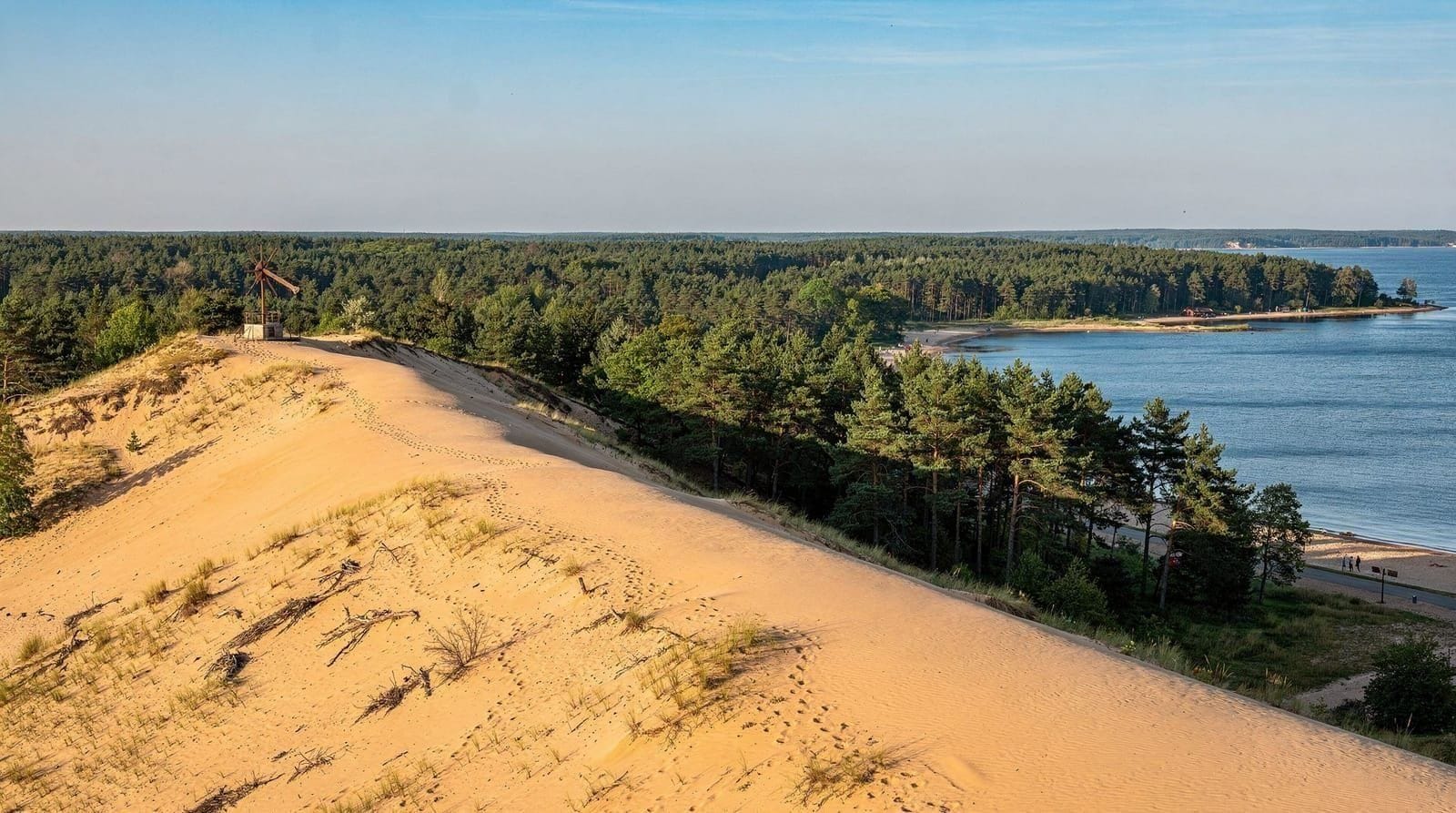
Curonian Spit: The obvious choice — the ferry takes 5 minutes and the spit is directly accessible. Most visitors spend a full day on the spit having crossed from Klaipėda.
Palanga: 25 km north of Klaipėda, 30 minutes by bus (frequent, under €2). Lithuania’s main beach resort, with the Amber Museum in Birutė Park. Easy combination in a half-day.
Šilutė and the Nemunas Delta: Southwest of Klaipėda, the Nemunas River delta creates a wetland landscape that’s significant for birdwatching. Requires a car or local knowledge to explore effectively.
Klaipėda: Curonian spit group tour dfds Klaipėda: Handcrafted canoe tourWhere to eat in Klaipėda
- Stora Antis (Tiltų Street): “Fat Duck” — a reliable mid-range Lithuanian restaurant in a converted warehouse space. Good cepelinai and duck dishes; €12–18 for a main. Reliably open, good service.
- Momo Grill (Teatro Aikštė): Burgers and grills, terrace on Theatre Square. Not traditionally Lithuanian but solid for a quick meal at €8–12.
- Čili Kaimas (Sukilėlių Prospektas): Chain Lithuanian restaurant — not adventurous but reliable quality-to-price at €8–14, and the format includes many traditional dishes.
- Pas Bernelį (Turgaus Street): Old town location, traditional Lithuanian food, outdoor terrace in summer. Slightly touristy but not inflated; €10–16.
Klaipėda Sea Jazz Festival
The international sea jazz festival runs for several days in mid-July at various waterfront venues. It attracts a mix of Baltic and international performers across jazz, blues, and world music subgenres. The outdoor stages are free; ticketed indoor concerts run €10–30. This is the city’s main annual cultural event and draws visitors from across Lithuania and the Baltic states. Book accommodation well in advance if visiting in mid-July.
Getting there and around
Train from Vilnius: LTG Link intercity trains, approximately 3.5 hours, €14–22. Multiple daily departures. Klaipėda station is 1.5 km from the old town centre; bus connections and taxis available.
Within Klaipėda: The old town is walkable. Buses serve the wider city. Taxis and Bolt available. The ferry terminal is walkable from the old town (10 minutes from Theatre Square).
Car: 310 km from Vilnius via A1 motorway, about 3 hours in normal traffic. Parking in the old town is metered; there are car parks near the waterfront.
Klaipėda as a base for the coast
For visitors planning more than a day on the Lithuanian coast, Klaipėda’s advantage over Nida is practical: year-round services, more accommodation at lower prices, and a transport hub position that makes day trips to both the spit and Palanga straightforward without repacking. The trade-off is atmosphere — Klaipėda is a working port city, not a resort village. Many visitors split the difference: a night in Klaipėda for the old town and logistics, then a night or two in Nida for the scenery.
| Base | Best for | Trade-off |
|---|---|---|
| Klaipėda | Logistics, year-round services, lower cost | Less scenic, working city atmosphere |
| Nida | Dunes, lagoon, quiet mornings | Seasonal closures, higher prices in peak |
Getting oriented before you go
For the full transport chain from Vilnius through Klaipėda to the spit and coast, the Vilnius to Klaipėda and Curonian Spit guide is the most complete reference. If you’re building a longer coastal trip, the Baltic road trip itinerary and the Vilnius and Curonian Spit week itinerary both use Klaipėda as the coastal hub. For getting around Lithuania more broadly, see the trains and buses in Lithuania guide.
Frequently asked questions about Klaipėda
Is Klaipėda worth visiting without going to the Curonian Spit?
On its own terms, Klaipėda is a half-day destination at most. The old town is interesting and the Memel history is distinctive, but it lacks the depth of Vilnius or even Kaunas for a standalone visit. It’s most worthwhile as part of a coastal trip combining the old town, the ferry to the spit, and Palanga.
How do I get from Klaipėda to the Curonian Spit?
Walk or take a short taxi to the Old Ferry terminal at the north end of the old town waterfront. The ferry runs every 30 minutes (more frequently in peak summer), takes 5 minutes, and costs under €1 for foot passengers. On the spit side (Smiltynė), buses run to Nida and all villages in between.
What was Memel?
Memel was the German name for Klaipėda. The city was predominantly German-speaking from its founding in the 13th century until the expulsion of its German population after World War II in 1945. It was part of Germany as the “Memelland” from 1919 to 1923, when Lithuania annexed it, and briefly again in 1939–1945 under Nazi Germany. The half-timbered old town architecture reflects this German heritage.
When is the best time to visit Klaipėda?
May to September for pleasant weather and full services. Mid-July for the Sea Jazz Festival. Winter is cold and the waterfront is quiet; the Curonian Spit ferry still runs, but spit services are minimal.
Should I stay overnight in Klaipėda or push on to Nida?
If your priority is the dune and lagoon scenery, push on to Nida — it’s a more atmospheric base and only about an hour further via the ferry and Resort Bus. If logistics, cost, or year-round services matter more, Klaipėda is the more practical base, with easy day-trip access to both the spit and Palanga.
Top experiences
Bookable activities with verified prices and instant confirmation on GetYourGuide.