Vilnius and the Curonian Spit: a week in Lithuania's contrasts
Nida: Vilnius curonian spit all day tour
How do you combine Vilnius and the Curonian Spit in a week? Spend Days 1-3 in Vilnius (Old Town, museums, Užupis), add a Trakai half-day on Day 3 afternoon, then drive to Klaipėda on Day 4 for 2-3 nights on the coast. The Curonian Spit is a day trip by ferry from Klaipėda. A car is essential for the coast portion; the Vilnius section works by train.
| Where | Vilnius (3 nights) + Klaipėda/Curonian Spit (2-3 nights) |
| Cost | around €600-950/person for the week, excl. flights |
| Time needed | 7 days, car needed from Day 4 |
| Getting there | VNO Airport into Vilnius; car rental from Day 4 |
| Best time | June-August for swimming, May/September for fewer crowds |
The two faces of Lithuania
This itinerary exploits Lithuania’s best geographical contrast: baroque urban Vilnius versus the wild, UNESCO-listed sand coast. The two couldn’t be more different — cobblestones and church spires versus 50-metre dunes and salt-scented Baltic wind — and that contrast is exactly what makes a Lithuania week so satisfying.
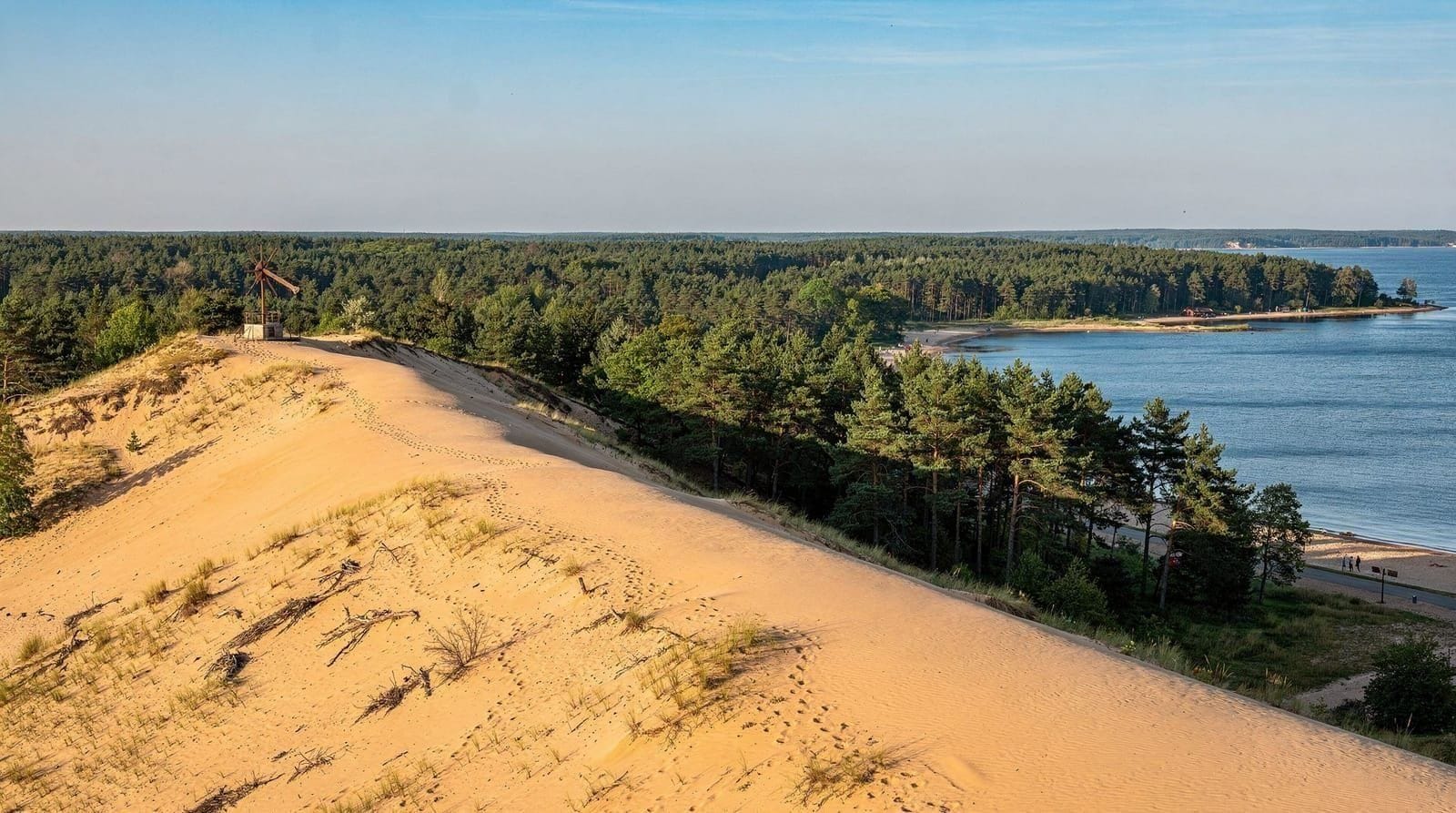
The Curonian Spit is the country’s most striking natural landscape and one of Europe’s most unusual environments: a narrow sand bar, in places just 400 metres wide, dividing the calm Curonian Lagoon from the open Baltic Sea. It takes 3.5 hours to drive from Vilnius — not a day trip, but absolutely worth relocating for.
Practical note on cars: You don’t need a car for Days 1-3 (Vilnius). Rent from Day 4 morning in Vilnius or Kaunas. Drop off in Vilnius at the end. Total driving: ~700 km round trip.
Days 1-3: Vilnius
Day 1: Old Town and Užupis
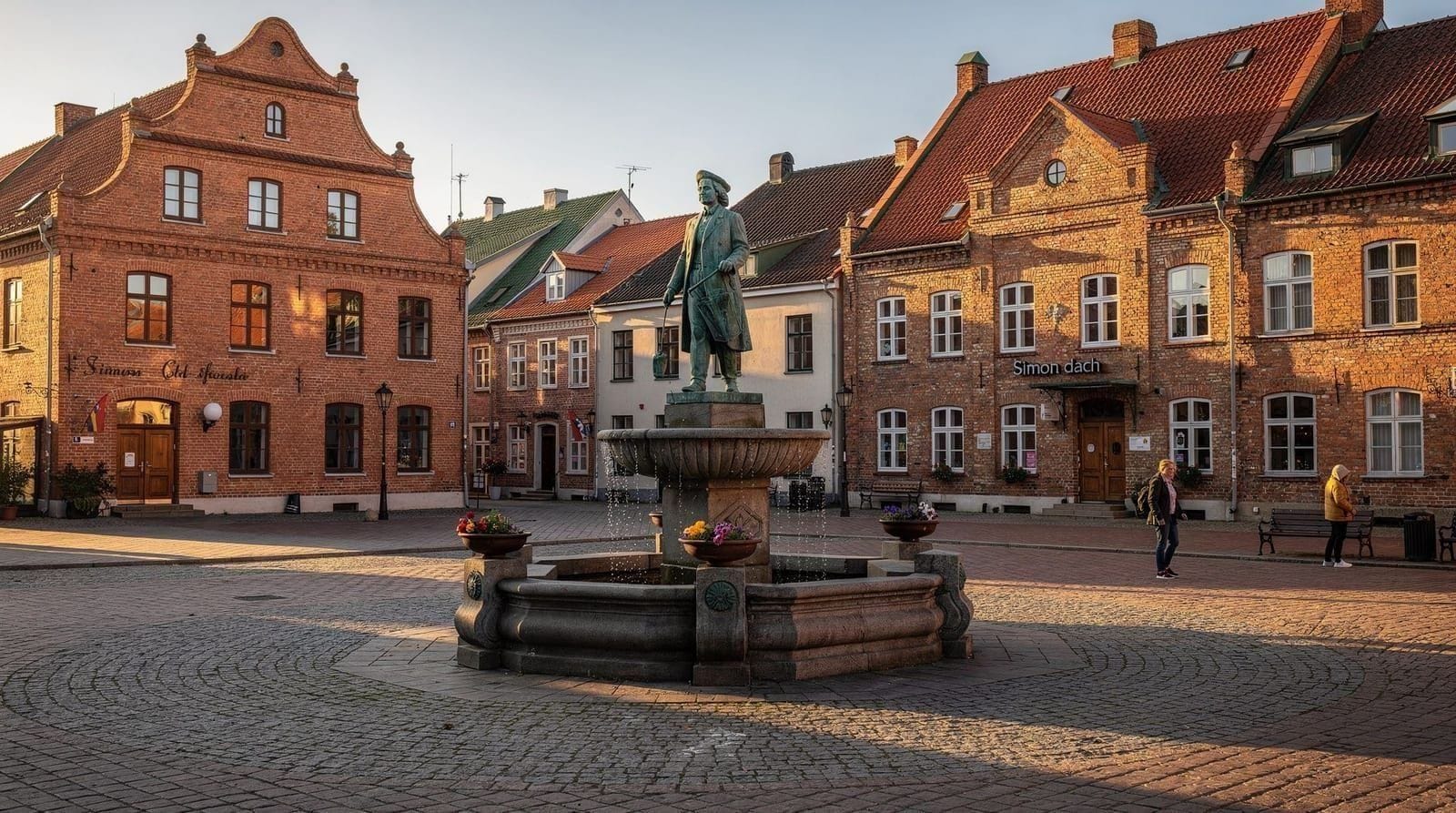
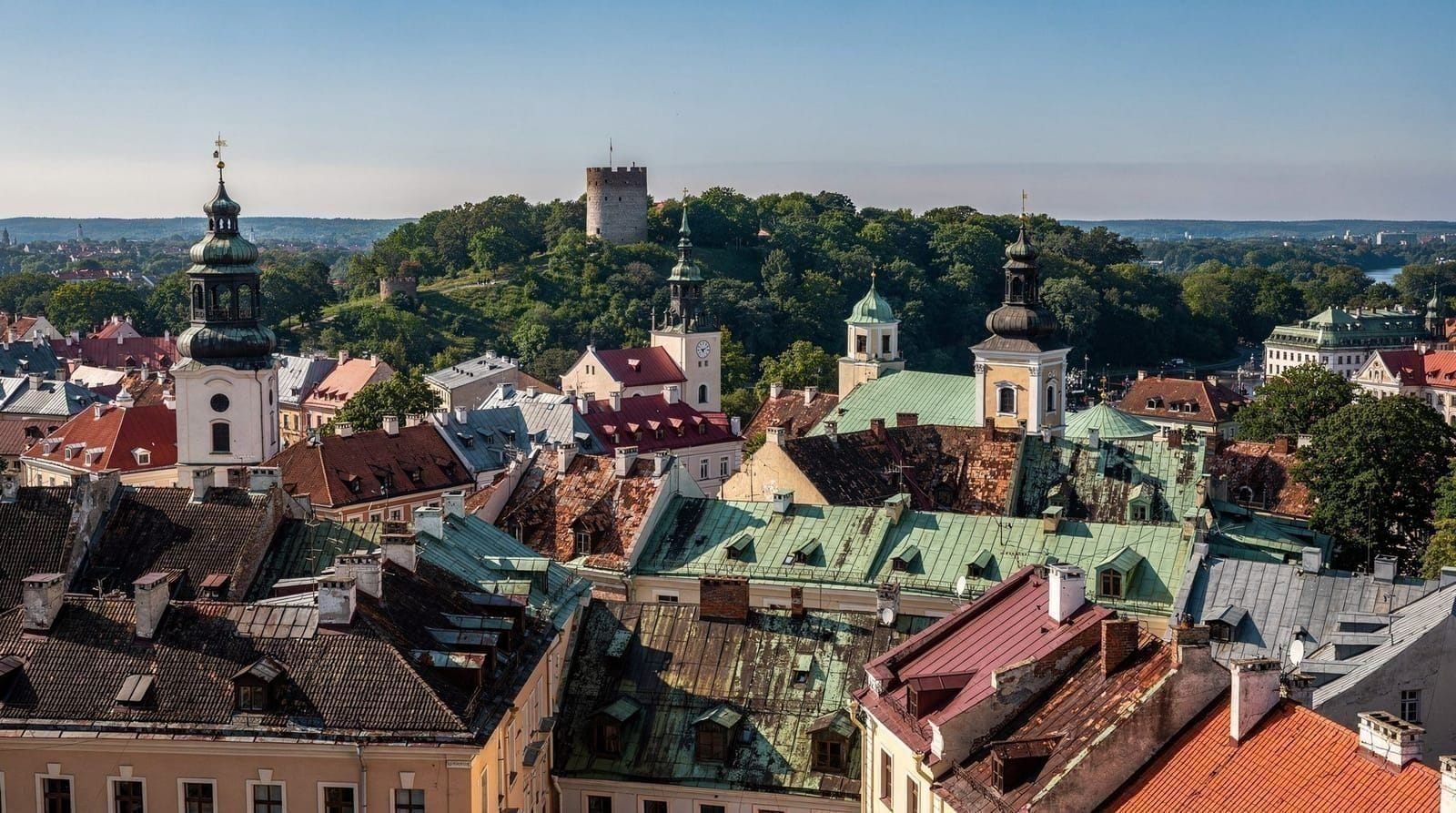
Morning: Cathedral Square and the neoclassical cathedral (free). Gediminas Tower (€5, funicular €1) for the panorama. Vilnius University (€6 combined ticket). Allow 3 hours.
Afternoon: Gates of Dawn (free pilgrimage chapel), walk through the former Jewish ghetto streets (Jewish Vilnius history), then cross into Užupis — the self-declared bohemian republic with its 43-language constitution and Angel statue. St Anne’s Church on the way back.
Evening: Tores (Užupio g. 40) for Lithuanian food with a riverside terrace (mains €12-15).
Day 2: Museums and depth
Morning: KGB Museum / Museum of Occupations (Aukų g. 2A, €8, Tue–Sun 10:00–18:00). 2 hours minimum. Former KGB headquarters with intact basement cells — the most important historical site in Lithuania.
Afternoon: Walk south to Paneriai Memorial (train from Vilnius, 15 min, €1.20 each way) — the Holocaust site in the forest outside Vilnius where approximately 100,000 people were killed. Free. Or, if you prefer to stay in the city: National Museum of Lithuania (€5), and the Literatų gatvė literary street with its 220+ ceramic tributes.
Evening: Sweet Root (Užupio g. 22) if you can book it — the city’s best tasting menu at €30-45/person. Or Džiaugsmas (Trakų g. 1) for excellent modern Lithuanian at lower prices.
Nida: Vilnius curonian spit all day tourDay 3: Trakai half-day then Vilnius evening
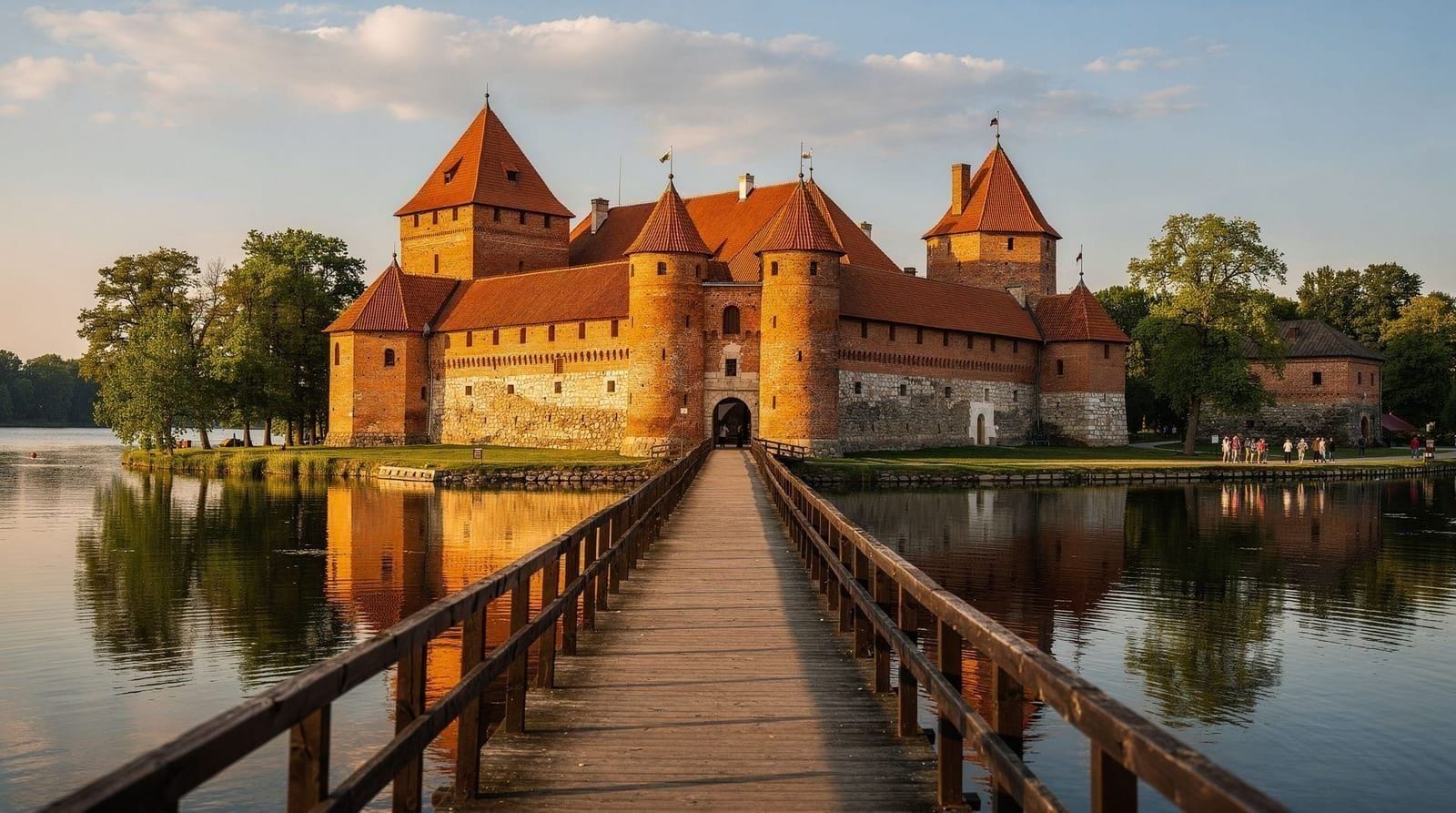
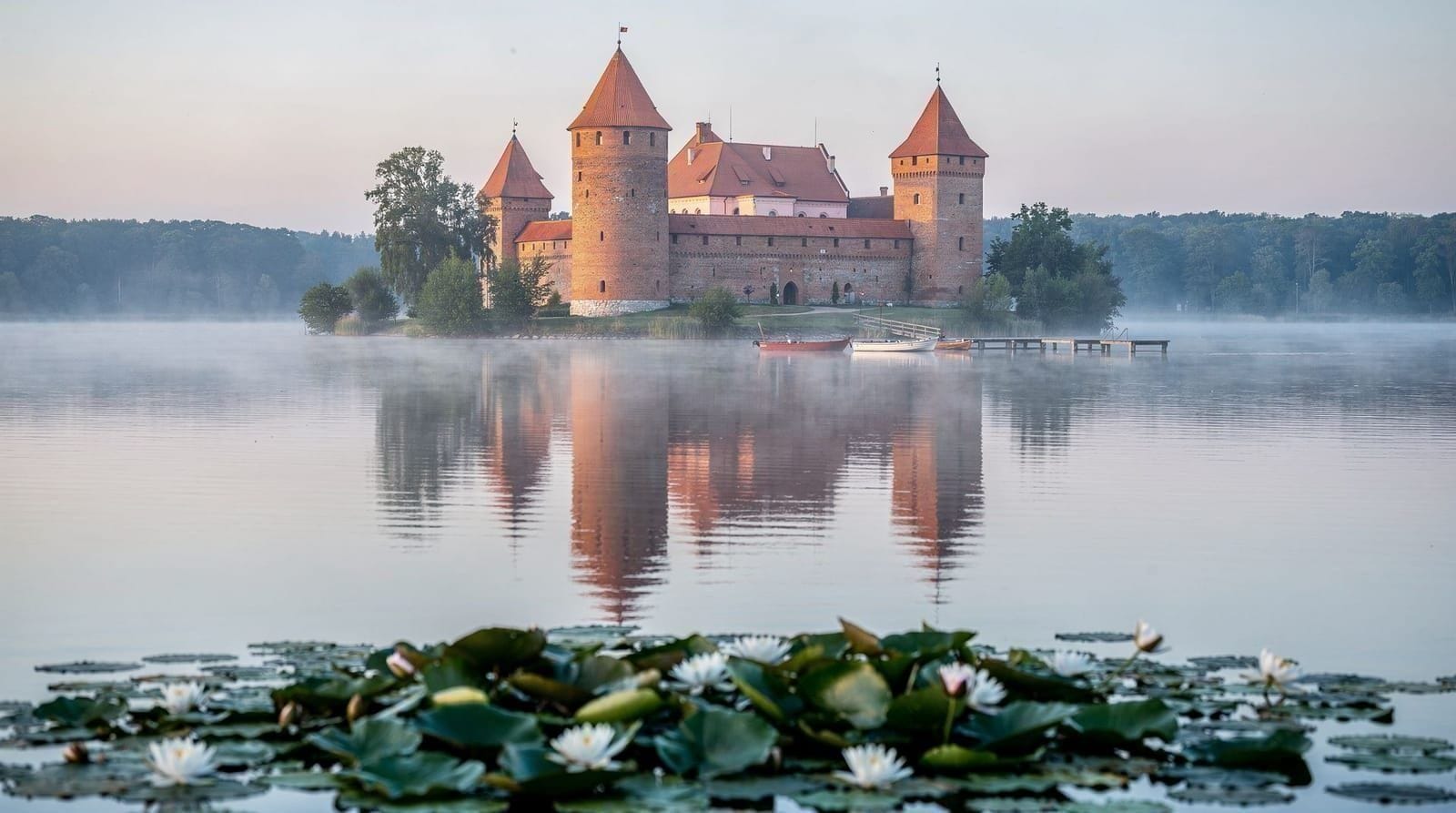
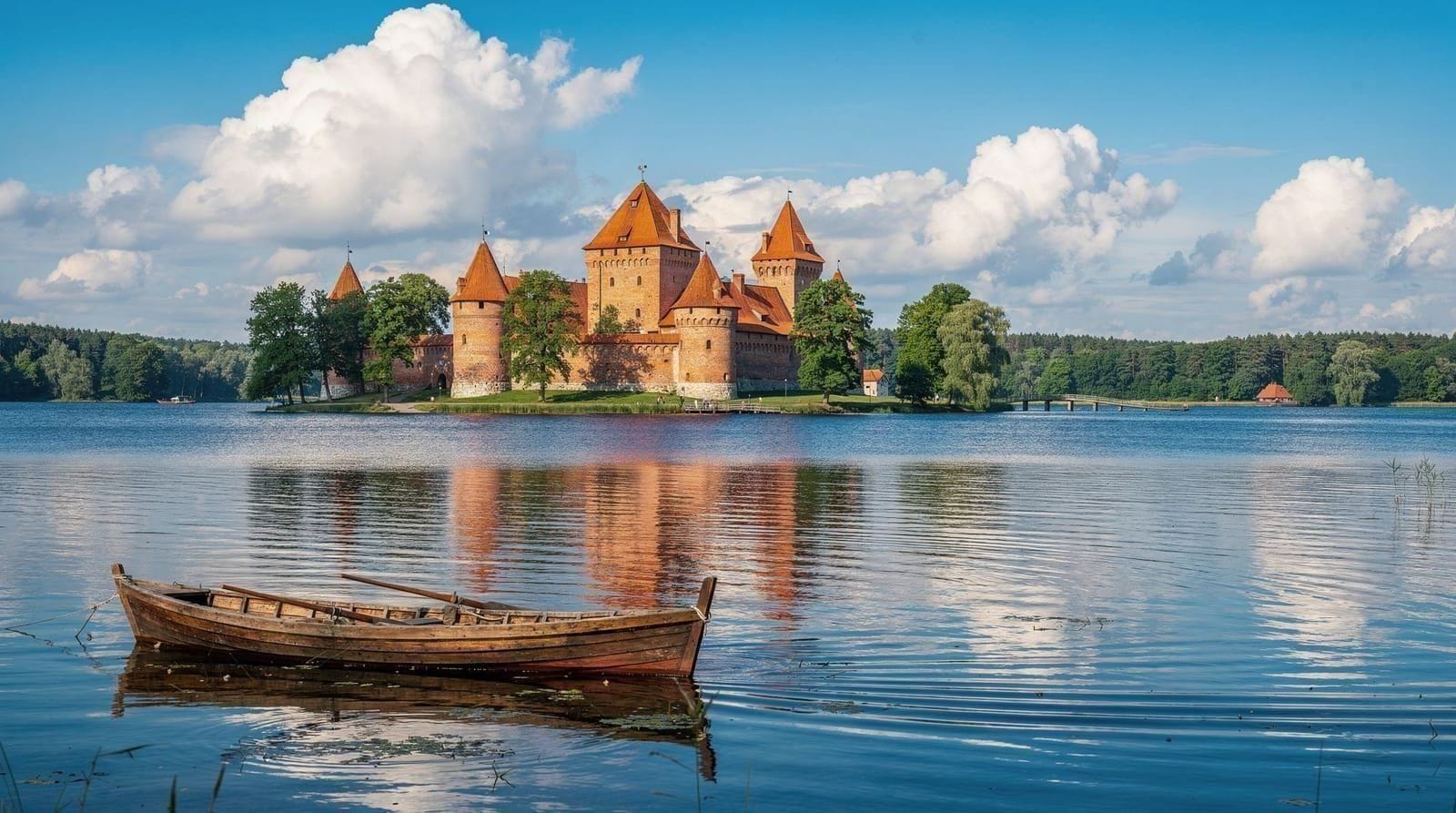
Morning: Train to Trakai at 9:15 (€2.90, 30 minutes). The red-brick island castle (€12) is best visited before the midday tour buses arrive. Kibinai lunch at Senoji Kibininė (Karaimų g. 65). Return to Vilnius by 14:00. If you’d rather not manage the train and castle logistics yourself, a guided half-day option covers the same ground with transport included:
Vilnius to Trakai half-day sightseeing tourAfternoon: Free afternoon in Vilnius. Suggested: craft beer at Špunka (Užupio g. 9), amber shopping at the Amber Museum-Gallery (Šv. Mikalojaus g. 8, quality certified amber), or the Vilnius food guide spots you haven’t hit yet.
Evening: Last night in Vilnius. Try Lokys (Stiklių g. 8) — one of the oldest Vilnius restaurants in a cellar setting, game and Lithuanian dishes, mains €14-20.
Day 4: Drive to Klaipėda
Pick up rental car this morning (book in advance; Europcar, Hertz, and local providers all operate from Vilnius centre and airport). Drive Vilnius to Klaipėda: 310 km, ~3.5 hours on the A1 motorway.
Optional stop: Kaunas (60 km from Vilnius): if you have the energy, a 1.5-2 hour coffee stop in Kaunas lets you walk the Laisvės alėja pedestrian boulevard (UNESCO interwar modernist architecture) without committing to a full day.
Arrive Klaipėda ~14:00-16:00.
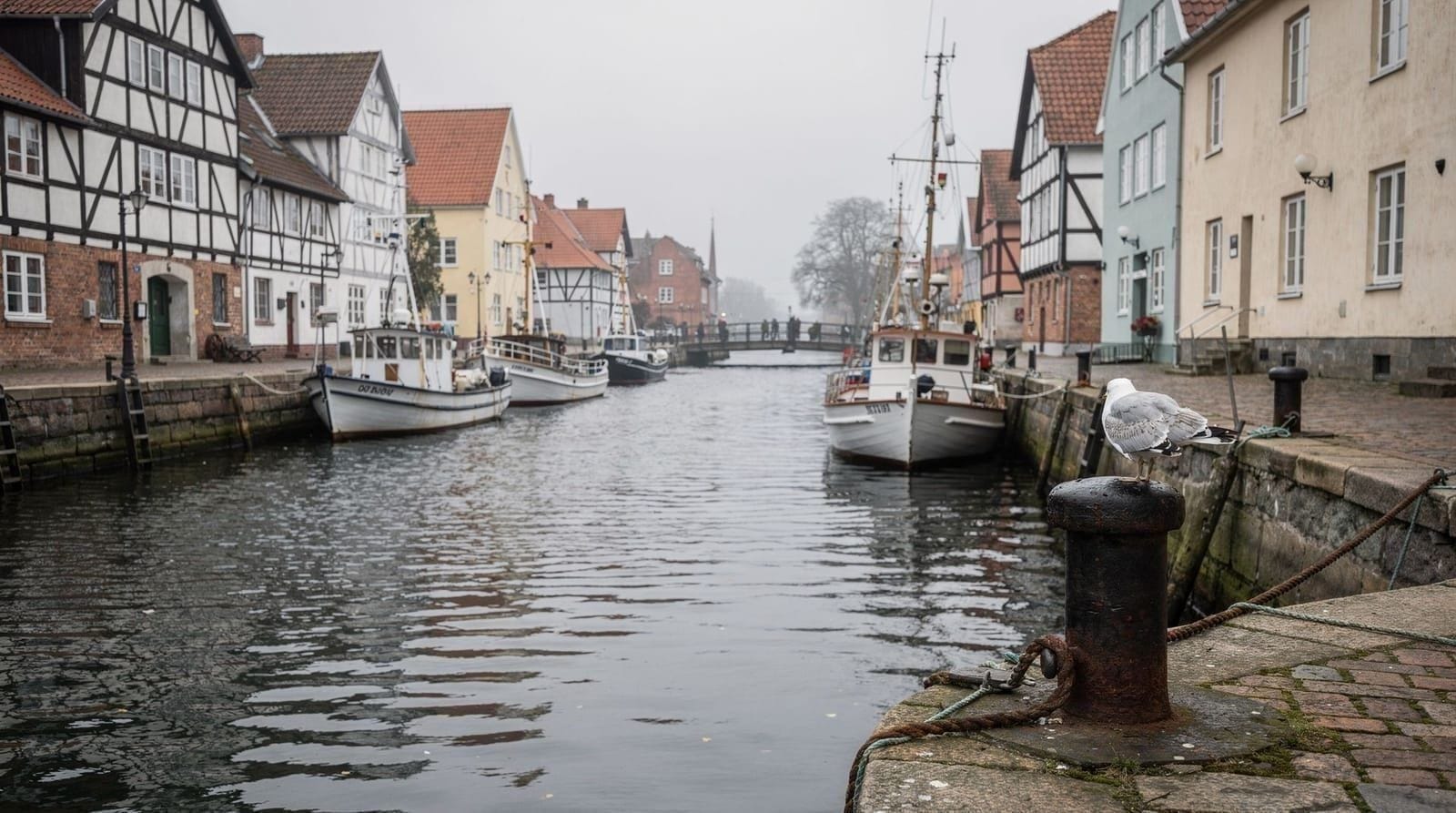
Klaipėda first evening: Klaipėda Old Town walk — the half-timbered Memel-era architecture (this was the German city of Memel until 1923) is distinctive. The Castle Museum (Pilies g. 4, €4, Tue–Sun) covers the city’s complex history as a Teutonic, Prussian, German, and then Lithuanian city.
Dinner: Le Bernardin (Šaulių g. 3) for mid-range European cooking (€12-18 mains), or Iki Marios (S. Neries g. 1A) for seafood terrace dining.
Where to stay in Klaipėda: Amberton Klaipėda (Šimkaus g. 1, doubles from €70, 2 nights) or Old Mill Hotel (Šaltinių g. 1, from €60). Both are walkable from the ferry terminal.
Klaipėda: Old town walking tourDay 5: Curonian Spit — full day
Take the car ferry from Klaipėda’s Old Ferry Terminal (Smiltynė pereivinis; every 30 minutes, 10-minute crossing, €8.50/car + €1/person each way). First ferry at 6:30; last return varies seasonally — check kf.lt.
Drive the full length of the Lithuanian spit (50 km to Nida, the southernmost village):
10:00 — Juodkrantė (25 km from ferry): The Witches’ Hill sculpture park (Raganos kalnas) is a forest trail with 82 carved wooden figures from Lithuanian folklore — witches, devils, forest spirits. Free, always open. 45-60 minutes.
11:30 — Viewpoints south of Juodkrantė: Several signed pullouts give views of both the lagoon and Baltic simultaneously. The spit narrows to 400 metres here. The scale of the dune landscape only becomes clear from these elevated points.
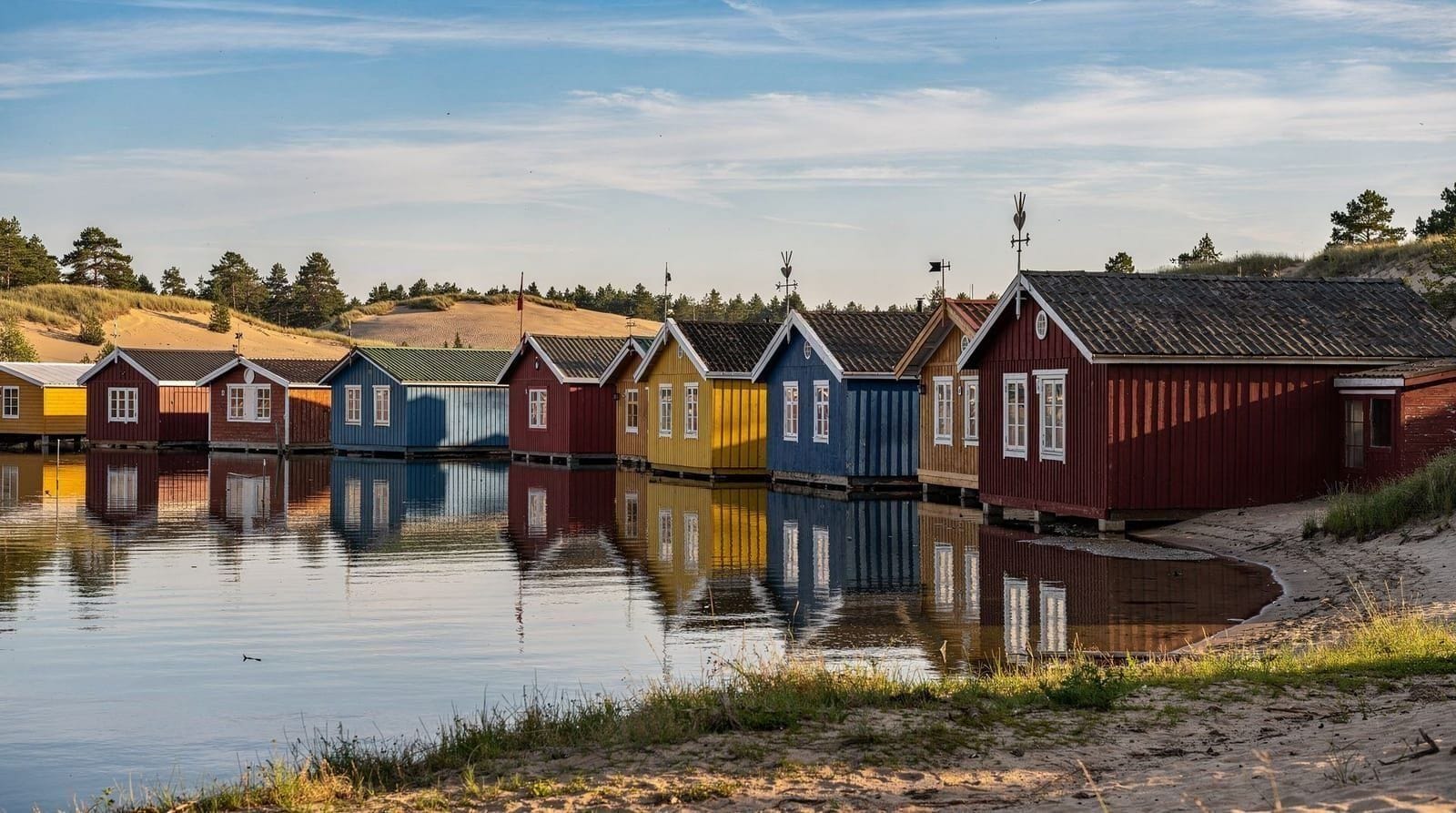
12:30 — Nida: The most charming village on the spit — traditional fishermen’s houses with distinctive weathervanes, a lagoon-facing promenade, and the hill walk up to the Parnidis Dune (52 metres tall, 30-minute walk from the village). The sundial at the top marks the Russian border 300 metres south.
Lunch in Nida: Seklyčia (Lotmiškio g. 1) for traditional Lithuanian food with smoked fish and eel dishes (€8-14 mains). Smoked eel from the roadside stalls is cheaper (€8-10 for a portion) and freshly prepared — don’t skip it.
14:30 — Thomas Mann House (Skruzdynės g. 17, Nida, €3): The summer house where Thomas Mann wrote portions of “Joseph and his Brothers” in 1930-32. Small museum with original furniture and Mann’s correspondence about the landscape he loved here.
15:30 — Beach walk and lagoon swimming: The Baltic beach on the sea side is open and often windy; the lagoon side is calmer, warmer, and swimmable in summer. Both are within walking distance of Nida’s centre.
Return to Klaipėda by 18:00 via the same route and ferry.
If you’d rather not self-drive the spit: a guided group day tour handles the ferry, the stops, and the driving, which is a reasonable trade-off if you’re travelling without a rental car for this leg.
Curonian Spit guided group day tour from KlaipėdaDay 6: Palanga and Klaipėda depth
Morning: Palanga (30 km north of Klaipėda)
Palanga is Lithuania’s main beach resort. The Amber Museum (Kranto g. 12, in Tiškevičiai Park mansion, €5, Tue–Sun 10:00–18:00) is the best amber collection in Europe — Baltic amber from 40 million years ago, with remarkable insect and plant inclusions. The surrounding park is pleasant for a walk.
The Palanga Pier and beach (14 km of sand) are worth 30-60 minutes. In summer Palanga gets very crowded midday; early morning or after 16:00 is preferable.
Afternoon: Back in Klaipėda
Klaipėda Archaeological and History Museum (Didžioji Vandens g. 6, €3): covers the city’s multi-layered past as German Memel, then Soviet Lithuanian port city, then independent Lithuanian city. Well-presented.
Optional: Handcrafted canoe on Klaipėda waterways: A unique 2-hour tour by traditional wooden canoe through Klaipėda’s inner waterways and canal system. Less touristy than it sounds — local operators have been doing this for years.
Dinner final night in Klaipėda: Stora Antis (Tiltų g. 6, duck-focused menu, mains €14-19) or Monaco (H. Manto g. 11, seafood, mains €15-22).
Day 7: Drive back to Vilnius
Drive Klaipėda to Vilnius: 310 km, ~3.5 hours on the A1. Depart by 10:00 for a 13:30 arrival. Return car at Vilnius airport or city centre.
If time allows before your flight: a final coffee at Crooked Nose & Coffee Stories (Trakų g. 8) in Vilnius, or last purchases at Halės turgus market (Pylimo g. 58, open until 14:00 most days).
Airport bus 88 from Cathedral Square: €1, 25 minutes. Bolt taxi: €8-10.
Practical planning notes
Car rental: Book at least a week in advance in summer. Compact cars (Ford Focus class) cost €35-50/day. Fuel for the full loop (~700 km): approximately €55-70. Parking in Klaipėda: most hotels have free parking; Old Town has paid parking (€1-2/hour).
Ferry timings: Klaipėda–Smiltynė car ferries run 6:30–24:00 (roughly every 30 minutes). The small pedestrian-only ferry runs more frequently and costs €1 — useful if you want to visit the spit on foot. Full ferry info at kf.lt.
Curonian Spit park fee: €5 per car entry, paid at the entrance checkpoint on the spit. Valid for the day.
Best time for this itinerary: June–August for the full Curonian Spit experience (swimming, outdoor dining, all services open). May and September work well for the nature and reduced crowds but some Nida businesses close outside peak season.
Accommodation breakdown: Vilnius Old Town hotel (3 nights) + Klaipėda hotel (2 nights) = 5 hotel nights total.
Variations on this route
Add Kaunas properly: If a quick coffee stop in Kaunas on Day 4 isn’t enough, split it into a half-day and lose a half-day elsewhere (Day 6 Palanga is the easiest to compress). The Kaunas day trip guide covers what’s worth the extra time.
Extend to Palanga overnight: This itinerary treats Palanga as a Day 6 morning stop from Klaipėda, but its beach and pier are good enough that couples or families who prioritise the coast over Vilnius depth could swap a Vilnius day for a Palanga night instead — see the Palanga destination guide.
No car available: The Vilnius section (Days 1-3) works entirely on foot and by train. For the coast, foot passengers can still reach Nida by the infrequent spit bus or by renting bicycles at Smiltynė, though it limits how many stops you can make in a day — a car genuinely opens up the itinerary as written.
Trip at a glance: day-by-day summary
| Day | Location | Highlight |
|---|---|---|
| 1 | Vilnius | Old Town, Cathedral Square, Užupis |
| 2 | Vilnius | KGB Museum, Paneriai Memorial |
| 3 | Vilnius / Trakai | Trakai Island Castle half-day |
| 4 | Klaipėda | Drive from Vilnius, Old Town evening |
| 5 | Curonian Spit | Juodkrantė, Nida, Parnidis Dune |
| 6 | Palanga / Klaipėda | Amber Museum, city depth |
| 7 | Vilnius | Return drive, departure |
Food along the route
Lithuanian coastal food differs from Vilnius’s — expect more smoked fish and eel around Klaipėda and Nida than in the capital. The Lithuanian dishes guide and the Lithuanian drinks and spirits guide are useful before the trip if you want to know what you’re ordering at Seklyčia or Tores rather than guessing from a menu in Lithuanian.
Frequently asked questions about Vilnius and the Curonian Spit
Can I visit the Curonian Spit without a car?
Yes, but it’s limiting. From Klaipėda, foot passengers take the small pedestrian ferry (€1) and then use bicycles (rental available on the spit, €8-12/day) or the infrequent bus that runs the length of the spit. Without a car you can reach Nida by bus (journey ~1 hour), but spontaneous stops at viewpoints and beaches are much harder. For the best experience, rent a car.
How long does it take to drive from Vilnius to the Curonian Spit?
From Vilnius to Klaipėda (the gateway city): approximately 3.5 hours on the A1 motorway. From Klaipėda ferry to Nida (southernmost point): 50 km, about 1 hour with stops.
Is the Curonian Spit worth the effort from Vilnius?
Strongly yes. The landscape is unique in Europe — enormous sand dunes between a placid lagoon and the open Baltic, with traditional fishing villages in between. It’s the most visually spectacular part of Lithuania and genuinely different from anything else in the Baltics.
What is the Lithuanian Curonian Spit vs the Russian side?
The spit is divided: the Lithuanian half (50 km, northern portion) is accessible and has the UNESCO heritage village of Nida. The Russian half (48 km, southern portion, Kaliningrad exclave) is currently not accessible to most Western European or North American visitors. The border is at Nida; you can see it from the Parnidis Dune.
What is the best village to stay on the Curonian Spit?
Nida is the most appealing — the best restaurants, the most interesting architecture, and immediate access to the Parnidis Dune. Juodkrantė is quieter and cheaper (good for families). Pervalka is tiny, almost no services, but the dune scenery is dramatic. Most visitors do a day trip from Klaipėda rather than overnighting on the spit.
Should I split the week differently between Vilnius and the coast?
The 3 days Vilnius / 3-4 days coast split here suits most first-time visitors, but it’s not fixed. Families and swimmers often prefer more coast time (see the family week in Lithuania itinerary for a kid-focused version that spends longer at the beach), while history- and architecture-focused travellers sometimes prefer 4 days in Vilnius and a shorter 3-day coast add-on.
Top experiences
Bookable activities with verified prices and instant confirmation on GetYourGuide.