3 days in Vilnius and Trakai: the classic Lithuania itinerary
Vilnius: Trakai half day sightseeing tour
Duration: 4 hours
Is 3 days enough for Vilnius and Trakai? Yes — this is the most popular Lithuania itinerary and it works well. Two days in Vilnius cover the Old Town, museums, and Užupis at a relaxed pace; a half-day excursion to Trakai on Day 3 adds the island castle and lake scenery. No car needed: trains to Trakai run hourly and cost €3 each way.
The 3-day Lithuania blueprint
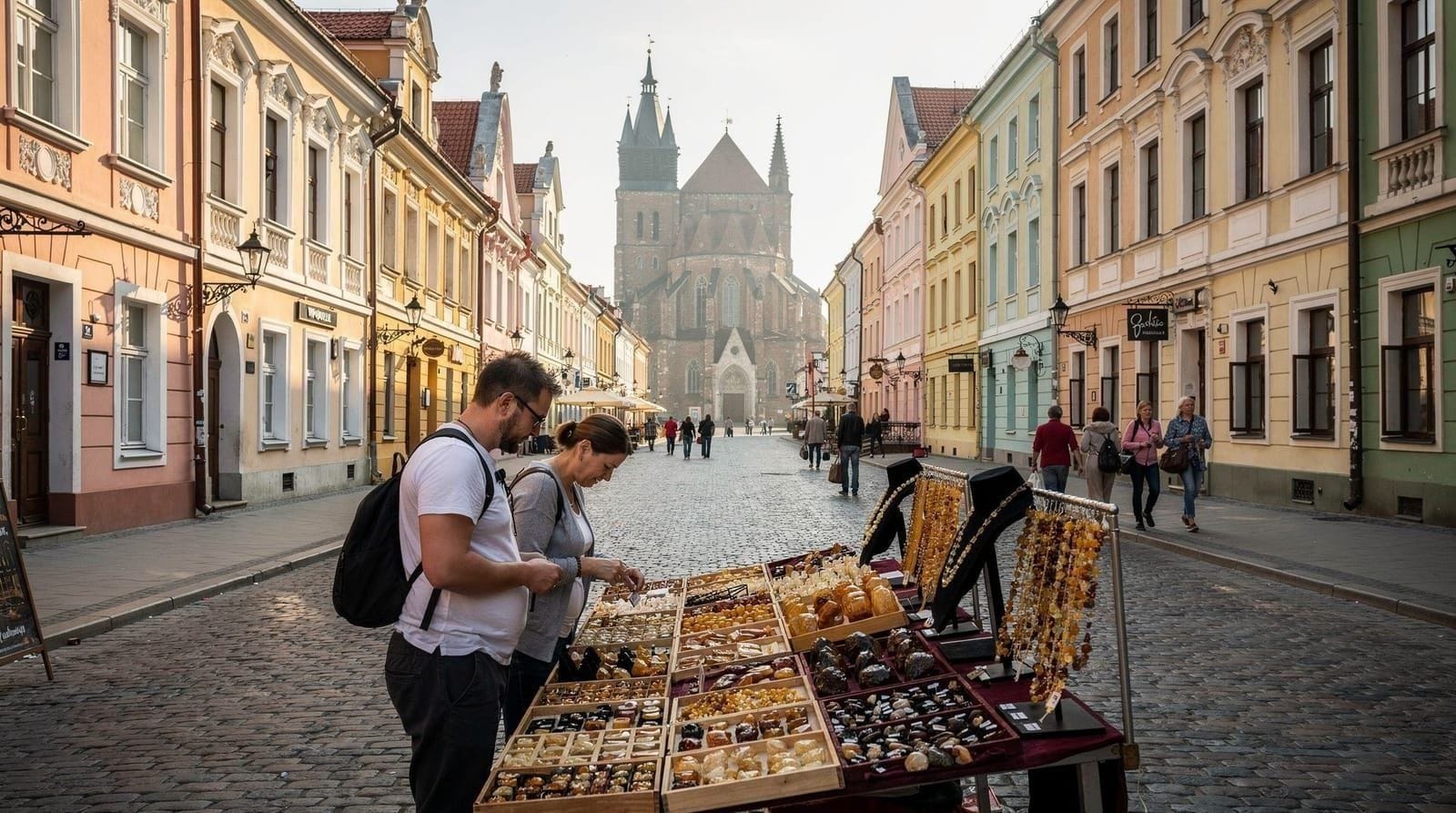
Three days is the sweet spot for first-time visitors to Vilnius. You have enough time to go beyond the checklist sights and actually sit in a courtyard café, walk slowly through the baroque streets, and understand what makes Vilnius different from Riga and Tallinn (lower prices, fewer tourists, genuinely different history).
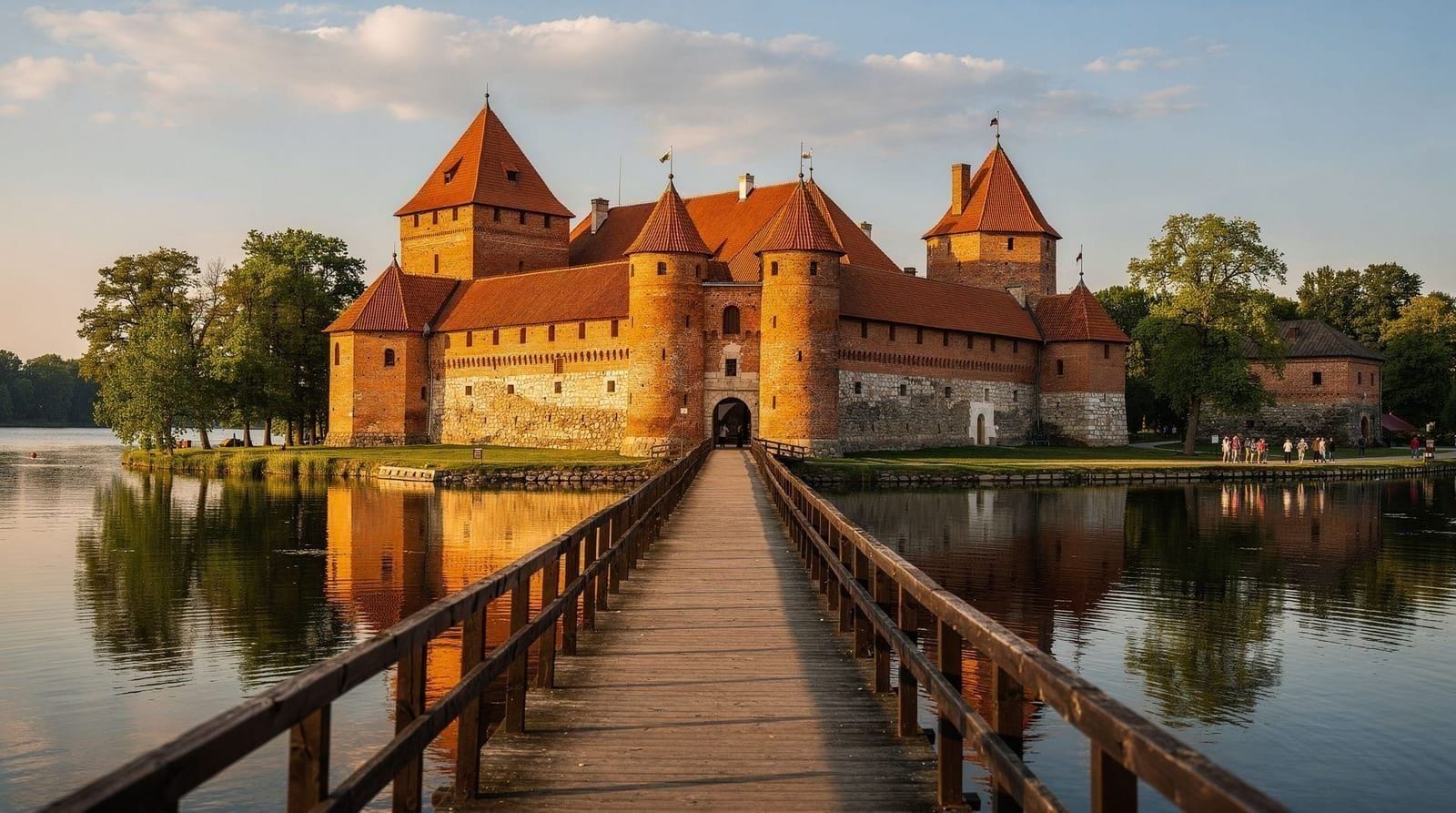
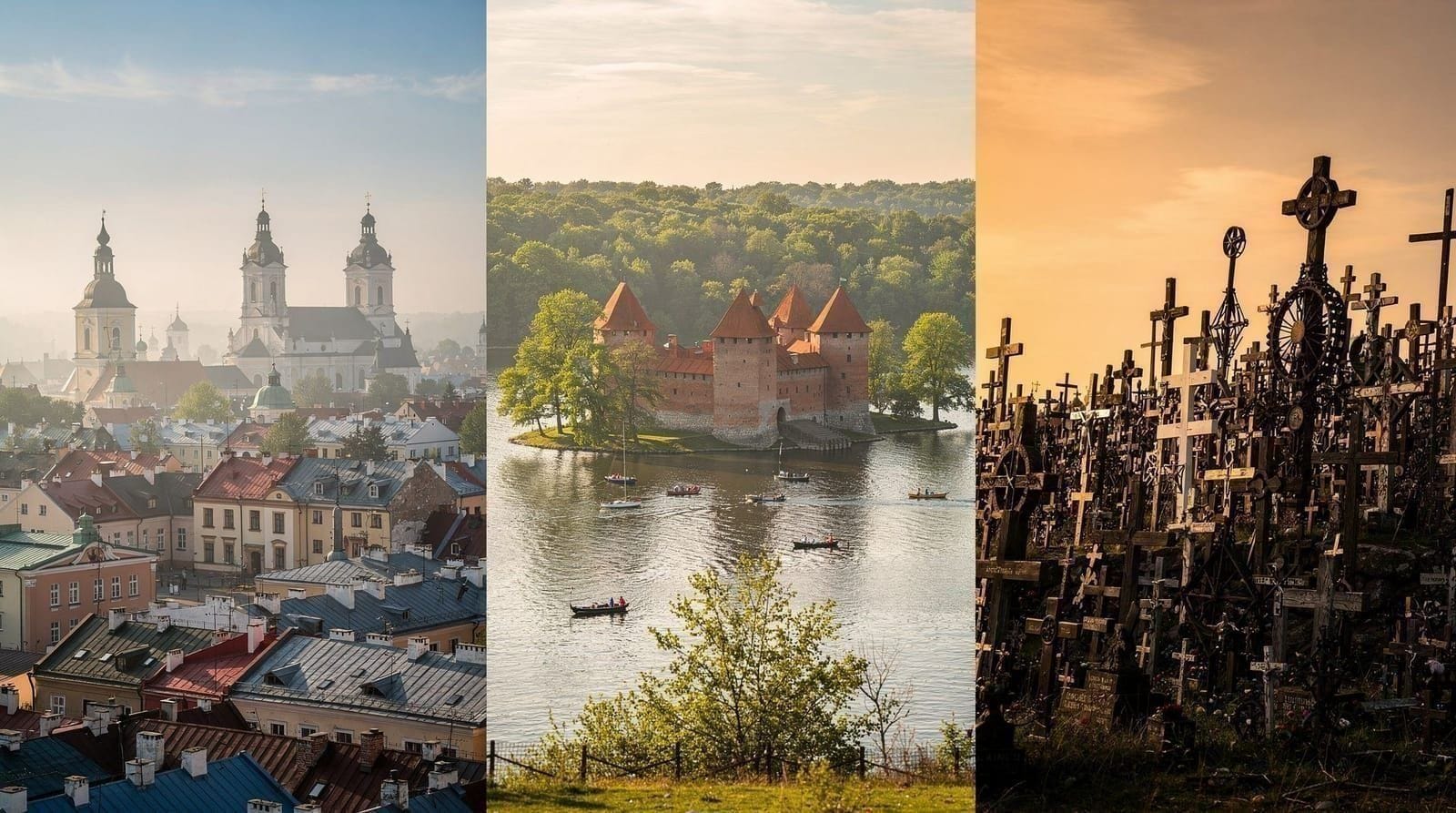
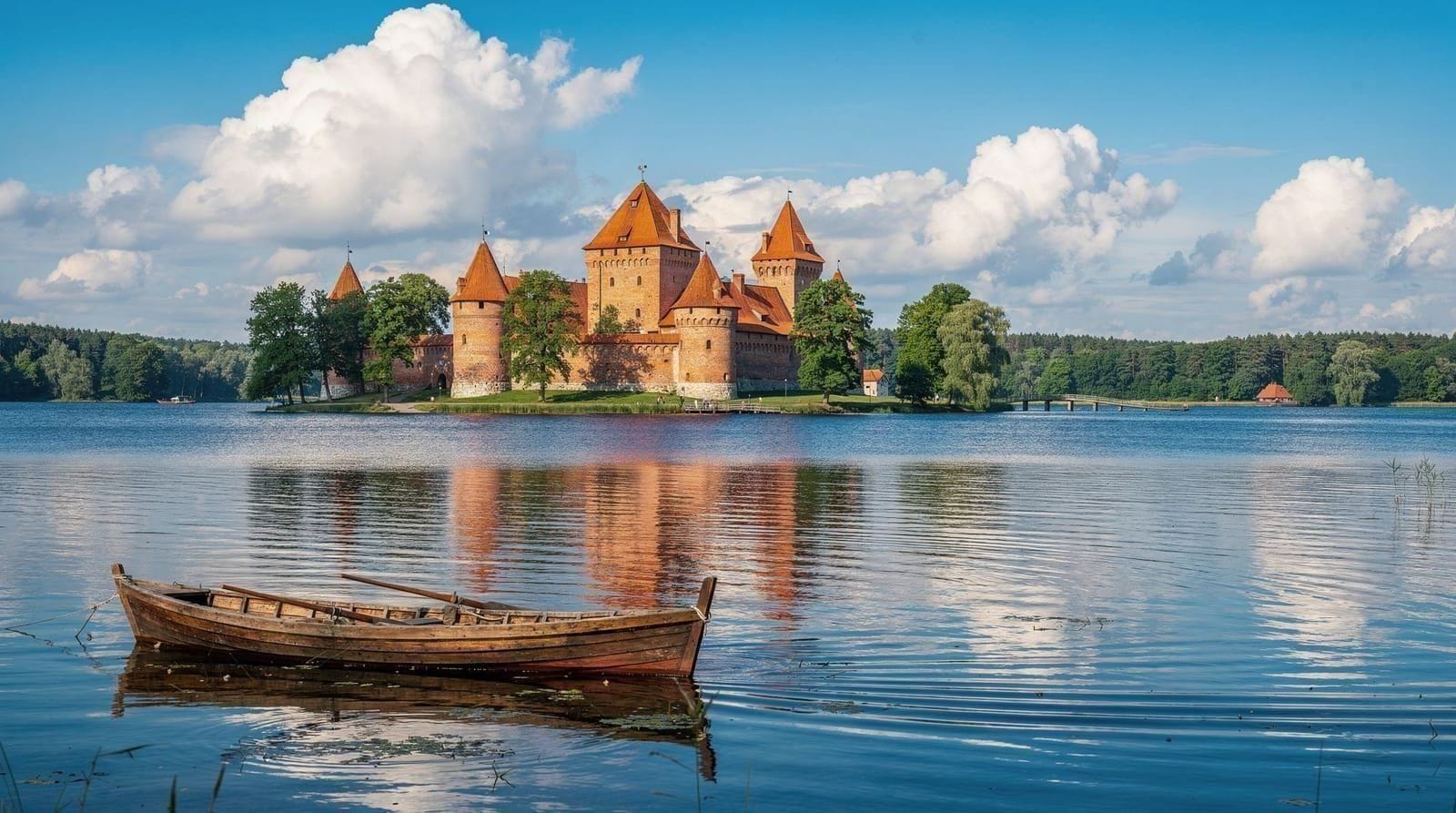
Adding Trakai on Day 3 — or the afternoon of Day 2 — turns a city break into a proper Lithuania experience. The red-brick island castle rising from the lakes is the image most people carry home.
Budget: €60-90/person/day (meals, transport, tickets), accommodation separate. Vilnius is among the cheapest EU capitals.
| Where | Vilnius Old Town + Trakai Island Castle (28 km away) |
| Cost | around €60-90/person/day, plus around €3-6 return train to Trakai |
| Time needed | 3 full days: 2 in Vilnius, 1 day trip to Trakai |
| Getting there | walkable in Vilnius; hourly train or bus to Trakai |
| Best time | May-September for the Trakai lake atmosphere |
Day 1: Vilnius Old Town and Užupis
Morning (9:00–13:00)
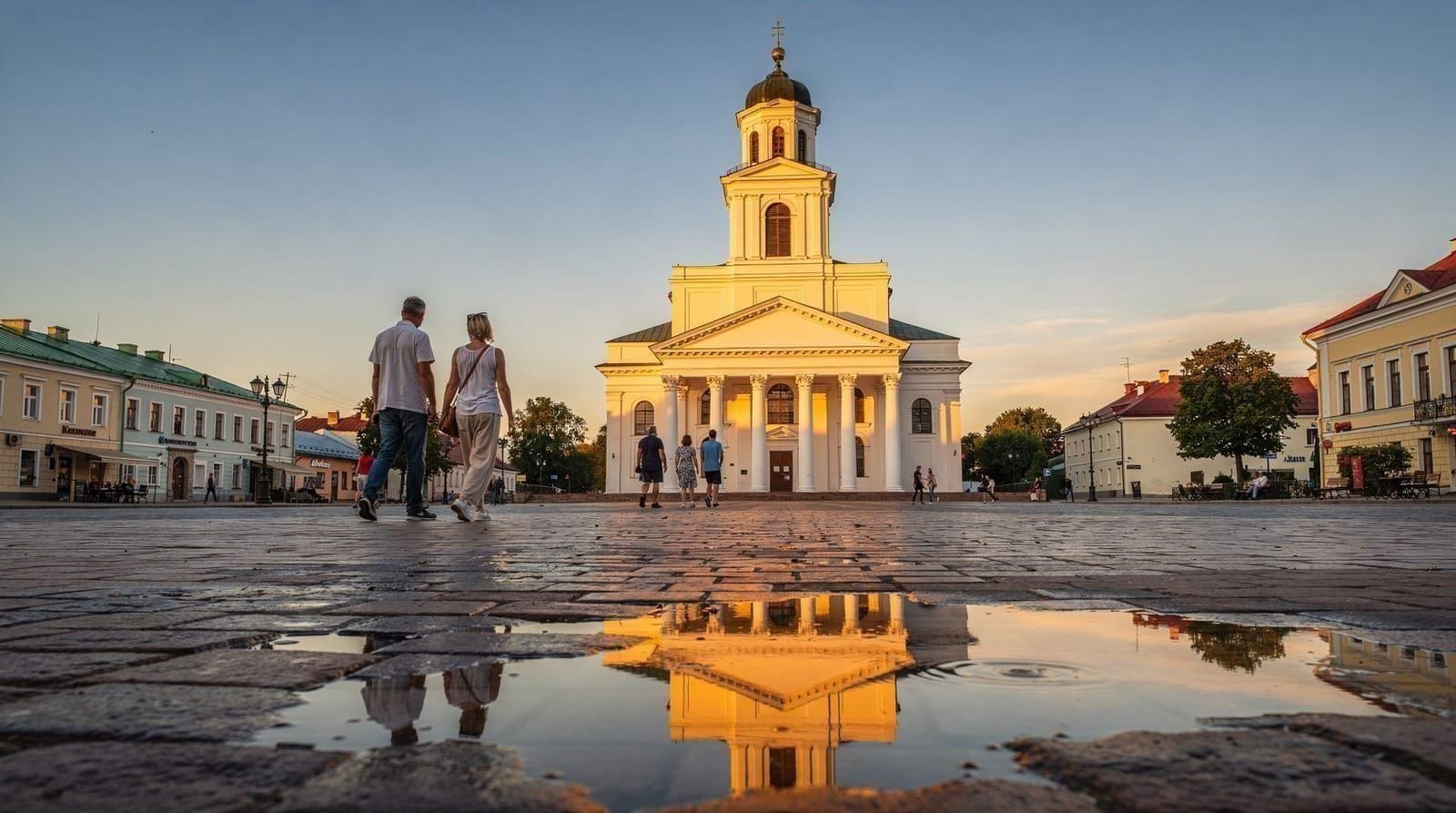
9:00 — Cathedral Square and the stebuklas tile Start at Katedros aikštė. The neoclassical Vilnius Cathedral (free, open 7:00–19:00) has a Chapel of St Casimir worth seeing. The small tile marked “stebuklas” (miracle) in the square is a Vilnius ritual — spin clockwise and make a wish.
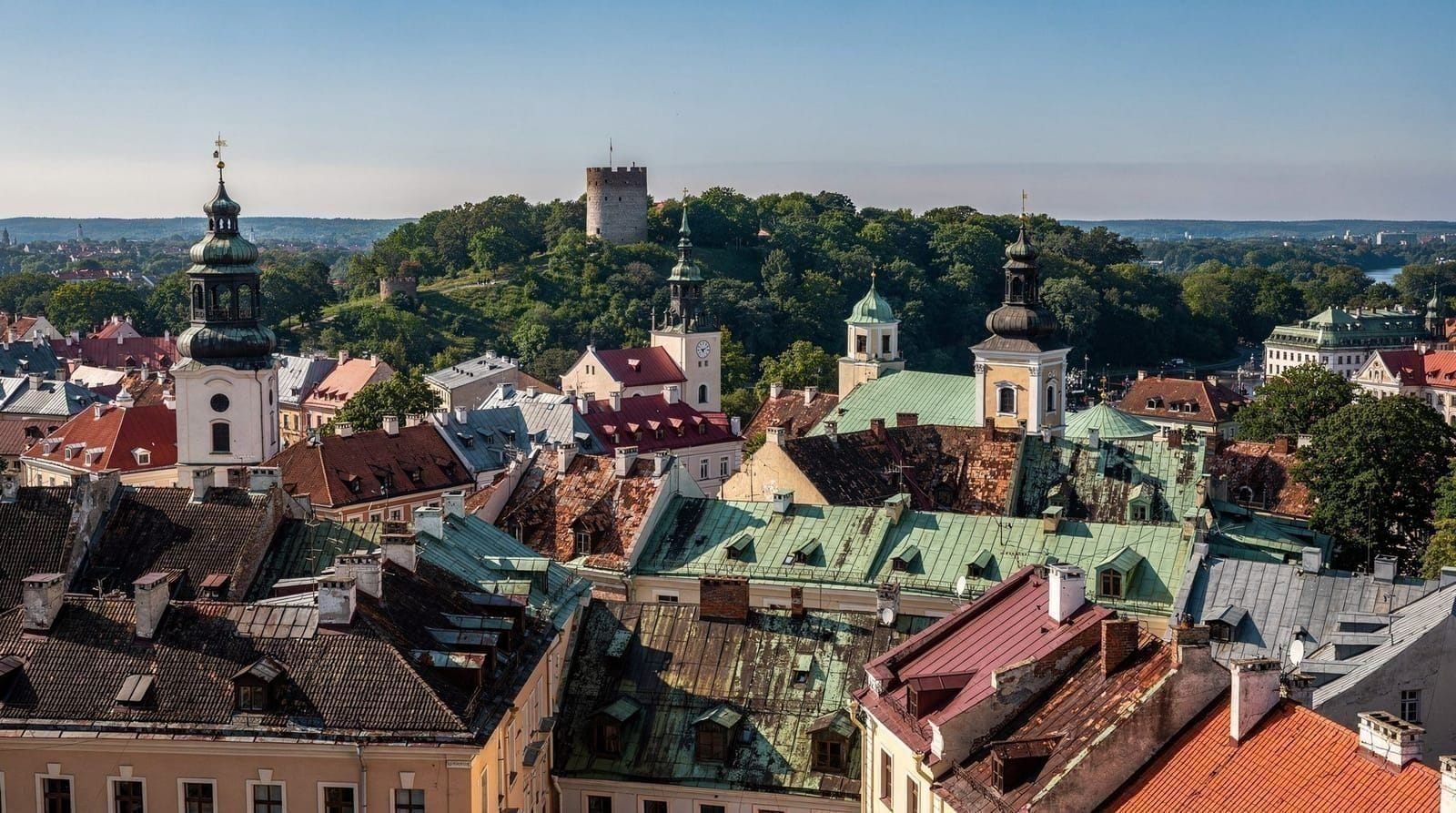
9:30 — Gediminas Tower Take the footpath or funicular (€1) up Castle Hill for the city panorama. Tower entry €5, museum inside included. Allow 45 minutes.
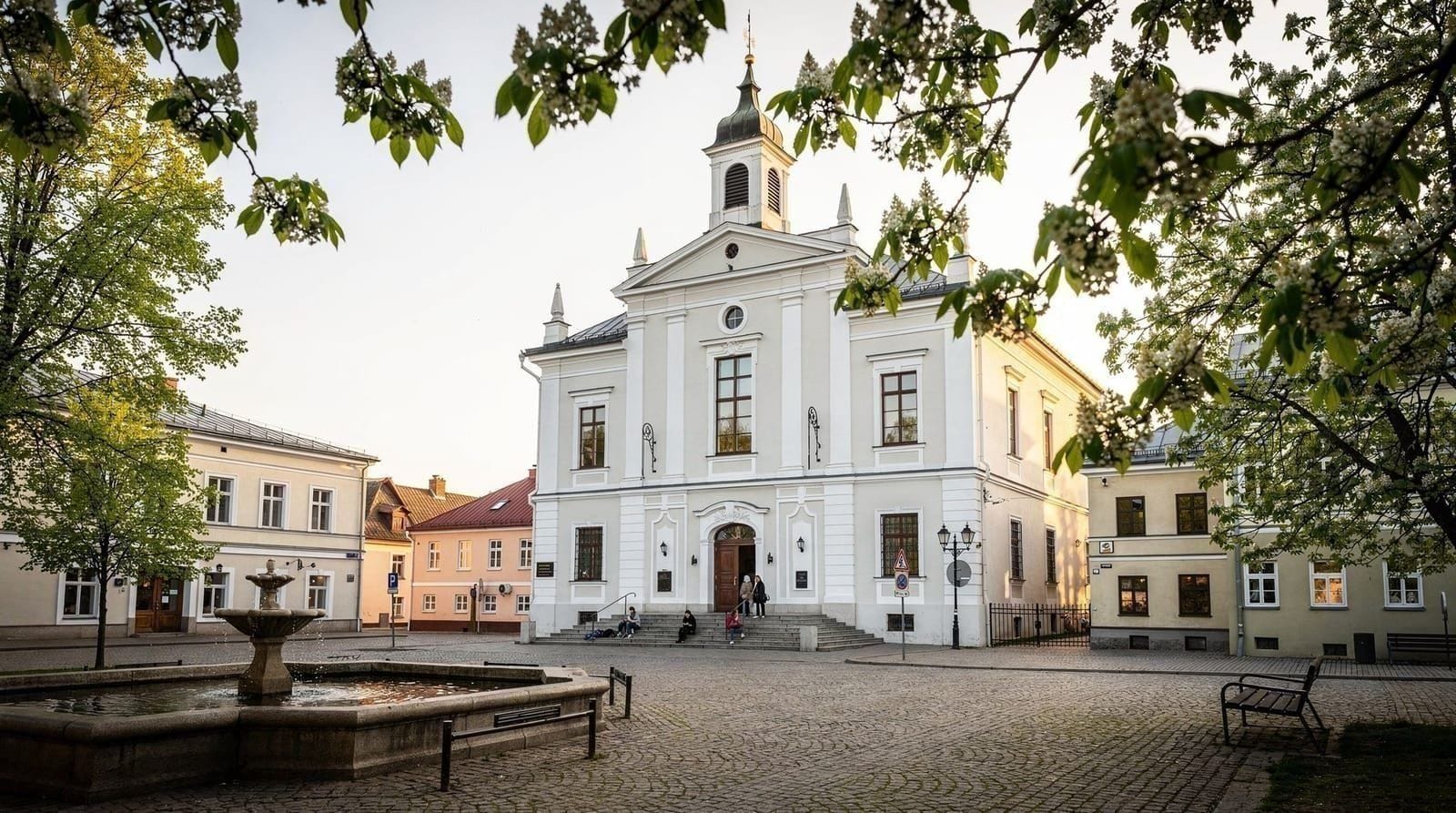
10:30 — Vilnius University The 13-courtyard university complex (founded 1579) is one of the most underrated sights in Vilnius. Combined ticket for the courtyards, St John’s Church interior, and bell tower: €6. Views from the bell tower are the best in Old Town.
Lunch: Etno Dvaras or Halės Market
- Etno Dvaras (Pilies g. 16): reliable Lithuanian dishes in an Old Town courtyard, cepelinai €8, busy but honest.
- Halės turgus (Pylimo g. 58): the main covered market, pastries €1-2, full meal €5-7. Takes 15 min to walk from Old Town.
Afternoon (14:00–18:30)
14:00 — Gates of Dawn and the Jewish heritage quarter The medieval Gates of Dawn with its pilgrimage chapel marks the southern end of Old Town. From here, walk north through the former Jewish ghetto area — Žydų gatvė, Gaono gatvė — to the Vilna Gaon Jewish State Museum (€4, Tue–Sun). Context for this area’s history: Jewish Vilnius guide.
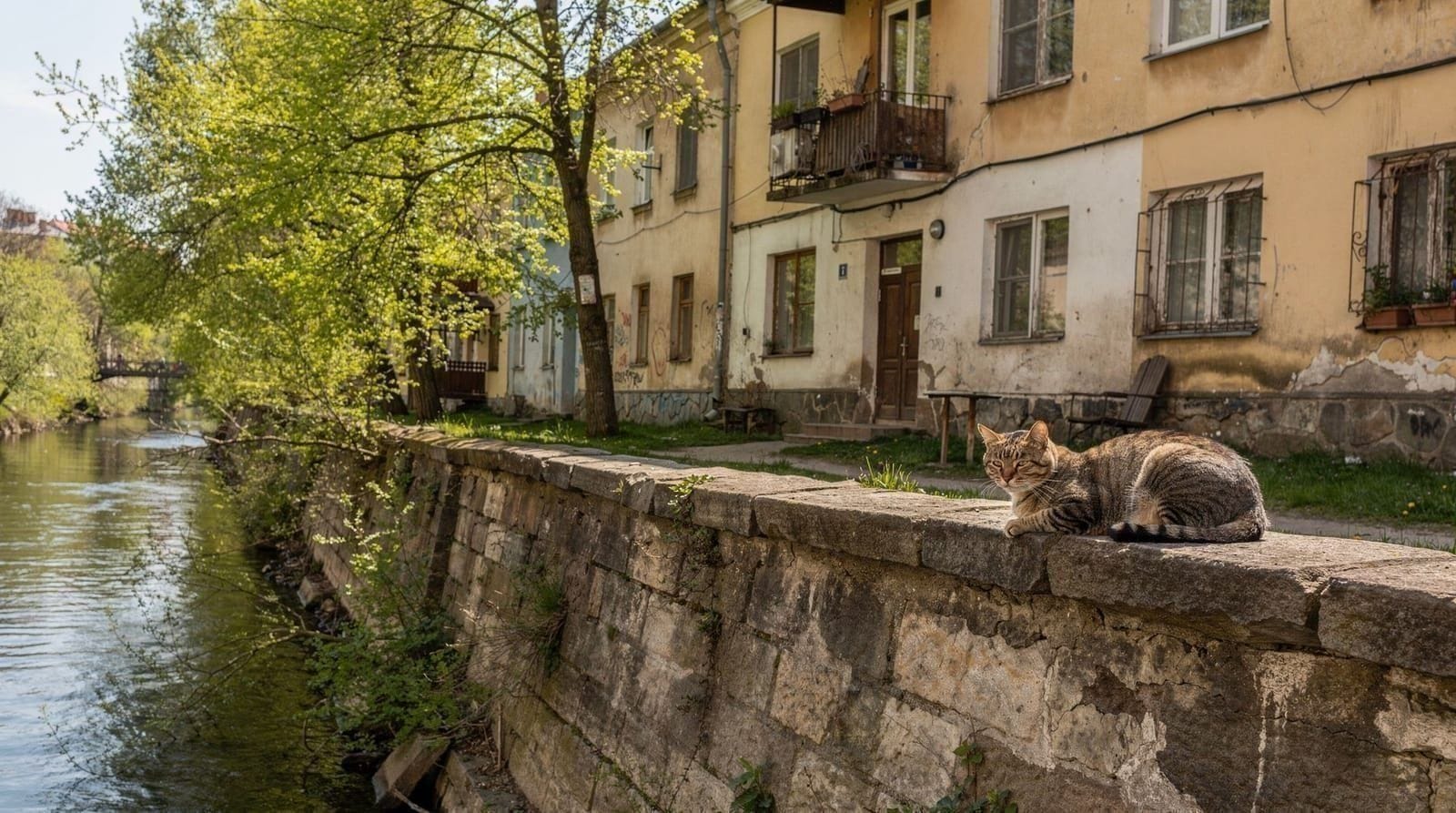
15:30 — Užupis Cross the Vilnelė bridge into Užupis, the bohemian self-declared republic. The constitution plaque (43 languages), the Angel statue, and the gallery district take about 75 minutes to explore properly.
17:00 — St Anne’s Church The Gothic-flamboyant facade of St Anne’s is one of the finest brick Gothic buildings in Northern Europe. Free, always open. Best viewed from the small square in front in late afternoon light.
Evening: dinner and first night
Tores (Užupio g. 40): terrace overlooking the river, solid Lithuanian cooking, mains €12-15. Or Džiaugsmas (Trakų g. 1) for more modern Lithuanian cuisine at similar prices. Both open until 22:00-23:00.
Day 2: Museums and neighbourhood depth
Morning (9:30–12:30): KGB Museum
The Museum of Occupations and Fights for Freedom — colloquially the KGB Museum — on Aukų g. 2A is the most important museum in Lithuania and one of the most affecting in Europe. The former KGB headquarters with intact basement cells takes 1.5-2 hours. Entry €8, Tue–Sun 10:00–18:00.
Vilnius: Kgb museum occupations tourAfterwards: coffee at Crooked Nose & Coffee Stories (Trakų g. 8) and a 10-minute walk back to Old Town.
Lunch (12:30): Naujamiestis
Walk 15 minutes to Naujamiestis (New Town), the early-20th-century district south of Old Town. Bistro 18 (Šv. Ignoto g. 4) does an honest daily lunch menu for €9-12. Or Pilies Kepyklėlė (Pilies g. 24) for fresh pastries and soups.
Afternoon (14:00–17:30): Art, craft beer, and a viewpoint
14:00 — National Museum of Lithuania Arsenalo g. 1, €5, Tue–Sun 10:00–17:00. Covers Lithuanian history from prehistoric times through the 20th century. Well-presented and not overwhelming.
15:30 — Vilnius craft beer circuit The independent bar scene near Pylimo gatvė and Užupio gatvė has taken off. Špunka (Užupio g. 9) pours Lithuanian craft beers from €4; Bambalynė (Stiklių g. 7) has 100+ Lithuanian beer varieties. Not a tourist trap — regulars sit at the bar.
17:00 — Three Crosses Hill viewpoint A 15-minute walk from Old Town, the Three Crosses (Trys Kryžiai) hilltop park gives a different panorama than Gediminas Tower — looking over the Old Town skyline and the Neris River bend. Free, always open.
Evening (19:00)
Dinner option: Sweet Root (Užupio g. 22) is the most ambitious restaurant in Vilnius — tasting menus €30-45. Book ahead. Alternatively, 19/18 (Trakų g. 2) for modern Lithuanian at €15-20 mains.
Vilnius: City highlights walking tourEvening drink: The neighbourhood around Islandijos and Šv. Ignoto gatvė in Naujamiestis has wine bars and cocktail spots with a local crowd rather than a tourist one.
Day 3: Trakai — the island castle
Trakai is 28 km from Vilnius and the most popular day trip in Lithuania. The red-brick Trakai Island Castle, built in the 14th century on an island in Lake Galvė, is the defining Lithuanian landmark. The full logistics guide covers every transport option.
Getting there (9:15 departure)
By train (recommended): Trains from Vilnius railway station to Trakai run approximately hourly. Journey: 30 minutes. Cost: €2.90 each way. Check ltrains.lt for the current schedule. The train station at Trakai is a 10-minute walk from the castle.
By organised tour: A half-day guided tour from Vilnius (~€20-35) includes transport and a guide — useful if you want historical context without planning logistics.
By bus: Buses from the main bus station (Trakų g.) also serve Trakai — roughly every 30 minutes, €2 each way, 40 minutes.
Vilnius: Trakai half day sightseeing tourTrakai (10:00–15:00)
10:00 — Trakai village and Karaim culture Walk from the train station through Trakai town to the Karaim houses on Karaimų gatvė — the Karaim (Karaite) community, a Turkic people brought to Lithuania in the 14th century, still maintains a small presence here. Their characteristic houses (three windows on the street facade: one for God, one for the grand duke, one for themselves) are a photogenic curiosity. The small Karaim Ethnographic Museum (€2.50, seasonal hours) gives background.
10:30 — Trakai Island Castle The castle is reached via two wooden bridges. The current brick structure dates mainly to the late 14th and 15th centuries — it was meticulously restored in the 20th century (controversially, but the result is impressive). The castle museum inside has exhibits on Lithuanian history and the grand duchy. Entry €12, open daily 10:00–18:00 (to 19:00 in summer). Allow 90 minutes.
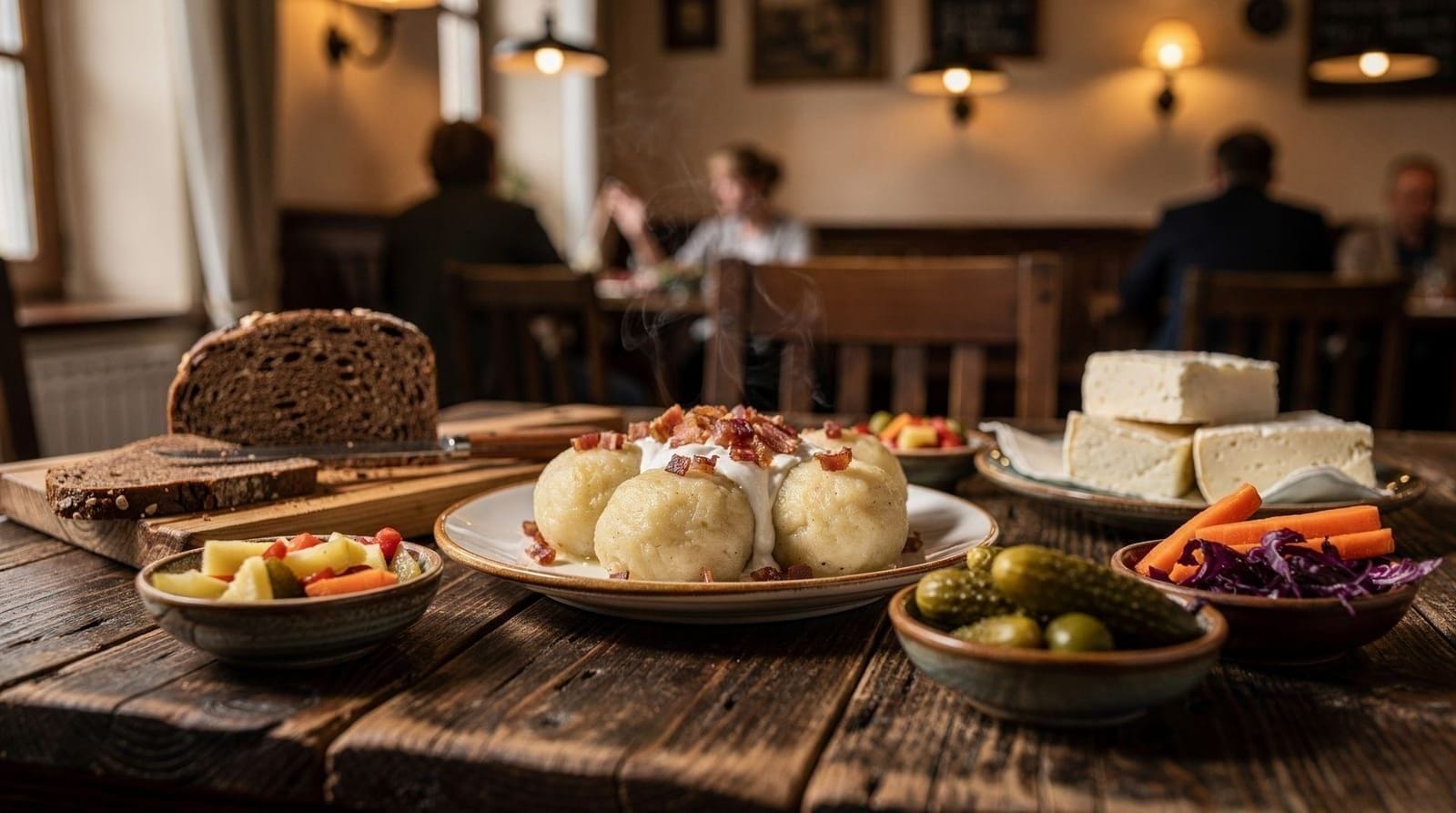
12:00 — Kibinai lunch in Trakai The Karaim pastry kibinai (similar to Cornish pasties, filled with mutton or beef) is the thing to eat in Trakai. Senoji Kibininė (Karaimų g. 65) is the most established spot — kibinai €3.50 each, a filling lunch costs €8-12. Queues are common in summer; arrive by 12:15.
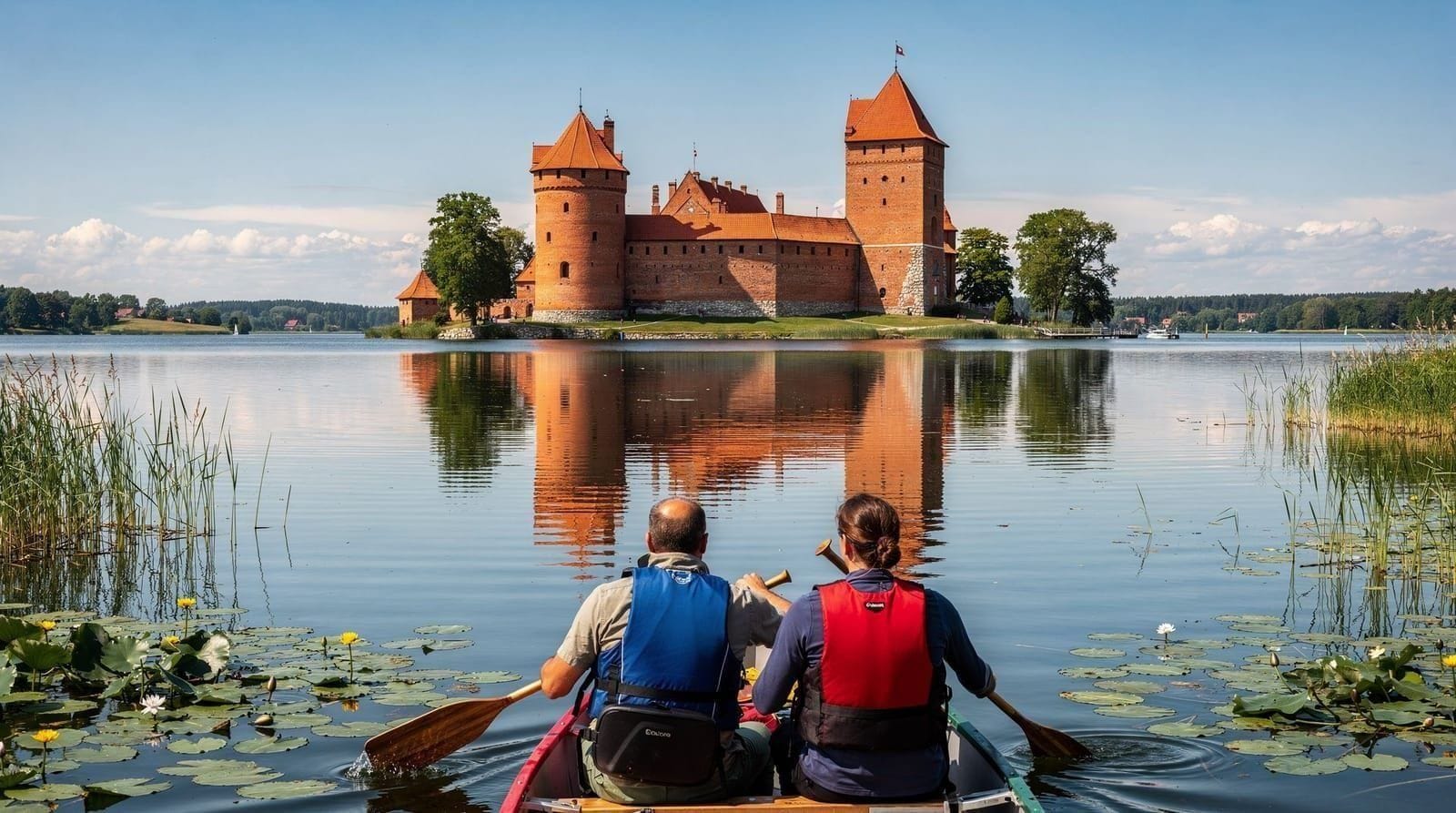
13:30 — Lake walk or kayaking The lake shores around the castle are pleasant for a 45-minute walk. Rowboat and kayak rentals are available from lakeside stands near the main bridge (€5-10/hour). In summer the lake is swimmable and the water is clear. Kayak tours from Trakai can be booked in advance for a guided option.
15:00 — Return to Vilnius Train back hourly; check the schedule at the Trakai station board. You’re back in Vilnius by 15:30-16:00.
Optional: Paneriai memorial (on the way back)
The Paneriai Memorial — site of the massacre of approximately 100,000 people (70,000 of them Jews from Vilnius) during the Nazi occupation — is a 15-minute train ride from Vilnius city centre. If you have the emotional capacity after Trakai, this is a deeply important site. Small museum on site (free). Open daily.
Evening (17:00–21:00)
A final evening in Vilnius for dinner at any restaurant you didn’t reach on Days 1-2. The Halės Market evening stalls (weekends) are worth a visit if you haven’t been. Otherwise, a simple meal at Snekutis (Šv. Stepono g. 8, classic rūsys bar, €6-8 per person) is a good last-night local choice.
Practical planning for 3 days
Where to stay: Old Town gives the best walking access. Full guide to Vilnius accommodation. Book 2-3 weeks ahead for summer (Jun–Aug).
Transport: No car needed. The Bolt app for taxis (€4-6 city centre rides), public bus 88 from the airport (€1), and the train to Trakai (€2.90) cover everything.
Museum pass: The Vilnius Pass (€25/24h, €35/48h, €40/72h) covers most museums and public transport. Worth buying if you’re hitting 4+ paid attractions, less value if you’re mixing paid and free sites.
Seasonal notes: Trakai is best May–September. The castle is open year-round but the lake atmosphere and outdoor dining are strongly seasonal. Best time to visit Vilnius.
Day-by-day summary
| Day | Focus | Overnight |
|---|---|---|
| 1 | Old Town essentials, Jewish heritage quarter, Užupis | Vilnius |
| 2 | KGB Museum, National Museum, craft beer, Three Crosses Hill | Vilnius |
| 3 | Trakai Island Castle, Karaim culture, lake walk or kayak | Vilnius (return by evening) |
Alternatives if 3 days feels tight
If a work schedule or flight times shave a day off this plan, the two most defensible cuts are: drop the National Museum on Day 2 (the KGB Museum alone justifies the morning), or shorten the Trakai day by skipping the kayak/lake walk and taking a direct organised half-day tour instead of the self-guided train option. What you shouldn’t cut is Trakai itself — it’s the single sight most visitors regret skipping. For a version of this trip with more breathing room, see the 4-day Vilnius and Kaunas itinerary or the 5-day itinerary, both of which build on this same 3-day core.
Extending to Kernavė or Kaunas
Travellers with a car, or willing to join a combined tour, sometimes fold Kernavė into the Trakai day — the UNESCO archaeological site is roughly on the way and pairs naturally with a driver. Without a car, it’s a stretch: public transport between Trakai and Kernavė is limited, so treat it as a separate half-day or add a fourth day rather than rushing both into Day 3. Travellers wanting a second city rather than a castle should instead look at swapping Day 3 for Kaunas — Lithuania’s second city is a comfortable train ride away and has its own distinct, more modernist character.
Frequently asked questions about 3 days in Vilnius and Trakai
Should I do Trakai on Day 2 or Day 3?
Day 3 works better for most people — you’ve had time to orient in Vilnius and the Trakai visit feels like a natural progression. Day 2 is fine if you have an early departure on Day 3.
How long should I spend at Trakai Castle?
The castle itself takes 60-90 minutes. Add 30 minutes for the walk from the train station, time for kibinai lunch, and a lakeside stroll — budget 4-5 hours total for a full Trakai experience.
Is the Trakai train reliable?
Yes. Lithuanian trains are punctual and the Vilnius–Trakai route is well served. Check ltrains.lt for the current schedule; buy tickets at the station or on the app. The carriages are basic but functional.
Can I swim in Lake Galvė at Trakai?
Yes, in summer (June–August). The water is clean and there are small beaches accessible from the walking path around the lake. Bring a towel if swimming is a priority — there are no facilities.
What’s the entrance fee for Trakai Castle?
€12 for adults (2026 pricing). Reduced rates for students and children. The ticket includes the castle museum. Separate boat/kayak rentals are €5-10/hour extra.
Is Kernavė worth combining with Trakai?
Kernavė (35 km from Vilnius, UNESCO archaeological site) is a good addition if you have a car or join a combined tour. By public transport it’s awkward — it’s best as a combined tour or a car day. Don’t combine it with Trakai by public transport; you’d spend more time on buses than sightseeing.
Is Trakai worth it if I’ve already seen a lot of European castles?
Yes — Trakai’s setting is the differentiator, not just the castle. Few European castles sit on a lake island reached by wooden footbridges, and the Karaim village nearby adds a cultural layer most castle visits don’t have. It’s a shorter, gentler day than a typical castle trip, which is part of the appeal.
Do I need to book the Trakai train or tour in advance?
The train doesn’t need booking — buy tickets at the station or on the day. A guided half-day tour is worth reserving a day or two ahead in July and August, when small-group departures fill up.
Top experiences
Bookable activities with verified prices and instant confirmation on GetYourGuide.