Vilnius food guide — what to eat, where to eat it, and what to avoid
Vilnius: Flavors 3 hour food tasting tour
Duration: 3 hours
What should I eat in Vilnius?
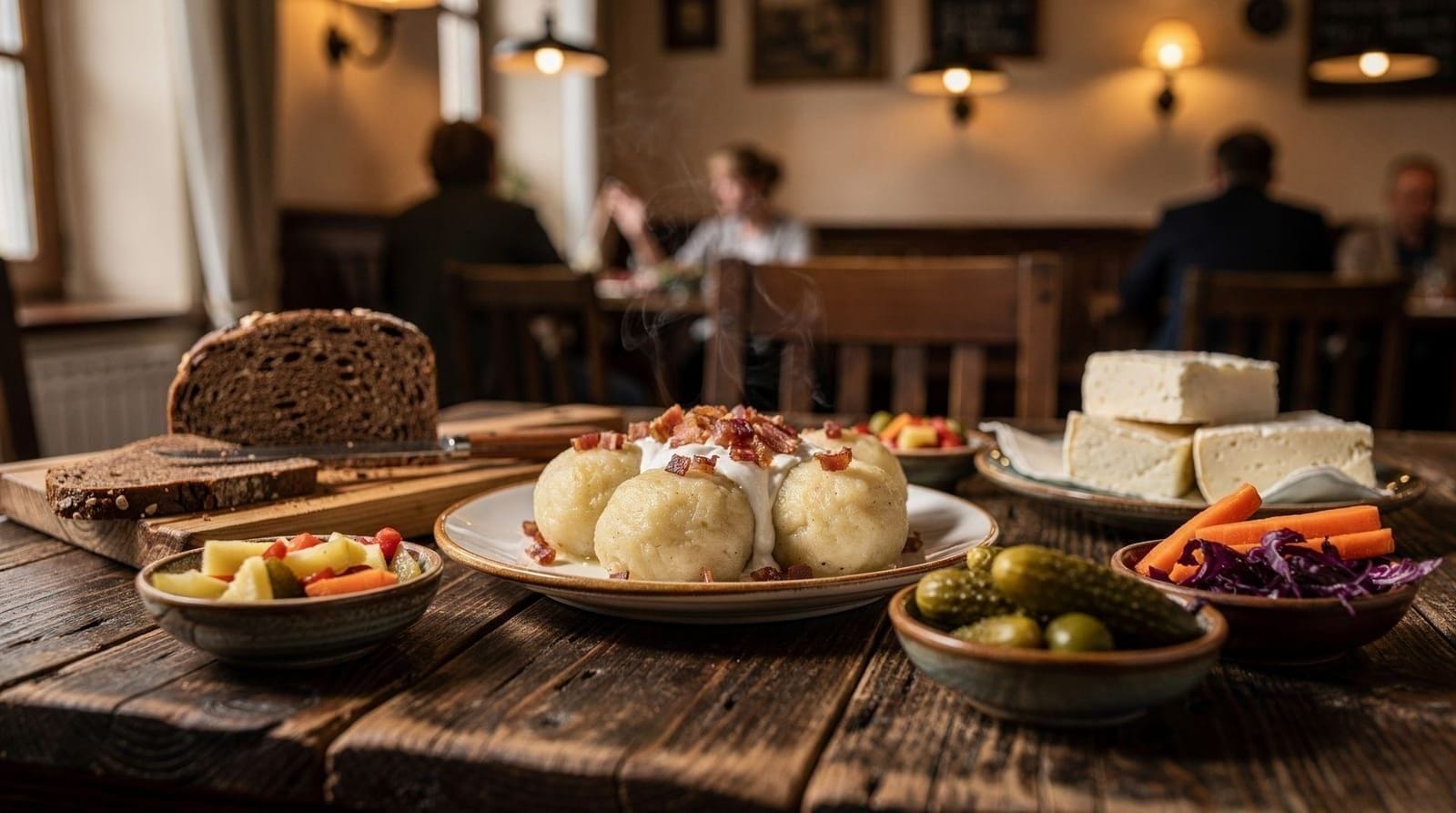
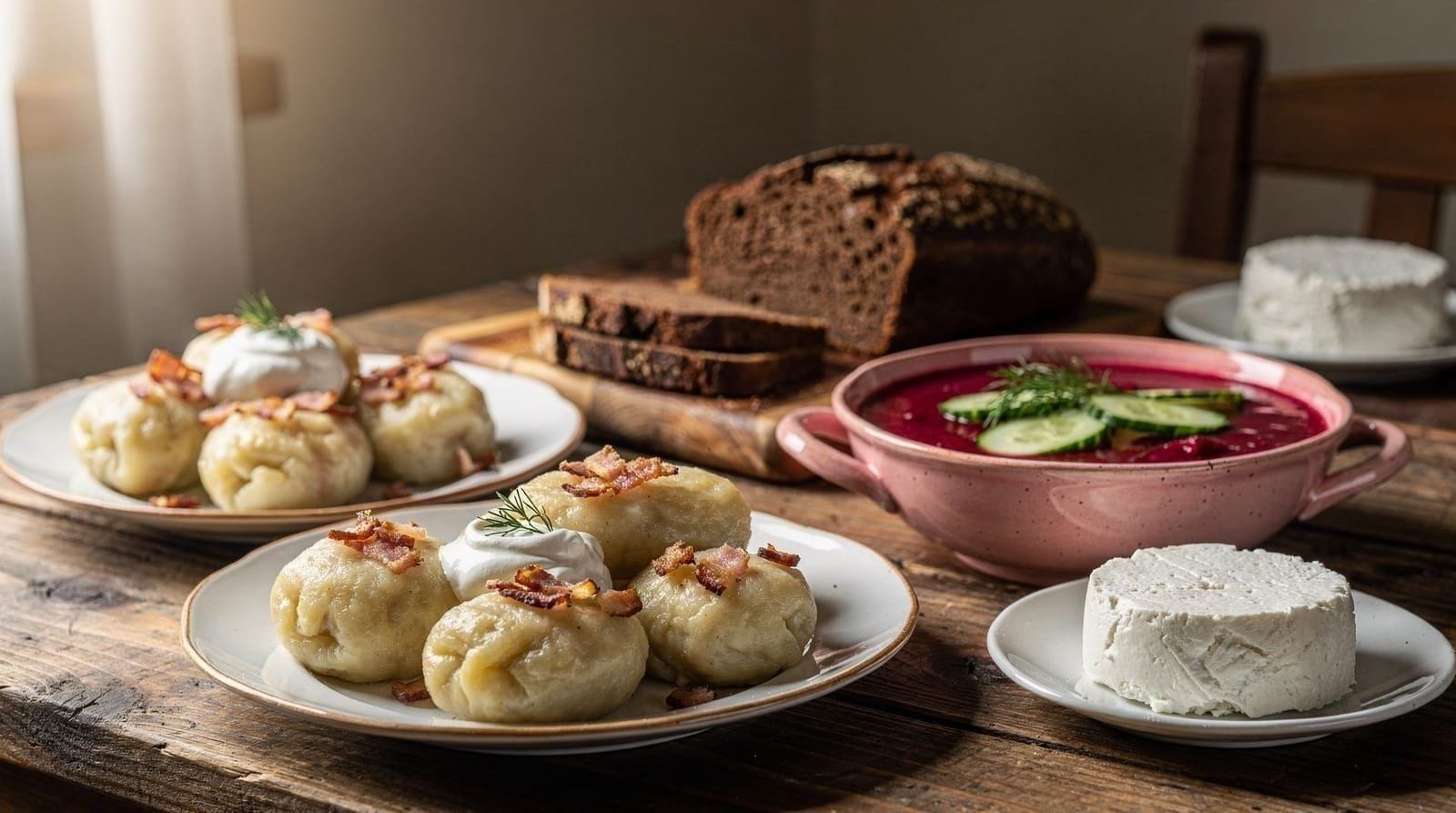
Cepelinai (potato dumplings stuffed with meat or curd, served with sour cream and bacon) are the essential Lithuanian dish. Beyond those, try šaltibarščiai (cold pink beet soup), kibinai (Karaim pastry from Trakai), kepta duona (fried rye bread with garlic and cheese), and šakotis (layered tree cake). For the best value, eat at local canteens (valgykla) away from Pilies gatvė — €3–8 for a full main course.
Lithuanian food is not what you expect. Visitors arriving with vague mental images of grey Soviet-era canteens and boiled root vegetables find instead a kitchen that is deeply inventive with fermentation, smoke, and dairy; a craft beer scene that outpaces much of Western Europe; and a restaurant culture in Vilnius that ranges from honest €4 canteen plates to Michelin-starred tasting menus that can hold their own against anything in Berlin or Warsaw. This guide covers the full range — what to eat, where to find it, and how to avoid paying tourist-trap prices.
| Where | Old Town, Užupis, Naujamiestis, Halės turgus |
| Cost | around €3–8 canteens, €15–30 mid-range, €85+ tasting menus |
| Time needed | A meal is 1–1.5hrs; a food tour runs about 3hrs |
| Getting there | Everything below is walkable within the centre |
| Best time | Lunch (12–3pm) for the best-value dienos pietūs specials |
The essential Lithuanian dishes to try in Vilnius
Before you navigate the restaurant scene, know what you are ordering. Lithuanian cuisine is rooted in the Baltic farming tradition — potato-heavy, dairy-rich, and built around fermentation and preservation. What might read on a menu as simple ingredients is often the result of techniques refined over centuries.
Cepelinai are the national dish and the one thing every visitor should eat. They are large dumplings made from grated raw potato and cooked mashed potato, shaped like dirigibles (hence the name — after the Zeppelin airships), and stuffed with either minced meat, farmer’s curd cheese, or mushrooms. They are served with a ladle of sour cream and a scattering of fried bacon lardons. One portion — typically two dumplings — weighs around 400g and constitutes a full meal. They cost €5–9 depending on where you eat them. We cover cepelinai in much more depth in the cepelinai and Lithuanian dishes guide.
Šaltibarščiai (pronounced roughly “shol-tee-bar-shchay”) is a cold soup made from kefir or buttermilk, pickled or cooked beets, cucumber, dill, and hard-boiled eggs. The result is a vivid magenta colour that is slightly alarming and completely delicious. It is a summer dish — appearing on menus from roughly May to September — and is always served with hot boiled potatoes on the side, the combination of hot and cold being the point.
Kibinai are crescent-shaped pastries filled with mutton and onion, made according to the tradition of the Karaim people who settled in Trakai in the 14th century. They are technically a Trakai dish — if you are making the day trip to Trakai, eat them there from the dedicated kibinai shops on the main street. In Vilnius, you can find them at Halės turgus and some traditional restaurants, though the quality varies.
Kepta duona means fried bread: dark rye bread cut into thick fingers, deep-fried, then rubbed with raw garlic and served with a sour cream or melted cheese dip. It costs €2–4 as a bar snack and is mandatory alongside a glass of Lithuanian dark beer. Order it everywhere; it is impossible to eat a bad version.
Šakotis is a tree cake — a tall, spiky ceremonial cake made by slowly layering batter onto a rotating spit over an open fire, creating the characteristic branch-like protrusions. It is served at every Lithuanian wedding and is available in bakeries and souvenir shops across Vilnius. The texture is denser than Western European cake, slightly eggy and dry, and is best eaten with coffee. The versions sold in vacuum-sealed bags as souvenirs are acceptable; fresh versions from bakeries like Pilies kepyklėlė are significantly better.
Bulviniai blynai are potato pancakes — thicker and denser than German or Austrian versions, served with sour cream. They appear on virtually every traditional Lithuanian menu and are reliable comfort food in any weather.
Halės turgus — the market hall
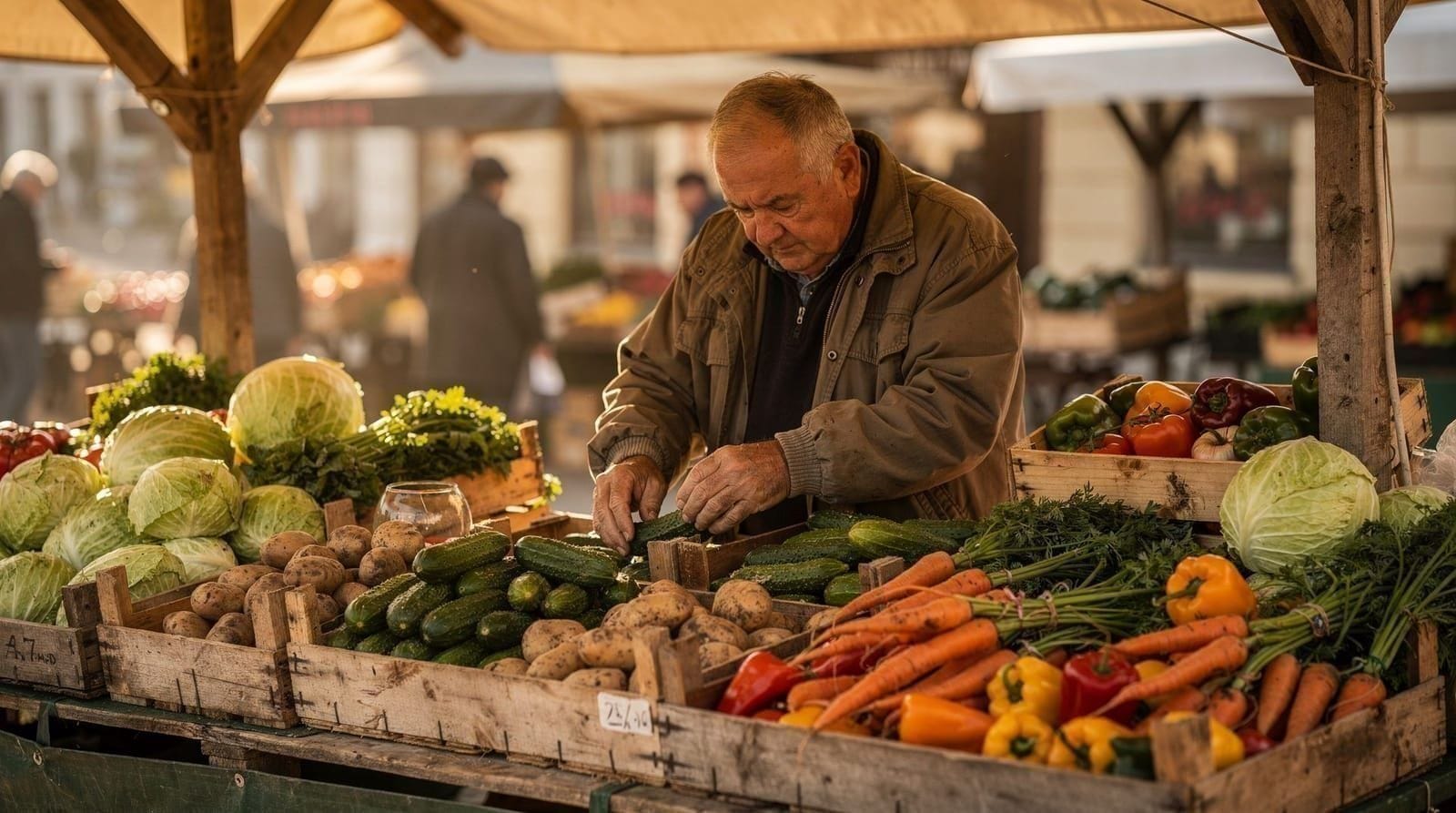
Halės turgus at Pylimo gatvė 58 is the 1906 iron-and-glass market hall that survived both occupations and remains the best food shopping destination in Vilnius. It opens from around 7am (6am for some vendors) and closes in the early afternoon on weekdays; weekend mornings are the best time to visit.
Navigate past the tourist-facing entrance stalls selling amber and linen tablecloths and head to the interior and back sections. Here you will find:
Cheese vendors selling local farmer’s cheeses — the smoked curd cheese (varškės sūrelis) is an acquired taste and worth trying; the unsmoked versions are mild and excellent. Prices run €4–8 per 200g depending on type.
Smoked meat vendors with entire smoked pigs’ ears, legs, and ribs. This is not the place for squeamishness, but the smoked ham is exceptional and considerably cheaper than supermarket equivalents.
Bread stalls selling dense rye sourdough — Lithuanian dark bread (juoda duona) is some of the best in the world and costs €2–4 for a large loaf.
Fresh vegetable and herb stalls, particularly good in summer with locally grown tomatoes, cucumbers, and dill that appear in every dish.
Several ready-to-eat food counters at the back where market workers eat — these serve the cheapest, most honest lunches in the city, typically €3–5 for a full plate.
Where to eat: by budget
Budget eating (under €10 per person)
The city’s network of valgyklos (canteens) is where locals eat on weekdays. These are cafeteria-style operations where you select dishes from a glass-fronted counter, pay at the end, and carry your own tray. Prices are the lowest in the city and the food is home-style Lithuanian.
Bernelių užeiga has several locations in Vilnius and is the most accessible canteen-style restaurant for visitors, with an English menu and a range of traditional dishes at prices between €3–7. The portions are substantial. The cepelinai here are dependable if not exceptional.
Balti drambliai (White Elephant), at Vilniaus gatvė 41, has been Vilnius’s leading vegetarian restaurant since 1993. It serves Indian-influenced and global vegetarian food in an eccentric interior that mixes Lithuanian folk motifs with Buddhist imagery. Main courses cost €7–11. It has a loyal local following and is usually busy for lunch. This is the best answer to the question of where vegetarians eat in Vilnius.
The streets around Vokiečių gatvė and Literatų gatvė have several good lunch spots at reasonable prices — look for the hand-written daily menus (dienos pietūs — daily lunch special, typically a soup and main for €4–6) displayed outside. These change daily and represent the best value eating in the city.
At Halės turgus, the food counters at the rear of the market serve canteen plates from around €3–5. These are genuinely good, particularly on weekdays when the market is quietest and the food is freshest.
Mid-range dining (€15–30 per person)
Šnekutis, at Žvejų gatvė 2 in Užupis (and a second location at Subačiaus gatvė 7), is an old-school Lithuanian food-and-beer bar that splits its clientele between locals who have been drinking here for decades and well-informed visitors. The menu is short and changes with availability — expect cepelinai, bulvinių blynų, grilled sausages, and whatever looks good that week. The beer selection is among the best in the city at the most honest prices. Main courses run €6–12. Booking not usually required; arrive early for lunch.
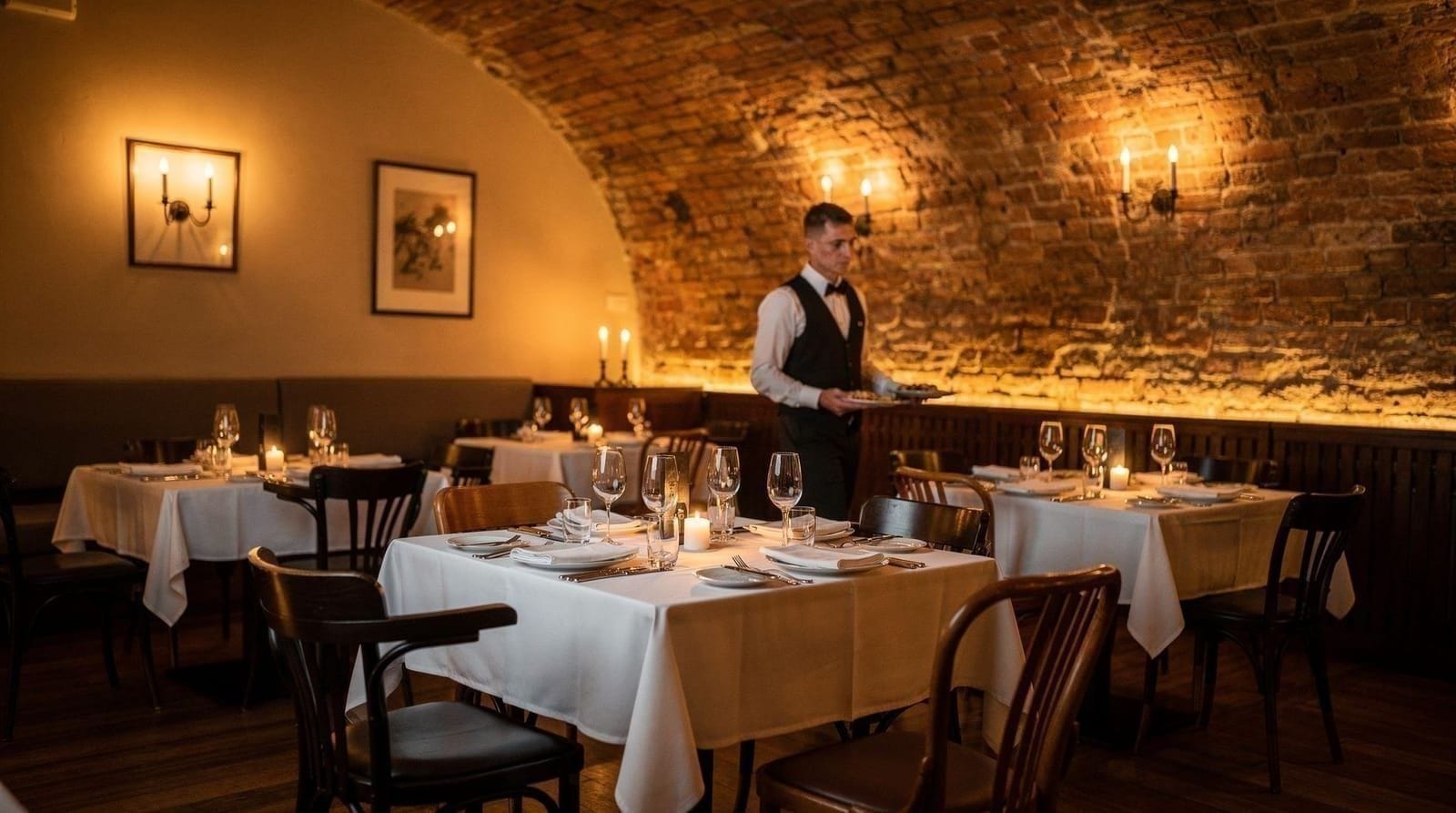
Lokys at Stiklių gatvė 8 is the oldest restaurant in Vilnius (operating since 1972) and occupies a Gothic cellar beneath an 18th-century building in the Old Town. The menu specialises in game — elk stew, wild boar, beaver, venison — alongside traditional Lithuanian standards. It is genuinely atmospheric without being a theme park; the stone vaulted ceiling and candlelight are real rather than constructed. Expect to pay €20–30 per person including drinks. Book ahead for dinner, particularly in summer.
Džiaugsmas translates as “joy” and is one of the better modern Lithuanian restaurants — a neighbourhood spot in Naujamiestis (Maironio gatvė 3) that takes local ingredients seriously without the self-importance of fine dining. Seasonal menu, reasonable wine list, mains at €14–22. The fermented dairy dishes and the smoked fish are particularly good.
Ertlio namas at Žygimantų gatvė 4 is a slightly faded but charming Old Town restaurant with a good wine cellar and a menu that mixes Lithuanian and Central European classics. Reliable rather than exciting, but well-executed and fairly priced at €15–25 per person.
For Georgian food — genuinely very good in Vilnius, reflecting the Lithuanian-Georgian connection that dates to the Soviet era — try Chačapuri on Didžioji gatvė, which serves khachapuri (cheese bread), khinkali dumplings, and other Georgian standards at mid-range prices. Excellent for vegetarians.
Splurge dining (€50+ per person)
Sweet Root at Užupio gatvė 22 holds a Michelin star and is the most serious restaurant in Vilnius. Chef Domas Užpalis works with a combination of Lithuanian foraged and farmed ingredients — mushrooms, birch sap, smoked curd, freshwater fish — and European fine dining technique. The tasting menu (8–10 courses) costs €85–110 per person without wine pairing; the wine pairing adds €55–70. The dining room is calm and elegant without being stiff. Book at least two to three weeks ahead for weekends.
Džiaugsmas (the same restaurant mentioned in the mid-range section) occasionally offers a more elaborate tasting format at weekends — confirm when booking.
The Pilies gatvė tourist trap — and how to avoid it
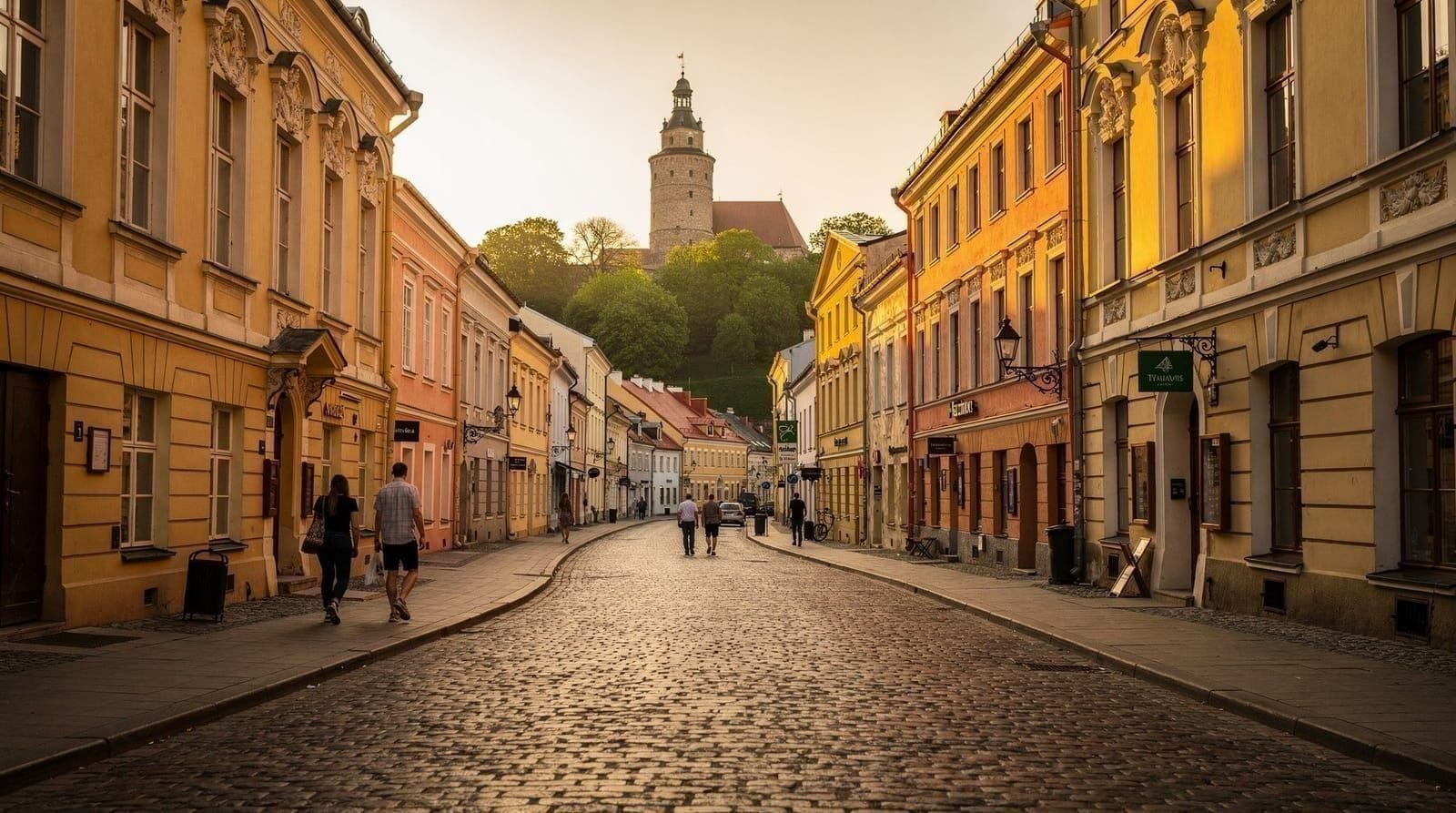
Pilies gatvė is the most beautiful and the most dangerous street for eating in Vilnius. The cobblestone avenue running from Cathedral Square toward Gediminas Castle is lined with restaurants that have invested heavily in good menus printed in eight languages and moderately in the food itself. Most are not terrible — they serve adequate versions of Lithuanian classics — but they charge 30–50% more than you would pay two streets away, and the service is often perfunctory.
The rule: eat on Pilies gatvė for the atmosphere if you want it, but for genuine Lithuanian food at honest prices, walk east to Literatų gatvė, south to Vokiečių gatvė, or west across the river to Užupis.
The same logic applies to the streets immediately around Cathedral Square and the tourist accommodation clusters. The further you get from the well-worn tourist circuit, the better the value.
Guided food experiences
If you want a structured introduction to Lithuanian food culture, the guided food tours are genuinely worth it — not because you cannot find the food yourself, but because good guides provide context (why smoked meat matters in Lithuanian culture, how fermentation techniques developed under the Soviet-era food shortage, what distinguishes different regional styles) that you would not get from reading a menu.
The Vilnius Flavors 3-hour food tasting tour covers approximately eight tasting stops across the Old Town and neighbouring streets — cepelinai, šaltibarščiai, kepta duona, local cheeses, smoked fish, and desserts, plus a stop at Halės turgus. It runs at 11am and 2pm daily and accommodates most dietary requirements with advance notice. At roughly €45–55 per person it is not cheap, but the stops alone would cost almost as much if visited individually, and the context makes the difference.
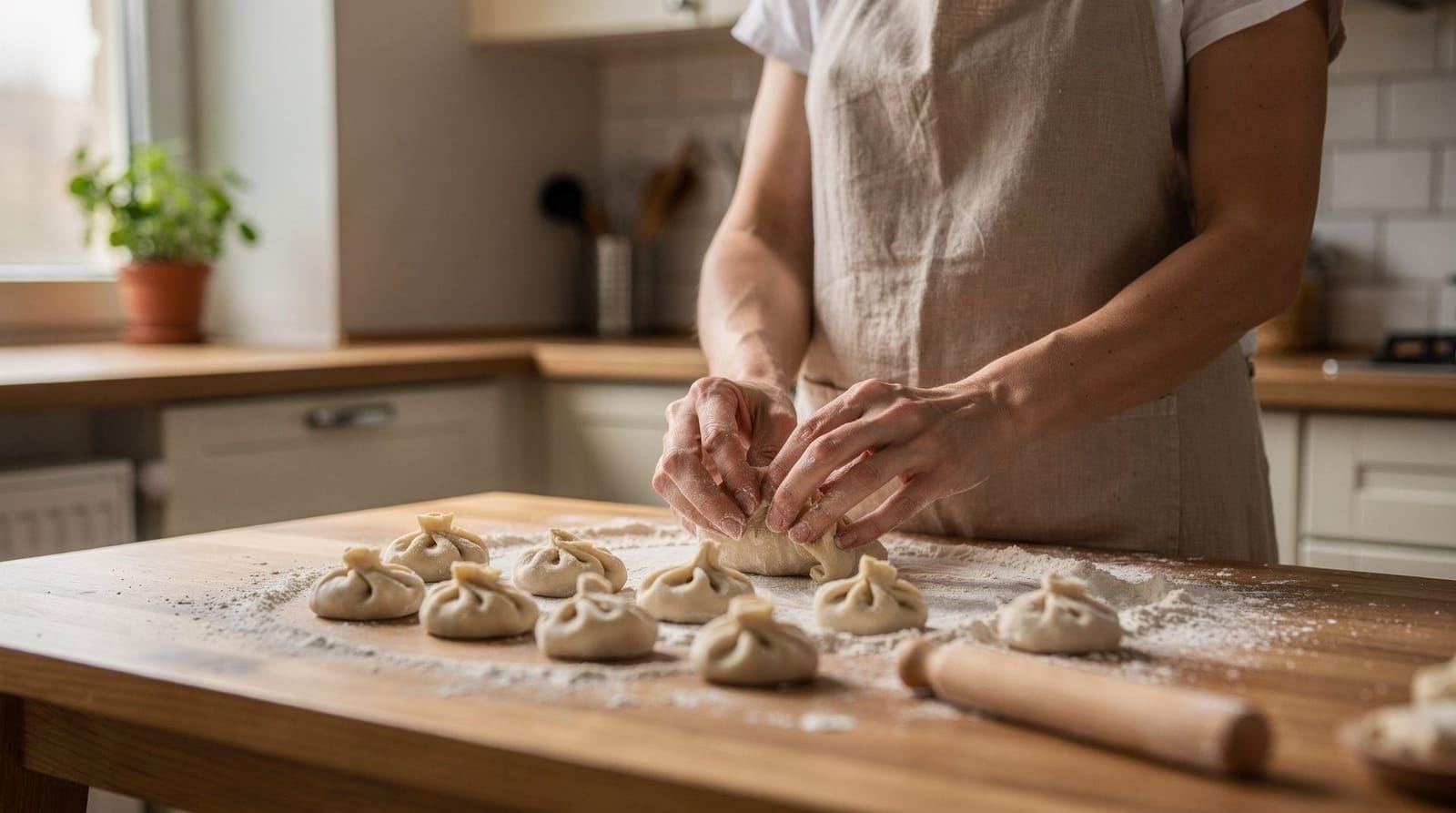
For those who want to go further, the traditional Lithuanian cooking class is a hands-on session with a local host in a home kitchen setting, teaching cepelinai, cold beet soup, and at least one dessert. Groups are small (typically 6–10 people) and the class includes eating everything you make. Running for around 3 hours, this is one of the better activity options for a rainy day in Vilnius.
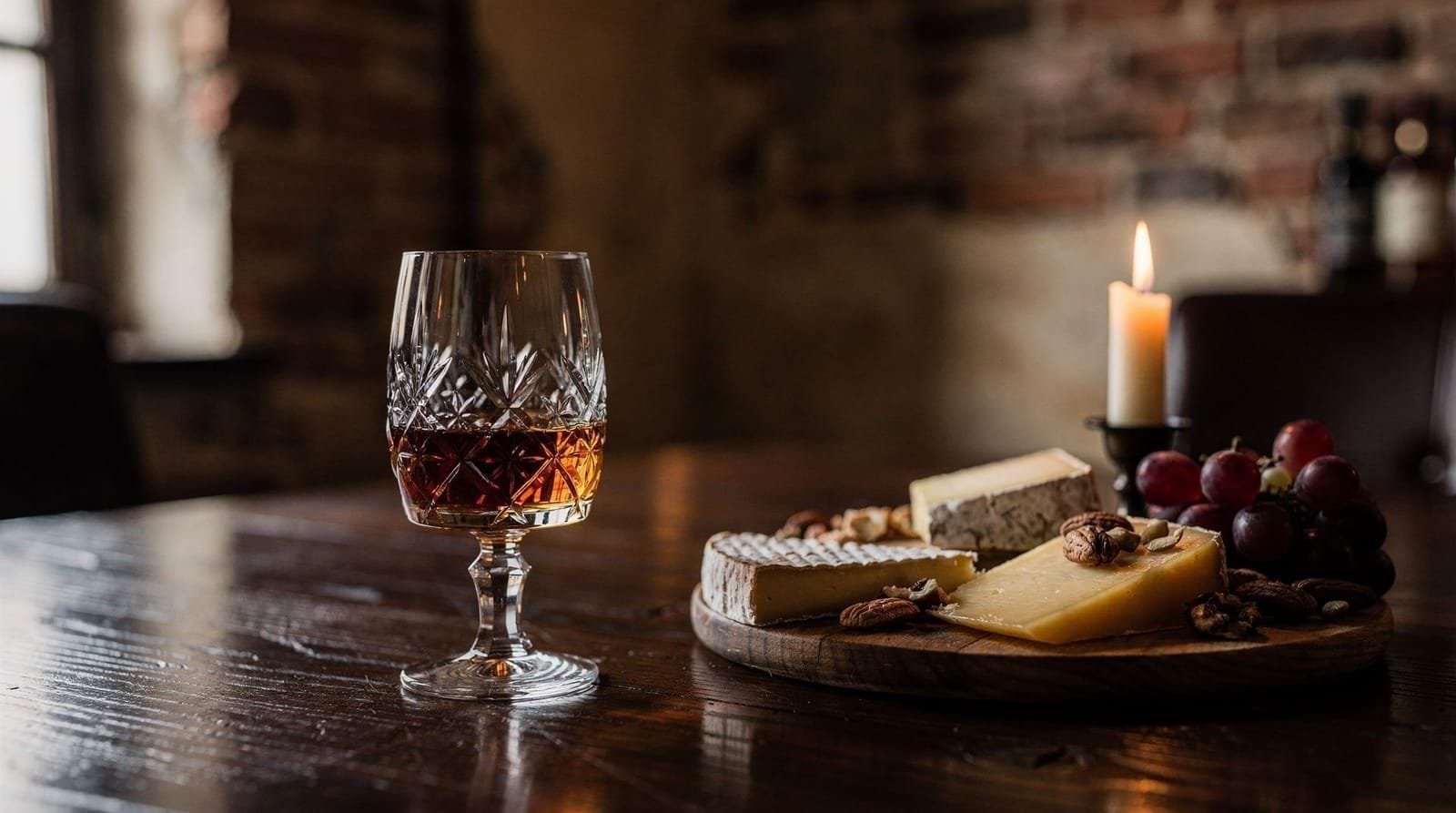
The whisky and cheese tasting tour takes a different angle — it pairs local Lithuanian cheese varieties with whisky (including Lithuanian-distilled spirits) and covers the history of both traditions. Niche but excellent for anyone with a serious interest in either subject.
Seasonal Lithuanian specialities
Spring (April–June): Šaltibarščiai season begins; fresh mushrooms from the first foraging season; wild garlic (meškinis česnakas) appears in markets and restaurant menus.
Summer (July–August): Berries everywhere — strawberries, blueberries, and later raspberries and cloudberries in the markets. Cold soups are on every menu. Šašlykai (skewered meat grilled outdoors) appears at every outdoor gathering.
Autumn (September–November): Mushroom season is serious — Lithuanians forage extensively, and mushroom dishes (mushroom soup, mushroom-stuffed cepelinai, marinated and pickled mushrooms) dominate menus from September onward. Pumpkin and root vegetable dishes arrive.
Winter (December–March): Kūčios (Christmas Eve) is the most important food occasion in the Lithuanian year — twelve meatless dishes including herring salad, mushroom soup, poppy seed milk, and beet dishes. Restaurants adapt seasonal menus accordingly. Christmas markets bring smoked meats, mulled wine (gira is the Lithuanian non-alcoholic fermented bread drink served year-round), and šakotis.
Neighbourhood food breakdown
Senamiestis (Old Town): The highest concentration of restaurants, the most tourist-facing and the most expensive. Good options exist if you know where to look (Lokys, Ertlio namas, the Georgian restaurants on the side streets) but requires navigation to avoid the overpriced tourist circuit.
Užupis: The best neighbourhood for honest, characterful eating. Šnekutis, Café de Paris (French-Lithuanian, good coffee and simple food), and several small cafés that serve good lunch plates. Less crowded than the Old Town and more relaxed. Read more in the Užupis guide.
Naujamiestis (New Town): The neighbourhood around Gedimino prospektas and Laisvės alėja has the best concentration of contemporary restaurants. Džiaugsmas, several strong coffee shops, and the city’s growing natural wine scene. This is where the younger Vilnius dining crowd tends to eat.
Šnipiškės: The neighbourhood across the river from the Old Town (visible from the Cathedral Square area) has a growing restaurant scene with new openings targeting the tech-company crowd that works in the nearby business district. Still relatively unknown to most visitors and generally good value.
Halių turgus area (around Pylimo gatvė): Excellent for market eating, bakeries, and the small restaurants that serve the market’s workers. The best neighbourhood for cheap, honest breakfasts.
Practical eating information
Tipping: 10% is standard in sit-down restaurants when service has been good; leave it in cash even when paying by card. Canteens and counter-service places do not expect tips.
Meal times: Lithuanians eat lunch seriously — the daily lunch special (dienos pietūs) is the best value meal of the day, served 12pm–3pm in most restaurants. Dinner service starts at 6pm; peak time is 7–8pm. Breakfast culture is growing but remains secondary to lunch.
Reservations: Essential at Sweet Root (book weeks ahead); recommended at Lokys and Džiaugsmas for dinner; not required at most mid-range and budget places.
Language: Menus in English are standard everywhere in the Old Town and at tourist-facing restaurants. At local canteens and Halės turgus, you may need a translation app, but pointing at what other people are eating works well too.
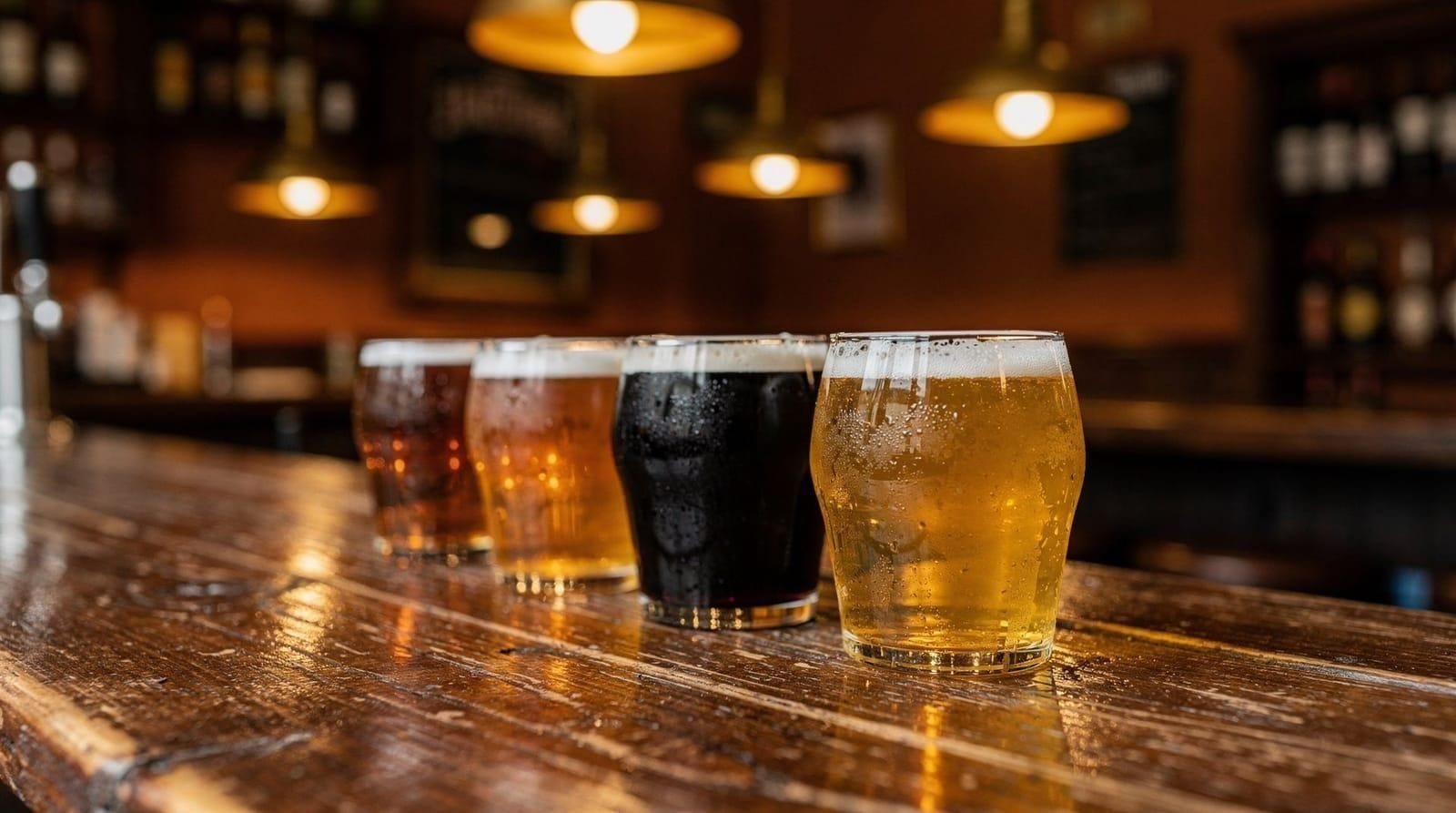
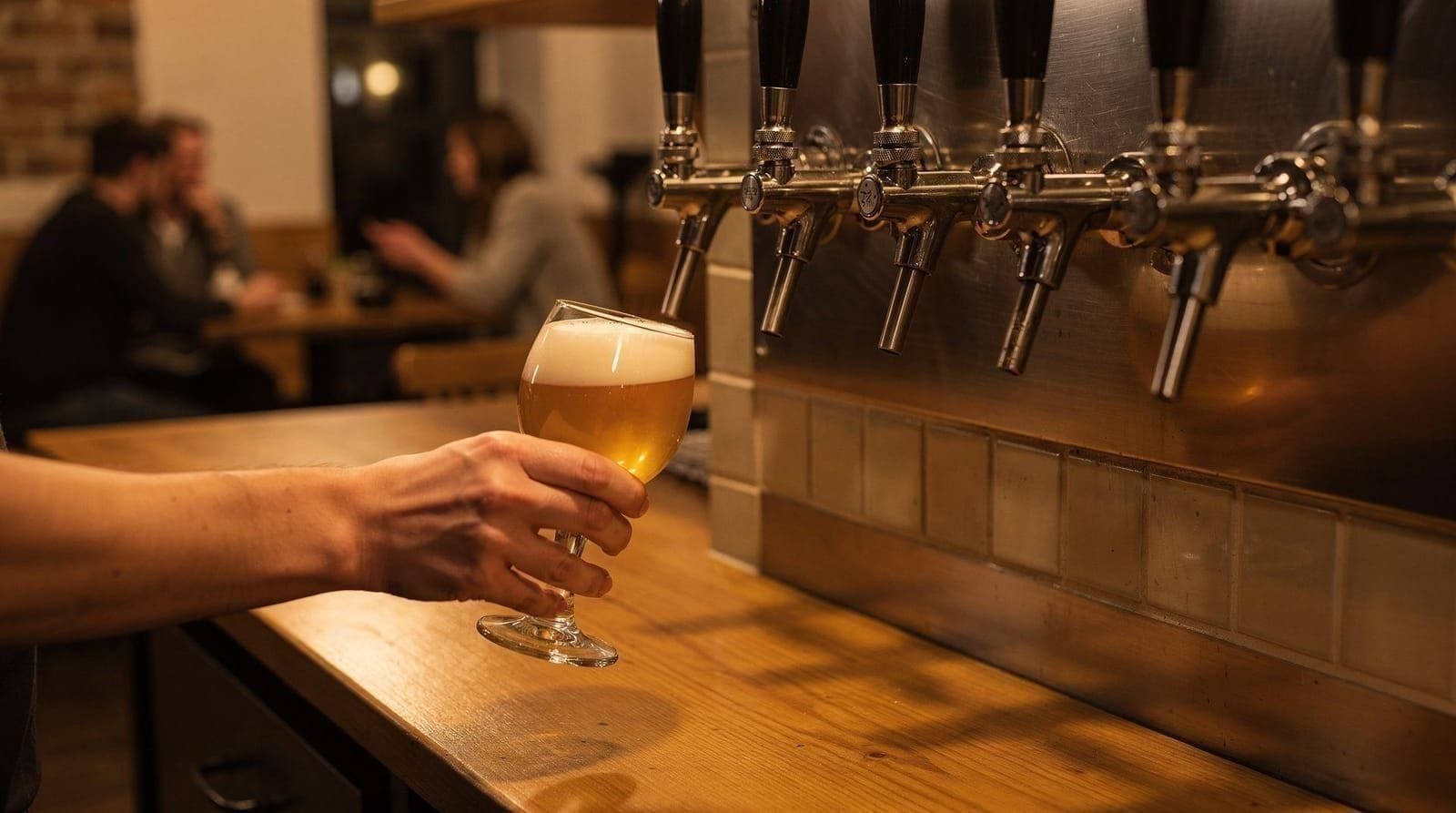
Beer and food matching: Lithuanian dark beer (tamsusis) is the natural match for smoked meats, cepelinai, and kepta duona. Light (šviesusis) lager goes with lighter dishes and cold soups. For a deeper dive into the beer scene, see the Vilnius craft beer guide.
Vilnius compared to other Baltic capitals
Vilnius punches significantly above its weight as a food city relative to its size. Compared to Tallinn (where the high-end restaurant scene is strong but mid-range is weak) and Riga (where the traditional food scene is similar but the craft dining scene is less developed), Vilnius offers the best combination of traditional Lithuanian cooking and contemporary restaurant culture in the Baltic states.
The price advantage over Western European capitals remains real and significant. What costs €85 at Sweet Root would cost £140 or more in London. A very good dinner costs €30–40 per person in Vilnius at restaurants that would charge €70–90 in Berlin. This makes Vilnius particularly rewarding for serious food travellers on normal budgets.
For more context on how food fits into your overall trip planning, see the Vilnius travel tips for first-time visitors and the Vilnius on a budget guide.
Coffee and bakeries
Coffee culture in Vilnius has developed considerably in the last decade, moving well beyond instant coffee and hotel breakfasts. Independent roasters and specialty cafés are concentrated in Naujamiestis and the Old Town, and pairing a good coffee with a slice of šakotis or a cinnamon bun from a proper bakery is one of the easiest small pleasures in the city. For a full rundown of where to go, see the Vilnius coffee scene guide — useful for planning breakfast stops between sightseeing at Cathedral Square or Gediminas Tower.
Eating with dietary restrictions
Traditional Lithuanian cooking is dairy- and meat-heavy by default, so travellers with restrictions need a small amount of planning. Vegetarians do best at Balti drambliai or the Georgian restaurants, both of which build entire menus around vegetables and cheese rather than treating them as an afterthought. Gluten-free diners should be cautious with cepelinai and kepta duona (both potato- or bread-based) but will find plenty of options among grilled meats, fish, and salads at mid-range restaurants — ask staff directly, as English-language allergen labelling is inconsistent outside tourist-facing venues. Halal and kosher options are limited; the Old Town’s international restaurants (Georgian, Middle Eastern) are the most reliable fallback. If a food tour is on your list, both the Vilnius Flavors tasting tour and the cooking class accommodate most dietary requirements with advance notice — flag it when booking rather than on arrival.
Frequently asked questions about food in Vilnius
What is the most important Lithuanian dish to try?
Cepelinai — potato dumplings stuffed with meat or curd cheese, served with sour cream and bacon lardons. They are filling, distinctive, and genuinely delicious when made well. The best versions in Vilnius are at Šnekutis and Lokys.
Are there good options for vegans in Vilnius?
Vilnius has a growing vegan scene, though it is not as developed as in Warsaw or Riga. Balti drambliai (White Elephant) has vegan options. Several contemporary restaurants in Naujamiestis mark vegan dishes clearly. Pure Lithuanian traditional cooking is difficult for vegans — it is heavy on dairy and meat — but the city’s international restaurant scene provides alternatives.
When is Halės turgus open?
Halės turgus (Halės Market, Pylimo gatvė 58) opens Monday to Saturday from approximately 7am to 4pm, with reduced hours on Sunday. The best selection is available in the morning; vendors begin packing up from around 2–3pm.
Can I drink tap water in Vilnius?
Yes. Tap water in Vilnius is safe and good quality. Restaurants will bring tap water if requested (ask for “vanduo iš čiaupo”). Bottled water is €1–2 and widely available.
Where can I buy Lithuanian food to take home?
Halės turgus for local cheeses, smoked meats, and bread. The IKI and Maxima supermarkets (branches throughout the city) for packaged local products: kefir, dark rye bread, farmer’s cheese, and the Lithuanian brand chocolates. For šakotis and packaged baked goods, most Old Town bakeries and souvenir shops carry vacuum-packed versions that travel well.
Is Lithuanian food expensive compared to the rest of Western Europe?
No — it is one of Vilnius’s clearest value advantages. A very good dinner runs around €30–40 per person compared with €70–90 for an equivalent meal in Berlin or Copenhagen, and even the Michelin-starred tasting menu at Sweet Root is meaningfully cheaper than comparable fine dining in most Western European capitals.
Do I need to book restaurants in advance in Vilnius?
Only for the busiest spots. Sweet Root requires booking weeks ahead, and Lokys and Džiaugsmas are worth reserving for weekend dinners, but most mid-range and budget restaurants, including the canteens and Halės turgus food counters, can be walked into without a reservation.
Top experiences
Bookable activities with verified prices and instant confirmation on GetYourGuide.