Užupis Republic — a guide to Vilnius's bohemian neighbourhood
Vilnius: Old town uzupis tour
What is the Užupis Republic in Vilnius?
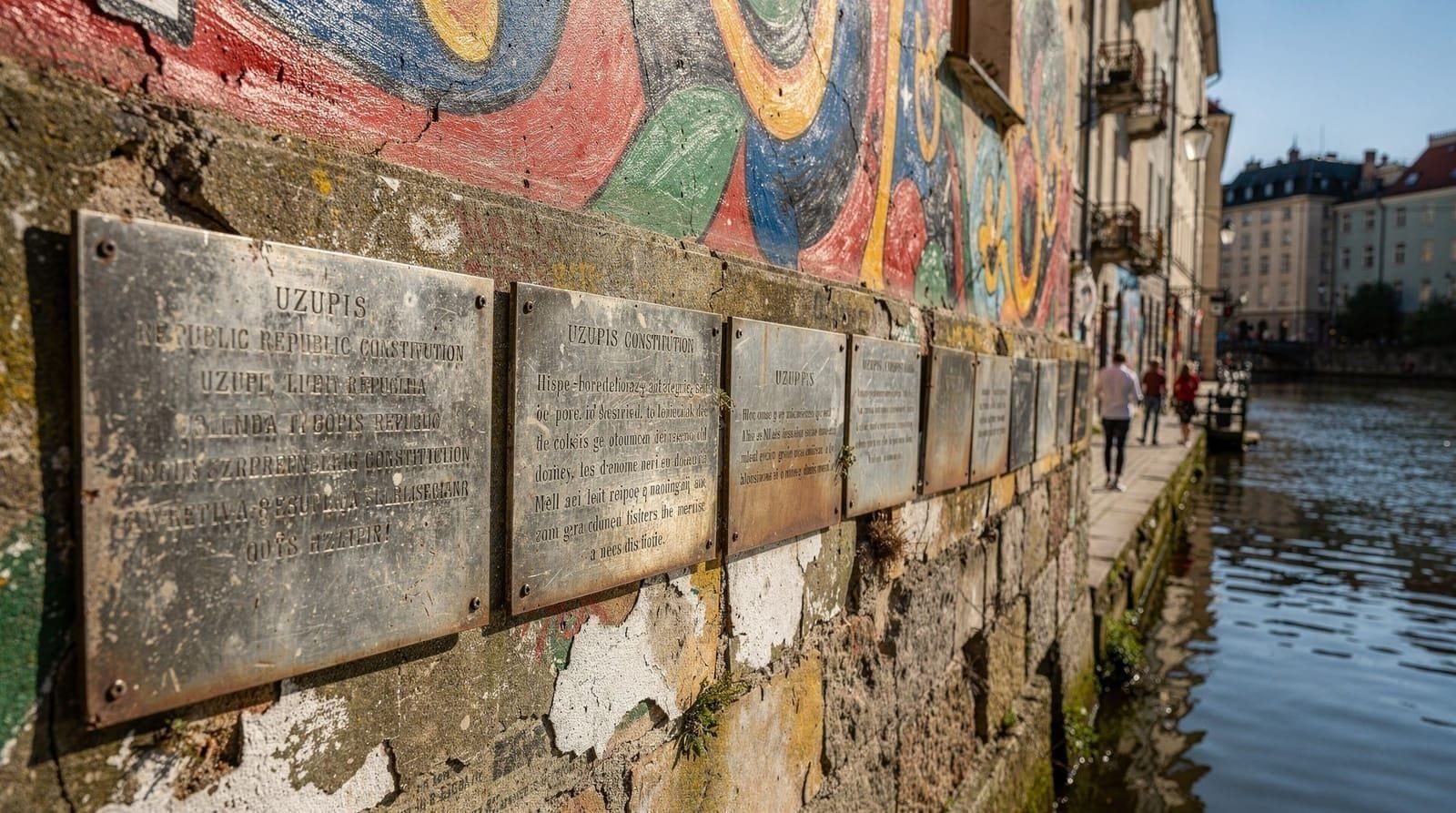
Užupis (meaning "beyond the river" in Lithuanian) is a bohemian neighbourhood of Vilnius that declared itself an independent republic on April 1, 1997. It has its own constitution (translated into 60+ languages and displayed on metal plaques), a president, an army of 11 people, and a currency. It is neither legally recognised nor entirely a joke — it is a genuine community arts project that has become the most distinctive neighbourhood in Vilnius.
Cross the bridge at the bottom of Užupio gatvė, where the Vilnia River runs in a narrow gorge beneath limestone-tinged cliffs, and you are officially entering a different republic. The passport stamp (April 1 only) is offered by a cheerful “border guard” who is also usually an artist. The angel stands on a high column in the main square, gold-painted, one arm raised, looking across the rooftops. The constitution tells you that you have the right to love, the right to make mistakes, and the right to be unique.
Užupis is not a joke — or rather, it is entirely a joke and also entirely serious, which is the point. It is the most interesting neighbourhood in Vilnius.
| Where | Across the Vilnia River, a 5-minute walk from the Old Town |
| Cost | Free to walk; galleries typically free or €2–5 |
| Time needed | 20–30 minutes for the core; half a day with cafés and studios |
| Getting there | Cross the bridge at the bottom of Užupio gatvė, or via the St. Anne’s and Bernardine Garden bridge |
| Best time | April 1 for Independence Day, or a quiet weekday morning any season |
History of Užupis
The name means “beyond the river” — the Vilnia (Vilnelė) river marks the boundary, and Užupis was historically a working-class district outside the Old Town proper. Through the 19th century and early 20th century, it housed tanners, cobblers, and small craftspeople along its river banks. It was never affluent.
Under Soviet rule, Užupis was a standard Soviet residential district with the usual pattern of panel-block apartments among older buildings. When independence came in 1990, the district was run-down and partially abandoned — landlords in uncertain legal limbo, buildings deteriorating, a reputation for petty crime.
Into this void came artists. Through the early 1990s, the cheap rents, large studio spaces in former workshop buildings, and tolerance of the area’s informal culture attracted painters, sculptors, musicians, and writers. By the mid-1990s, a critical mass of creative community had established itself.
The Republic of Užupis was declared on April 1, 1997 — by a group of artists who had been meeting in the café that is now Café de Paris. The founders included the artist Romas Vilčiauskas and the poet Thomas Chepaitis, among others. The constitution was written collectively.
The declaration was simultaneously an April Fools’ joke (entirely intentional), a manifesto about the right of a community to self-define (entirely serious), a piece of conceptual public art (extremely Lithuanian in its combination of humour and earnestness), and a very effective piece of place-branding that transformed property values in the district over the following decade.
The constitution
The Užupis Constitution is displayed on metal plaques on the riverside wall at Paupio gatvė 2, in over 60 translations covering every major world language plus several unusual ones (Klingon, Elvish, and others added by community request over the years).
Selected articles give the flavour:
- “Everyone has the right to live by the River Vilnelė, and the River Vilnelė has the right to flow by everyone.”
- “Everyone has the right to be unique.”
- “Everyone has the right to love and to take care of the cat.”
- “The cat is not obliged to love its owner, but must help in time of need.”
- “Everyone has the right to die, but this is not an obligation.”
- “Everyone has the right to make mistakes.”
- “Do not defeat.”
- “Do not fight back.”
- “Do not surrender.”
The constitution’s final articles are deliberately different in tone from the opening ones — the shift from whimsy to philosophical weight (particularly the closing injunctions) is intentional and gives the document its distinctive character. It has been the subject of academic analysis by constitutional scholars who appreciate both its formal structure and its content.
The plaque wall is always accessible and always worth visiting. Allow 10–15 minutes to read through all the translations — the variations between languages, and occasional translation choices that shift the meaning slightly, are themselves interesting.
The angel
The Angel of Užupis (Užupio angelas) on a four-metre column in the small square at Užupio gatvė / Malūnų gatvė was sculpted by Romas Vilčiauskas and installed in 2002. A golden-painted bronze figure with one arm raised (holding a horn in some descriptions, simply raised in others), the angel functions as the Republic’s patron and visual symbol.
The choice of an angel is both religious and secular — Lithuanian folk culture has a strong tradition of roadside crosses and sacred markers (kryžiai, or the Hill of Crosses being the most extreme expression), and the angel sits within that tradition while also referencing the bohemian/romantic tradition of the artist’s “guardian angel.” It has become one of the most photographed objects in Vilnius.
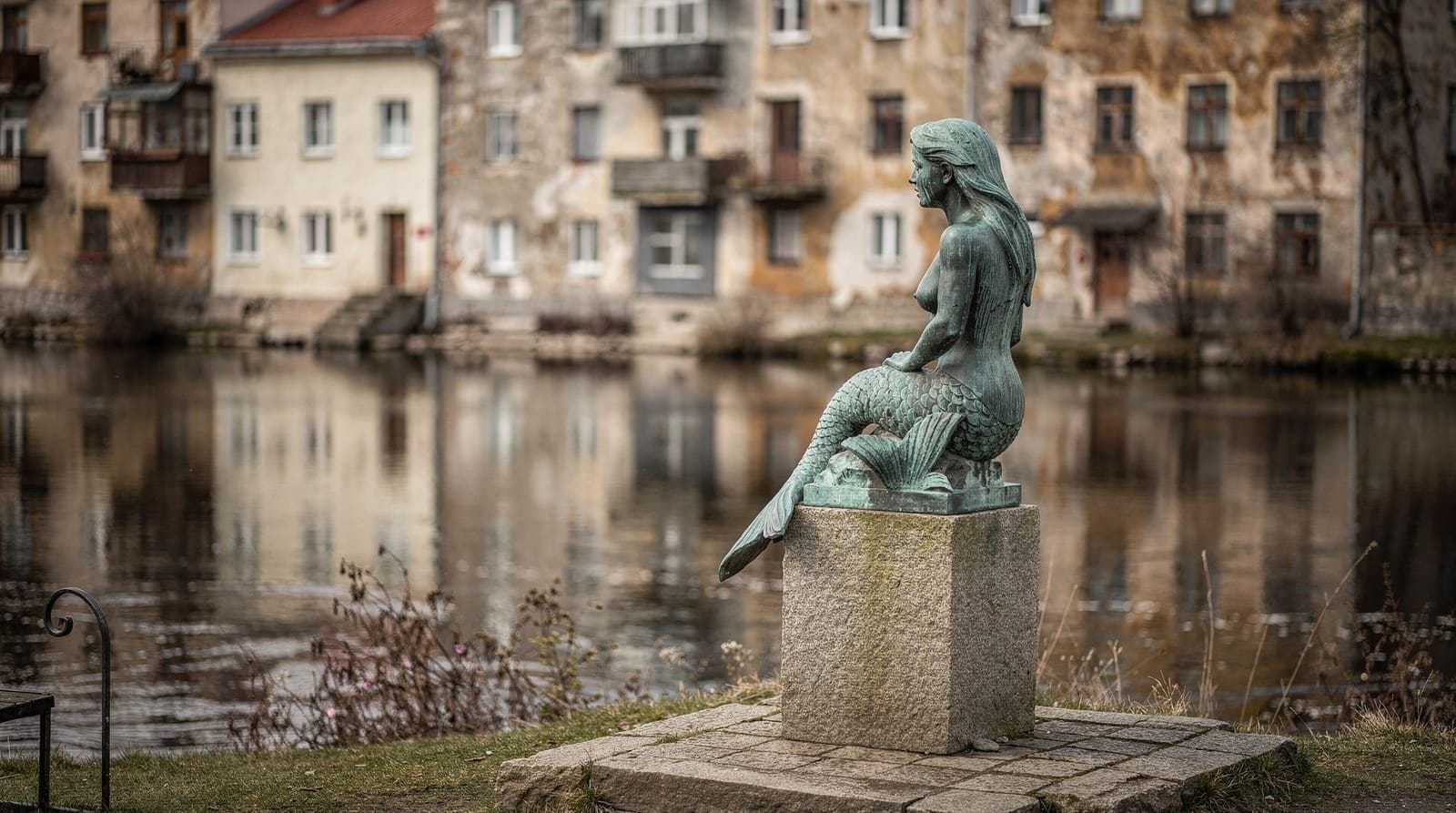
In the same square, the “Užupis mermaid” — a small bronze mermaid figure resting on a mossy stone in the river — is occasionally visible below the bridge. It was installed by the community and references the Lithuanian amber mermaid legend (see the Vilnius legends guide).
The neighbourhood on foot
Užupis is compact — the core of the neighbourhood can be walked in 20–30 minutes, though the side streets and the riverside path reward slower exploration.
Main entry route: Cross the bridge from Užupio gatvė (from the Old Town side) and follow the main street (Užupio gatvė) into the neighbourhood. The constitution plaques are immediately to the left on the riverside at Paupio gatvė 2.
Malūnų gatvė and the angel square: 100 metres from the bridge, Malūnų gatvė branches left — the angel square is at this junction.
The studios and galleries: Užupis has a working artist community. Several studios open to the public — look for signs on doors and ground-floor windows along Užupio gatvė, Krivių gatvė, and Žvejų gatvė. The Užupis Gallery (Užupio gatvė 3) is the most consistently open exhibiting space.
The riverside path: A footpath follows the Vilnia River from the bridge southward, offering views up to the limestone cliffs and the Old Town buildings on the other bank. The path continues to the Bernardine Garden (see the St. Anne’s and Bernardine guide) — about 10 minutes’ walk.
Krivių gatvė: The most photogenic street in Užupis — a quiet residential lane with old wooden buildings, garden gates, and a characteristic Vilnius mix of baroque and vernacular architecture. Less visited than the main streets.
The Pūčkoriai Exposure: 3 km from the bridge (walkable along the riverside path), the Pūčkoriai geological exposure is a stretch of dramatic clay and sand cliffs where the Vilnia River bends through a gorge. Especially impressive in spring when the water is high. Not signed — follow the river path east and the cliffs appear around a bend.
A guided Old Town and Užupis walking tour covers both the Old Town highlights and the Užupis Republic in a combined 2–3 hour walk — the most efficient way to see both on a short visit.
A dedicated Užupis small-group discovery tour focuses specifically on the neighbourhood — the constitution, the art community, the galleries, and the stories of the Republic’s founding and development.
Where to eat and drink
Café de Paris (Užupio gatvė 1): The neighbourhood’s anchor café, run since the 1990s. Excellent coffee (Vilnius prices — €2.80–3.50), simple food, relaxed atmosphere. French-Lithuanian ownership, French-influenced menu. Popular with artists and the international community resident in Vilnius.
Šnekutis Žvejų (Žvejų gatvė 2): The Užupis branch of the beloved Šnekutis bar. Lithuanian food without pretension — cepelinai (€7), dark rye bread with lard (€3), cold Švyturys beer (€3.50). Crowded in the evenings. No tourist menu. The best value eating in the neighbourhood.
Etno Dvaras Užupis (Užupio gatvė 16): A more formal Lithuanian restaurant with a terrace overlooking the river gorge. Good food, slightly higher prices (€12–18 main). The terrace views compensate.
Coffee at Loftas (Švitrigailos gatvė 29, a 10-minute walk across the river): Not technically in Užupis but the Loftas cultural centre café is the creative community’s other hub — good coffee, events, and a mixed local/expat crowd.
When to visit
April 1 (Independence Day): The definitive Užupis experience. The border “opens” ceremonially, free concerts happen in the streets, the neighbourhood is at its most festive and self-aware. Book accommodation early — the whole city fills for this.
Summer: Galleries open, studio doors are propped wide, the riverside path is pleasant in the evening. Cafés spill onto the street.
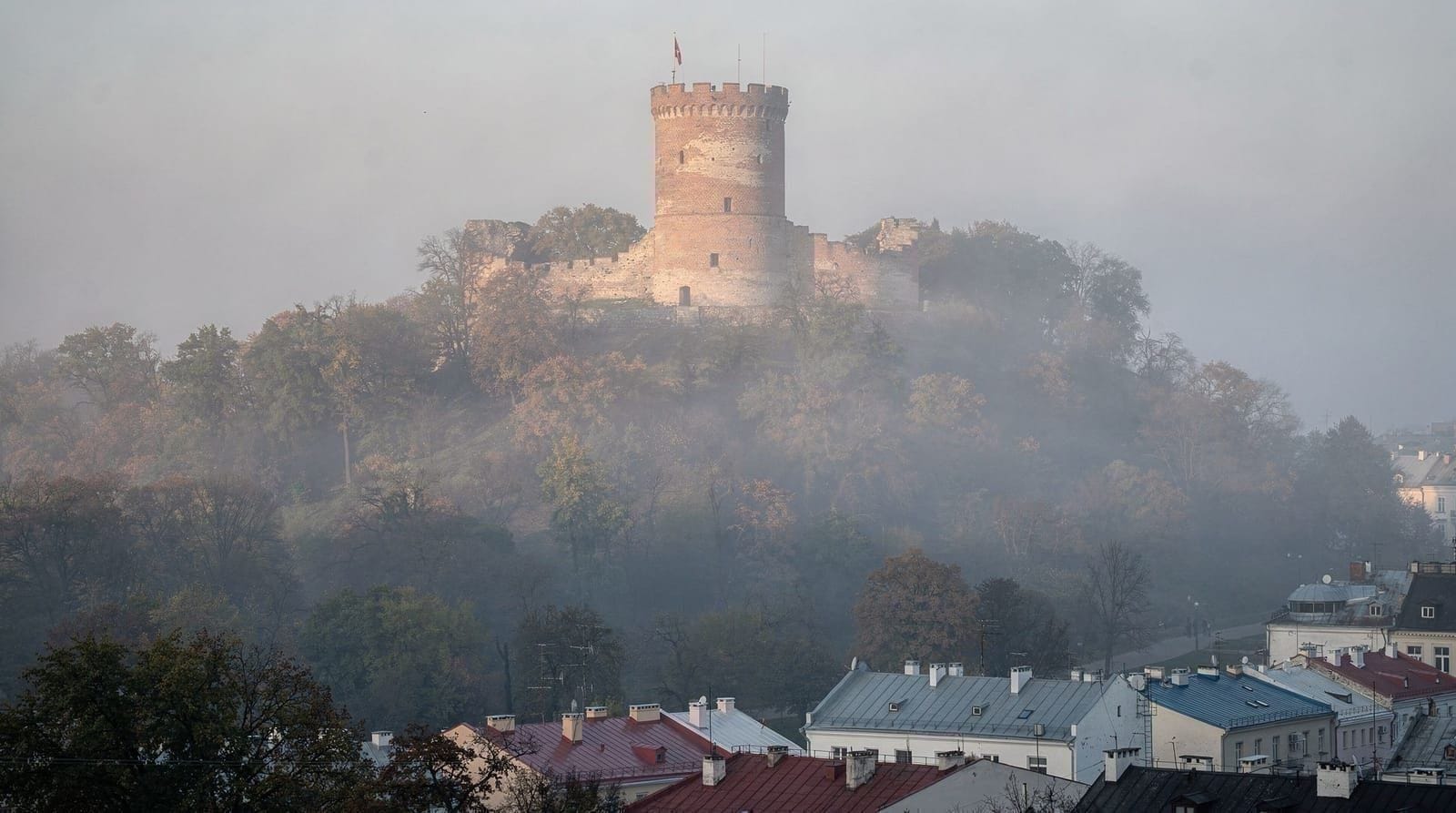
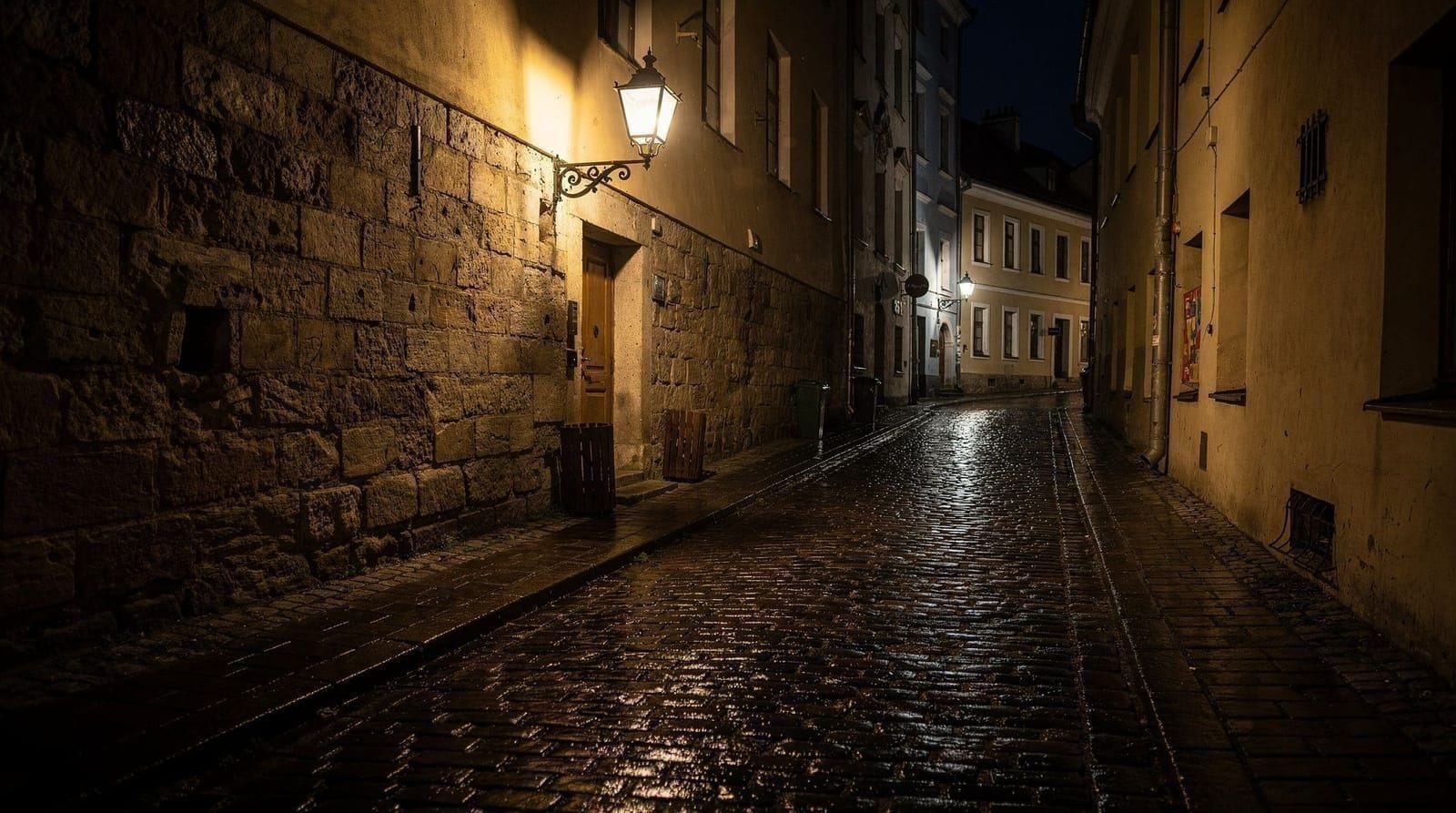
Autumn: The most atmospheric season. Wet cobblestones, coloured leaves against old plaster walls, the river running fast. Fewer tourists.
Winter: Quiet and slightly austere. The angel on his column in snow is a striking image. Most galleries close or reduce hours; both main cafés remain open.
The broader Vilnius creative scene
Užupis is the most visible expression of a broader Vilnius creative community that has been significant since the late 1980s. The contemporary art scene in Vilnius — partly centred on the Contemporary Art Centre (CAC) on Vokiečių gatvė, partly distributed through studios and project spaces — has international reach. The Vilnius Academy of Arts (Maironio gatvė) produces graduates who maintain the city’s position as a regional artistic centre.
The digital nomad and startup community that has grown significantly since 2015 (Lithuania was an early adopter of the e-residency programme; Vilnius has a developing tech scene) adds another layer to the creative economy. The café culture that supports it has improved dramatically the quality of coffee and working environments across the city.
Užupis alongside the rest of Vilnius
Užupis is easiest to fold into an Old Town walk rather than treat as a separate outing — the bridge crossing is minutes from Cathedral Square, and most visitors combine the two naturally. See the Vilnius Old Town guide for how it fits a wider walking route, and the Vilnius legends and myths guide for more of the folklore referenced in the neighbourhood’s own mythology. If ghost stories and darker local legend appeal, the Vilnius ghost tours guide covers a different, complementary side of the city’s storytelling tradition.
Staying in or near Užupis
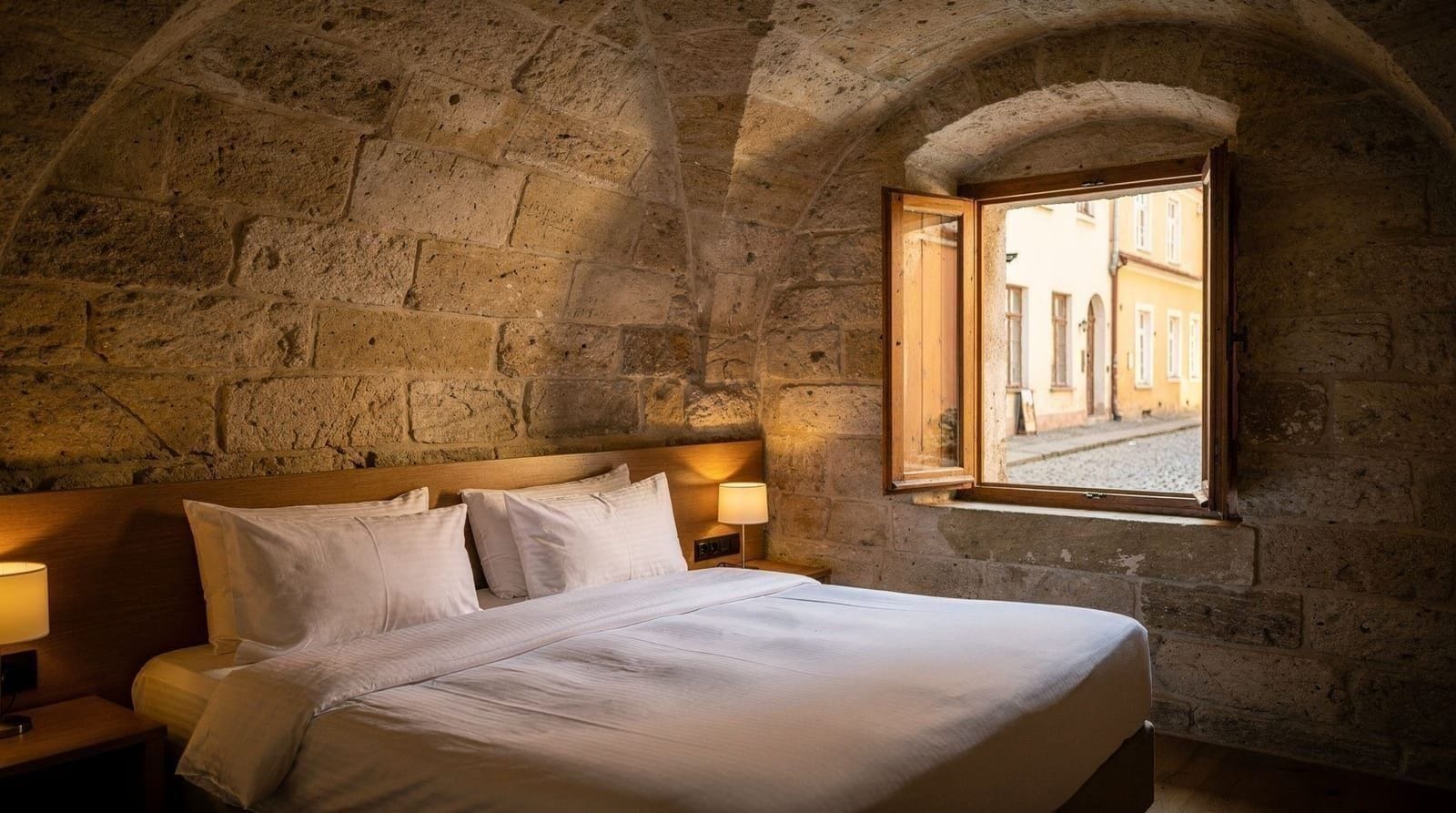
Užupis has become a genuinely popular base for visitors who want an artsy, slightly quieter alternative to the Old Town proper, with easy walking access to the main sights. See the where to stay in Vilnius guide for how it compares to other neighbourhoods. The area’s cafés, relaxed pace, and creative community also make it a natural fit for longer stays — the Vilnius for digital nomads guide covers Užupis and Loftas among the city’s better work-friendly spots.
Frequently asked questions about Užupis
How do I become a citizen of Užupis?
Citizenship is declared rather than granted — anyone can consider themselves an Užupis citizen. In practice, “citizenship” is recognised through community participation, living or working in the neighbourhood, or being stamped in the Užupis passport on April 1. The “Užupis passport” is a real document issued on Independence Day but has no legal standing.
Is Užupis expensive to visit?
The neighbourhood itself has no entry costs. The cafés and restaurants are priced at Vilnius-normal levels (€2.80–4 for coffee, €7–18 for food). Gallery entry is typically free or €2–5. It is substantially cheaper than equivalent bohemian districts in Prague or Berlin.
Can I see the Užupis constitution online?
Yes — full text in multiple languages is available at uzupis.lt. The physical experience of reading the plaques on the riverside wall is different from reading a screen, however — the multilingual progression of the text, the physical scale of the installation, and the riverside setting are part of the work.
What is the Užupis currency?
The Talónas (a reference to the pre-euro Lithuanian currency) is the Užupis “currency” — available as a collector’s item from community events on April 1. It is not legal tender and is valued primarily as a souvenir of the Republic.
How long should I spend in Užupis?
Budget at least 20–30 minutes for the core route — the bridge, the constitution wall, and the angel square — but allow an hour or two if you want to read the full constitution, browse galleries, and stop for coffee. On April 1 (Independence Day), plan for a half-day given the concerts and crowds.
Is Užupis safe to walk around at night?
Yes, generally — Užupis is a residential, low-crime neighbourhood, and the main streets are well used by locals in the evening. As anywhere, stick to lit main routes like Užupio gatvė rather than unlit side paths late at night, and the riverside path is best enjoyed in daylight.
Top experiences
Bookable activities with verified prices and instant confirmation on GetYourGuide.