Vilnius for digital nomads — a practical guide
Is Vilnius good for digital nomads?
Yes — Vilnius offers fast internet, affordable accommodation and food, a growing coworking scene, good Schengen access, and a high quality of life. It is not as warm as Lisbon or Tbilisi and the Old Town is smaller than Warsaw or Riga, but it is a serious, liveable option in Northern Europe.
Vilnius has been on the quiet edge of the digital nomad conversation for several years without making the headline lists. That situation is starting to change — Lithuania has actively courted remote workers and tech talent, and Vilnius has the infrastructure to back it up. Here is an honest assessment.
| Where | Naujamiestis or Užupis for the best nomad quality of life |
| Cost | around €1,300–2,000/month all-in |
| Time needed | 90 days visa-free under Schengen per 180-day window |
| Getting there | Vilnius Airport, well connected within the EU |
| Best time | May–June or September–October for climate and daylight |
Internet and tech infrastructure
Lithuania consistently ranks in the top 10 globally for internet speed. Average fixed broadband speed in Vilnius is 180-250 Mbps download; 4G mobile coverage is near-universal in the city. Most cafes and coworking spaces offer symmetric gigabit connections.
The country’s tech sector has grown significantly — Vilnius is home to a thriving fintech cluster (TransferGo, Kevin, Satchel) and attracted firms like Bentley Systems, Storebrand and major blockchain companies. The talent-to-size ratio is high for a city of 500,000.
Coworking spaces
Vilnius has a genuine coworking scene, not just a few cafes with laptop tables.
Established coworking spaces:
- Talent Garden Vilnius (Konstitucijos pr. 21B, across the Neris) — Lithuania’s largest coworking operator, well-equipped, €100-200/month for hot desk membership.
- Spaces Vilnius (Švitrigailos g. 11) — premium coworking in a modern building, day passes ~€25, monthly from €200.
- Tech Zity (J. Savickio g. 4-1) — in the developing business district near the river, newer space, growing startup community.
- Hub Vilnius (Savanorių pr.) — community-focused, cheaper, popular with freelancers and early-stage startups.
- TEO Coworking (Žalgirio g.) — telecom company-run space, reliable infrastructure.
Day passes range from €10-25 depending on the space. Monthly memberships start around €100 for a hot desk.
Working from cafes: Vilnius has an excellent specialty coffee scene concentrated in Naujamiestis — Brew Collective (Šventaragio g. 6), Crooked Nose & Coffee Stories (Vilniaus g. 15), and Saula Café (Basanavičiaus g.) all offer fast WiFi, ample table space, and a culture that does not object to 3-hour laptop sessions. Expect to spend €5-8 for a coffee and pastry, which buys you a half-day without harassment.
Accommodation for longer stays
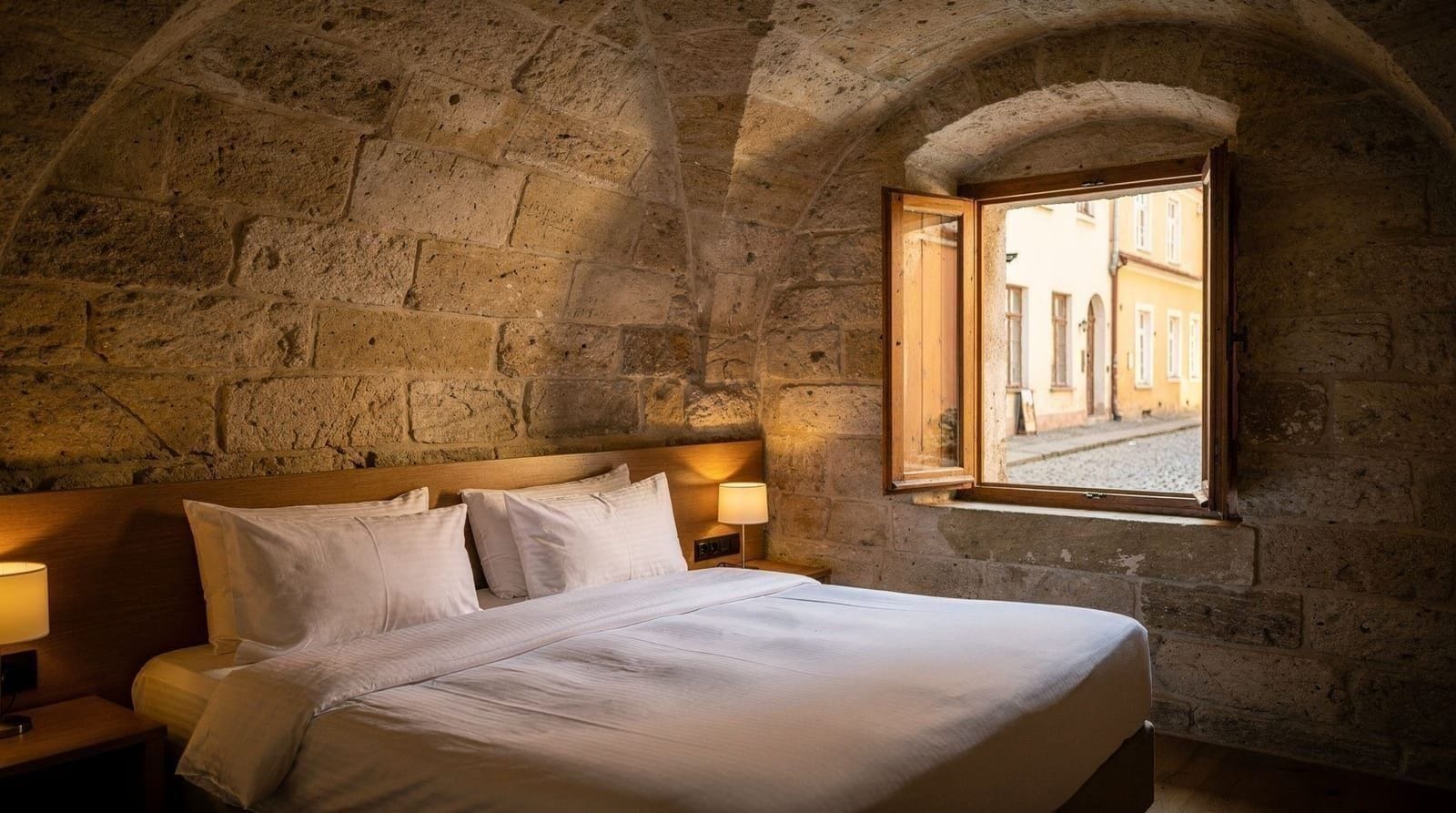
Short-term apartment rentals work better than hotels for stays over a week. The most practical neighbourhoods for digital nomads:
Naujamiestis (the “New Town” south of the river from the Old Town): where most of the independent coffee shops and restaurants that locals actually use are concentrated. Apartments on Pylimo, Savanoriu or Gedimino pr. run €600-1,000/month for a decent one-bedroom, or €50-80/night short-term via Airbnb or Booking.com apartments.
Užupis: quieter, atmospheric, slightly higher prices for the character. Good for those who want an inspiring environment rather than purely a functional one.
Old Town: premium price (€900-1,400/month long-term), worth it for 2-4 weeks but expensive for a 2-3 month base.
Žvėrynas: quieter residential district west of the Neris, 20-minute walk or 1 bus stop from the Old Town. Apartments run €500-800/month. Low tourist traffic, genuine neighbourhood feel.
Monthly apartment cost comparison:
- Budget studio (Naujamiestis, short-term): €700-900/month
- Good 1-bedroom (Naujamiestis): €800-1,200/month
- Old Town apartment: €1,000-1,600/month
- Long-term rental (6+ month lease): 30-40% below short-term rates
Cost of living for remote workers
Vilnius is competitive by Northern European standards:
| Category | Monthly cost |
|---|---|
| Accommodation (1-bed, Naujamiestis) | €700-1,000 |
| Groceries (cooking at home) | €200-300 |
| Eating out 2-3 meals/week | €150-250 |
| Coffee and cafes | €80-120 |
| Transport (Bolt + public transport) | €60-100 |
| Coworking space | €100-200 |
| Total estimate | €1,300-2,000/month |
This positions Vilnius well below Tallinn and comparable to Riga, significantly cheaper than Helsinki or Stockholm, and broadly similar to Warsaw.
Visa and residency for non-EU nomads
EU/EEA citizens: Full right of residence; work and live without restriction.
Non-EU citizens (US, UK, CA, AU, NZ, etc.): Visa-free entry for up to 90 days within any 180-day period under the Schengen Agreement. This means you can base yourself in Vilnius for three months, then spend three months elsewhere in the EU (or outside it), and return. The UK is no longer in Schengen — British citizens should track their 90/180 Schengen days carefully.
Lithuania National Visa (D Visa): For stays beyond 90 days, Lithuania offers several pathways:
- Startup visa: for founders of qualifying tech startups
- Self-employment visa: for independent contractors and freelancers who can demonstrate income
- EU Blue Card: for employed highly-skilled workers
Digital Nomad Visa: Lithuania does not yet have a dedicated digital nomad visa as of 2026, unlike Portugal or Croatia. The self-employment D visa is the nearest equivalent.
Schengen country-hopping: Many non-EU nomads base in Lithuania for 90 days, travel to Ukraine, Georgia or the UK for 90+ days, then return. This is legal but requires planning.
Healthcare and insurance
Lithuania has public healthcare covered by the national health insurance fund (VLK). Non-EU residents working remotely should arrange private health insurance — WorldNomads, SafetyWing and Cigna International are commonly used; budget €50-100/month for a policy with reasonable coverage. Private clinics (Northway Medical Centre, Medicina Practica) are affordable — a GP consultation runs €30-60, a specialist €40-80.
Daily quality of life
The factors that matter for multi-week or multi-month stays:
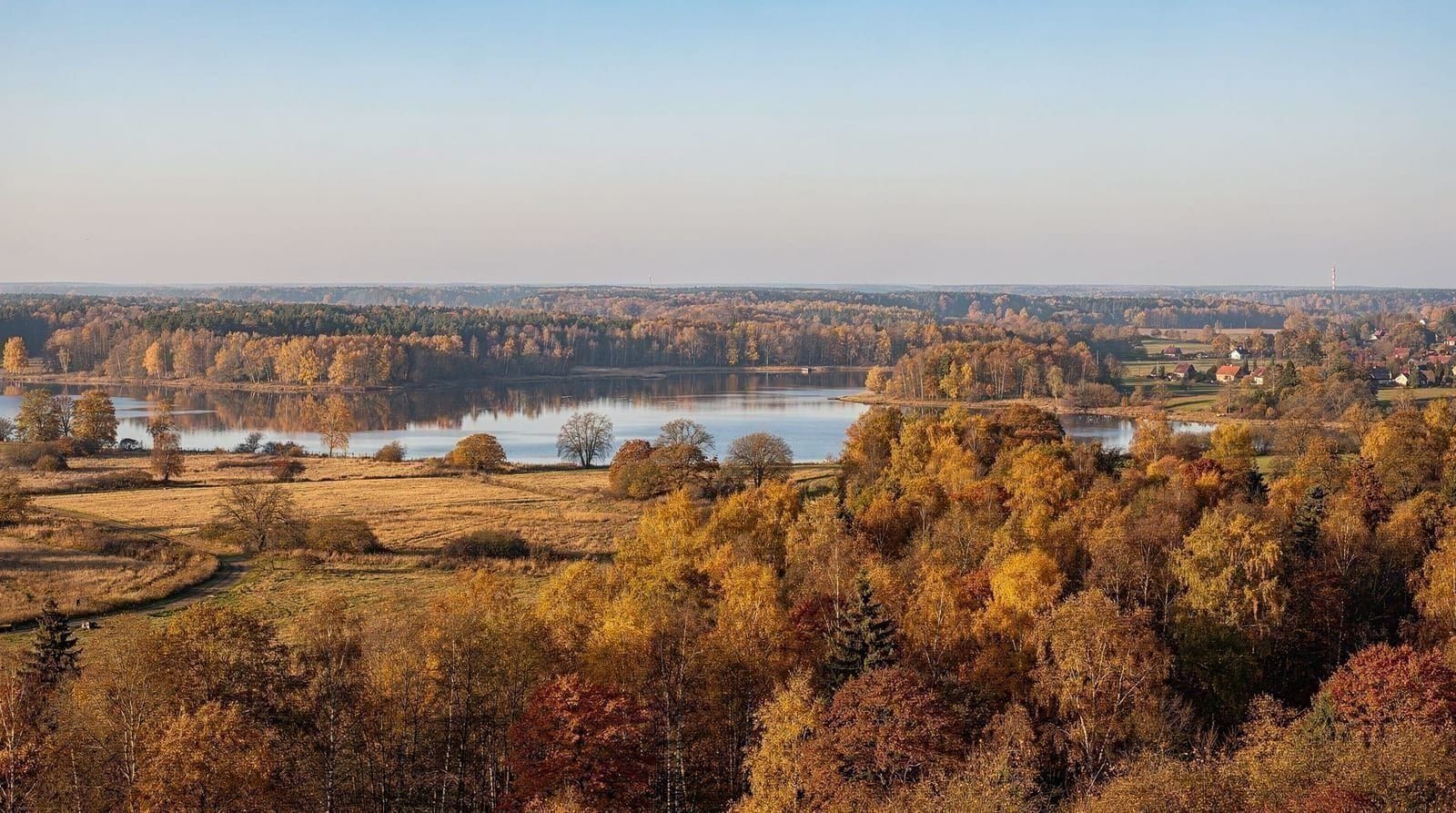
Climate: Vilnius has warm, long-day summers (June-August, 17+ hours daylight) and genuinely cold, dark winters (December-February, 7 hours). For nomads, spring (May) and autumn (September-October) are the most pleasant working seasons. If you need sunshine year-round, Vilnius is not the right base.
English use: High in service industries, coworking spaces and tech companies. Daily errands (supermarket, post office) can be managed in English in most city-centre locations, though Lithuanian or basic Russian helps with older locals.
Food and social scene: The restaurant and bar scene is strong enough for multiple months without boredom. The specialty coffee scene is excellent — easily on par with Warsaw or Riga. See Vilnius coffee scene for specific spots.
Parks and green space: Vilnius has a higher ratio of green space than most European capitals — Vingis Park, Verkiai Regional Park, Pavilniai Regional Park, and the Neris riverside path all allow for afternoon breaks and exercise without leaving the city. This is a significant quality-of-life advantage over denser Central European capitals.
Community: The expat and nomad community in Vilnius is growing but smaller than in Riga, Warsaw or Tallinn. Facebook groups (Expats in Vilnius, Digital Nomads Lithuania) exist and are active. Meetup.com has regular tech and startup events.
Choosing your season: Vilnius in summer means long daylight hours and the best outdoor working conditions, while Vilnius in winter tests your motivation to stay indoors and productive. Reading both before committing to a multi-month base helps set realistic expectations about the seasonal swing.
Getting oriented in your first two weeks
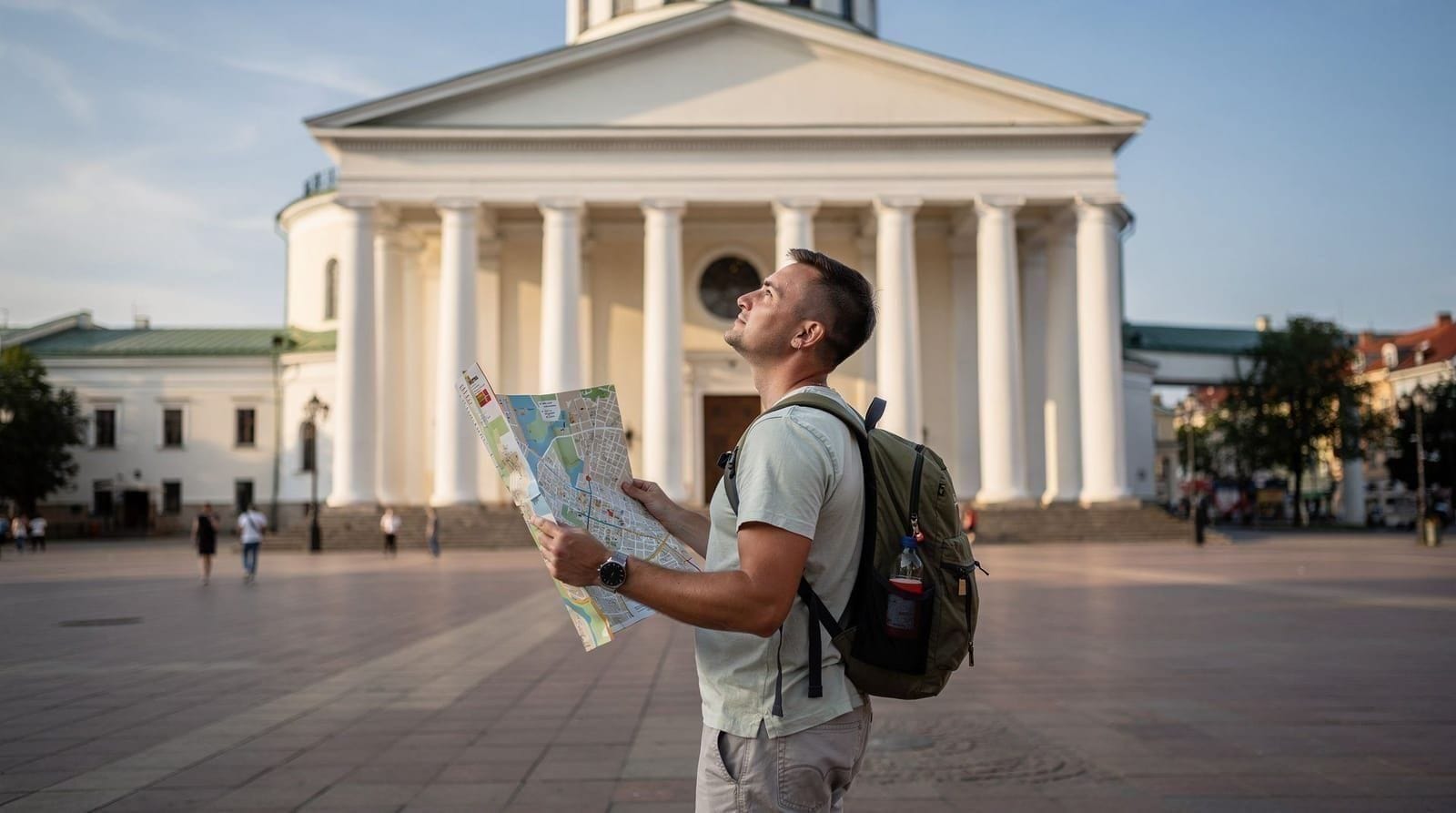
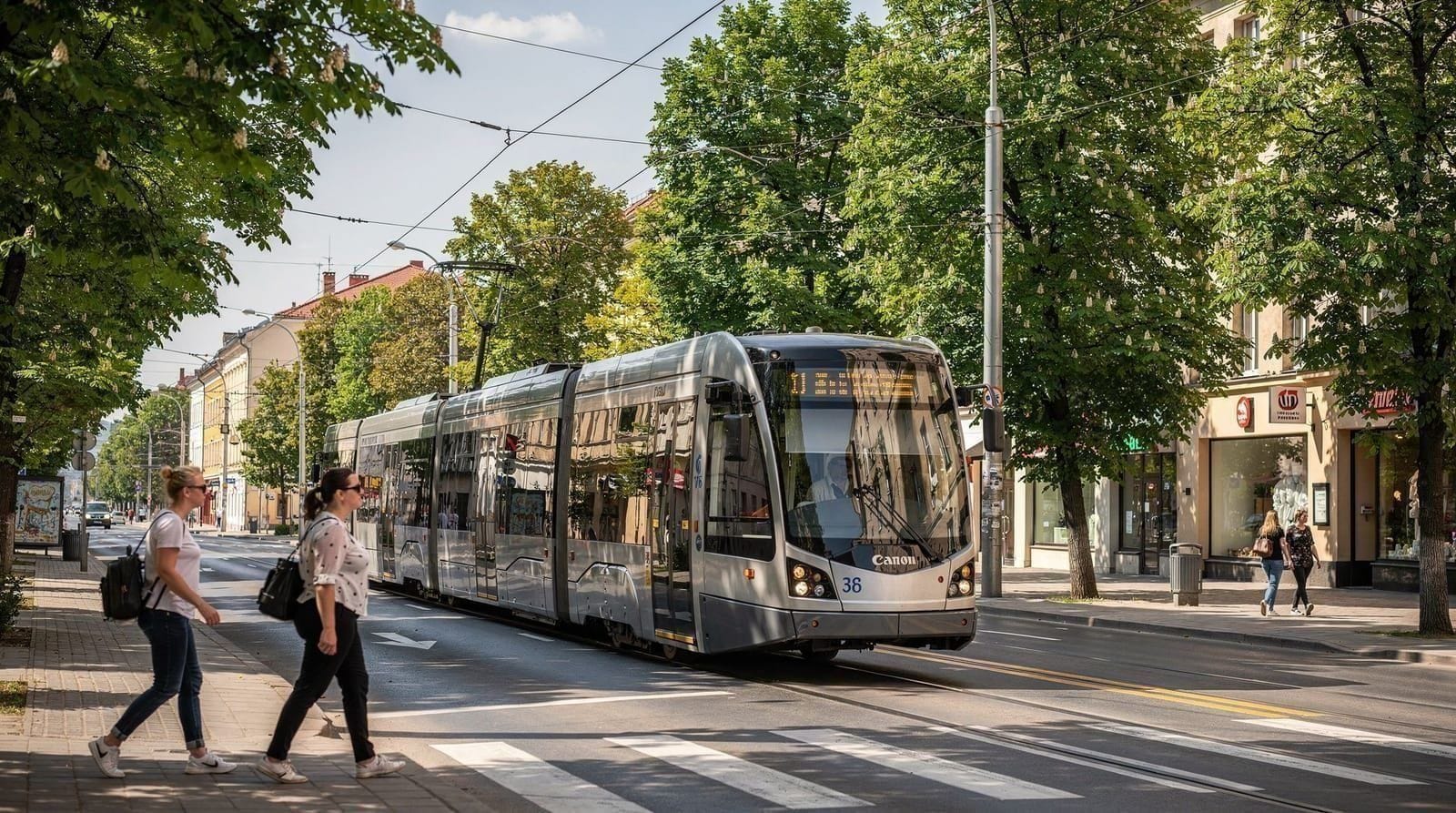
The single most useful thing a new arrival can do is spend the first weekend walking the city with no agenda, rather than heading straight to a coworking desk. Read the getting around Vilnius guide early — the city is compact enough that most nomads end up walking or cycling more than they expected, and understanding the public transport and Bolt options from day one avoids overpaying for taxis. It is also worth reading the general Vilnius travel tips for first-time visitors even as a longer-term resident, since the practical basics (tipping, opening hours, SIM cards) overlap heavily with what a short-stay visitor needs. If you plan to travel around the country on weekends, the Lithuania travel guide is the best single overview of what is reachable from a Vilnius base.
Weekend trips from a Vilnius base
One underrated advantage of basing in Vilnius rather than a bigger capital is how much of Lithuania is reachable in a single day. Trakai and its lake castle is a 30-minute trip and works as an easy Saturday-morning outing before returning to work by afternoon. For a longer weekend, Kaunas makes a genuinely different second base — smaller, cheaper, and with its own coworking scene beginning to emerge. Nomads staying more than a month typically use at least one weekend for the Curonian Spit, Lithuania’s UNESCO-listed coastal dune landscape, which is a longer trip (3–4 hours by car or bus) but worth the full weekend.
Practical admin for longer stays
Banking: Revolut and Wise work seamlessly in Lithuania. For a local account, SEB and Luminor are the most accessible for non-residents. Opening a bank account without residency is increasingly difficult — Revolut or Wise covers most daily needs.
Registration: EU citizens living in Lithuania for over 3 months should register their residency with the Migration Department (Migracijos departamentas). Non-EU citizens on a national visa must register. This is a paperwork process (€10-20 in fees) that unlocks access to local services.
SIM cards: Tele2 Lithuania offers the best prepaid data plans — €5-10/month for 15-20 GB. Available in supermarkets (Maxima, Rimi) and Tele2 shops.
Frequently asked questions about working remotely in Vilnius
Is Vilnius safe to live in as a foreigner?
Yes. Vilnius is consistently ranked among the safer European capitals. Petty crime exists in tourist areas; otherwise the city is calm and non-threatening.
Does Vilnius have fast internet everywhere?
In the city centre, essentially yes. Fixed broadband and mobile 4G/5G are fast and widely available. Remote parts of rural Lithuania are less well-served but this is not relevant for urban nomads.
Can I open a bank account in Vilnius as a non-EU citizen?
With difficulty — banks require proof of residency and income. Use Revolut or Wise for daily spending; pursue a local account only if you establish residency via a visa.
Is Vilnius good for meeting other nomads?
The community is small but growing. Tech Vilnius and Startup Lithuania organise regular events. The Naujamiestis coffee-shop circuit is where most nomads congregate organically.
How cold is Vilnius in winter?
Average January temperature is -4°C to -6°C, with days sometimes dropping to -15°C during cold spells. Proper winter clothing (thermal base layer, down jacket, waterproof boots) is essential. The darkness (7-8 hours of daylight in December-January) affects many people — factor this in for longer winter stays.
Can I find furnished apartments for a 1-2 month stay?
Yes, this is the most common nomad rental length and the market is well set up for it. Booking.com and Airbnb both list furnished monthly apartments in Naujamiestis and Užupis, typically priced between short-term nightly rates and long-term lease rates. Booking 2-3 weeks ahead gives the best selection, especially for the May-June and September-October high-demand nomad seasons.
Is Vilnius a good base for exploring the rest of the Baltics?
Yes — Vilnius Airport has decent connections, and overland travel to Riga (about 4 hours by bus) and onward to Tallinn is straightforward for nomads wanting to compare all three Baltic capitals during a longer regional stay.