Vilnius craft beer guide — breweries, bars, and what to drink
Vilnius: Beer tour tasting 3h
Duration: 3 hours
Is the craft beer scene good in Vilnius?
Yes — genuinely and surprisingly so. Lithuania has a strong farmhouse ale tradition dating back centuries, and Vilnius has built a craft beer scene on top of it that now rivals cities several times its size. Bambalynė on Stiklių gatvė stocks 100+ Lithuanian and Baltic beers on tap and in bottle. Šnekutis serves cheap, honest local beer from regional breweries. Alaus namai and Craft Beer Inn offer curated selections. Expect to pay €2.50–4 for a 0.5L in local bars, €5–8 in more tourist-facing venues.
Lithuanian beer is a subject that surprises most visitors. The expectation — pale lager, similar to the mainstream Czech and Polish brews you find across Central Europe — meets a reality that is considerably more interesting. Lithuania has a brewing tradition stretching back several centuries, including farmhouse ale styles that have no parallel in mainstream European beer culture, and Vilnius has built a craft scene on top of this tradition that now draws serious beer tourists from across the continent.
This guide covers the city’s best beer bars and venues, the key styles to know before you order, what to avoid, and how the guided beer tours compare to exploring independently.
| Where | Old Town: Stiklių gatvė, Užupis, Vokiečių gatvė |
| Cost | around €2.50–4 per 0.5L in local bars, €5–8 in tourist bars |
| Time needed | 2–3 hours for a proper crawl, or a 3–3.5hr guided tour |
| Getting there | Walkable from most Old Town accommodation |
| Best time | Early evening from around 3–5pm opening; weekends busier |
Lithuanian beer — some background
The farmhouse tradition
Before commercial brewing arrived in the 19th century, Lithuanian beer was made at home and on farms — kaimiškas alus (village beer), brewed with wild yeast, local hops (kūpalikiai hops, grown specifically in the Žemaitija region of northwest Lithuania), and malted barley. This tradition never fully disappeared. Several villages in the Žemaitija and Aukštaitija regions still maintain farmhouse brewing operations, and some of their beers reach the better bars in Vilnius.
Farmhouse ale in the Lithuanian sense is quite different from Belgian saison or German Keller beer. It tends to be moderately alcoholic (3.5–5.5% ABV), naturally carbonated, often slightly hazy or cloudy, and can have a funky, lactic, or earthy character from the wild or mixed yeast fermentation. It is an acquired taste — quite unlike any standard commercial beer — and is worth at least one glass purely for the experience.
The commercial tradition
Lithuania’s commercial beer industry is dominated by a handful of large producers. Gubernija (founded in Šiauliai in 1665, making it one of the oldest continuously operating breweries in the region) produces the most widely available Lithuanian lagers — a pale (šviesusis), a dark (tamsusis), and several seasonal variants. Švyturys is the Klaipėda-based brewery most familiar to international markets. Kalnapilis and Utenos alus are the other major commercial players.
Of these, Gubernija tamsusis (dark lager) is the most distinctly Lithuanian and the most worth ordering. It is a dark lager with caramel and light roasted notes, moderate sweetness, and less bitterness than a German schwarzbier. It costs €2–3 in local bars and is excellent with cepelinai or kepta duona.
The craft movement
Lithuanian craft brewing began to develop meaningfully from around 2010–2015, driven by a combination of Vilnius’s growing tech and creative economy, access to European brewing equipment and ingredients, and the pre-existing farmhouse tradition that gave local brewers something distinctive to build from.
The most significant craft producers reaching Vilnius bars regularly include:
Dundulis (based in Panevėžys) — the most celebrated Lithuanian craft brewery internationally, known for its interpretation of traditional farmhouse styles alongside more experimental releases. Their amber ale and dark lager are the most accessible starting points; their wild-fermented farmhouse series is for experienced palates.
Sakiškių alus (Sakiškės Brewery) — a small craft brewery with a taproom on the outskirts of Vilnius. Known for well-executed interpretations of traditional styles plus a rotating seasonal programme. The taproom serves food and is a genuine destination for beer enthusiasts with transport.
Alaus laboratorija (Beer Laboratory) — a Vilnius-based microbrewery producing small-batch experimental ales, IPAs, and farmhouse hybrids. Distribution is limited; find their beers at Bambalynė and Craft Beer Inn.
The best beer bars in Vilnius
Bambalynė — the essential stop
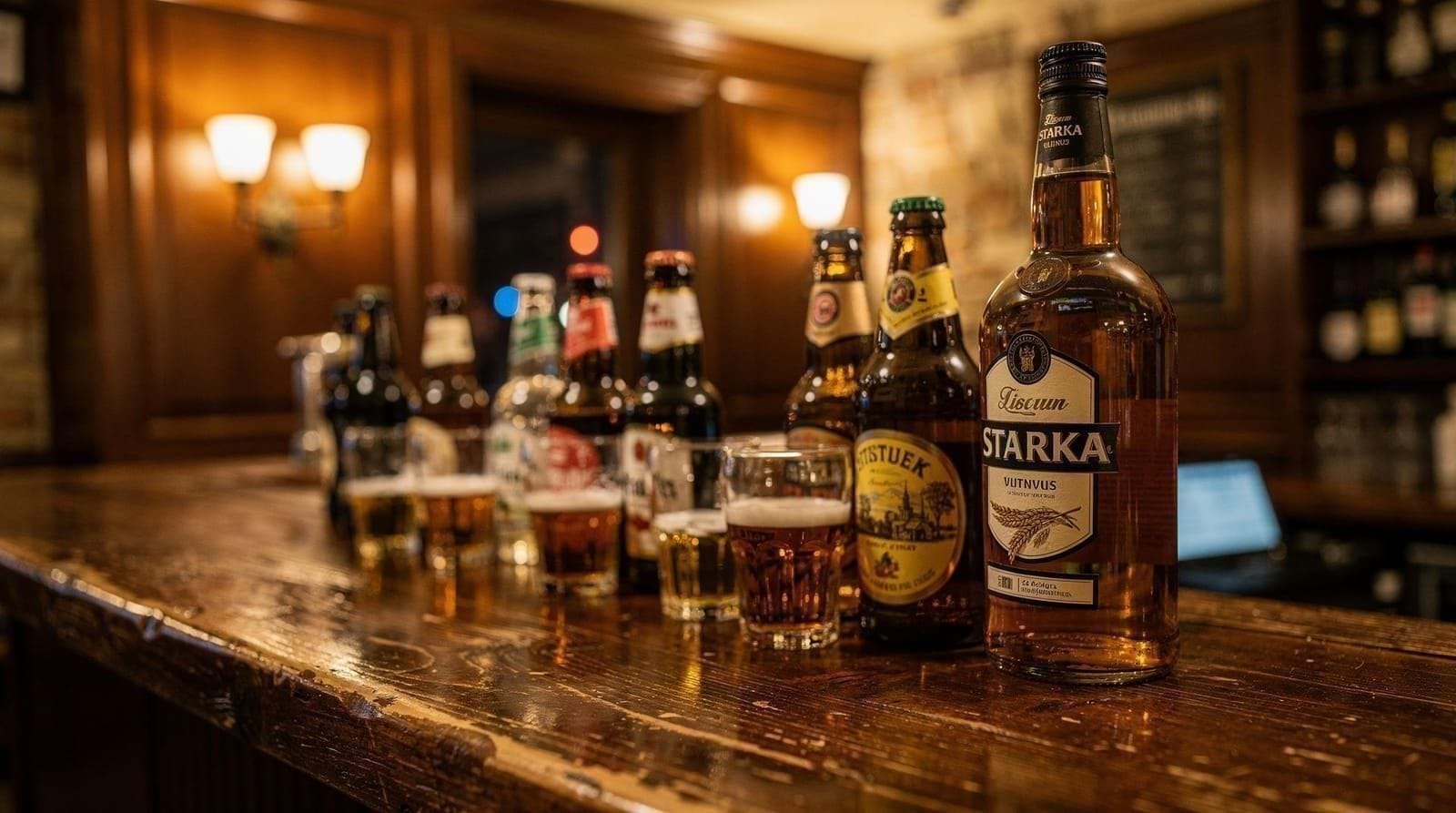
Bambalynė at Stiklių gatvė 7 (Old Town, near Town Hall Square) is unambiguously the best beer bar in Vilnius and one of the best in the Baltic states. The concept is simple: the largest possible selection of Lithuanian and Baltic beers under one roof. In practice this means 100+ beers on tap at any given time — a rotating selection of Lithuanian farmhouse ales, craft IPAs, dark lagers, wheat beers, and sour ales, alongside a bottle and can list that extends to several hundred options.
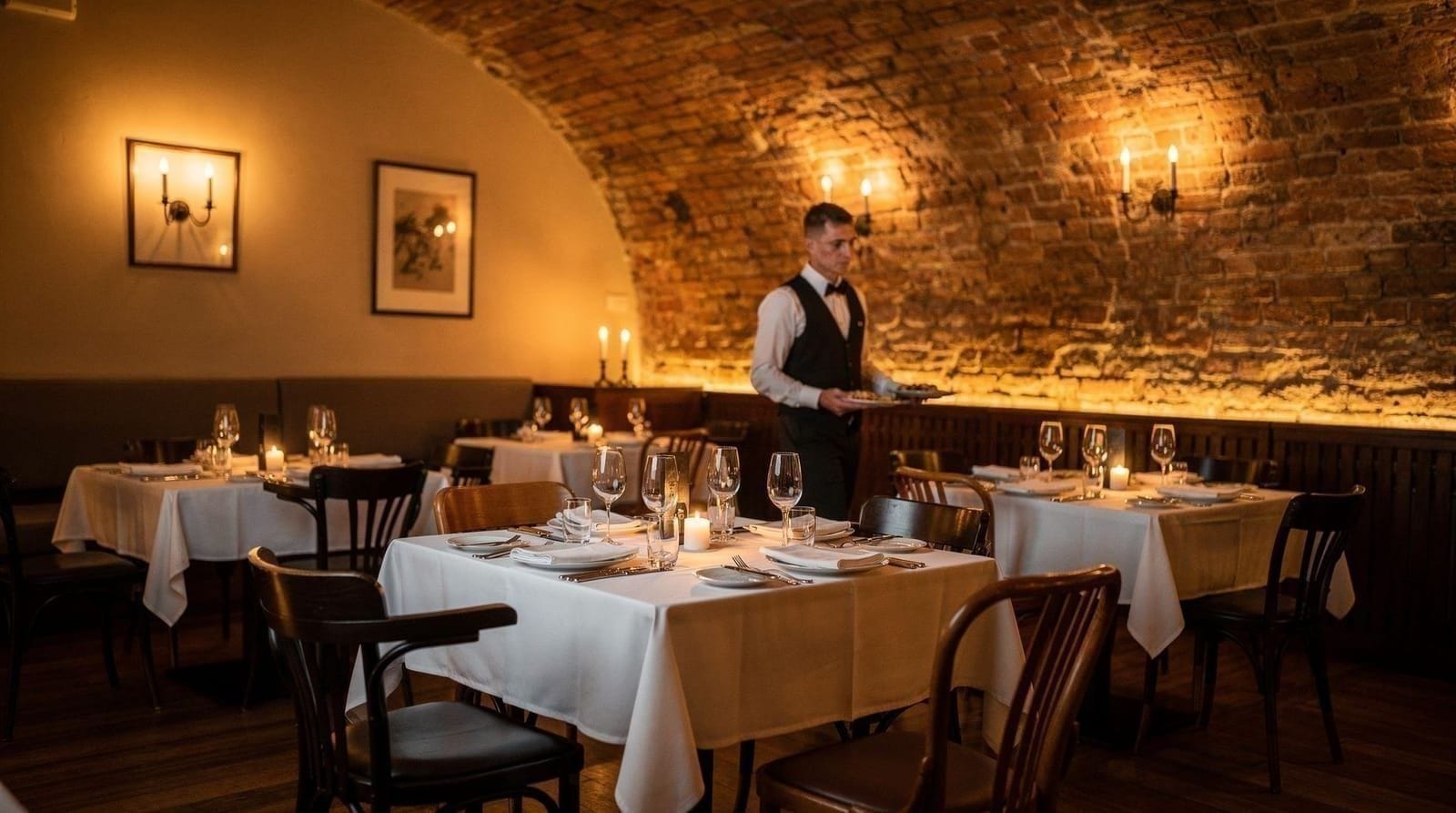
The bar occupies a cellar space under an Old Town building, with the taps arranged along one wall and a knowledgeable bar staff who can guide you through what is interesting on any given night. There is food — mostly bar snacks and the essential kepta duona — and the prices are fair given the quality and range (€4–7 per 0.5L depending on beer).
Bambalynė is often busy on weekend evenings; arrive early (opening time is around 3pm on weekdays, midday on weekends) for the best experience. This is the natural first stop for any serious beer visit to Vilnius.
Šnekutis — the local’s favourite
Šnekutis has two locations — Žvejų gatvė 2 in Užupis and Subačiaus gatvė 7 slightly further south — and is a different experience from Bambalynė entirely. Where Bambalynė is curated and serious, Šnekutis is unpretentious to the point of charming stubbornness. The furniture is basic, the menu is short (cepelinai, bulvinių blynai, grilled sausage), and the beer is served in whatever glass is available.
What Šnekutis does exceptionally well is rotating draft selections from small regional Lithuanian breweries — often farmhouse ales and dark lagers from producers that do not distribute widely. The prices are among the lowest in the city for sit-down drinking: €2.50–3.50 per 0.5L depending on what is on tap. The clientele ranges from local craftspeople and artists to well-informed visitors who have found their way here by word of mouth or from the Užupis guide.
The food at Šnekutis is also worth ordering — the cepelinai and kepta duona are excellent and exactly the right thing to eat with the beer.
Alaus namai — atmospheric Old Town drinking
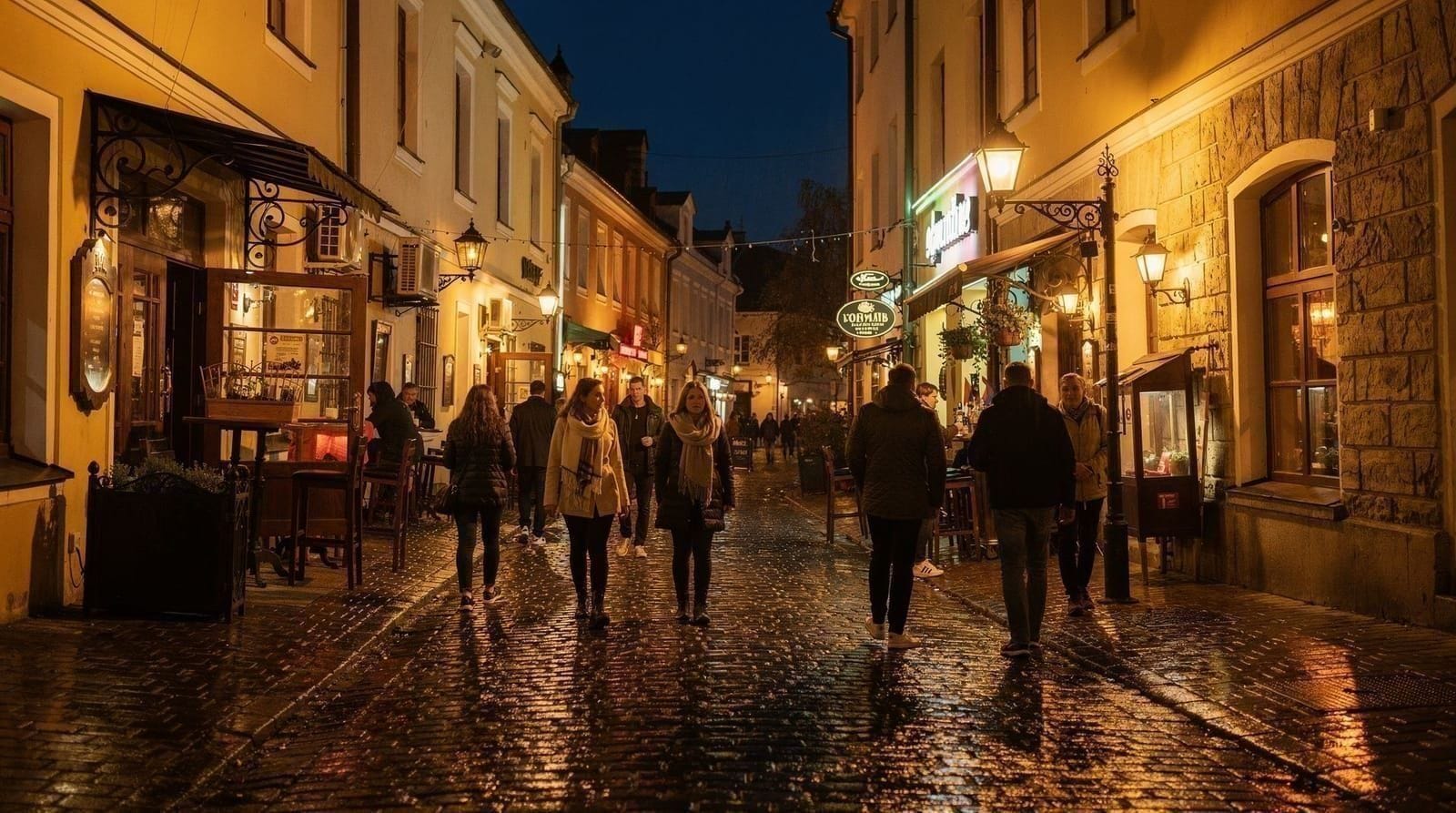
Alaus namai (Beer House) at Pilies gatvė 34 is in tourist territory — directly on the main tourist artery — and prices reflect this (€4–6 for local beer). But the cellar space is genuinely attractive, the beer selection includes a reasonable range of Lithuanian craft and commercial options, and it serves as a useful fallback if you are already in the Old Town area and want to drink without walking to Bambalynė or Šnekutis.
Do not expect the depth of Bambalynė or the authenticity of Šnekutis, but the beer is well-kept and the atmosphere on busy evenings is lively without being unpleasant.
Craft Beer Inn
Craft Beer Inn near the Old Town focuses specifically on rotating taps from smaller Lithuanian producers, with a shorter but more carefully curated selection than Bambalynė. It is a newer addition to the scene and has quickly built a reputation for being ahead of new Lithuanian craft releases. Good for dedicated beer tourists who have already been to Bambalynė and want to explore further. Staff are knowledgeable and the tap rotation changes weekly.
Bambalynė’s closest rival — Prohibicija
Prohibicija (Prohibition) at Vokiečių gatvė 18 is an American Prohibition-era themed cocktail bar that also maintains a strong beer selection — particularly for craft ales and imported specials. The theme could be gimmicky but the execution is reasonable, the prices are fair, and it draws a mixed crowd of locals and visitors. Better for cocktails than beer, but worth knowing if you are drinking in the Vokiečių gatvė area.
What to order and how to order it
The order of business
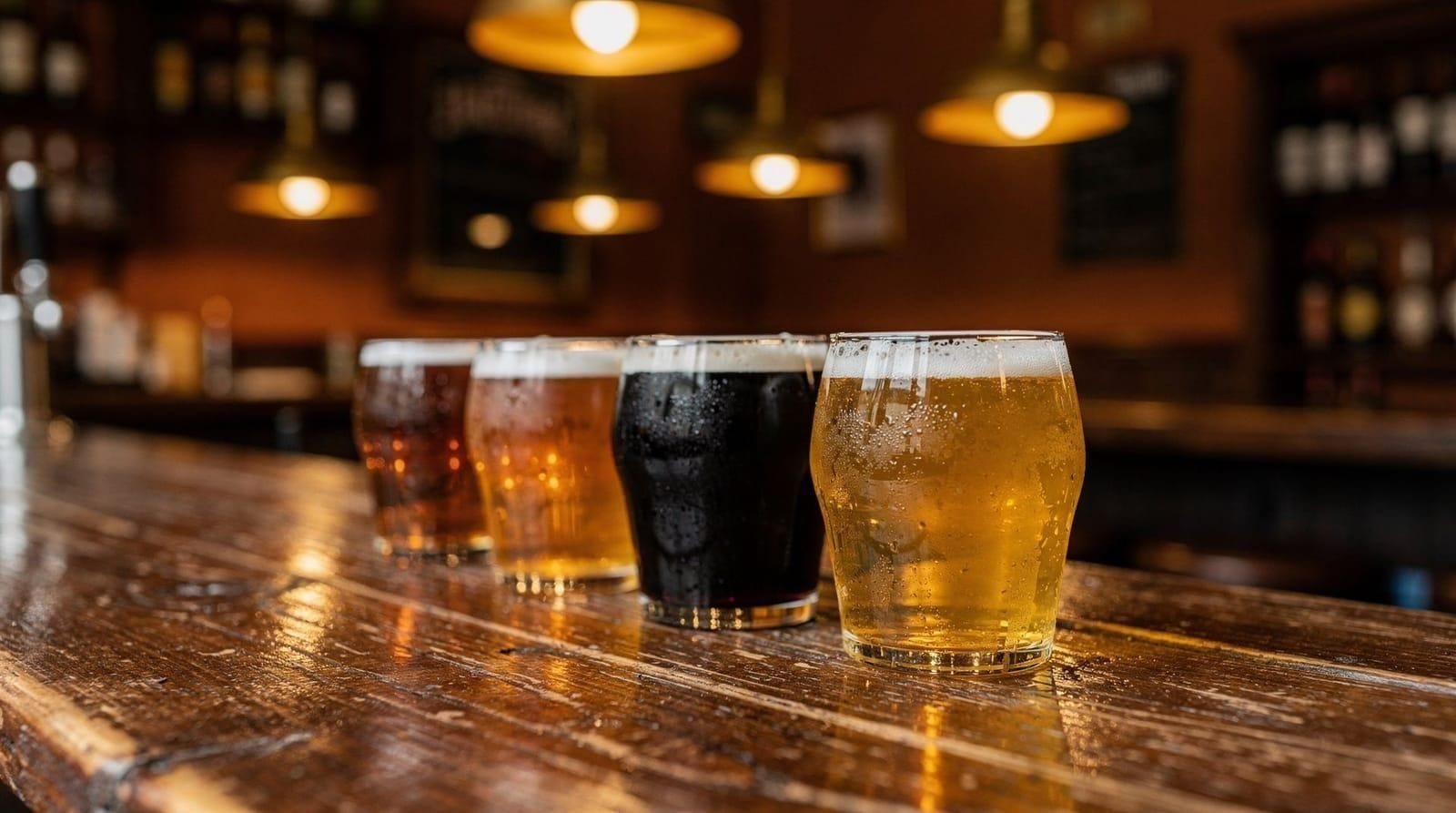
Walk into any serious Lithuanian beer bar and ask “kas šiandien taps yra?” (what is on tap today?) — or simply ask in English; bar staff in Vilnius beer bars are accustomed to international visitors. The bartender will typically offer you a tasting sample (around 100ml) of anything you want to try before committing. Always take advantage of this — the range is wide and tasting before buying is standard practice.
Styles to prioritise
Kaimiškas alus — farmhouse ale, the most distinctly Lithuanian style. Ask specifically; bars that stock it will know what you mean.
Tamsusis alus — dark lager. The most accessible distinctly Lithuanian style for visitors unfamiliar with the farmhouse tradition. Order Gubernija tamsusis as a baseline comparison.
Kvietinis alus — wheat ale, seasonal and often summer-focused. Lighter and more immediately approachable than the farmhouse styles.
Rūgštus alus — sour ale. A growing category in Lithuanian craft brewing that intersects with the wild fermentation heritage of the farmhouse tradition.
What to eat with your beer
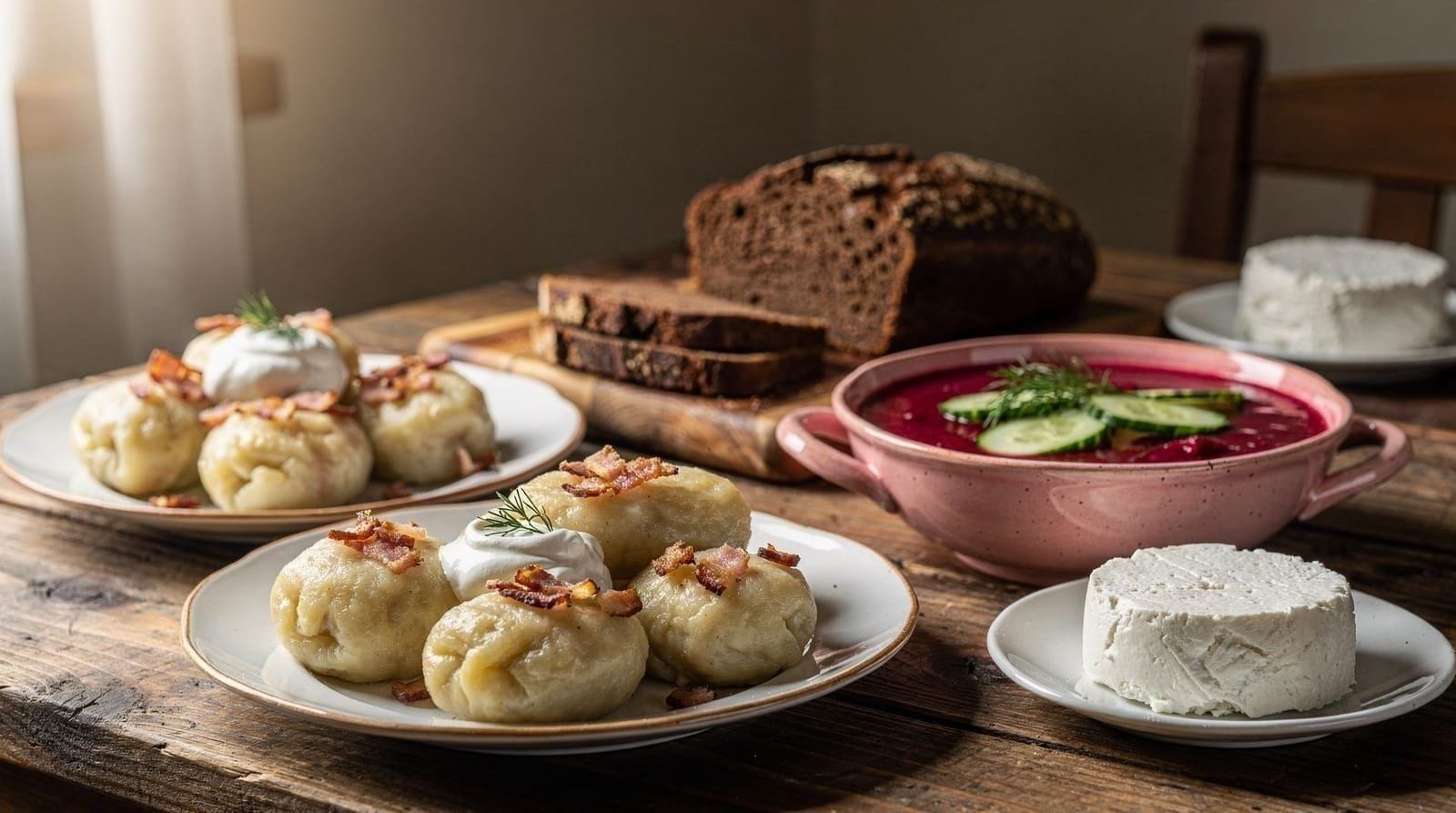
Kepta duona (fried rye bread fingers with garlic, €2–4) is the non-negotiable beer snack of Lithuanian bar culture. Order it automatically. It pairs with everything.
Šaltų rūkytų dešrų plokštelė — a plate of cold smoked sausage slices — is another universal bar snack (€4–7) and is good with darker beers.
For more substantial food alongside beer, the best restaurants guide covers which bar-restaurants have the best kitchen.
Prices and the tourist-trap warning
Beer prices in Vilnius are significantly lower than in most Western European cities, but the gap between local bars and tourist-facing venues is real and worth navigating.
At Šnekutis, a 0.5L of local craft or farmhouse ale: €2.50–3.50.
At Bambalynė, a 0.5L from the craft tap selection: €4–7 depending on the beer.
At bars on Pilies gatvė, a 0.5L of local beer: €5–8.
At hotel bars and international-brand bars in the Old Town: €7–10.
The beer is not meaningfully better in the more expensive places — you are paying for location and the fact that they know most visitors will not compare prices. The smart move is to drink at Šnekutis or Bambalynė, eat at a canteen-style place, and save money for the occasional splurge experience.
Guided beer tours
If you want a structured introduction to the Lithuanian beer scene with a knowledgeable local guide providing context — on the history of kaimiškas alus, the difference between farmhouse and commercial styles, why Lithuanian dark lager developed the way it did — the guided tours are a good use of time.
The 3-hour Vilnius beer tasting tour covers approximately four to five venues across the Old Town and nearby streets, with a guide who explains the beer culture alongside each tasting. You drink at places like Bambalynė and Šnekutis rather than tourist bars, and the guide selects the most interesting beers on rotation. The tour includes bar snacks at each stop. It costs approximately €35–45 per person and runs most evenings from around 6pm.
The Vilnius Beer Trail is a slightly longer (3.5-hour) format that adds a stronger historical component — covering the history of Lithuanian brewing, the farmhouse tradition, and how the modern craft scene developed. For beer enthusiasts with more than a casual interest, this version provides more depth.
The pub crawl with welcome drink and snacks is a more social format — a larger group, more bar variety, less educational depth — appropriate if you want to meet other travellers and drink more broadly rather than learn specifically about Lithuanian beer.
All three tours start from the Old Town and are a better option for independent visitors than navigating the beer scene alone on a first night — particularly given the range at Bambalynė, where the tap list can be overwhelming without guidance.
Seasonal beers and what to drink when
Spring (April–May): Bock-style lagers and stronger malt-forward ales from Lithuanian producers releasing winter reserves. Look for tamsusis seasonal variants.
Summer (June–August): Kvietinis alus (wheat ales), lighter farmhouse styles, and anything with fresh Lithuanian hops. Bambalynė’s summer tap selection is typically at its most varied.
Autumn (September–November): Harvest ales using new-season hops; pumpkin and spice variants from the craft producers; the return of darker and stronger styles. This is the best season for the most interesting Lithuanian beer.
Winter (December–March): Winter warmers, dark ales, and the strongest farmhouse ales. Some Lithuanian producers release limited Christmas ales (Kalėdinis alus) that are worth seeking out if you are visiting in December.
Brewery taproom visits worth the trip
Most visitors drink at bars, but two Vilnius-area breweries reward the extra effort of a taproom visit. Sakiškių alus runs a taproom on the city’s outskirts serving its full range fresh alongside food, and it is worth combining with a rental car or taxi if you are a serious enthusiast — see the car rental in Lithuania guide for options. Alaus laboratorija does not run a public taproom but its small-batch releases surface at Bambalynė and Craft Beer Inn first, so checking those two bars’ current tap lists before a dedicated brewery trip usually saves the journey. Neither taproom is a formal tour product, so these are independent trips rather than bookable experiences — factor in an extra half-day if you want to fit one into a longer Lithuania itinerary.
Beer festivals and markets
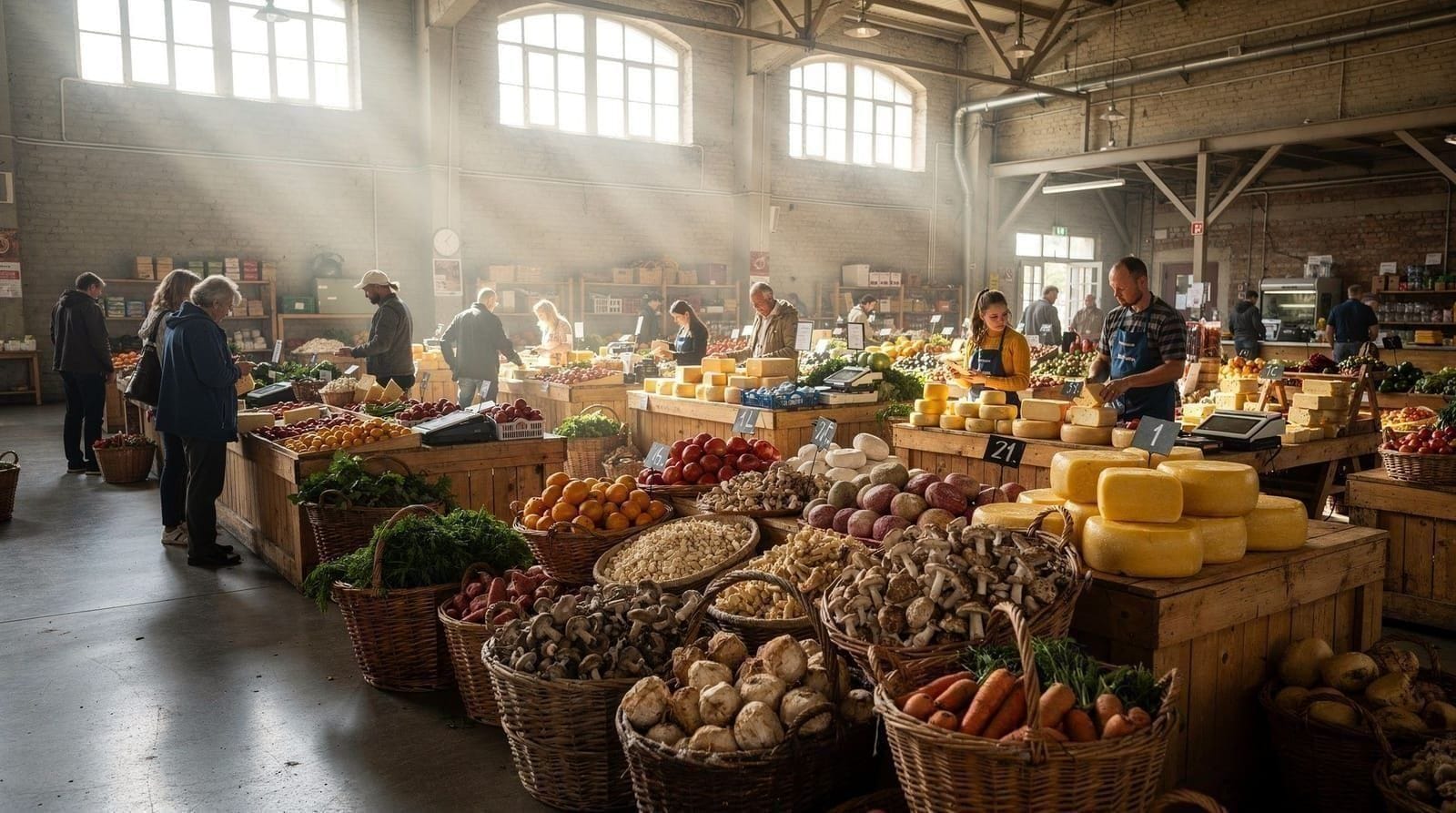
Vilnius does not run a single dominant beer festival, but craft breweries pop up regularly at Halės turgus and at seasonal markets, particularly around midsummer (Joninės, late June) and the Christmas period. The Vilnius Christmas market guide covers the winter market where mulled beer and Kalėdinis alus sometimes appear alongside the more usual mulled wine. Keep an eye on Bambalynė’s own social channels too — small Lithuanian breweries occasionally run one-off tap takeovers there that are worth planning an evening around if you are visiting during a longer stay.
Beyond beer — the broader Lithuanian drinks scene
Beer is the dominant social drink in Vilnius, but the city’s drinks scene extends beyond it. Lithuanian craft spirits are a growing category — see the Lithuanian drinks and spirits guide for detail on midutis (mead), Starka (aged rye vodka), and the growing range of local gins and fruit distillates.
The coffee scene in Vilnius has also developed significantly — covered in the Vilnius coffee scene guide — and the natural wine scene, while young, is concentrated in Naujamiestis and worth exploring for visitors interested in wine alongside beer.
For context on how beer fits into an evening in Vilnius, the Vilnius nightlife guide covers the full evening out from dinner to late-night options.
Practical information for beer tourists
Drinking age: 20 in Lithuania — higher than most EU neighbours. ID checks at the door are common in bars and clubs; carry your passport or a copy.
Opening hours: Bars in Vilnius typically open from 3–5pm on weekdays, midday on weekends, and close between midnight and 3am depending on licence. Bambalynė runs later on weekends.
Getting around: Most of the key beer venues are walkable from Old Town accommodation. The getting around Vilnius guide covers transport options for reaching places like the Sakiškės Brewery taproom that require transport.
Drink responsibly: Lithuanian dark beer is often stronger than it appears (4.5–6.5% ABV for farmhouse styles) and the relaxed bar atmosphere can mask how much you have drunk. The fried bread and cepelinai are not just a cultural gesture — they are genuinely useful ballast.
Frequently asked questions about craft beer in Vilnius
Is Lithuania known for beer?
Lithuania has a brewing tradition stretching back several centuries and is particularly noted for its unique farmhouse ale (kaimiškas alus) styles that have no close equivalent in mainstream European brewing. The country is less internationally famous for beer than Czech Republic or Germany, but among beer enthusiasts it has a strong reputation, particularly for the farmhouse styles that preserved traditional Baltic brewing methods.
Can I bring Lithuanian beer home?
Yes — both bottled and canned Lithuanian craft beers are available at Bambalynė and Craft Beer Inn. Bottles and cans are fine in checked luggage; standard EU customs rules apply for amounts for personal consumption. Halės turgus and larger supermarkets carry commercial Lithuanian brands in bottles. Dundulis and Gubernija dark lager in bottle format are the most distinctive options to bring home.
What is the alcohol content of Lithuanian farmhouse ales?
Variable — from around 3.5% ABV for the lightest summer styles to 6.5%+ for stronger winter farmhouse ales. The strength is not always prominently displayed on bar menus; it is worth asking before ordering a second round of the more interesting styles.
Are there non-alcoholic options in Lithuanian beer bars?
Gira (kvass) is the traditional Lithuanian non-alcoholic option — a fermented bread drink made from rye bread, very slightly alcoholic (under 1.5% ABV), sour, and refreshing. Most bars stock it. Standard soft drinks and mineral water are available everywhere. The coffee at most bars is espresso-based and reasonably good.
Is it better to bar-hop alone or book a guided beer tour?
Both work. Bambalynė, Šnekutis and Alaus namai are all walkable within the Old Town, so an independent crawl is easy to plan using this guide. A guided tour adds value mainly through context — a guide explaining the farmhouse tradition and steering you away from the tourist-priced bars on Pilies gatvė — which matters most on a first visit or if you want structured tastings without researching venues yourself.
Can I find Lithuanian craft beer outside Vilnius?
Yes, though the selection thins quickly outside the capital. Kaunas has a handful of decent beer bars, and regional farmhouse breweries in Žemaitija and Aukštaitija sell direct at markets, but Vilnius remains the best single place in the country to try a wide range in one visit.
Top experiences
Bookable activities with verified prices and instant confirmation on GetYourGuide.