Vilnius Soviet and KGB tour: what to book and why
Vilnius: Kgb museum occupations tour
Duration: 2 hours
Vilnius has one of the most significant dark-history circuits in Europe: a city that spent decades under Soviet occupation, whose KGB headquarters and prison remain intact, whose Jewish population was almost entirely murdered during World War II, and whose resistance movements generated some of the Cold War’s most compelling stories. The KGB Museum alone would justify a dark-tourism visit; the surrounding context makes it exceptional.
This page focuses on the Soviet and KGB angle. For Jewish heritage tours, see the Vilnius Jewish heritage tour page.
| Where | Gedimino Prospektas, Old Town (Paneriai optional, 10 km out) |
| Cost | Around €8–€10 standalone entry; €20–€60 guided depending on format |
| Time needed | 1.5–4 hours depending on format |
| Best time | Weekday mornings, quieter than school-visit days |
| Booking | Advance recommended for the bunker combination |
The KGB Museum and occupations tour
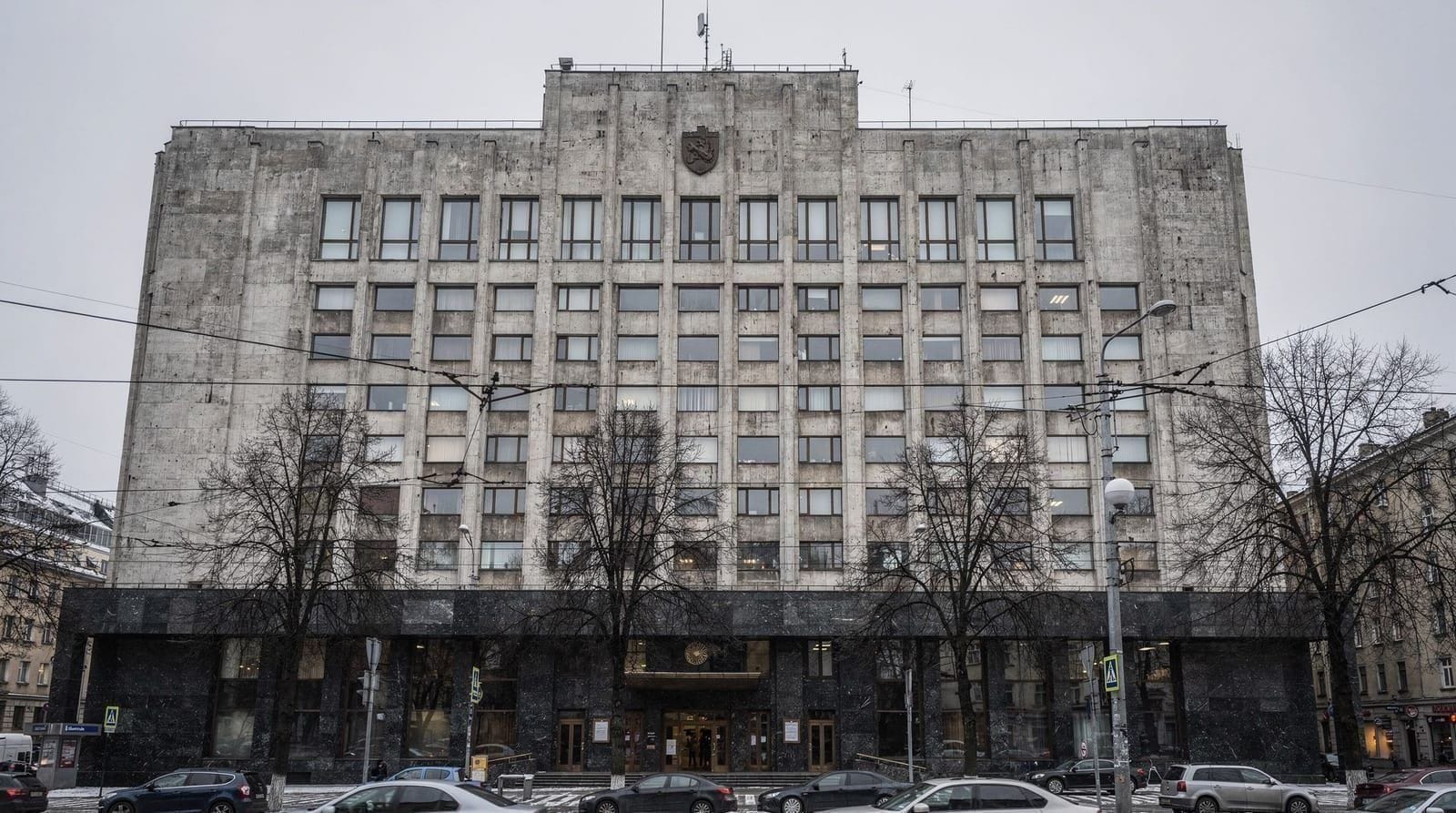
The KGB Museum and occupations tour is the structured way to understand what the museum contains and what it represents. The Museum of Occupations and Freedom Fights (the formal name) occupies the building on Gedimino Prospektas — the main avenue — where the KGB operated from 1940 to 1991. The basement prison is preserved almost exactly as it was.
A guided tour covers the chronology of Soviet occupation (two rounds: 1940–1941 and 1944–1990), the deportations to Siberia (around 350,000 Lithuanians were deported, roughly 10% of the pre-war population), the resistance networks, and the execution chamber where prisoners were shot. The guide walks you through the cells explaining the conditions, the interrogation methods, and individual cases.
Without a guide the museum is intense but contextually thin — the English-language labelling is adequate but not comprehensive. The guide transforms it from a series of disturbing rooms into a narrative. That narrative matters: this is recent history, not medieval distance. Some of the survivors are still alive.
Entry is included in most tour bookings. Standalone entry is €8–€10. Plan 2 to 2.5 hours with a guide, 1.5 hours self-guided. The KGB Museum guide provides deeper background if you prefer to prepare before visiting.
The KGB and atomic bunker combination
The KGB and atomic bunker tour combines the museum visit with a Cold War nuclear shelter that was built under Vilnius for Soviet officials in the event of a nuclear strike. The bunker is a separate location and is not open for self-guided visits — this is a specialist guided tour.
The bunker adds a different dimension: while the KGB Museum documents what was done to civilians, the bunker reveals how the Soviet state protected its own apparatus. The two-part tour runs approximately 3.5 to 4 hours and costs €40–€60 per person.
This is the right choice if you have a specific interest in Cold War architecture and state infrastructure, or if you are a dark tourism repeat visitor who has already covered the museum basics elsewhere in the Baltics. If you are new to Lithuanian Soviet history, start with the standard occupations tour and return for the bunker if interest deepens.
Soviet walking tour: context beyond the museum
The Soviet walking tour of Vilnius takes a different approach: rather than the museum as anchor, it uses the cityscape itself as the text. The guide walks through Vilnius pointing out surviving Soviet-era architecture, monuments (including the sites of removed ones), street name changes, propaganda infrastructure, and the neighbourhood-level evidence of occupation.
This tour suits people who are less interested in prison cells and more interested in how Soviet ideology reshaped an urban environment — and how Lithuanians navigated daily life under it. Duration is typically 2.5 to 3 hours and does not require museum entry. It pairs well with a subsequent museum visit if you want the full picture.
The Soviet history guide for Vilnius covers much of this material in written form if you prefer to explore the city independently.
Paneriai: the other essential dark history site
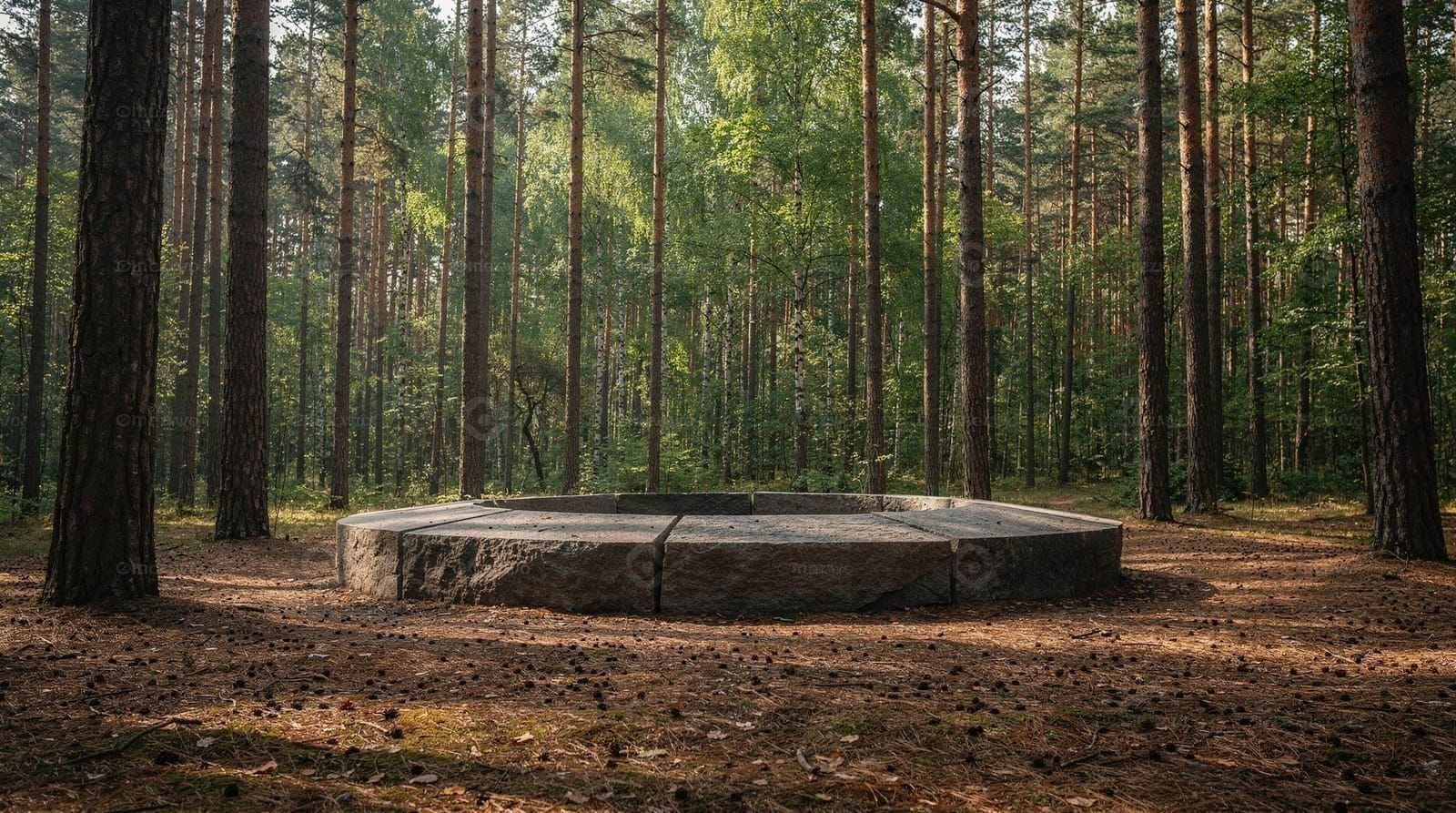
Any serious engagement with Vilnius’s dark history should also include Paneriai, the forest site 10 km from the city centre where approximately 100,000 people — primarily Jews — were murdered between 1941 and 1944. Paneriai is accessible by suburban train (15 minutes, €1.50) and has an on-site museum. The Paneriai memorial guide covers the logistics.
A number of tour operators combine KGB Museum with Paneriai in a half-day itinerary. This is emotionally demanding but historically coherent — the two sites represent the two occupations and their distinct atrocities. Ask your operator about combined itineraries if you want both in one day.
How this fits a Vilnius itinerary
For a 2-day Vilnius visit, the KGB Museum fits on day two alongside the Vilnius Old Town. For a 3-day Vilnius and Trakai itinerary, allocate a separate half-day for dark history. For a 5-day trip or longer, you have time to do the KGB Museum, the bunker tour, and Paneriai separately.
What the museum actually contains
The Museum of Occupations and Freedom Fights is organised across two levels. The upper floors cover the documentary history of Soviet occupation: the deportations in waves (1941, 1944–1953), the armed resistance (the Forest Brothers fought a guerrilla war until the early 1950s), the dissident movement, and the path to independence in 1990. The exhibits include KGB files on individual surveillance operations, deportee personal effects, and photographs of the Siberian camps.
The basement is the prison block. It is preserved close to its original condition: isolation cells (some padded), cells where prisoners were kept in standing water, the caged exercise area, and the execution room — a small chamber where the method was a single pistol shot to the back of the skull, with a drain in the floor. This is not heritage interpretation at a safe remove; it is the actual space where these things happened, maintained within living memory.
A good guide makes the connection between the documentary history upstairs and the physical reality downstairs. Without that connection, the two sections can feel separate; with it, the museum becomes a coherent account of what occupation means at a personal level.
The 1991 context: why the building was not demolished
Unusually, Lithuania did not demolish its KGB headquarters when the Soviets left. The building was converted into a museum almost immediately after independence, which is why the prison block is intact. This decision — to preserve rather than demolish — was deliberate and reflects the same impulse behind rebuilding the Hill of Crosses: the refusal to allow Soviet destruction of evidence to be completed by Lithuanian demolition of the remaining space.
The building on Gedimino Prospektas sits at the heart of independent Lithuania’s institutional geography: the Seimas (parliament) is three minutes’ walk away. This is not accidental.
Honest notes
Photography: Photography is allowed in most of the museum, but not in the execution chamber. Follow the specific rules — they exist for good reasons.
Emotional weight: Guides who have worked this material for years can seem detached. That is a professional coping mechanism, not indifference. The subject matter is extreme — adjust your expectations accordingly. This is not a “fun” tour.
Best time to visit: The museum is less crowded on weekday mornings. Avoid school group visit days (typically Tuesday and Wednesday mornings) if crowd sensitivity matters to you.
The Forest Brothers: the armed resistance you may not have heard of
One of the least internationally known chapters of the Soviet occupation of Lithuania is the armed partisan resistance. The Forest Brothers (Miško Broliai) were Lithuanian partisan units who refused to accept Soviet power after 1944 and fought a guerrilla war from the forests. At peak strength around 1945–1948, there were estimated to be 30,000 to 50,000 fighters across the three Baltic states.
The Lithuanian resistance was the longest in Soviet Europe: the last acknowledged Forest Brother, Stasys Guiga, only turned himself in to authorities in 1983, nearly 40 years after the war ended. The movement was eventually suppressed through mass deportations of the civilian population it depended on for support, combined with infiltration of KGB informers into the partisan networks.
The KGB Museum documents the partisan resistance extensively — it is not primarily about KGB methods of interrogation (though it covers that too), but about the broader story of Lithuanian resistance across the Soviet period. The walking tour of Soviet Vilnius tends to cover the urban side: the organisation of daily life, the secret police networks, the surveillance apparatus. Combining both gives a fuller picture.
If this subject interests you, the Soviet history of Vilnius guide covers the key dates, figures, and sites.
The Singing Revolution: how Lithuania regained independence
The context for the KGB Museum is the eventual end of Soviet occupation — and the Lithuanian path to independence was as significant as the occupation itself. The “Singing Revolution” (a term applied to all three Baltic states) reached its most dramatic expression in Lithuania on 23 August 1989, when two million people formed a human chain — the “Baltic Way” — stretching 675 km from Vilnius through Riga to Tallinn. The date was the 50th anniversary of the Molotov-Ribbentrop Pact that had delivered the Baltic states to Soviet occupation in 1940.
Lithuania declared independence on 11 March 1990 — the first Soviet republic to do so. The Soviet response came on 13 January 1991, when Soviet special forces (the OMON) and paratroopers moved to seize key buildings in Vilnius, including the TV Tower. Unarmed civilians surrounded the tower; fourteen people were killed when Soviet vehicles pushed through the crowd. The event was broadcast live and became the moment that made Soviet repression impossible to deny internationally.
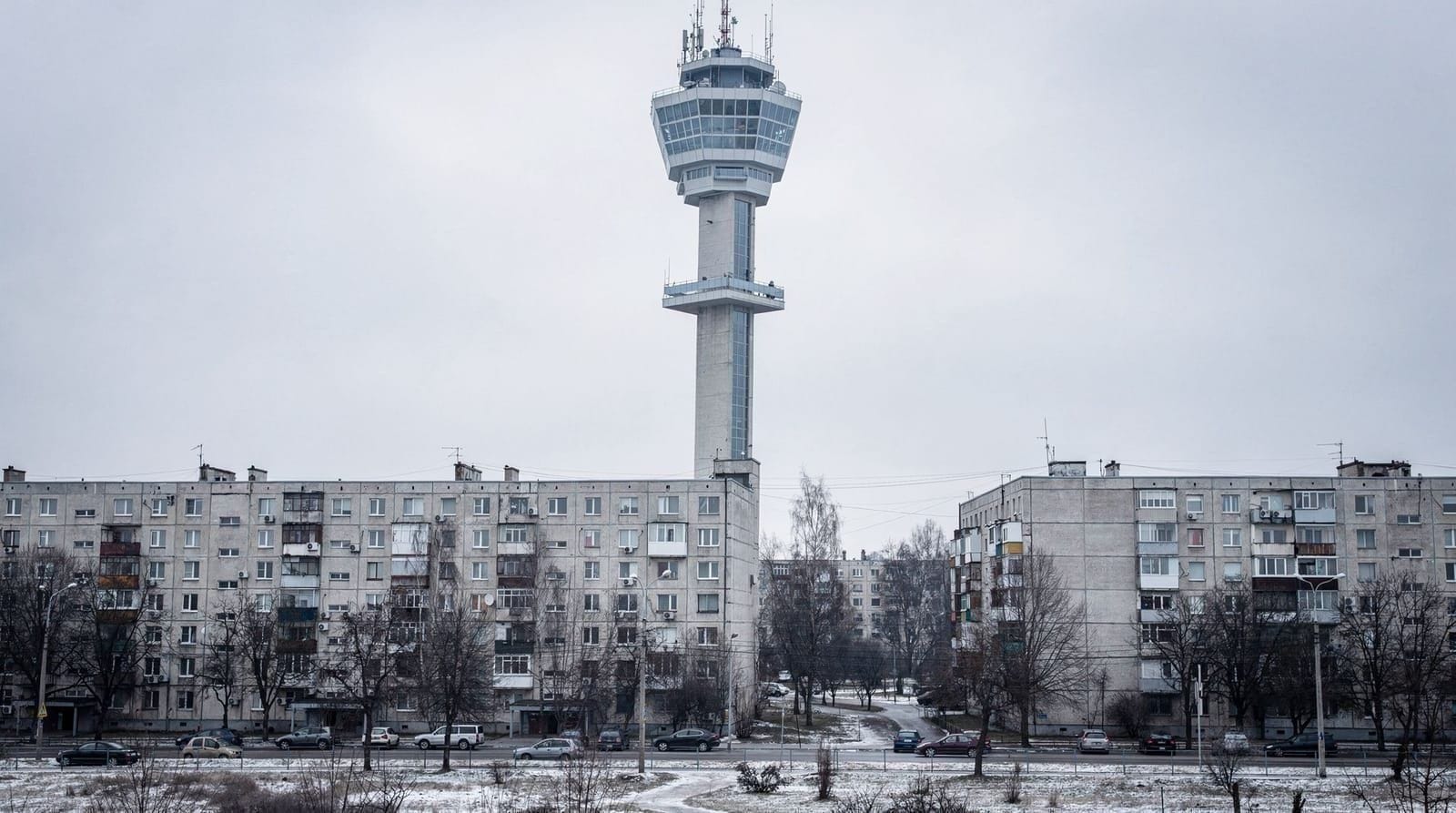
The TV Tower (Laisvės pr. 60) is a 326-metre structure about 4 km from the Old Town — a short taxi ride from the city centre. The observation deck is open daily (entry around €7), and the first floor memorial documents the January 1991 events with photographs and names of the fourteen killed. It is a significant site that most standard city tours do not include; worth adding to your dark history day independently.
The Soviet history guide covers the independence movement in detail including the Sąjūdis movement that led the political process.
Format comparison at a glance
| KGB Museum & occupations | KGB & atomic bunker | Soviet walking tour | |
|---|---|---|---|
| Duration | 2–2.5 h | 3.5–4 h | 2.5–3 h |
| Approx. price | Entry included, ~€8–€10 standalone | €40–€60/person | Varies, no museum entry |
| Focus | Prison, deportations, resistance | Museum plus Cold War bunker | Cityscape, monuments, street history |
| Best for | First-timers | Repeat dark-tourism visitors | Urban history over prison cells |
Combining with the Old Town and Jewish heritage circuits
The KGB Museum sits close enough to Cathedral Square that it slots naturally into a day that also includes the Old Town walking tour — walk in the morning, museum in the early afternoon when it is quieter. If you are building a full dark-history day, the Jewish heritage tour covers a historically distinct but geographically overlapping story; most visitors find one dark-history activity per day is the right pace, since both subjects carry real emotional weight and blending them can flatten the impact of each.
What to bring and practical logistics
Wear comfortable shoes — the museum involves stairs down to the basement prison and some uneven flooring. The building is not fully climate-controlled in the basement level, so a light layer helps even in summer. Photography rules are stricter in the execution chamber than elsewhere; follow the posted signage rather than assuming blanket permission. If you are combining with the bunker tour, note that the two sites are not adjacent — factor in transfer time, which the guided combination tour handles for you but an independent visit would not.
Group sizes on the standard occupations tour tend to run 8 to 15 people, which is small enough that the guide can still take questions, but large enough that you should arrive a few minutes early to get a good position near the front for the basement sections, where acoustics are poor and crowding is common on busy days.
Frequently asked questions about Vilnius Soviet and KGB tours
Is the museum open every day?
The Museum of Occupations and Freedom Fights is closed on Mondays. Tuesday–Sunday 10:00–18:00 (last entry 17:00). Hours may vary seasonally; verify on the official museum website before booking a tour around a specific day.
Is there a connection between the KGB tours and Jewish heritage tours?
Historically yes — both cover Vilnius under occupation, and the same streets and buildings appear in multiple contexts. But they are thematically distinct enough that most operators run them as separate products. The Jewish heritage tour page covers the WW2 and Jewish Vilnius angle.
Are there self-guided audio tours of Soviet Vilnius?
Yes — the museum offers an audio guide in English (included or available for a small fee). For the broader city, the Vilnius pass and tickets guide notes several audio guide apps that include Soviet-era stops.
What is the difference between the occupations museum and the genocide museum?
They are the same institution — the Museum of Occupations and Freedom Fights is sometimes called the “Genocide Museum” in older guides. The name was changed in 2018 to more accurately reflect that both Soviet and Nazi occupations are documented. The genocide reference was originally used for the Soviet deportations specifically.
Can I visit Paneriai on the same day as the KGB Museum?
Yes. The train from Vilnius station to Paneriai takes 15 minutes. A morning at the KGB Museum followed by an afternoon at Paneriai is manageable but heavy. Consider spreading it across two days if you have time. See the Paneriai memorial guide for practical details.
What background should I have before visiting?
The Soviet history of Vilnius guide is the recommended preparation. It covers the two Soviet occupations, the deportation waves, the resistance, and the 1991 independence events around the TV tower (another significant site, not covered in this tour but worth visiting independently).