Paneriai memorial — visiting Lithuania's Holocaust site
Vilnius: Trakai castle paneriai memorial tour
Duration: 5-6 hours
What is the Paneriai Memorial and who was killed there?
Paneriai (Ponary in Polish, Ponar in Yiddish) is a forested site 10 km southwest of Vilnius where approximately 70,000–100,000 people — the great majority of them Jews from Vilnius — were shot by German Einsatzgruppen units with Lithuanian auxiliary collaborators between July 1941 and July 1944. It is Lithuania's largest Holocaust killing site and one of the earliest mass killing operations of the Holocaust.
Paneriai is a forest ten kilometres southwest of Vilnius. In this forest, in 1941, a process began that would result in the near-total annihilation of one of the oldest and most culturally significant Jewish communities in the world.
Between July 1941 and July 1944, approximately 70,000–100,000 people were shot at Paneriai — the majority of them Jews from Vilnius and surrounding towns, but also Soviet prisoners of war, Lithuanian political prisoners, and Polish civilians. The killings at Paneriai began less than two weeks after the German forces entered Vilnius, making this one of the earliest mass killing operations of the Holocaust.
Visiting Paneriai is not an easy decision. It is, however, an important one — for understanding what happened to Jewish Vilna, for honouring those who were killed here, and for confronting honestly what totalitarian racial ideology looks like when it reaches its logical conclusion.
| Where | Paneriai forest, 10 km southwest of Vilnius |
| Cost | Free |
| Time needed | 1–1.5 hours |
| Getting there | Train from Vilnius Central Station, ~15 min, then a 15-min walk |
| Combine with | Trakai Castle on a guided tour |
What happened at Paneriai
The Soviet NKVD had built large circular storage pits in the Paneriai forest in 1940–1941, intended for fuel reserves. When the German Army and Einsatzgruppe B (the mobile killing unit assigned to Belarus and Lithuania) arrived in Vilnius on June 24, 1941, these pits were identified as ideal mass graves.
The first large-scale killings began on July 11, 1941. Initial victims were primarily Jewish men of working age, registered under the pretext of labour assignments. By late August 1941, entire families were being killed — women, children, the elderly.
The killing process operated as follows: victims were taken from the Vilnius ghetto or from surrounding towns by truck to the Paneriai forest. They were ordered to undress and surrender valuables. They were then taken in groups to the edge of the pits and shot. Local auxiliary police battalions (Lithuanian collaborators) participated alongside German Einsatzgruppen personnel in the killings, a fact documented extensively in post-war trials and historical research.
The scale and speed were unprecedented. By the end of 1941, approximately 33,500 Jews had been killed at Paneriai — the majority of the Vilnius Jewish community — within six months of the German occupation beginning.
Killing continued throughout 1942, 1943, and into 1944. By the time Soviet forces returned in July 1944, approximately 70,000–100,000 people had been killed here. The figure remains uncertain because the Germans attempted to destroy evidence.
Operation 1005 (Sonderkommando 1005): In 1943–1944, as the German military position deteriorated, SS units forced Jewish prisoners to exhume and burn the bodies to destroy evidence of the mass killings. These prisoner-workers, called the “burning brigade” (Degimo brigada in Lithuanian), numbered approximately 80 people. On April 15, 1944, they dug an escape tunnel and 40 of them attempted to break out — 12 survived. The testimonies of these survivors are among the most important documents of the Holocaust in Lithuania. The escape tunnel is preserved at the memorial site.
The memorial site today
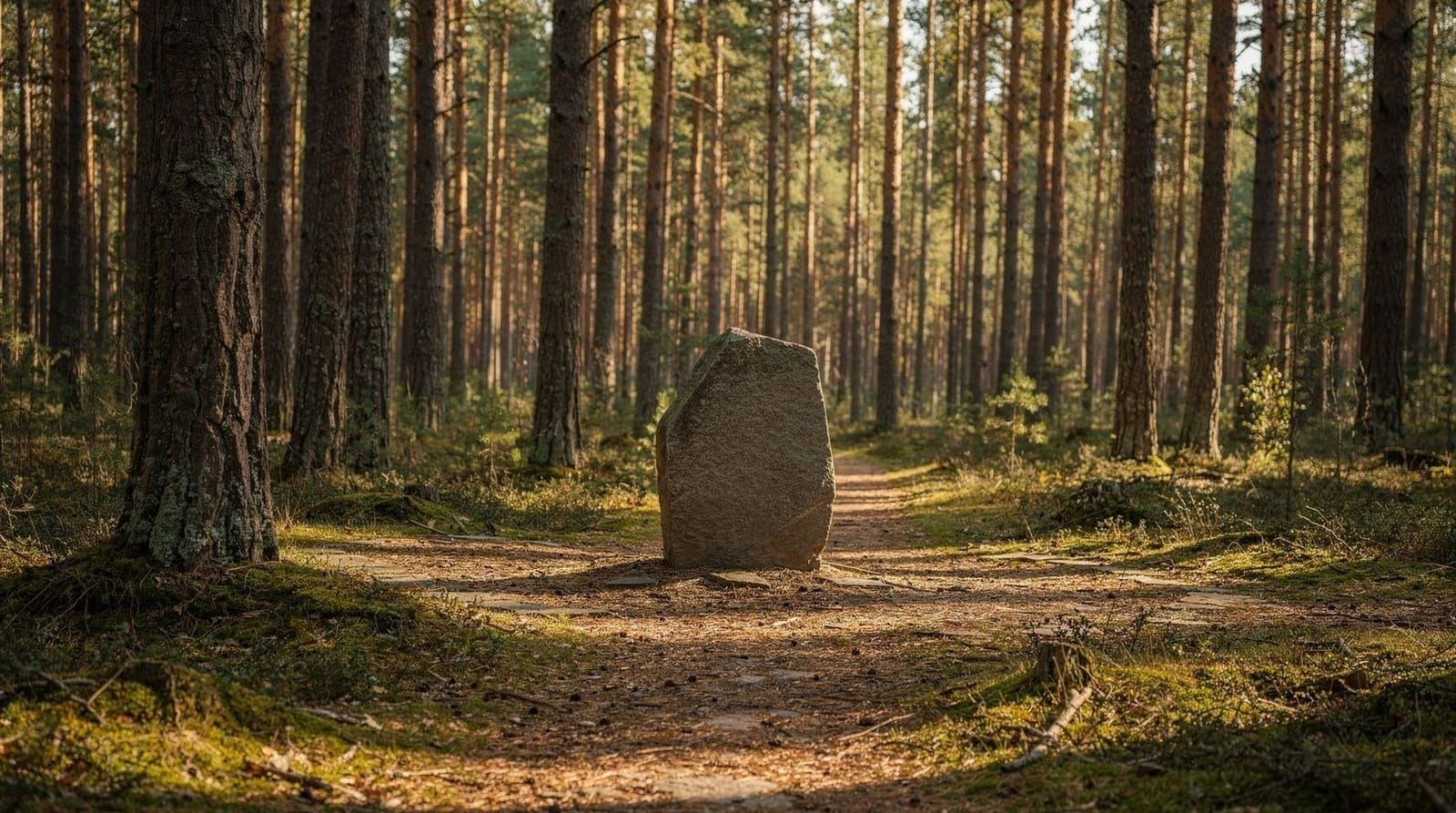
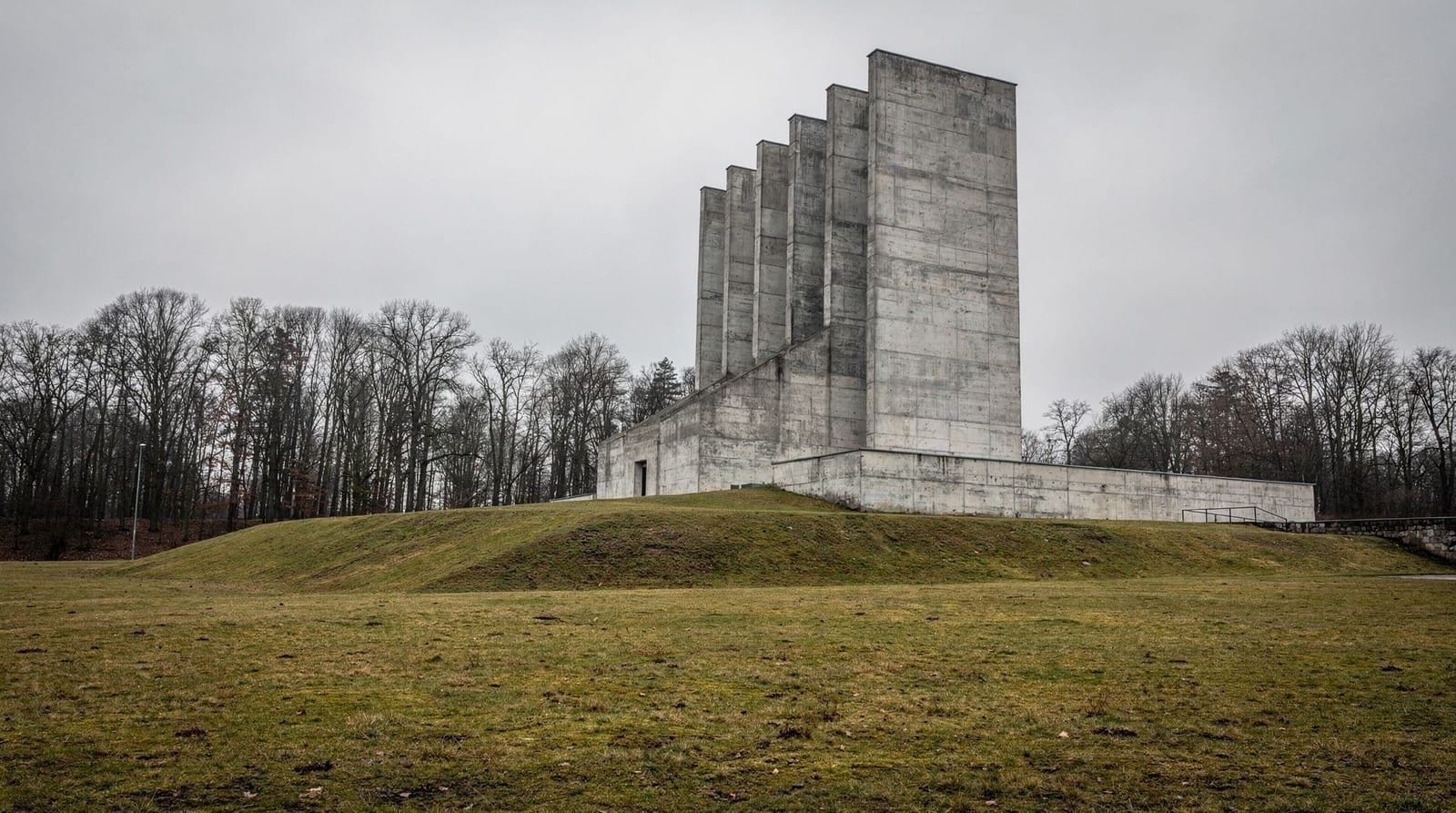
The Paneriai Memorial (Paneriai memorialinis muziejus) is set within the pine forest, along a path from the road entrance. The site is maintained by the Vilna Gaon State Jewish Museum.
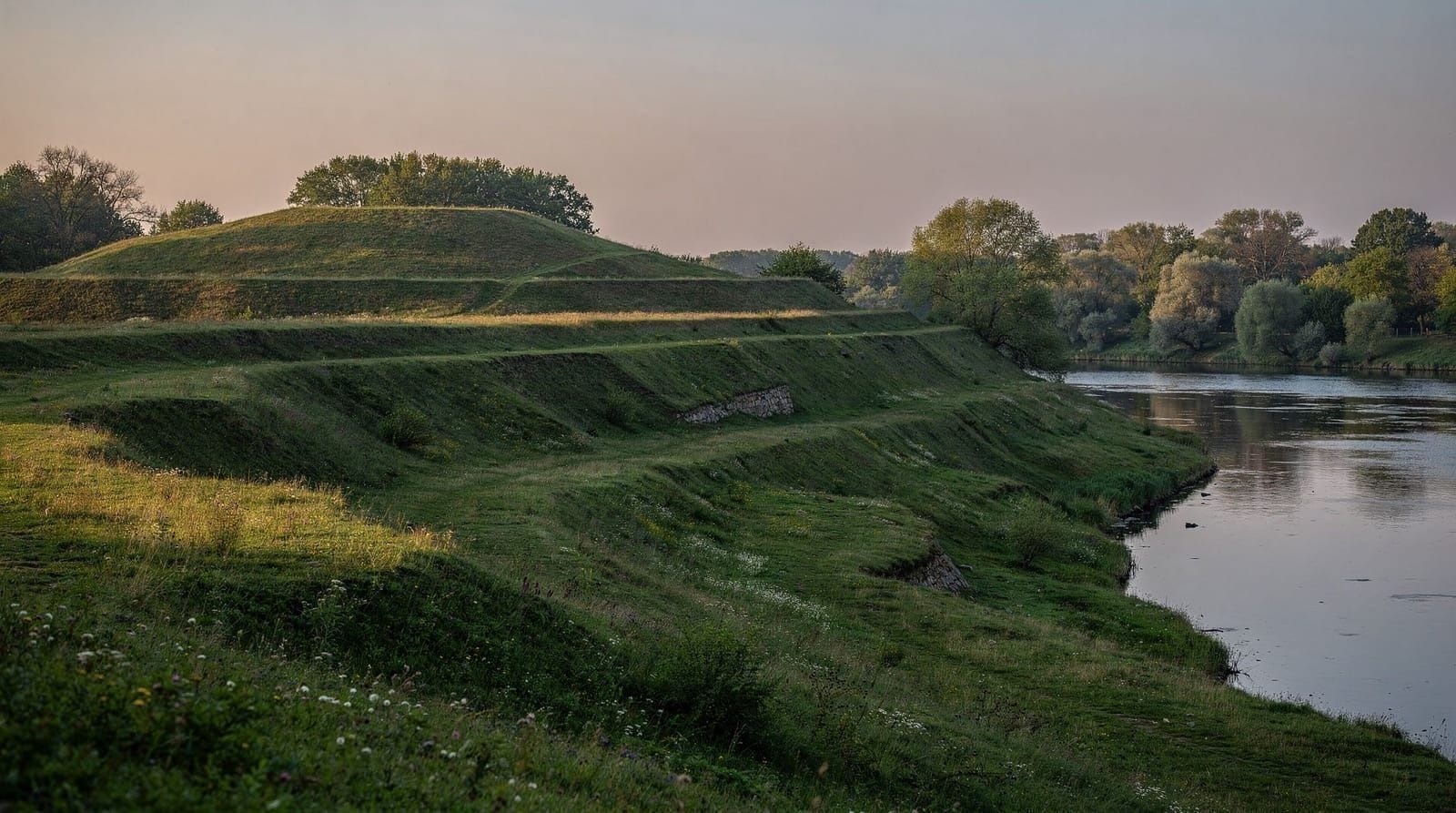
The pits: The memorial encompasses 11 identified mass graves — circular depressions in the ground where the fuel storage pits were located and subsequently used as killing sites. The pits are delineated by low fencing and marked with memorial stones. Standing at their edge and understanding what lies beneath is the central physical and moral experience of the visit.
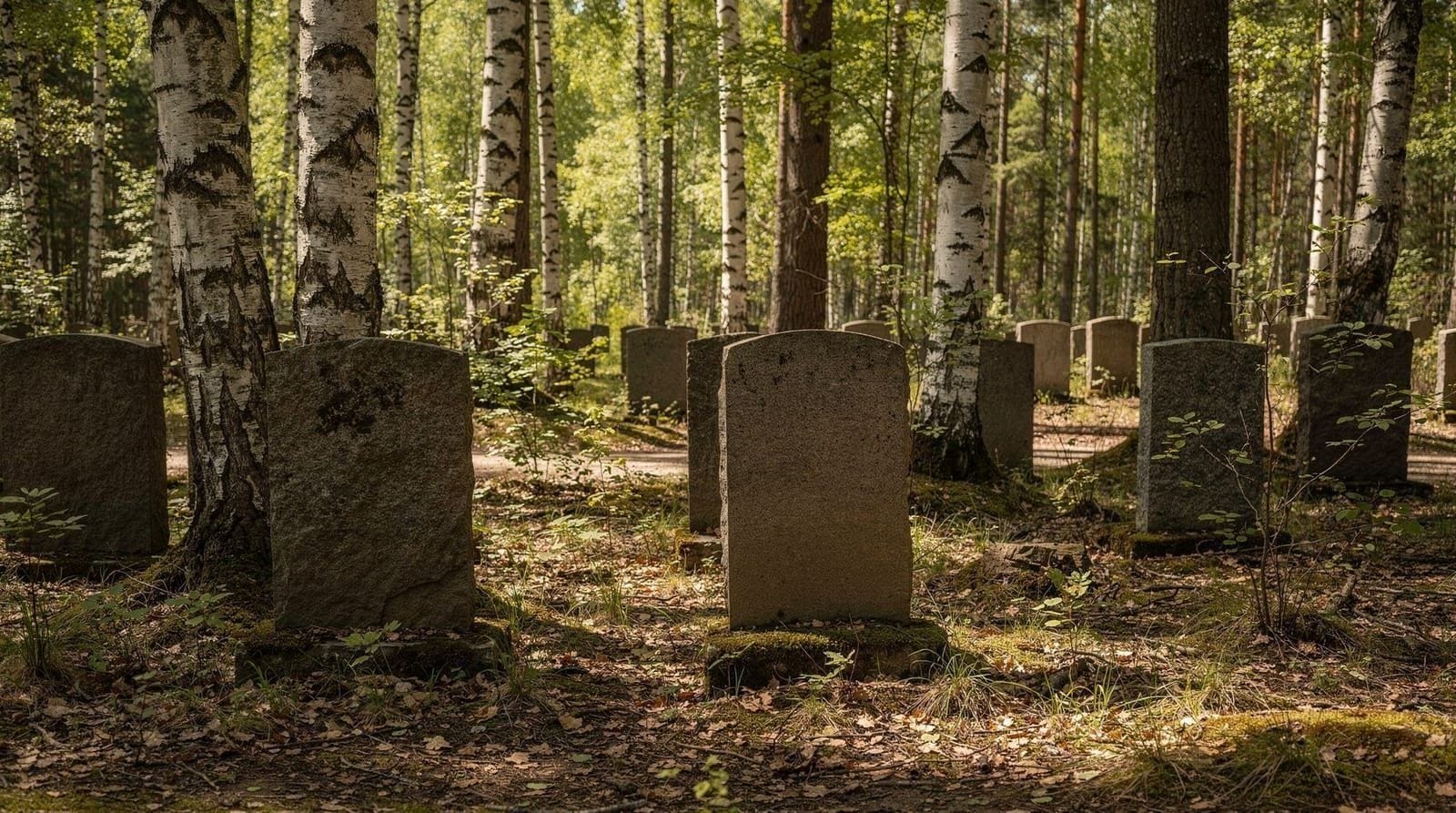
Memorials: The site has memorials in three languages reflecting three of the groups killed: Lithuanian, Russian, and Yiddish/Hebrew. The Yiddish and Hebrew memorial was erected by the survivors’ community after the war. The 1960 Soviet-era memorial uses the language of “Soviet citizens” without specifically mentioning Jews — a form of historical erasure that has been partially corrected by post-independence additions, though the older plaques remain.
The museum: The small museum building at the entrance to the path contains photographs, documents, personal objects recovered from the pits during archaeological work, and a chronological account of the killings. Text is in Lithuanian, Russian, and English. The personal objects — shoes, glasses, identity documents — are displayed with care.
The escape tunnel: A short path leads to the location of the escape tunnel dug by the burning brigade prisoners in spring 1944. A monument marks it.
How to visit respectfully
Paneriai is not a tourist attraction in the usual sense. It is a cemetery and crime scene of enormous historical scale. The following guidance applies:
Dress: Modest and respectful. There is no formal dress code but beach or festival clothing is inappropriate.
Photography: The physical site may be photographed. Photographs of the pits, memorials, and museum exhibits are appropriate for documentary and commemorative purposes. Photography in a casual or performative manner is not appropriate. If in doubt, put the camera away and simply stand and witness.
Silence: The memorial is not a place for loud conversation, phone calls, or picnicking. The surrounding forest is quiet; the atmosphere of the site is one of stillness.
Children: The museum is not appropriate for young children. The site itself — with careful explanation — may be visited with older children and teenagers who have been prepared for what they will encounter.
Time of year: The forest is accessible year-round. Spring and autumn are visually quiet and appropriate. Summer brings more visitors. The site is never crowded by museum standards, but even small numbers of visitors are a presence at a site of this nature.
Getting there
By train: From Vilnius Central Station (Geležinkelio stotis), trains to Trakai and Kaunas stop at Paneriai Station (Paneriai stotis). Journey time 12–15 minutes. Departures roughly every 30–60 minutes; check timetables at ltglink.lt. From Paneriai Station, walk north on the main road for approximately 1 km (15 minutes) following memorial signs. The path is unpaved in sections.
By car or taxi: From central Vilnius, 15–20 minutes by car. Bolt fare approximately €7–12. Street parking at the memorial entrance. See getting around Vilnius for the wider transport picture, including how the train network connects the Old Town to sites like this one just outside the city.
By guided tour: Several operators run tours combining Paneriai with Trakai Castle, providing contextual explanation and transport. This is the most efficient option for visitors without their own transport.
A Trakai and Paneriai tour combines the memorial visit with Trakai Castle — two historically and geographically close sites that represent very different aspects of Lithuanian history. The guided format ensures appropriate historical framing for both sites.
A full-day guided tour including Paneriai covers the memorial, Trakai, and Rumšiškės open-air museum — a thoughtful combination for visitors wanting to understand Lithuanian history across different periods.
Understanding Paneriai alongside Vilnius’s other history sites
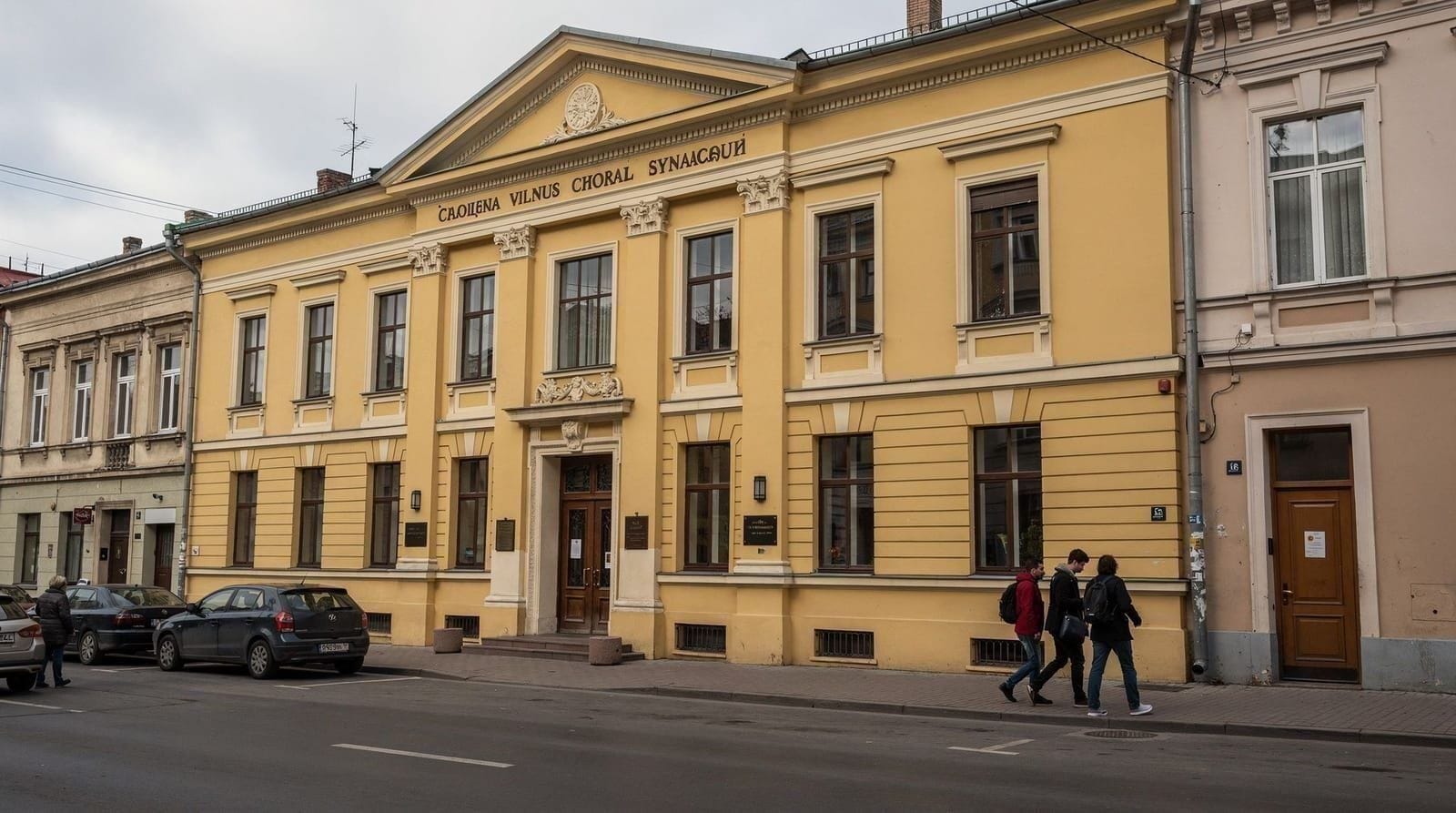
Paneriai makes the most sense as part of a wider engagement with 20th-century Lithuanian history rather than a single isolated visit. The Jewish Vilnius and Vilna Gaon guide covers the pre-war community, the ghetto, and the Old Town sites connected to Vilnius’s Jewish history — reading it before visiting Paneriai gives the killings here their full human context, since the numbers and dates otherwise remain abstract.
For the Soviet side of 20th-century repression, the KGB Museum in central Vilnius and the Soviet history of Vilnius guide cover a different but related history — political imprisonment and deportation rather than the Holocaust specifically. Together, these sites give a fuller and more honest picture of what Lithuania experienced across both occupations than any single site can.
Outside Vilnius, the Ninth Fort in Kaunas is the closest parallel — another forest execution site with a larger, more extensively documented museum, worth visiting if your trip includes Kaunas.
The broader context: Lithuania and the Holocaust
Lithuania had one of the highest Jewish murder rates of any country in Nazi-occupied Europe — approximately 95–96% of the pre-war Jewish population was killed. This figure is not solely the result of German Einsatzgruppen action: substantial participation by Lithuanian auxiliary police battalions and individual collaborators has been documented in historical research, judicial proceedings, and — more recently — official Lithuanian government acknowledgment.
The question of Lithuanian complicity in the Holocaust was suppressed during the Soviet period (which preferred to describe all victims as “Soviet citizens” and focused on German perpetrators exclusively). Since independence in 1990, Lithuania has engaged, unevenly and sometimes reluctantly, with this history. The Vilna Gaon Museum’s Green House documentation, the Paneriai memorial’s multilingual texts, and the academic research of the International Commission for the Evaluation of the Crimes of the Nazi and Soviet Occupation Regimes in Lithuania represent serious efforts at historical accounting.
The complexity of the Lithuanian role — including acts of Jewish rescue by individual Lithuanians (documented at Yad Vashem) alongside the mass participation in killing — is part of the honest history of this site.
Frequently asked questions about the Paneriai Memorial
How many Jews from Vilnius survived the Holocaust?
Estimates vary but the consensus is approximately 6,000–7,000 Jews from the Vilna region survived the war — out of a pre-war population of approximately 100,000 in Vilna and its immediate surroundings. Most survivors escaped through the forests to join partisan units, or were in Soviet territory at the time of the invasion, or survived in hiding with non-Jewish families.
Can you visit Paneriai without a guide?
Yes — the site is open to independent visitors. However, without a guide or extensive prior reading, the significance of specific locations within the site may not be clear. The museum provides essential context. A guided visit is strongly recommended for first-time visitors.
Is Paneriai included in organised tours from Vilnius?
Yes. Several Jewish heritage tours and historical day trips from Vilnius include Paneriai. These typically combine it with other sites (Trakai, the Old Town, the KGB Museum). Pre-booking is advisable in summer.
Are there services held at Paneriai?
Yes. Annual commemorative services are held at Paneriai in September (Rosh Hashanah and Yom Kippur period), organised by the Jewish Community of Lithuania and attended by Lithuanian government representatives, diplomatic corps, and survivors’ families. The Lithuanian state holds an annual commemoration on September 23 (Yom Kippur 1943, the date of the last mass killing). Visitors are welcome at these services.
How does Paneriai relate to the Vilnius ghetto in the Old Town?
Directly — most of those killed at Paneriai were taken from the Vilnius ghetto, established in the Old Town in September 1941. The ghetto sites (documented in the Jewish Vilnius and Vilna Gaon guide) and Paneriai are two ends of the same historical process — deportation from the city, execution in the forest. Visiting both gives a much fuller picture than either alone.
Should I visit Paneriai on my first trip to Vilnius, or save it for a return visit?
There’s no wrong answer, but many visitors find it more meaningful to see the Old Town and the former ghetto sites first, then visit Paneriai with that context fresh — rather than the reverse order. If your first trip is very short, it’s reasonable to prioritise the city itself and save Paneriai for a longer future visit; it will still be there.
Top experiences
Bookable activities with verified prices and instant confirmation on GetYourGuide.