Vilnius coffee scene — the best cafés and specialty roasters
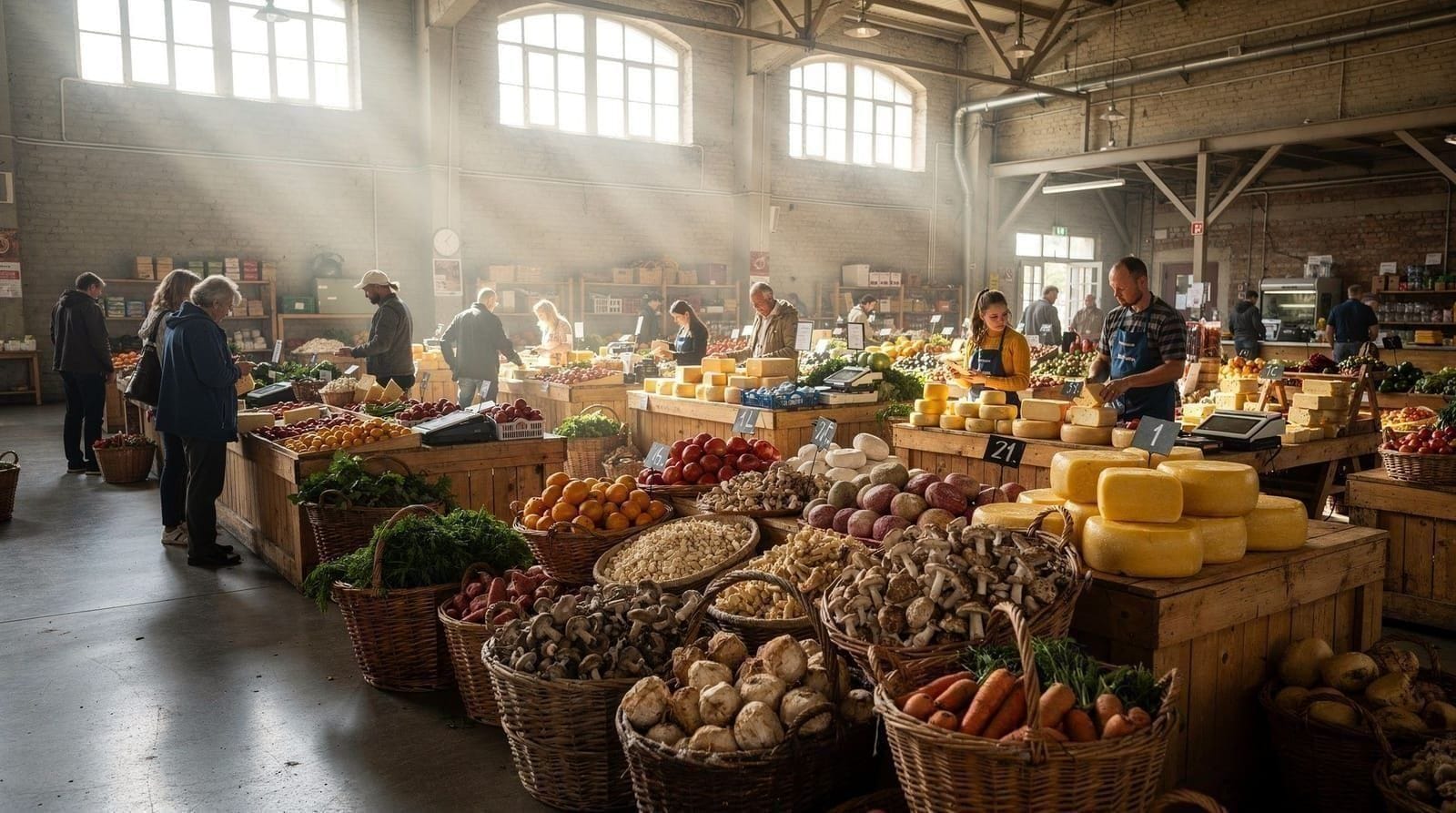
Vilnius: Flavors 3 hour food tasting tour
Duration: 3 hours
Is the coffee scene good in Vilnius?
Better than you probably expect. Vilnius has a mature specialty coffee culture with multiple third-wave roasters, strong latte art standards, excellent pastries, and prices well below Western Europe — a flat white typically costs €2.50–3.50. The scene punches above its weight compared to Warsaw or even Berlin for value, and neighbourhood cafés in Užupis and Naujamiestis have a genuinely local atmosphere with little tourist overlay.
Vilnius is not the first city that comes to mind when someone mentions European coffee culture. That is a mistake worth correcting before you arrive. The Lithuanian capital has spent the last decade quietly building a specialty coffee scene that rivals cities three or four times its size — rigorous in its sourcing, skilled in its extraction, and priced at a level that makes a morning flat white feel genuinely affordable rather than a minor financial event.
| Where | Best clusters in Naujamiestis, Užupis, and the Old Town side streets |
| Cost | Around €2.50–3.50 for a flat white at a specialty café |
| Time needed | A single stop takes 20–30 minutes; a café crawl fills a morning |
| Getting there | Walkable from anywhere in central Vilnius |
| Best time | Weekday mornings before 9 am for the best seats at popular spots |
A flat white costs €2.50–3.50 at a good specialty café. For comparison: the same drink in London runs £4.50–5.50, in Paris €4–5, in Stockholm around SEK 60–70 (roughly €5.50). Vilnius quality at Vilnius prices is one of the quiet pleasures of visiting the city.
This guide covers the best cafés by neighbourhood, where to work remotely, what pastries to order alongside your coffee, where to buy beans, and how the scene has evolved over the past decade into something genuinely worth paying attention to.
The cafés that define Vilnius specialty coffee
Crooked Nose & Coffee Stories
The name is distinctive; the coffee lives up to it. Crooked Nose & Coffee Stories began as a single-origin roaster and has expanded to several café locations across the city without sacrificing quality. Their roasts are clean and well-documented — beans sourced from Ethiopia, Colombia, Rwanda, and Kenya with clear origin notes and honest tasting descriptions. The baristas know their equipment and can talk through the current filter options without sounding like they’re reciting a manual.
The main location on Pilies gatvė sits at the edge of the Old Town, which makes it convenient but also means it catches tourist foot traffic. The branch on Islandijos gatvė (near the National Gallery of Art, Naujamiestis) is quieter, more local in clientele, and has better seating for longer stays. For remote working, the Islandijos gatvė location is the better choice.
Beans are available to buy in 250g bags, roasted weekly. These make an excellent and genuinely useful souvenir — far more interesting than linen tea towels from the Old Town souvenir market.
Espresso: €1.80. Flat white: €3. Filter coffee: €2.80–3.20.
Brew Lab
Brew Lab occupies a minimalist space on Gedimino prospektas, the main commercial boulevard, and operates at the more austere end of third-wave coffee culture — clean lines, bare concrete, precision-weighed doses, no background music loud enough to interfere with pour-over timing. The aesthetic is intentional and consistent: this is a café that takes extraction seriously and isn’t embarrassed about it.
The filter coffee programme rotates regularly, usually featuring one or two single-origin beans available as V60 or AeroPress. Espresso-based drinks are excellent. The croissants are better than average. The wifi is fast and the seating, while limited, is genuinely laptop-friendly with power sockets at most tables.
Brew Lab is popular with Vilnius’s professional class and with digital nomads who’ve done their research. On weekday mornings it fills early; arrive before 9am for a comfortable seat.
Flat white: €3–3.50. V60: €3.50–4.
Uku Cafe
Uku sits in a small courtyard off Stiklių gatvė in the Old Town — easy to miss if you’re not looking for the low wooden sign. The space is intimate, perhaps fifteen seats, with exposed brick and mismatched furniture that feels accumulated rather than designed. The coffee is serious: rotating single-origin espresso, good milk steaming, honest barista recommendations based on what’s tasting best that day.
Uku also stocks a rotating selection of beans from Lithuanian and Baltic roasters — a useful stop if you want to explore the broader regional scene beyond Crooked Nose. The cakes, sourced locally, change with the season: in autumn expect pumpkin and walnut; in winter, something involving poppy seeds and honey.
It’s a slightly hidden gem in a neighbourhood where hidden gems are increasingly hard to find. Worth going out of your way.
Espresso: €1.70. Flat white: €2.80.
Burbuliukai
The name means “bubbles” and the aesthetic is unambiguously retro — tiled floors, vinyl records behind the counter, furniture that sits somewhere between mid-century revival and genuine 1970s survival. Burbuliukai is beloved for its cardamom buns, which are made in-house and are among the best pastries in the city: properly spiced, sticky without being heavy, the kind of baked good that justifies planning your morning around.
The coffee is solid rather than exceptional — well-pulled espresso, good milk textures, no pour-over programme — but the atmosphere and the buns make it a destination in its own right. It attracts a young, creative Vilnius crowd: art students, musicians, graphic designers. The background music is curated and changes by the hour.
Located in Naujamiestis, within easy walking distance of the Contemporary Art Centre and the Vilnius Street Food Market.
Flat white: €2.50. Cardamom bun: €2.
Coffee Inn
Coffee Inn is Vilnius’s homegrown café chain — thirty-plus locations across Lithuania, with several in central Vilnius. It occupies the space between specialty and commercial: better than Starbucks, less technically rigorous than Crooked Nose or Brew Lab, consistent and reliable. Prices are lower: a flat white runs €2–2.50, making it the budget-conscious option for multiple coffees per day.
The food programme is stronger than you’d expect from a chain — pastries made fresh daily, decent sandwiches, a rotating soup option at lunchtime. Coffee Inn is particularly useful near train and bus stations (there’s a branch at the central bus station on Sodų gatvė) and for early morning before other specialty cafés open at 8 or 9am.
For visitors on a tight budget, Coffee Inn as a daily driver and one or two specialty café visits for the experience is a sensible approach. See our Vilnius on a budget guide for more ways to keep costs manageable.
Flat white: €2–2.50. Croissant: €1.80.
Kavos klipas
“Coffee clip” — the name is a small pun on the Lithuanian word klipas (clip, as in a video clip, but also the idea of a quick cut). Kavos klipas is tucked into a side street in Naujamiestis and functions as one of the best remote working cafés in the city: large tables, reliable wifi, a relaxed attitude to long stays, and coffee that’s a half-step below the top specialty tier but well above average.
The crowd is predominantly local — young professionals, freelancers, the odd visiting academic. The kitchen does proper lunch: open-faced sandwiches, soups, a daily hot dish. It operates on the model of a café that happens to also serve meals, rather than a restaurant that also makes coffee.
Lunch main: €7–10. Flat white: €2.80.
Neighbourhood breakdown
Old Town (Senamiestis)
The Old Town has the highest density of cafés but also the highest tourist markup. The best options — Uku Cafe, the Pilies gatvė branch of Crooked Nose — are excellent; the worst are tourist traps with lukewarm espresso and prices inflated to match the cobblestone surroundings. The visual rule of thumb: if the café has outdoor seating directly facing a major sight, walk past it. The good cafés are on side streets, in courtyards, or slightly off the main pedestrian axis.
The Vilnius Old Town guide covers the neighbourhood’s geography in more detail — understanding the layout helps you locate the smaller, quieter streets where the better cafés tend to cluster.
Užupis
The bohemian quarter across the Vilnia River has a coffee culture that matches its artistic identity: independent, slightly unconventional, and operating at a pace no one is in a rush to accelerate. The cafés here tend to have more individual character than elsewhere in the city — mismatched furniture, art on the walls that is actually for sale, baristas who are also painters or musicians.
Café de Paris (Užupio gatvė 1) is technically more of a bistro than a specialty coffee destination, but it’s the neighbourhood’s social hub and worth visiting for atmosphere. For better coffee while staying in the Užupis spirit, look for smaller unnamed or minimally signposted spots along Paupio gatvė and Užupio gatvė — the area rewards wandering. More on the neighbourhood in our Užupis Republic guide.
Naujamiestis
This is where the Vilnius coffee scene is most interesting for visitors who want to see the city as residents experience it rather than as a tourist destination. Naujamiestis (the “New Town,” though new is relative — most of it dates to the late 19th and early 20th centuries) is the neighbourhood of Vilnius’s professional and creative class.
Brew Lab, Kavos klipas, and the Islandijos gatvė branch of Crooked Nose are all here. The neighbourhood’s café culture is oriented around work and sociability in equal measure: morning coffee while reading, lunch meetings, afternoon focus sessions on laptops. The cafés are less likely to be visited by tourist groups; the baristas are more likely to speak English as a genuine second language rather than a professional necessity.
The Contemporary Art Centre (CAC) on Vokiečių gatvė has a decent café inside — good for a coffee after exploring the permanent and temporary collections.
Remote working and digital nomad coffee culture
Vilnius has become a low-key destination for digital nomads, particularly from Western Europe seeking lower costs without sacrificing urban infrastructure. The coffee scene has responded: multiple cafés now offer de facto co-working environments without formal co-working pricing.
The practical considerations for remote working in Vilnius cafés:
Wifi: Fast and free at virtually all specialty cafés. Lithuania has exceptional broadband infrastructure (among the fastest in Europe per capita), and this extends to café connectivity. Speeds of 50–100 Mbps are common.
Power: Available at most tables in Brew Lab and Kavos klipas; less reliable in Old Town cafés where the building infrastructure is older. Carry a compact power bank as backup for Old Town sessions.
Hours: Most specialty cafés open between 7.30 and 9am (earlier on weekdays) and close between 8 and 10pm. Sunday hours are shorter. Coffee Inn locations open earlier and stay open later.
Etiquette: No one in Vilnius will ask you to leave if you nurse a single coffee for two hours. The culture is relaxed about laptop duration. Buying a second drink or a pastry after an hour is appreciated but rarely expected.
For longer stays of a week or more, the city has formal co-working spaces (Tech Zity, Talent Garden Vilnius) if café environments become limiting. Our Lithuania travel guide covers the broader infrastructure for longer visits.
Lithuanian coffee culture — how it evolved
Lithuania’s relationship with coffee is shaped by Soviet history and post-independence exposure to Western European influence. Under Soviet rule, coffee was rationed and often of poor quality — ersatz blends, chicory-heavy mixtures, imported Cuban robusta when available. The coffee culture was largely domestic: instant coffee served at home rather than a café-going tradition.
Independence in 1990 opened the country to imports and, more slowly, to coffee culture as a social practice. Through the 1990s, a Western European–style café scene began to develop in Vilnius, initially copying Italian espresso bar formats. The real shift came in the mid-2000s, when barista training culture arrived — several Lithuanian baristas competed in European championships and brought third-wave sourcing and extraction techniques home.
By 2010, Vilnius had its first serious specialty roasters. By 2015, the scene was mature enough to sustain rotating single-origin programmes, proper cupping events, and a critical mass of coffee-literate customers. By 2020, the city’s café quality was broadly comparable to Tallinn, Warsaw, and Prague — and in several individual cases, better.
The current scene is characterised by a combination of local pride (Lithuanian roasters labelling their country prominently), strong barista culture, and price discipline that keeps quality accessible. Unlike Berlin or Amsterdam, where specialty coffee has become expensive enough to feel exclusive, Vilnius has maintained a café culture that feels genuinely broad-based.
Seasonal drinks and what to order by season
Lithuanian café culture follows the seasons more than many Western European equivalents.
Spring and summer: Cold brew appears at most specialty cafés from May onwards, typically priced at €3–3.50 for 300ml. Iced lattes are standard. Some cafés offer kombucha or sparkling water infused with coffee — Brew Lab occasionally runs these as specials.
Autumn: Apple and cinnamon flavours appear in October alongside the standard menu. Pumpkin lattes exist (Coffee Inn does one) but the specialty cafés tend to avoid them as a cliché. Filter coffee volumes increase as the temperature drops.
Winter: The glögi (mulled wine) influence sometimes bleeds into café culture — spiced coffee drinks, cardamom-heavy lattes, and drinks made with krupnikas (Lithuanian spiced honey liqueur) appear as seasonal specials. The krupnikas coffee at some specialist spots is genuinely excellent: warming, complex, not overly sweet. See our Lithuanian drinks and spirits guide for more on krupnikas.
What to eat alongside your coffee
Lithuanian café baking has improved substantially over the past decade. The best things to order:
Šakotis: The Lithuanian tree cake — a layered spit-roasted cake with a distinctive spiky appearance. More often found in bakeries than cafés, but some specialty spots stock it. Dense, mildly sweet, pairs well with black coffee.
Aguonų sūkuriai: Poppy seed rolls, spiral-shaped, similar to a cinnamon roll but with a poppy seed and honey filling. Standard at most Lithuanian cafés and almost always worth ordering.
Cinnamon rolls: The Scandinavian influence is clear — Lithuanian cinnamon rolls tend toward the cardamom-spiked Nordic variety rather than the American cream-frosted version. Burbuliukai’s version is the benchmark.
Sourdough toast: Several specialty cafés serve thick-cut sourdough with local toppings — smoked cheese, radish and butter, Lithuanian honey. A proper breakfast rather than a snack.
Šaltibarščiai-influenced pastries: An unlikely category, but a few creative cafés have played with beetroot in their baking — beetroot and walnut cake, beetroot and dark chocolate brownie. Worth trying if you see them.
Where to buy specialty beans
If you want to take good coffee home, Vilnius offers several options:
Crooked Nose & Coffee Stories cafés: Their own roasted beans in 250g bags, clearly labelled with origin, process, and roast date. Prices around €8–12 per bag. The most reliable souvenir coffee option in the city.
Uku Cafe: Stocks rotating bags from multiple Baltic roasters alongside their own blend — good for variety and for discovering roasters outside Vilnius.
Maxima / Rimi supermarkets: The large supermarket chains stock Lithuanian commercial coffee (Davidoff, Julius Meinl licensed products, some local brands) at low prices. Not specialty-grade, but useful if you want to try Lithuanian supermarket coffee culture. Look for Kavos Pasaulis branded products, a solid middle-ground option at around €3–5 per 250g.
Kava ir Ko: A specialist coffee equipment and beans retailer near the Old Town, with a broader range than cafés typically carry. Stock varies; worth checking if you’re serious about equipment or want unusual origins.
Pairing coffee with the Vilnius food and drink scene
Coffee in Vilnius doesn’t exist in isolation from the broader food and drink culture. The best morning coffee run often combines a specialty café stop with a visit to a local bakery for fresh bread — Duonos Namai (Bread House) on Didžioji gatvė sells some of the best sourdough in the city from early morning.
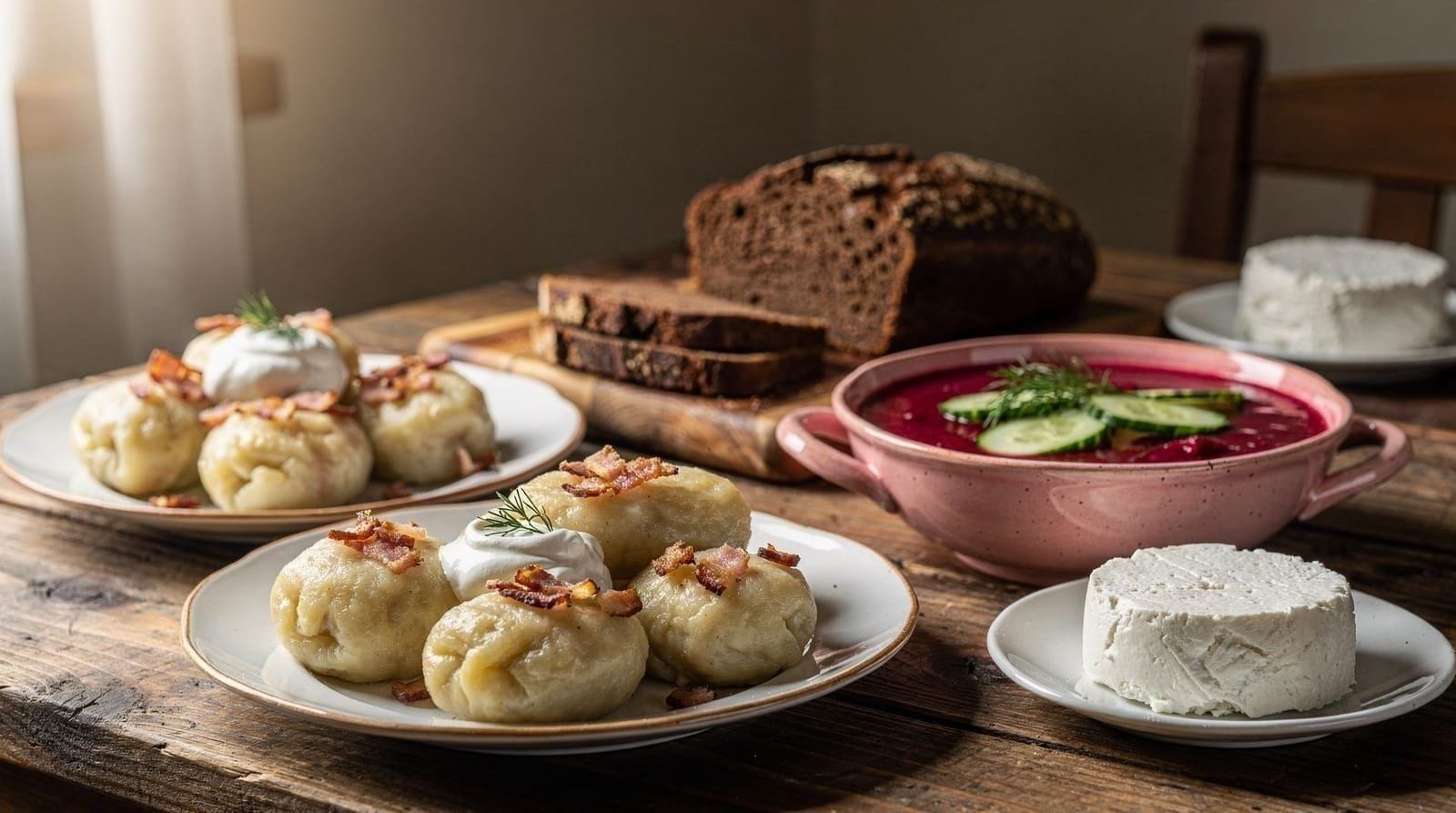
For an extended food experience, the Vilnius food guide covers the full picture — from traditional cepelinai to the contemporary restaurant scene. The food tasting tours that cover the Old Town include coffee stops alongside food:
The Vilnius Flavours food tasting tour covers the Old Town’s food and drink culture over three hours, with coffee among the tastings — a good way to combine neighbourhood orientation with café discovery.
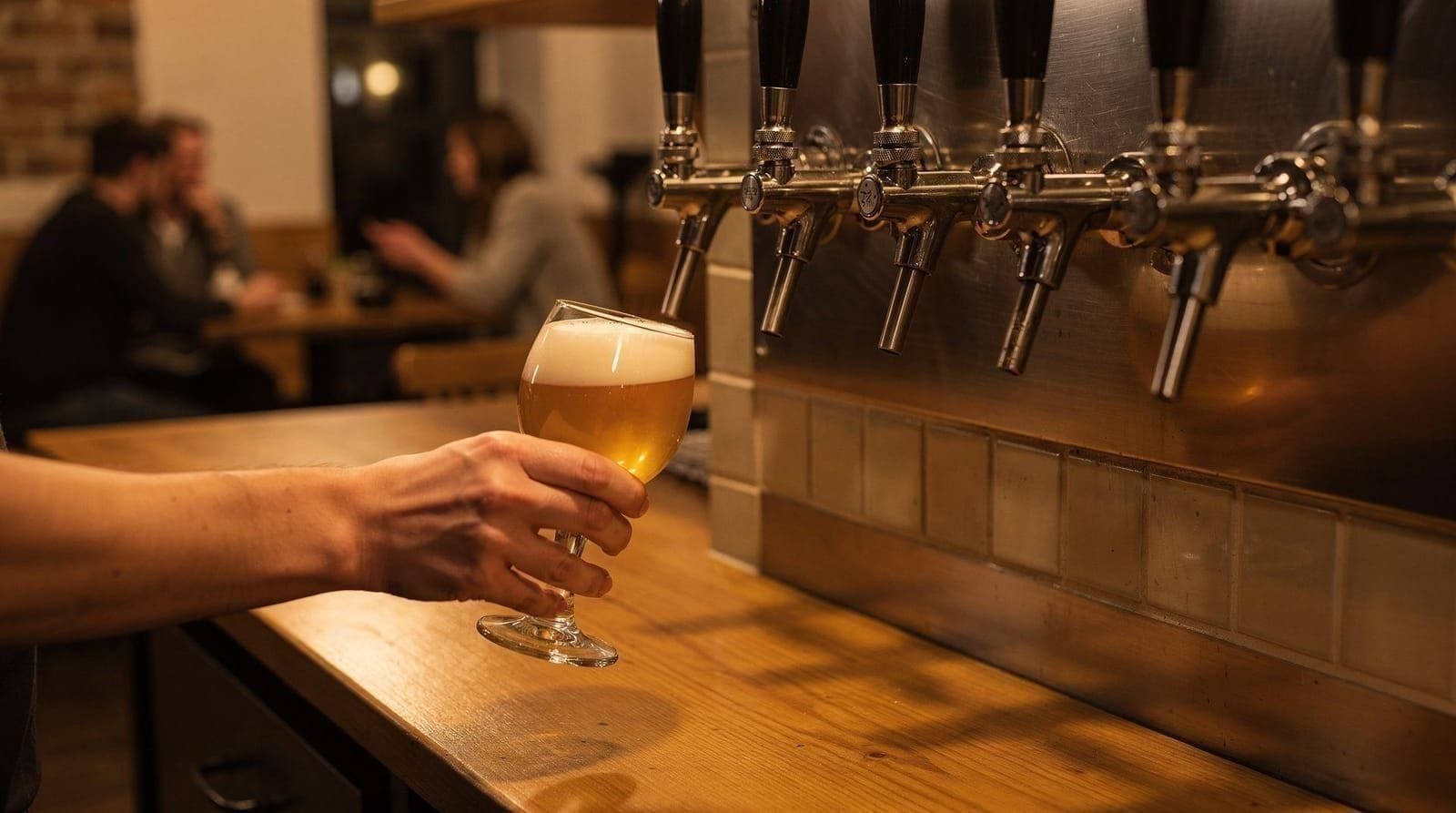
If you want a deep dive into Lithuania’s drink culture beyond coffee, the guided beer tours are a natural pairing for evening exploration:
The Vilnius beer brewery and pub tour covers the craft beer scene over three hours — a useful counterpart to the daytime coffee culture covered in this guide.
The Vilnius craft beer guide covers the evening side of the city’s beverage culture in detail; the Lithuanian drinks and spirits guide goes further into traditional liqueurs and spirits.
A one-morning café crawl
If you want to sample the range of the scene in a single outing, this route covers four distinct styles within a comfortable walk, roughly 3 hours including stops:
- 9:00 — Brew Lab (Gedimino prospektas): Start with the most rigorous, minimalist end of the scene — a precision-pulled espresso or a V60 while the café is still quiet.
- 10:00 — Uku Cafe (Stiklių gatvė, Old Town): A 15-minute walk into the Old Town’s back streets for a rotating single-origin espresso in the city’s most intimate café setting.
- 11:00 — Burbuliukai (Naujamiestis): Walk or short Bolt ride to the retro-styled café for a cardamom bun and a solid flat white — more about atmosphere than technical extraction.
- 12:00 — Crooked Nose & Coffee Stories (Islandijos gatvė): Finish at the roaster’s quieter Naujamiestis branch, and pick up a bag of beans to take home.
This sequence deliberately mixes neighbourhoods and styles rather than clustering similar cafés, and pairs naturally with a broader first-day orientation walk — see the Vilnius travel tips for first-time visitors guide for how to combine it with your first exploration of the city. Adjust the order if you’re based in the Old Town rather than Naujamiestis; either direction works.
How Vilnius compares to Riga and Tallinn
| Vilnius | Riga | Tallinn | |
|---|---|---|---|
| Flat white | €2.50–3.50 | €2.80–3.80 | €3–4 |
| Scene maturity | Mature, growing since ~2010 | Comparable, slightly smaller | Most internationally known |
| Best for | Value and local atmosphere | Similar value to Vilnius | Widest choice of roasters |
| Tourist overlay | Low outside Cathedral Square | Moderate | Higher, especially Old Town |
All three Baltic capitals now support genuine third-wave coffee culture, so the choice between them rarely needs to factor into a Baltic itinerary decision — each city delivers on its own terms. Vilnius edges ahead mainly on price and on how easy it is to find quiet, distinctly local cafés once you step outside Cathedral Square.
From coffee to evening drinks
Several of the cafés covered here shift character after dark — Burbuliukai and some Naujamiestis spots quietly transition into low-key bars in the evening, serving natural wine or local beer alongside coffee for those who linger. It’s a natural bridge if your day starts with a café crawl and ends with an evening out; see the Vilnius nightlife guide for where the coffee-adjacent bar scene leads once the espresso machines quiet down. This day-to-night overlap is more pronounced in Naujamiestis and Užupis than in the Old Town, where cafés and bars tend to stay more separate.
Practical information
Best area to base yourself for café access: Naujamiestis gives the best combination of quality cafés, local atmosphere, and value. Old Town has convenience and some excellent spots but more tourist pricing. See our where to stay in Vilnius guide for neighbourhood accommodation options.
Budget: Allow €5–8 per day for coffee if you’re visiting one specialty café in the morning and one in the afternoon. This is sustainable even on a modest travel budget — see our Vilnius on a budget guide for the bigger picture.
Language: All specialty cafés have English-speaking staff. Menus are almost always in both Lithuanian and English. The Lithuanian word for coffee is kava; for milk, pienas; for without milk, be pieno. But you won’t need them — English works fine.
Hours: Most specialty cafés operate 7.30–8am to 9–10pm Monday to Friday, with shorter hours on weekends (typically 9am to 8pm). Coffee Inn locations open earlier (some from 6.30am) and close later. Confirm on Google Maps before planning an early start.
Tipping: Not obligatory but appreciated. Rounding up to the nearest euro is common; 10% for excellent service at a sit-down café is a fair benchmark.
Payment: Card payment (including contactless) is accepted almost everywhere, including small independent cafés — cash is rarely necessary for coffee specifically, though it’s worth carrying a little for smaller vendors elsewhere in the city.
Accessibility: Most specialty cafés are small, converted spaces, and step-free access varies — Brew Lab and the larger Coffee Inn branches are the most reliably accessible; call ahead if mobility is a concern for smaller Old Town or Užupis spots.
Dietary options: Oat and soy milk are standard at virtually all specialty cafés, usually with no surcharge or a small one (€0.30–0.50). Gluten-free pastries are less common but growing; ask directly rather than assuming, since labelling isn’t always visible on display cases.
Vilnius’s coffee scene rewards the visitor who pays attention. Skip the cafés with outdoor heaters positioned to catch the Cathedral Square tourist flow, walk a few streets into Naujamiestis or into a Užupis courtyard, and you’ll find coffee that’s among the best-value in Europe alongside an atmosphere that feels genuinely, unhurriedly Lithuanian.
Frequently asked questions about Vilnius coffee scene
How much does coffee cost in Vilnius?
An espresso runs €1.50–2, a flat white or cappuccino €2.50–3.50 at specialty cafés, and up to €4–4.50 at premium roasters. Filter coffee is usually €2–3. These prices are 30–40% cheaper than London, Paris, or Stockholm for equivalent quality. Coffee Inn, the main local chain, charges around €2–3 for most drinks.What is the best specialty coffee roaster in Vilnius?
Crooked Nose & Coffee Stories is the standout — a local roaster with multiple cafés, consistent extraction, and beans sourced from Ethiopia, Colombia, and Kenya with clear origin notes. Brew Lab is the most minimalist third-wave experience. Both are worth seeking out.Where should I work remotely with coffee in Vilnius?
Brew Lab (Gedimino pr. 20), Crooked Nose & Coffee Stories (Pilies gatvė or Islandijos gatvė locations), and Kavos klipas in Naujamiestis are reliable remote working spots with strong wifi, laptop-friendly tables, and baristas who won't rush you. Avoid Old Town tourist cafés for working — turnover pressure is higher.Can I buy specialty coffee beans to take home from Vilnius?
Yes. Crooked Nose & Coffee Stories sells their own roasted beans in 250g bags at their cafés — an excellent souvenir. Uku Cafe also stocks rotating single-origin bags. Most beans are roasted weekly and labelled with origin, process, and tasting notes.Are there good pastries to go with coffee in Vilnius?
Very good ones. Lithuanian cafés commonly serve šakotis (tree cake, a spit-roasted layered cake), cinnamon rolls, poppy seed rolls (aguonų sūkuriai), and excellent sourdough toast. Burbuliukai is known for its cardamom buns. French-style croissants appear at several specialty cafés with mixed results — stick to local bakes.Does Vilnius have a digital nomad café culture?
A genuine one. Naujamiestis in particular has cultivated a remote-working culture, with several cafés that fill with laptop workers on weekday mornings. Free wifi is standard. The co-working café model hasn't fully taken hold, but dedicated remote-working spots (Brew Lab, Kavos klipas) offer all-day seating without pressure.How does the Vilnius coffee scene compare to Riga or Tallinn?
Broadly comparable in quality, with Vilnius generally the cheapest of the three Baltic capitals for an equivalent flat white. Tallinn's scene has a slightly higher international profile due to tourism volume; Riga's is close to Vilnius in price and character. None of the three feels less serious than the other — the differences are mostly in scale and how many roasters each city supports.If I only have time for one coffee stop in Vilnius, where should I go?
Crooked Nose & Coffee Stories on Islandijos gatvė is the safest single recommendation — reliably excellent coffee, a quieter local atmosphere than the Pilies gatvė branch, and beans available to take home if you want a souvenir. If you're staying in or near Užupis, wandering Paupio gatvė or Užupio gatvė for an independent café is the more atmospheric alternative.