Lithuanian drinks and spirits — a guide to krupnikas, midus, and more
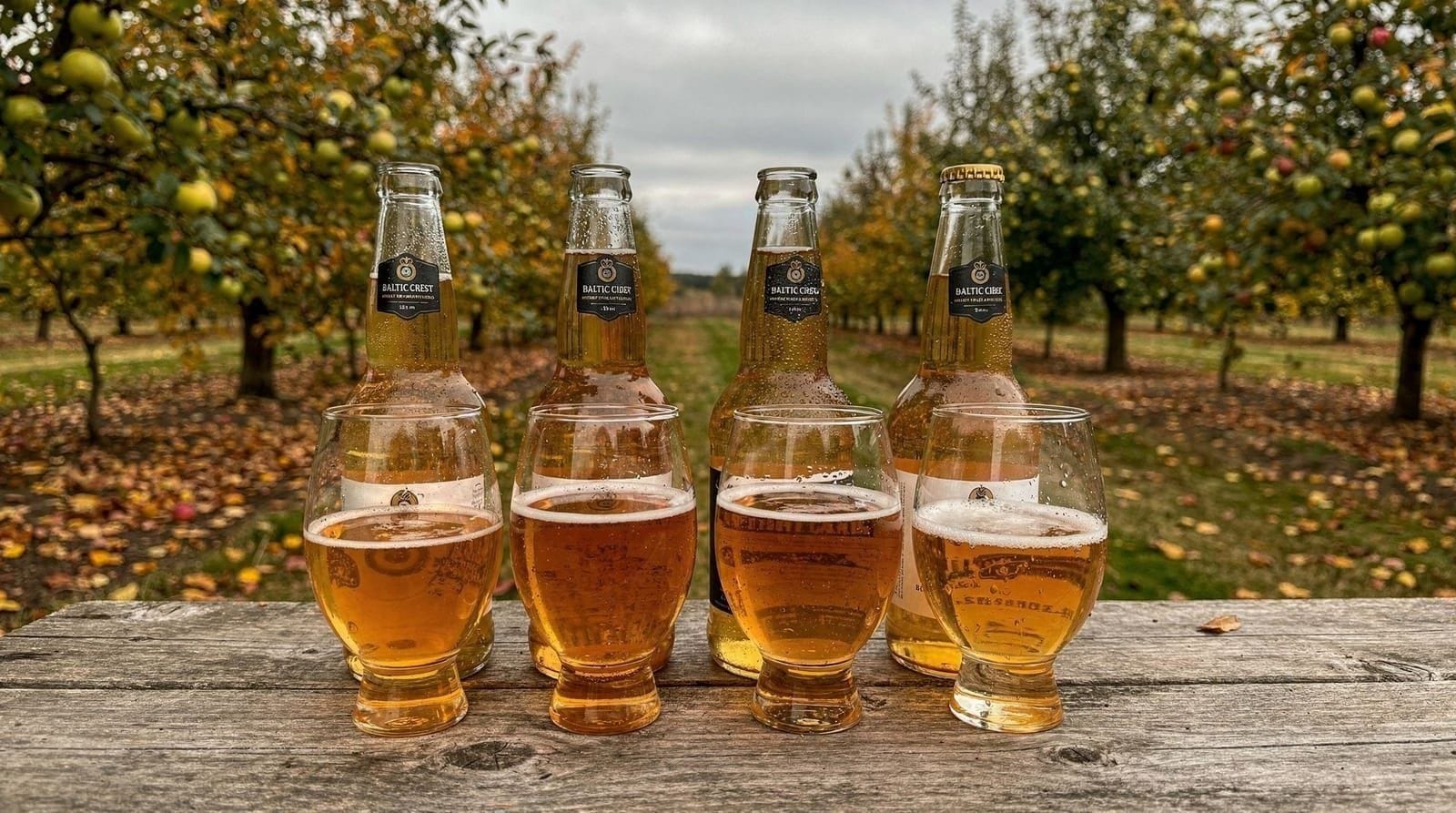
Vilnius: Baltic cider tasting
Duration: 1.5 hours
What are the traditional drinks of Lithuania?
Lithuania's most distinctive alcoholic drink is krupnikas — a spiced honey liqueur made with 13 or more herbs and spices, usually drunk warm in winter and chilled in summer. Midus (mead) has an ancient tradition in the region. Lithuanian craft beer has grown substantially over the past decade. Non-alcoholically, gira (a fermented bread drink, similar to Russian kvass) is the traditional summer drink. Baltic cider from apple orchards in the Dzūkija region is a lesser-known but genuine pleasure.
Lithuania has been making fermented and distilled drinks for as long as the historical record allows us to trace. The amber fields of Dzūkija were harvested by bees whose honey fed mead production two thousand years before Christianity arrived in the region. The rye bread that sustained peasant populations through Baltic winters became the base for gira, the low-alcohol fermented drink that was the everyday hydration of a country where the water was often better avoided. The forests and herb gardens supplied the botanicals for krupnikas, the spiced honey liqueur that remains the most distinctively Lithuanian drink.
None of these traditions survived Soviet rule entirely intact — industrialisation, standardisation, and the suppression of artisan production damaged what had been a diverse regional drink culture. But the past two decades of independence have brought genuine revival. Small-batch krupnikas producers have returned. Craft meaderies are in operation. Lithuanian craft beer is among the best in the Baltics. And Stumbras, the main national distillery, has invested in quality and range rather than resting on its institutional position.
This guide covers everything worth knowing about Lithuanian drinks — traditional, craft, and contemporary — before your visit to Vilnius.
| Must-try | Krupnikas (spiced honey liqueur), around €7–10 supermarket / €20–35 artisan |
| For beer fans | Craft beer, especially Baltic Porter |
| Non-alcoholic | Gira from a summer kiosk, around €1 |
| Best souvenir | Krupnikas gift set or a presentation bottle of midus |
| Where to buy | Maxima/Rimi for value, specialist shops or duty-free for gifts |
At a glance: which Lithuanian drink is for you
| Drink | Style | Strength | Try it if you like |
|---|---|---|---|
| Krupnikas | Spiced honey liqueur | 38–45% ABV | Amaro, spiced rum, digestifs |
| Midus | Mead | 5–16% ABV | Dessert wine, cider, honey wine |
| Baltic cider | Dry apple cider | 5–7% ABV | French cidre brut, farmhouse cider |
| Gira | Fermented rye bread drink | 0.5–1.5% ABV | Kvass, kombucha, root beer |
| Craft beer / Baltic Porter | Ales, lagers, dark porter | 4–10% ABV | Stout, imperial porter, strong ale |
Krupnikas — the national spirit
Krupnikas is what you give when you want to give Lithuania in a bottle. It’s a spiced honey liqueur — typically 38–45% ABV — with a flavour profile that sits somewhere between a herbal digestif and warm spiced honey: aromatic, sweet but not saccharine, with a warming finish that comes from the combination of spices rather than raw alcohol heat.
The standard recipe (varying by producer and family tradition) includes at least 13 ingredients: cinnamon, cloves, cardamom, nutmeg, black pepper, ginger, vanilla, dried orange peel, anise, coriander, bay leaves, dried lime flowers, and honey. Some producers add dried fruits, additional botanical extracts, or adapt the spice proportions to create a house profile.
How it differs from Polish Krupnik
This question comes up regularly because Lithuanian krupnikas and Polish Krupnik share a name, an approach, and almost certainly a common historical origin — the border region produced both, and the drink was made on both sides of what is now an international boundary. The differences are real but subtle:
Lithuanian krupnikas tends to be sweeter, with honey as the dominant character supported by spice. The alcohol integration is usually smoother, the finish longer. It is typically served in smaller glasses (50ml shot) rather than as a cocktail ingredient.
Polish Krupnik is often less sweet, more assertively spiced, and more commonly used in cocktails or drunk warm with hot water and lemon. Some Polish versions are lower ABV.
Neither is better — they are adjacent expressions of the same regional tradition. If you’ve tried and enjoyed Polish Krupnik, Lithuanian krupnikas will be familiar but distinct.
Brands and what to buy
Stumbras krupnikas: The reference standard — the Stumbras distillery in Kaunas has been making krupnikas since the Soviet era and their current production is genuinely good. The standard bottle (€7–10 in supermarkets) is the one most Lithuanians grew up with. Their premium range uses longer macerations and higher-quality honey.
Volfas Engelman krupnikas: The other major commercial brand, with a slightly different spice profile that leans more toward cinnamon and less toward the floral honey character. Price is similar to Stumbras. Available at all major supermarkets.
Artisan and small-batch producers: The past decade has seen several craft producers enter the market with shorter runs and more distinctive profiles. These are available in specialist liquor shops in Vilnius — ask for krupnikas naminis (home-style) or rankų darbo (handmade) for the artisan category. Expect to pay €20–35 for 0.5l.
Household production: Many Lithuanian families make their own krupnikas, and it is not uncommon to be offered home-made varieties in guesthouses or at family-run accommodation. These range from excellent to chaotic, but accepting the offer is always the right social response.
How to drink it
Traditionally, krupnikas is served warm in winter — heated in a small saucepan with the addition of a little water and sometimes a slice of lemon, then poured into a shot glass. In summer, it is served chilled or over ice. A small shot (50ml) is the standard serving.
In bars, krupnikas is sometimes mixed into long drinks or used as a base for Lithuanian-style hot cocktails. The most common combination is krupnikas with hot apple juice and a cinnamon stick — simple, warming, and widely available in Vilnius bars in autumn and winter.
Krupnikas also appears as a flavouring in baked goods, chocolates, and the occasional dessert at higher-end Lithuanian restaurants.
Midus — ancient mead
Lithuania has one of the oldest living mead traditions in Europe. The chronicles of the Teutonic Knights, writing about their campaigns into pagan Lithuania in the 13th and 14th centuries, mention midus as the drink offered at ritual occasions. Archaeological evidence of honey fermentation in the Baltic region dates back considerably further.
Midus is made by fermenting honey with water, sometimes with added fruit (plum, cherry, apple), herbs (juniper, thyme), or spices. The strength varies considerably by style:
Light midus (5–8% ABV): Close in drinking experience to a full-bodied beer or strong cider. Served cold, sometimes from a tap in specialist establishments. Refreshing rather than overwhelming.
Medium midus (8–12% ABV): The most common range for commercial production. Honey character is more pronounced, sweetness is balanced by fermentation, finish has more complexity.
Strong midus (12–16% ABV): Wine-strength and wine-like in many respects. More expensive, slower to drink, often served in wine glasses. The best examples are genuinely complex — floral, honeyed, with a long dry finish.
Where to try midus in Vilnius
Midus is less ubiquitous than krupnikas — you won’t find it at every bar — but it’s increasingly present on specialist drinks menus and in good liquor shops.
Stumbras distillery shop (available in Vilnius): The most reliable source for bottled midus of consistent quality. Their range includes several styles at different strength levels.
Specialist liquor shops in the Old Town: Several shops on and around Pilies gatvė carry artisan midus from smaller producers, often in attractive presentation bottles with wax seals. These make excellent gifts — expect to pay €15–30 for a 0.5l bottle of quality midus.
Restaurant drinks menus: Higher-end Lithuanian restaurants (Lokys on Stiklių gatvė, Etno Dvaras near Cathedral Square) sometimes include midus on their drinks menus alongside wine. It pairs well with game dishes and heavy meat-based Lithuanian cooking.
The Baltic cider tasting experience available in Vilnius also introduces midus in context, covering the apple-based drinks tradition of the region alongside mead as a reference point for the broader honey-fermentation culture — a useful introduction if you want to understand the spectrum from cider to mead before buying bottles.
Baltic cider — the apple orchards of Dzūkija
Lithuanian cider is not a product that dominates the global drinks conversation, but it is worth more attention than it receives. The Dzūkija region, the forested area of southern Lithuania around Druskininkai and the Nemunas river valley, has productive apple orchards of considerable age — some trees hundreds of years old. The apples grown here are not dessert varieties but high-acid, high-tannin bittersweet and bittersharp cultivars suited to fermentation.
Baltic cider made from these apples tends toward the dry, tannic end of the spectrum — closer to French cidre brut or English farmhouse cider than to the sweetened commercial ciders common in Northern Europe. This is not a default option for everyone, but it is a genuine agricultural product with real regional character.
Soda and Alus Rūtos are among the small producers to look for; availability in Vilnius shops varies by season. The Druskininkai area itself (covered in the Druskininkai spa guide) is the best place to encounter cider directly from producers — some farmsteads sell direct to visitors in autumn.
The 1.5-hour Baltic cider tasting is available in Vilnius and covers the history and varieties of Baltic apple-based drinks with multiple pours — a compact and well-priced introduction to a drink tradition that most visitors know nothing about before they arrive.
Gira — fermented bread drink
Gira is the Lithuanian name for what Russians call kvass: a lightly fermented drink made from dried and toasted rye bread, water, and sometimes sugar or fruit, with an ABV of 0.5–1.5% — too low to classify as alcoholic in most regulatory systems, though the fermentation is real.
The taste is distinctive and genuinely difficult to describe to someone who hasn’t tried it: slightly sour, bread-like, faintly sweet, with a carbonation that comes from fermentation rather than forced gas. The colour is dark brown to mahogany. The smell is of fresh rye bread with a faint fermentation note.
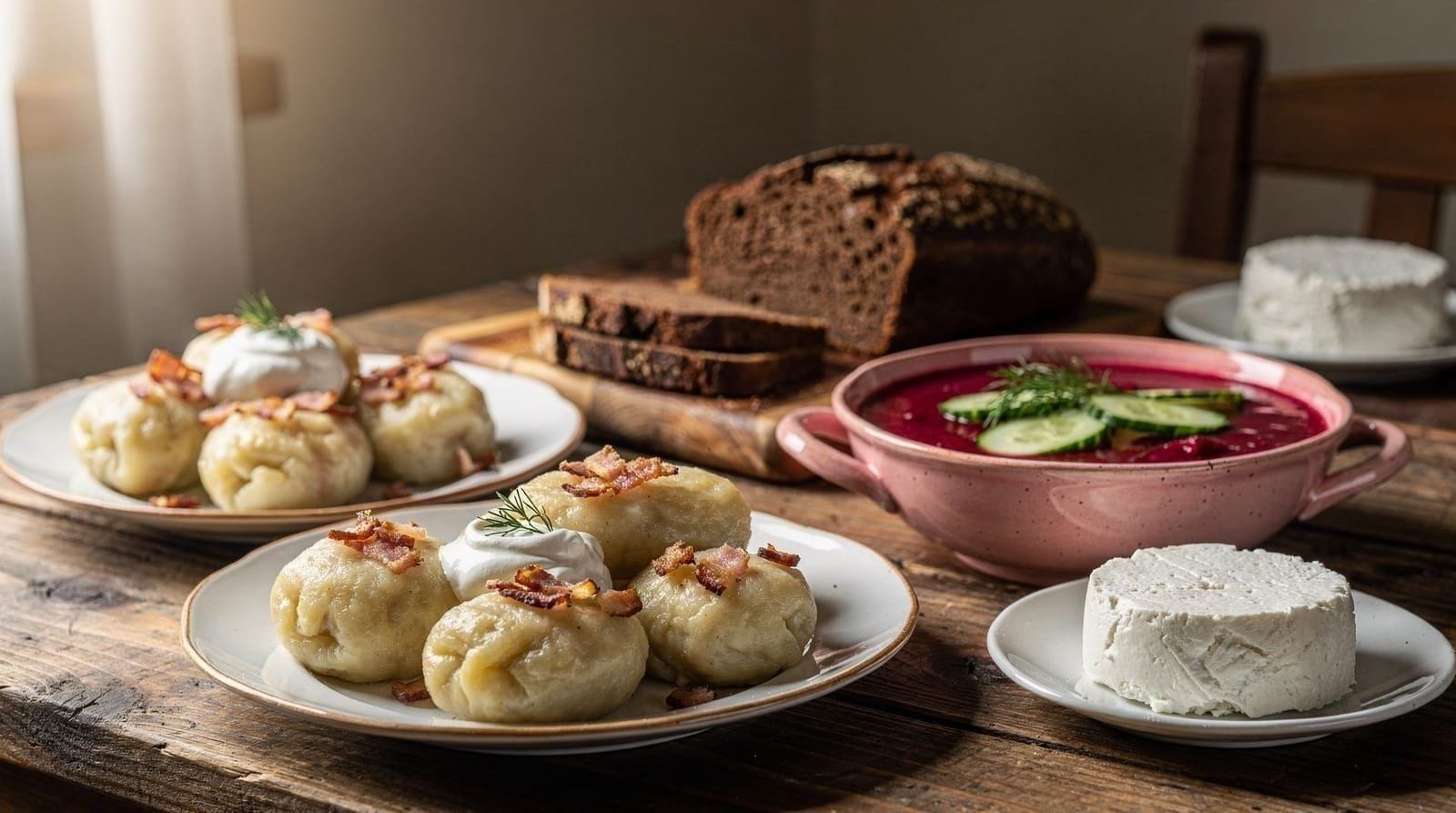
In summer, gira is sold from mobile kiosks in major Lithuanian cities — freshly fermented, unpasteurised, served cold in a plastic cup for €0.80–1.50. This is the authentic version; the bottled supermarket alternative (Gubernija Gira, €1–2 per litre) is pasteurised and noticeably thinner. Gira is alcohol-free for practical purposes and is drunk by children and adults alike — the traditional accompaniment to šaltibarščiai (cold beetroot soup). The cepelinai and Lithuanian dishes guide covers the food context further.
Lithuanian craft beer — the brewing revival
Lithuania’s craft beer scene has grown from almost nothing in 2010 to a mature and varied industry by 2026. The country has an advantage that several Baltic and Central European beer cultures have exploited: a clean water supply, a tradition of home brewing that survived Soviet-era prohibition on private production (mostly), and an appetite for alternatives to the dominant commercial lagers.
The main commercial beers — Švyturys, Utenos, Gubernija — are decent industrial lagers at good prices (€1–2 in a supermarket). They’re not the reason to pay attention to Lithuanian beer.
The reason is craft: Dundulis, Sakiškių, Bajorų, and a growing number of smaller producers have produced genuinely interesting ales, stouts, IPAs, and traditional Baltic-style beers over the past decade. The Baltic Porter deserves particular attention — a high-gravity, lagered dark beer style historically associated with the Baltic region, and one that Lithuanian craft brewers have interpreted with considerable skill. Expect a Baltic Porter to run 7–10% ABV, with a cold-fermented smoothness that distinguishes it from a stout, alongside chocolate, coffee, and dried fruit notes.
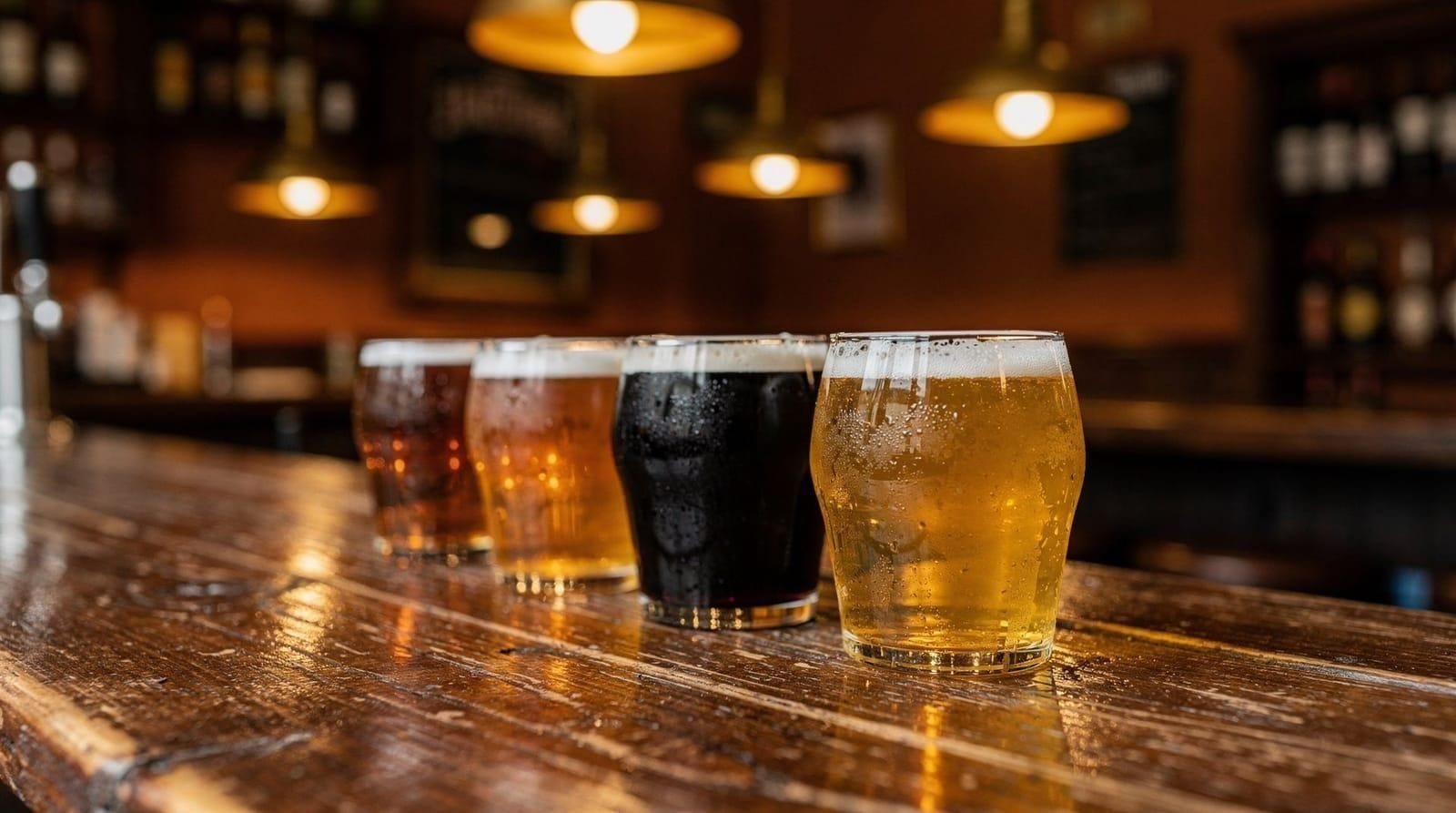
The full picture of Lithuanian craft beer, including where to drink it in Vilnius, is covered in the Vilnius craft beer guide. For a guided introduction:
The Vilnius beer brewery and pub tour runs for three hours and covers the city’s craft beer scene with tastings at multiple venues — the most efficient way to understand the range of Lithuanian beer styles and find your preferences before drinking independently.
Craft gin and Stumbras
The global craft gin boom reached Lithuania, and Stumbras responded with a Lithuanian gin using local botanicals — juniper (which grows naturally in Lithuanian forests), elderflower, and locally foraged herbs. The range includes a London Dry interpretation and botanical variants. Available at supermarkets and specialty shops; expect to pay €15–25 for 0.5l. Other craft spirits (Lithuanian rye vodka, early whisky projects) are emerging but the category remains young — krupnikas and craft gin are the most worthwhile Lithuanian spirits for now.
Non-alcoholic drinking culture has also grown in Vilnius over the past few years: several bars now stock alcohol-free craft beer and offer non-alcoholic krupnikas-inspired spiced syrup drinks, alongside gira, which was always alcohol-free in practice. If you’re not drinking, you’re not limited to soft drinks and water — ask specifically, since these options aren’t always listed prominently on menus.
Mineral water from Druskininkai
One drinks category that often surprises visitors: Lithuania has excellent mineral water from the Druskininkai region. The waters there are high in dissolved minerals — the name Druskininkai derives from druska, the Lithuanian word for salt — and have been exploited for spa and medicinal purposes since the 19th century.
Several mineral water brands bottle water from the Druskininkai aquifer and sell it nationally. The taste is noticeably mineral compared to standard still water and pairs particularly well with the richer Lithuanian food dishes. You’ll find it at supermarkets for €0.80–1.50 per 1.5l bottle.
The Druskininkai town itself, two hours south of Vilnius by bus, is worth a day trip if you want to explore the spa culture that has grown up around these waters. The Druskininkai spa guide covers the full experience.
Wine — the honest picture
Lithuania makes wine: a small number of producers in the Sūduva and Nemunas regions grow cold-hardy grape varieties (Rondo, Solaris, Marquette) in tiny quantities. The output rarely appears on restaurant wine lists. Lithuanian cuisine pairs better with beer, krupnikas, or a straightforward European import than with domestic wine, which is inconsistent in quality. The restaurant wine lists in Vilnius are well-curated with Georgian, French, Spanish, and Italian options — trust those.
Where to buy — a practical guide
Maxima and Rimi supermarkets: The national supermarket chains have the largest selection of Lithuanian spirits, beer, and cider at the lowest prices. Krupnikas, midus (bottled), Stumbras gin, and commercial craft beer are all available. Look for the stores on Gedimino prospektas (Maxima) and near the central bus station.
Specialist liquor shops: Several specialist retailers operate near the Old Town, carrying artisan krupnikas, hard-to-find midus, craft beer in bottles and cans, and a wider range of Lithuanian spirits. Expect to pay 20–40% more than supermarkets for the same commercial brands — but specialist shops have products you won’t find in Maxima.
Duty-free at Vilnius Airport: The duty-free selection at Vilnius Airport is well-curated for Lithuanian products, with competitive prices and a range of gift packaging. Worth checking on departure for krupnikas gift sets and midus. The Stumbras gift sets (decorative bottle, two glasses) are available here and make excellent souvenirs.
The Stumbras brand shop: Stumbras products are available at their own branded retail areas within larger supermarkets and at the Vilnius Airport duty-free. The full Stumbras range, including premium and limited-edition krupnikas, is easiest to find here.
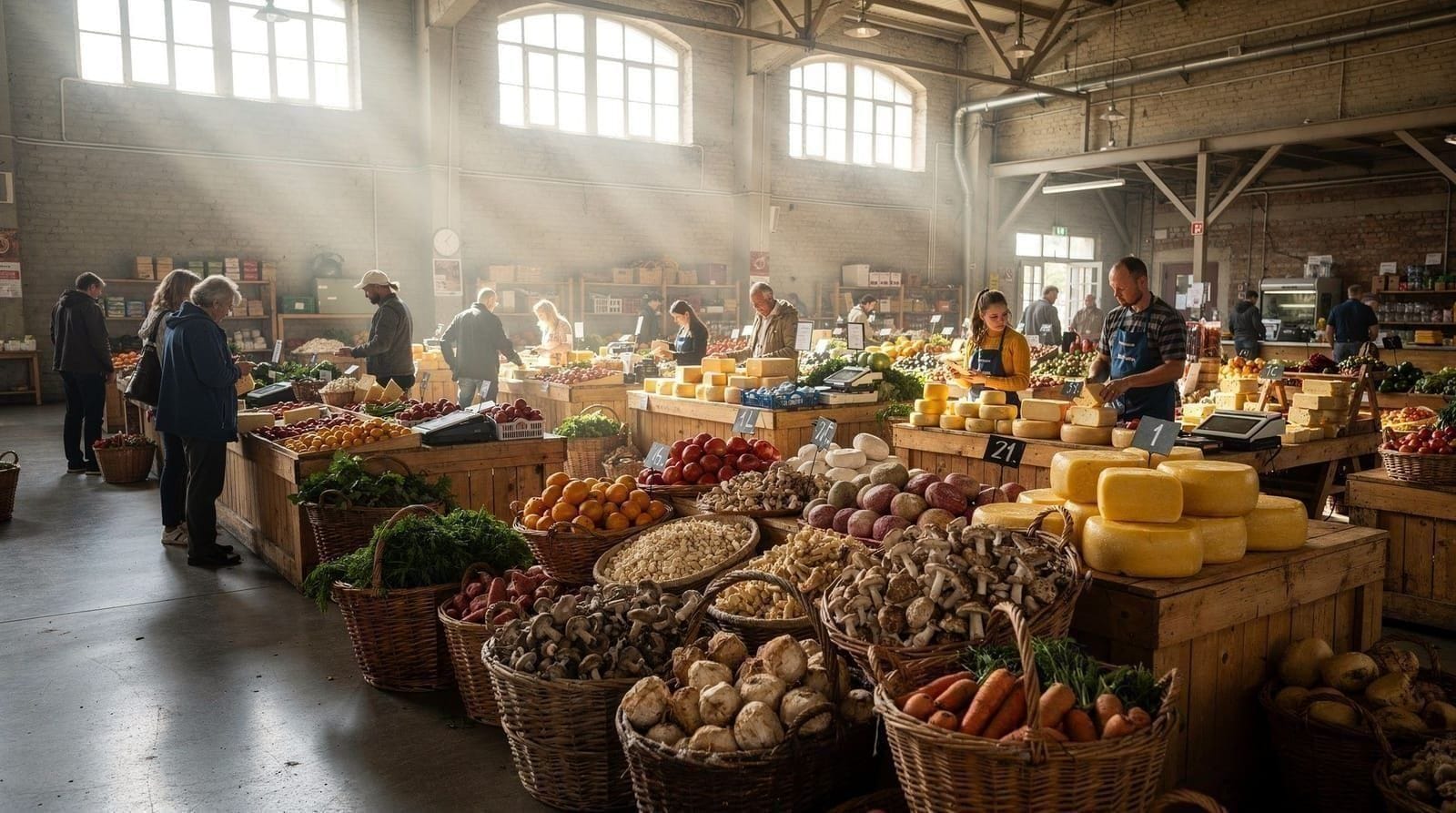
Markets and artisan fairs: The Hales Market on Pylimo gatvė (covered in the Vilnius food guide) sometimes has stalls selling artisan spirits and local honey products. Weekend markets in the Old Town occasionally feature small-batch krupnikas and midus producers direct from the source.
Drinks culture in bars — shots and toasts
Lithuanian bar culture has its own shot traditions worth understanding. Shots of krupnikas are ordered as a group act rather than a solo one — the Lithuanian toast is sveikata (health), said while making eye contact with every person you’re drinking with. Failing to maintain eye contact during a Lithuanian toast is considered unlucky (or at minimum, impolite) — a superstition taken with varying degrees of seriousness depending on the company.
The shot of krupnikas as a bar order costs €2–4 depending on the establishment. The premium artisan versions cost more but are worth asking about — a good bartender in a craft spirits bar will know which brands are worth ordering.
Ordering rounds is common in Lithuanian bar culture. Keeping pace with Lithuanian companions on krupnikas shots requires honest self-assessment — it is entirely acceptable to decline and stay on beer, and no one will take offence.
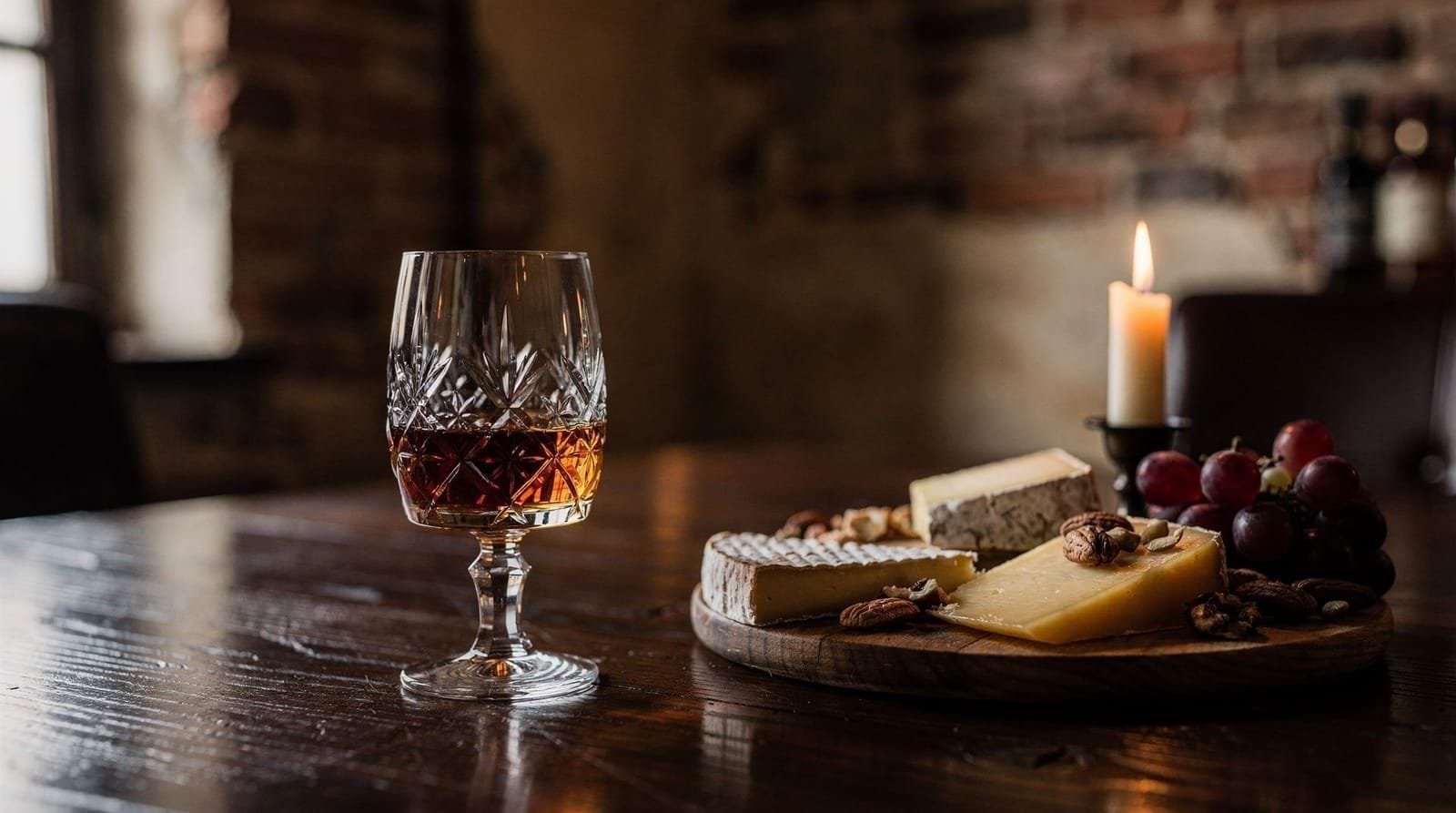
The whisky and cheese tasting option in Vilnius offers a different kind of guided spirits experience for visitors who want to explore fine spirits in the context of food pairing:
The Old Town whisky and cheese tasting covers a curated selection of whiskies alongside Lithuanian cheeses — a more contemplative spirits experience than the pub crawl model.
Seasonal drinking: what to try when
Lithuanian drinking habits shift noticeably with the seasons, and timing your visit affects what’s realistically available and enjoyable.
Winter (December–February): Krupnikas comes into its own, served warm with lemon — the classic cold-weather drink. Christmas markets sell warm krupnikas and mulled wine from stalls; see the Vilnius Christmas market guide for where. Strong midus and Baltic Porter both suit the season’s heavier food.
Spring (March–May): A transitional period — krupnikas is still common, but bars start stocking lighter beers and ciders as the weather warms. Kaziukas Fair in early March (see the Kaziukas Fair guide) has food and drink stalls worth browsing, including honey and mead vendors.
Summer (June–August): Gira kiosks appear on the streets — the single best-timed drink experience in this guide, since bottled gira is a poor substitute. Craft beer gardens are at their busiest. Baltic cider, being a lighter, more refreshing drink, suits the warmer months better than krupnikas does.
Autumn (September–November): Cider season proper — the Dzūkija apple harvest happens in autumn, and some producers sell directly to visitors then. Krupnikas starts reappearing on bar menus as temperatures drop. This is arguably the best season to combine a Druskininkai day trip with cider tasting at source.
Bringing Lithuanian drinks home
The practical considerations for taking Lithuanian drinks home as souvenirs:
Krupnikas: Easily the best option. Compact, distinctive, and genuinely unavailable in most international markets. A 0.5l bottle of Stumbras fits in a checked bag easily; the gift-boxed version with glasses adds bulk but makes a better present.
Midus: Good in presentation bottles but fragile — wrap carefully. Some higher-ABV varieties need declaration for UK and US customs if over 22% ABV (usually the case for wine-strength and spirit-strength midus).
Craft beer: Cans travel better than bottles. Keep upright throughout travel to avoid pressure issues. Lithuanian craft beer in 330ml cans is compact and makes an excellent gift for beer-curious friends.
Flying rules: In checked baggage there is no EU volume restriction — a 0.7l bottle of krupnikas travels without issue. In hand luggage, the standard 100ml liquid rule applies. UK duty-free allowance is 1 litre of spirits over 22% ABV; the US federal allowance is 1 litre per person duty-free.
The Lithuania travel guide covers broader practical considerations for visiting. The Vilnius on a budget guide has a section on where to spend and save across food and drink.
Lithuanian drinks are a genuine aspect of the country’s cultural identity — older in some cases than the Lithuanian state itself, and more distinctive than visitors expect. A bottle of krupnikas and a jar of local honey from the market are more interesting than most souvenir shop alternatives, and they compress an aspect of the Baltic tradition into something you can open on a cold evening at home and remember properly.
Pairing drinks with Lithuanian food
Lithuanian drinks make more sense in the context of the food they’re drunk with. Krupnikas, being sweet and spiced, works best as a digestif after a heavy meal — traditionally after cepelinai (the potato dumplings covered in the cepelinai and Lithuanian dishes guide) rather than alongside it. Beer, particularly the lighter commercial lagers, is the standard accompaniment to a full Lithuanian meal, cutting through the richness of pork and potato-heavy dishes. Gira’s slight sourness pairs specifically with šaltibarščiai, the cold beetroot soup, as noted above — it’s a genuinely traditional combination rather than a tourist-menu invention.
For a fuller picture of Lithuanian food beyond drinks, see the Vilnius food guide and the best restaurants in Vilnius, both of which flag where the drinks pairings mentioned here are done well.
Frequently asked questions about Lithuanian drinks and spirits
What is krupnikas and how is it made?
Krupnikas is a Lithuanian spiced honey liqueur, typically 38–45% ABV, made by infusing a neutral spirit with honey and a blend of spices and herbs — the exact recipe varies by producer but typically includes cinnamon, cloves, cardamom, nutmeg, black pepper, ginger, vanilla, and several other botanicals, for a total of 13 or more ingredients. The honey is added after the spice infusion. It is similar to Polish Krupnik but generally sweeter and less assertively spiced. The best known commercial brands are Stumbras and Volfas Engelman; many Lithuanian households also make their own.Where can I buy krupnikas in Vilnius?
Maxima and Rimi supermarkets stock the main commercial brands (Stumbras, Volfas Engelman) at €5–12 per 0.5l bottle — the most budget-conscious option. The duty-free shops at Vilnius Airport carry a wider selection and are worth checking on departure. Specialist liquor shops near the Old Town carry artisan and small-batch versions at €15–25. The Stumbras distillery shop stocks their full range including limited editions.What is midus and where can I try it in Vilnius?
Midus is Lithuanian mead — a fermented drink made from honey and water, sometimes with added fruit, herbs, or spices. The strength varies considerably, from 5% ABV (similar to strong beer) up to 14–16% for the more wine-like varieties. It has been made in the Baltic region for at least 2,000 years and appears in the earliest Lithuanian chronicles. Midus is available at specialist liquor shops, some restaurant drinks menus, and the Stumbras distillery. The taste varies by producer — traditional varieties are drier than you might expect from a honey-based drink.Is Lithuanian wine any good?
Honest answer: Lithuania has a tiny wine industry and the domestic product is not competitive with Georgian, French, or Italian imports. A few vineyards in the Sūduva region and the Nemunas river valley produce wine from cold-hardy northern varieties, but output is small, quality is inconsistent, and you are unlikely to encounter it in restaurants or shops unless you seek it out specifically. Lithuanian restaurants serve excellent European wines at reasonable prices — there is no meaningful reason to prioritise local wine.What is gira and should I try it?
Gira is the Lithuanian version of kvass — a fermented drink made from dried rye bread, with very low alcohol content (0.5–1.5% ABV, functionally non-alcoholic) and a slightly sour, bread-like flavour. It is the traditional summer drink, sold from street kiosks in major Lithuanian cities from May to September. The best gira is sold fresh rather than bottled — the bottled version in supermarkets is pasteurised and tastes significantly different. If you're in Vilnius in summer, try the kiosk version at least once.What Lithuanian drinks make the best gifts or souvenirs?
Krupnikas is the classic souvenir — compact, distinctly Lithuanian, and useful. The Stumbras gift sets with a decorative bottle and two glasses are popular. Midus in a presentation bottle works well for food-curious recipients. Lithuanian craft beer in cans travels reasonably well if kept upright and cool. Avoid buying spirits in souvenir-shop packaging near the major tourist sights — the same product is 30–40% cheaper at Maxima supermarket or duty-free.What is Baltic Porter and why does it come up so often in Lithuanian beer talk?
Baltic Porter is a high-gravity, cold-fermented dark beer style historically associated with the Baltic region, typically 7–10% ABV with chocolate, coffee and dried fruit notes and a smoother finish than a typical stout. Lithuanian craft brewers have taken to the style with real skill over the past decade, and it's often cited as the country's strongest contribution to global beer culture. Worth seeking out specifically rather than defaulting to the commercial lagers.Can I do a Lithuanian drinks tasting without joining an organised tour?
Yes. Specialist liquor shops near the Old Town will usually let you sample or at least discuss krupnikas and midus before buying, and several bars pour flights of craft beer or offer small krupnikas tasting sets. An organised tour saves time and adds context and multiple venues in one booking, but a self-guided evening moving between two or three specialist shops and bars covers similar ground for less money.
Top experiences
Bookable activities with verified prices and instant confirmation on GetYourGuide.