Baltic road trip itinerary — Vilnius to Tallinn in 10 days
The Baltic states share a geography, a history of occupation, and a remarkable density of distinct culture for their combined size — approximately the area of the UK, but three separate countries with their own languages, food traditions, and architectural characters. A road trip is the best format for covering them: the distances between major stops are manageable (Vilnius to Riga is 300 km; Riga to Tallinn is 300 km), the roads are good, and there are stops between the capitals — Hill of Crosses, Rundale Palace, the Gauja National Park — that are awkward by public transport but straightforward by car.
This itinerary runs south to north: Vilnius to Tallinn, over ten days, with two nights in each capital and day-stop additions where time permits.
| Route | Vilnius → Kaunas → Hill of Crosses → Klaipėda/Curonian Spit → Riga → Tallinn |
| Duration | 10 days minimum, 14 for more flexibility |
| Distance | Roughly 800-900 km total, depending on the coastal detour |
| Car | Pick up in Vilnius, one-way drop-off in Tallinn (fee applies) |
| Best time | May-September; June-August is peak, book ahead |
Before you leave Vilnius
Do the city justice before you start driving north. Vilnius needs at minimum two full days to cover the Old Town properly, Užupis, the KGB Museum, and the Bernardinai Garden. If you’re flying into Vilnius airport, pick up the rental car on day three rather than day one — city driving in Vilnius Old Town is difficult and parking is limited.
The getting around Vilnius guide covers transport logistics for the city portion. Car rental advice — which agencies, what to watch out for — is in the dedicated guide. For the Vilnius portion specifically, the best time to visit Vilnius guide is worth checking against your travel dates before you commit to the route.
Days 1-2: Vilnius
Base: Old Town or Naujamiestis for walkability.
Must-do: Gediminas Tower, the Museum of Occupations (KGB Museum), Užupis Republic, lunch at Etno Dvaras or Forto Dvaras, the Bernardinai Garden and the Three Crosses viewpoint.
If you have a half-day free: Trakai is 28 km and can be done as an afternoon excursion from Vilnius before picking up the car — return train takes 30 minutes each way. Save Trakai for your Vilnius days rather than the road trip, since you’ll be driving north, not back through Trakai. The Vilnius to Trakai guide has the full logistics if you want to fit it in.
Day 3: Vilnius to Kaunas (1 hour)
Distance: ~100 km on the A1 motorway.
Pick up the car and drive to Kaunas, Lithuania’s second city and the country’s capital during the interwar period when Vilnius was under Polish administration. Kaunas has a compact but excellent Old Town (particularly the Town Hall Square), the Ninth Fort (the Holocaust memorial 8 km from the centre — allow two hours, it’s significant), and the Pažaislis Monastery 10 km east of the city, set on a bay of the Kaunas Reservoir.
Kaunas deserves a full day. Overnight in Kaunas. The Vilnius to Kaunas guide has more detail on the drive and what to prioritise if your day runs shorter than planned.
Day 4: Kaunas to Hill of Crosses (~2 hours)
Distance: ~200 km (Kaunas to Šiauliai/Hill of Crosses).
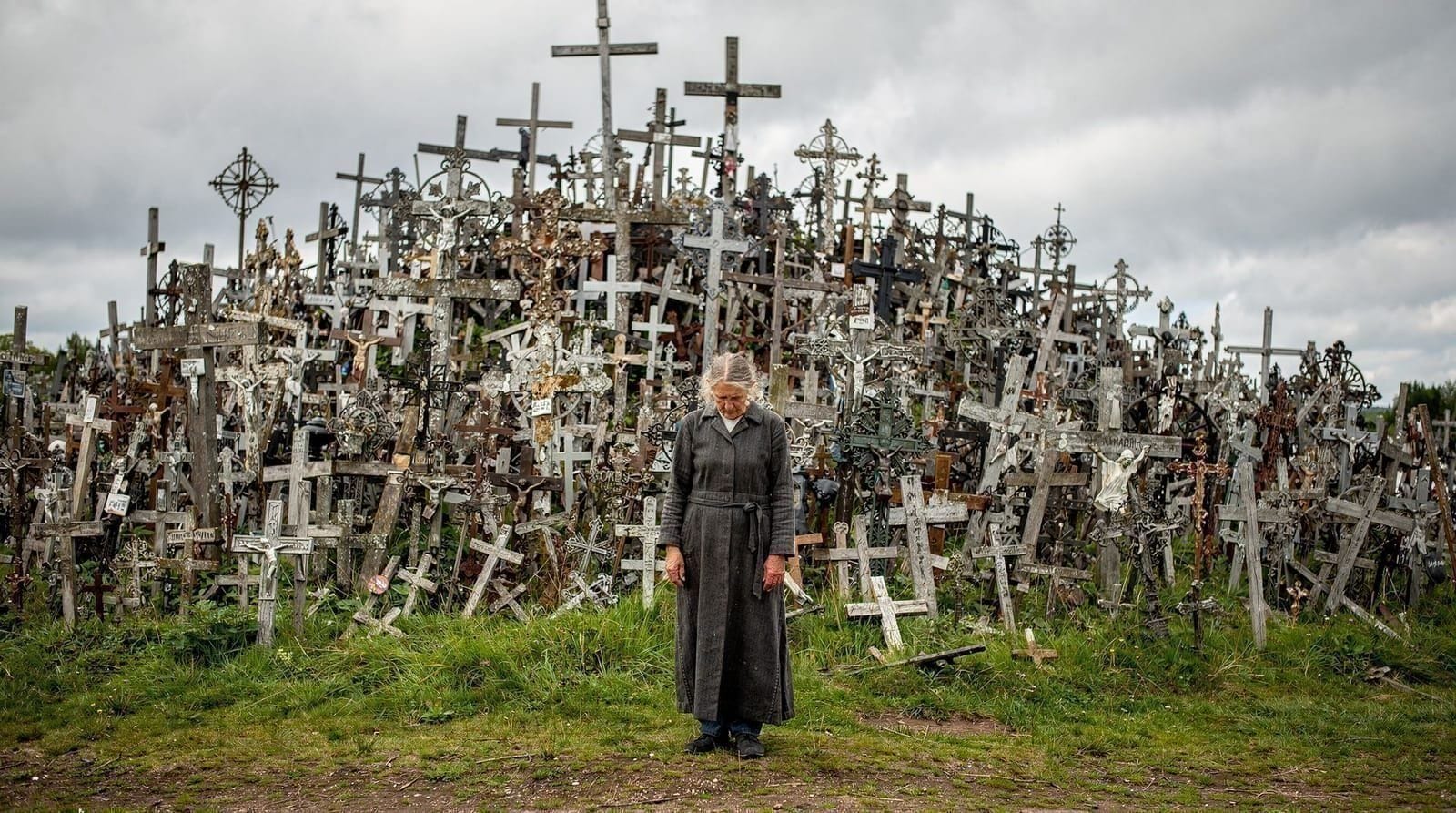
The Hill of Crosses is one of the most distinctive places in Lithuania and one that photographs never fully convey. Over 200,000 crosses of every size — from small personal tributes to elaborate wrought-iron sculptures — cover a low hill near the city of Šiauliai. The site is active and constantly growing; new crosses are added daily. Pilgrims come here; so do curious tourists; so do school groups. The effect is cumulative and genuinely moving.
Allow an hour to two hours at the site. Continue north to Lithuania’s coast. The Hill of Crosses day trip guide has background on the site’s history if you’d rather read up before arriving than on-site.
Hill of Crosses day tour from Vilnius — a guided alternative if you’re doing this leg without a carDay 5: Klaipėda and the Curonian Spit
Distance from Šiauliai to Klaipėda: ~160 km.
Klaipėda is Lithuania’s port city and the gateway to the Curonian Spit. The old town (Memel, as it was called under German administration) has a distinctive Prussian character different from Vilnius or Kaunas — half-timbered buildings, a port atmosphere. The ferry to the Curonian Spit leaves from the port every 20-30 minutes; vehicles cross on a car ferry (essential booking in high season).
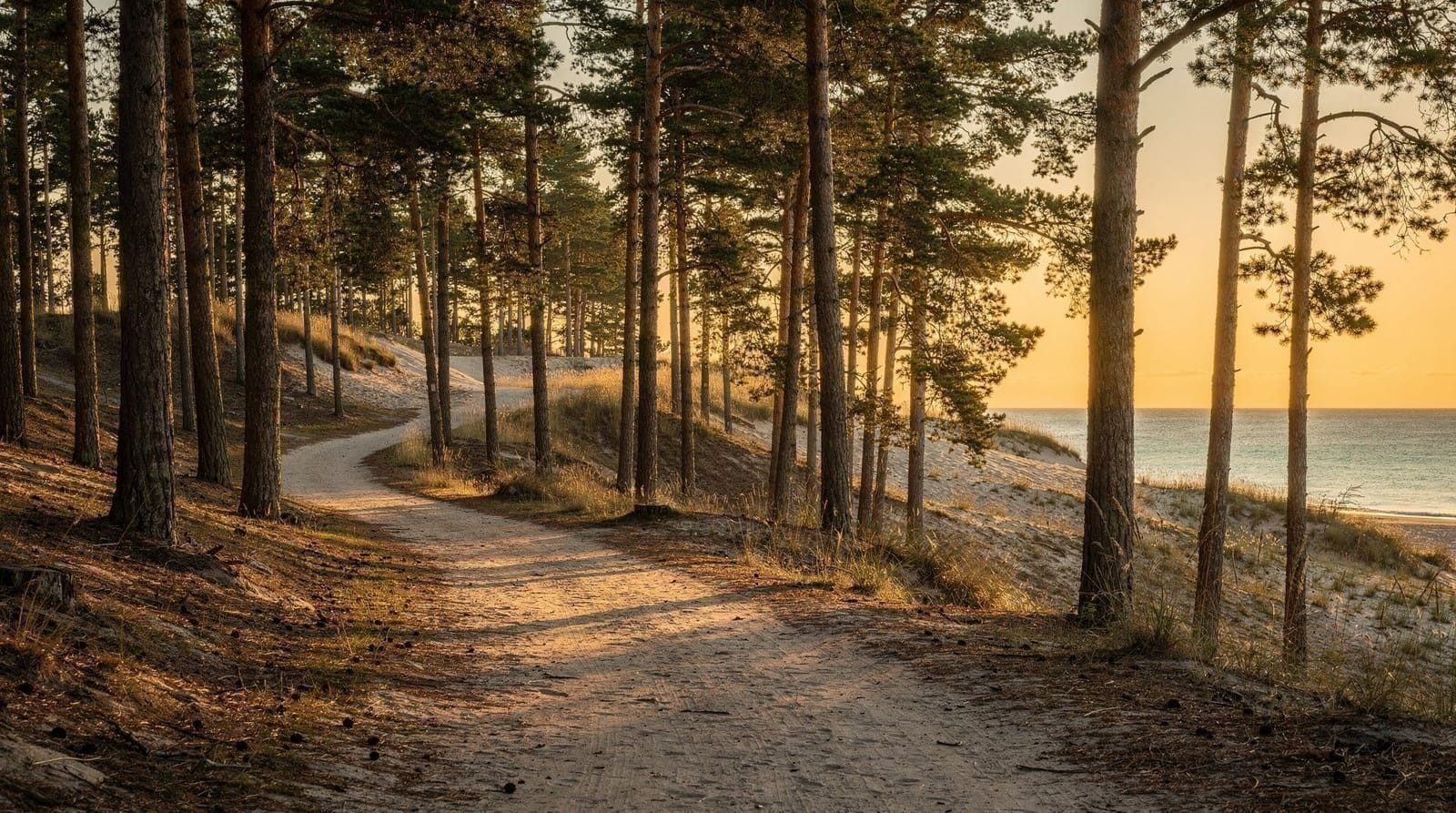
The Curonian Spit is a UNESCO World Heritage strip of land — 98 km long, 400 metres to 4 km wide — covered by enormous sand dunes and pine forest. Drive the length to Nida (60 km), stopping at the Parnidis dune for the view over the Curonian Lagoon toward the Russian enclave of Kaliningrad. The Thomas Mann House in Nida (where Mann wrote part of Dr Faustus while summering here in 1930-1932) is a small museum worth 45 minutes.
Overnight in Nida or Klaipėda. The Curonian Spit day trip guide and the fuller Vilnius to Klaipėda and the Curonian Spit guide both cover this leg in more depth than a road trip itinerary can.
Day 6: North through Latvia — Palanga and the coast road
Distance: Nida/Klaipėda to Riga is ~340 km if you go straight; add 40 km for the coastal route through Palanga.
Palanga is Lithuania’s main beach resort — worth a stop for the Amber Museum (in the Birutė park mansion, the best amber collection in the world) even if you’re not a beach person. The park itself is pleasant; the mansion is architecturally interesting.
The drive north into Latvia is straightforward. If you have time, the Latvian coast through Jūrmala (the Riga seaside resort) is pretty; if not, the inland route on the Via Baltica (A1/E67) is faster.
Days 7-8: Riga, Latvia
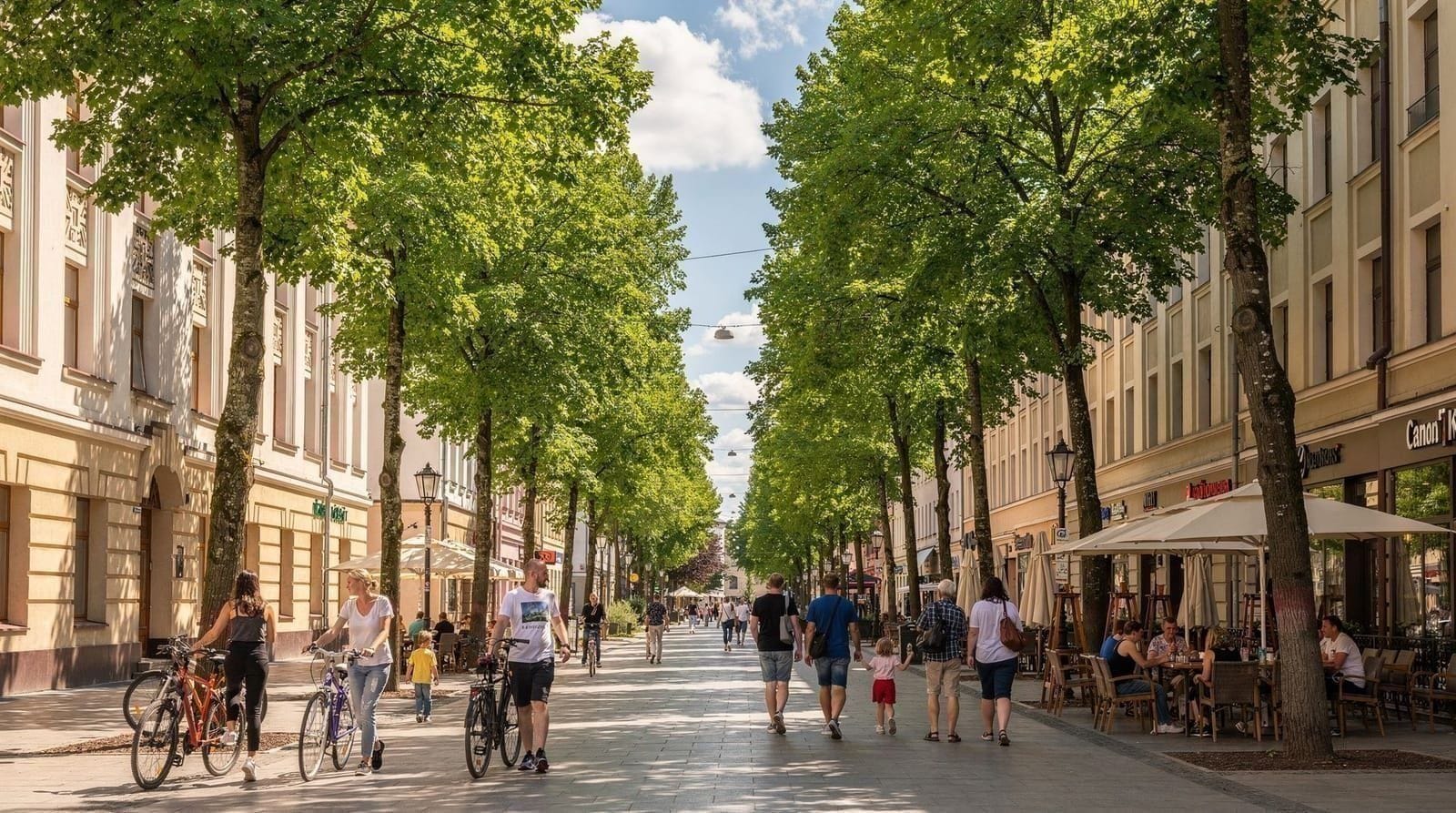
Riga is larger and more tourist-developed than Vilnius — the old town is impressive (UNESCO, well-preserved medieval centre), the Art Nouveau district in the Centrs neighbourhood is unlike anywhere else in northern Europe (hundreds of Jugendstil facades). The Central Market (Rīgas Centrāltirgus), in four former Zeppelin hangars, is a genuine market experience. Allow a full day minimum; two is better.
The drive from Riga to Tallinn is around 300 km (4-4.5 hours on the Via Baltica), with Pärnu (Estonia’s summer capital) as a natural midway stop.
Days 9-10: Tallinn, Estonia
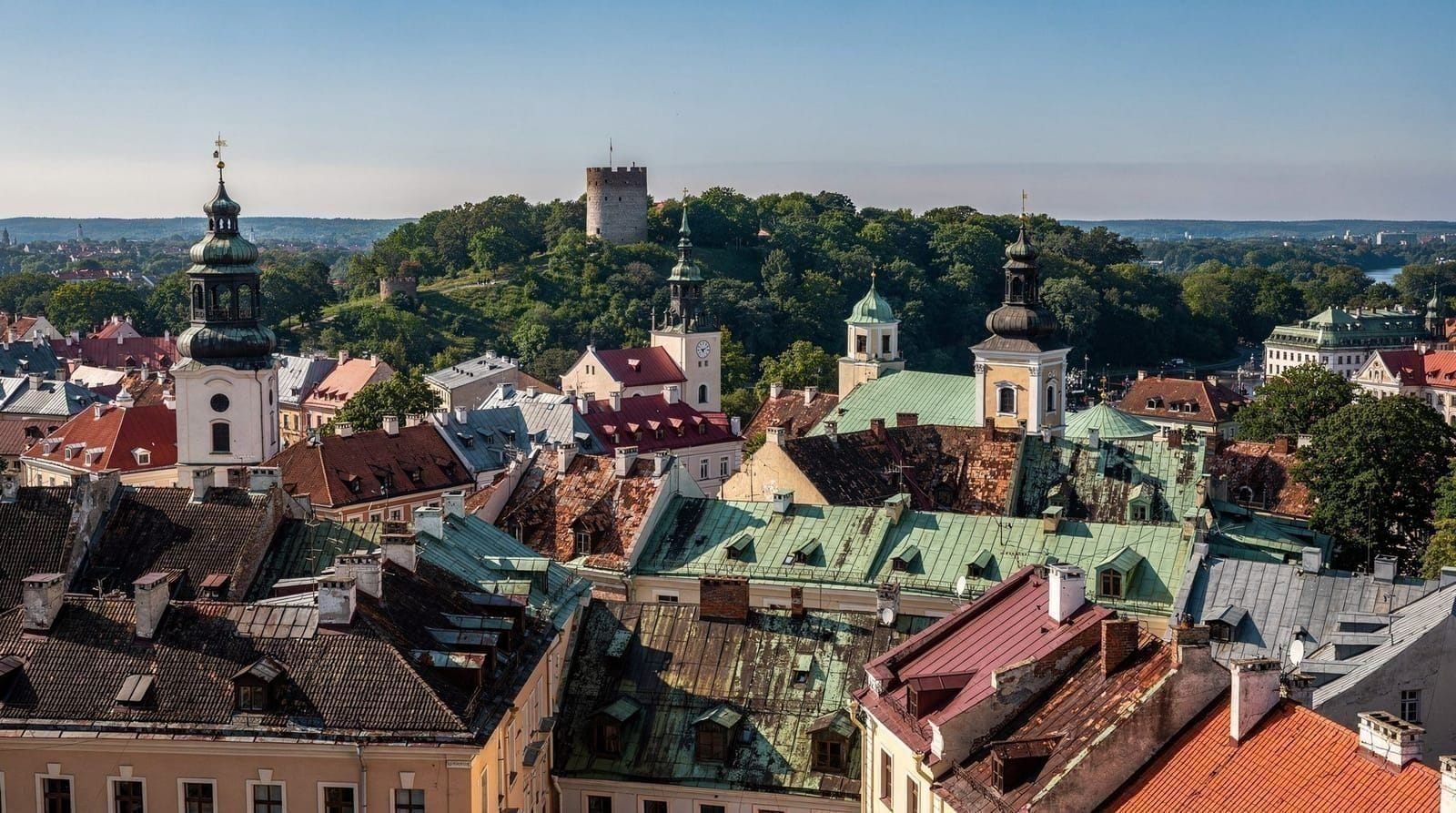
Tallinn’s Old Town is the most preserved medieval city centre in the Baltics — cobbled streets, intact city walls, towers, a limestone hill (Toompea) with the castle and churches. It’s also the most expensive city in the Baltics, noticeably so for accommodation, food, and tourist activities. Budget accordingly.
Two days in Tallinn: Day 1 for the Lower Town and Upper Town; Day 2 for Kadriorg Palace and Park, the KUMU art museum (Estonia’s national gallery in a striking modern building), and the Telliskivi Creative City district for the food and culture.
Practical information for the Baltic road trip
Car rental: Pick up in Vilnius, drop off in Tallinn. One-way rentals are available from most major agencies but add a fee — usually €50-150 depending on the agency and route. Bolt driver app works in all three countries as an alternative for city-to-city sections.
Border crossings: All three Baltic states are in the Schengen Area and EU. No passport checks, no customs declarations for EU citizens. US, UK, Canadian, Australian, and NZ passport holders travel freely.
Currency: Lithuania and Latvia use the euro. Estonia uses the euro. No currency exchange needed within the Baltics.
Roads: Generally good in Lithuania and Latvia. Some rural Lithuanian roads are single-lane with passing spots; the Via Baltica (main north-south route) is modern and well-maintained. Speed cameras are common in Lithuania — the national road limit is 90 km/h unless signed otherwise.
Fuel: Roughly €1.50-1.70/litre for petrol across all three countries (2026 prices, subject to change). Circle K and Neste are the main reliable chains.
For the Lithuania section specifically, the trains and buses guide is useful context for travellers who want to mix driving with public transport — some legs (Vilnius to Kaunas, for example) are easier by bus than car.
Shortening the trip to 7 days
If ten days isn’t available, drop one night from each capital and cut either Palanga or the Hill of Crosses detour rather than rushing the Curonian Spit — the Spit needs at least a half-day and rewards an overnight more than any other stop on the route. The 7-day Lithuania highlights itinerary is built around exactly this kind of compressed timeline if you want a ready-made version rather than editing this one yourself.
Extending into a longer Baltic and Lithuania tour
With two extra weeks rather than ten days, add the Gauja National Park in Latvia, a second night in Kaunas for the Rumšiškės open-air museum, and more time on the Curonian Spit itself. The 10-day Lithuania grand tour covers a Lithuania-focused version of this if you’d rather go deep on one country than spread across all three.
Day-by-day summary
| Day | Stop | Distance from previous |
|---|---|---|
| 1-2 | Vilnius | — |
| 3 | Kaunas | ~100 km |
| 4 | Hill of Crosses / Šiauliai area | ~200 km |
| 5 | Klaipėda & Curonian Spit | ~160 km |
| 6 | Palanga, then on to Riga | ~340-380 km |
| 7-8 | Riga | — |
| 9-10 | Tallinn | ~300 km |
Frequently asked questions about a Baltic road trip
How many days do you need for a Baltic road trip?
A minimum of 10 days for Vilnius to Tallinn doing the major stops. 14 days allows more flexibility — additional nights in Kaunas and the Curonian Spit, and more time in Riga. Less than 10 days means choosing between the capitals and the in-between stops.
Is it better to do the Baltic road trip north-to-south or south-to-north?
Either works logistically. Flights to Vilnius from many European cities are cheaper than Tallinn, making the south-to-north route economical if you can get a better return flight from Tallinn. One-way car rentals work both directions.
Can I do a Baltic road trip without a car?
Yes, but with compromises. Intercity buses (Lux Express, FlixBus) connect all three capitals and run frequently. The Hill of Crosses requires either a rental car or a guided day trip from Vilnius. The Curonian Spit can be reached by ferry and bus. The Gauja National Park in Latvia is difficult without a car.
What’s the best time of year for a Baltic road trip?
May-September for best weather and open attractions. June-August is peak season (more expensive, book ahead). May and September offer good weather with lower prices and fewer crowds. Winter (November-March) is possible and has distinct atmosphere — Christmas markets, snow, authentic off-season — but some coastal and natural attractions close or reduce hours.
Is the Curonian Spit worth the detour?
Unambiguously yes. It’s one of the most unusual landscapes in Europe — massive sand dunes, dense pine forest, a lagoon, and a narrow strip of land between the Baltic Sea and Lithuanian territory. Allow at least a half-day; an overnight in Nida is the best way to see it properly.
Can I do this road trip in reverse, starting in Tallinn?
Yes, the route works equally well north-to-south. Pick up the car in Tallinn and drop off in Vilnius; the same stops and driving times apply in reverse order.
Do I need an international driving permit for the Baltic states?
Most UK, EU, US, Canadian and Australian licence holders can drive in Lithuania, Latvia and Estonia without an international permit for a standard tourist visit, but check your specific rental agency’s requirements, as some ask for one regardless.