Hill of Crosses tour from Vilnius: which option to book
Vilnius: Hill of crosses siauliai full day
Duration: 8 hours
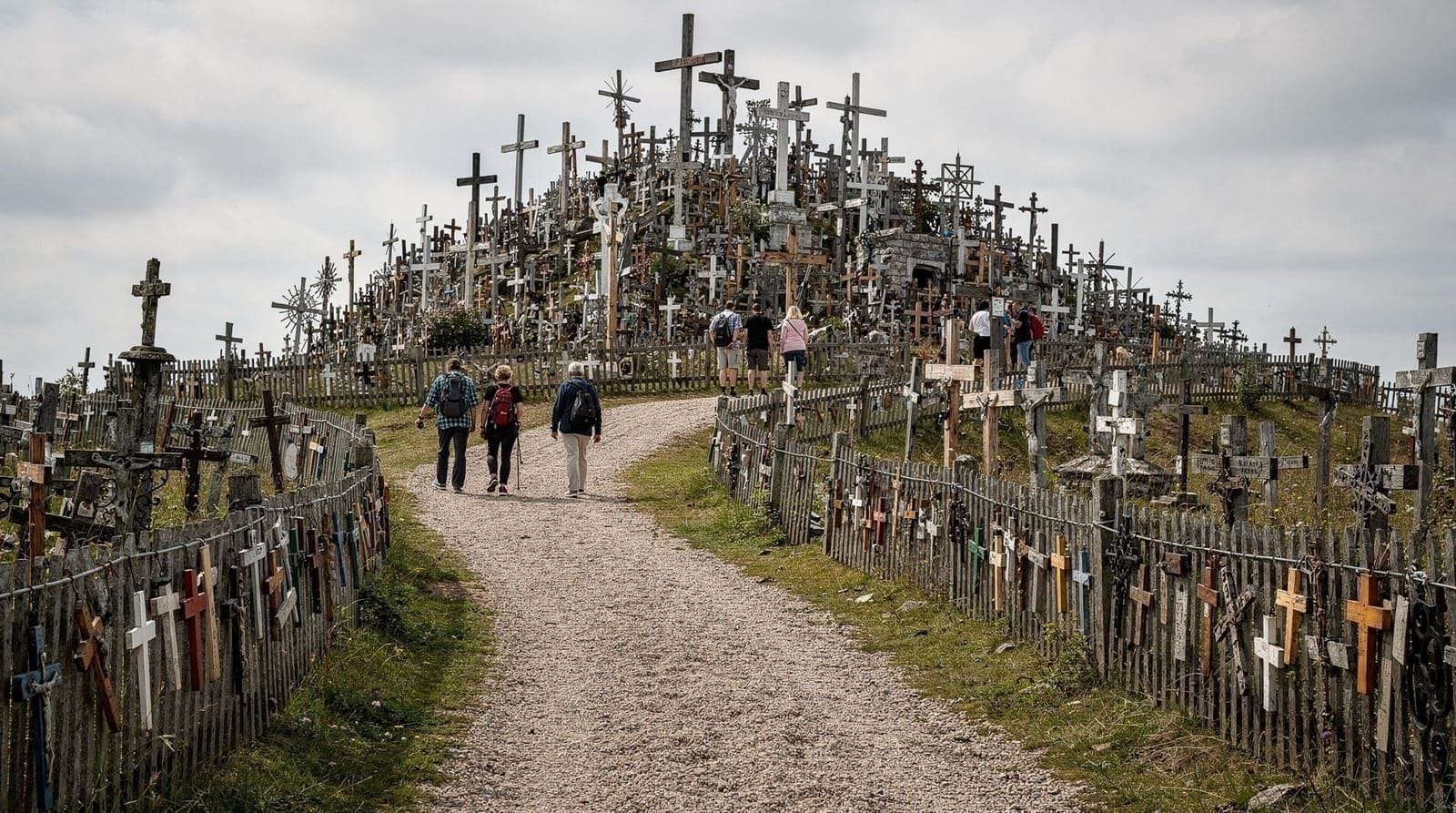
The Hill of Crosses (Kryžių kalnas) near Šiauliai is one of the most singular sites in the Baltic states. An otherwise unremarkable low hill that has accumulated somewhere between 100,000 and 200,000 crosses, crucifixes, rosaries, and small statues over centuries — the exact count is impossible, because people add new crosses daily. It survived two Soviet demolitions (1961 and 1973) when Lithuanians rebuilt it overnight each time, which is why it carries weight as a symbol of national and religious resistance. Pope John Paul II visited in 1993.
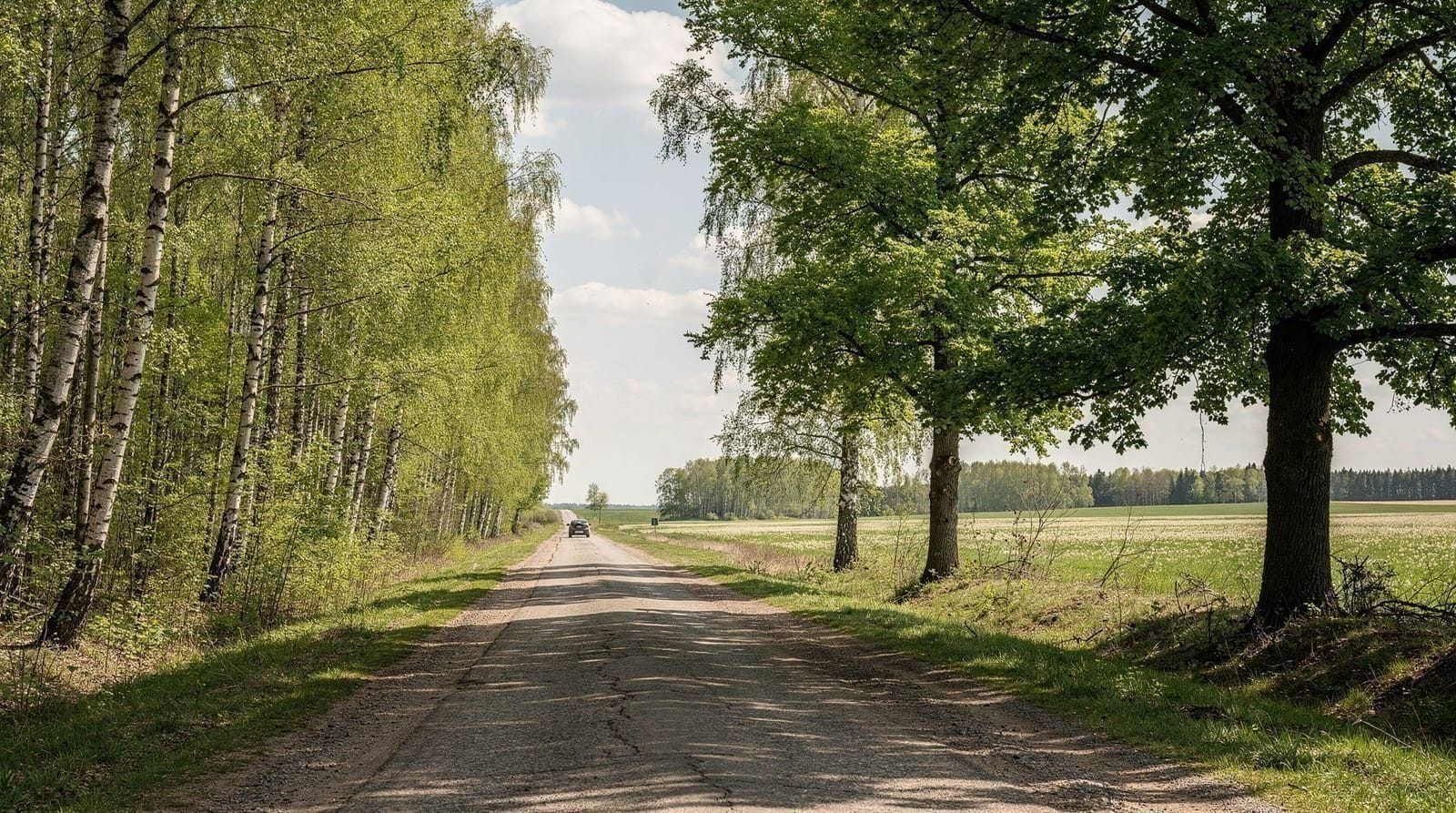
The site is 210 km from Vilnius. That distance — about 2.5 hours each way — is the defining practical consideration. Here is how to manage it.
| Where | Near Šiauliai, 210 km / around 2.5 hours north of Vilnius |
| Cost | Full-day tour around €35–€55/person; private 2-hour tour from Šiauliai priced separately |
| Time needed | 45 min–1 hour at the site itself; 10–12 hours for the full-day tour round trip |
| Getting there | Guided coach from Vilnius, or train/bus to Šiauliai then taxi (8 km) |
| Best time | Year-round; overcast days give the most dramatic photography, weekday mornings are quietest |
The full-day tour from Vilnius
The full-day Hill of Crosses and Šiauliai tour is the standard option from Vilnius: a coach or minibus departs in the morning, drives north along the Via Baltica, stops at the Hill of Crosses for 1 to 1.5 hours, then usually includes time in Šiauliai — Lithuania’s fourth city, with a decent pedestrianised centre and a small museum of bicycles that is more interesting than it sounds.
Total tour duration runs 10 to 12 hours, returning to Vilnius by early evening. The price is typically €35–€55 per person, including guide and transport. Lunch is usually not included; the Šiauliai stop allows time for an independent meal.
What the guide adds: The cross-planting tradition, the Soviet demolition history, the symbolism of different cross types (some are Lithuanian pagan in origin, predating Christianity), and the practicalities of how the Franciscan monastery at the base of the hill is involved. Without a guide, you can feel the atmosphere but may miss all of this. The Hill of Crosses day trip guide provides background if you prefer to prepare in advance.
What to watch for: Group sizes can reach 25–30 people on some operators’ coaches. If that bothers you, the smaller-format option below may be better.
The standard Šiauliai route tour
The Hill of Crosses and Šiauliai sightseeing tour covers the same geography with slight route variations — some operators include the Pakruojis Manor (a large neo-Gothic estate north of Šiauliai) or the Šiauliai Bike Museum. If you are interested in more than just the pilgrimage site, this fuller-day version adds substance to what would otherwise be a very long day for a 45-minute spectacle.
Check the specific itinerary when booking: the makeup of the rest of the day varies significantly between operators, and “Šiauliai sightseeing” can mean anything from a two-hour guided city walk to a 20-minute photo stop.
Private tour from Šiauliai
If you are already travelling through northern Lithuania — perhaps on the way from Vilnius to Riga — the private Hill of Crosses tour from Šiauliai covers just the site in 2 hours, picking up in Šiauliai city. This is the right option if you have your own transport or are arriving by train from Vilnius (direct trains to Šiauliai run in under 2 hours for around €10–€14).
The private format allows depth: the guide can walk slowly through the cross forest with you, answer questions about specific crosses, and explain the different traditions for which occasions crosses are planted (births, deaths, pilgrimages, national anniversaries). It also suits people who find large pilgrimage sites emotionally demanding and want space to experience it quietly.
Šiauliai: what to do with the rest of the day
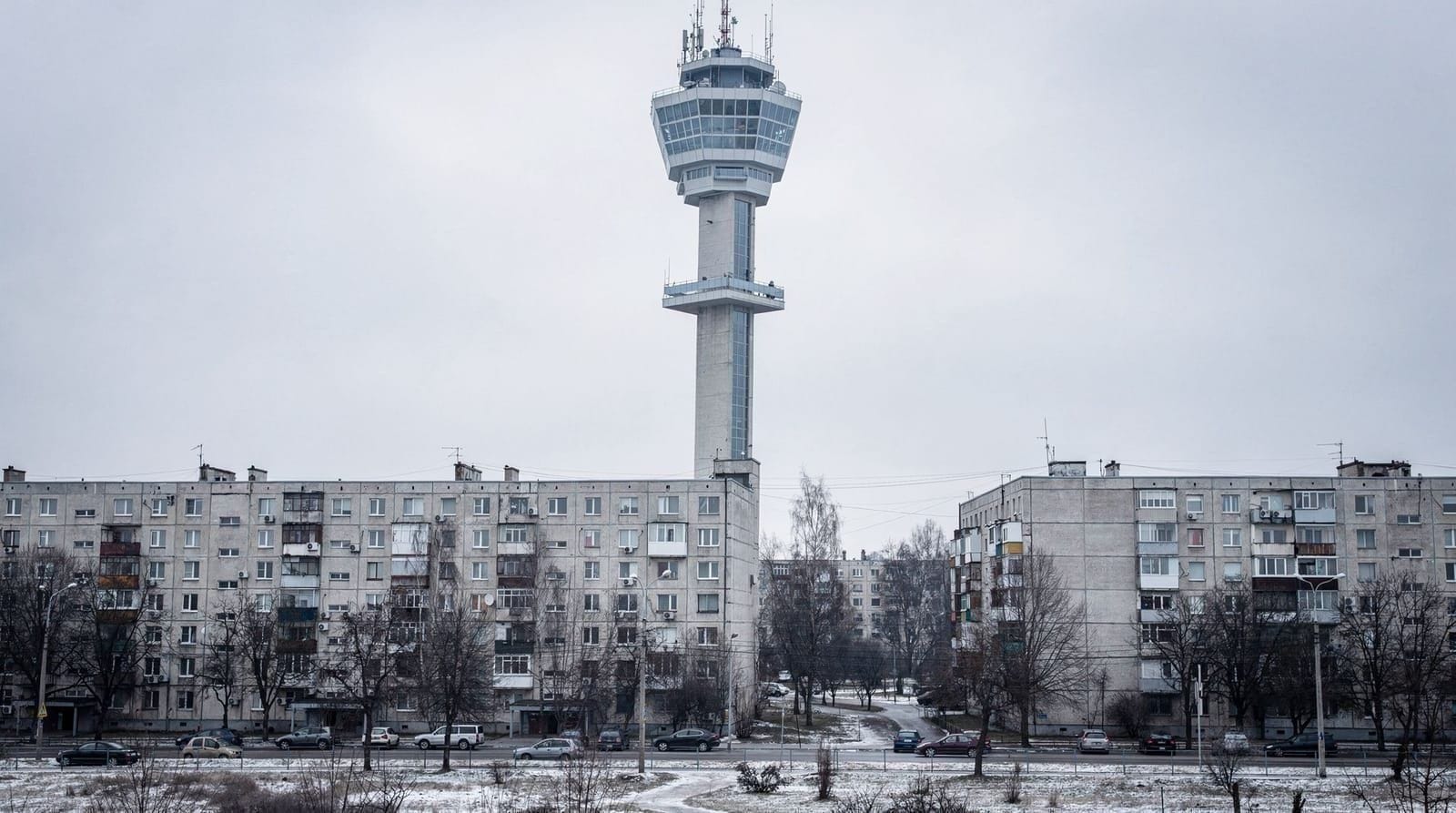
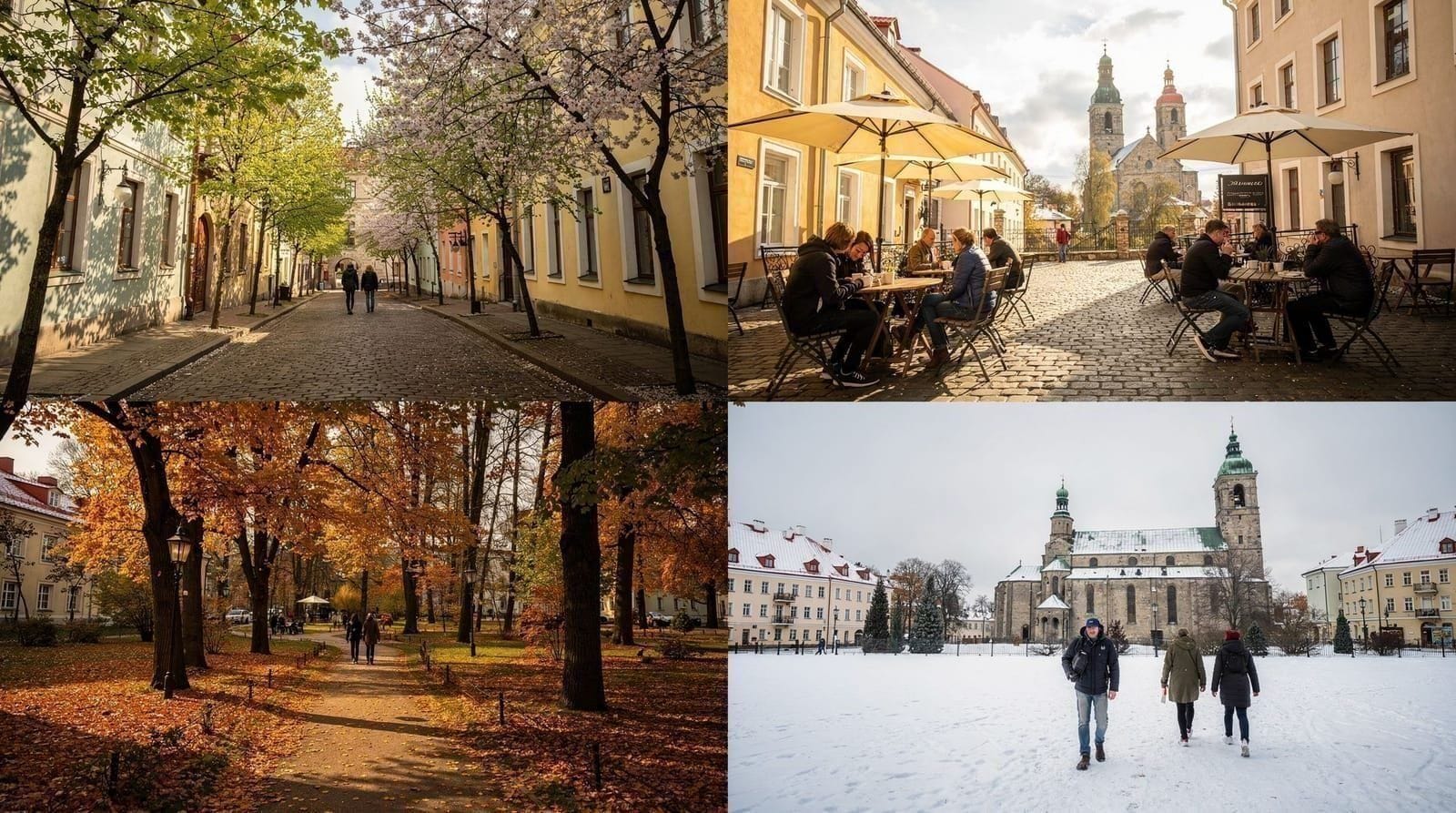
Most full-day tours from Vilnius include a stop in Šiauliai — Lithuania’s fourth city, population 100,000 — before or after the Hill of Crosses. The city itself is less visited than it deserves.
Laisvės Alėja (Freedom Avenue) in Šiauliai was the first pedestrian boulevard in the Soviet Union, established in 1968. The city’s urban planning has retained a pleasantly unhurried quality. The central square has the Cathedral of St. Peter and St. Paul, dating from the 17th century.
The Bicycle Museum (Venclauskių g. 5) is the genuine surprise of Šiauliai: a private museum covering the history of the bicycle from its 1810s German prototype through racing history, Soviet-era Lithuanian production, and contemporary design. The collection runs to around 5,000 bicycles. It sounds niche; it is actually fascinating. About an hour, entry €3.
The Chaim Frenkel Villa (Vilniaus g. 74) is an early 20th-century Art Nouveau villa that was home to one of Šiauliai’s most prominent Jewish families before the war. It is now a heritage museum and one of the best-preserved examples of provincial Jewish bourgeois life architecture in the Baltics. The Jewish community of Šiauliai — approximately 5,000–6,000 people before 1941 — was almost entirely murdered in massacres at the Kužiai forest in November 1941.
A guided full-day tour from Vilnius typically allows 1.5 to 2 hours in Šiauliai, which is enough for the pedestrian avenue and lunch. To add the museums, negotiate with your operator or book a private tour that gives you more control over the schedule.
Going independently
The independent route from Vilnius: intercity bus to Šiauliai (3–3.5 hours, €8–€14), then local bus 77 or a taxi to the Hill of Crosses (8 km, around €7–€10 by taxi). Total travel time is 4–5 hours for the return trip, making it a very long day. Most visitors find the guided tour from Vilnius more practical for this particular destination.
If you are renting a car, the car rental in Lithuania guide covers logistics. Driving gives full flexibility: you can stop at Pakruojis Manor, Radviliškis, or the nearby town of Joniškis without any schedule constraints.
Is the Hill of Crosses worth a full day?
Honest answer: it depends on your tolerance for long days and your interest in religious and resistance history. The site itself takes 45 minutes to an hour to experience properly. The emotional and visual impact is significant — there is nothing in Western Europe that looks quite like it, and the history of civilian resistance to Soviet power gives it real weight.
If you have 5 or more days in Lithuania, it belongs on the itinerary. On a 7-day Lithuania highlights trip it fits naturally on the drive toward Klaipėda or Riga. If you only have 2–3 days and need to choose between day trips, prioritise Trakai and Kaunas first — both are shorter journeys and more accessible in most weather.
What to bring and expect
- Footwear: the hill is a mound, not a mountain, but paths are unpaved and muddy after rain. Trainers or walking shoes are fine.
- Photography: the visual spectacle peaks in overcast conditions when the density of crosses is most apparent. Bright sunlight is actually less dramatic. Come prepared for either.
- Crowds: summer weekends bring tour bus traffic. A weekday morning visit is quieter.
- Weather: no shelter at the site. Rain gear is recommended from October to April.
How to combine with Kaunas
The best day trips guide notes that some operators combine the Hill of Crosses with a stop in Kaunas on the return leg. This is geographically logical — Kaunas is on the Vilnius–Šiauliai route — but makes for an extremely full day (12–14 hours). Only consider this if you have energy to spare and genuinely want to see both in one hit. A better approach is to allocate Kaunas its own day; the Kaunas day trip guide explains why.
The history you need to understand before visiting
The cross-planting tradition at this particular hill dates from the 14th century according to local accounts, though the earliest documented references are from the 19th century. What is certain is that the tradition intensified after the 1863 Polish-Lithuanian uprising against Russian rule, when crosses were placed as memorials for the fallen. The practice was then used during Soviet occupation as a form of silent resistance.
The Soviet authorities demolished the crosses twice — in 1961 and 1973 — using bulldozers and, reportedly, burning crosses and breaking concrete structures. On both occasions, Lithuanians rebuilt the display within days or weeks. After the second demolition, the KGB installed surveillance around the hill. The rebuilding continued anyway.
The site was estimated to have 40,000 crosses before the Soviet era. Current estimates run between 100,000 and 200,000, with new crosses added daily from visitors around the world. The range is uncertain because counting individual items in a dense cross forest is practically impossible.
The Franciscan monastery at the base was established in 1993 following Pope John Paul II’s visit — the same visit that legitimised the site as a formal Catholic pilgrimage destination rather than simply a resistance symbol. The monastery offers accommodation for pilgrims throughout the year, and the monks maintain the central path through the cross field and organise the formal pilgrimage events on major Catholic feast days.
What the different crosses mean
A good guide at the Hill of Crosses will walk you through the taxonomy:
- Large crosses on poles: often placed by parishes or communities, commemorating specific events or deaths
- Small crosses nailed to larger ones: individual visitor offerings
- Rosaries draped over crosses: Catholic pilgrimage tradition
- Crucifixes with painted figures: Lithuanian folk art tradition, some very old
- Pre-Christian symbols (suns, snakes, anthropomorphic figures): evidence of the pagan tradition that predated Christianity here
- Memorial plaques: some very recent, some from the Soviet resistance period
The layering of religious traditions — Catholic, pre-Christian Lithuanian pagan, resistance memorial — is what makes the site theologically complex and visually extraordinary.
Combining the Hill of Crosses with a Riga crossing
If your route runs from Vilnius toward Riga rather than back to Vilnius, the Riga-to-Vilnius tour via Rundāle and Hill of Crosses covers the site as part of a one-way border crossing, often paired with Rundāle Palace in Latvia and Kernavė in Lithuania. This suits travellers doing an open-jaw Baltic trip rather than a round trip from Vilnius, and avoids doubling back on the Via Baltica. For visitors instead extending north from Šiauliai with more time, the Hill of Crosses and Pakruojis Manor full-day tour adds the neo-Gothic manor estate — one of the largest in the Baltics — to the day, giving the trip an architectural counterweight to the pilgrimage site.
Understanding Soviet-era Lithuania before you go
The Hill of Crosses only makes full sense against the backdrop of decades of Soviet occupation, and the Soviet history of Vilnius guide is useful preparation if the resistance symbolism is a big part of why you are visiting. The wider understanding Lithuanian history guide covers the sweep from independence in 1918 through Soviet occupation to the 1990 restoration, which explains why a hill of homemade crosses became such a potent national symbol rather than a purely religious curiosity.
Šiauliai as a destination in its own right
Beyond the pedestrian avenue and the museums covered on most tours, the Šiauliai destination page gives a fuller picture of the city for anyone tempted to stay longer than the standard 1.5–2 hour tour stop — useful if you are travelling independently by train and want to build in a proper lunch or a second museum visit rather than rushing between the bus and the Hill of Crosses taxi.
Frequently asked questions about the Hill of Crosses tour
Is the Hill of Crosses a Catholic pilgrimage site?
It has become one over centuries — a pilgrimage tradition developed in the 14th century — but many crosses were placed by non-religious Lithuanians as acts of cultural resistance during Soviet occupation. The Franciscan monastery nearby organises formal pilgrimages, particularly around national holidays.
Can I plant my own cross?
Yes. Visitors are actively encouraged to place a cross, which can be bought from small stalls near the entrance for €2–€8. There is no protocol other than basic respect for the space.
Does the tour run in winter?
Yes. The Hill of Crosses is open year-round and actually looks striking in snow. Tour frequency from Vilnius drops to 2–3 departures per week in winter rather than daily. Check specific operator schedules. See the winter in Vilnius guide for the broader seasonal picture.
How physically demanding is the visit?
Very low. The hill is perhaps 10–12 metres high with gradual slopes. A 10-minute slow walk gets you to the top. It is accessible for most mobility levels, though there are no paved paths through the cross field itself.
Is there food near the Hill of Crosses?
A small café and souvenir stalls operate at the entrance in summer. For a proper meal, Šiauliai city (8 km) has a range of cafés and restaurants. Tour operators typically build in a Šiauliai lunch stop.
Is it disrespectful to take photos at the Hill of Crosses?
No — photography is normal and expected at what is, functionally, both a religious pilgrimage site and a visitor attraction. The usual etiquette applies: stay on the paths through the cross field, do not climb on or remove crosses, and be mindful of anyone visibly praying or placing a cross of their own.