Vilnius in winter — what to expect and what to do
Vilnius: Christmas market holiday traditions tour
Duration: 3 hours
Is Vilnius worth visiting in winter?
Yes, particularly in December for the Christmas market. Vilnius in winter is cold (−2 to −8°C), dark (7 hours daylight in January), and significantly less crowded than summer. The Old Town looks beautiful under snow. Entry prices drop for accommodation and many attractions offer quieter access. January and February are the quietest, cheapest months.
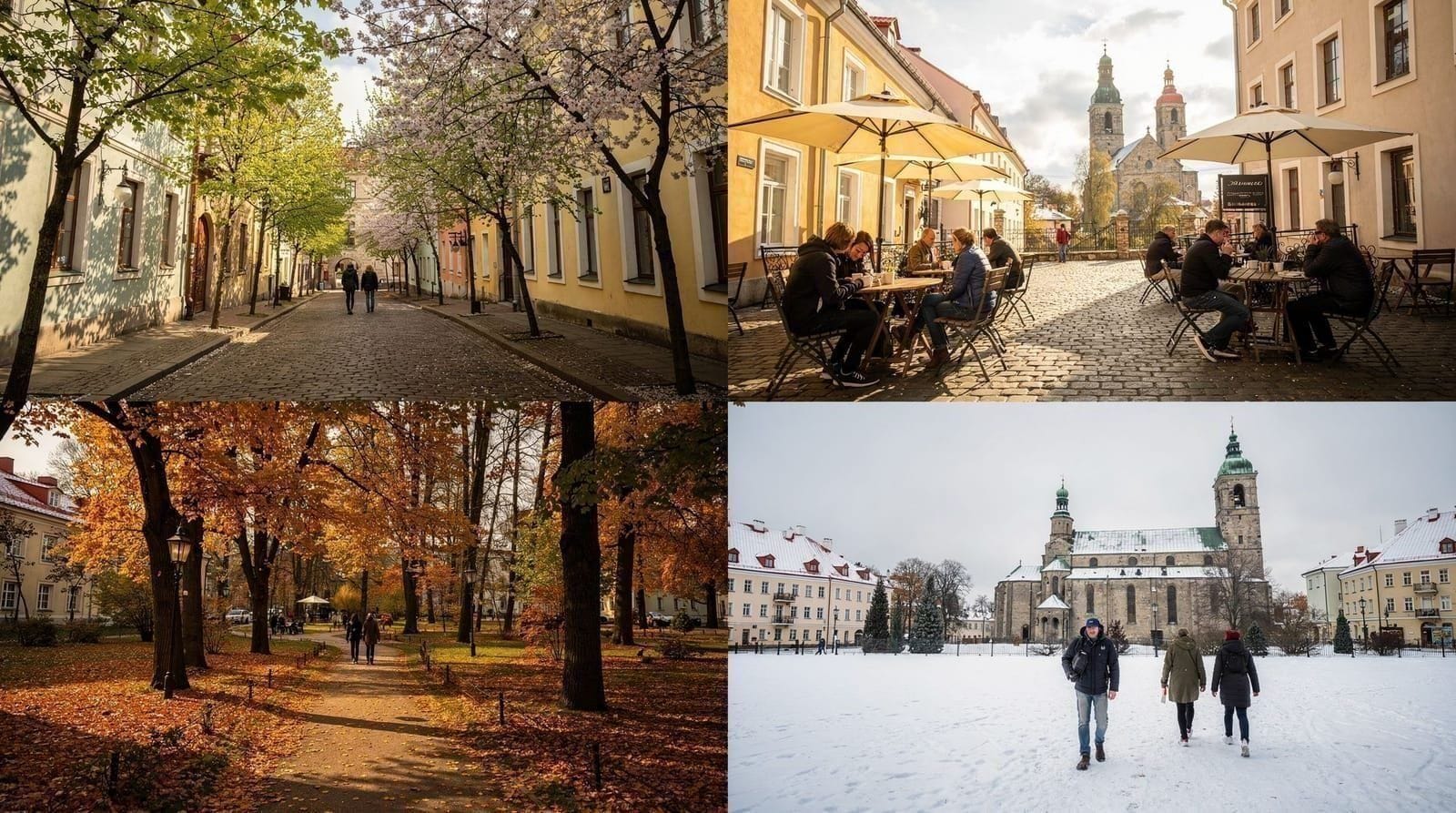
Vilnius in winter divides opinions. December is genuinely atmospheric — a Christmas market on Cathedral Square, snow on Baroque rooftops, the Old Town lit with soft amber light. January and February are something else: seven hours of daylight, persistent grey, cold that requires real winter gear rather than a stylish coat. Both versions of winter Vilnius are real; which one you experience depends on when you arrive.
This guide gives honest information about each winter month, what you can realistically do, and what you cannot.
| Where | Cathedral Square, Old Town, Druskininkai (day trip) |
| Cost | around 20–40% below July–August peak prices |
| Time needed | December for atmosphere, January–February for value |
| Getting there | VNO Airport; January/February typically the cheapest flights |
| Best time | Early-to-mid December for the Christmas market at its best |
The winter climate: numbers
| Month | Average daytime | Average low | Daylight hours | Snow probability |
|---|---|---|---|---|
| December | 1°C | −4°C | 8 hours | High |
| January | −1°C | −7°C | 7 hours | Very high |
| February | 0°C | −7°C | 9 hours | High |
These are averages — individual days vary significantly. Cold snaps can bring −15°C or colder; mild spells can briefly reach +5°C even in January. The key constant is low daylight: in the first week of January, the sun rises after 8:30 am and sets before 4 pm.
Snow in Vilnius is not decorative — it can be significant. The Old Town cobblestones become icy and genuinely slippery. Good waterproof boots with grip are not optional.
December: the best winter month
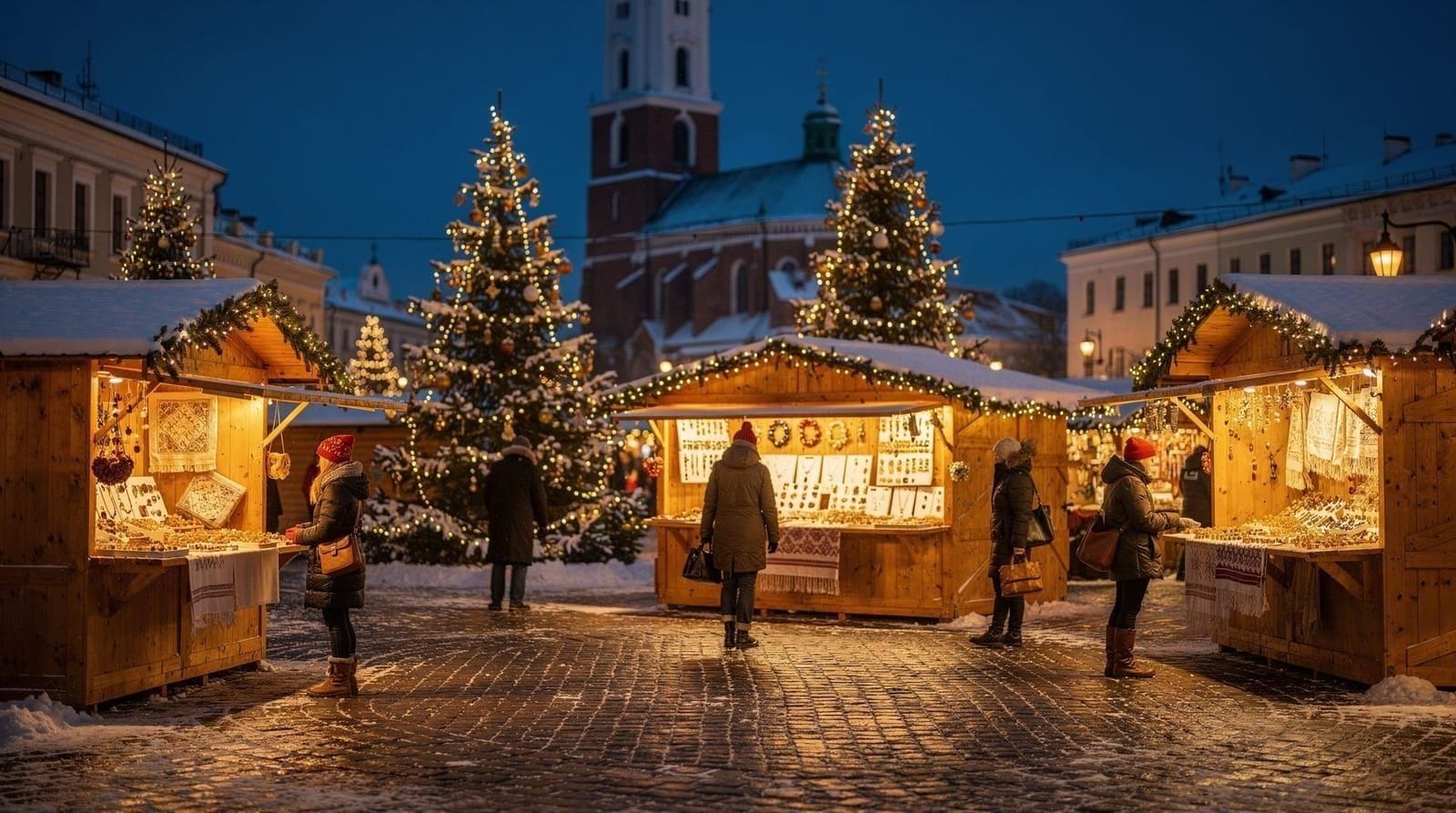
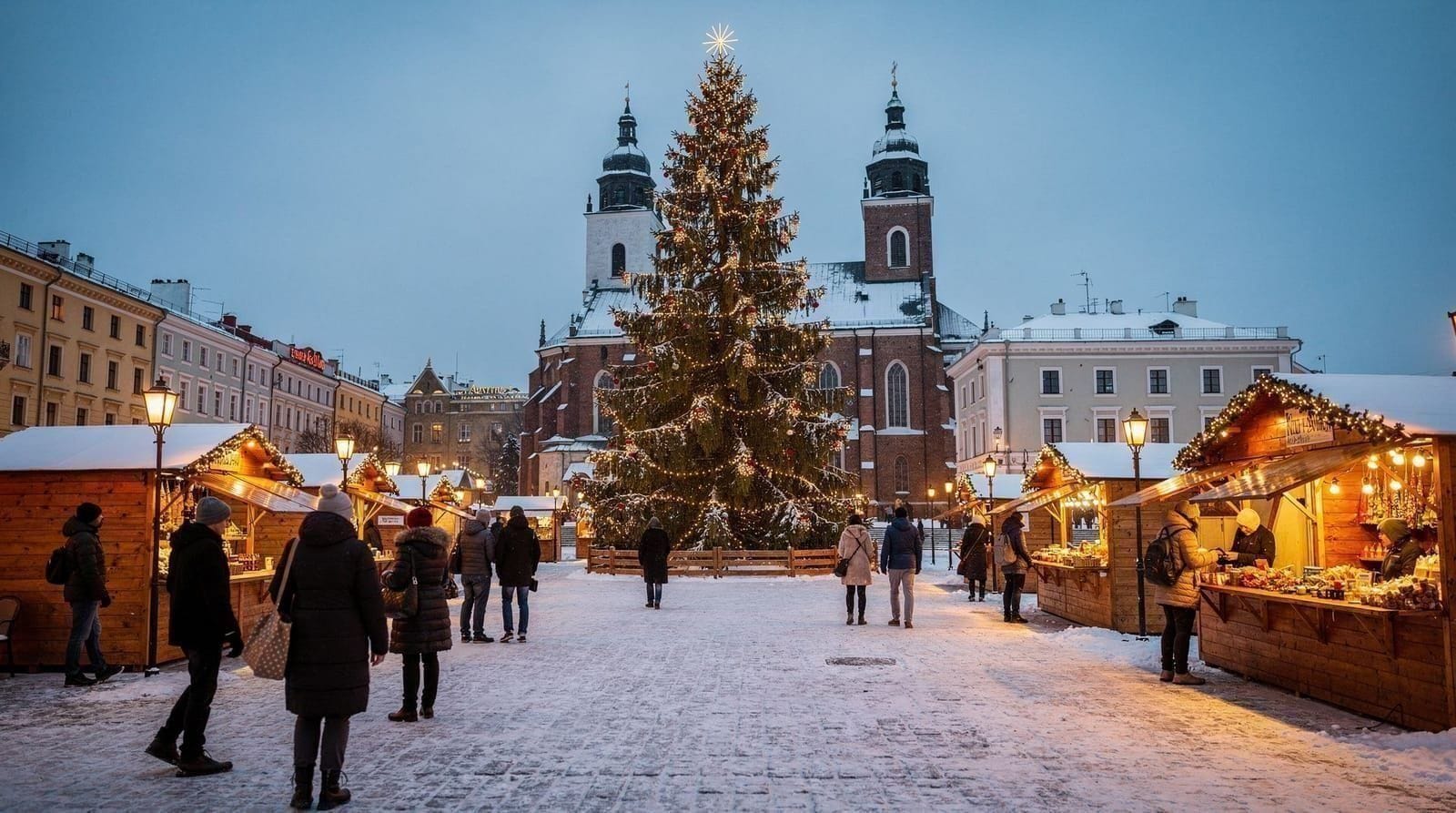
December in Vilnius is the winter month worth planning around. The Cathedral Square Christmas market (usually opening late November and running to early January) transforms the square — wooden stalls, mulled wine (karštasis vynas), Lithuanian gingerbread, craftwork, and a large central Christmas tree that becomes the social backdrop of the city.
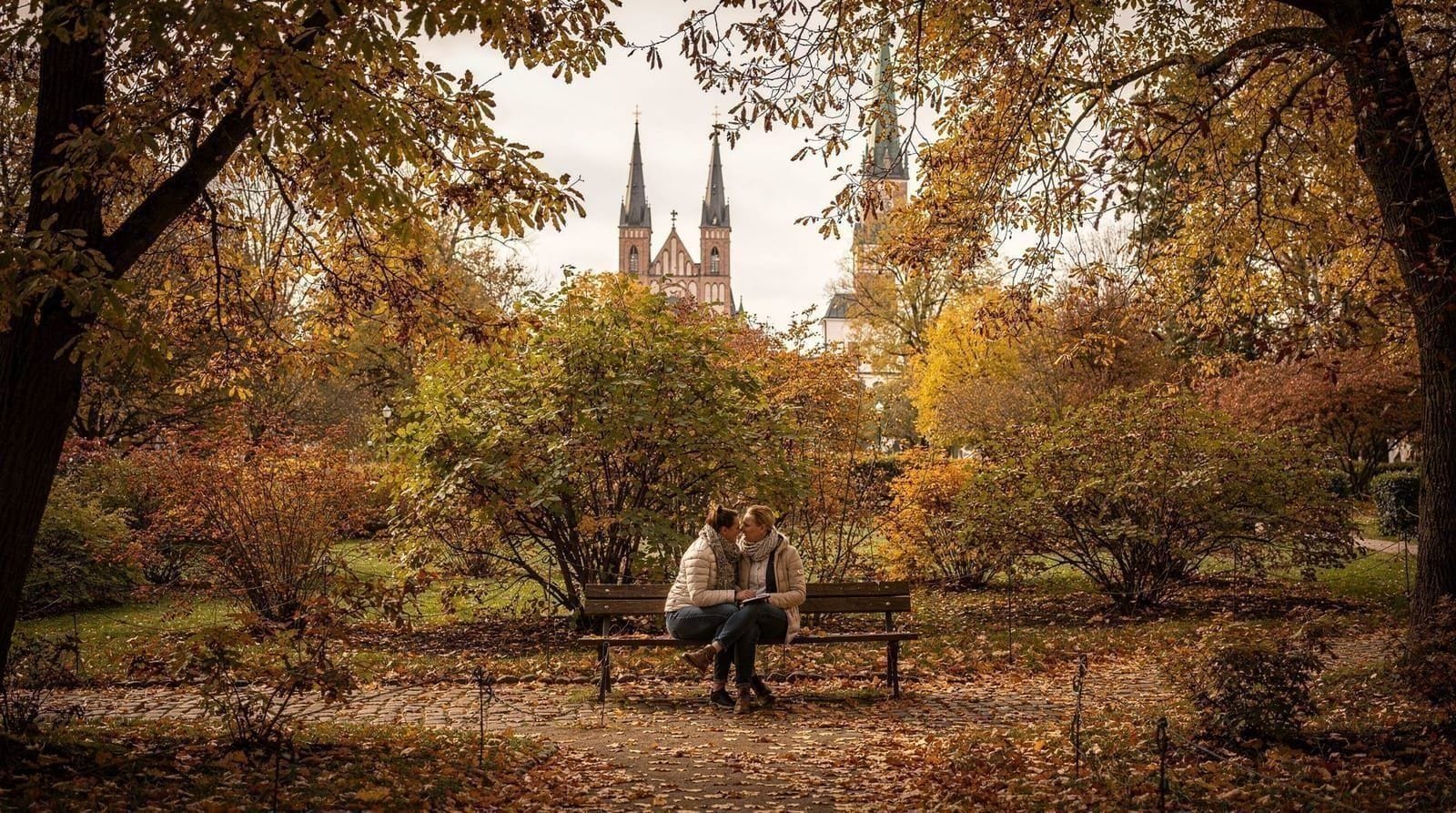
But December in Vilnius is more than the market. The city is lit for the season and the Baroque Old Town architecture looks its best under soft December illumination and snow. There are significantly fewer tourists than in summer, but the city is not empty — it is a normal, functioning European capital going about its December life.
What works particularly well in December:
- Christmas market visits (evening is best for atmosphere)
- Museum visits without crowds: Palace of the Grand Dukes, Museum of Occupations, Vilnius Picture Gallery
- Restaurant culture: old-town restaurants are less rushed, service is better, booking is easier
- Hotel rates: 20–40% lower than August peak
- Spa visits: Druskininkai Aqua Park is particularly good as a December day trip (1.5 h by bus)
What to watch in December:
- Accommodation prices rise during Christmas week (23–27 December) and New Year’s Eve — book ahead for those dates
- Some tour operators reduce group tour schedules after mid-December
- Short days mean outdoor sightseeing works best 10 am–3 pm
The Christmas market in detail
The Vilnius Christmas market at Cathedral Square is one of the better markets in the Baltic states — less famous than Tallinn’s or Riga’s equivalents, but more authentically Lithuanian and less targeted at foreign tourists.
The market runs on Cathedral Square from late November through early January, typically 11 am to 9 pm on weekdays and 10 am to 10 pm on weekends. Entry is free. The stalls are wooden structures arranged around the large central Christmas tree — a fir typically between 15 and 20 metres tall, decorated each year with a different theme chosen by competition.
What distinguishes the Vilnius market from generic European Christmas markets: the food. Lithuanian Christmas food traditions are distinct and at their best at the market stalls. Kibinai (the Karaim pastries also associated with Trakai) appear alongside more standard street food. Šakotis — a distinctive Lithuanian spit cake made by dripping batter onto a rotating spit, creating a tree-like structure of irregular spikes — is sold by weight and is unlike anything else in European baking. Hot beer (karštasis alus, served warm with spices rather than cold) is a Lithuanian winter speciality worth trying.
The craftwork at the market is more genuinely Lithuanian than at many European Christmas markets — amber jewellery, linen goods, traditional wooden toys, and folk art ceramics from artisans rather than mass-produced imports. Prices are reasonable. The best stalls are not necessarily the most prominent — browsing away from the central cluster often reveals better quality.
Evening visits (from 6 pm) have the best atmosphere: the square is lit, the tree glows, and the air smells of pine, mulled wine, and grilled meats. Weekend afternoons are the most crowded time.
January: the honest picture
January is Vilnius at its most withdrawn. After the Christmas and New Year period, the city enters its quietest month of the year. The market is dismantled, the decorations come down, and the calendar empties.
What remains is still worthwhile, but requires adjustment of expectations:
Indoor culture, undisturbed: January is arguably the best month to visit the major museums — you will share the Museum of Occupations (KGB Museum) with a handful of other visitors rather than tour groups. The Gediminas Tower museum is intimate. The Palace of the Grand Dukes has time to linger over every exhibit.
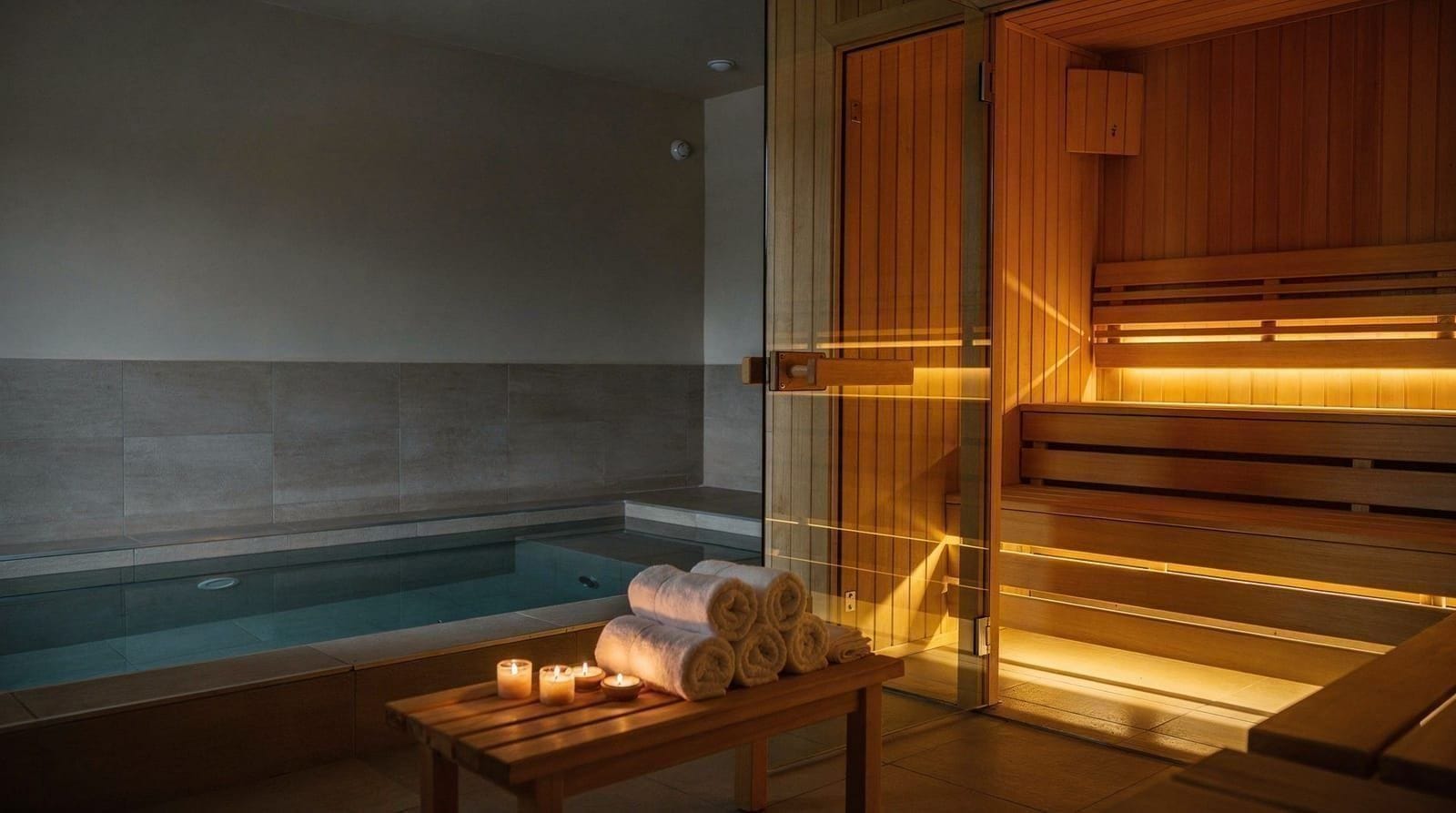
Sauna and spa culture: Lithuanian sauna culture (pirtis) is at its most relevant in January. Many guesthouses and hotels have private sauna facilities. The Druskininkai spa resorts offer excellent value in off-season — the same Aqua Park day pass at lower winter prices.
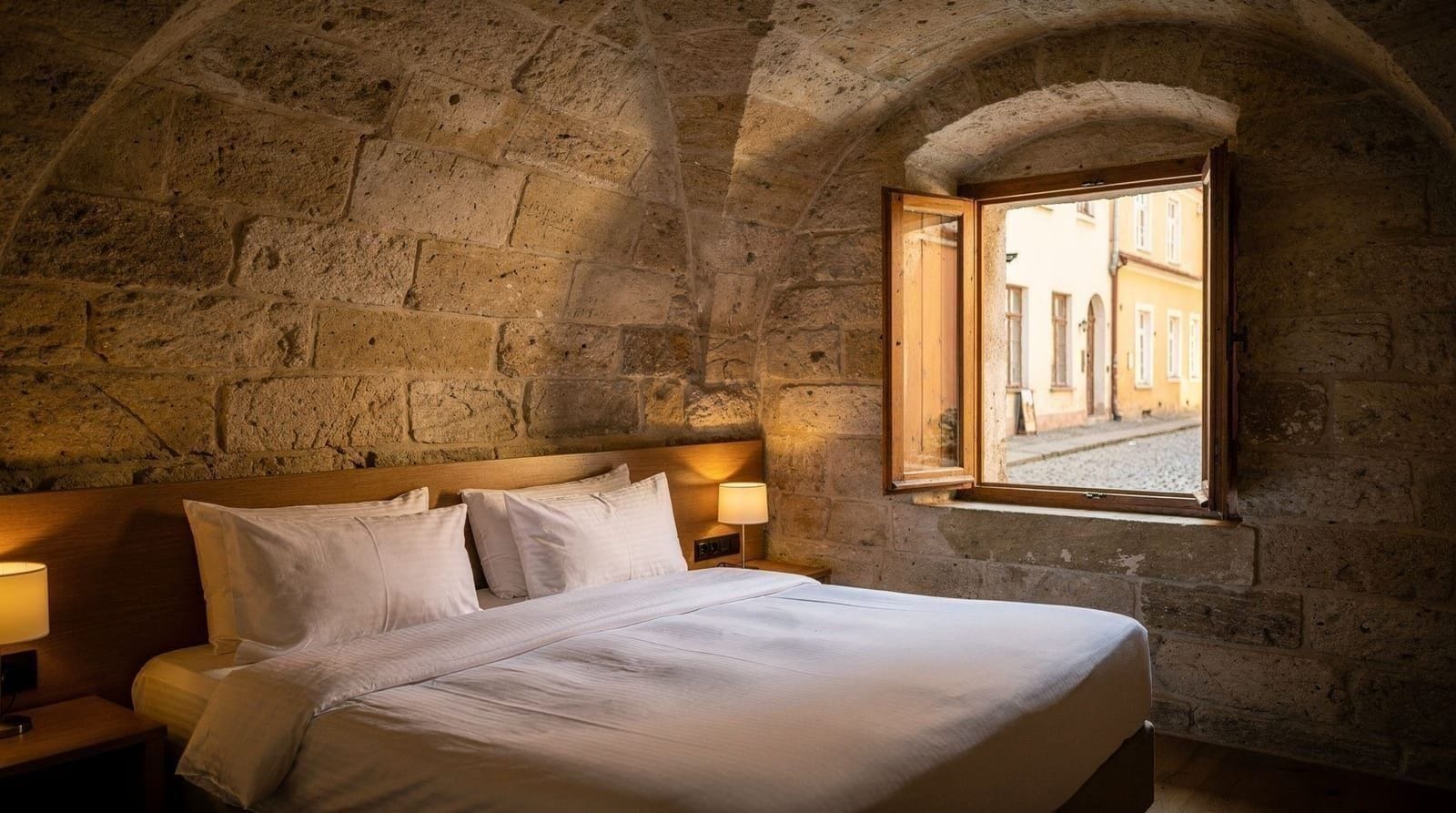
January costs: Accommodation in the Old Town can be found for €35–60/night for a comfortable 3-star in January, versus €80–120+ in July. Several hotels offer January promotions.
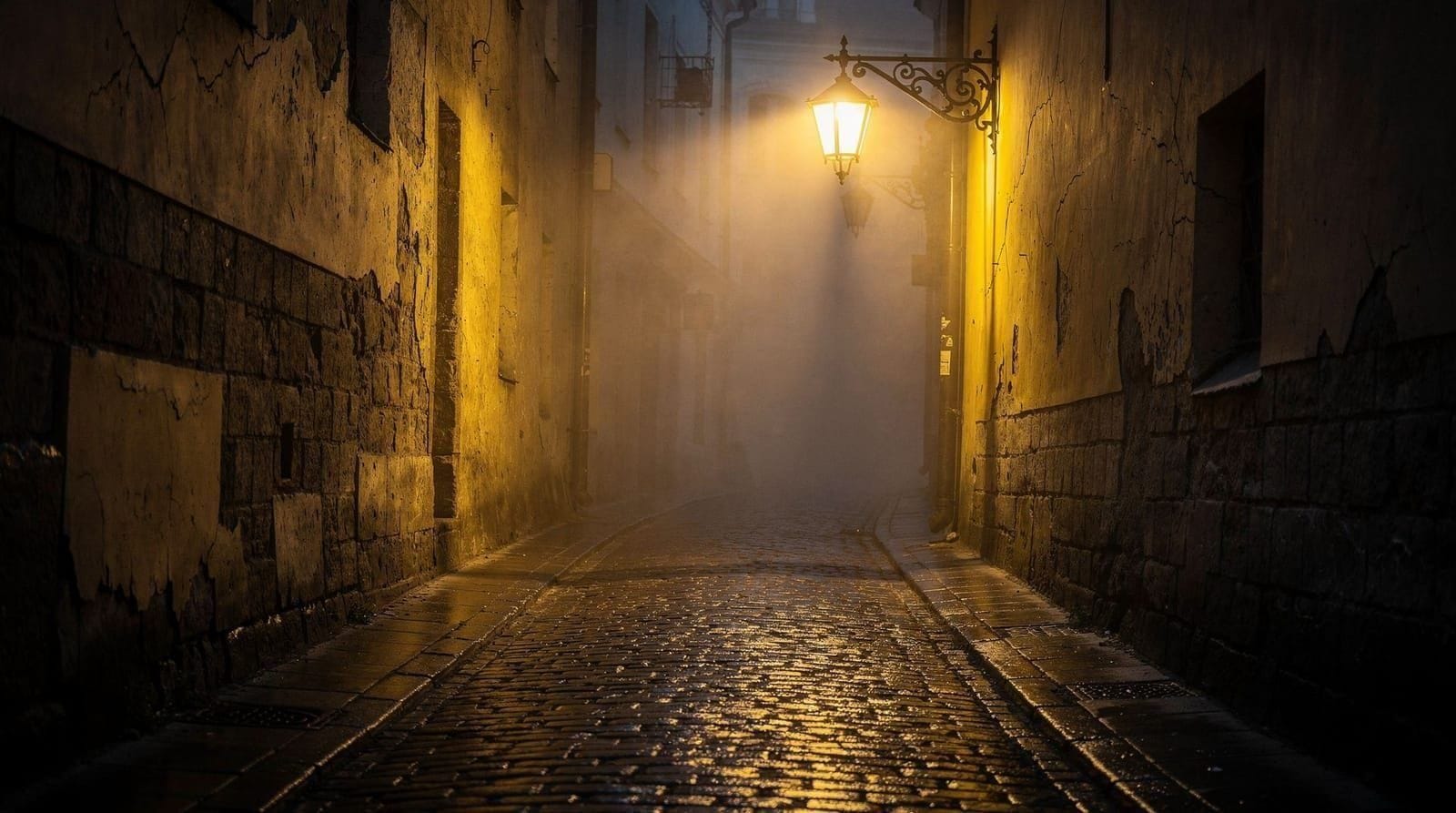
Ghost and history tours: The dark evening hours give Vilnius ghost tours a particular atmospheric advantage in winter. The Old Town’s narrow lanes and candlelit courtyards are genuinely evocative on a cold January night.
The honest downside: If you dislike cold, darkness, and grey skies, January in Vilnius is not for you. With only 7 hours of daylight, outdoor sightseeing is constrained. The thermal layers are non-negotiable, not optional fashion.
February: gradual return
February in Vilnius is marginally better than January — an hour more daylight by the month’s end, and the first signs that winter is finite. The city remains quiet and the prices remain low.
The Kaziukas Fair, Lithuania’s biggest traditional craft market, is held in early March (the week around St Casimir’s Day, 4 March) — not February, but worth planning around if your timing is flexible. See the Kaziukas Fair guide for detail.
Valentine’s Day: Vilnius has a small tradition of Valentine’s Day events, particularly in the Užupis neighbourhood. The Užupis café and art scene has its own idiosyncratic take on the date.
Lithuanian sauna culture in winter
The pirtis (Lithuanian sauna) occupies a cultural position similar to the Finnish sauna — a serious social institution rather than a hotel amenity. Traditional Lithuanian saunas use birch whisks (vantai) and often involve the full cycle of heating, steaming, cooling in cold water, and resting. The experience is genuinely different from a typical hotel sauna.
In Vilnius, several establishments offer authentic pirtis experiences:
Kempiniai Pirtelė (Žirmūnų g. 70): A well-regarded traditional bathhouse outside the Old Town, with wood-fired saunas and cold plunge pools. Sessions run 2–3 hours; book in advance. Price: approximately €20–30 per person for a group session.
Private sauna rental: Many guesthouses and aparthotels in Vilnius offer private sauna rooms rented by the hour (€15–25/hour). This is the most practical option for couples or small families who want the experience without a group booking.
For the full Lithuanian sauna immersion, the Lithuanian sauna culture guide explains the traditions and etiquette in detail. The Druskininkai spa guide covers the spa resort options for those wanting a full day or weekend.
What to wear in Vilnius in winter
Winter in Vilnius is northern European cold — not Scandinavian extreme, but not manageable with a city coat. The cobblestones make proper footwear essential.
Recommended layers:
- Base layer: Thermal underwear (merino wool or synthetic). Non-negotiable below −3°C
- Mid layer: Fleece or down gilet/jacket
- Outer layer: Waterproof, windproof jacket rated for at least −10°C
- Feet: Waterproof insulated boots with grip soles (ice on cobblestones is a real hazard). Bring microspike attachments if you plan extensive outdoor walking in January–February
- Head and hands: Warm hat covering ears, insulated gloves
- Neck: Scarf or neck gaiter — the wind is often the coldest element
What locals wear: Lithuanians in Vilnius dress practically for winter — real down coats, serious boots, no decorative scarves. Fashion yields to function.
Winter activities in Vilnius
Ice skating: The city sets up seasonal ice rinks — historically on Gediminas Avenue and at Vingis Park. Check vilnius-events.lt for current season rink locations. Entry typically €4–6 including skate hire.
Indoor sports and leisure: Vilnius has multiple swimming pools (Lazdynai swimming complex, Žirmūnai pool), bowling alleys, and the Akropolio cinema complex (Ozo g. 25) for standard indoor leisure.
Cooking classes: Winter is a good time for indoor food experiences. Several Vilnius operators offer Lithuanian cooking classes where you make cepelinai, šaltibarščiai, and other national dishes. €50–80 per person for 2–3 hours including the meal you cook.
Literary and cultural events: The Vilnius Book Fair (usually February at LITEXPO exhibition centre) is one of the Baltic states’ largest literary events. Vilnius also has an active theatre and classical music season running October through April.
The indoor museum circuit in winter
Winter is the best season to spend unhurried time in Vilnius’s major museums. Without summer crowds, exhibitions feel genuinely accessible rather than squeezed.
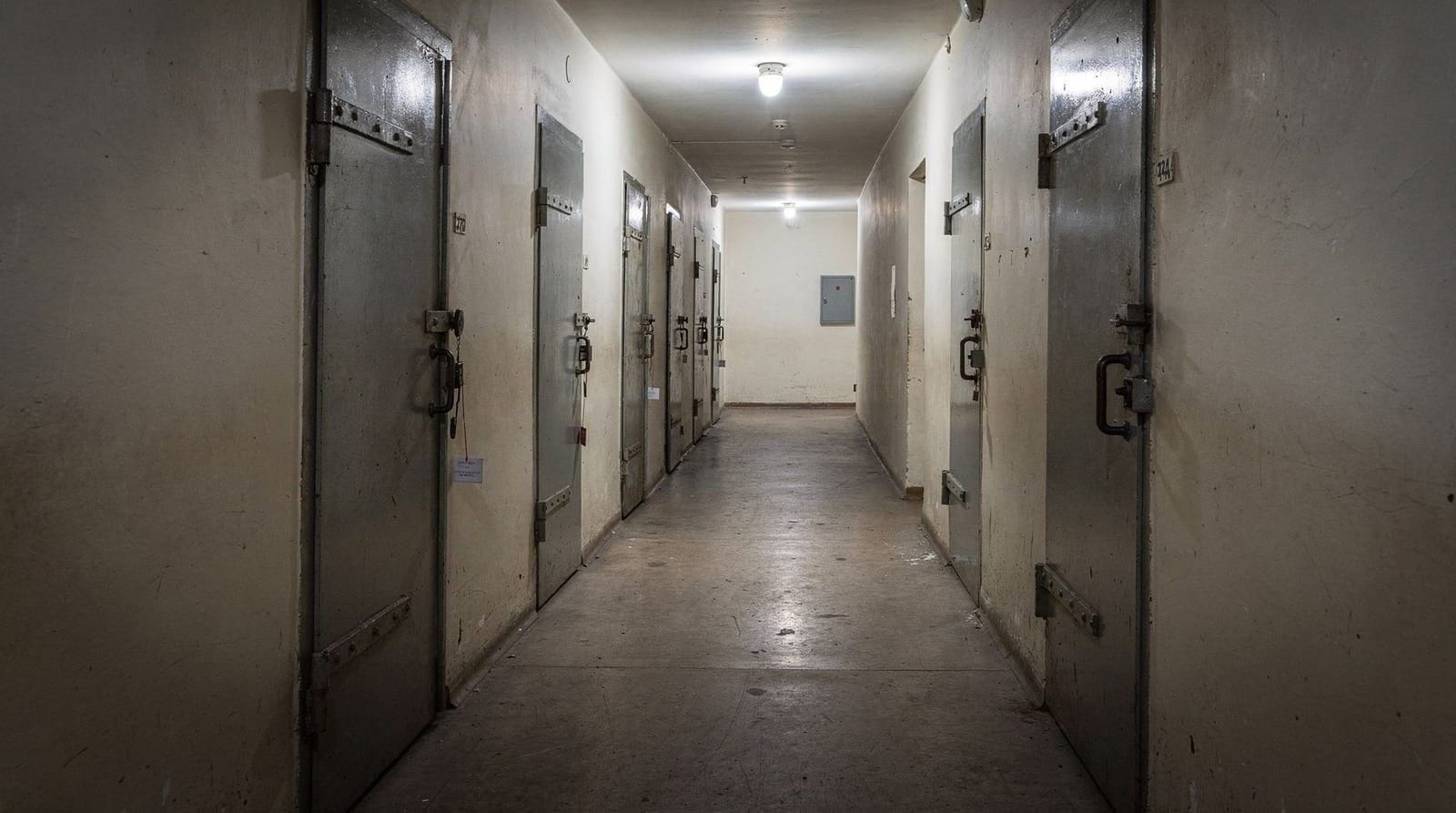
Museum of Occupations (KGB Museum), Aukų g. 2: The most important museum in Vilnius for understanding 20th-century Lithuanian history. The former KGB headquarters still has the cells in the basement where prisoners were interrogated, tortured, and in some cases executed. The museum covers both the Soviet and Nazi occupations with careful documentation. Entry €8 adults, €4 students. Allow 2 hours.
Palace of the Grand Dukes, Katedros a. 4: The reconstructed medieval palace beside Vilnius Cathedral covers Lithuanian history from the 14th century through the Renaissance period, when the palace was one of the most significant royal residences in Central Europe. Entry €12. Allow 1.5–2 hours.
Vilnius Picture Gallery, Didžioji g. 4: The permanent collection of Lithuanian painting from the 19th and early 20th centuries, housed in a Baroque palace. Less visited than it deserves. Entry €6. Allow 1 hour.
National Museum of Lithuania, Arsenalo g. 1: Archaeological and ethnographic collections covering Lithuanian history from the Stone Age to the modern period. Entry €5. The exhibition on folk textiles and traditional crafts is particularly strong.
Winter day trips from Vilnius
Not all day trips work equally well in winter:
Trakai: Works well in winter if there is snow. The castle on a frozen lake is beautiful. Check the castle’s winter opening hours (closed Mondays September–May; reduced hours otherwise).
Kaunas: Works well — the Ninth Fort, modernist architecture, and museum culture are as compelling in winter as summer. Train journey is unchanged.
Hill of Crosses: Can be visited in winter, though the approach path may be muddy or icy. Dress very warmly.
Curonian Spit: Not recommended as a winter day trip. Many businesses are closed, the ferry runs limited service, and the beach experience is minimal. Better in May–September.
Druskininkai: One of the best winter day trips. The Aqua Park and Snow Arena are specifically designed for winter, and the spa atmosphere suits the cold season. See the Druskininkai day trip guide for transport and timing.
Evening entertainment in the dark months
With only 7–8 hours of daylight for much of winter, evenings matter more than usual to a Vilnius trip. This is arguably the best season for a Vilnius ghost tour — the Old Town’s candlelit courtyards and narrow lanes suit the format better in January darkness than in a lingering July sunset. For a lighter evening, the Vilnius nightlife guide covers which bars and venues stay lively through the quieter winter months, and the Vilnius craft beer guide is a good match for a cold evening — dark Lithuanian lagers and farmhouse ales suit the season.
Book a guided KGB Museum and Soviet occupations tourFrequently asked questions about Vilnius in winter
Does Vilnius get a lot of snow in winter?
Yes — meaningful snow is common from December through March, and Vilnius winters often involve sustained snow cover for weeks at a time rather than brief dustings. The Old Town looks beautiful under snow; the practical implication is that footwear must be grippy and waterproof.
Is Vilnius crowded in winter?
January and February are the least crowded months of the year in Vilnius. December is moderate — the Christmas market draws visitors but tourist numbers are still well below summer peaks. You will have major museums largely to yourself in January.
What is the Vilnius Christmas market like?
Cathedral Square hosts the main Christmas market — wooden stalls with local crafts, food, and drinks arranged around the large central Christmas tree. It is atmospheric and genuinely local rather than an imported Western European model. The hot mead (medus) and gingerbread are standouts. Evening visits (6–9 pm) have the best atmosphere; weekend afternoons are crowded.
Are winter flights to Vilnius cheaper?
Generally yes — January and February are the cheapest months to fly into Vilnius (VNO Airport). December prices rise around Christmas and New Year. Budget airlines including Ryanair, Wizz Air, and Wizzair operate year-round.
What if I want to see snow but also daylight?
December is the compromise: better daylight than January (8 hours vs 7), and a high probability of snow. The Christmas market period adds atmosphere that compensates for the limited outdoor window.
Is it worth visiting Vilnius in winter if I’ve already seen the Christmas market elsewhere?
Yes, if you value quiet museums and low prices over festive atmosphere — January and February let you spend unhurried time in the Museum of Occupations, the Palace of the Grand Dukes and the Picture Gallery with a fraction of the crowds you’d meet in summer. It’s a different, more contemplative kind of trip rather than a lesser one.
Do I need a car to enjoy winter day trips from Vilnius?
No. Trakai, Kaunas and Druskininkai are all reachable by bus or train year-round, and winter schedules are largely unchanged from the rest of the year. A car helps mainly for flexibility around the Hill of Crosses, which is further out.
Top experiences
Bookable activities with verified prices and instant confirmation on GetYourGuide.