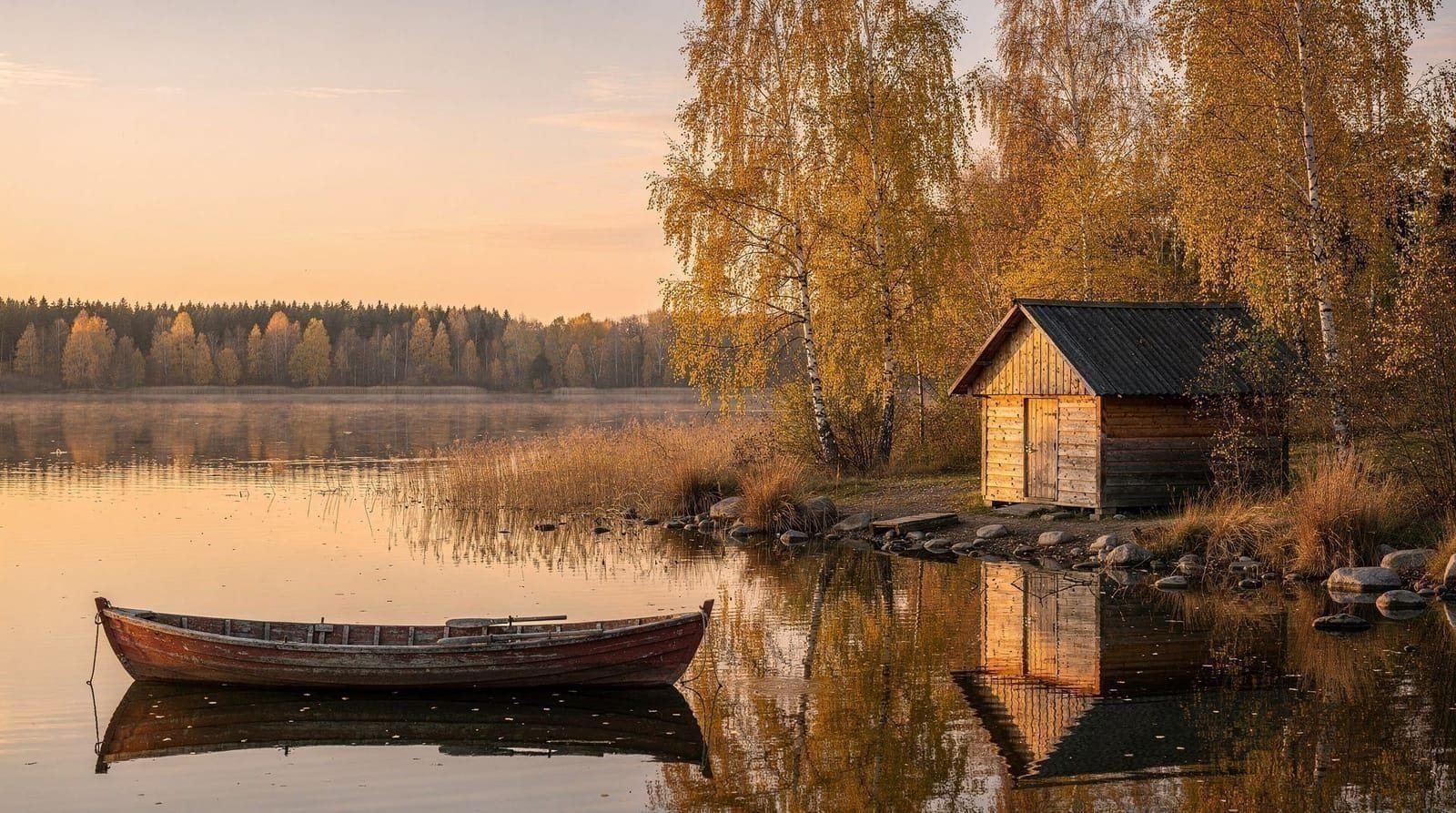
Curonian Spit tour from Vilnius: the complete day trip guide
Nida: Vilnius curonian spit all day tour
The Curonian Spit (Kuršių Nerija) is the most visually dramatic landscape in Lithuania: a 98-km sand peninsula that separates the Curonian Lagoon from the Baltic Sea, shared with Russia (the southern half is Kaliningrad Oblast). The Lithuanian northern section is a UNESCO World Heritage Site, jointly inscribed with Russia in 2000. The dunes at Parnidis, near Nida, reach 52 metres — the largest in Europe north of the Sahara. Thomas Mann spent three summers here in the 1930s at a wooden summer house that is now a small museum.
The logistics from Vilnius are significant but manageable. Here is how the main tour options stack up.
| Where | Klaipėda ferry crossing, then Nida (Lithuanian section) |
| Distance from Vilnius | 310 km / around 3–3.5 hours by road each way |
| Cost | Guided day tour around €55–€90/person; independent train + ferry from around €12–€20 |
| Time needed | Full day (10–12 hours) on a guided tour from Vilnius; 2 days with a coast overnight is better |
| Best time | Late May–September for warm weather; golden-hour light around 20:00–21:00 in midsummer |
The all-day Curonian Spit tour from Vilnius
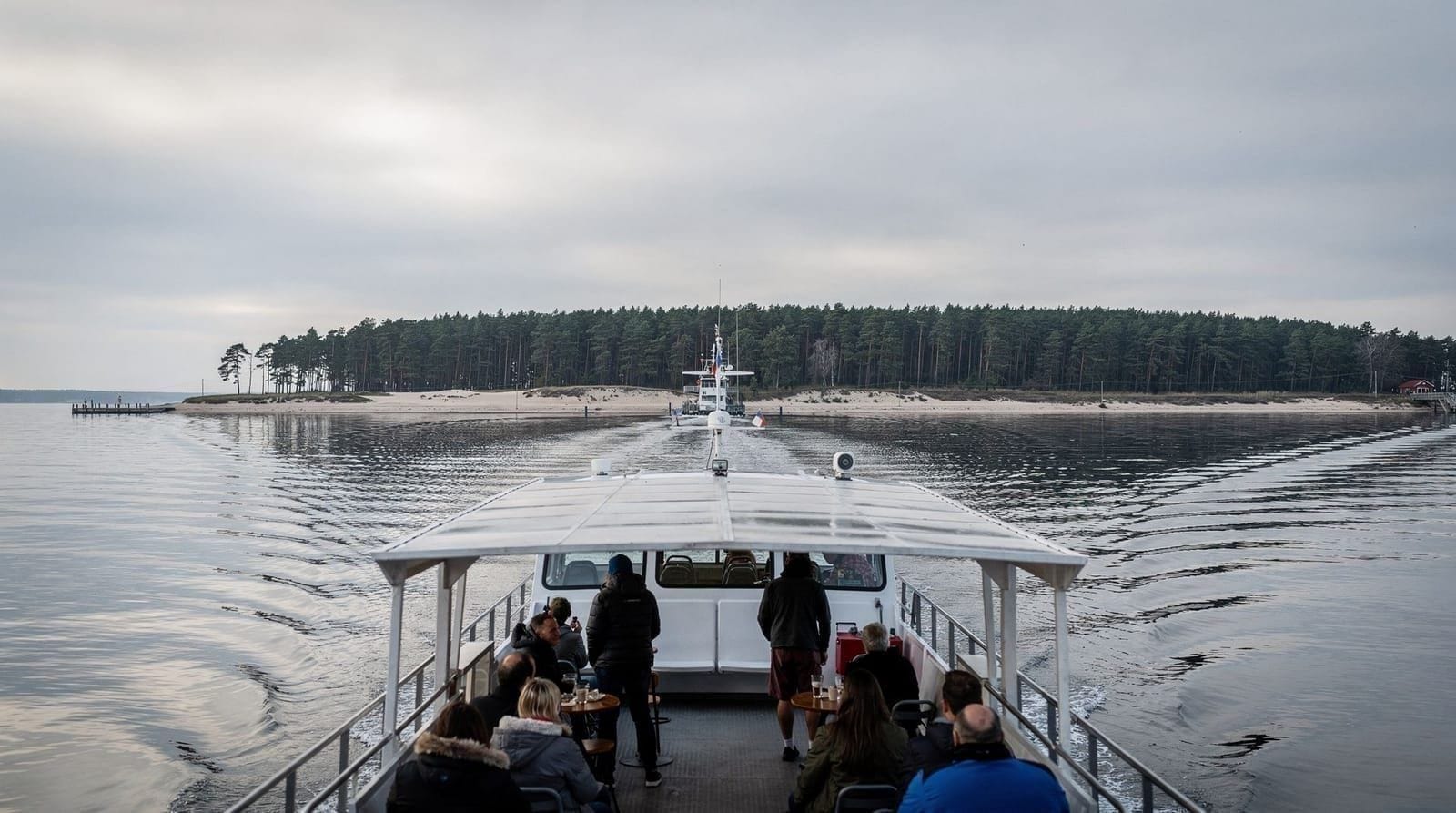
The all-day Curonian Spit tour from Vilnius is the most booked long-distance day tour from the capital. A coach or minibus departs Vilnius in the morning (usually 7:00–8:00), drives the 310 km to Klaipėda on the A1 motorway, crosses to the Spit by ferry, and spends 4 to 5 hours exploring before returning. You are back in Vilnius by 21:00–22:00.
The itinerary typically includes: the Parnidis Dune (the main viewpoint, a 15-minute steep walk to the summit with panoramic views), Nida village (wooden fishermen’s cottages, the amber museum, the harbour), the Thomas Mann House, and usually a beach walk to the Baltic Sea itself. The guide covers the geological history of the dune migration (the dunes move approximately 3–7 metres per year and have historically buried entire settlements), the fishing community traditions, and the Lithuanian writer and artist colony that made Nida a cultural resort in the early 20th century.
What is included: Transport, guide, ferry crossing, national park entry. Lunch is typically not included — there are good options in Nida at the harbour (fresh smoked fish, baked potatoes, local beer for around €8–€15).
Duration: 10–12 hours total including travel. This is a long day. If you have trouble with coach travel or get tired easily, consider the Klaipėda-based tour option below.
Group size: Typically 15–25 on a standard coach. The Spit’s natural spaces are large enough that group touring feels less constrictive than urban tours.
The Curonian Spit day trip guide provides full background on the site and the Nida village logistics.
Curonian Spit tour departing from Klaipėda
The Klaipėda-based Curonian Spit group tour covers the same spit but departs from Klaipėda — meaning you get there independently (train from Vilnius takes 3–4 hours, around €10–€18) and join the tour locally. The ferry crossing from Klaipėda is a 10-minute boat ride.
This format works well if you are already in Klaipėda or planning to spend the night on the coast. It gives you more time on the Spit itself (the tour does not burn 3.5 hours each way in transit) and allows a more relaxed pace. The Klaipėda destination page covers the city itself, which is worth a half-day independently.
When to choose this: If you have 5 or more days in Lithuania and plan to work your way toward the coast. On a Vilnius and Curonian Spit week itinerary, this structure is more natural than a 12-hour Vilnius-to-Spit-and-back day.
Private full-day tour from Klaipėda
The Klaipėda Curonian Spit private full-day tour offers a vehicle and guide at your disposal for the full Klaipėda–Spit day. This enables depth that group tours cannot provide: extended time at the dunes, a longer walk in the pine forest with the guide explaining the ecology, visiting the Dead Dunes (the buried villages) that standard tours often skip, and adjusting pace entirely to your group.
For a couple or family of four, the per-person cost of a private tour begins to approach group tour pricing. For photographers or people with specific nature or ecological interests, the flexibility of a private tour is difficult to replace.
What makes the Curonian Spit geologically unusual
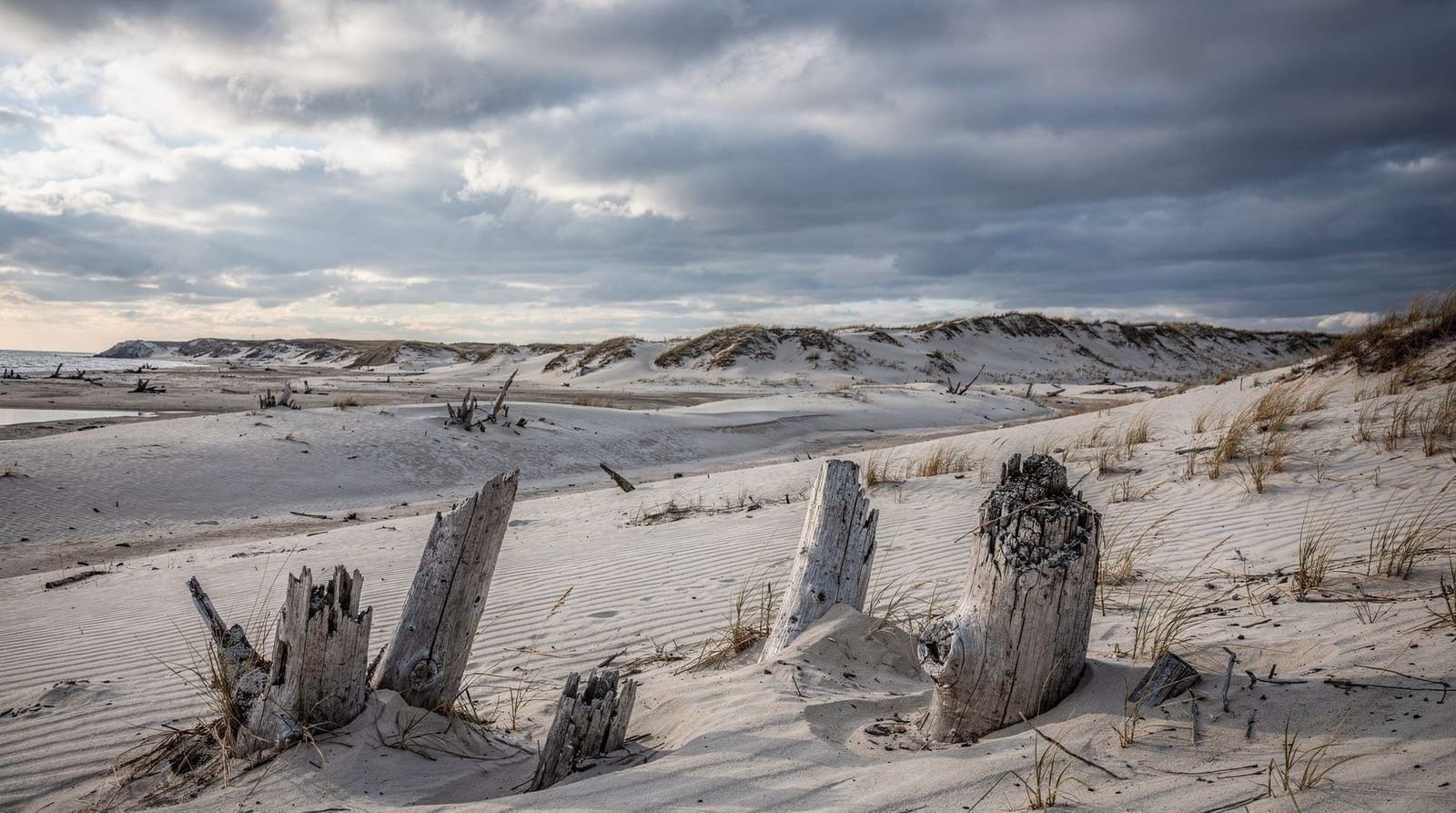
The Curonian Spit is not a natural beach in the conventional sense — it is a sand barrier that has been migrating for thousands of years, driven by wind and Baltic storm action. The dunes at Parnidis are among the largest shifting dunes in Europe north of the Sahara: up to 52 metres high and moving approximately 3 to 7 metres per year on the exposed western face.
The migration has historically been catastrophic for human settlement. The “Grey Dunes” on the spit’s interior record at least 14 villages that were buried by advancing sand between the 17th and 19th centuries. Some of the buried settlements have been partially archaeologically excavated. The process of stabilisation — large-scale afforestation with beach pine beginning in the 19th century — halted the worst dune migration, which is why the pine forest you see today is largely 19th-century planted rather than ancient.
The Curonian Lagoon side of the spit is brackish water (a mix of fresh river water from the Nemunas and Baltic saltwater) and is significantly calmer and warmer than the open Baltic side. Fishermen have exploited this for centuries: smoked eel from the lagoon is the signature food of the Curonian Spit and is available at all the main harbours. Try it in Nida — smoked eel on dark rye bread costs around €6–€8 at the harbour stalls.
Thomas Mann context: The German writer Thomas Mann built a summer house in Nida (called Nidden in German under the period’s German administration) in 1930 and spent three summers there until 1933. The house is now the Thomas Mann Memorial House, a small museum documenting his time there and the broader history of German and Lithuanian Baltic culture. It adds 30 to 40 minutes if included on your tour.
Going independently
The independent route: train or bus from Vilnius to Klaipėda (3–4 hours), short ferry crossing (10 minutes, €1.50 each way for foot passengers), then bicycle or bus on the Spit. The Curonian Spit nature guide covers cycling routes — bikes can be rented in Nida for €10–€15 per day, and the flat terrain along the Spit makes it excellent cycling territory.
Independent travel gives you more time at each point and the ability to sleep in Nida (there are hotels and guesthouses for €40–€90/night). For anyone with 7 days in Lithuania, overnight on the Spit is a strongly recommended upgrade. The guide’s commentary is the main thing you sacrifice going independently — the dune geology and historical background are well worth having from a knowledgeable source.
What to expect at Parnidis Dune
The viewpoint is the tour’s visual climax. You climb a steep wooden staircase or sandy path (10–15 minutes, moderately strenuous) to a plateau at around 52 metres, with views across the lagoon on one side and the Baltic on the other. There is a large sundial at the summit (installed 1995, partially toppled by a storm in 1999 and rebuilt). The panorama is genuinely stunning on clear days; overcast conditions reduce the impact but are still worthwhile.
Photography tip: The dunes photograph best in late afternoon light (golden hour around 20:00–21:00 in midsummer). Standard group tours do not time the visit for this — if you want the best photography, either take an independent late afternoon ferry or book a private tour.
How the Curonian Spit fits a Lithuania itinerary
On a 5-day itinerary with day trips, the Curonian Spit is the day that justifies the most advance planning. On a 7-day Lithuania highlights trip, allocate two nights on the coast — one in Klaipėda, one in Nida — to do it properly. The best day trips from Vilnius guide ranks the Curonian Spit as the most visually spectacular day trip from the capital.
Nida: what the village is actually like
Nida (called Nidden in German, the language of the area’s historic population before 1945) is a small resort town of around 1,500 permanent residents at the southern tip of the Lithuanian section of the Spit. It is the visual and cultural heart of any Curonian Spit visit.
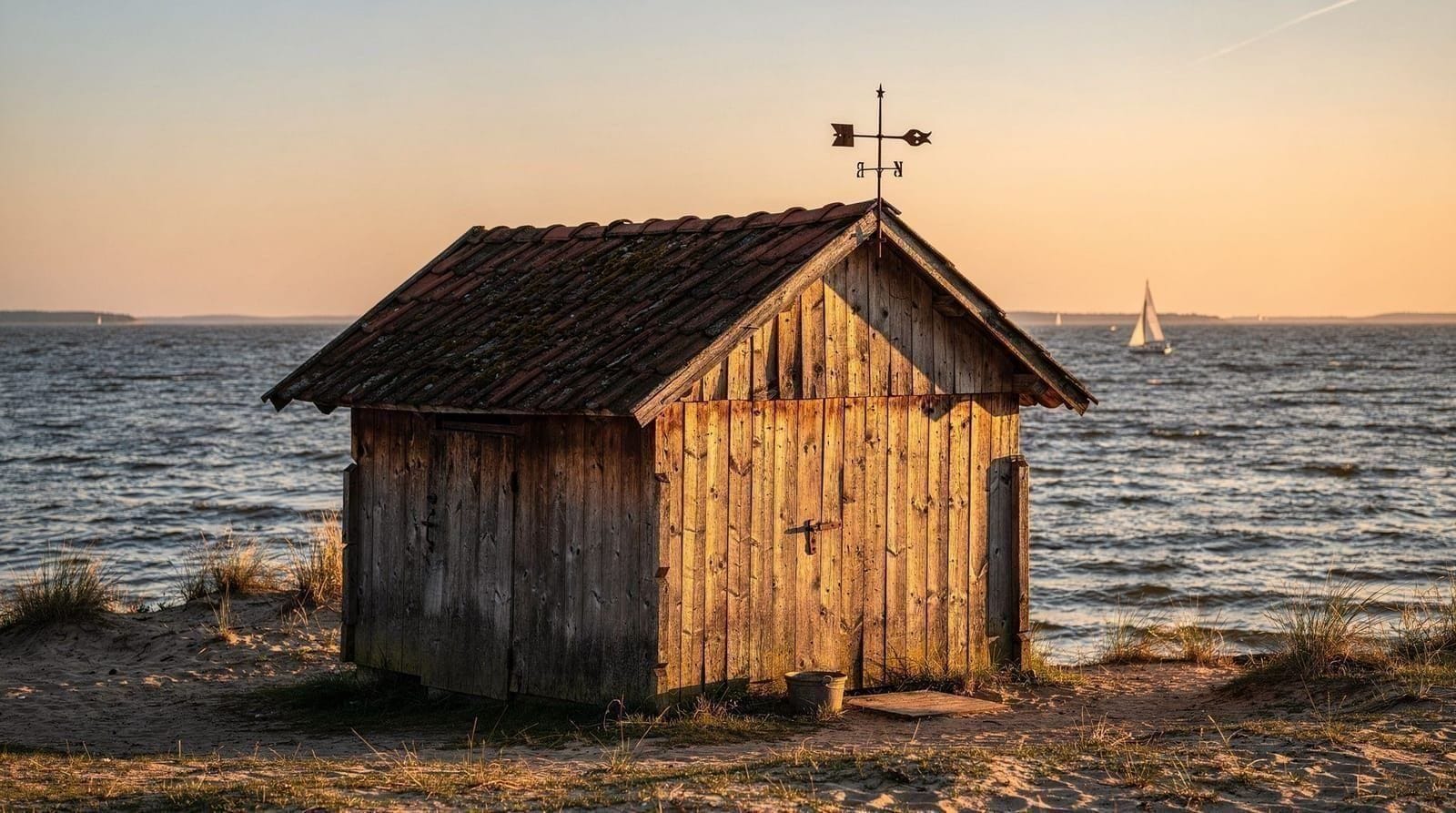
The original settlement was fishing-based — the lagoon provided the catch, the smoke houses preserved it, and the wooden architecture of the fishermen’s houses (colourful, half-timbered, distinctively Baltic) still defines the older streets. The Nida Ethnographic Fisherman’s Homestead museum (on Naglių g.) preserves three 19th-century buildings with period interiors — about 30 minutes for a thorough visit.
The harbour is where the smoked eel sellers operate in summer. The fish comes directly from the lagoon; smoking is done in purpose-built smokehouses using alder wood. A smoked eel with dark bread and cold beer, eaten on the harbour wall, is the correct Nida meal. Prices are around €10–€14 for a substantial portion.
The Thomas Mann House (Skruzdynės g. 17) is a modest wooden summer house with a small museum documenting Mann’s three summers (1930–1932) in Nida. The modest scale of the house is part of the point — Mann chose the Curonian Spit for precisely its remoteness and simplicity. The views from the garden toward the lagoon are excellent. Entry is around €3; allow 30 to 45 minutes.
Beyond Nida, the Parnidis Dune and the Dead Dunes (Mirusioji kopa) represent the site’s geological drama. Most tours allocate time at Parnidis; the Dead Dunes (further south, requiring a longer walk through forest) are often not included in group day tours but are worth the extra 30 minutes if you have time.
Cycling on the Curonian Spit: the independent option
The Curonian Spit has one of the best cycling routes in Lithuania: a dedicated bike path runs the full length of the Lithuanian section (52 km from the Klaipėda ferry terminal to the Russian border) through pine forest and alongside the lagoon. The path is flat, well-maintained, and largely car-free.
For visitors with energy and an extra day, cycling the Spit from Nida back toward Klaipėda (or in reverse) covers the full geographic range — from the open dune landscape at the south to the denser forest in the north. Bikes can be rented in Nida for €10–€15 per day from multiple hire points near the harbour. A full Nida-to-Klaipėda-ferry cycle is 52 km — manageable for a fit cyclist in 4 to 5 hours, with stops. The one-way logistics work: cycle north, board the ferry back to Klaipėda, then train or bus back to Vilnius.
Guided cycling tours on the Spit operate from Klaipėda in summer — typically half-day (25 km) or full-day (40+ km) formats. These are separate products from the day-tour options listed above; check the Curonian Spit nature guide for the most current operator list and route descriptions.
If the full day tour’s coach schedule feels too restrictive — particularly if photography, birding, or cycling are your priorities — the independent approach (train to Klaipėda, ferry across, cycle or bus within the Spit, return via Klaipėda) gives you the control that group tours cannot provide.
Curonian Spit by season: when to go
The Spit changes character dramatically across the year, and the guided tour calendar shifts with it.
| Season | Conditions | Crowds | Notes |
|---|---|---|---|
| June–August | Warm, 20–24°C, swimmable sea | Heaviest — book tours 2–3 days ahead | Golden-hour dune light around 20:00–21:00; ferries run most frequently |
| May & September | Mild, 14–19°C, fewer people | Moderate | Arguably the best window: good light, thinner crowds, lower prices |
| October–November | Cool, windy, Baltic storms possible | Light | Dramatic skies for photography; some tour departures reduce to a few per week |
| December–March | Cold, sometimes snow on the dunes, lagoon can partially freeze | Very light | Striking but demanding; confirm ferry operation before travelling, as winter schedules are reduced |
If your main goal is photography or a quiet dune walk rather than beach weather, late May or September beats peak summer on every metric except sea temperature.
Amber hunting and the Curonian coast
The Baltic coast around the Spit and Klaipėda is one of Europe’s richest sources of amber, and after autumn storms it washes up on the shoreline in small quantities — genuine amber hunting, not a staged tourist activity. A dedicated Curonian Spit amber hunting tour from Klaipėda pairs a guided beach walk (a local guide knows which stretches and which weather conditions produce finds) with an explanation of how Baltic amber forms — fossilised resin from pine forests that existed some 40 million years ago, concentrated by wave action along this coastline more than almost anywhere else on Earth.
This works well as an add-on for visitors staying overnight in Klaipėda or Nida rather than as a stand-alone day trip from Vilnius, since it needs its own dedicated morning. For background on amber as a souvenir more broadly, see the best amber souvenirs from Lithuania guide.
Getting from Vilnius to the coast: transport in detail
For anyone weighing the guided tour against going independently, the transport picture is worth spelling out. The trains and buses in Lithuania guide covers timetables and ticket-buying in detail, but the short version: direct trains from Vilnius to Klaipėda run several times daily (around 3–3.5 hours), intercity buses cover the same route in a similar time for a lower fare, and both are considerably cheaper than a guided coach tour if you are comfortable navigating the ferry and local transport on the Spit yourself.
If you are renting a car for a wider Lithuania trip, the car rental in Lithuania guide is worth reading first — a car gives you full control over timing (useful for chasing golden-hour light at Parnidis) but the ferry crossing to the Spit itself still requires a vehicle ferry booking in peak season. For a broader look at road-tripping the coast beyond just the Spit, the Baltic road trip itinerary covers Klaipėda, Palanga and the wider region together, and cyclists based in Vilnius who want to build up to the Spit’s flat cycling terrain can start with the cycling in and around Vilnius guide.
Frequently asked questions about Curonian Spit tours
Is the Curonian Spit suitable for children?
Yes — the dune environment is exciting for children, and the relatively flat forest cycling paths are good for older kids. The Parnidis Dune climb is sandy and requires appropriate footwear. The family day trips guide recommends it for families with children over 6.
Is the Curonian Spit accessible from Lithuania only?
The Lithuanian section (northern half) is accessed via Klaipėda ferry. The Russian/Kaliningrad southern section requires a Russian visa. Tours from Lithuania cover only the Lithuanian section; this is where Nida is located.
What shoes should I wear?
Trainers or walking shoes — the sand paths at Parnidis are loose and steep. Flip-flops and sandals are inappropriate for the dune climb. Bring a jacket; the Baltic wind can be cold even in summer.
Can I swim at the beach?
Yes. The Baltic Sea side has clean sandy beaches; the Curonian Lagoon side is calmer and warmer. Beach infrastructure (changing rooms, toilets) is present in summer at main access points near Nida. Water temperature peaks at 18–20°C in July–August.
Do tours include the amber coast or Palanga?
The Curonian Spit tours listed here focus on the Spit and Nida specifically. Palanga (Lithuania’s main beach resort) is north of Klaipėda and is a different destination — see the Palanga destination page for that.
Is Nida worth visiting for its own sake, not just the dunes?
Yes. The Nida destination page covers the village beyond the dune viewpoint — the fishermen’s cottages, the harbour, and the resort’s artist-colony history — and it rewards a couple of unhurried hours even for visitors whose main interest is the landscape rather than the town.