Family day trips from Vilnius — best options for kids
Vilnius: Trakai half day sightseeing tour
Duration: 4 hours
What are the best day trips from Vilnius for families with children?
Trakai (30 min by train, island castle + kayaking) is the top family day trip. Druskininkai (1.5 h by bus, Aqua Park + Grūtas Park) is excellent for mixed-age groups. Kernavė (45 min by car, UNESCO mounds) suits older children. Rumšiškės open-air museum (1 h by car) is ideal for children aged 7+.
Day trips from Vilnius with children need to pass a practical test: short enough travel times that the journey is not the memorable part; enough to see and do that screens are irrelevant; and food options that do not require a negotiation.
Lithuania passes that test reasonably well. The country is compact, the best day-trip destinations are within 1.5 hours, and several of them have genuine child appeal beyond “look, an old building.”
This guide focuses on day trips that work specifically for families, with honest age guidance and logistics. For a broader look at travelling with children in the city itself, see the Vilnius with kids guide.
| Best all-round pick | Trakai — 30 min by train, castle + lake |
| Best activity day | Druskininkai — Aqua Park + Snow Arena + Grūtas Park |
| Best for older kids | Kaunas or Kernavė — history and climbing |
| Typical cost (family of 4) | around €60–210 depending on destination |
| Booking | Trains/buses need no advance booking; private tours 2–3 days ahead |
Trakai: the clear family favourite
Travel time: 30 minutes by train (€1.50 one-way) · Best for: all ages, especially 4–12
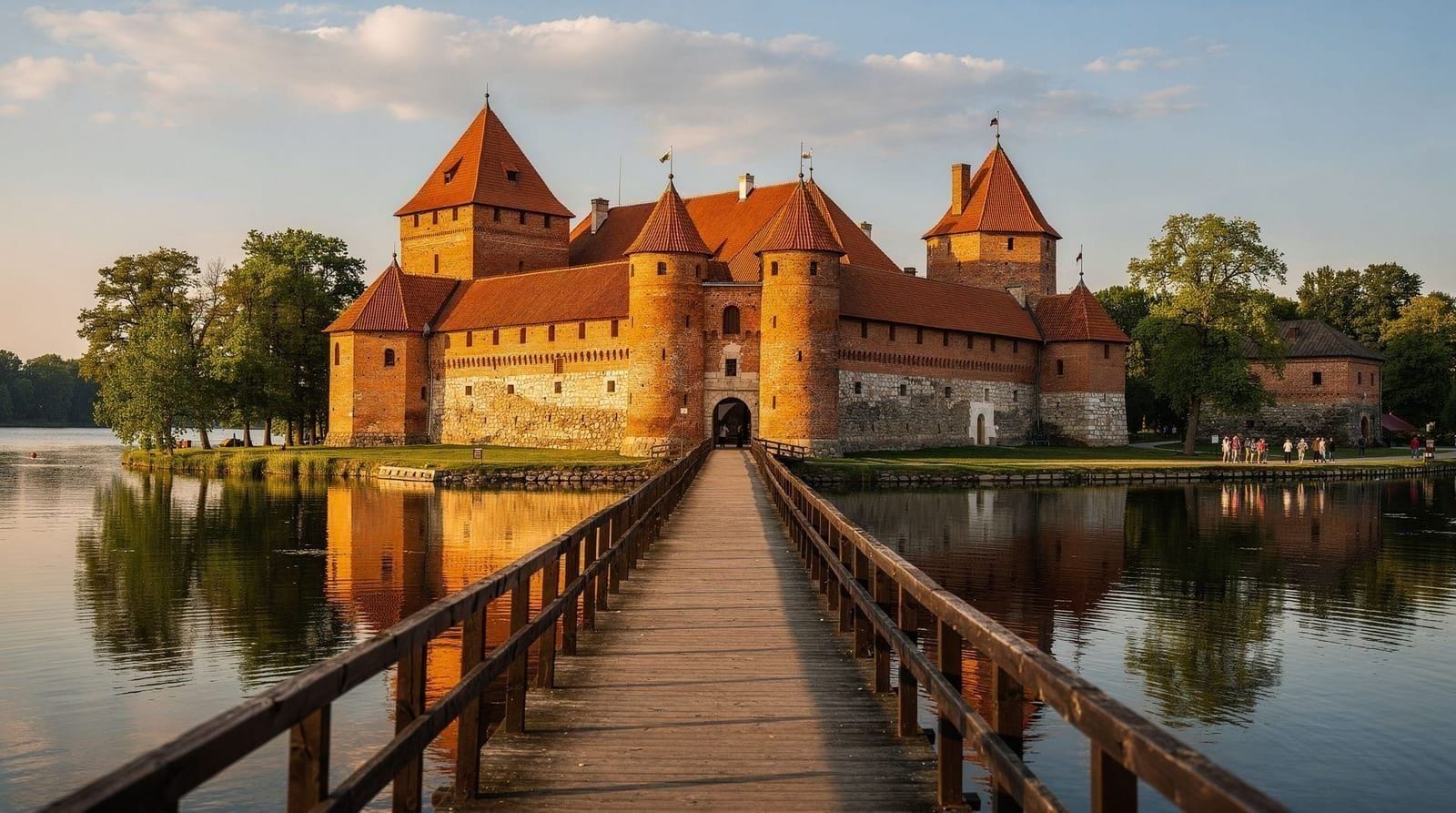
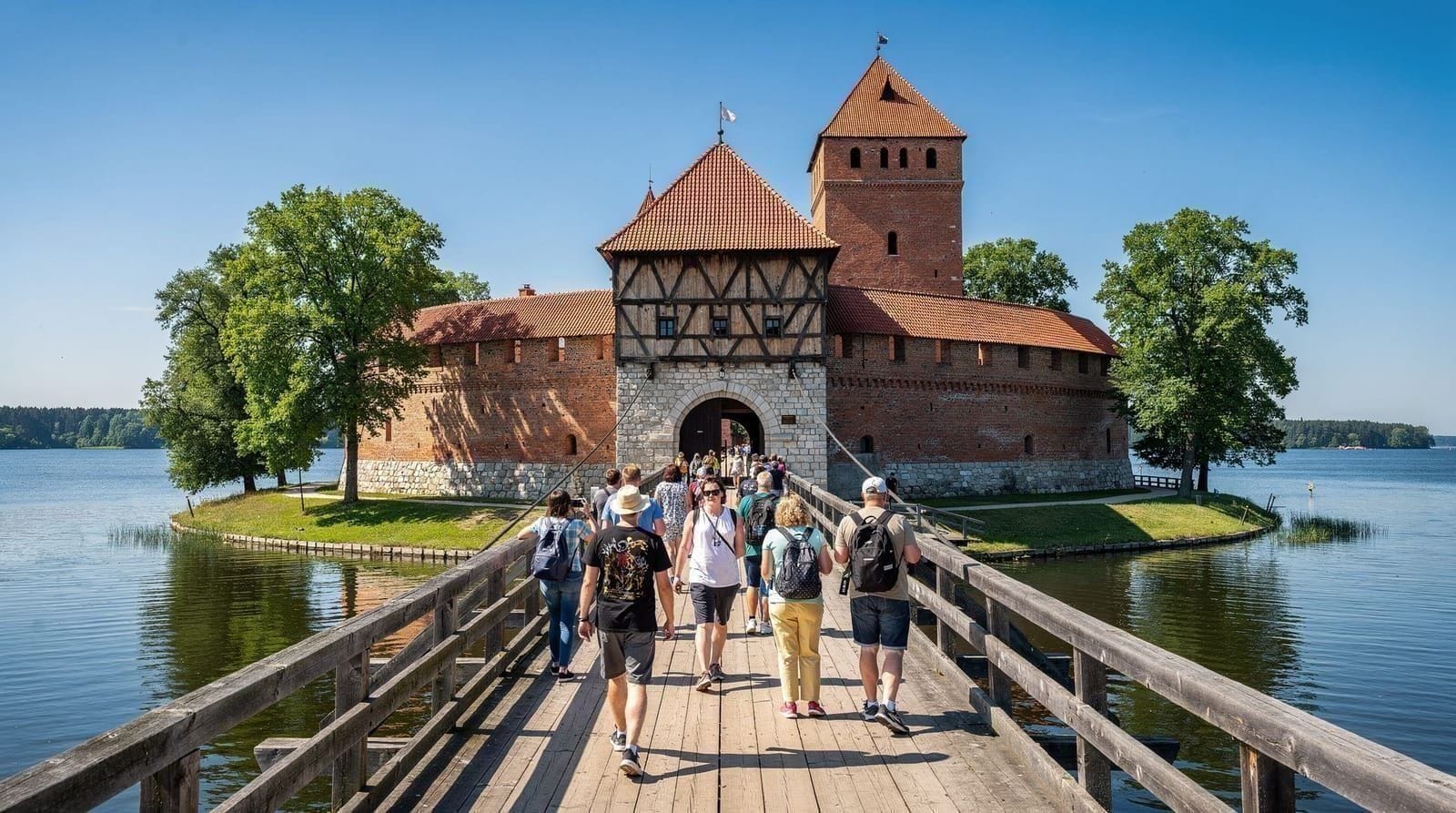
Trakai is the default first choice for families and it earns that reputation. The train from Vilnius is short enough that children can cope without entertainment. The island castle is visually immediate — no prior knowledge of Lithuanian history needed to find a red-brick Gothic castle on a lake island compelling. The lake offers rowing boats, kayaks, and electric boats in summer. And the kibinai pastries (Karaim crescent pastries, €1.50–2.50 each) at Senoji Kibininė on Karaimų gatvė are a genuinely good food experience for children.
Practical notes:
- Walk from Trakai station to the castle: 1.2 km, flat, 15 minutes, perfectly manageable with a pushchair
- Castle museum: best for children 6+; the exhibits are visual and well-designed
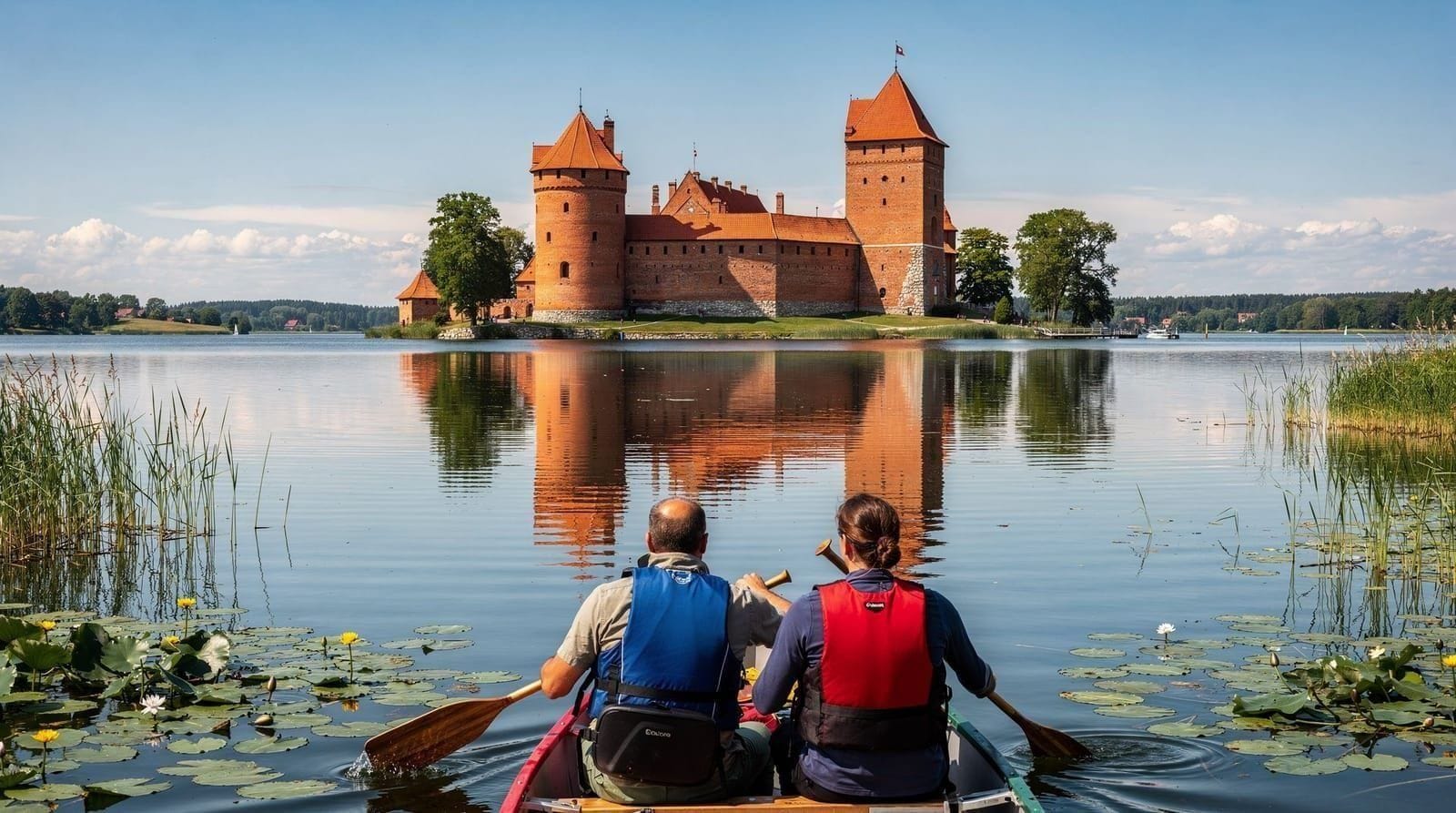
- Kayak rentals: from age 5–6 with an adult; independent kayaking for children 10+
- Crowds: busiest June–August weekends, 10 am–2 pm. Arrive before 10 am or after 3 pm
Water activities: Trakai Guided Canoe Tour around the island is particularly good for families — a guide handles navigation while children can paddle and see the castle from the water.
Book a guided canoe tour around Trakai castle islandDruskininkai: the activity day
Travel time: 1.5 hours by direct bus · Best for: ages 4+ (Aqua Park), 8+ (Grūtas Park + Snow Arena)
Druskininkai works differently from Trakai — it is not about sightseeing but about doing things. The combination of Aqua Park, Snow Arena, and Grūtas Park suits families who want an activity-focused day rather than a historic one.
Aqua Park (Vandens Parkas, Vilniaus al. 13):
- Large indoor/outdoor water park with slides, wave pool, and family pool areas
- Day pass: adults €25–30, children €18–22 (online booking slightly cheaper)
- Works in all seasons; outdoor section is heated year-round
- Recommended age: 3+ for the family pool; 7+ for the main slides
- Book online (aquapark.lt) for summer weekends — it reaches capacity
Snow Arena (Druskininkai al. 5):
- Indoor ski slope, 450 m long, 35 m vertical drop
- Beginner lessons available (€20–25/h with instructor including equipment rental)
- Lift pass: €15–20/h, equipment rental extra €10–15
- Best for children aged 6+ who have never skied; not enough terrain for intermediate/advanced skiers
- Works any time of year (artificial snow)
Grūtas Park (8 km from town, taxi €10–15):
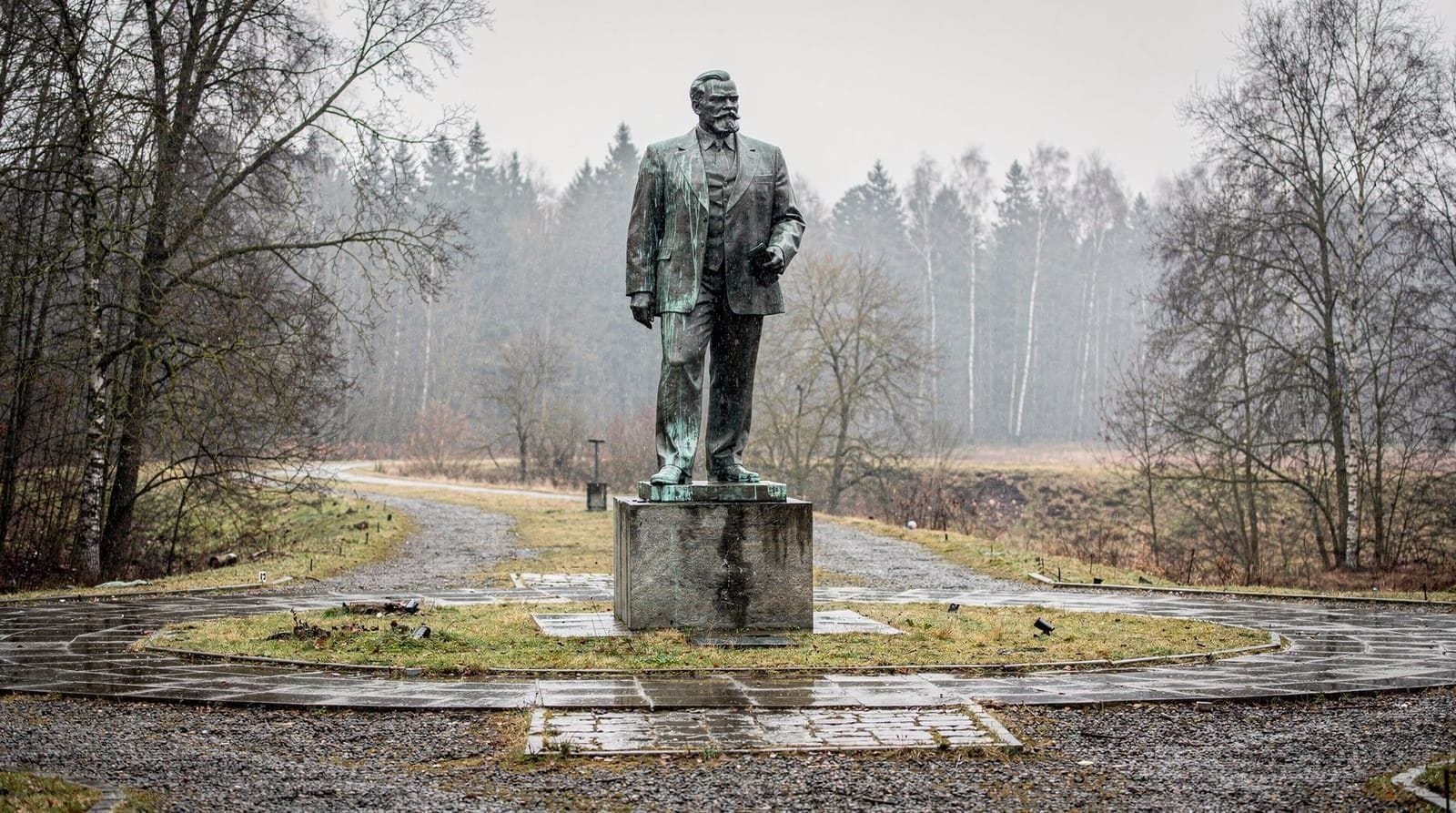
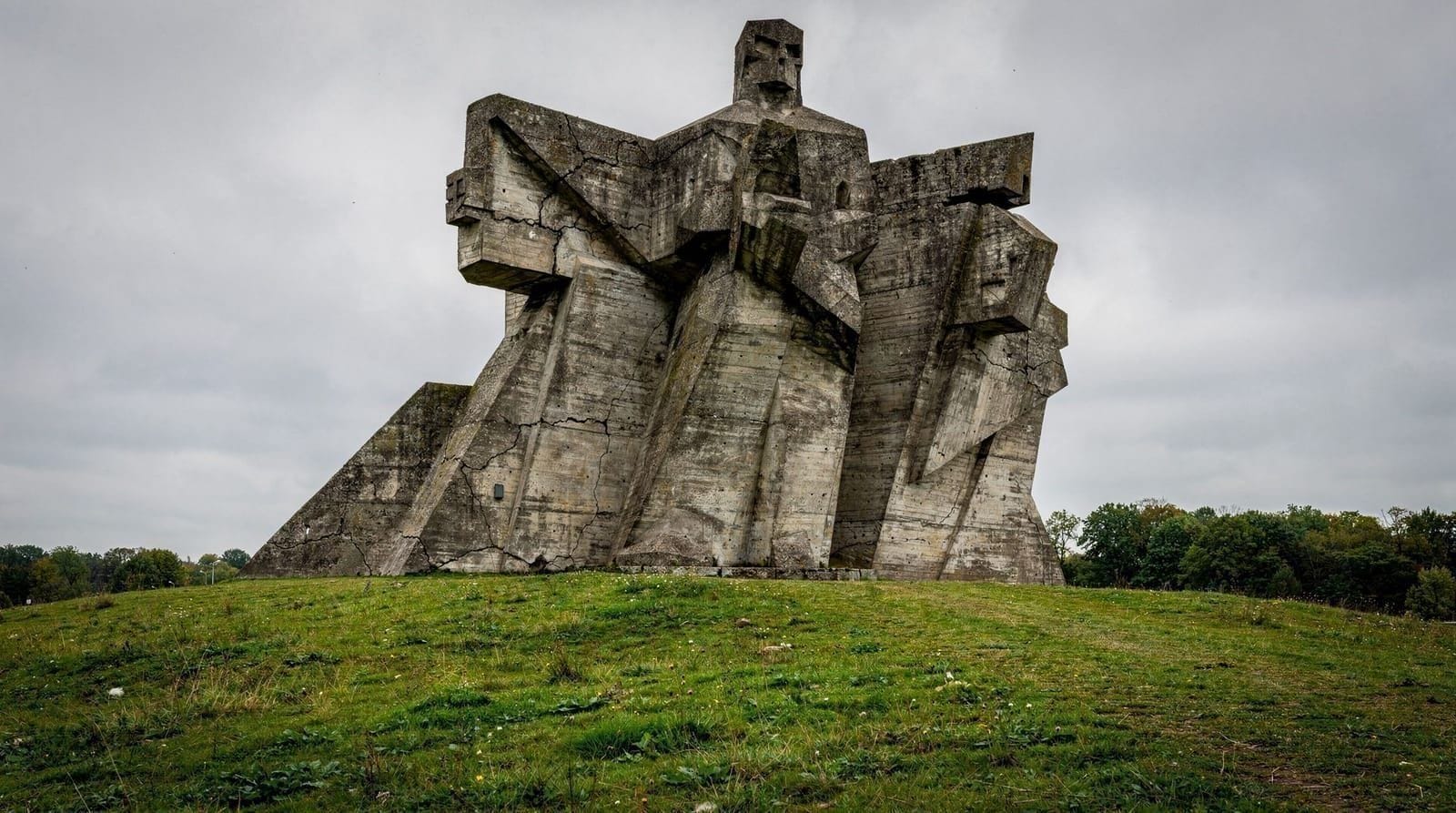
- Soviet-era statue park in forest, with guard towers, barbed wire, and a small train
- The train ride through the park is popular with younger children
- The historical content (what these statues represented) is engaging for teenagers
- Admission €10 adults, €5 children
Family itinerary for Druskininkai:
- 9:00 am — Bus from Vilnius
- 10:30 am — Aqua Park (half-day, 3 hours)
- 1:30 pm — Lunch at Aqua Park café or Sicilija restaurant (5-minute walk)
- 2:30 pm — Taxi to Grūtas Park (15 min) + 1.5 h exploring
- 5:00 pm — Taxi back to Druskininkai bus station
- 6:00 pm — Bus return to Vilnius (arr. 7:30 pm)
Rumšiškės: Lithuania’s outdoor folk museum
Travel time: 1 h by car or guided tour (18 km east of Kaunas, ~1 h 45 min from Vilnius by car) · Best for: ages 6+
Rumšiškės (Lietuvos liaudies buities muziejus) is the kind of attraction that sounds dull on paper and turns out to be genuinely engaging. An open-air museum on 195 hectares, it contains 180 traditional Lithuanian farmsteads, mills, churches, granaries, and craft workshops relocated from across the country and reconstructed on-site with original furnishings and equipment.
Children can explore independently — climbing into windmills, seeing a working forge, walking through authentic 18th and 19th century farmhouse interiors. In summer, costumed craft demonstrators (blacksmiths, weavers, bread-bakers) work in several buildings and often engage children directly.
Practical notes:
- Entry: adults €12, children €6; open May–October, Tuesday–Sunday
- The site is 195 hectares — you will walk 3–5 km; bring comfortable shoes
- Café on-site for lunch; very limited outside option; bring snacks
- The museum shop sells good quality Lithuanian folk crafts and food products
- No direct public transport from Vilnius; car or guided tour required
Kernavė: for curious older children
Travel time: 45 minutes by car · Best for: ages 8+
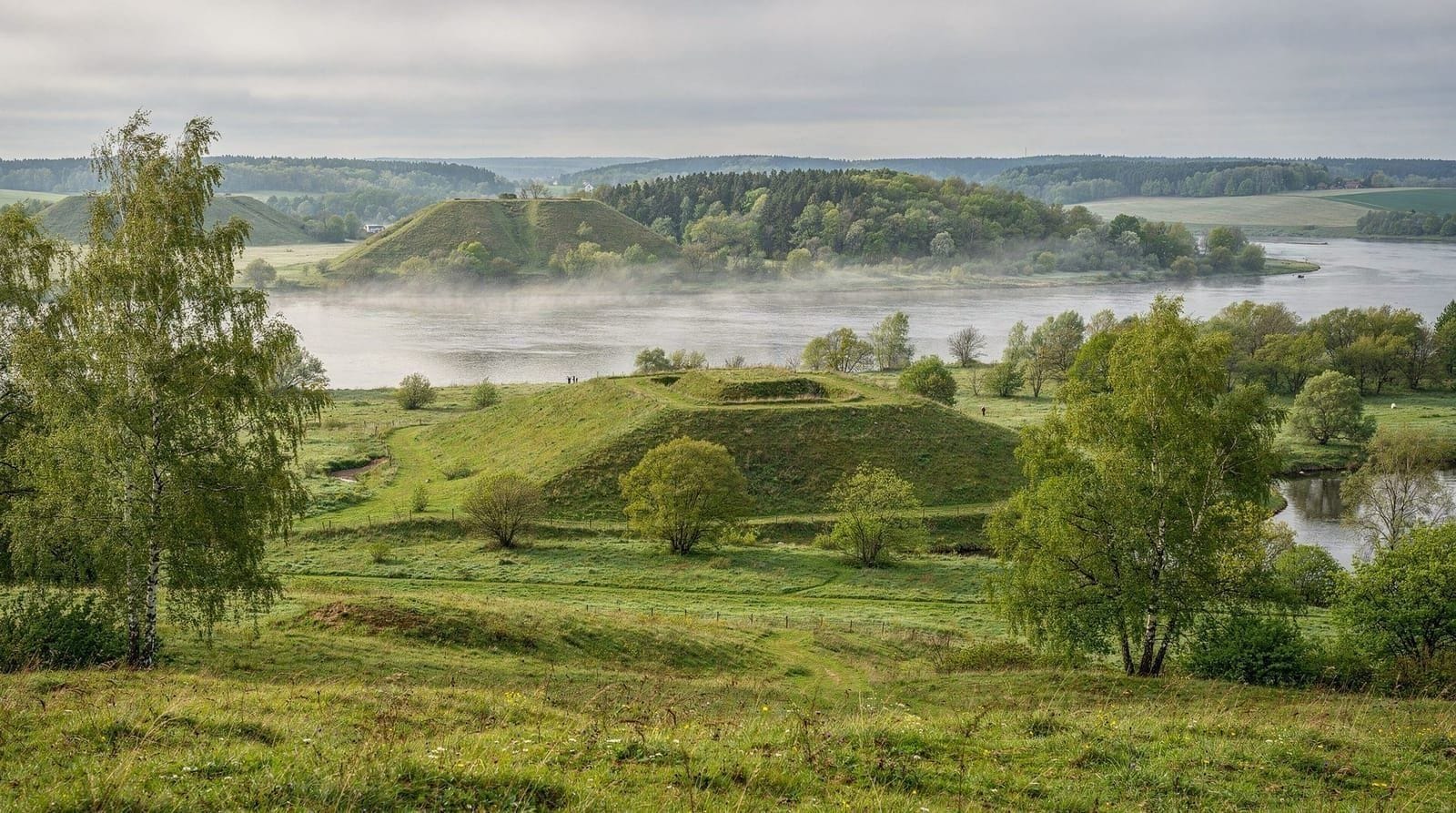
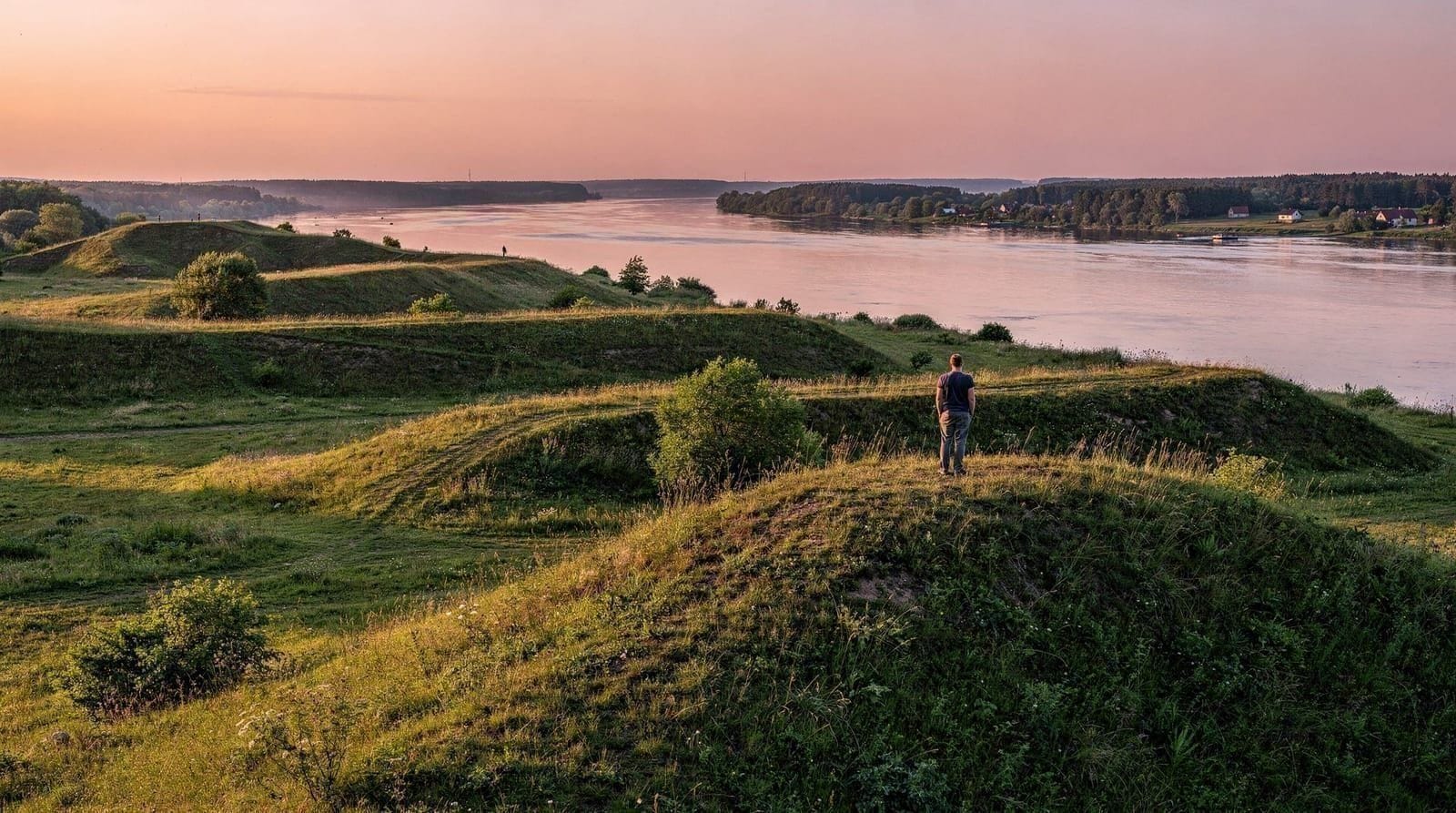
Kernavė’s UNESCO hillforts work well for children who are engaged by history or by climbing things — the climb to the top of the main mounds is enough of a physical challenge to be rewarding. The views from the top (valley, river, forest) are spectacular and immediately appreciated by children.
The Archaeological Museum at the base (€5 entry) has well-displayed Bronze Age and medieval objects. Children who have recently studied any history of castles or medieval Europe will find the contextual exhibits accessible.
The Kernavė and Paneriai day trip guide covers both sites in detail. For families, Kernavė is the more appropriate half of that pairing; Paneriai is historically important but heavy for younger children.
Combining Kernavė with Trakai: A private guided tour linking Trakai castle and Kernavė hillforts in one day is a popular family option — maximum variety, one journey.
Book a private guided tour to Trakai and KernavėKaunas: for teenagers and history-interested older children
Travel time: 1 hour by train (€6–8 each way) · Best for: ages 12+
Kaunas is not the obvious family day trip — it is a city, not a playground — but for older children (12+) it offers more intellectual substance than Trakai. The interwar modernist architecture along Laisvės alėja gives an accessible visual lesson in 20th-century design. The Ninth Fort is the right level of historical depth for teenagers studying the Second World War.
The town centre has a McDonald’s, a KFC, and numerous cafés for children who need familiar food options. Laisvalaikis (Laisvės al. 16) is a good mid-range restaurant with a broad menu.
The Kaunas day trip guide covers the full itinerary. For families with teenagers, Kaunas is worth the train journey.
Transport logistics for families
By train (Trakai, Kaunas): Lithuanian trains are comfortable, on-time, and very cheap. Pushchairs are permitted in train carriages. Children under 7 travel free on local trains; reduced tickets for children 7–16.
By bus (Druskininkai): Long-distance buses (Lux Express, toks.lt) are comfortable and have toilets on board. Children under 5 travel free if held on lap. Pushchair storage in luggage bay.
By car: Car hire from Vilnius Airport or city centre is straightforward. A medium-sized car (Volkswagen Golf class) costs €35–55/day including insurance. ISOFIX child seat rental is available from most hire companies (€5–10/day, book in advance). Car gives maximum flexibility for Rumšiškės, Kernavė, and Druskininkai.
Guided tours with children: Several Vilnius operators offer family-specific guided tours with child-paced commentary and flexible timing. Book through GetYourGuide or directly with local operators. Private tours are worth the premium for young children — you set the pace.
Age guide summary
| Destination | Under 5 | 5–8 | 8–12 | 12+ |
|---|---|---|---|---|
| Trakai | Good (short train) | Excellent | Excellent | Good |
| Druskininkai Aqua Park | Good (family pool) | Excellent | Excellent | Good |
| Druskininkai Snow Arena | Not recommended | Beginners 6+ | Excellent | Good |
| Grūtas Park | Not engaging | Limited | Good | Excellent |
| Rumšiškės | Not engaging | Good | Excellent | Good |
| Kernavė | Not recommended | Limited | Excellent | Excellent |
| Kaunas | Not recommended | Limited | Good | Excellent |
Packing and preparation for day trips with children
The difference between a smooth family day trip and an exhausting one is often what you brought (or didn’t). Lithuania’s climate and infrastructure are generally family-friendly, but a few practical preparations make the difference.
What to always carry:
- Water bottles (refillable; Lithuanian tap water is safe everywhere)
- Snacks for the journey — children in Lithuania are not catered to with airport-style snack bars on trains or buses; bring crackers, fruit, and something the children reliably eat
- Wet wipes and a spare plastic bag (castle grounds, outdoor museums, nature sites all involve mud)
- A small first-aid kit: plasters, children’s paracetamol (paracetamolis in Lithuanian pharmacies), antihistamine, sun cream May–September
- Weather layer: even in July, temperatures drop at lake sites in late afternoon; a light fleece or windproof jacket per child
Footwear: The cobblestones at Trakai and the hillforts at Kernavė both require proper shoes, not sandals. For the Druskininkai Aqua Park, flip-flops are provided at the facility (or bring your own for hygiene). The Rumšiškės open-air museum involves 3–5 km walking on uneven terrain.
Strollers vs carriers: Trakai’s main route from station to castle is flat enough for a pushchair, but the castle grounds themselves are cobbled. At Kernavė, the hillfort climbs rule out strollers entirely. A lightweight baby carrier or backpack carrier is more universally useful than a full pushchair for Lithuania day trips.
Nappies and supplies: Available at Rimi and Maxima supermarkets in Kaunas, Druskininkai, and most towns. If you are visiting Rumšiškės or Kernavė specifically, stock up in Vilnius before departure — small towns near these sites have very limited retail.
What to do if the day does not go to plan
Day trips with children sometimes deviate from the itinerary. A few scenarios and practical responses:
A child becomes car/train sick: Lithuanian trains are smooth and motion sickness on the 30-minute Trakai route is rare. Bus journeys (Druskininkai, 1.5 h) are more of a concern. Bring appropriate medication if your child is susceptible. Windows can be opened on most buses.
A child is overwhelmed by crowds at Trakai: The castle gets very busy on July–August weekends. If the queue at the castle entrance is long (more than 15–20 min), skip it and spend the time on the lake instead — kayak rentals have separate queues and the lake view of the castle is actually more rewarding than the interior for young children.
Rain appears unexpectedly: The Aqua Park at Druskininkai is entirely indoor and weather-proof. Kaunas has several indoor museums. At Trakai, the castle interior is covered and the walk back to the station can be done under an umbrella in 15 minutes. Rumšiškės is genuinely difficult in sustained rain — arrive only in reliable weather.
A child needs medical attention: Every town of any size in Lithuania has a pharmacy (vaistinė) open 9 am–6 pm on weekdays; some have extended hours. Kaunas has the Kaunas Clinics (Eivenių g. 2) for non-emergency care. Druskininkai has a small hospital (Vilniaus g. 4). EU EHIC cards are accepted at state facilities; travel insurance is advisable.
Cost comparison for a family of four
Useful context for budget planning. Prices shown are for two adults + two children (one under 7 free on trains, one aged 7–16 at half price).
Trakai (half-day):
- Train: 2 adult × €1.50 + 1 child half-price × €0.75 + 1 infant free = ~€3.75 return
- Castle entry: 2 × €12 + 1 × €6 + 1 free (under 7) = €30
- Kayak 1 hour: €10–12 shared
- Kibinai lunch: ~€15 for four
- Total: ~€60–65
Druskininkai (full day, Aqua Park focus):
- Bus: ~€24 return for four (tickets vary by operator)
- Aqua Park day passes: 2 × €28 + 2 × €20 = €96
- Lunch at café: ~€30
- Taxi to Grūtas Park return: €25
- Grūtas Park entry: 2 × €10 + 2 × €5 = €30
- Total: ~€205 (or ~€130 skipping Grūtas Park)
Rumšiškės (car required):
- Petrol (Vilnius–Rumšiškės–Vilnius, ~280 km): ~€25–30
- Entry: 2 × €12 + 2 × €6 = €36
- Café lunch on-site: ~€30
- Total: ~€90–95
Kernavė + Trakai (car, private tour):
- Private guided tour (typical price for 4 people): €120–180 for the full day including transport
- Castle entry included in most tours; lunch additional ~€30
- Total: ~€150–210
Trakai is by far the most affordable family day trip from Vilnius. Druskininkai involves a higher entry spend but the Aqua Park genuinely absorbs children for a full day.
Ways to cut costs without cutting the experience: buy a picnic lunch at a Rimi or Maxima supermarket in Vilnius before departure rather than eating at tourist-facing cafés near the sights — this can halve the food spend for a family of four. Travelling by public train or bus rather than a private guided tour is the single biggest saving for Trakai and Kaunas, where the routes are simple enough to manage independently. Reserve the private-tour premium for Kernavė or a combined Kernavė-and-Trakai day, where a guide genuinely saves time and stress rather than just convenience.
Solo parent logistics
Travelling with children as a single parent adds specific challenges on Lithuanian day trips.
Trakai is the easiest solo-parent destination: the train is straightforward, the route from station to castle is well-marked, and the site is compact enough to keep children in sight at all times.
Druskininkai Aqua Park works well solo — the changing rooms have family cubicles and the pool areas are supervised. The main challenge is the Grūtas Park taxi leg: arranging a return taxi while managing children requires a phone with Lithuanian contacts saved, or asking the Aqua Park reception to book a taxi on your behalf.
Guided tours are especially valuable for solo parents: A guide takes care of logistics, timing, and information while you focus on the children. Private tours are priced per group, not per person, making them surprisingly cost-effective for one adult + two children compared to individually navigating transport and entry.
Seasonal notes for family day trips
Summer (June–August): All destinations are fully open. Trakai lake activities are at their best (warm water, kayak availability). Book Aqua Park online for July–August weekends. Arrive at Trakai before 10 am on weekends to avoid castle queues.
Spring (May): Trakai and Kaunas are fully operational. Rumšiškės opens in May — an excellent time to visit before summer crowds. The Aqua Park is open year-round.
Autumn (September): Very good conditions. Mushroom season makes the Dzūkija forest around Druskininkai excellent for a nature walk if children are interested. Rumšiškės closes in October.
Winter (November–March): Trakai castle is open with reduced hours (closed Mondays). The Druskininkai Snow Arena makes a December or January family day particularly rewarding. The Aqua Park’s heated outdoor pool is a winter novelty.
Which day trip fits your family best
With four genuinely different destinations, most families benefit from a quick decision framework rather than trying to do everything in one trip.
- Tight on time, mixed ages, first visit to Lithuania: Trakai. It is the shortest journey, the most visually rewarding for the least logistical effort, and works for a three-year-old and a twelve-year-old on the same afternoon. See the full Trakai castle day trip guide for the ground-level detail this page does not repeat.
- Rainy forecast, or a family that needs to burn energy: Druskininkai. The Aqua Park absorbs a full day regardless of weather, and pairing it with Grūtas Park adds a historical layer for children eight and older. The Druskininkai day trip guide and Druskininkai spa guide cover the wellness side of the town for parents who want a sauna session while the children are at the pool.
- Teenagers who find castles a bit obvious: Kaunas. The interwar architecture and the Ninth Fort give older children something to actually discuss afterwards rather than just photograph.
- A family that likes to combine two lighter sites in one day: Kernavė plus Trakai, ideally with a private guide who can adjust pacing for the children’s stamina rather than a fixed group schedule.
Frequently asked questions about family day trips from Vilnius
Which day trip is best for a half-day with young children?
Trakai, without question. The train is 30 minutes, the castle is immediately visual, there is space to run on the lakefront, and the kibinai are child-pleasing. You can be back in Vilnius by 2 pm.
Are there any day trips that work in rainy weather?
Druskininkai Aqua Park is the obvious choice — entirely indoor and weather-proof. The Rumšiškės open-air museum has some indoor buildings but is primarily outdoor. Kaunas’s museums (M. K. Čiurlionis National Museum of Art, Museum of the History of Lithuanian Medicine and Pharmacy) are rainy-day options.
How do I book child discounts on Lithuanian trains?
On the LTG Link website (ltglink.lt) or app, child ticket prices (age 7–16, approximately half price) are selectable when choosing your ticket type. Children under 7 travel free. Infants (under 2) also travel free without a seat; if you want a separate seat for a toddler, a reduced-price child ticket applies.
What if my child gets sick on a day trip?
Lithuanian pharmacies (vaistinė) are in every town and stock common children’s medicines. Basic paracetamol, antihistamines, and antiseptic products are available without prescription. Emergency medical care (poliklinika) is present in Kaunas, Druskininkai, and Šiauliai. EU EHIC cards provide access to state healthcare.
Is one day trip enough, or should we do two?
One well-chosen day trip per week of stay is realistic without exhausting the children. Trakai is light enough to combine with a relaxed Old Town morning on the same day; Druskininkai and Kaunas are each a full day on their own. Trying to fit two demanding day trips back-to-back tends to produce tired, uncooperative children by the second afternoon.
Do any of these day trips work well combined with a hot air balloon flight?
Yes — families basing themselves near Trakai sometimes add an early-morning balloon flight before the ground-level castle visit, since flights from the Trakai launch site pass directly over the island castle. It suits children aged 6 and older; see the general logistics in the transport section above and plan the balloon flight for the morning, castle and lake for the afternoon.
Top experiences
Bookable activities with verified prices and instant confirmation on GetYourGuide.