Druskininkai spa guide: Lithuania's premier wellness resort
Vilnius: Druskininkai grutas park transfer
Is Druskininkai worth visiting from Vilnius?
Yes — it is one of the most rewarding day trips or overnights from Vilnius. Lithuania's premier spa resort combines a world-class water park (Grand Spa Lietuva), mineral spring waters, forest trails in Dzūkija National Park and the eccentric Grūtas Park Soviet sculpture collection. The 1.5-hour bus ride costs €8–12 each way.
| Where | 130 km south of Vilnius, around 1.5 hours by bus or car |
| Cost | Water park day pass around €25-35; sanatorium packages from €60-80/day |
| Time needed | A day trip works; one night is the honest sweet spot |
| Best for | Water park, mineral spa treatments, Grūtas Park, forest trails |
| Best season | Year-round — summer for forest and outdoor pools, winter for Snow Arena |
There is a moment on the road south from Vilnius when the city suburbs give way to unbroken pine forest and you understand, physically, why people have been coming to Druskininkai to recover for two centuries. The air changes. The pace changes. By the time you arrive — 130 kilometres from Vilnius, about 1.5 hours by bus or car — you are already somewhere different.
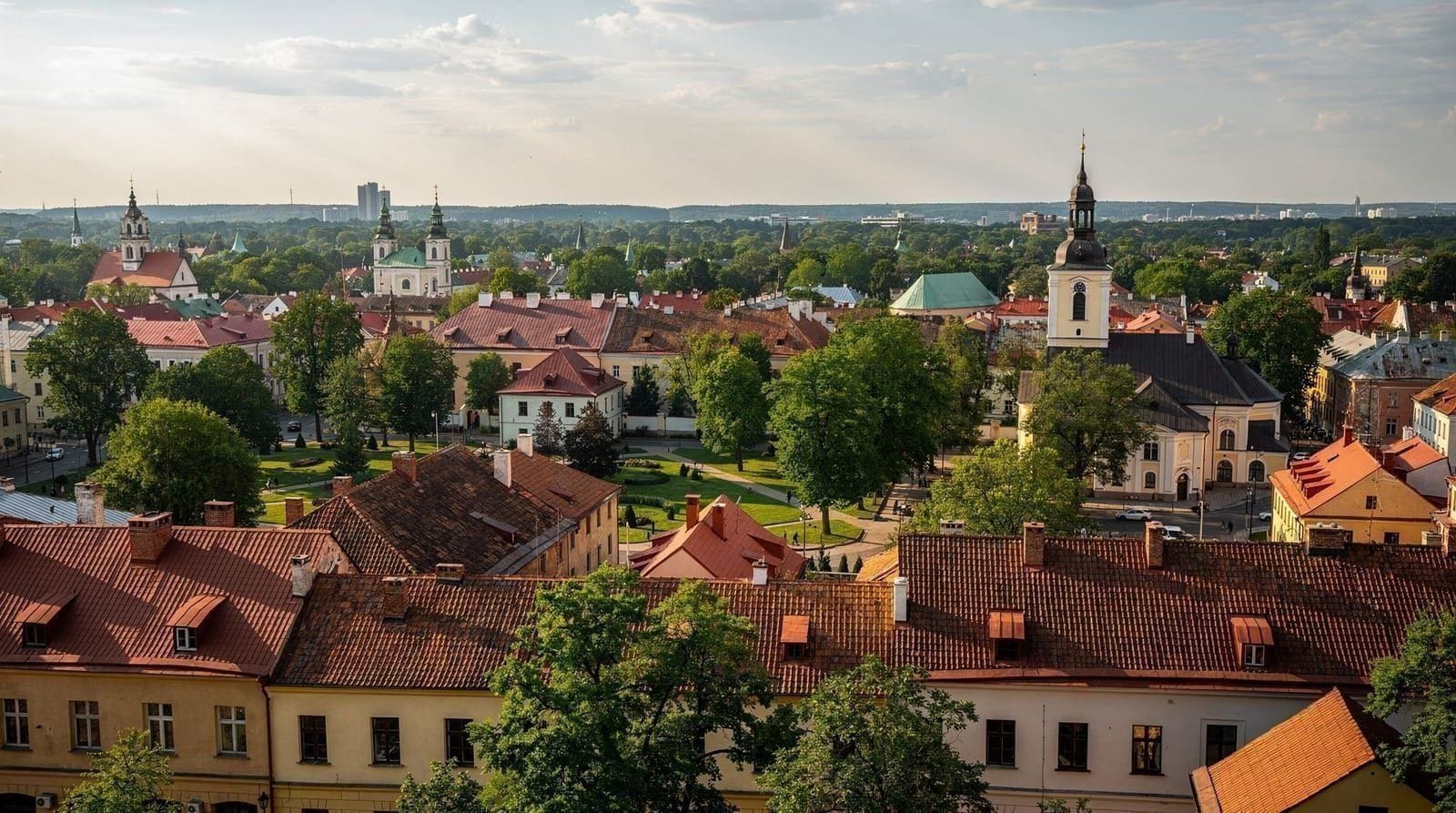
Druskininkai is Lithuania’s most established spa and resort town, and it earns that title genuinely. Mineral spring water still flows from public taps in the town centre. The forests of Dzūkija National Park begin at the edge of the resort. And Lithuania’s largest water park sits at the centre of a spa complex that can comfortably absorb a full day or a long weekend.
This guide covers everything you need to plan a day trip or overnight stay: the main attractions, honest prices, how to get there, where to stay, and what to skip.
Why Druskininkai became Lithuania’s wellness capital
The town’s reputation as a health resort dates to the early 19th century, when Tsar Alexander I formalised the town’s status as a therapeutic resort and funded its first mineral water infrastructure. The springs here are genuinely unusual — sulphate-chloride sodium water with mineral concentrations high enough to have measurable therapeutic effects. For much of the 19th and early 20th century, Druskininkai attracted European visitors in the way that Swiss and German spa towns did: as destinations for prolonged “cures” combining mineral baths with rest, forest air and regulated diet.
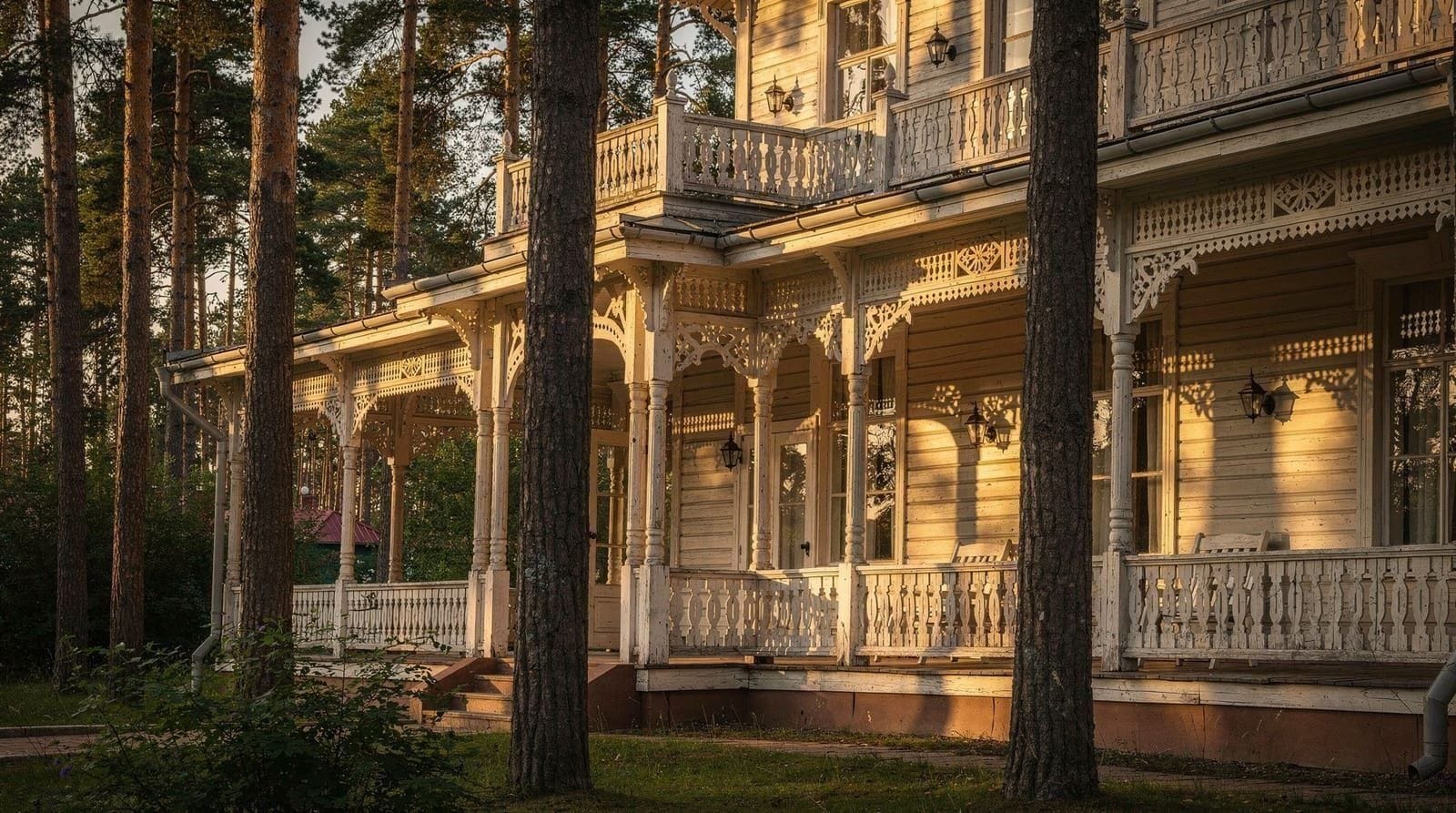
The Soviet period brought a different model. The state built vast sanatoriums — massive, functional structures housing hundreds of patients simultaneously — and Druskininkai became a destination for workers sent on state-subsidised health holidays. Many of those sanatoriums still stand. Some have been sensitively modernised; others have decayed quietly; a few operate almost unchanged from the Soviet era, complete with original furniture and atmosphere that is somewhere between charming and surreal.
Since Lithuanian independence in 1990, Druskininkai has reinvented itself with considerable success. The investment in Grand Spa Lietuva, Snow Arena and modern tourist infrastructure has made it competitive as a European resort town rather than a post-Soviet curiosity. Both elements — the traditional and the contemporary — are worth engaging with.
Grand Spa Lietuva: Lithuania’s largest water park
Grand Spa Lietuva is the centrepiece of modern Druskininkai and the primary reason most visitors make the trip. It is large enough to spend a full day here without repeating yourself, and genuinely well run by Baltic standards.
The water park section
The water park encompasses over 35 pools of varying temperatures and configurations — indoor and outdoor (seasonal), ranging from lap pools to wave pools, gentle warm-water soaking pools to a full-size wave machine. The waterslide complex is the most extensive in the Baltic states, with slides ranging from family-friendly to adrenaline-inducing tube runs. A lazy river circuits the main hall.
The wave machine is the most popular attraction and gets crowded on weekends — arrive early (opening time is typically 9:00 or 10:00) if you want to enjoy it before the afternoon rush. On summer weekends, the outdoor pools open and the atmosphere becomes distinctly festive.
A standard adult day pass to the water park runs €25–35. Weekend and school holiday prices sit at the upper end of that range. Children’s tickets are lower; under-threes typically enter free. Locker rental is €3–5 extra. You will want a waterproof phone case or a locker you trust.
The spa and thermal section
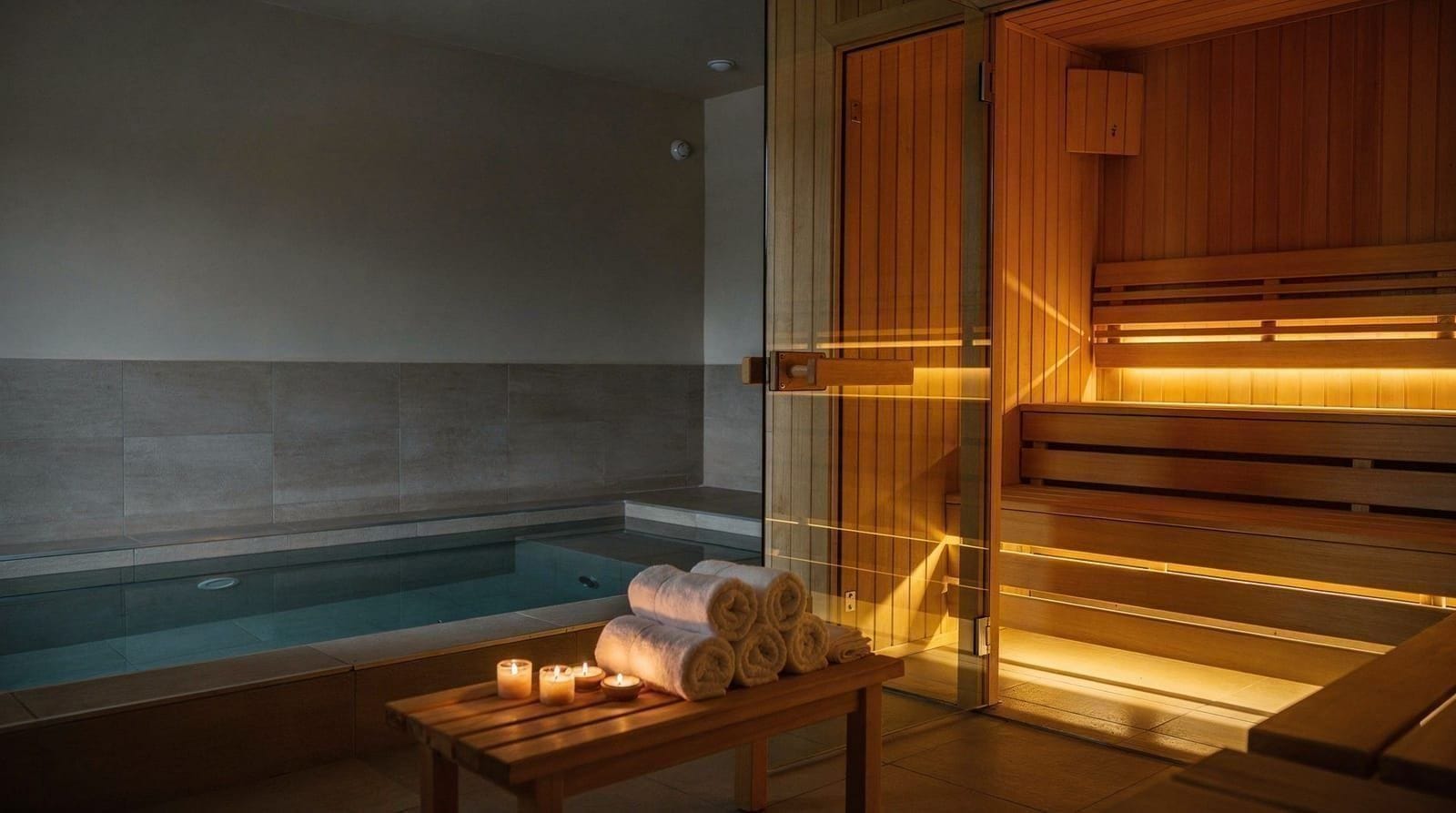
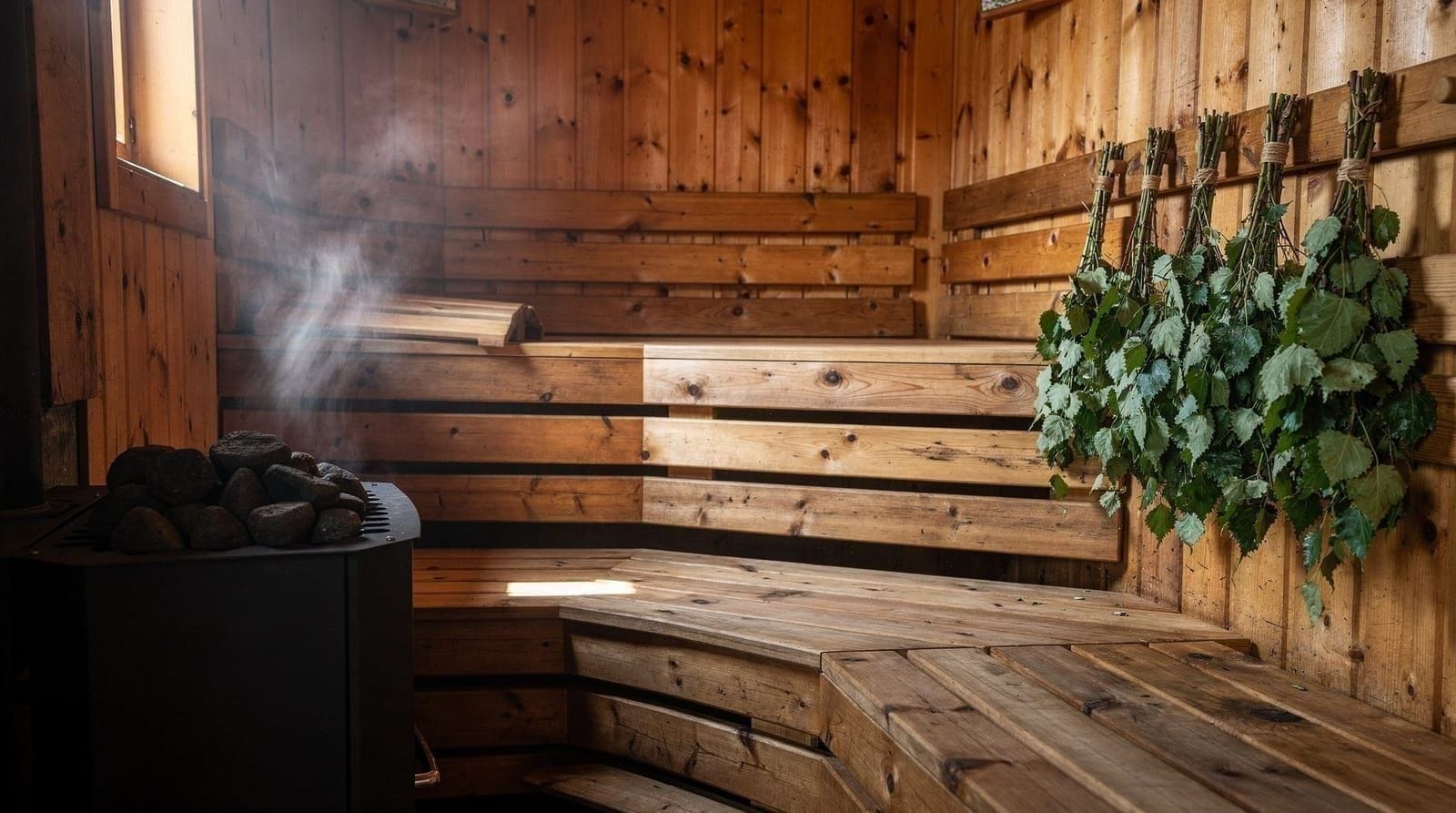
Separate from the water park (and sometimes requiring an additional ticket or upgrade, so confirm when booking), the spa wing contains thermal pools, a full sauna circuit (Finnish sauna, steam room, aromatherapy sauna, ice room), treatment rooms and relaxation areas.
This section is quieter, adults-only in the treatment areas, and more consistent with the European medical spa tradition. Treatments available include massages (€45–80), body wraps, hydrotherapy, and various water-jet therapies. A full afternoon in the thermal circuit alone — moving through hot saunas, plunge pools and rest rooms — is worth the entrance price.
Accommodation packages
If you are considering an overnight visit (and you should — a single day barely scratches the surface), Grand Spa Lietuva offers hotel accommodation directly connected to the water park complex. Packages typically combine one or more nights with daily water park access and a treatment credit.
Grand Spa Lietuva packages including water park access and accommodation represent meaningfully better value than paying for each element separately. A two-night package can work out at equivalent to one-and-a-half day tickets plus a hotel room at no extra cost.
Getting from Vilnius to Druskininkai
By bus
The most straightforward option for visitors without a car. Direct buses run from Vilnius central bus station (Autobusų stotis, near the train station) to Druskininkai approximately every hour to two hours throughout the day. Journey time is about 1.5 hours. Return tickets cost €8–12 per person depending on the operator and booking method. Book online (Toks, LuxExpress and Autobus turas all run this route) a day ahead for weekend travel to guarantee a seat.
The bus drops you in Druskininkai town centre, from which Grand Spa Lietuva is a 10–15 minute walk or short taxi ride. Grūtas Park requires a taxi or local bus from town.
By car
A car gives you the most flexibility, particularly for combining Grūtas Park and Druskininkai in one day. The drive south on the A4 motorway from Vilnius takes about 1.5 hours in normal traffic. Parking at Grand Spa Lietuva is free. See the car rental in Lithuania guide if you are considering hiring a car for this trip.
On an organised day trip
Organised transfers from Vilnius to Druskininkai including Grūtas Park solve the logistics problem entirely — you get there and back without dealing with bus schedules, and Grūtas Park is included as part of a structured day out. This is the best option for first-time visitors who want to see both Druskininkai and Grūtas Park without the planning overhead.
For a more expansive day combining Dzūkija National Park with Grūtas Park, a full-day Dzūkija and Grūtas Park tour takes in the forest and national park context alongside the sculpture collection — useful if you want to understand the landscape setting, not just the resort town.
See also the trains and buses in Lithuania guide for full transport details across the country.
Grūtas Park: Soviet sculpture and dark history
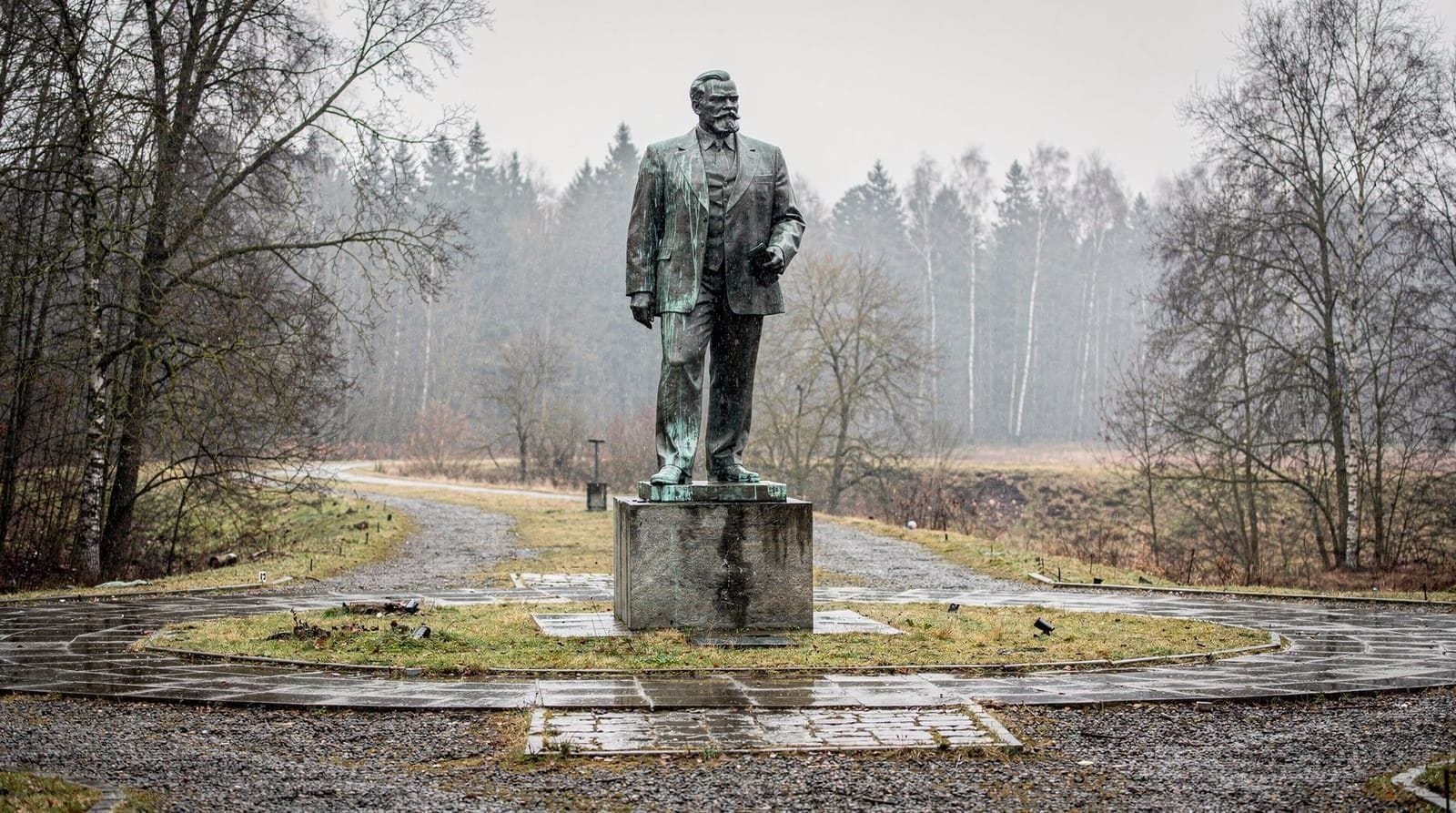
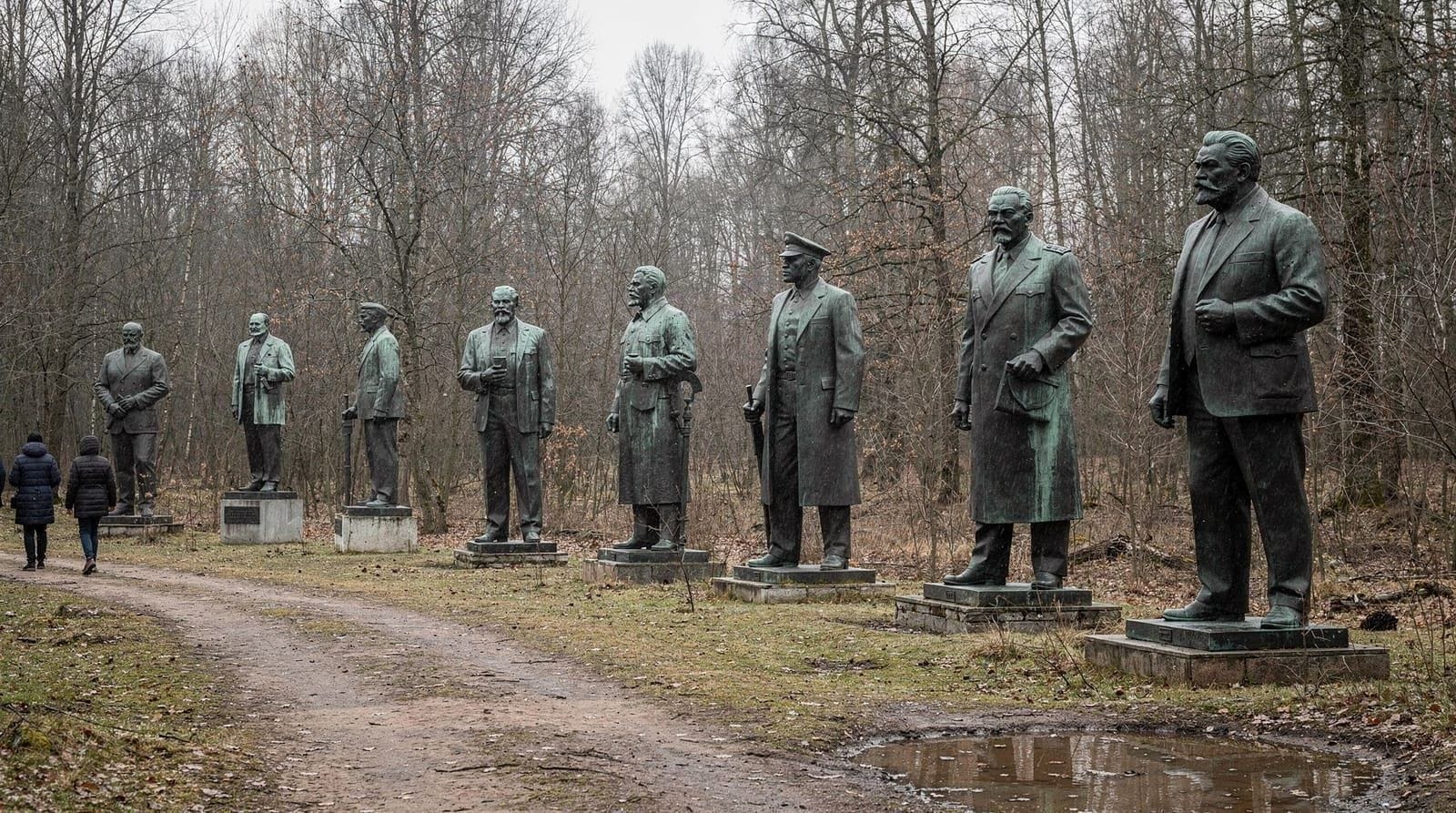
About 8 kilometres from Druskininkai town centre, Grūtas Park is one of Lithuania’s most distinctive and thought-provoking attractions. Formally known as the Grūto parkas, it was assembled by entrepreneur Viliumas Malinauskas in 2001, who purchased Soviet-era monumental statues and Lenin busts after Lithuanian independence and created a sculpture park in the forest, complete with Soviet-era music, propaganda posters and a museum of occupation history.
The effect is strange and deliberately so. Walking through a birch forest past a six-metre bronze Lenin surrounded by information about Soviet deportations of Lithuanian civilians forces a confrontation with history that is hard to replicate in a conventional museum setting. The “Stalin’s World” nickname (attached semi-mockingly by journalists in 2001 and widely used since) captures the dark irony of the collection.
Plan 2–3 hours here. The museum building adds context to the outdoor sculpture trail and is worth spending 45 minutes in. The café on site is rudimentary but functional. There is a small children’s play area that is architecturally Soviet-themed, which is either charming or alarming depending on your perspective.
Entrance costs around €8–10 for adults, less for children. Opening hours vary seasonally — check in advance, as winter hours are reduced.
The full Grūtas Park guide covers the history, practical details and what to expect in more depth.
Sanatoriums and traditional mineral treatments
The sanatorium tradition is alive in Druskininkai, and engaging with it directly — rather than treating it as mere curiosity — gives you access to a kind of therapeutic experience that is genuinely hard to find in Western European spa towns.
The old sanatoriums (sanatorijai in Lithuanian) offer a range of treatments built around the mineral waters and traditional Soviet-era medical spa protocols. Many have been modernised to comfortable 3-4 star standards while retaining the medical focus. Others are unashamedly old-fashioned in their atmosphere and décor.
What treatments are available
Mineral baths: Immersion in Druskininkai mineral water at therapeutic temperatures. Typically 15–20 minute sessions. Price range €15–30 per session.
Mud wraps: Peat and mineral mud applied to the body for heat and mineral absorption. Standard in most sanatoriums. €20–40 per session.
Naftalan oil baths: The most unusual treatment available in Druskininkai. Naftalan is a specific type of non-refined crude oil with documented anti-inflammatory properties, used since the 19th century for joint conditions, arthritis, skin disorders and neurological symptoms. You soak in diluted naftalan at around 37°C for 10–15 minutes under medical supervision. The oil coats the skin and the experience is genuinely strange — and genuinely effective for some conditions. Expect to pay €30–50 per session. Not every sanatorium offers this; confirm before booking.
Hydrotherapy and shower treatments: Charcot shower (high-pressure water jet), underwater jet massage and subaquatic shower are all available at most sanatoriums. €15–25 per session.
Physiotherapy and electrotherapy: Several sanatoriums maintain full physiotherapy departments with Soviet-era equipment supplemented by modern additions. Galvanotherapy, magnetotherapy and ultrasound are typically available alongside conventional physiotherapy. Prices are low by Western European standards — €10–20 per session.
Booking a sanatorium package
Sanatoriums in Druskininkai typically offer all-inclusive packages: accommodation, full board (three meals per day, often substantial), and a daily programme of treatments prescribed after an initial medical consultation. Prices for this model start at around €60–80 per person per day and rise to €120 for more comfortable rooms and more intensive treatment programmes.
This is excellent value if your goal is a genuine therapeutic break rather than recreation. The minimum useful stay is 3–5 days; a full course of mineral treatments typically runs 10–14 days and is where the genuine therapeutic effects accumulate.
Grand Spa Lietuva vs sanatorium: which fits you
Both revolve around the same mineral water tradition, but they suit different visitors.
| Grand Spa Lietuva | Sanatorium package | |
|---|---|---|
| Focus | Water park, slides, thermal circuit | Structured medical-style treatment programme |
| Typical stay | Day trip or 1-2 nights | 3-14 days |
| Pace | Active, family-friendly | Slow, restorative, treatment-scheduled |
| Cost | €25-35/day pass; packages from there | €60-150/person/day, full board included |
| Best for | Families, first-time visitors, short trips | Genuine therapeutic breaks, longer stays |
For a first visit or a family trip, Grand Spa Lietuva is the obvious choice. If you have the time and the goal is genuine rest and treatment rather than recreation, a sanatorium package of at least 3-5 days is where the model actually delivers value.
Mineral water springs in the town
One of Druskininkai’s most distinctive features costs nothing: the free public mineral water taps located around the town centre and spa parks. The water here is high in chloride and sulphate salts, slightly salty to the taste, and locals drink it regularly as part of their wellness routine.
The main drinking pavilion (kurortinis parkas) is a covered structure in the resort park area of town, a short walk from the main street. Bring a bottle and try the water — it is a direct connection to the two-century spa tradition here. The taste is distinctly mineral and not for everyone, but it is the same water people have been travelling to drink since the 1800s.
Dzūkija National Park and forest trails
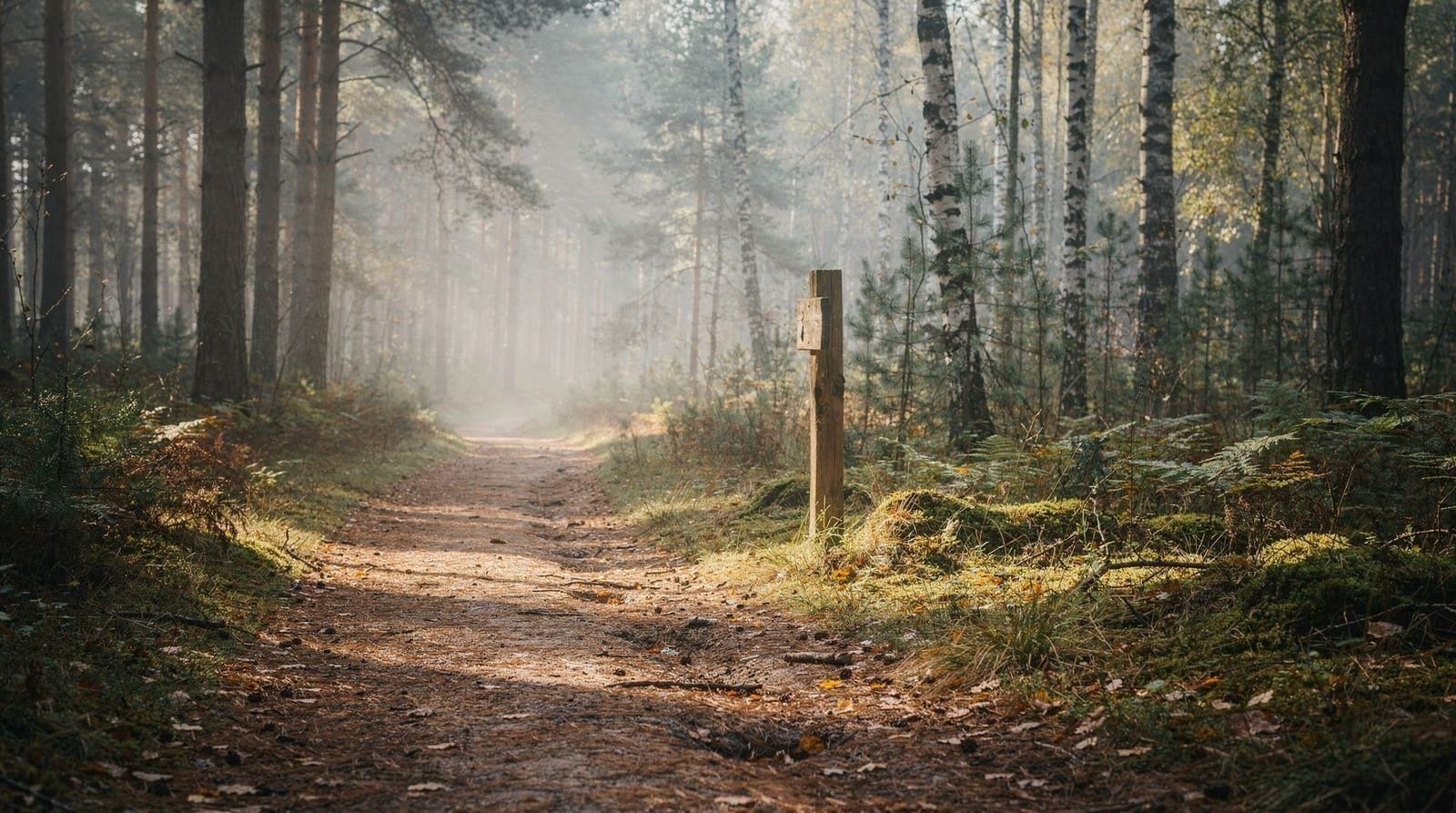
Druskininkai sits at the edge of Dzūkija National Park, one of Lithuania’s five national parks and a landscape dominated by sandy-soiled pine and birch forests. This forest is not incidental to the spa tradition — the combination of mineral water and pine forest air was the core of the 19th-century therapeutic model, and spending time in these forests genuinely contributes to whatever restorative effect the town has.
Trail networks around Druskininkai range from short paved paths in the resort park (suitable for all mobility levels) to longer forest trails extending 10–20 kilometres into the national park. The forest floor is remarkable in late summer and autumn — Dzūkija is one of Lithuania’s best mushroom and berry regions, and local families make serious foraging expeditions here from August through October.
The Raigardas geological reserve, a few kilometres from town, protects a series of carved river valleys and ancient pine forests and is a worthwhile half-day excursion on foot or by bicycle.
Bike rental is available near the town centre for anyone who wants to cover more ground than walking allows — the flat forest roads around Druskininkai are considerably gentler cycling than the hillier terrain around Vilnius itself, making this an easy add-on even for casual riders unfamiliar with the town.
Snow Arena: year-round skiing
Snow Arena is a covered artificial ski slope on the edge of Druskininkai — one of the very few indoor ski facilities in the Baltic states. It operates year-round on artificial snow, with a 430-metre main slope, a beginner’s slope, a freestyle area and a tubing run.
The slope is genuine: it is cold inside (around -5°C on the slope), the snow is real, and the facility has a ski rental shop, ski school and the standard infrastructure of a small ski resort. The runs are short and the vertical is modest, but for Baltic residents and visitors who do not get to the Alps regularly, it functions as a legitimate skiing experience.
Day passes cost around €25–45 depending on whether you bring your own equipment. Ski and snowboard rental adds €15–25. Ski school lessons are available for beginners. The facility is popular with Vilnius residents in winter, so weekend queues can form.
For a first-time ski experience or a confidence-building session before an Alpine trip, this is a perfectly functional choice. For anyone who actually skis regularly, it is an interesting novelty rather than a destination.
Čiurlionis memorial museum and cultural attractions
Druskininkai is the birthplace of Mikalojus Konstantinas Čiurlionis (1875–1911), Lithuania’s most significant composer and painter. The Čiurlionis memorial museum and house — located in the family’s original home near the town park — is worth an hour for anyone interested in art, music or Lithuanian cultural history. Admission is modest (under €5).
The works of Čiurlionis, particularly his late symbolist paintings combining musical structures with visual art, are unusual and affecting. The museum collection is small but genuine and contextually meaningful in the town where he grew up.
The town also has a small Jonas Paliulis modern art collection and several galleries worth a brief visit. Druskininkai is not primarily a cultural destination, but the Čiurlionis connection elevates it beyond a purely wellness resort.
Day trip vs. overnight: what works best
Day trip (arriving 10:00, leaving 18:00–19:00): Entirely viable if your focus is Grand Spa Lietuva and perhaps a quick walk in the resort park. You will not have time for both Grūtas Park and a full water park day unless you skip treatments entirely. This is the right choice for a single-purpose water park visit.
One night: The sweet spot for most visitors. Arrive in the afternoon, check into accommodation, spend the evening in the spa/water park at the quieter late-afternoon pace, have dinner in town, sleep well, spend the next morning finishing the water park or taking a forest walk, drive or bus back to Vilnius by early afternoon. This allows you to do Grūtas Park on arrival day.
Two or more nights: Appropriate if you are booking a sanatorium treatment programme, want to explore Dzūkija National Park properly, or are using Druskininkai as a rest point on a longer Lithuanian journey. See the 7-day Lithuania itinerary for how a multi-night Druskininkai stop fits into a wider trip.
Where to stay in Druskininkai
Grand Spa Lietuva hotel: The most convenient for water park access — you walk directly from your room to the complex. Quality is solid 4-star. Book packages rather than room-only for best value.
Sanatorium packages: Distributed across numerous properties in the town. Budget sanatoriums start at €60/person/night with full board and basic treatments included; the mid-range is €80–100; premium modernised sanatoriums reach €120–150. These are not hotels in the conventional sense — the emphasis is on treatments and a structured daily routine rather than individual tourism.
Guesthouses (svečių namai): The town has a good supply of small guesthouses charging €40–70 per room per night, most within walking distance of the main spa areas. Simpler and more independent than sanatorium packages. Useful if you are driving and want flexibility.
Airbnb and rental apartments: Available in reasonable volume, typically €40–80 per night for a one-bedroom apartment. A good option for families or small groups who want a kitchen.
Practical planning for Druskininkai
Best season: Genuinely year-round. Summer (June–August) is the most popular, with outdoor pools open and the forest at its greenest. Spring and autumn are pleasant and quieter. Winter has Snow Arena, cosy spa appeal and the beautiful melancholy of a pine forest in snow.
Combining with other destinations: Druskininkai is well-placed for a loop that includes Kaunas — you can travel from Vilnius to Kaunas (see the Vilnius to Kaunas guide), then south to Druskininkai, then back to Vilnius. This makes for a logical two-to-three-day circuit of southern Lithuania.
What to eat: The town’s restaurants are straightforward and good. Lithuanian comfort food — potato dumplings (cepelinai), beetroot soup (borscht), smoked meats and dense dark bread — is widely available and excellent. Sanatorium dining, if you are staying on a package, tends toward the nutritious rather than the exciting, but quality has improved significantly since the Soviet era.
Mobile data and connectivity: Coverage is good throughout Druskininkai. Grand Spa Lietuva has wifi. If you are walking in Dzūkija National Park, coverage in the deepest forest sections can be patchy — download offline maps before setting out.
What to pack for a Druskininkai spa visit
A swimsuit and flip-flops are essential for both the water park and any sauna circuit — most facilities require footwear in wet areas for hygiene reasons. Bring your own towel if you want to avoid the €3-5 rental fee, though most sanatorium packages include one. A dry bag or waterproof phone case is worth having for the water park, since lockers are secure but you will want your phone poolside for photos.
For sanatorium stays, pack as you would for a quiet few days away rather than an active city break: comfortable, loose clothing for treatments, a robe if you have one (some sanatoriums provide these, others don’t), and any relevant medical documentation if you have a specific condition you want the consulting doctor to address in your treatment plan.
Frequently asked questions about Druskininkai
How far is Druskininkai from Vilnius?
Druskininkai is approximately 130 kilometres south of Vilnius by road, which translates to about 1.5 hours by car on the A4 motorway, or 1.5 hours by direct bus from Vilnius central bus station. The bus costs €8–12 each way.
Is one day enough in Druskininkai?
One full day is enough to get a genuine sense of Druskininkai and enjoy Grand Spa Lietuva properly. It is not enough to combine the water park with Grūtas Park and forest walking — you will need to choose priorities. An overnight stay makes the experience significantly more relaxed and allows you to cover more ground.
Do I need to speak Lithuanian to visit?
No. At Grand Spa Lietuva and most tourist-facing businesses, staff speak English (and often Russian and German as well). In some older sanatoriums, Lithuanian and Russian are more dominant — a translation app on your phone handles any gaps easily.
Is Druskininkai suitable for families with children?
Yes — one of its strongest suits. The water park is excellent for children, Snow Arena has family packages and beginner slopes, Grūtas Park is educational in an unusual way, and the town is compact and walkable. The resort environment is genuinely family-friendly in infrastructure and atmosphere.
What is the best thing to do in Druskininkai besides the water park?
Walk the forest trails in Dzūkija National Park, drink the mineral water at the kurortinis parkas, visit Grūtas Park, and try the Čiurlionis museum. For deeper immersion in Lithuanian wellness culture, booking even a single mineral bath or sauna session at one of the sanatoriums gives you a direct connection to the town’s genuine therapeutic tradition. Read the guide to Lithuanian sauna culture to understand what that tradition actually means.
Is a naftalan oil bath safe?
Naftalan oil baths are administered under medical supervision at Druskininkai sanatoriums and have been used for over a century for joint and skin conditions. As with any spa treatment, disclose relevant medical conditions to the on-site doctor beforehand, and follow the recommended session length rather than extending it yourself.
How does Druskininkai compare with spa towns elsewhere in Europe?
It is smaller and less internationally known than towns like Baden-Baden or Karlovy Vary, but the underlying tradition — mineral water cures combined with forest air — is genuinely comparable, at meaningfully lower prices. What Druskininkai lacks in grand 19th-century architecture, it makes up for with the modern Grand Spa Lietuva complex and its more relaxed, less formal atmosphere.
Top experiences
Bookable activities with verified prices and instant confirmation on GetYourGuide.