Lithuanian sauna culture: the complete guide to pirtis
Vilnius: Druskininkai grutas park transfer
What is a Lithuanian sauna (pirtis)?
Pirtis is the Lithuanian word for sauna and refers to a deep-rooted cultural tradition far older than the building itself. A traditional pirtis is a wood-fired heat room where Lithuanians gather to sweat, socialise, whisk each other with birch branches (vantai), cool down in cold water, rest, and repeat. Sessions last 2–4 hours and are as much social ritual as physical therapy.
The pirtis is not a luxury in Lithuania. It never was. Before hot running water arrived in rural homes — which in many villages meant well into the 20th century — the sauna was where you bathed, where women gave birth, where the sick were brought to recover, where the dead were washed before burial. It was the most important building on the farm after the house itself, and in some traditions it came before.
That history is still present in the way Lithuanians talk about and use saunas today. The contemporary pirtis session — a Friday evening with close friends, a long afternoon at a lakeside rental, a winter day at Druskininkai’s thermal parks — carries the weight of something genuinely ancient. You can feel the difference between this and a hotel gym steam room if you experience it properly.
This guide explains what Lithuanian sauna culture actually is, how it works, what to expect as a visitor, and where to find the real thing.
| Where | Druskininkai (best for visitors), Trakai lake district, rural farmsteads |
| Cost | Lakeside lodge rental around €40–80/hr for a group; spa sauna packages vary |
| Time needed | 2–4 hours for a proper session |
| Best time | Any season — winter and summer offer very different experiences |
| Booking | A few days ahead for weekend lakeside rentals |
The ancient roots of pirtis
Written references to the Lithuanian pirtis appear in 14th-century chronicles — accounts by Teutonic Knights and other outsiders who described the Lithuanians’ habitual use of heated bathing structures with some combination of curiosity and admiration. These are among the earliest documented references to sauna culture anywhere in the Baltic and East European region.
The practice is almost certainly older than the earliest written accounts. Lithuania was the last pagan country in Europe to formally Christianize (1387, when Grand Duke Jogaila was baptized ahead of his marriage to the Polish queen), and the pirtis carried significant pre-Christian meaning — it was a liminal space between the human and the sacred, associated with purification, birth, death and the forest spirits. The ritual structure of the modern pirtis session — heat, cooling, rest, heat again — echoes these older patterns even when the explicit religious meaning has long since faded.
What distinguishes the Lithuanian sauna tradition from nearby Finnish and Estonian sauna cultures is partly landscape (Lithuania’s river valleys and mixed forests produce different cultural rhythms than Finland’s lake country), partly climate (the continental climate of the Lithuanian interior creates the psychological need for warmth in different ways than the subarctic north), and partly a specific set of practices — particularly the use of vantai and the centrality of the pirtis as a social gathering place — that have their own distinct flavour.
What actually happens in a traditional pirtis session
Understanding the structure of a sauna session removes the anxiety of not knowing what to do. The process is not complicated, but it has a rhythm.
Preparation
A traditional pirtis is heated for 2–4 hours before use, burning alder, birch or oak wood to heat the stones (kiurpė or stove). A properly heated pirtis reaches 70–90°C in the heat room. The person responsible for heating the sauna — traditionally an important role, not casually delegated — also prepares the vantai.
Preparing the vantai: Dried birch branches are submerged in warm water 30–60 minutes before the session begins, allowing the leaves to rehydrate and become supple. Fresh summer vantai (harvested in June and July when leaves are young) are used directly; dried winter vantai require longer soaking. Some practitioners add aromatic herbs to the soaking water — mint, lemon balm, eucalyptus — which diffuse gently during whisking.
Undressing and entering
You enter the changing area (prieangis), undress, leave your shoes outside, and enter the pirtis in a towel or, in traditional settings, nothing at all. A towel to sit on is essential — you never sit directly on the wooden bench.
The heat room
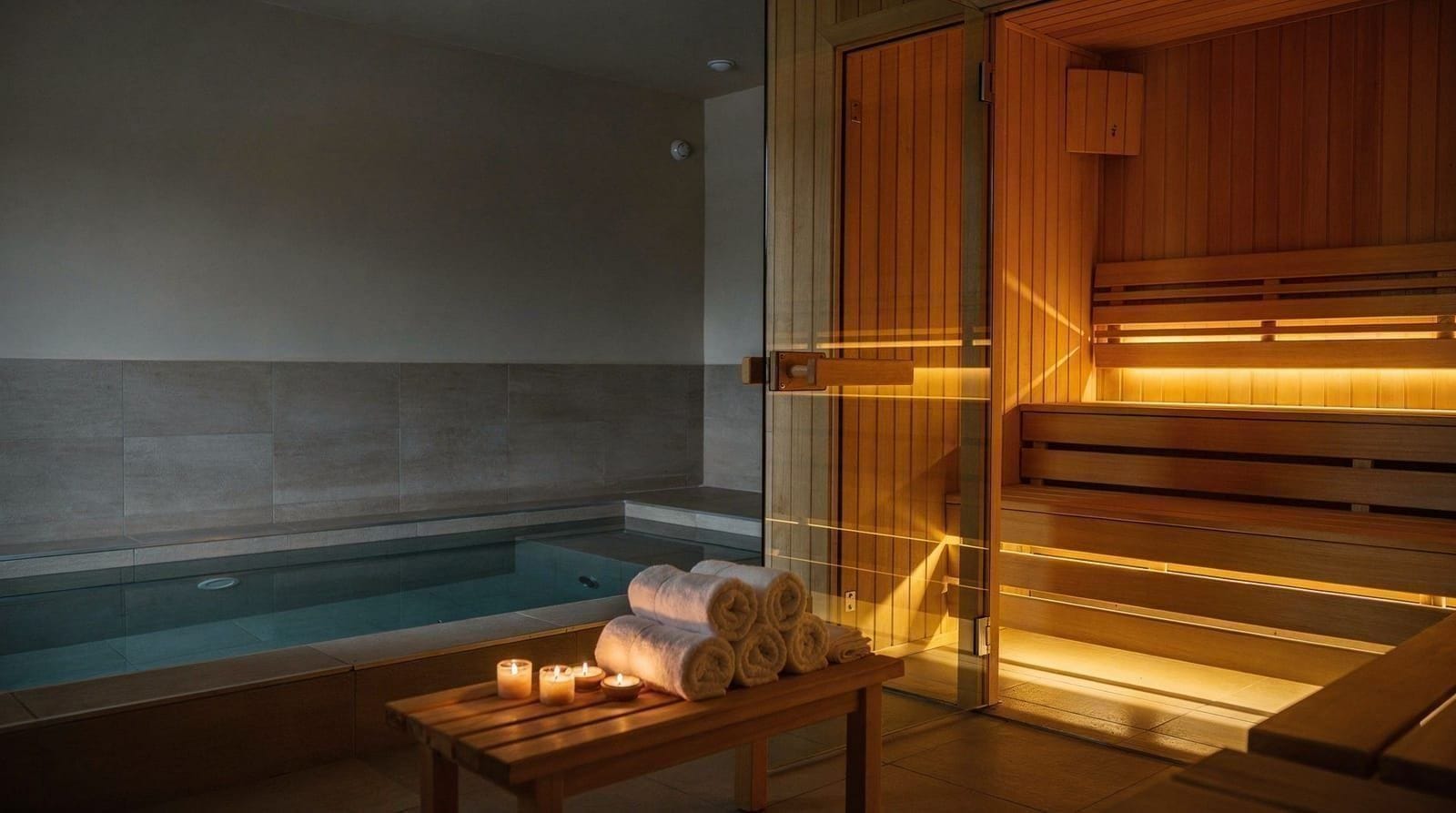
The main heat room (pirties erdvė) has tiered benches: the higher the bench, the more intense the heat. Experienced users sit higher; beginners and those with cardiovascular concerns start lower. A typical first cycle lasts 10–15 minutes, enough to produce a genuine, deep sweat.
During the heat cycle, water is ladled onto the hot stones (kiurpė) to create steam bursts (löyly in Finnish; the Lithuanian equivalent is garas or simply “garas”). The steam dramatically intensifies the perceived heat. Adding a few drops of essential oil — eucalyptus, birch tar, mint — to the water is common.
Whisking with vantai
The vantai are used during the heat cycle, either self-applied or (more traditionally and more effectively) by another person. The technique involves a rhythmic sweeping motion across the back, legs, shoulders and arms — alternating between light fanning gestures that move hot air across the skin and gentle tapping that brings the leaves into direct contact.
The effect is remarkable the first time you experience it. The warmth intensifies at the point of contact. The skin flushes. The aromatic compounds from birch leaves — particularly betulin and various terpenes — are absorbed through the skin and inhaled simultaneously. The combination of heat, mechanical stimulation and aromatherapy is more than the sum of its parts.
Birch is the most traditional material, but oak is also widely used (oak vantai are more durable and have a slightly more astringent quality). Combinations of birch with mint, nettles or juniper are used for specific therapeutic effects — nettles in particular are used for joint pain, which sounds alarming but becomes pleasurable in sauna heat.
Cooling
After 10–15 minutes in the heat room, you exit and cool down. The ideal cooling method is immersion in cold natural water — a lake, a river, a stream. This is why the best pirtis experiences in Lithuania are lakeside. The shock of cold water after deep heat is not merely pleasant; it is physiologically significant. Blood vessels that dilated in the heat contract rapidly, flushing tissues with freshly oxygenated blood and producing the characteristic post-cooling glow.
Cold plunge pools (šaltas baseinas) substitute for natural water when a lake is not available. A cold shower works. In winter, rolling in snow or sitting briefly in the open air serves the same function. The key is that the cooling should be genuine — not a lukewarm shower but actual cold.
Rest
After cooling, you rest in the changing area or an adjacent rest room for 10–20 minutes. You drink — cold water, beer, kvass (a fermented bread drink), home-made herbal tea. You talk. This resting phase is not optional; it is structurally part of the session. Rushing it shortens the health benefit and misses the social point entirely.
Repeat
A full sauna session involves two to four cycles of heat-cool-rest. Total duration is typically 2–4 hours for a traditional session. By the end of a proper pirtis afternoon, you have sweated out a remarkable volume of water, your skin has a quality that is hard to describe (clean is not quite right — transformed is closer), and your body achieves a state of relaxation that is qualitatively different from anything a massage or a bath alone produces.
The social function of pirtis
This is the element that visitors from non-sauna cultures most often underestimate and most often report as the most memorable part of the experience.
The pirtis is where Lithuanians have important conversations. The shared vulnerability of being undressed, the physical intimacy of the whisking, the forced slowness of the process — these create conditions for genuine conversation that are hard to replicate in other social settings. Business deals, family negotiations, friendships formed or deepened: the pirtis has historically been the venue for all of these.
“Pirtis” as a concept also carries a specific gender dimension. Mixed-gender saunas in family and friend settings are entirely normal. But traditionally there were also women-only sauna sessions (particularly significant around childbirth and female ritual cycles) and men-only sessions where male social bonds were formed and maintained. Both traditions continue in different forms today.
The presence of alcohol — specifically cold beer — is considered appropriate in the rest phases. A Svyturys Ekstra (Lithuania’s most popular lager) or a home-brewed beer is the standard accompaniment. The combination of extreme sweating and cold beer creates a genuinely pleasurable effect that the medical establishment probably prefers not to endorse officially, but that Lithuanians have been practising without apparent ill effect for centuries.
Types of sauna you will encounter in Lithuania
Not all saunas in Lithuania are the same. Understanding the differences helps you choose the right experience for what you are looking for.
Traditional wood-fired pirtis
The authentic version. Heated by burning wood for several hours before use. The heat has a different quality from electrically heated saunas — softer, more enveloping, with the smell of wood smoke (which stays outside the heat room itself, in a well-designed pirtis). Found primarily in the countryside, at lakeside rentals, in Druskininkai’s better facilities, and at private homes with land.
Public bath houses
Several cities, including Vilnius, historically had public bath houses where residents who lacked private facilities could bathe. A handful of these survive, though they have declined dramatically. Where they do exist, they offer one of the most authentic insights into urban sauna culture — mixed-gender facilities, genuine working-class clientele, no tourist infrastructure, Soviet or pre-Soviet atmosphere intact.
Modern spa saunas
Finnish-style electrically heated saunas in hotels, fitness clubs and spa centres. Reliable and comfortable but missing the wood-fired quality and often lacking the social dimension. Steam rooms (garų pirtis) are a related category — lower temperature (45–55°C) with very high humidity, which some people find more comfortable than dry heat. Infrared saunas are increasingly found in wellness centres and offer lower temperatures (40–60°C) with claimed deeper tissue penetration.
Sauna parks and complexes
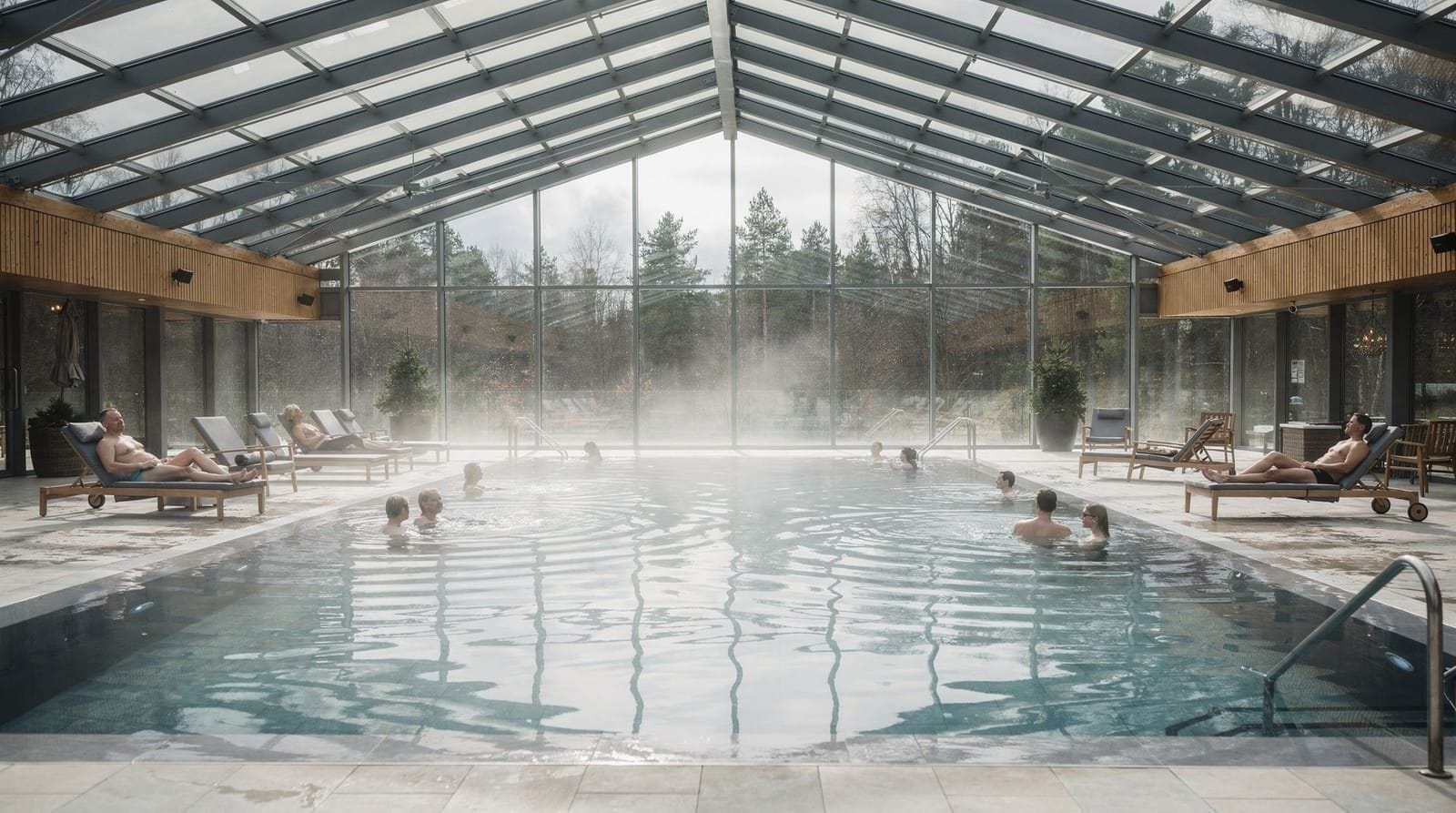
Druskininkai has the best of these — multi-room sauna complexes (often called saunų parkas) with several different sauna types, plunge pools of varying temperatures, rest areas and sometimes outdoor access. These offer a curated version of the traditional experience, modernised for comfort and accessibility while retaining the fundamental sauna logic.
Comparing your options
| Setting | Authenticity | Cost | Best for |
|---|---|---|---|
| Traditional wood-fired lakeside lodge | Highest | €40–80/hr for a group | Full experience, social groups |
| Druskininkai spa complex | High, modernised | Included in spa/hotel packages | Comfort, variety of sauna types |
| Countryside farmstead | Highest, most immersive | €50–100/night incl. stay | Overnight trips, full immersion |
| Hotel or fitness club sauna | Low | Usually included with stay | Convenience, no planning |
Where to experience pirtis in Lithuania
Druskininkai
The best destination for visitors who want a genuine sauna experience within a comfortable resort context. Grand Spa Lietuva has an extensive sauna suite with multiple sauna types and plunge pools. Several of the sanatoriums maintain wood-fired sauna facilities alongside their mineral water treatments. The combination of sauna tradition and broader wellness infrastructure makes Druskininkai the natural base for anyone specifically interested in the pirtis.
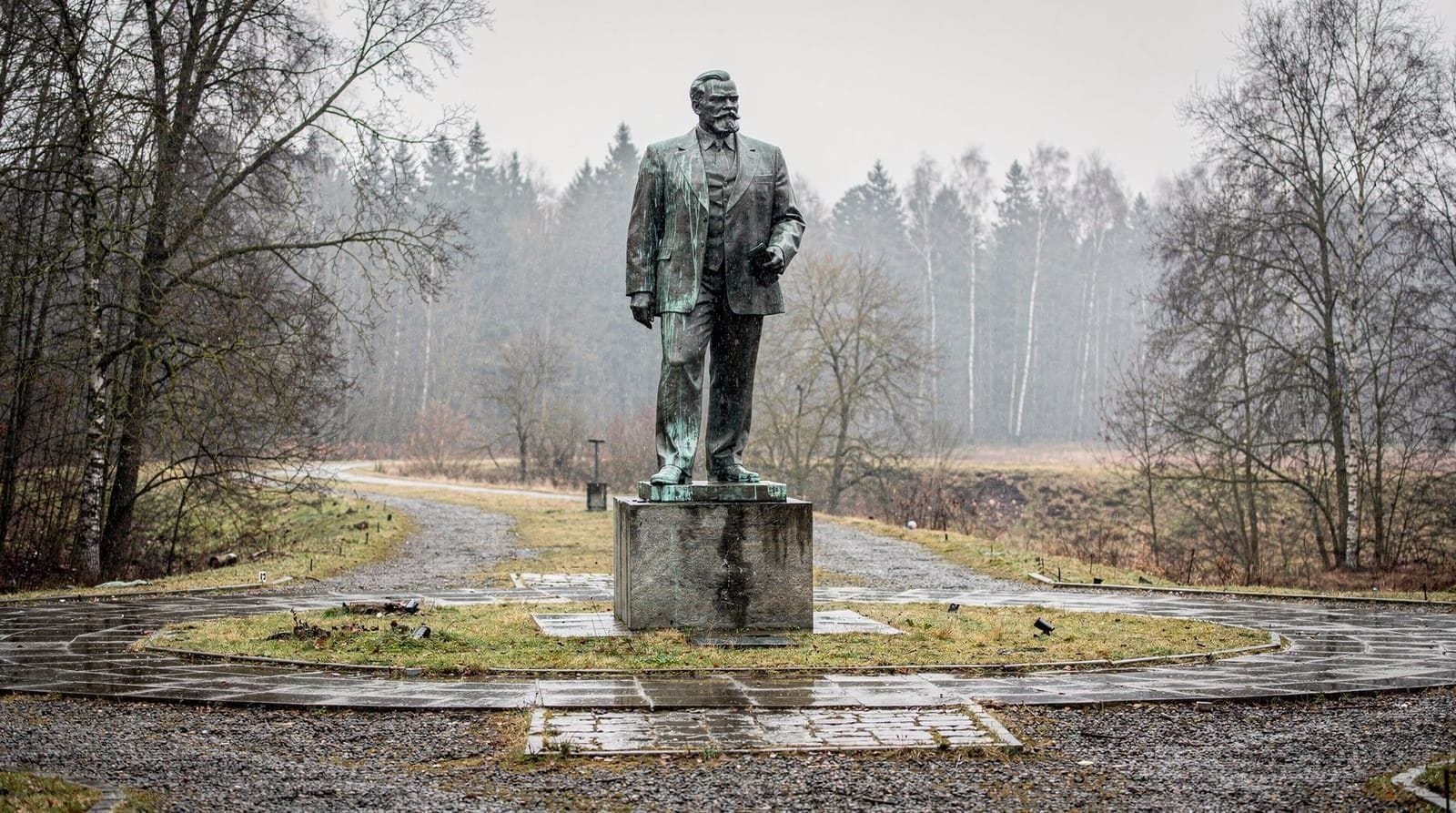
Organised transfers from Vilnius to Druskininkai handle the logistics if you do not have a car. The journey is 1.5 hours each way and the combination of spa town, sauna facilities and Grūtas Park makes for a very full and satisfying day.
Grand Spa Lietuva packages are the most accessible way to book an overnight stay with sauna facilities included — the hotel connects directly to the sauna and water park complex.
Read the full Druskininkai spa guide for comprehensive planning information.
Trakai and the lake district
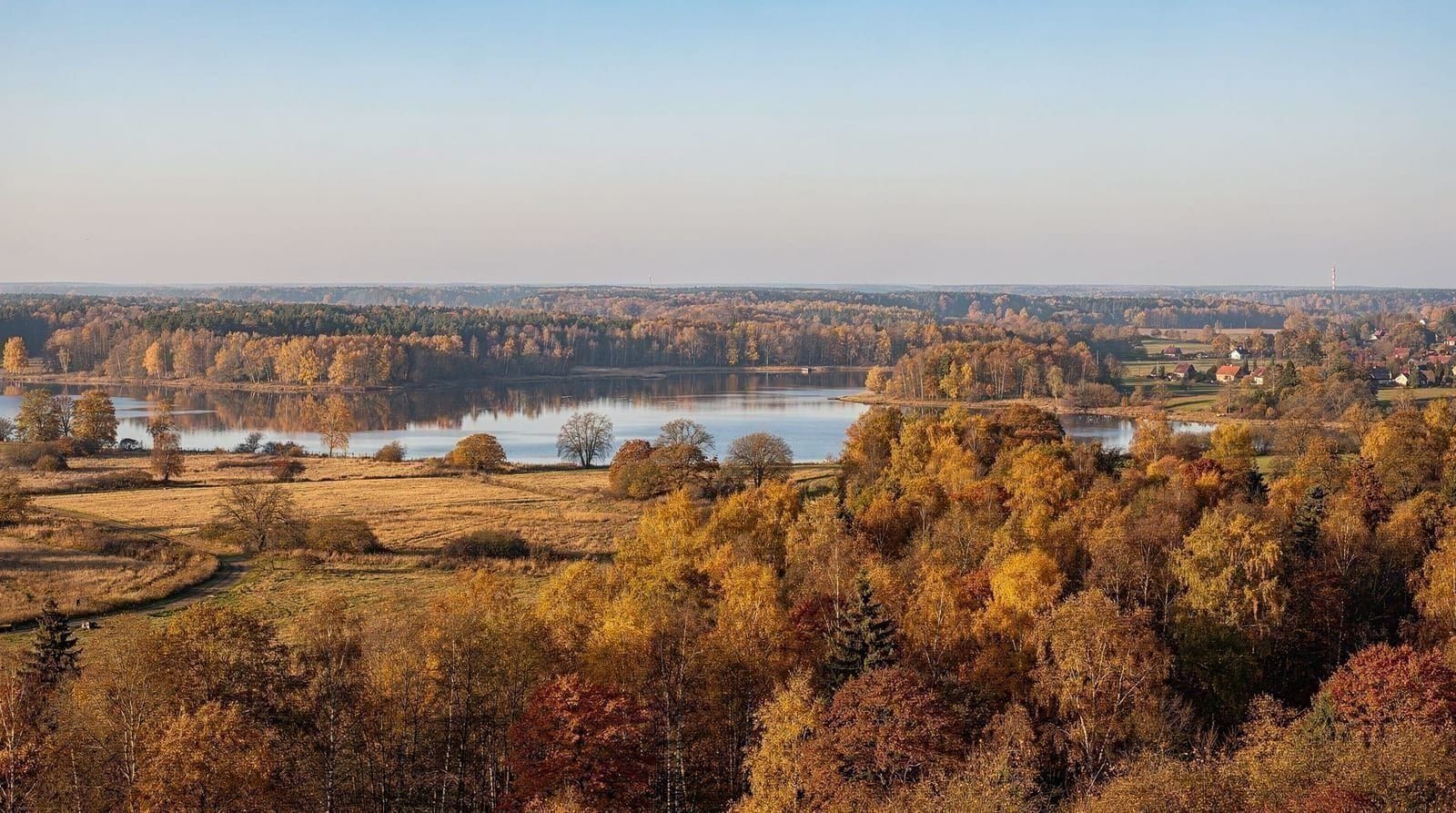
The lake-dotted landscape west of Vilnius — centred on Trakai and its famous island castle — is where Vilnius residents go for lakeside sauna rentals. Several private sauna lodges operate here, typically rented by the hour or by the evening. A typical private sauna lodge on a lake shore accommodates 4–10 people, includes a wood-fired pirtis, a dock for lake access and a rest room.
Search for “pirties nuoma Trakai” (sauna rental Trakai) to find current listings. Evening availability is more limited than daytime; book at least several days ahead for weekend sessions.
The combination of a proper pirtis session and a jump into Lake Galvė — arguably the most beautiful lake in Lithuania, surrounded by forested shores — is one of the most authentically Lithuanian experiences a visitor can have.
Vilnius itself
Private sauna rentals exist in the Vilnius suburbs and surrounding area, though they require more research to find than in Druskininkai or Trakai. The Vilnius spas and saunas guide covers the city’s spa options in full. The short version: for hotel or standalone spa saunas, the city has adequate options. For an authentic pirtis experience, you need to leave the city or hire a private lodge.
Countryside farmsteads
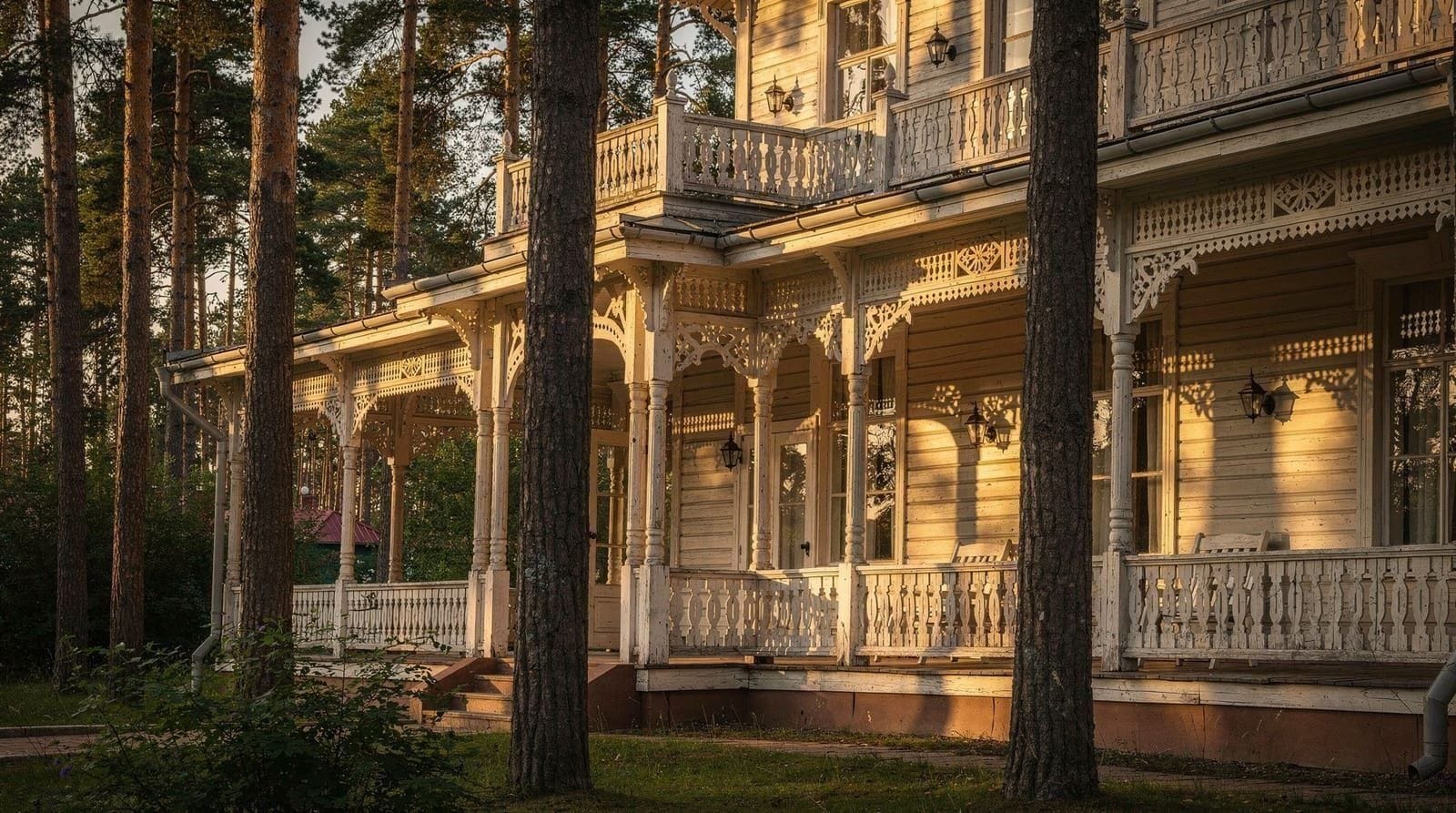
Lithuania’s rural tourism (kaimo turizmas) sector has grown substantially, with many traditional farmsteads offering accommodation that includes a pirtis on the property. This is the most immersive context for the full experience — you stay in a timber farmhouse, heat the sauna yourself over 3–4 hours, use it as the evening’s centrepiece and then sleep in the forest quiet. Prices are modest: €50–100 per night for accommodation including sauna access is typical.
The Lithuanian Rural Tourism Association maintains a directory of registered farmsteads, many of which speak at least basic English.
What to pack for a sauna session
A little preparation makes a proper pirtis session more comfortable. Bring: a swimsuit (even if nudity is the norm at private lodges, having one on hand covers you at mixed or public facilities), two towels (one to sit on, one to dry with), flip-flops or sandals for the changing area and lake dock, a water bottle, and a light snack for the rest phases. If you’re visiting a lakeside lodge, check whether linens and vantai are included or need to be arranged separately — smaller rentals sometimes expect guests to bring their own vantai, bought at a market beforehand.
If your session includes drinking (common in the rest phases), plan transport in advance — don’t drive after a sauna session that has included beer or krupnikas. Taxis and ride-hailing apps cover most lakeside rental areas near Trakai and the Vilnius hinterland.
Sauna etiquette: what to know before you go
The basics
- Never wear shoes inside the sauna building
- Always sit on a towel — direct contact with the wooden bench is considered unhygienic
- Nudity is normal in traditional settings; swimwear is accepted and sometimes required at public facilities — observe what others are doing or ask the host
- Do not shout or use your phone in the heat room
- Respect the heat cycle — if someone is whisking or beginning a steam burst, follow their lead rather than interrupting
Timing your entry
Entering the heat room when someone is performing a steam burst (throwing water on the stones) without being invited is considered inconsiderate. Wait until the burst has subsided and the initial extreme heat has settled before entering if you are joining an ongoing session. Experienced sauna-goers communicate about this naturally.
Whisking protocol
If someone offers to whisk you with vantai, this is a gesture of hospitality and skill — a good whisking takes practice. Lie face down on the bench, arms relaxed, and surrender the process to them. If you are whisking someone else, pay attention to their response: the pressure and pace should be adjusted to their comfort. Avoid the face, genitals and any areas of broken skin.
Cooling and the lake
If jumping into a natural lake, be aware of water depth and currents. In well-maintained sauna rental facilities, the lake dock area will be clearly designated for sauna use. Never enter the lake at night in unfamiliar territory without checking the depth.
After the sauna
Avoid eating immediately before or during a sauna session. A light meal beforehand (at least two hours before) is fine. After the session, eating is appropriate — the post-sauna hunger is real and should be satisfied. Drink generously during the rest phases; you will have sweated out one to two litres of water during a full session.
Buying and using vantai
If you develop a genuine interest in the tradition, buying your own vantai is a meaningful step. Fresh vantai are harvested between late June and early August when birch leaves are young and aromatic but large enough to hold together. They are tied in bundles of 10–15 branches and either used fresh or dried for later use.
In Lithuania, vantai are sold at markets throughout the summer — particularly at the large outdoor markets that run on weekends outside Vilnius and other cities. Dried vantai are available year-round at some health food and traditional craft shops.
A properly made dried vantas will last a full sauna session and can often be used a second time if rinsed and hung to dry between uses. Do not attempt to microwave or oven-dry them quickly — the leaves shatter.
Alternatives to birch include oak (more durable, slightly more stimulating), linden (milder, good for sensitive skin), eucalyptus (strongly aromatic, good for respiratory conditions) and mixed bundles combining birch with mint, nettles or juniper for specific effects.
Health benefits and the medical perspective
Lithuanian sauna culture has always been embedded in medical tradition — the pirtis was where sick people were brought before modern medicine, and the health benefits of regular sauna use are now reasonably well documented by clinical research.
Established benefits include: improved cardiovascular function (regular sauna use is associated with reduced all-cause mortality in long-term Finnish studies), improved circulation, reduction in muscle tension and chronic pain, improved sleep quality, and subjective reductions in stress and anxiety. The cold-water cooling phase is particularly significant for cardiovascular training — the alternation between heat-induced vasodilation and cold-induced vasoconstriction constitutes a genuine cardiovascular workout.
The whisking with vantai adds a mechanical stimulation element that improves circulation and skin condition. The aromatic compounds from birch leaves have mild anti-inflammatory properties.
The social dimension may be the most important health factor of all — regular connection with close community in a low-pressure, phone-free, time-flexible environment is associated with measurable improvements in mental health and longevity. The pirtis institutionalises this.
Contra-indications include acute cardiovascular conditions, uncontrolled hypertension, epilepsy and pregnancy (in the first trimester and for extended periods). If you have any significant health condition, consult a doctor before a long or intense sauna session. The heat room is not the place for competitive endurance.
The modern revival of private sauna culture
Since around 2015, Lithuania has seen a significant revival of interest in the private pirtis among younger urban Lithuanians. This has coincided with broader European and global interest in wellness and disconnection from screens, but it also has a specifically Lithuanian character — a recovery of cultural identity that was suppressed during the Soviet period, when collective (state-run) bath facilities were normalised and private sauna culture was deprioritised.
The new wave of sauna culture manifests in private sauna lodge rentals, sauna trailer rentals (a small wood-fired sauna on a trailer that can be parked beside any body of water), sauna events and festivals, and a growing artisanal market for high-quality vantai, sauna accessories and sauna-building craftsmanship.
This is one of the more genuinely interesting cultural currents in contemporary Lithuania — a reclamation of something genuinely old, refracted through contemporary design sensibility and environmental awareness. The country’s forest and lake landscape, which makes it naturally suited to the sauna tradition, has not changed. What has changed is the enthusiasm for engaging with it.
Regional variations within Lithuania
The pirtis tradition is not uniform across the country, and noticing the regional differences deepens the experience if you visit more than one area.
Aukštaitija (northeast): Known for the most elaborate whisking traditions and the strongest connection to lake culture — the region’s dense concentration of lakes made lakeside cooling the default cooling method for centuries, and the practice is deeply embedded in the Aukštaitija National Park area’s rural tourism offering.
Dzūkija (south, around Druskininkai): The pirtis here is closely tied to forest life and foraging — sauna sessions traditionally followed a day of mushroom or berry picking, and this pairing survives in the region’s rural tourism farmsteads today. Oak vantai are more commonly used here than in other regions, reflecting the area’s forest composition.
Žemaitija (northwest): A more austere, functional sauna tradition historically, tied closely to farm life rather than leisure. Modern Žemaitija sauna culture has picked up some of the wellness-tourism polish seen elsewhere, but rural farmsteads here still lean toward the practical, unhurried version of the tradition.
Vilnius and its surrounding lake district (Trakai, the Neris valley) sit somewhat apart from these regional traditions — the capital’s sauna culture is more of a blend, shaped by residents who moved from all over the country and brought their own family practices with them.
Planning a sauna experience during your Lithuanian trip
If you are visiting Lithuania for more than three or four days, making the effort to experience a genuine pirtis session — not just a hotel sauna but a wood-fired, lakeside, properly social one — adds something to the trip that no amount of museum visiting or restaurant dining can replicate.
The most accessible route is a day or overnight trip to Druskininkai, which combines the sauna experience with mineral water facilities, forest walking and the extraordinary Grūtas Park. This works well on any Lithuania itinerary of five days or more.
For a more intimate experience, a private lakeside sauna rental near Trakai or in the Vilnius hinterland — ideally on an evening when the sun sets over the water and the forest is quiet — is harder to organise but correspondingly more memorable.
Whatever form you choose, approach it with patience and without hurrying. The pirtis does not reward efficiency. It rewards time.
Sauna festivals and events
Since the mid-2010s revival, Lithuania has developed a small but growing calendar of sauna-specific events. These range from competitive sauna gatherings (testing endurance and whisking skill) to more contemplative wellness festivals combining sauna sessions with yoga, forest bathing and mineral water treatments. Druskininkai, given its existing spa infrastructure, hosts the most visitor-accessible of these events, often timed around winter solstice or midsummer (Joninės, June 23–24), when fire and water rituals already have deep Lithuanian cultural resonance.
Midsummer in particular is worth knowing about: Joninės (St John’s Eve) combines bonfires, wreath-making, and — for those who seek it out — sauna sessions as part of the night’s rituals. It’s one of the most atmospheric times to experience a lakeside pirtis, since the tradition sits naturally alongside the holiday’s other fire-and-water customs. If your Lithuania trip lands around June 23–24, checking whether a rural farmstead or lakeside lodge has a Joninės package is worth the effort.
Frequently asked questions about Lithuanian sauna culture
How old is Lithuanian sauna culture?
Written references to the Lithuanian pirtis appear in 14th-century chronicles. The practice is almost certainly older, rooted in pre-Christian ritual and agricultural life. Lithuania’s Christianization came late (formally 1387), and the pirtis preserved elements of earlier spiritual practice long after the official conversion.
Can foreigners participate in traditional Lithuanian saunas?
Yes — Lithuanians are generally welcoming of visitors who approach the pirtis with genuine curiosity and respect. Private rental bookings are the easiest route for foreigners, as you can organise your own group. Spa facilities in Druskininkai and at major hotels are open to all. If you are invited to a family pirtis session by Lithuanian hosts, this is a significant gesture of hospitality and should be accepted if at all possible.
Is the Lithuanian sauna the same as a Russian banya?
There is significant overlap. Both traditions use wood-fired heat rooms and birch branch whisking, and share historical roots in the broader Eastern European bathing tradition. Key differences include the physical design of the heat room (Russian banya tends toward higher steam and lower dry heat), the specific ritual structure, and the cultural meaning — the Russian banya and the Lithuanian pirtis evolved in distinct cultural contexts with distinct social functions. Lithuanians are generally precise about this distinction and prefer their own tradition to be recognised on its own terms.
Where can I buy vantai in Vilnius?
Seasonal outdoor markets in Vilnius (particularly the larger weekend markets on the city outskirts) sell fresh vantai in summer. Dried vantai are available at some health food shops and traditional craft outlets in the city centre. If you cannot find them, ask at any rural tourism farmstead or private sauna rental — they will almost always have vantai available for guests.
Is it safe to use a sauna with health conditions?
Mild cardiovascular conditions, well-controlled hypertension and most chronic conditions do not preclude sauna use, but a shorter session (one or two cycles rather than four, lower bench position, moderate temperature) is advisable. Acute cardiovascular disease, severe uncontrolled hypertension, acute infections and pregnancy in the first trimester are standard contra-indications. When in doubt, consult a doctor and err on the side of a shorter, cooler session for your first visit.
What is the best time of year to visit Lithuania for sauna culture?
All seasons work, but each has a different character. Winter sauna sessions — particularly with snow available for rolling in as a cooling method — are extraordinary and represent the tradition at its most elemental. Summer lakeside sessions with a lake jump as the cooling method are the most pleasurable for first-timers. Autumn is mushroom season in Dzūkija, and a sauna session after a day of forest foraging is a classic Lithuanian combination. See the best time to visit Vilnius guide for broader seasonal planning context.
Do I need to book a sauna experience in advance?
For Druskininkai spa facilities, walk-ins are often possible on weekdays, but weekend slots and overnight packages benefit from booking a few days ahead, especially in winter when demand peaks. Private lakeside lodges near Trakai should be booked at least several days ahead for weekend evenings — the good ones fill up, particularly in summer. Hotel and fitness-club saunas in Vilnius rarely need advance booking.
Is a Lithuanian sauna experience worth adding to a short Vilnius trip?
If you have four or more days, yes — it’s one of the more distinctive cultural experiences available and hard to replicate at home. On a very short trip (two days or less), it’s a harder sell logistically, since the best versions require travel to Druskininkai or a lakeside lodge outside the city; a hotel spa sauna in Vilnius itself is a reasonable but much less authentic substitute. See is Vilnius worth visiting for how sauna culture fits the wider case for a visit.
Top experiences
Bookable activities with verified prices and instant confirmation on GetYourGuide.