Vilnius vs Riga vs Tallinn — which Baltic capital should you visit?
Three UNESCO old towns. Three languages with almost nothing in common. Three countries that shared a brutal 20th century but emerged with quite different characters. The Baltic capitals are close enough to combine (Vilnius-Riga-Tallinn fits comfortably in ten days) but distinct enough that the choice of which one to prioritise actually matters.
Here’s an honest comparison, with the caveat that “best” depends entirely on what you’re looking for.
| Where | Vilnius (Lithuania), Riga (Latvia), Tallinn (Estonia) |
| Cost | Cheapest to most expensive: Vilnius, Riga, Tallinn |
| Time needed | 2-3 nights per city; 10 days for all three comfortably |
| Getting there | Bus/train between cities, 4.5-9 hours depending on route |
| Best time | May-September for long daylight; December for Christmas markets |
Vilnius: baroque depth, genuine value, fewer crowds
Vilnius is the largest of the three capitals by population (580,000 vs Riga’s 600,000 and Tallinn’s 450,000) but receives fewer international tourists than either. This under-visited quality is part of its appeal.
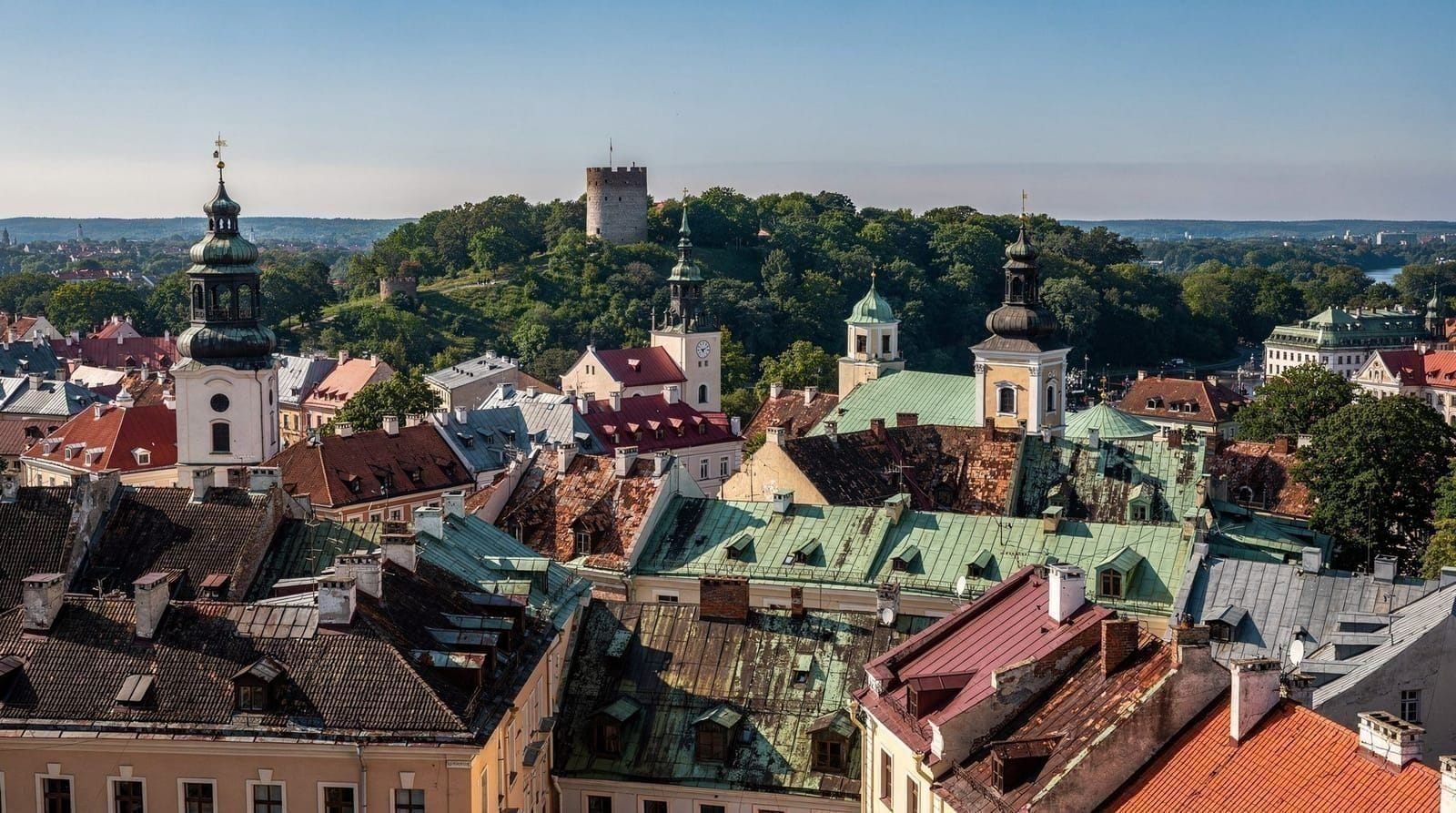
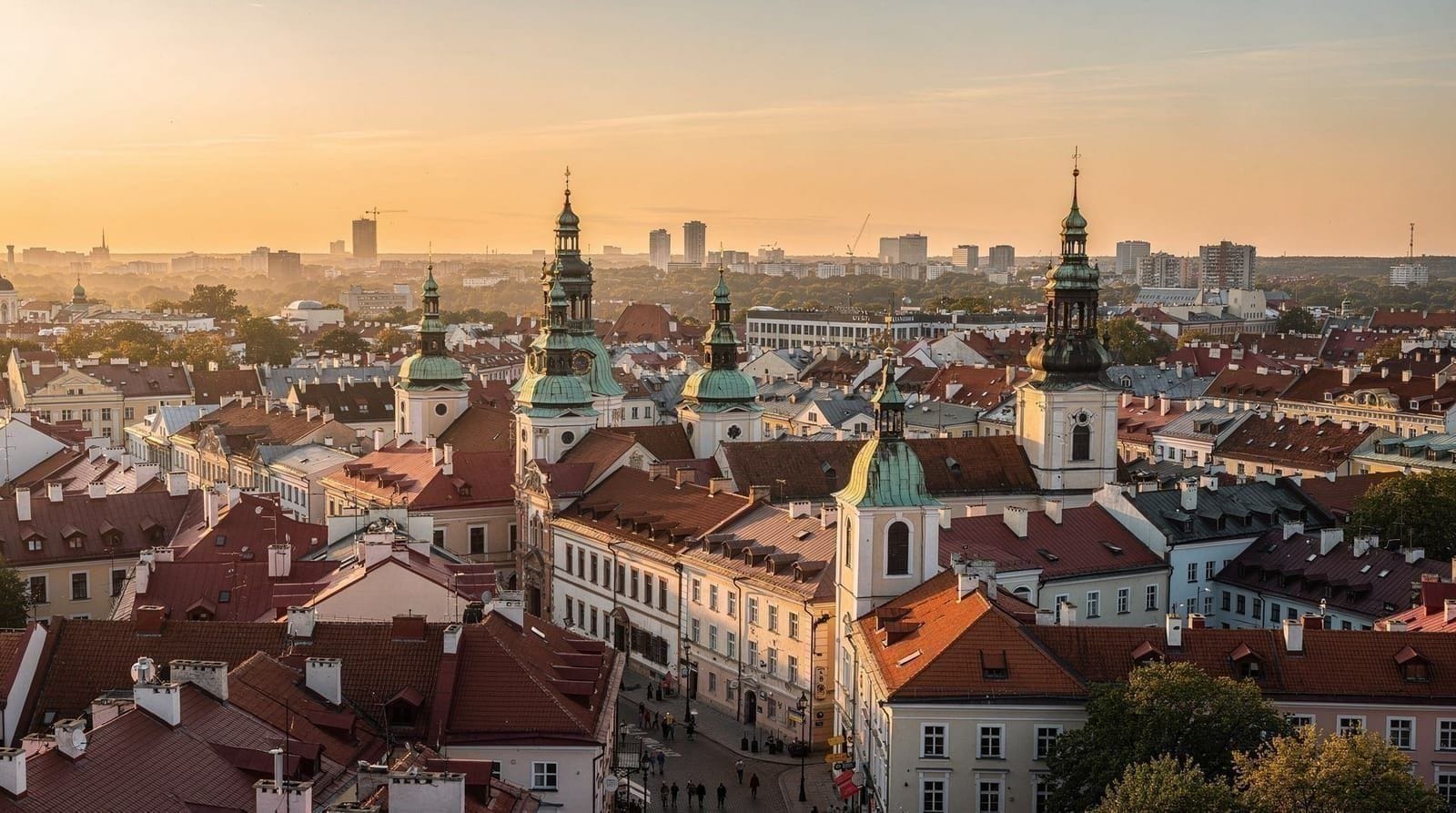
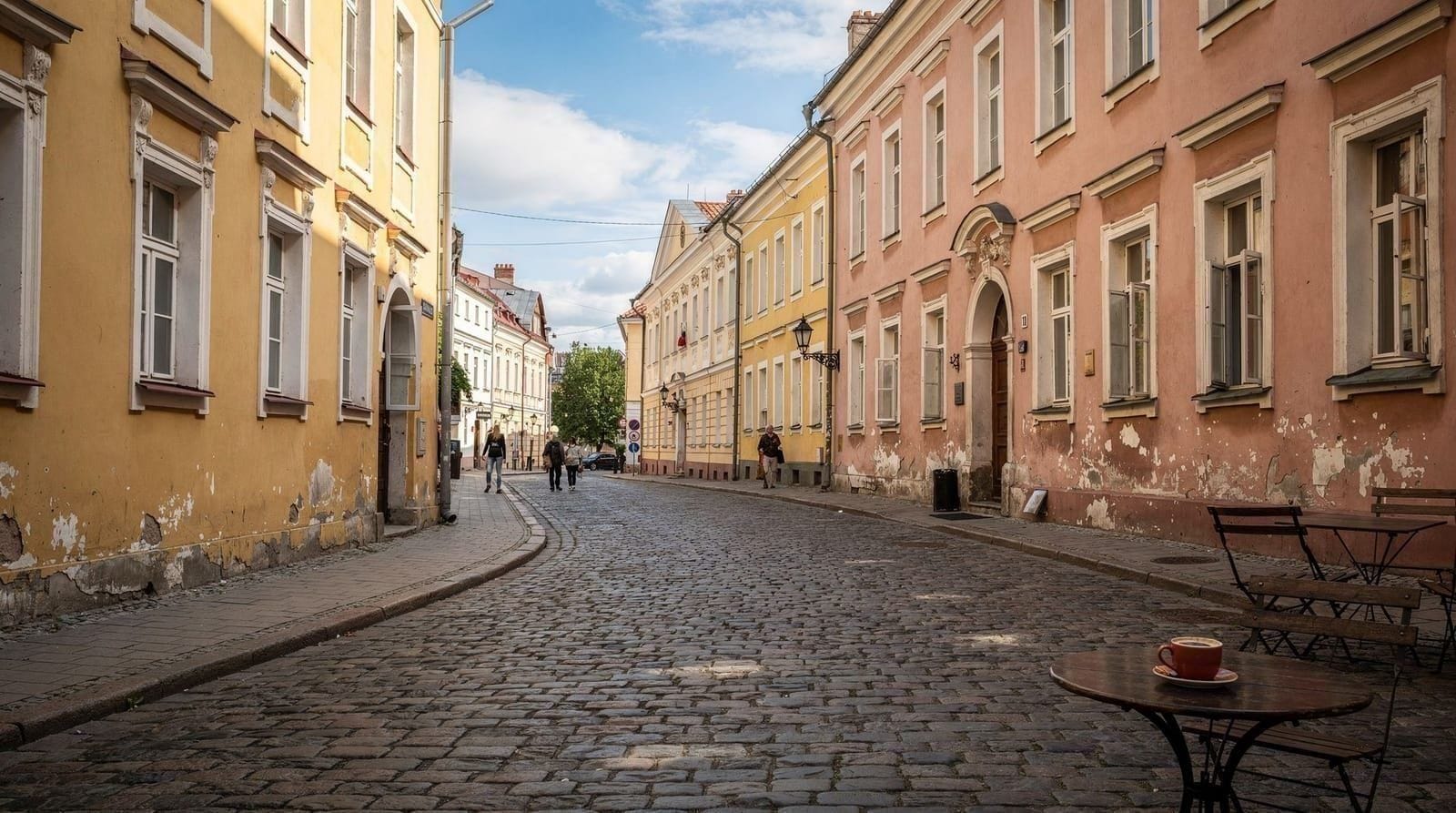
Old town: The largest baroque old town in Eastern Europe — genuinely large, genuinely intact, with around 65 churches, Renaissance courtyards, and Jewish heritage sites concentrated in a walkable area. It takes more than a day to scratch the surface. The Vilnius Old Town guide covers it in depth.
Cost: The most affordable of the three cities by a meaningful margin. A café lunch that costs €15 in Tallinn is €9-11 in Vilnius. A three-star hotel room that costs €140 in Tallinn is €75-90 in Vilnius. If budget matters, Vilnius wins.
Day trips: The best day-trip portfolio of the three. Trakai (island castle, 28 km), Kaunas (interwar architecture, 100 km), Hill of Crosses (pilgrimage site unlike anything else in Europe, 210 km), Curonian Spit (UNESCO dunes, 310 km). Riga has Jūrmala (beach resort) and Rundāle Palace; Tallinn has various Estonian destinations. None match Vilnius’s variety.
History depth: Vilnius has layers — medieval, renaissance, baroque, Jewish (Vilna was a major centre of Jewish intellectual life before the Holocaust; the story is complex and significant), Soviet, independent. The KGB Museum is among the best Cold War history museums in Europe.
Weakness: Fewer tourists means less tourist infrastructure, and what exists can be patchier. Some neighbourhoods are strikingly gritty. The airport connections are fewer than Riga and Tallinn. Getting here from Western Europe can cost more in flights.
Riga: architecture showcase, the big Baltic city
Riga is the largest city in the Baltics with the most developed tourist infrastructure. Its two main calling cards are distinct from anything in Vilnius or Tallinn.
Art Nouveau: Riga has the largest concentration of Art Nouveau (Jugendstil) architecture in the world — around 800 buildings, primarily in the Centrs district north of the Old Town. This is genuinely extraordinary if architecture interests you even slightly: whole streets of ornate 1901-1912 facades with mythological faces, goddesses, strange geometries. Nothing like it exists in Vilnius or Tallinn.
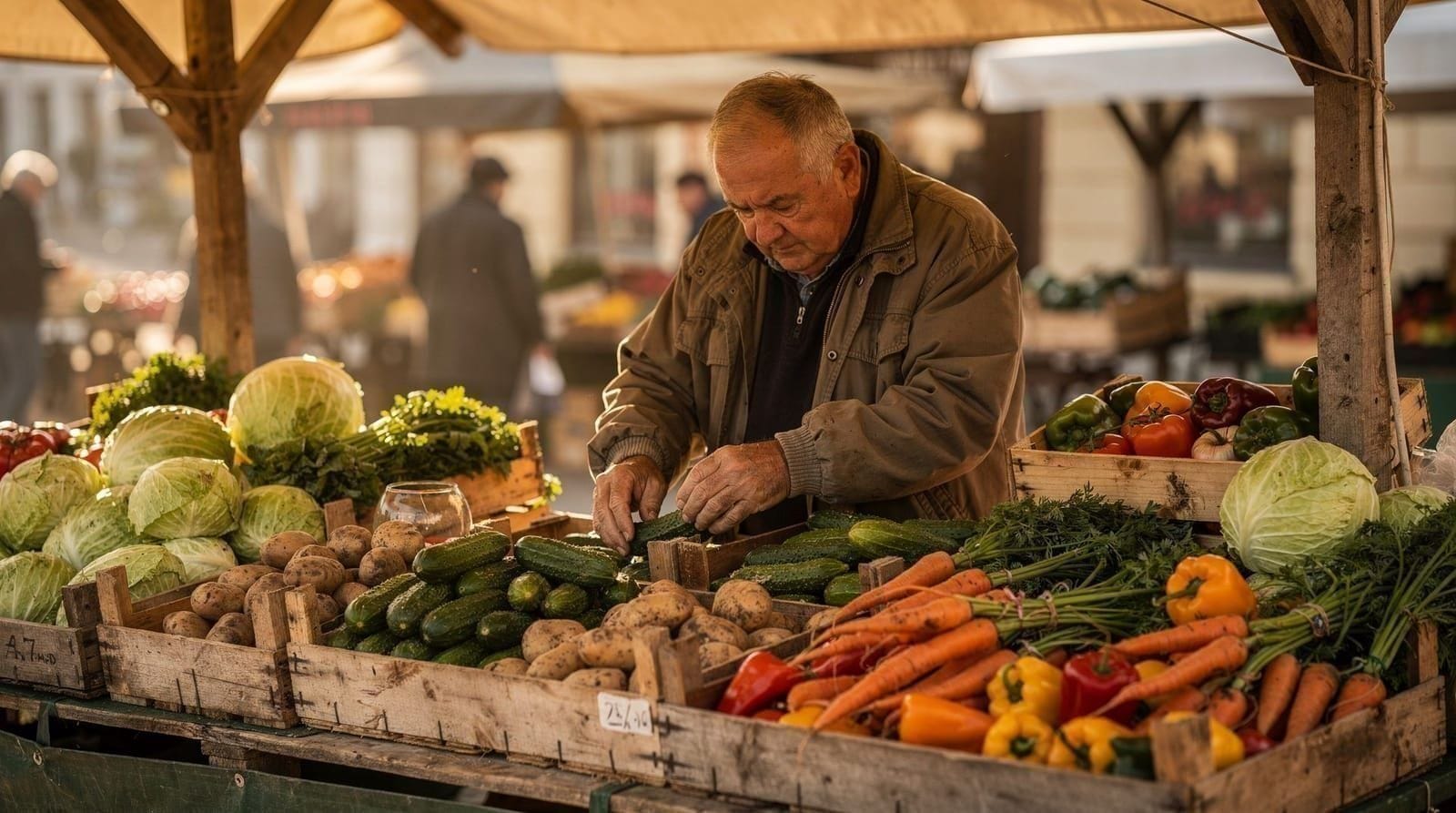
Central Market: The Rīgas Centrāltirgus, in five former German Zeppelin hangars, is a functioning market of 2,500 traders covering 72,000 square metres. It’s a spectacle as well as a place to buy excellent Latvian dairy, smoked fish, and produce. Better than any market in the other two capitals.
Old town: Good but smaller than Vilnius’s and less immediately distinct than Tallinn’s — Gothic, medieval, church towers, cobblestones. The Latvian National Library (opened 2014, “Castle of Light” design by Gunnar Birkerts) is worth a visit across the river.
Cost: Between Vilnius and Tallinn. More expensive than Vilnius, meaningfully cheaper than Tallinn.
Weakness: The Old Town has a higher concentration of tourist-trap restaurants and stag-party tourism than Vilnius. Some parts feel like they’re running on EU renovation money without quite convincing you of authentic life. The Art Nouveau district is separated from the old town by busy main roads that break the pedestrian flow.
Tallinn: fairy-tale medieval town, premium prices
Tallinn has the most dramatic immediate visual impact of the three cities. The Old Town — an intact medieval settlement on a limestone hill — looks genuinely ancient in a way that neither Vilnius nor Riga quite matches. The view from Toompea (the Upper Town) over the red rooftops to the Baltic Sea is the single best urban panorama in the Baltics.
Medieval atmosphere: Tallinn’s Old Town feels more coherently medieval than either Riga or Vilnius — limestone walls, towers, cobblestones, Gothic churches, an intact upper-lower city structure. The Raekoja plats (Town Hall Square) is photogenic without being ruined by development. If you want the fairy-tale old European town experience, Tallinn delivers it most completely.
Estonian culture: Estonia has a strong and confident cultural identity — song festivals (Laulupidu), distinctive folk traditions, a remarkably advanced digital economy for a country of 1.3 million. The KUMU art museum and Kadriorg Park (a 17th-century baroque palace and park complex) are significant cultural assets.
Cost: The most expensive of the three. A meal that costs €30 for two in Vilnius is €45-55 in Tallinn. Accommodation is significantly more expensive; the tourist saturation in summer is higher. Tallinn’s Old Town has moved into Western European price territory for food and accommodation, though non-tourist neighbourhood restaurants are still more affordable.
Weakness: Tourist saturation in summer is severe. The old town can feel like a performance of medieval Europe rather than a living place. Day-trip options from Tallinn are less compelling than from Vilnius (though the Lahemaa National Park and the Estonian islands are good for those with more time).
Head-to-head: the deciding factors
| Factor | Vilnius | Riga | Tallinn |
|---|---|---|---|
| Old town size/depth | Largest | Medium | Smallest but most coherent |
| Cost | Cheapest | Mid | Most expensive |
| Day trips | Best portfolio | Moderate | Limited |
| Art/architecture uniqueness | Baroque | Art Nouveau | Medieval |
| Crowds | Fewest | Moderate | Most (summer) |
| Dark history sites | Best | Good | Good |
| Flight connections | Fewer | More | Most |
The honest recommendation
Go to Vilnius if: you want value, depth of history, fewer tourists, and a city that still has some edge. It rewards slow travel.
Go to Riga if: architecture is your primary interest and you want Art Nouveau at the highest concentration in the world, combined with a genuine market culture.
Go to Tallinn if: you want the most immediately striking old town in the Baltics, don’t mind paying European capital prices, and are comfortable with tourist infrastructure.
Do all three if: you have ten days and haven’t done the Baltics before. The Baltic road trip or bus/train circuit is a classic for good reason — the three cities complement each other perfectly, and the in-between stops (Hill of Crosses, Curonian Spit, Gauja Park) are at least as interesting as any of the capitals.
The Baltic road trip itinerary covers the practical logistics for combining all three.
Food and drink: three different tables
Food is one of the more underrated differences between the three cities. Vilnius leans hearty and Slavic-adjacent — cepelinai (potato dumplings), cold beetroot soup, dark rye bread, and a growing craft beer and specialty coffee scene layered on top; see the Vilnius food guide and how to eat cepelinai for specifics. Riga’s food culture centres on its market and Latvian dairy and smoked fish, with a more Germanic-influenced beer tradition. Tallinn’s Old Town restaurants lean into a polished “medieval banquet” aesthetic in places, but the newer Estonian food scene (particularly around Telliskivi) is genuinely inventive and Nordic-influenced. None of the three is a food-tourism destination on the level of, say, Lyon — but Vilnius offers the best value for a satisfying meal.
Getting between the three capitals
The three capitals line up roughly north-south, which makes the classic route Vilnius → Riga → Tallinn (or reverse) straightforward by bus or train, with the Hill of Crosses and Rundāle Palace as natural stops along the way.
| Route | Time | Typical cost |
|---|---|---|
| Vilnius → Riga | About 4.5 hours by bus | €15-25 |
| Riga → Tallinn | About 4.5 hours by bus | €15-25 |
| Vilnius → Tallinn direct | About 8-9 hours by bus | €30-40 |
For travellers who’d rather stop at the Hill of Crosses and other sights on the way rather than taking a direct bus, a private sightseeing transfer covers the same route with a more flexible pace.
Private Vilnius to Riga transfer with sightseeing stopsFrequently asked questions about Baltic capitals
Which Baltic capital is the most affordable?
Vilnius, by a clear margin. Lithuania’s overall cost of living is the lowest in the Baltics, and Vilnius is the most affordable EU capital for travellers from Western Europe or North America. See the budget breakdown for specific prices.
Can I do Vilnius and Tallinn without Riga?
Yes, easily. Ayan train or bus from Vilnius to Tallinn takes around 8-9 hours (Riga is in the middle; you’d stop there en route). Alternatively, Vilnius to Riga is 4.5 hours by bus; Riga to Tallinn is 4.5 hours. Skipping Riga and flying between Vilnius and Tallinn is possible but misses the in-between country.
Which Baltic capital is best for a weekend?
Tallinn is the most tightly edited — the core sights fit in a weekend. Vilnius also works well for a long weekend (2 nights minimum, 3 preferred). Riga benefits from more time to cover both the Old Town and the Art Nouveau district properly.
Are the Baltic capitals safe?
All three are among the safer capital cities in Europe. Petty theft in tourist areas follows standard European city patterns — be aware of bags in crowded market areas. Tallinn’s Old Town has some stag-party tourism on weekends that changes the atmosphere but not the safety profile meaningfully.
Is there a rivalry between the Baltic countries?
Yes, some, historically and culturally — Latvia and Lithuania both claim certain folk traditions; there are ongoing minor tensions around language and historical interpretation. As a visitor, this manifests mainly in light-hearted competitive pride between locals, particularly around football, basketball (Lithuania is basketball-obsessed), and economic rankings. Nothing hostile.
Which Baltic capital has the best food?
It depends what you want. Vilnius offers the best value and the most satisfying hearty, traditional meals; Riga has the strongest market culture and dairy/smoked fish; Tallinn’s newer Nordic-influenced scene (particularly Telliskivi) is the most inventive, at Western European prices.
Can I do the Baltic capitals by train instead of bus?
Partly. Rail links between the three capitals are limited and often slower or less direct than buses; most travellers use the frequent, comfortable long-distance coach services (Lux Express, Ecolines) rather than trains for the inter-city legs.