Vilnius vs Tallinn — comparing the Baltic capitals
Vilnius: City highlights walking tour
Duration: ~2 hours
Should I visit Vilnius or Tallinn?
Both reward a visit, and a Baltic trip ideally includes both. Tallinn has the most internationally famous Old Town (a medieval film set in near-perfect condition) and is easier to reach by sea from Helsinki. Vilnius has the more complex and layered history, lower prices, better day trips, and fewer tourists. If choosing one, Tallinn is the safe popular choice; Vilnius is the more surprising and rewarding one.
Tallinn gets more tourists than Vilnius. It has better name recognition internationally, a medieval old town that appears on more magazine covers, and the advantage of easy reach from Helsinki — the Nordic tourist market that dominates the summer season. Vilnius is less known, less visited, and for many travellers more memorable.
This comparison is meant to help you make an informed choice rather than confirm an existing assumption. Both cities are genuinely excellent; which is better for you depends on what you want.
| Distance apart | About 300 km, 4–4.5 h by direct bus (via Panevėžys) or 8–9 h via Riga if stopping en route |
| Cheaper base | Vilnius, by roughly €100–200 over a 4–5 night trip |
| Easier arrival | Tallinn, via the Helsinki ferry; Vilnius via low-cost flights or the Vilnius–Riga–Tallinn overland route |
| Best for history | Vilnius, for 20th-century depth; Tallinn, for Hanseatic medieval atmosphere |
| Best combined trip | 7+ days for the full Vilnius–Riga–Tallinn circuit |
Before comparing the details below, it is worth stating the practical planning question directly: most travellers with 7 or more days should consider all three Baltic capitals rather than picking just one, since the Vilnius travel tips for first-time visitors and the broader circuit reward a slower pace. Those with less time need a sharper decision, which is what the sections below help with.
The Old Towns: a detailed comparison
Tallinn’s Old Town is 14th–15th century medieval and Hanseatic in character — compact, walled (the city walls are 90% intact), with the Toompea hill (Upper Town) and the Lower Town clearly distinguished. Town Hall Square (Raekoja plats) is one of the most perfect medieval market squares in northern Europe. The architecture is well-preserved to the point that Tallinn has become a filming location for medieval period productions.
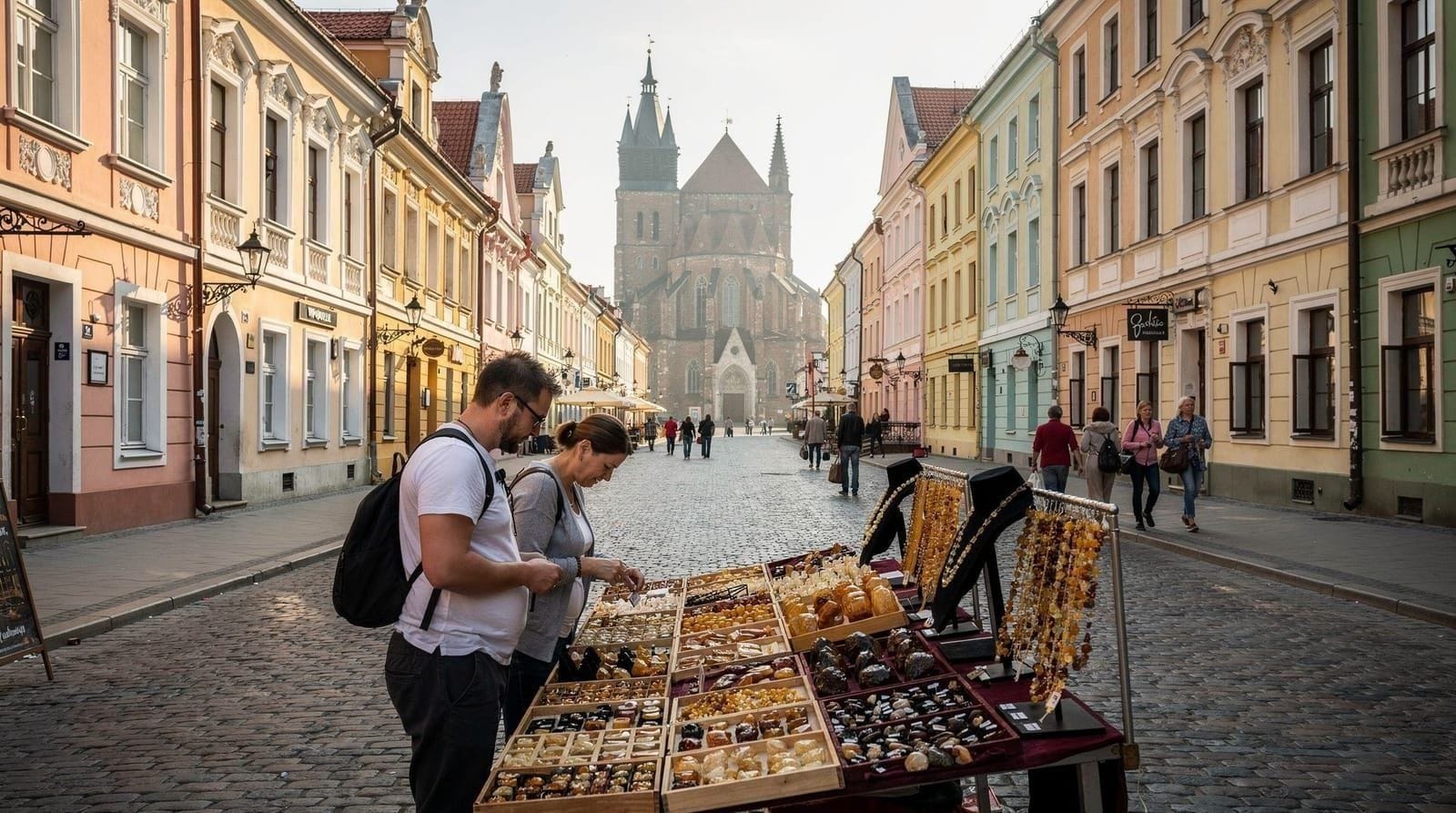
The Old Town is also extremely touristy. The streets between the Town Hall and the major viewpoints are lined with tourist shops, heavily-priced restaurants, and amber boutiques. In summer (particularly July–August), the Old Town can feel like a theme park version of itself.
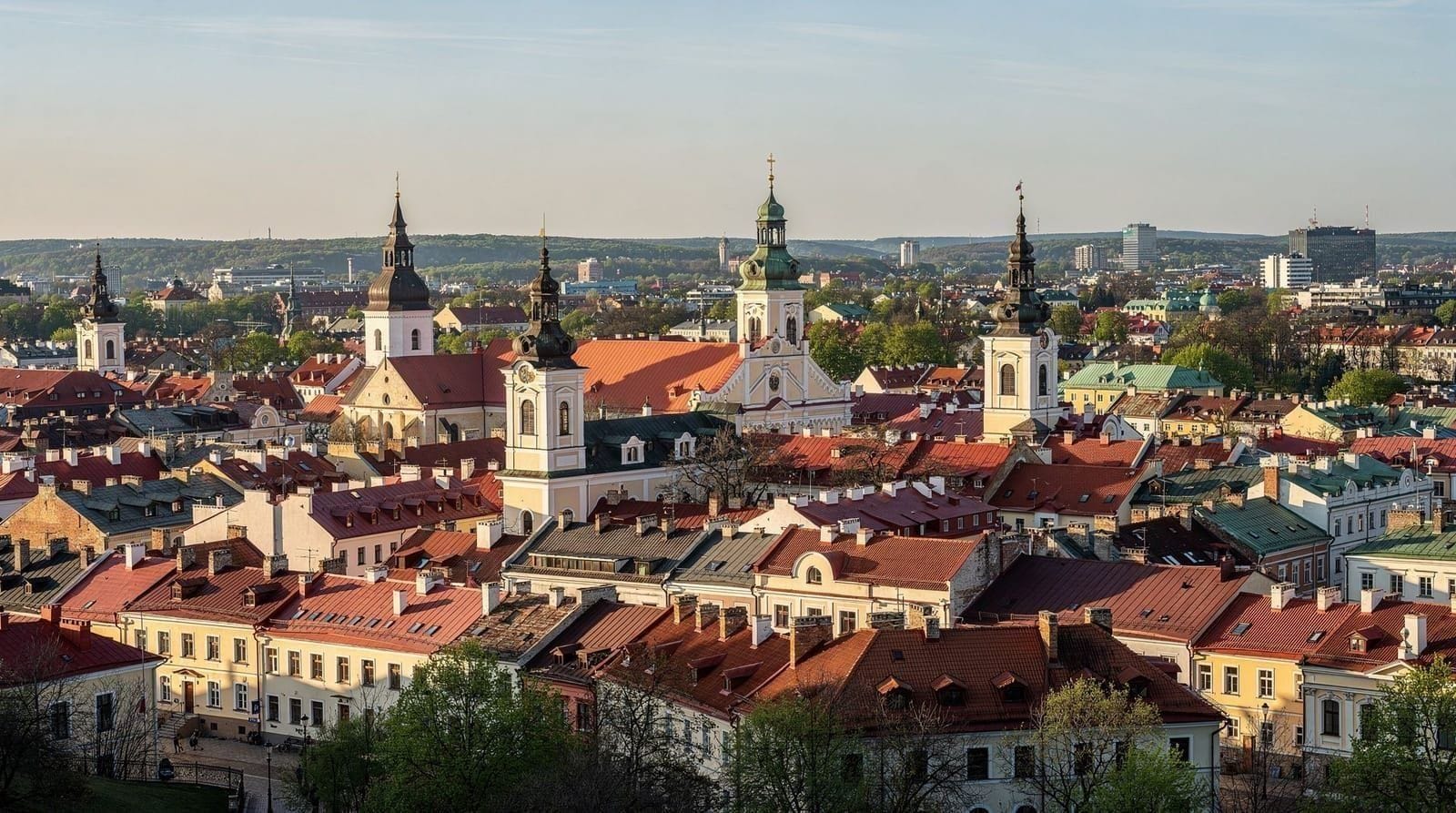
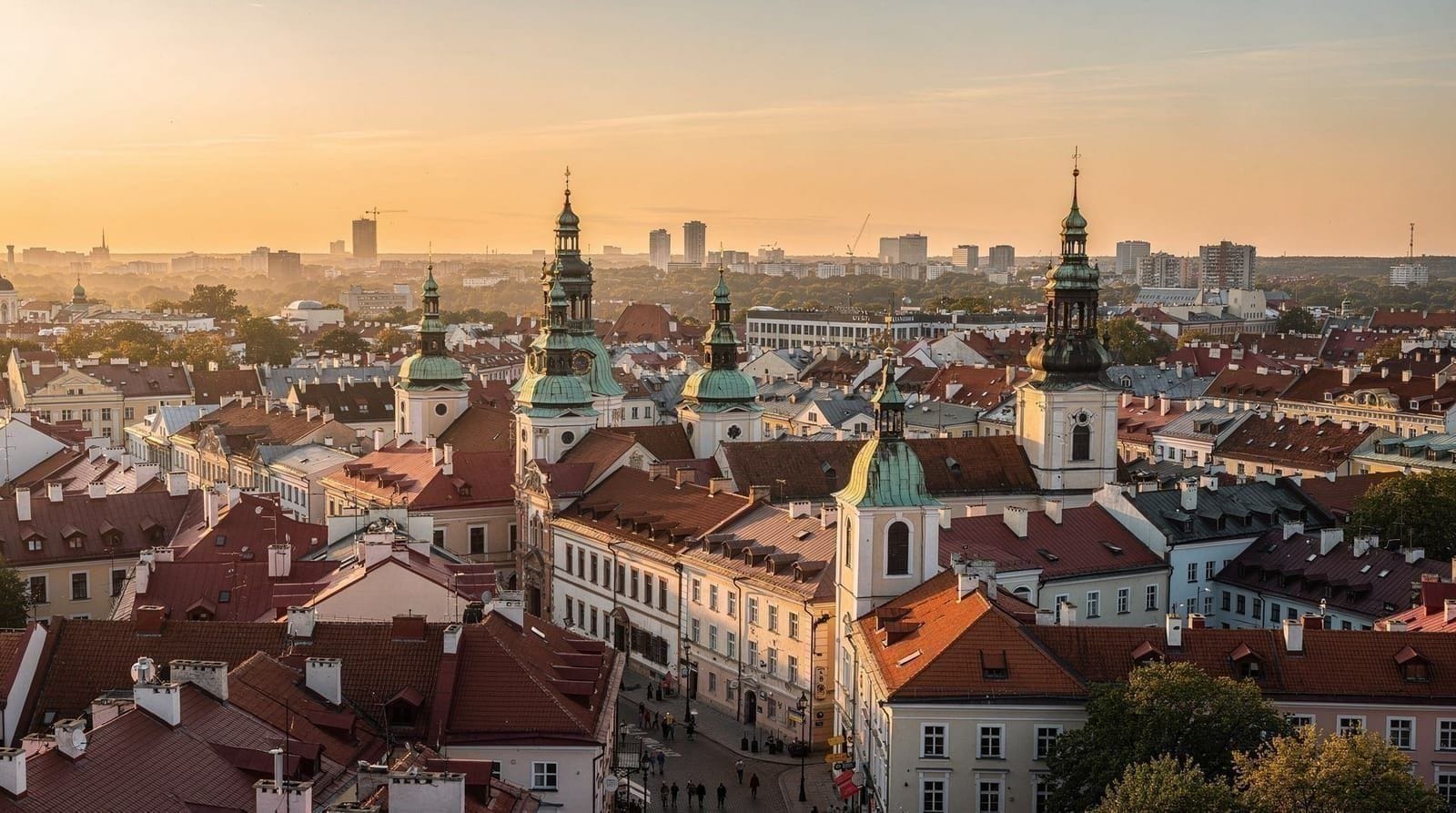
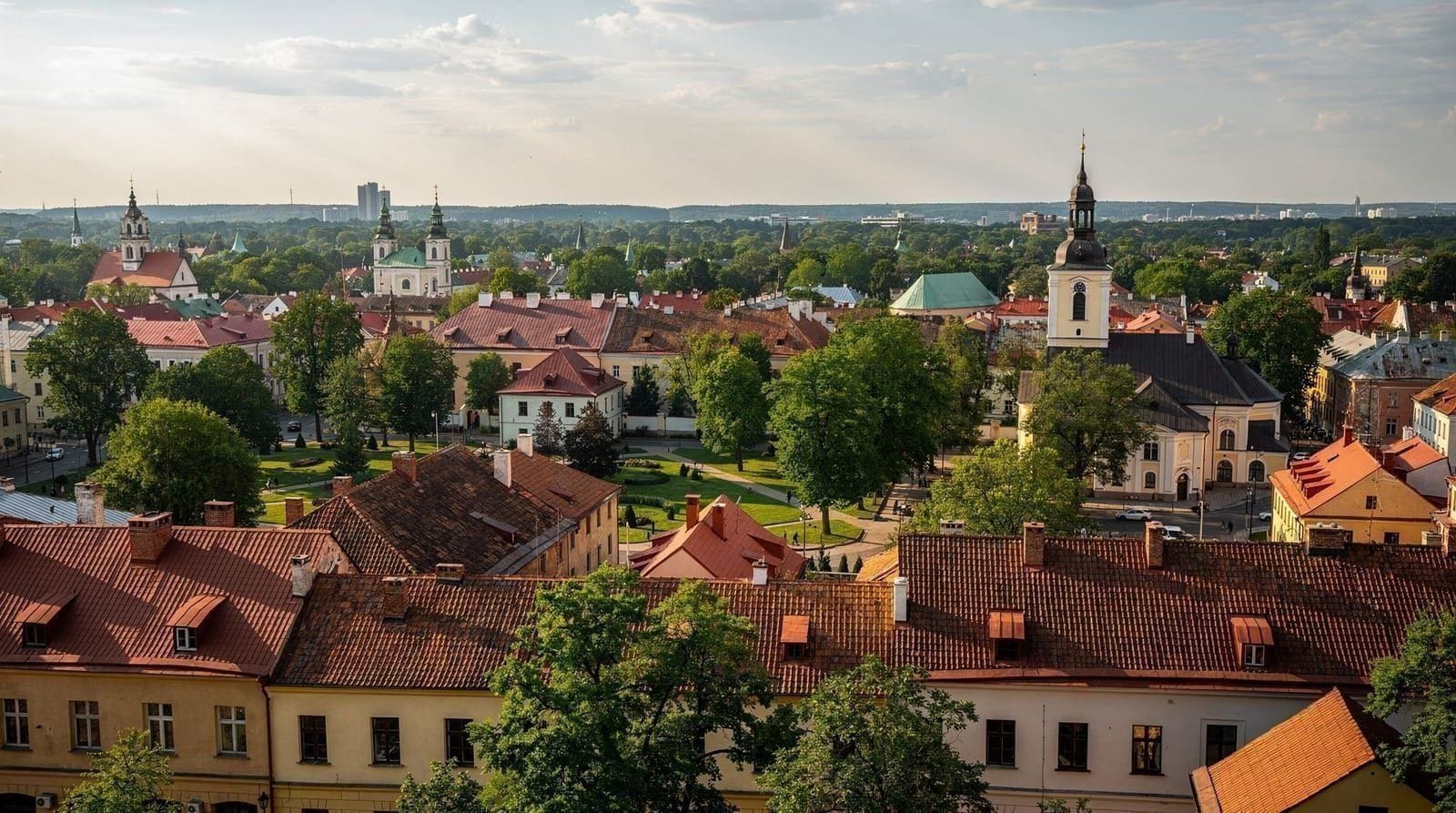
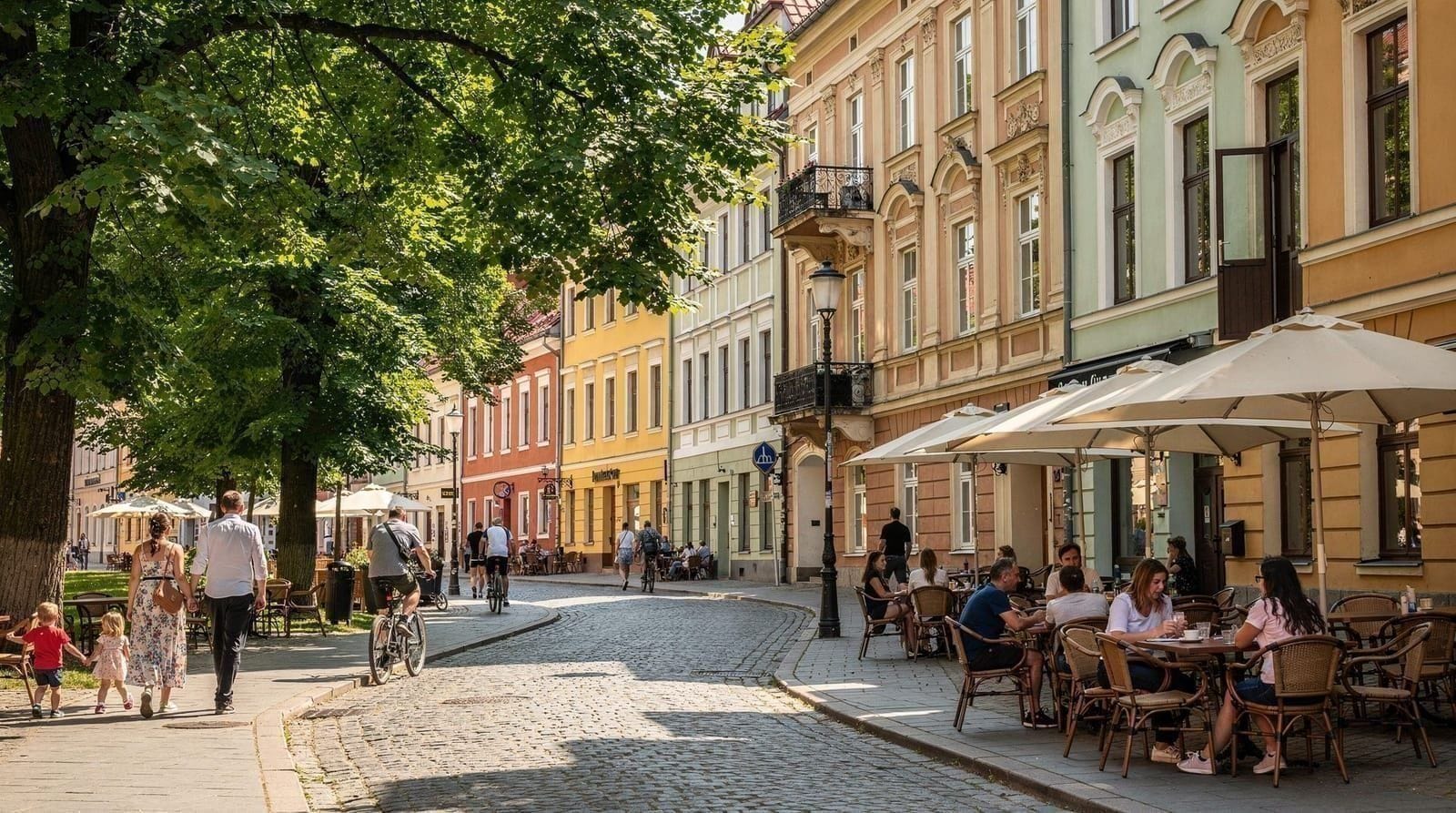
Vilnius’s Old Town is much larger (3.6 km², the largest in the Baltic states) and architecturally more diverse — it spans Gothic, Renaissance, Baroque, and later periods rather than a single coherent medieval style. It is also more lived-in: office buildings, university faculties, government ministries, and private residences make up much of the fabric alongside the historic churches and palaces. You do not feel that the Old Town is preserved for tourists; it is a functioning urban district that happens to contain extraordinary architecture.
The Baroque churches of Vilnius — St Anne’s, Bernardine Church, the Church of St Peter and Paul — are among the finest in Central Europe and have no equivalent in Tallinn.
Conclusion: Tallinn wins on immediately striking visual impact and preservation condition. Vilnius wins on scale, historical depth, and authenticity. Both are UNESCO World Heritage Sites.
Costs: a significant difference
Tallinn is notably more expensive than Vilnius, particularly in the tourist core.
| Category | Vilnius | Tallinn |
|---|---|---|
| 3-star hotel/night | €60–90 | €85–130 |
| Restaurant meal (mid-range) | €10–16 | €18–28 |
| Beer (local, bar) | €3–4 | €5–7 |
| Coffee | €2.50–3.50 | €3.50–4.50 |
| Museum entry | €5–12 | €8–18 |
These differences matter over a 4–5 night trip. A comparable visit to Tallinn costs €100–200 more than the same visit to Vilnius, without necessarily providing more experiences.
Tallinn’s Old Town restaurant prices are especially elevated — the tourist restaurants on and near Raekoja plats are among the most aggressively priced in the Baltic states. Restaurants 10 minutes from the Old Town charge local prices; it requires deliberate effort to find them.
History and cultural depth
Tallinn’s history is primarily Hanseatic and Baltic German — a trading port within the Hansa League, later Danish, Swedish, and Russian, then Estonian. The story is coherent and accessible but relatively linear. The Estonian identity is clear and strong.
Vilnius’s history is considerably more complex. The city was successively the capital of the Grand Duchy of Lithuania (one of the largest states in medieval Europe), subject to Russian imperial rule, occupied by Poland between the wars (the Vilna question), under Soviet occupation for 50 years, and since 1990 the capital of independent Lithuania. Before the Second World War, it was one of the great centres of Jewish culture in Eastern Europe — the “Jerusalem of Lithuania” — with a population that was approximately 40% Jewish and that was almost entirely annihilated during the Holocaust. The KGB Museum (Museum of Occupations), the Paneriai memorial site, and the Jewish heritage sites tell stories that Tallinn does not have to tell.
For visitors interested in 20th-century European history, Vilnius is considerably more significant and more affecting than Tallinn.
Day trips
From Vilnius: Trakai (30 min), Kernavė (45 min), Kaunas (1 h), Hill of Crosses (2.5 h), Curonian Spit (3.5 h), Druskininkai (1.5 h). See the best day trips from Vilnius guide for full details.
From Tallinn: Lahemaa National Park (1.5 h by car), Tartu (2.5 h by bus, Estonia’s university city), Pärnu (2 h, Estonian beach resort), Paldiski (45 min, Soviet nuclear submarine base ruins). Riga from Tallinn is 4–5 hours — possible as an overnight but not a day trip.
Verdict: Both cities have reasonable day-trip programmes. Vilnius has more variety at closer range. Tallinn’s Lahemaa National Park is a genuinely excellent nature option. Vilnius wins on overall day-trip richness.
Atmosphere and crowds
Tallinn in summer is extremely crowded. The ferry route from Helsinki (2 hours, multiple daily crossings) brings large numbers of Finnish day-trippers and weekend visitors — historically associated with cheap alcohol and party culture, though Estonian authorities have made significant efforts to diversify the visitor profile. Cruise ships dock in Tallinn’s harbour and disgorge thousands of passengers into a compact Old Town that absorbs them poorly.
Vilnius is a quieter city in absolute terms, particularly outside July–August. The Old Town has tourist activity but not at a scale that overwhelms everyday life. It is one of the last Central European capitals where you feel you are discovering something rather than following a well-worn tourist track.
Local character
Tallinn has developed a strong “Nordic” brand — clean design, digital government, the Skype-origin tech culture, an efficient and self-conscious modernity. This is appealing; it is also slightly corporate. The city’s identity is clear but feels packaged.
Vilnius has a more complex and less resolved character. The Užupis district — a self-declared micro-republic of artists and bohemians on the eastern edge of the Old Town — is an example of the kind of organic eccentricity that a city develops when it is not too focused on tourism. The local café culture, the art scene, the co-existence of old-town baroque and modern Lithuanian life are all less polished and more interesting.
Nightlife
Tallinn has a larger and more developed club scene, historically fuelled by the Finnish weekend visitor market. Several clubs in the Old Town and Telliskivi creative district attract international DJs. The scene has become more genuinely local and creative since the early 2000s.
Vilnius has a growing nightlife scene centred on the Naujamiestas district (particularly Pylimo and the surrounding streets). It is less prominent internationally but increasingly recognised for its quality.
Verdict: Tallinn has the more established nightlife infrastructure. Vilnius is catching up.
Book a Vilnius city highlights walking tour to see what makes it differentGetting between Vilnius and Tallinn
If you decide to see both, the direct bus (Lux Express or Ecolines) takes roughly 8–9 hours via Riga, with a comfortable break possible in Riga itself — see the Vilnius vs Riga comparison if you are deciding on a stopover there too. Flights between the two are rare and rarely worth the airport time for such a short hop; most travellers doing the full circuit budget one night in each city plus a longer stay in whichever they prefer. For a first stop in Vilnius itself, the Vilnius airport to city centre guide covers the practicalities of arrival.
How many days does each city need
Vilnius rewards at least 3 full days once day trips are factored in — the how many days in Vilnius guide breaks this down by pace, and pairs well with the question of whether the city is worth visiting in the first place if you are still undecided. Tallinn’s compact Old Town can be covered more thoroughly in 2 days, though Lahemaa and Tartu day trips extend that. If your total Baltic time is under a week, this difference in “days needed” is itself a reason to lean towards Vilnius for value.
Which should you visit?
Visit Tallinn if:
- You are travelling from Helsinki and want a natural complement
- You want the most immediately photogenic medieval old town
- You prioritise a compact, manageable city that is easy to navigate
- Nightlife is a priority
Visit Vilnius if:
- You want to go somewhere most Western European tourists still haven’t discovered
- 20th-century history (Holocaust, Soviet occupation) is an important interest
- You are on a budget and want more for less
- You want the richest day-trip programme from a Baltic capital
- Baroque architecture and complex historical layering appeal more than perfect medieval preservation
Visit both if:
- You have 7+ days for a Baltic trip — the Vilnius–Riga–Tallinn circuit is one of the best European overland routes
- You want to understand the Baltic states properly rather than having a single data point
Frequently asked questions about Vilnius vs Tallinn
Which city is better for a first-time Baltic visitor?
If you have one city, Tallinn is the safer bet for first-time visitors who want an iconic Baltic experience. If you have done the obvious European cities and want something less known, Vilnius is the more rewarding choice.
Can you visit both Vilnius and Tallinn in 5 days?
With difficulty. The journey between them (via Riga) takes 8–9 hours. You would need 1.5 days minimum in each city, leaving almost nothing for anything in between. Better to choose one and add Riga, or do 7+ days for all three.
Is Vilnius or Tallinn safer?
Both are very safe. Lithuania and Estonia have low crime rates and both capitals are safe for solo travellers, families, and all types of visitors. Standard big-city awareness applies.
Which city has better food?
Both have improved significantly since 2010. Tallinn’s restaurant scene in the Old Town is uneven — tourist-trap restaurants exist alongside excellent local ones. Vilnius’s food scene is more consistently good value across the city. The craft beer culture in Vilnius is particularly strong.
Is the Hill of Crosses accessible from Tallinn?
No — the Hill of Crosses is 210 km from Vilnius and approximately 480 km from Tallinn. It is a day trip from Vilnius (or an en-route stop on the Vilnius–Riga road). From Tallinn, it is a full day’s drive each way — not a day trip.
Does Tallinn have anything like the Jewish history of Vilnius?
Estonia had a small Jewish population before the war (approximately 4,500 people); approximately 1,000 survived. The story is painful but smaller in scale than Vilnius’s (where the Jewish community numbered 100,000+ before 1941). Tallinn does not have an equivalent to Paneriai, the Museum of Occupations (KGB Museum), or the Vilna Gaon history. The Jewish Vilnius and Vilna Gaon guide and the KGB Museum guide cover both in detail.
Is it cheaper to fly into Vilnius or Tallinn?
It depends on your origin airport and season, but low-cost carriers serve both well. Vilnius often has a slight edge on accommodation and food costs once you land, which can offset a marginally pricier flight. Check the Vilnius airport to city centre guide for onward transport costs either way.
Which city has better architecture beyond the Old Town?
Vilnius has the edge here too: the Baroque architecture guide covers churches with no real Tallinn equivalent, and neighbourhoods like Užupis add a layer of contemporary character that Tallinn’s more uniform old town doesn’t offer in the same way.
Top experiences
Bookable activities with verified prices and instant confirmation on GetYourGuide.