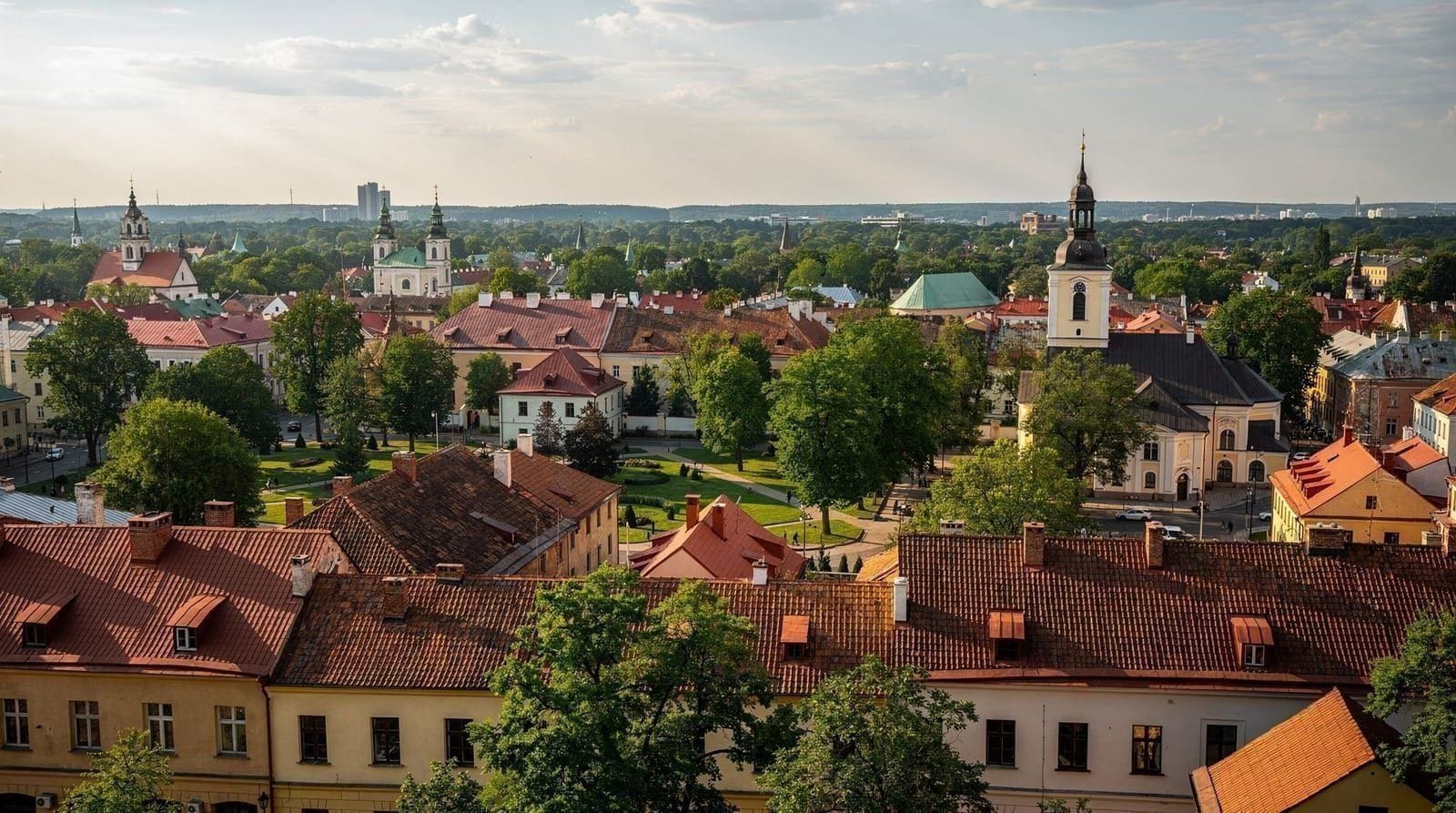
Vilnius vs Riga — which Baltic capital should you visit?
Vilnius: To riga hill of crosses rundale palace
Should I visit Vilnius or Riga?
Both are worth visiting, and the "which one" question often has the wrong answer — most visitors should do both in a Baltic capitals trip. If forced to choose one, Vilnius has the more architecturally distinctive old town (UNESCO Baroque), is 20–30% cheaper, and has better day-trip variety within 2 hours. Riga has a larger old town, the Art Nouveau district, stronger nightlife, and more direct flight connections.
| Distance apart | ~290 km / 4 hrs by coach |
| Cost gap | Vilnius roughly 20-30% cheaper |
| Time needed | 2-3 days each; 5-6 days for both |
| Getting there | Lux Express coach, multiple daily |
| Best time | June-August for both; May/September to dodge crowds |
Both Vilnius and Riga are excellent cities. This comparison will not tell you that one is definitively better — that kind of ranking is reductive and misleading. What it will tell you is how they differ, where each is stronger, and which one is a better match for what you specifically want from a city break.
The practical starting point: if your itinerary has more than 4 days in the Baltic states, visit both. The Vilnius-to-Riga route via the Hill of Crosses is one of Central Europe’s most rewarding overland journeys.
Architecture and old town
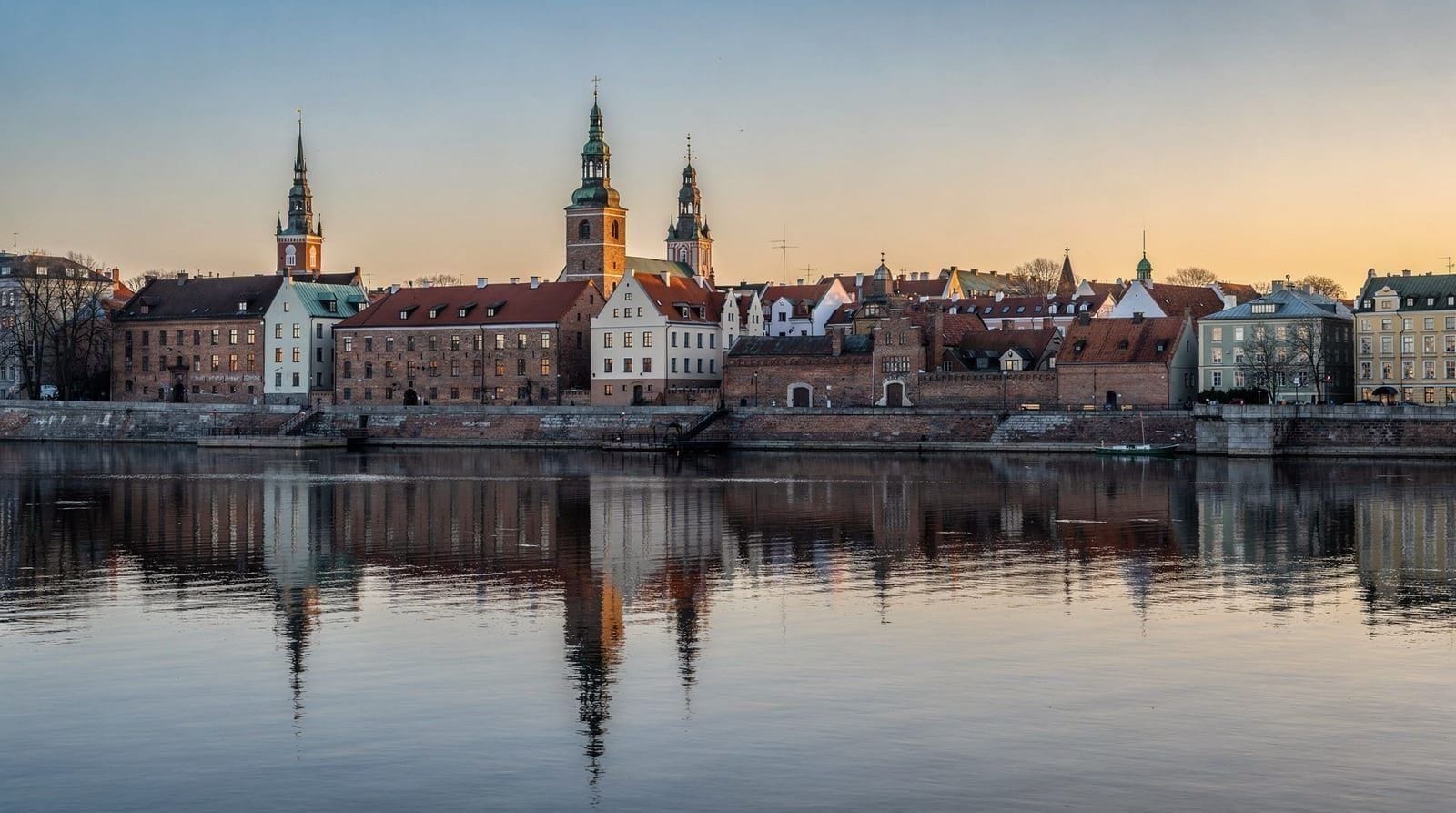
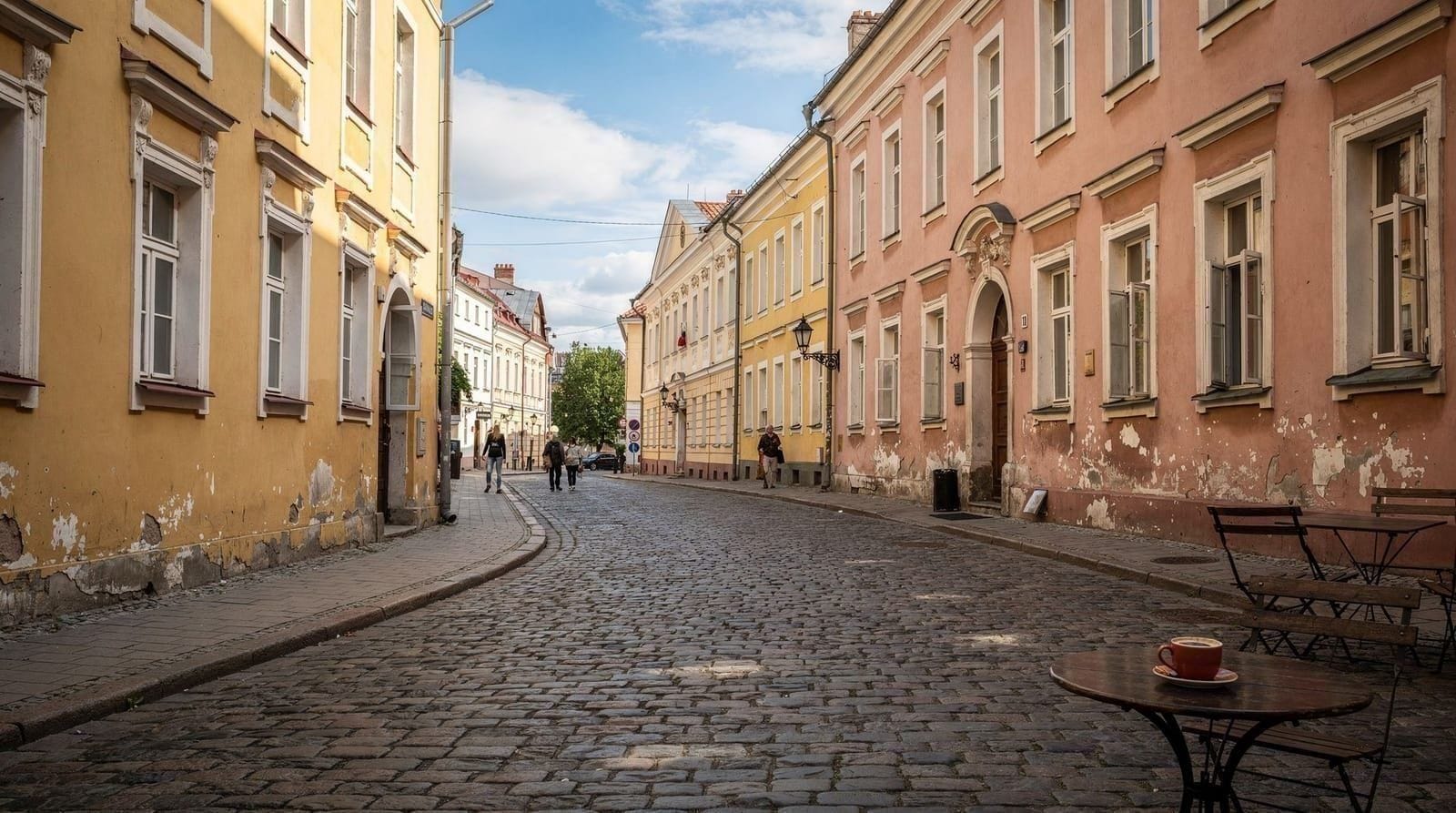
Vilnius Old Town is UNESCO World Heritage listed (1994) and is one of the largest and best-preserved medieval old towns in Central Europe. Its character is predominantly Baroque — the Lithuanian Grand Duchy had a sustained Baroque building programme in the 17th and 18th centuries, and the result is a cityscape unlike any other in northern Europe. Gothic, Renaissance, and Rococo elements coexist with the Baroque, layered across 700 years of continuous urban development. The university courtyard complex is particularly remarkable.
Riga Old Town is also UNESCO listed (1997), and its core is more compactly medieval than Vilnius’s Old Town. The Town Hall Square and the Blackheads’ House are more visually immediate and better-known internationally. But Riga’s real architectural distinction is outside the Old Town: the Art Nouveau district along Alberta iela and Elizabetes iela contains the world’s largest concentration of Art Nouveau architecture — 800+ buildings from the early 20th century, many designed by Mikhail Eisenstein. This is Riga’s genuine differentiator.
Verdict: Vilnius has the deeper and more layered historic old town; Riga has the Art Nouveau district that has no equivalent anywhere. Both are must-see; Riga’s Art Nouveau tips the overall architectural balance.
Costs
Vilnius is cheaper than Riga across almost all categories.
| Category | Vilnius | Riga |
|---|---|---|
| 3-star hotel/night | €60–90 | €75–110 |
| Restaurant meal (mid-range) | €10–16 | €14–20 |
| Beer (local, bar) | €3–4 | €4–5.50 |
| Coffee | €2.50–3.50 | €3–4 |
| Museum entry | €5–12 | €6–15 |
The differential is not enormous but adds up over a trip. A 5-night Vilnius stay on a mid-range budget costs roughly €80–150 less than the equivalent in Riga.
Both cities are very affordable by Western European standards. Neither will stretch a budget the way Paris or Amsterdam will.
Food and drink
Vilnius food scene has improved dramatically in recent years and is now genuinely excellent. Lithuanian cuisine (cepelinai, šaltibarščiai, cold smoked meats, dairy products) is available in high-quality traditional restaurants alongside a strong modern European scene. The craft beer movement in Vilnius is active — several breweries operate in the city. The food market at Halės turgus is excellent.
Riga has a strong food culture with Latvian cuisine (grey peas with smoked meat, black rye bread, cold fish dishes) and a well-developed restaurant scene. The Central Market (Centrāltirgus), in the repurposed Zeppelin hangars, is one of the best food markets in the Baltic states. The rye bread culture in Latvia is particularly distinctive.
Verdict: Roughly comparable in quality. Riga’s Central Market has no equivalent in Vilnius. Vilnius’s craft beer scene is strong. Neither city has a single clearly superior food culture — it depends on your specific interests.
Day trips
From Vilnius:
- Trakai: 30 min (train) — island castle, Karaim culture
- Kernavė: 45 min (car) — UNESCO archaeology
- Kaunas: 1 h (train) — interwar modernism, Ninth Fort
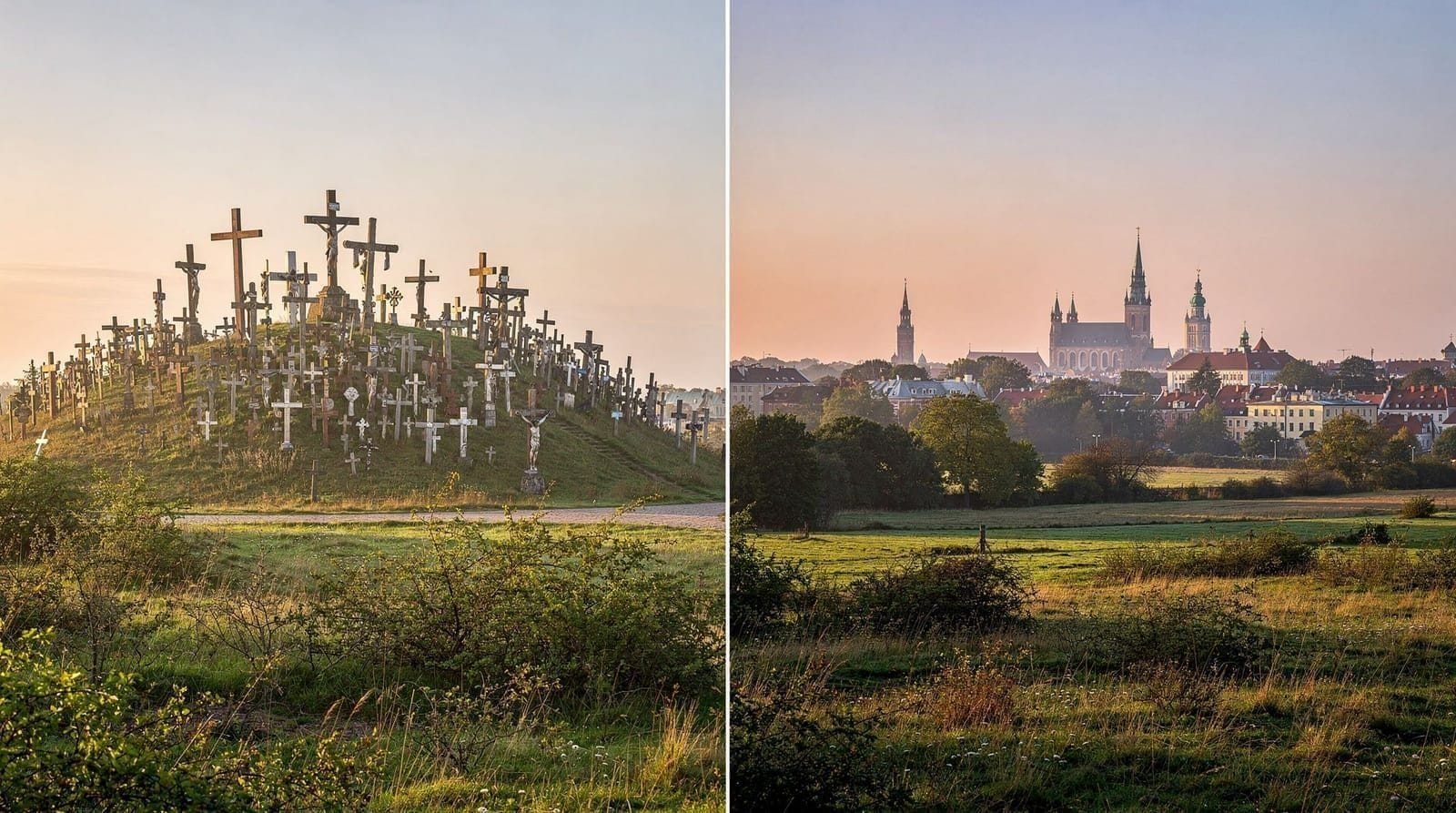
- Hill of Crosses: 2.5 h (tour/car) — major pilgrimage site
- Curonian Spit: 3.5 h (tour/car) — UNESCO dunes, Baltic beach
- Druskininkai: 1.5 h (bus) — spa town, Grūtas Park
From Riga:
- Jūrmala: 20–30 min (train) — Baltic beach resort
- Sigulda: 45 min (train) — medieval castle ruins, Gauja valley
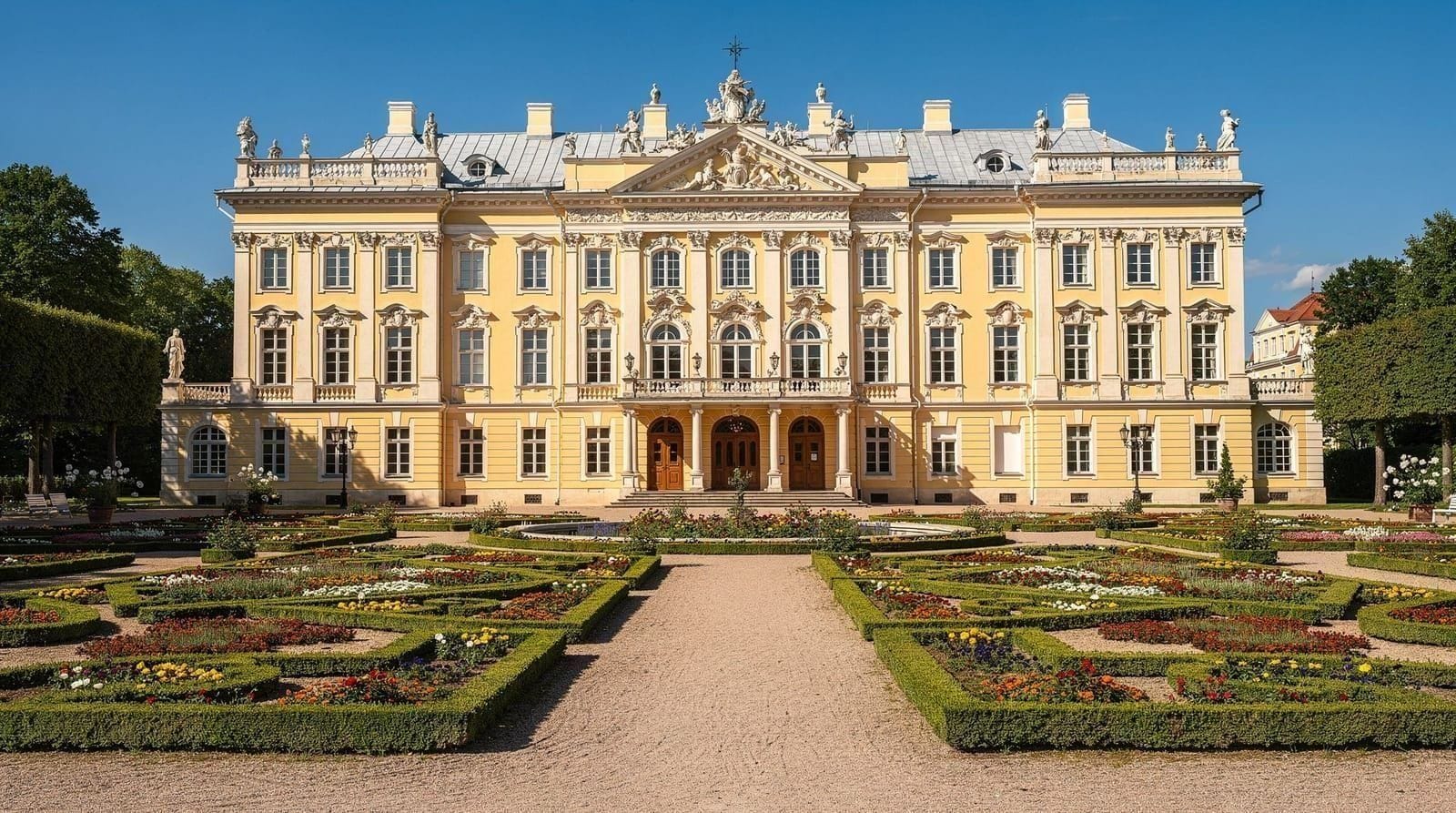
- Rundalė Palace: 1.5 h (car/tour) — Baroque palace
- Cēsis: 1 h (bus) — medieval castle, brewery
- Tallinn: 4–5 h (bus) — if treating it as a day trip (barely)
Verdict: Vilnius has the richer day-trip programme with more diversity — medieval (Trakai), archaeological (Kernavė), urban (Kaunas), natural (Curonian Spit), dark tourism (Hill of Crosses). Riga’s Jūrmala beach is closer than anything Vilnius offers, but the Curonian Spit is more spectacular.
Crowds and tourism pressure
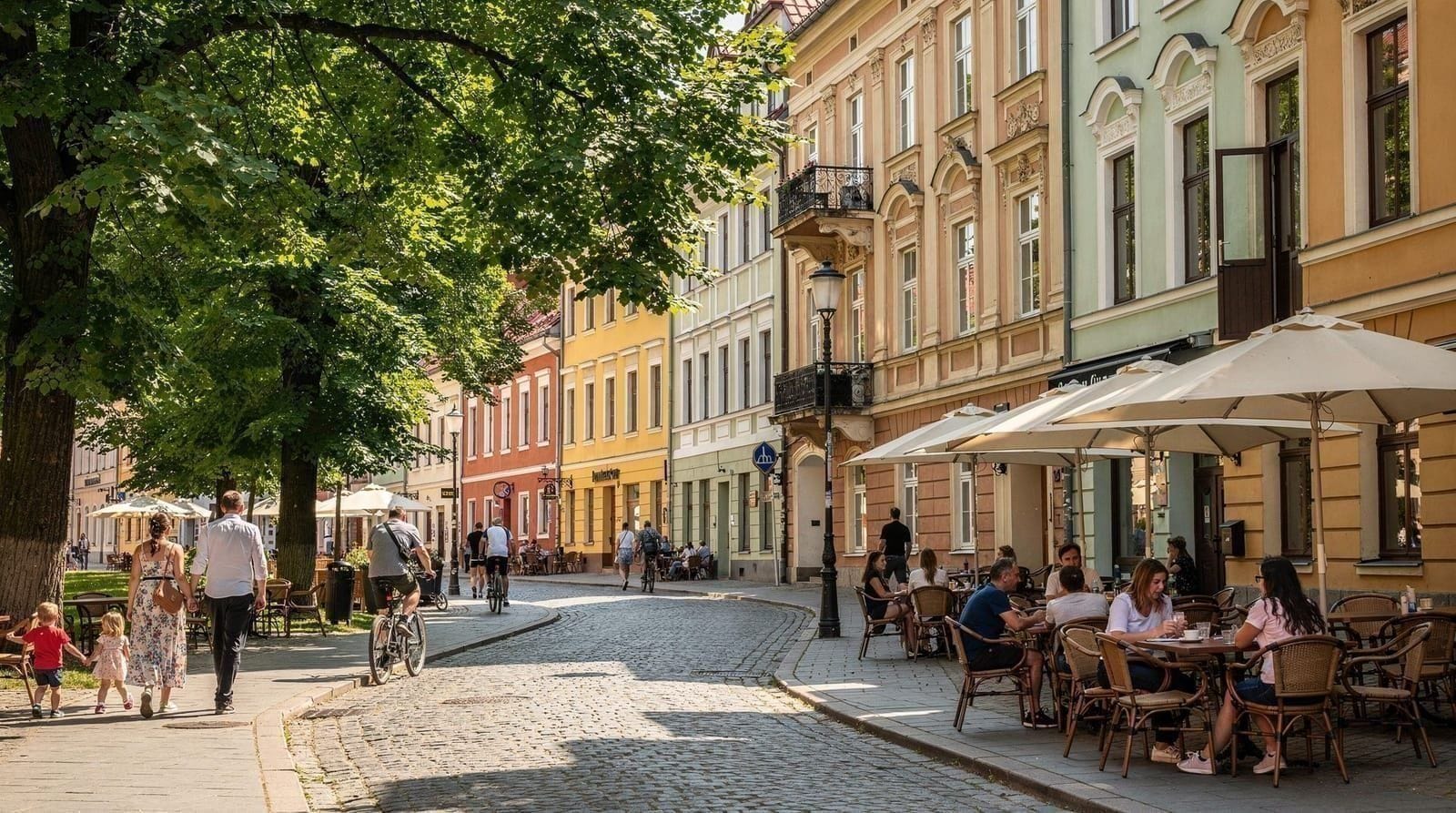
Vilnius receives fewer foreign visitors than Riga or Tallinn. The Old Town is busy but not overwhelmed, even in July and August. The main tourist areas (Cathedral Square, Pilies gatvė) have visible tourism; streets one block back are everyday Lithuanian life.
Riga receives significantly more tourists than Vilnius, particularly stag party groups from the UK and Scandinavia which have made parts of the Old Town noticeably more commercialised. The recent years have seen Riga authorities impose restrictions on bachelor party culture, but the legacy affects some Old Town streets.
Verdict: Vilnius is the less touristy city with a more authentic local atmosphere, particularly outside peak season. This is not Riga’s fault — it is more centrally marketed and easier to reach — but it is a real difference.
Nightlife
Vilnius has an active but relatively contained nightlife scene. The best bars are in Naujamiestas (particularly Pylimo and Gedimino streets) and some Old Town basements. Craft beer venues (Šnekutis, Bambalynė) are strong. The club scene is smaller than Riga’s but has developed since around 2018.
Riga has a significantly larger and more internationally oriented nightlife scene. Clubs like Kaļķu vārti, B-Bars, and others in the Old Town and Miera iela district attract visitors specifically for the nightlife. Riga’s reputation as a party destination preceded its reputation as a cultural one and the infrastructure reflects that.
Verdict: Riga wins for nightlife intensity and club options. Vilnius is better for a quieter evening bar culture.
For a structured evening rather than bar-hopping alone, guided options exist in both cities: Vilnius has craft beer tasting tours and pub crawls through Naujamiestas and Old Town basements, while Riga’s equivalents lean more toward its larger club scene. If nightlife specifically is your deciding factor, weight this section more heavily than the others — it’s the sharpest differentiator between the two cities.
Getting there and between cities
Vilnius (VNO Airport): Direct flights from London, Dublin, Amsterdam, Frankfurt, Warsaw, Copenhagen, and other European hubs. Ryanair and Wizz Air have significant Vilnius route networks. London–Vilnius approximately 2.5 hours.
Riga (RIX Airport): More direct connections overall, including more frequent service from UK and German cities. Historically the best-connected Baltic airport.
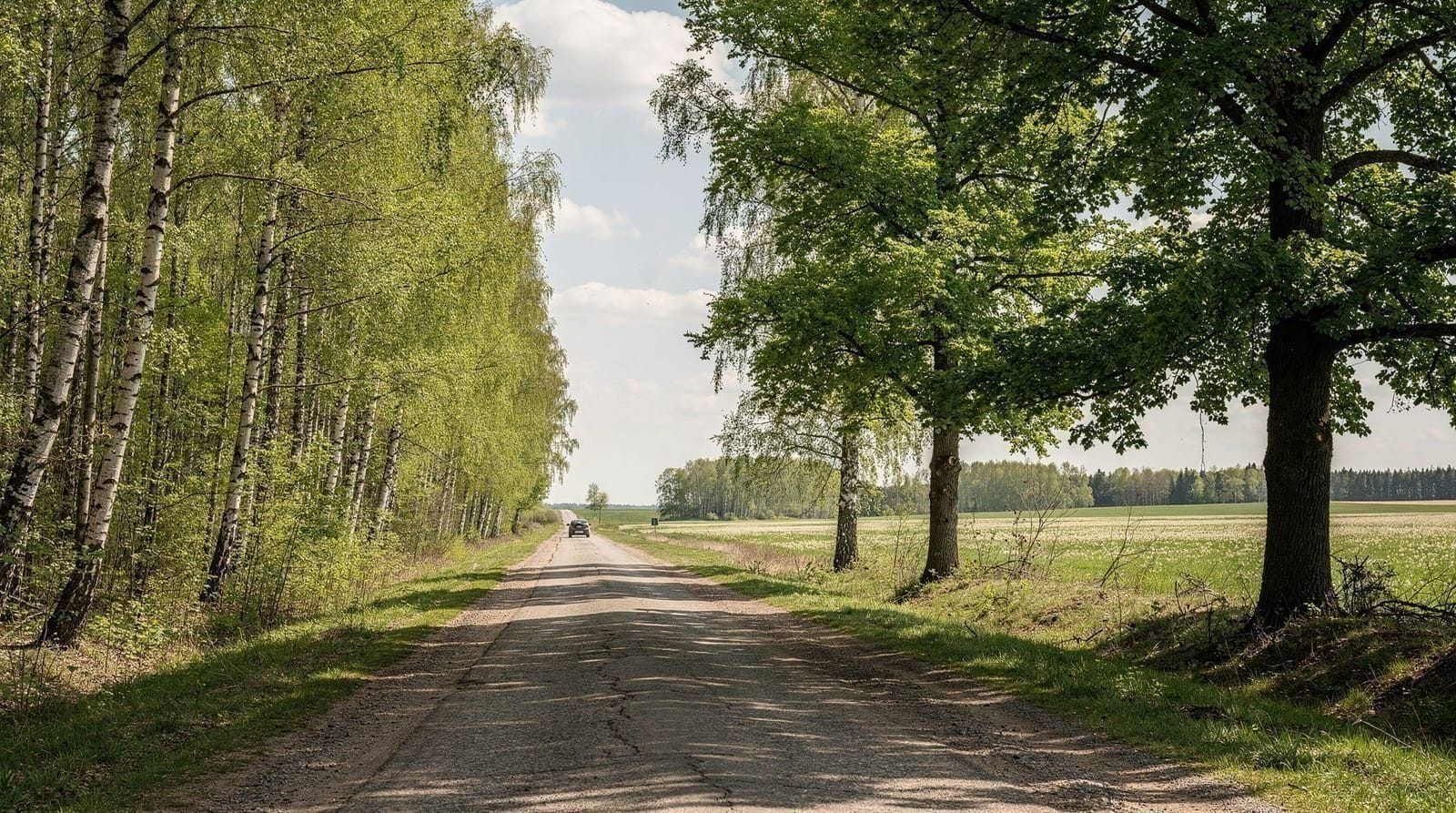
Between cities: Lux Express coach, 4 hours, runs multiple times daily, €15–25 per person. No direct train. Taking the Hill of Crosses en route (Vilnius → Hill of Crosses stop → Riga) is handled efficiently by several tour operators.
Book a guided transfer from Vilnius to Riga via the Hill of Crosses and Rundalė Palace Book a private transfer from Vilnius to Riga with sightseeing stopsWhich should you visit first?
If you are doing a Baltic circuit, the conventional direction is south to north: Vilnius → Riga → Tallinn. This follows the buses and makes logical geographic sense. The Hill of Crosses and Rundalė Palace fall naturally between Vilnius and Riga. See our separate Vilnius vs Tallinn comparison if Tallinn is also on your shortlist and you want the third leg of that comparison spelled out.
If you are only visiting one city: Vilnius offers more value per day for most interests. Riga is the better choice if Art Nouveau architecture, nightlife, or a beach day trip are priorities. First-time Baltic visitors torn between the two should also weigh flight availability from their home airport and total trip length — a short 3-4 day break favours whichever city has the better direct flight, while anything longer favours doing both properly rather than optimising for a single “winner.”
If you cannot decide: do both. The bus between them takes 4 hours, tickets cost €15–25, and the two cities together give a much richer picture of the Baltic states than either alone.
Planning either city as a standalone trip
If Vilnius wins out for you, our how many days in Vilnius guide and is Vilnius worth visiting cover the practical planning in more depth than fits in a comparison piece — including how to structure a 2-3 day itinerary and which day trips (Trakai chief among them) are worth the extra time. Budget-focused travellers should also read Vilnius on a budget, since the cost gap with Riga shown above compounds meaningfully over a longer stay.
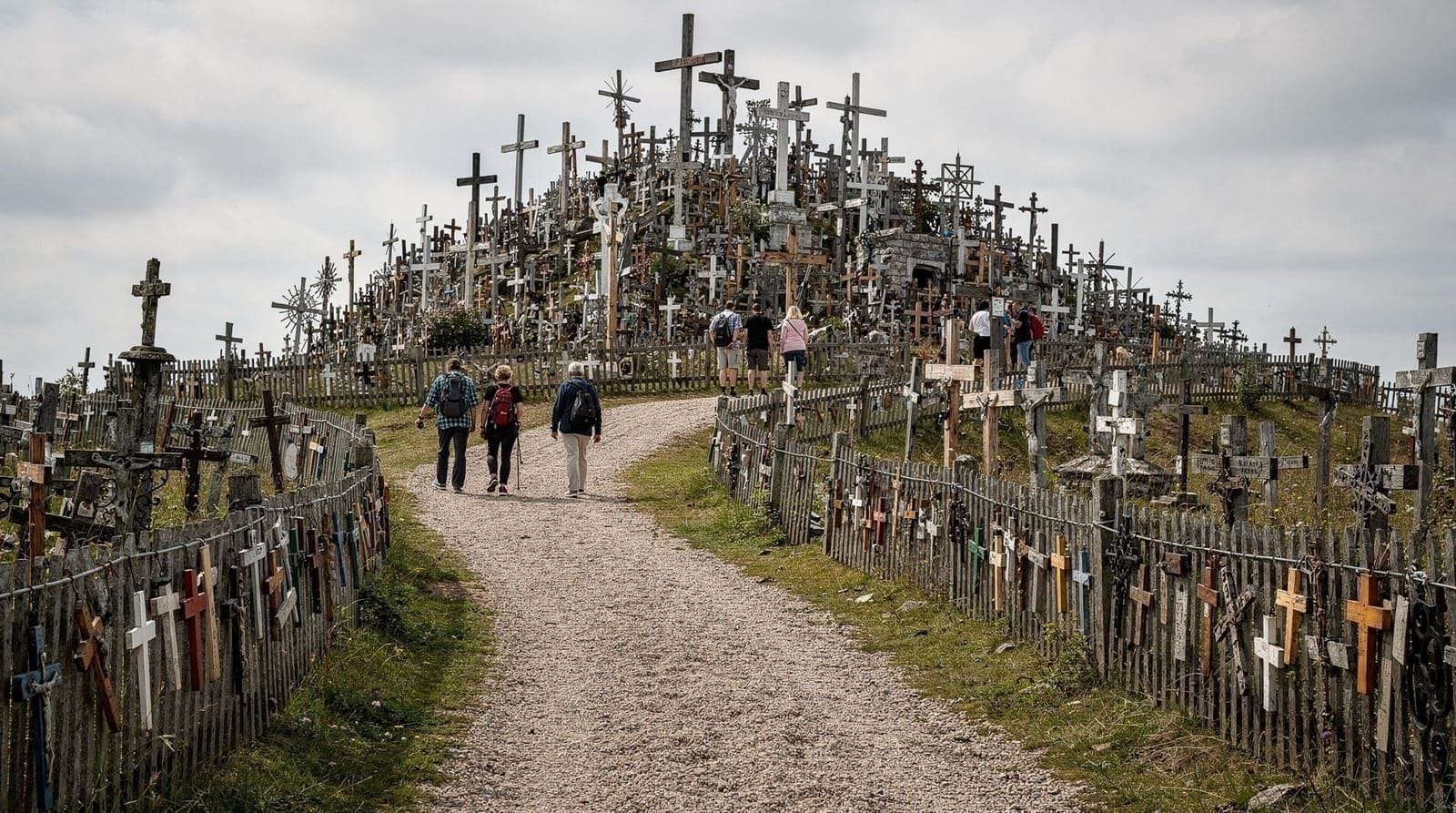
For the overland route itself, the Hill of Crosses day trip guide covers the single most worthwhile stop between the two cities in detail — a field of tens of thousands of crosses that has become one of Lithuania’s most striking and unusual pilgrimage sites, and a natural break on the Vilnius-Riga run regardless of which direction you’re travelling.
Summary comparison
| Factor | Vilnius | Riga |
|---|---|---|
| Old town character | Baroque, layered | Medieval + Art Nouveau |
| Cost | Lower | Moderate |
| Crowds | Moderate | Higher |
| Day trips | Very strong | Good |
| Nightlife | Good | Stronger |
| Food culture | Excellent | Excellent |
| Flight connections | Good | Better |
| Tourism authenticity | Higher | Lower |
| Beach access | 3.5 h (Curonian Spit) | 20 min (Jūrmala) |
Frequently asked questions about Vilnius vs Riga
Which Baltic capital has the best food?
All three Baltic capitals have significantly improved their food scenes since 2015. Riga’s Central Market is the best food market in the Baltics. Vilnius’s restaurant scene is more innovative and the craft beer culture is stronger. Tallinn has the highest prices. This is genuinely a tie between Vilnius and Riga.
How much time do you need in each city?
Vilnius: minimum 2 days for the Old Town and a day trip; 3 days is comfortable. Riga: minimum 2 days (Old Town + Art Nouveau district); 3 days is comfortable. A 5–6 day itinerary comfortably covers both.
Is Riga safer than Vilnius or vice versa?
Both are very safe EU/Schengen capital cities with low crime rates by European standards. Neither presents particular safety concerns for visitors. Standard urban common sense applies in both.
Which city has better public transport?
Riga has a more extensive tram and trolleybus network. Vilnius is more compact and more walkable — the Old Town and most attractions are within 30 minutes’ walk of each other. Both have good public transport by Baltic standards.
Are there direct flights between Vilnius and Riga?
Yes, though limited. LOT Polish Airlines and airBaltic have operated Vilnius–Riga routes, but check current availability. The 4-hour bus journey is typically more convenient and cheaper than flying when airport transfer times are factored in.
Top experiences
Bookable activities with verified prices and instant confirmation on GetYourGuide.