Is Lithuania expensive? An honest breakdown for 2026
The short answer is no, Lithuania is not expensive — but it is less cheap than it was, and the gap between budget and mid-range travel has narrowed significantly since 2020. If you last visited in 2018 and expect pre-pandemic prices, you’ll find things have shifted. If you’re comparing Lithuania to France, Germany, or the Nordic countries, you’ll find it strikingly affordable. The honest answer is somewhere in the middle, and it depends heavily on how you travel.
Here’s what the numbers actually look like in 2026.
| Overall level | Among the 5-6 cheapest EU capitals |
| Tight daily budget | around €50-65/day |
| Comfortable daily budget | around €90-130/day |
| Where it’s not cheap | guided tours, international flights |
| Currency | Euro (€), highly card-friendly |
What you’ll actually pay day to day
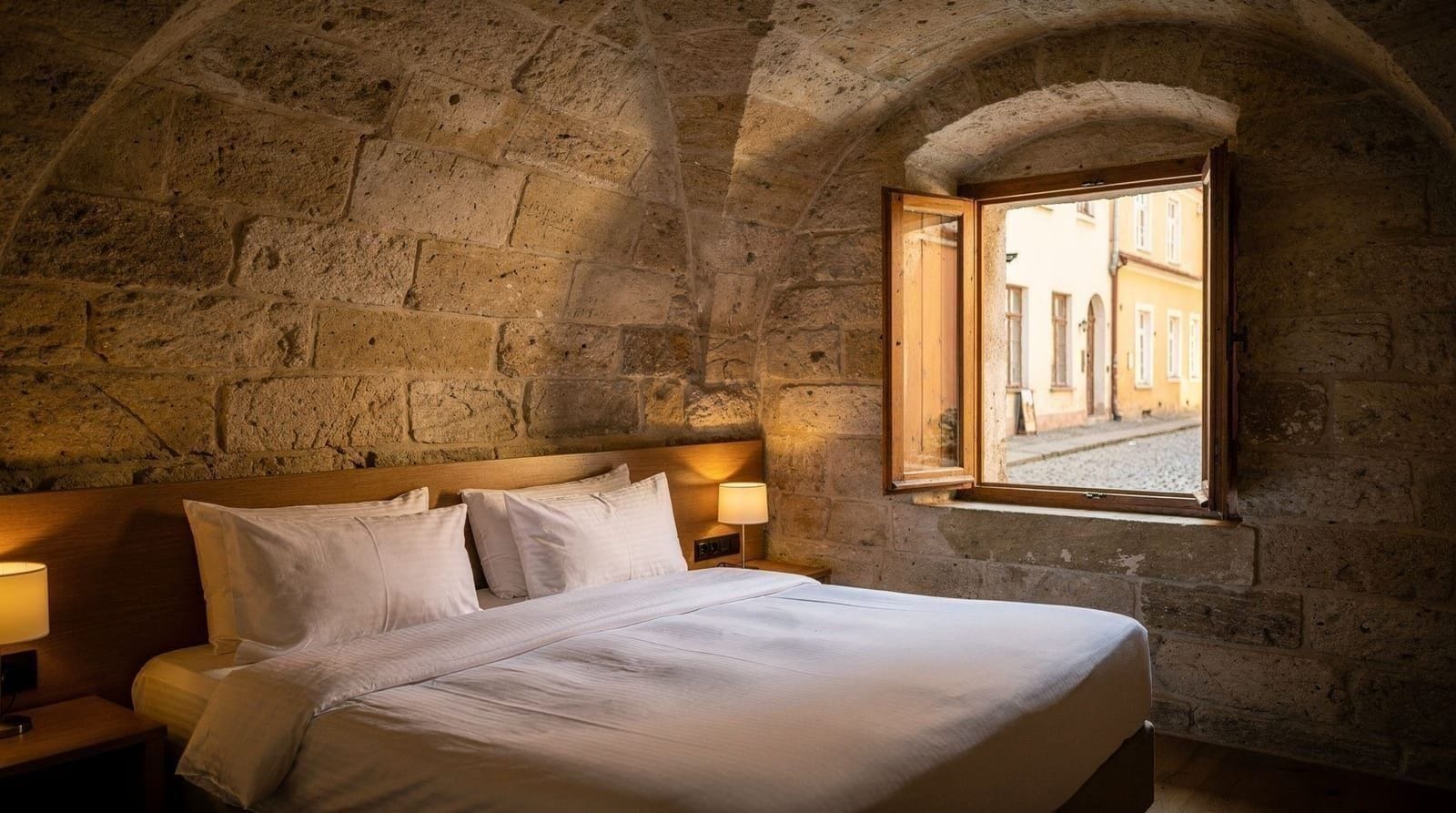
Accommodation: Hostel dorms in Vilnius run €15-25 per night. A clean, well-located private room in a guesthouse or budget hotel is €50-70. Mid-range three-star hotels in the Old Town: €70-110. Boutique or four-star: €120-200. Prices spike during the Christmas market period (late November to early January) and around major festivals — book ahead for those windows.
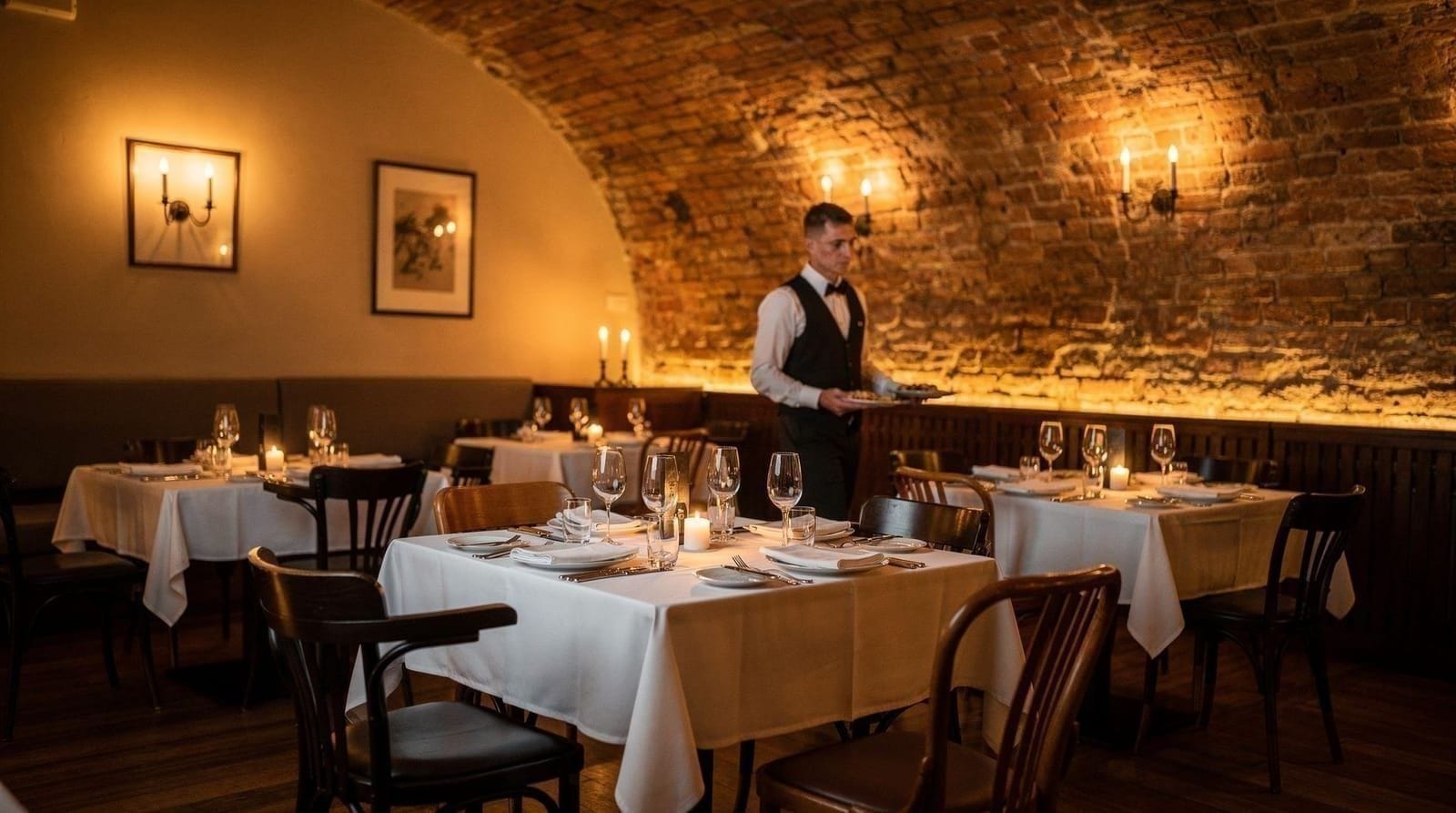
Eating: This is where Lithuania still earns its value reputation. A lunch set (soup + main + bread) at a canteen-style cafeteria like Čili Kaimas or Forto Dvaras runs €6-9. A sit-down lunch at a decent non-tourist restaurant: €10-15 for a full meal. Dinner at a good local restaurant: €20-35 for two people with drinks. A beer in a bar: €3-5. Coffee: €2.50-3.50. Street food (kibinai from a Trakai bakery, a cepelinai from a market stall): €3-6.
The trap to avoid: restaurants on Pilies gatvė and the main tourist drag in Old Town charge significantly more than those two streets away. A schnitzel on Pilies gatvė might cost €16; an equivalent meal on Stiklių gatvė or in the Užupis neighbourhood is €11-13. The food is not better on Pilies gatvė.
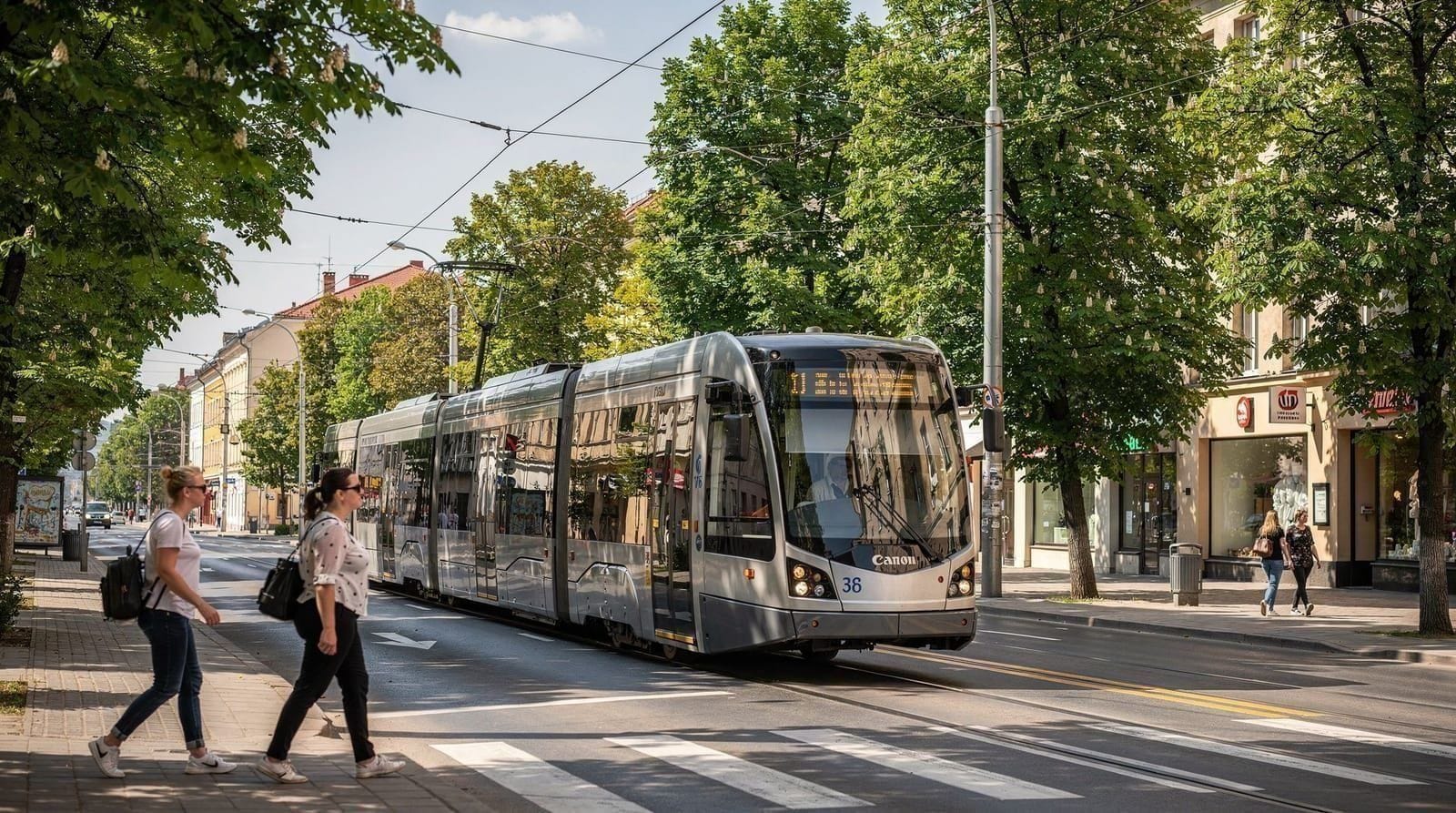
Transport: Vilnius is walkable. Old Town to most sights: 10-20 minutes on foot. Public buses and trolleybuses: €1 per trip (€0.65 if you pay by card or phone tap). Bolt (the dominant ride-share app, essentially Uber) across the city: €4-7. Bolt from the airport to Old Town (~6 km): €8-12. Don’t take taxi ranks at the airport — they charge 2-3x the app rate.
Attractions: Vilnius’s main museums are affordable. The Museum of Occupations (KGB Museum): €8. Gediminas Tower: €5. National Museum of Lithuania: €5. Vilnius Cathedral: free. The Vilnius pass starts at around €25 for 24 hours and makes sense if you’re hitting four or more paid attractions in a short stay.
Budget tiers that are actually realistic
Tight budget (€50-65/day): Hostel dorm, lunch at a cafeteria, self-catering breakfast from Rimi or Maxima (large supermarkets with good deli sections and fresh bread), one museum, drinks in a bar with happy-hour prices. This is achievable but requires some discipline.
Comfortable mid-range (€90-130/day): Private room in a guesthouse or budget hotel, two meals out, one attraction, one taxi, occasional café coffee. This is what most independent travellers actually spend in Vilnius, and it’s where the city’s value advantage is most apparent — you get noticeably more than you would for the same money in Warsaw, Prague, or Budapest.
Mid-range with day trips (€130-180/day): Add a day trip to Trakai or Kaunas. A guided group day trip to Trakai costs €25-40 per person; a return train ticket is around €3-5. Factor in lunch at the destination and you’re spending an extra €30-50 on a day-trip day.
Comfortable travel (€180-250/day): Three-star hotel, restaurants with wine, private guided tours, comfortable transport. Still a bargain by Western European standards; roughly equivalent to what a similar experience would cost in Krakow.
Where Lithuania’s prices are not low
Guided tours: Quality walking tours of Vilnius Old Town run €20-35 per person for small groups, similar to other European capitals. Private guides charge €60-120 for a half-day. These are fair prices for the quality — don’t expect them to reflect the general low cost of living.
International flights: Lithuania is not particularly well served by budget carriers outside of Riga connections and Ryanair’s limited Vilnius routes. Getting to Vilnius from Western Europe often involves a connection or a more expensive ticket than you’d pay for Prague or Budapest. Factor this in when comparing overall trip cost.
Amber jewellery in tourist shops: The “souvenir amber” shops on Pilies gatvė charge tourist premiums that bear no relation to Baltic amber’s actual value. See the amber souvenirs guide for where to buy without overpaying.
Airport taxis: As mentioned above, skip the rank, use Bolt.
Lithuania vs other Baltic capitals
Vilnius is consistently cheaper than Tallinn, which has moved into mid-range Western European territory over the past decade. Riga sits between the two. For a full comparison with real numbers, see the Vilnius vs other Baltic capitals post.
How Lithuania compares to neighbours
Roughly: Lithuania is somewhat cheaper than Poland for accommodation, comparable for food, cheaper than Czech Republic in most categories, and significantly cheaper than any Nordic country. It remains one of the five or six most affordable EU capitals.
The budget planning guide goes deeper on specific money-saving strategies, including the best supermarkets, free attractions, and timing your visit around lower-price windows.
How Vilnius compares on a same-trip basis
A rough same-trip cost comparison, based on a mid-range traveller doing similar activities (private room, two meals out, one attraction, local transport):
| City | Daily budget (mid-range) | Notes |
|---|---|---|
| Vilnius | €90-130 | Cheapest of this group |
| Riga | €100-140 | Comparable, slightly pricier accommodation |
| Warsaw / Krakow | €95-140 | Similar food value, Krakow busier |
| Tallinn | €130-180 | Moved into Western-European price territory |
| Prague | €120-170 | Restaurants noticeably pricier than Vilnius |
The gap is most visible in restaurants and guided tours, where Vilnius’s small-city scale keeps overheads (and prices) lower, and least visible in international flights, where Vilnius has fewer budget-carrier connections than Prague or Krakow.
Cards, cash and currency exchange
Lithuania uses the euro, so travellers from the eurozone need no exchange at all. Card acceptance is close to universal — contactless payment works at market stalls, small cafés, and even some street-food vendors. Withdrawing cash from an ATM (bankomatas) attached to a Lithuanian bank (SEB, Swedbank, Luminor) avoids the worst fees; standalone tourist-area ATMs sometimes charge a premium, so check the screen before confirming a withdrawal. Keep around €20-30 in cash for the rare stall or small tip that doesn’t take cards. There is no need to pre-order euros before arrival if you’re coming from elsewhere in the eurozone, and even non-eurozone travellers will find airport and city ATMs offer reasonable rates compared with currency-exchange kiosks on Pilies gatvė, which tend to have worse margins.
Seasonal price swings worth planning around
Prices in Vilnius are not flat across the year. Accommodation rises noticeably during the Christmas market period (late November to early January) and during major festivals, sometimes by 30-50% for Old Town hotels on peak weekends. Summer (June-August) is the second peak, driven by longer days and outdoor dining season rather than a single event. The cheapest months for accommodation are typically January through March (excluding the New Year window) and late autumn before the Christmas market opens — a traveller with flexible dates can meaningfully cut the accommodation portion of the budget by shifting a trip by a few weeks. Restaurant and transport prices don’t move much seasonally; it’s almost entirely a hotel-and-flights effect.
Day trips and their real cost
Day trips add significant value to a Vilnius visit but they’re not free. Trakai by train is cheap (€5 return); by guided group tour, €25-40. Kaunas by intercity bus: €5-8 return; the journey takes an hour. Hill of Crosses is 210 km from Vilnius — you need either a rental car or a guided tour (around €35-45 per person in a group). Druskininkai by bus: €12-15 return.
The transport guide has current timetables and approximate fares.
The Vilnius pass bundles museums, Old Town tours, and some transport — worth it for a 2-day sightseeing-heavy visitThe honest verdict
Lithuania in 2026 is genuinely affordable for travellers from Western Europe and North America. It is not as dramatically cheap as it was in 2015. If you come from a budget-travel background with expectations calibrated to Southeast Asia, you’ll find it comfortable but not extraordinary. If you’re used to London, Paris, or Amsterdam prices, Vilnius will feel like a relief. The sweet spot is a 3-4 day visit where you combine the city with one or two day trips and eat lunch at local cafeterias — at that budget, you’re looking at €100-130/day all-in, which is genuinely excellent value for a capital city with a UNESCO Old Town, strong food culture, and real history.
Frequently asked questions about Lithuania travel costs
Is Lithuania cheaper than Poland?
For accommodation, Lithuania is slightly cheaper than Warsaw and Krakow. For food, roughly comparable — both countries have excellent value cafeteria-style lunch culture. Overall, Lithuania offers marginally better value, especially in Vilnius vs Krakow.
Do I need cash in Lithuania?
Rarely. Lithuania is highly card-friendly — most places accept contactless payment, including market stalls and small cafés. Keep €20-30 cash for rare exceptions (some outdoor markets, tips). The euro is the currency, so no exchange needed if you’re arriving from the eurozone.
Is tipping expected in Lithuania?
It’s appreciated but not obligatory at the level common in North America. Rounding up the bill or leaving 5-10% at a restaurant where you had table service is normal. Cafeteria-style and counter-service spots: no tip expected.
What’s the most expensive thing in Vilnius?
Accommodation during the Christmas market season (late November to early January) and during major festivals is noticeably pricier. International flights to/from Vilnius can also be costly depending on your origin. The city itself has no single very expensive attraction.
How much does a beer cost in Lithuania?
Draught beer in a local bar: €3-4 per 0.5L. Craft beer at a specialist pub: €4-6. Bottle from a supermarket: €1-1.50. The Baltic cider tradition is also worth trying — roughly the same price range.
Is Vilnius cheaper than Tallinn or Riga?
Yes, on both counts. Vilnius is consistently the least expensive of the three Baltic capitals — Tallinn has moved into mid-range Western European pricing, and Riga sits between the two. See the Vilnius vs other Baltic capitals comparison for detailed numbers.
Are ATM fees a problem in Lithuania?
Not if you use ATMs attached to major Lithuanian banks (SEB, Swedbank, Luminor), which charge minimal or no extra fees beyond your home bank’s. Standalone tourist-area ATMs and currency-exchange kiosks near Pilies gatvė tend to have worse rates — check the screen before confirming any withdrawal or exchange.