Vilnius ghost tour: which haunted walk to book
Vilnius: Ghost tales private walking tour
Duration: 2 hours
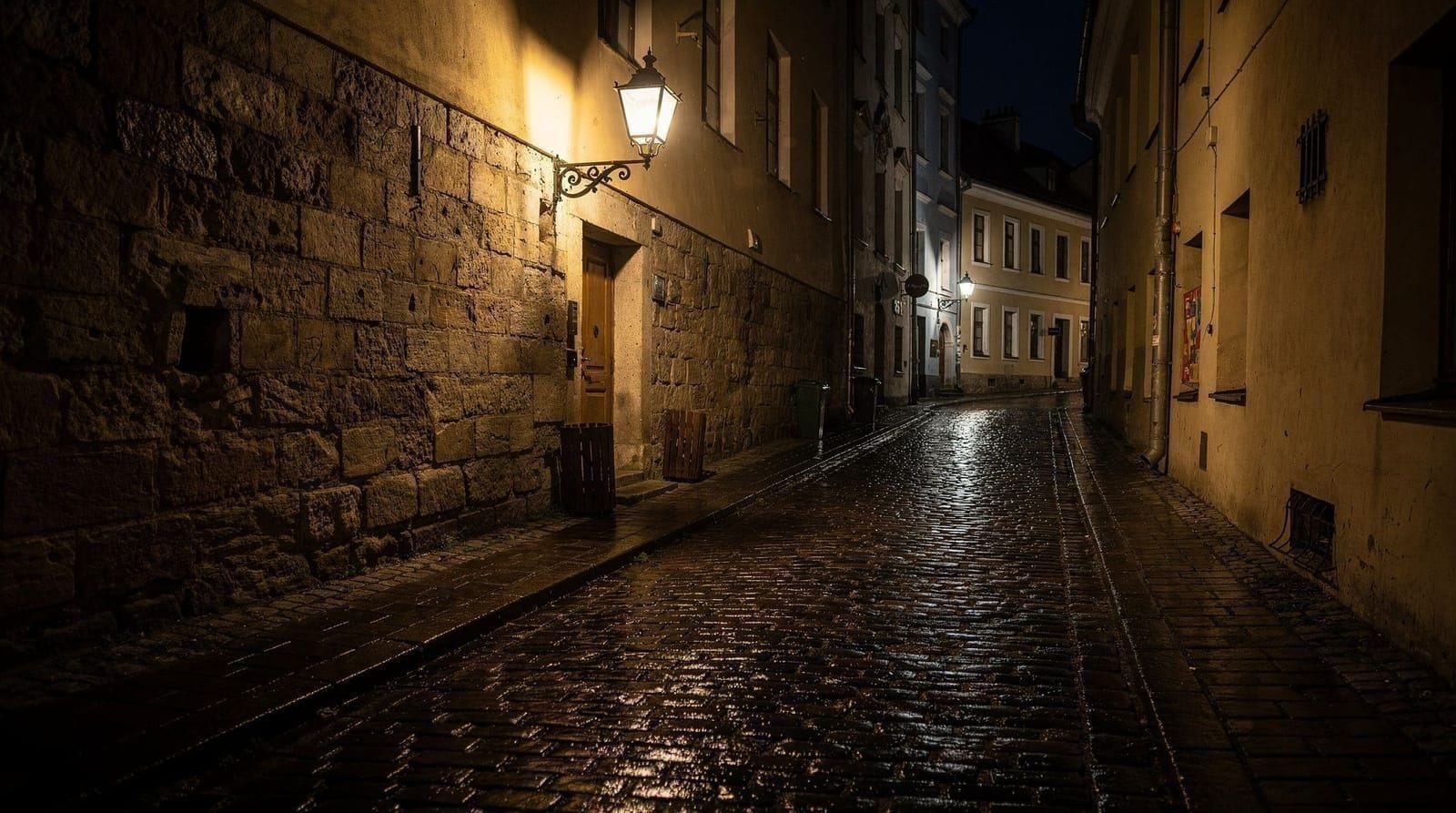
Vilnius has the right ingredients for ghost tour territory: a medieval cityscape layered with centuries of occupation and upheaval, a tradition of folklore rooted in Lithuanian paganism (Lithuania was the last country in Europe to officially convert to Christianity, in 1387), and an Old Town of dark stone courtyards and narrow passages that looks appropriately atmospheric after dark. The tours on offer range from light theatrical storytelling to the more sobering encounter with actual catacombs and skeletal remains.
Here is how the main formats compare.
| Where | Old Town, starting near Cathedral Square (varies by operator) |
| Cost | Around €12–€100 depending on format (group vs private) |
| Time needed | 2–2.5 hours, evenings |
| Best time | Year-round; winter darkness from 16:00 adds atmosphere |
| Booking | Advance recommended for the private format and summer weekends |
The private ghost tales walking tour
The Vilnius ghost tales private walking tour is the premium format: a private guide dedicated to your group, moving through the Old Town after dark, stopping at haunted buildings, churches, and historical sites with storytelling that mixes local legend with historical context.
The private format matters more for ghost tours than for daytime walking tours. A good ghost tour guide is essentially a storyteller-performer; the dynamic with a small group of 2 to 6 people is entirely different from a crowd of 20. You can ask questions, push for more detail, and the guide can adapt the tone to the group — darker and more intense if that is what you want, lighter and more theatrical for families.
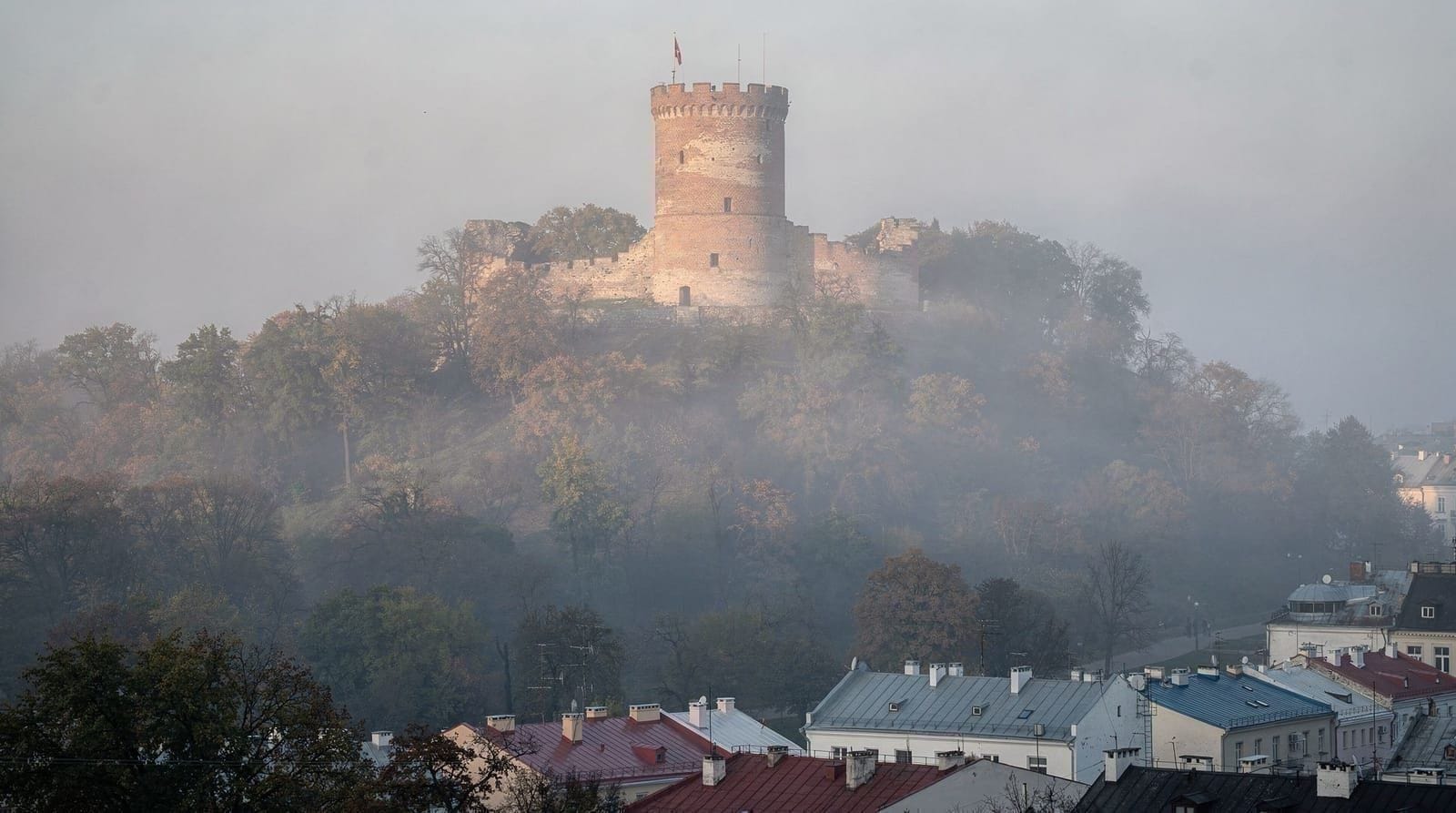
Typical stops include: the Cathedral crypt (site of the White Lady legend), the Gate of Dawn and the Black Madonna chapel, the medieval town walls, the courtyards around the former Jewish Quarter (some of which have layers of tragedy connected to the WW2 period), and the hill below Gediminas Castle. Duration is 2 to 2.5 hours.
Price: €50–€100 for a private group of 2–6 people. Per-person cost becomes competitive with group tours for two or more people.
The Vilnius legends and myths guide provides the background stories if you want to read them before the tour or if you prefer the self-guided version.
The Old Town haunted walking tour
The Old Town haunted walking tour (2h) is the group format: typically 10 to 20 people, an actor-guide in period costume (varies by operator), and a route through the Old Town’s most storied locations. Duration is 2 hours and price is typically €12–€20 per person.
This is the most accessible option — good value, no commitment, and the group dynamic can be fun if the guide is genuinely theatrical. The theatrical element varies significantly by operator; check recent reviews specifically for the quality of the storytelling before booking.
What to expect: This is entertainment first, history second. The stories are based on real local legends but embellished for effect. If you are looking for genuinely serious historical engagement with Vilnius’s dark history, this is not the right format — book the KGB Museum tour or the Jewish heritage walk instead. If you want an enjoyable, slightly spooky evening with good atmosphere, this delivers.
Best with: A group of friends or a couple on a first Vilnius evening, particularly if you arrive after a day’s travel and want an easy evening orientation that is more fun than a standard walking tour.
The catacombs historic Old Town tour
The Vilnius catacombs and historic Old Town tour is the most distinctive option and the one most likely to leave a lasting impression. The catacombs under Vilnius’s churches and historic buildings contain actual skeletal remains from plague burials — real medieval ossuaries. The tour visits the accessible sections with a guide explaining the context: plague history in Vilnius (particularly the 16th–17th century epidemics), the burial traditions of different communities, and the excavation history.
This is not simply theatrical — the catacombs themselves are a real archaeological site. The combination of physical encounter with remains and the historical context makes it qualitatively different from the other ghost tour formats. It is more comparable to the Paris Catacombs or the Prague Sedlec Ossuary than to a typical ghost walk.
Who it suits: People with a specific interest in medieval history, macabre tourism, or archaeology. Anyone who finds real skeletal remains distressing should avoid this tour — the other formats are theatre, but the catacombs are the actual thing.
Price: Typically €20–€35 per person for a group tour. Duration is around 2 hours.
The legends and their historical cores
The best Vilnius ghost tour guides work with legends that have documented historical roots rather than invented spookery. A few examples:
The Iron Wolf. Grand Duke Gediminas’s founding dream of 1323, recorded in the Ruthenian-language chronicles of the Grand Duchy: he dreamed of an iron wolf on a hilltop, howling loudly enough to be heard across the world. The pagan priest Lizdeika interpreted this as an omen for a great city. The letter Gediminas sent to Pope John XXII describing the dream and announcing the founding of Vilnius is the oldest surviving document associated with the city. The legend is not ghost material — but it is foundational mythology that the best tours use to introduce the city.
The White Lady of the Cathedral. The Cathedral basement contains crypts; various noble burials were relocated or disturbed over the centuries. The White Lady legend is attached to a series of eerie historical events during the Cathedral’s reconstruction phases in the late 18th century when workers reportedly encountered unexplained phenomena. The story has been embellished considerably over two centuries, but the crypt itself is real and accessible. The Vilnius Cathedral guide describes the actual contents.
The Black Raven. A folklore figure associated with the Gate of Dawn and the Black Madonna chapel — a spectre said to guard the icon, appearing to those who approach with impure intentions. The Black Madonna cult itself is genuinely old (the silver-covered icon dates from the early 17th century and has been a Marian pilgrimage site for centuries). The ghost is grafted onto the religious tradition.
The plague pits. Vilnius lost large portions of its population to plague epidemics in the 16th and 17th centuries. The dead were buried in mass graves, and the locations of some of these are known. The catacombs tour intersects with this history in a physically concrete way. The legend of the plague doctor figure appears in multiple Vilnius ghost stories and connects to the actual epidemic history.
Evening atmosphere in Vilnius Old Town
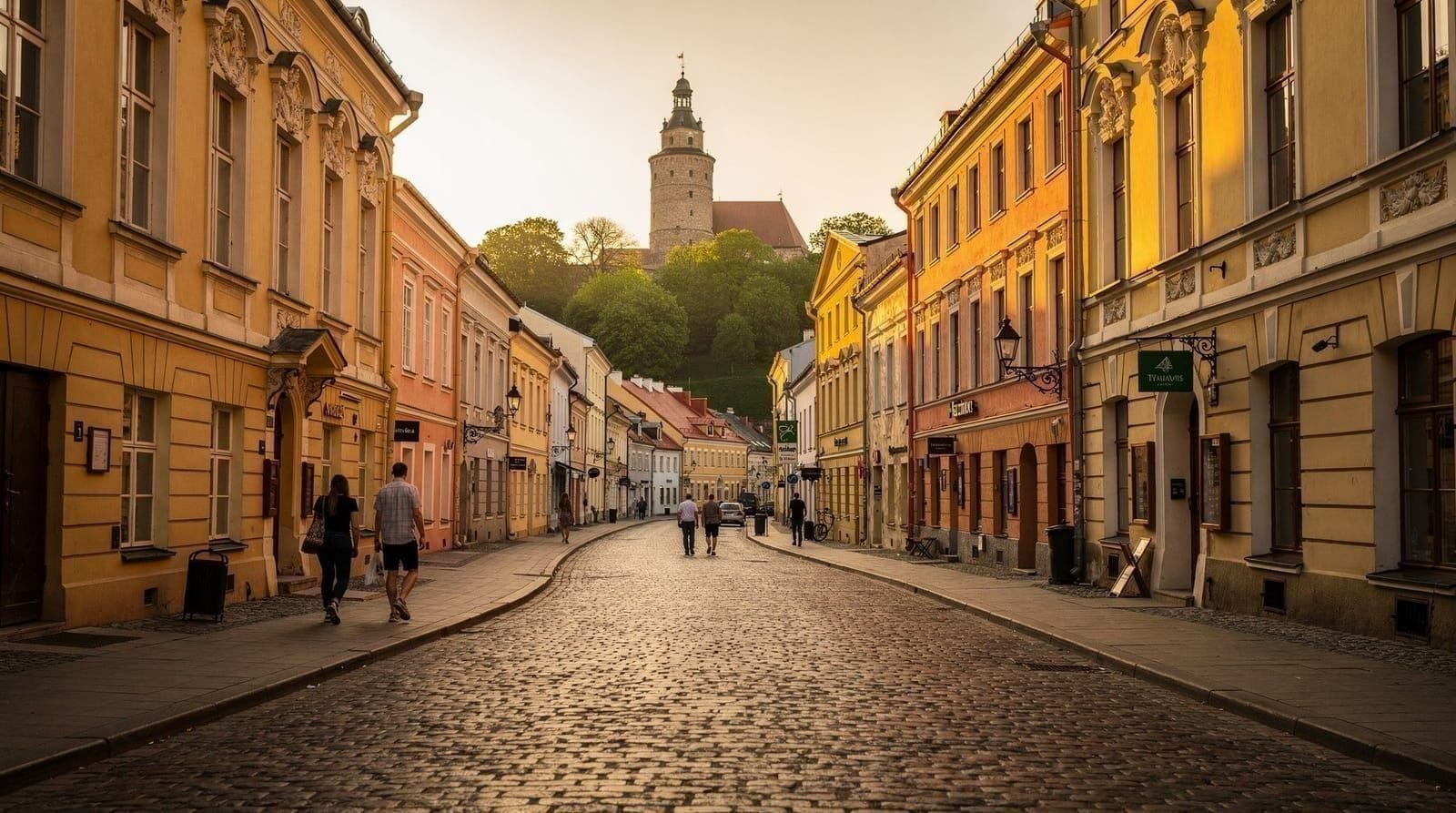
Beyond the formal ghost tours, the Old Town is worth experiencing on foot after dark independently. The main Pilies Street clears of tourists by about 21:00; the courtyards and passages off the main routes are quiet and atmospheric. The Vilnius legends guide identifies the key sites worth passing at night.
For an evening that combines culture and atmosphere, a ghost tour pairs well with dinner at one of the Old Town’s courtyard restaurants. The Vilnius nightlife guide covers after-dinner options if you want to extend the evening.
The catacombs in detail: what you are actually seeing
For the catacombs tour specifically, it is worth knowing what the site actually is before you visit. Vilnius’s churches were built on layers of earlier foundations and burials — a common feature of European medieval cities. During plague epidemics (Vilnius experienced major outbreaks in the 1590s, 1620s, and 1650s), mass burials were organised in proximity to church grounds.
The accessible catacombs sections include chambers beneath the Vilnius Cathedral and beneath the Church of St. Casimir, both of which have been archaeologically examined and partially opened for supervised visits. The remains are primarily skeletal — bones, occasionally intact skulls, arranged in ossuaries or in the positions of original burial. The Cathedral catacombs also contain noble and clerical burials in stone caskets.
This is a real archaeological site, not a theatrical construction. The difference matters: visitors who arrive expecting a haunted attraction may be unsettled by the genuine archaeological material; visitors who arrive expecting a history tour will find it genuinely interesting.
The guide’s role in the catacombs tour is primarily archaeological and historical — explaining burial practices, the epidemic context, and what the individual remains tell us about the people interred. The “ghost” framing is largely marketing; the content is serious history.
What to bring: A jacket (underground spaces are cool year-round, around 10–12°C), closed-toe shoes, and an absence of squeamishness about skeletal remains. Photography is usually permitted but check with the guide.
How ghost tours fit your Vilnius itinerary
Ghost tours run in the evening and require no special preparation. They work on any night of a Vilnius stay but are most natural as an evening activity on day one (orientation with atmosphere) or as a different way to experience a weekend in Vilnius.
For a 2-day Vilnius visit, a ghost tour on the first evening after arrival is a pleasant way to see the Old Town in a different mode without extensive planning.
The Vilnius ghost tours guide goes deeper into the specific folklore and legends of the city if you want to prepare.
Honest notes
Theatrical vs authentic: The line between ghost tour and theatrical performance is thin. The catacombs tour is closest to genuine history; the private ghost tales tour is the best storytelling experience; the group haunted walk is the lightest and most social. Set expectations accordingly before booking.
Weather: Ghost tours run in all weather including rain. The Old Town’s covered passages provide some shelter, but you will be outdoors for significant stretches. A jacket and waterproof outer layer are recommended from September onward.
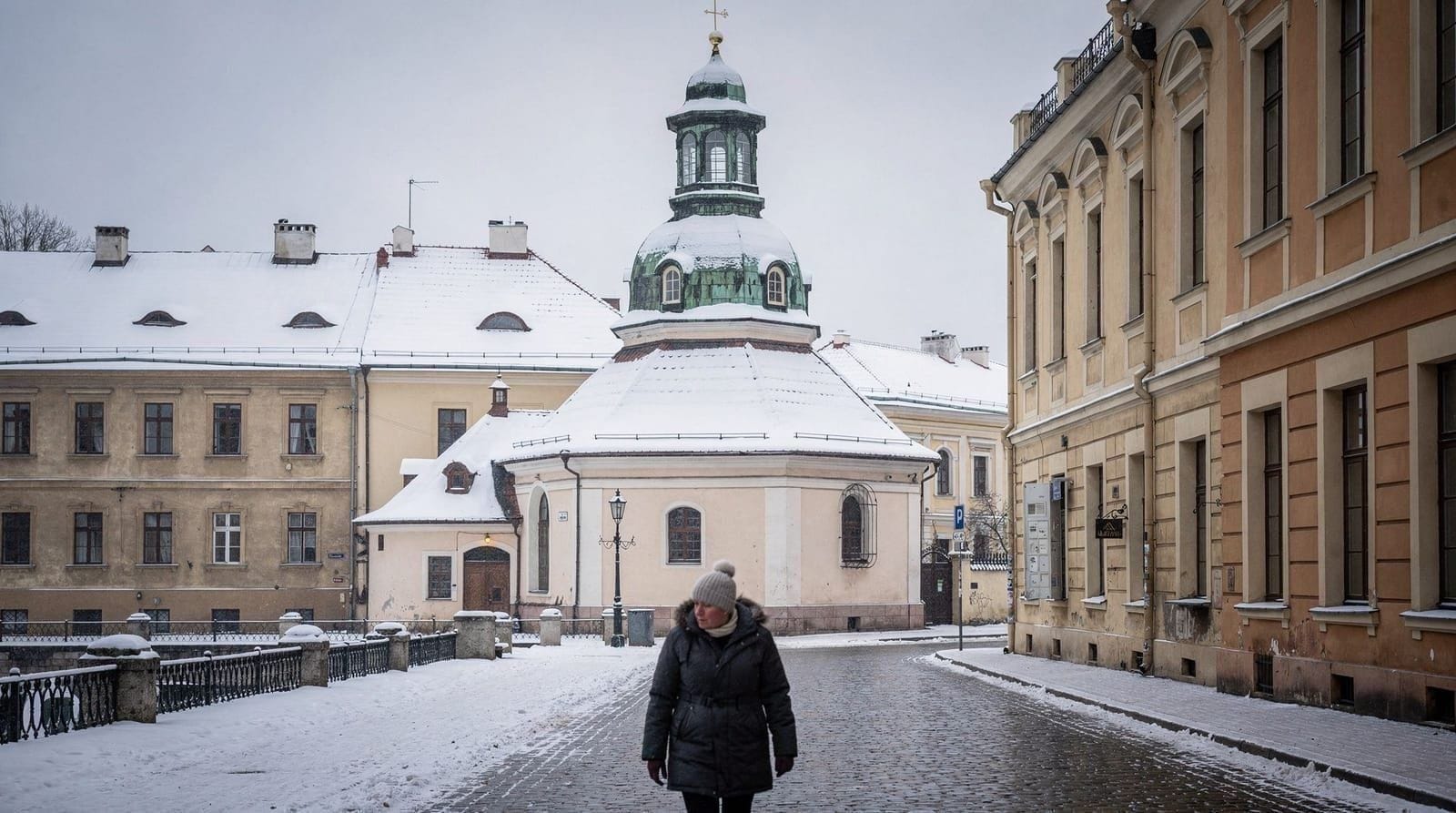
Vilnius in winter: Winter is actually excellent for ghost tours — darkness from 16:00, atmospheric frost on cobblestones, fewer tourists. The winter in Vilnius guide covers the full winter experience.
Format comparison at a glance
| Private ghost tales | Group haunted walk | Catacombs tour | |
|---|---|---|---|
| Group size | 2–6 (private) | 10–20 | Group, varies |
| Duration | 2–2.5 h | 2 h | ~2 h |
| Approx. price | €50–€100 total | €12–€20/person | €20–€35/person |
| Tone | Storytelling, adaptable | Theatrical, entertainment-first | Serious, archaeological |
| Best for | Small groups wanting depth | Casual first evening | Genuine history interest |
Ghost tour or KGB Museum: picking your dark-history evening
If you only have time for one dark-history activity, the choice depends on what you are after. A ghost tour is atmosphere and folklore, best treated as entertainment with a historical seasoning — pair it with an evening you want to feel spooky rather than educational. The KGB Museum and Soviet tours sit at the opposite end: documented, recent history with genuine emotional weight, better suited to daytime when you have the mental bandwidth to absorb it. Doing both on the same trip works well if you space them across different days — stacking the KGB Museum and a ghost tour on one day is a lot of dark content in a short window.
Who should book the group tour vs the private one
The group haunted walk is the right call if you want a low-commitment, sociable evening and do not mind a theatrical, embellished version of local legend — it is genuinely fun with the right guide. The private ghost tales tour costs more per person for a solo traveller or couple, but for three or more people the per-person price becomes competitive with the group tour while you keep full control over pace and questions. Families with younger children generally do better with the private format, since the guide can dial down intensity on request; the group tour’s tone is fixed for the whole crowd.
Solo travellers who want to keep costs down but still get a personal feel should look at the small group sizes on the private tour’s lower end (a booking of two unrelated solo travellers occasionally gets paired by the operator — ask when booking) rather than defaulting straight to the large group walk.
Frequently asked questions about Vilnius ghost tours
Are the ghost stories in Vilnius based on real events?
The better operators blend authentic Lithuanian folklore and mythology with documented historical events (plagues, occupations, executions). The Iron Wolf legend, for instance, is a genuine part of the founding mythology of Vilnius, documented in 14th-century chronicles. The more theatrical operators embellish freely; a good guide is honest about where folklore ends and invention begins.
Is the tour available in languages other than English?
Most group tours operate in English. Some operators run Lithuanian-language tours for local groups. Private tours may be available in German, Polish, or Russian from specific guides — ask when booking.
Do tours run in summer when it stays light late?
Yes — tours start later in summer (21:00 or 21:30) to take advantage of darkness. This means later nights in June and July; adjust your dinner plans accordingly.
What is the Iron Wolf legend?
Grand Duke Gediminas dreamed of an iron wolf howling at the spot where Vilnius would be founded, which was interpreted as an omen for a great city. The dream is the foundational myth of the city, documented in chronicles, and is mentioned on most Vilnius ghost tours and in the Vilnius legends guide.
Can I combine a ghost tour with the KGB Museum visit on the same day?
They are compatible in time (KGB Museum: daytime; ghost tour: evening), but the cumulative weight of dark history content in one day is significant. Consider spacing them across two days on a longer visit, or accepting that the day will be emotionally heavy.
Is Užupis mentioned on the ghost tour?
Some guides include Užupis — the bohemian neighbourhood has its own micro-mythology as an independent “republic” with eccentric traditions. The Užupis republic guide covers the neighbourhood in depth.