Vilnius food tour: the best options for eating your way round the Old Town
Vilnius: Flavors 3 hour food tasting tour
Duration: 3 hours
Lithuanian food has a genuine character: heavy, dairy-rich, rooted in peasant agriculture and forest foraging, with influences from Jewish, Polish, German, and Karaite cooking layered in over centuries. In Vilnius, you can eat very well and very cheaply — a full meal at a local restaurant costs €8–€15. A food tour is not about budget; it is about access to the context and variety that a solo restaurant visit cannot provide in a single sitting.
The best food tours combine the tasting with the history — who ate what, why, and how the city’s culinary traditions survived Soviet food standardisation (they mostly did not, which is part of the story). Here is how the main tour formats compare.
| Where | Meeting points around the Old Town (confirm at booking) |
| Cost | Around €25–€50 per person depending on format |
| Time needed | 1.5–3 hours |
| Best for | First-time visitors who want context, not just calories |
| Booking | A day or two ahead in peak summer; more flexible off-season |
The 3-hour flavors tasting tour
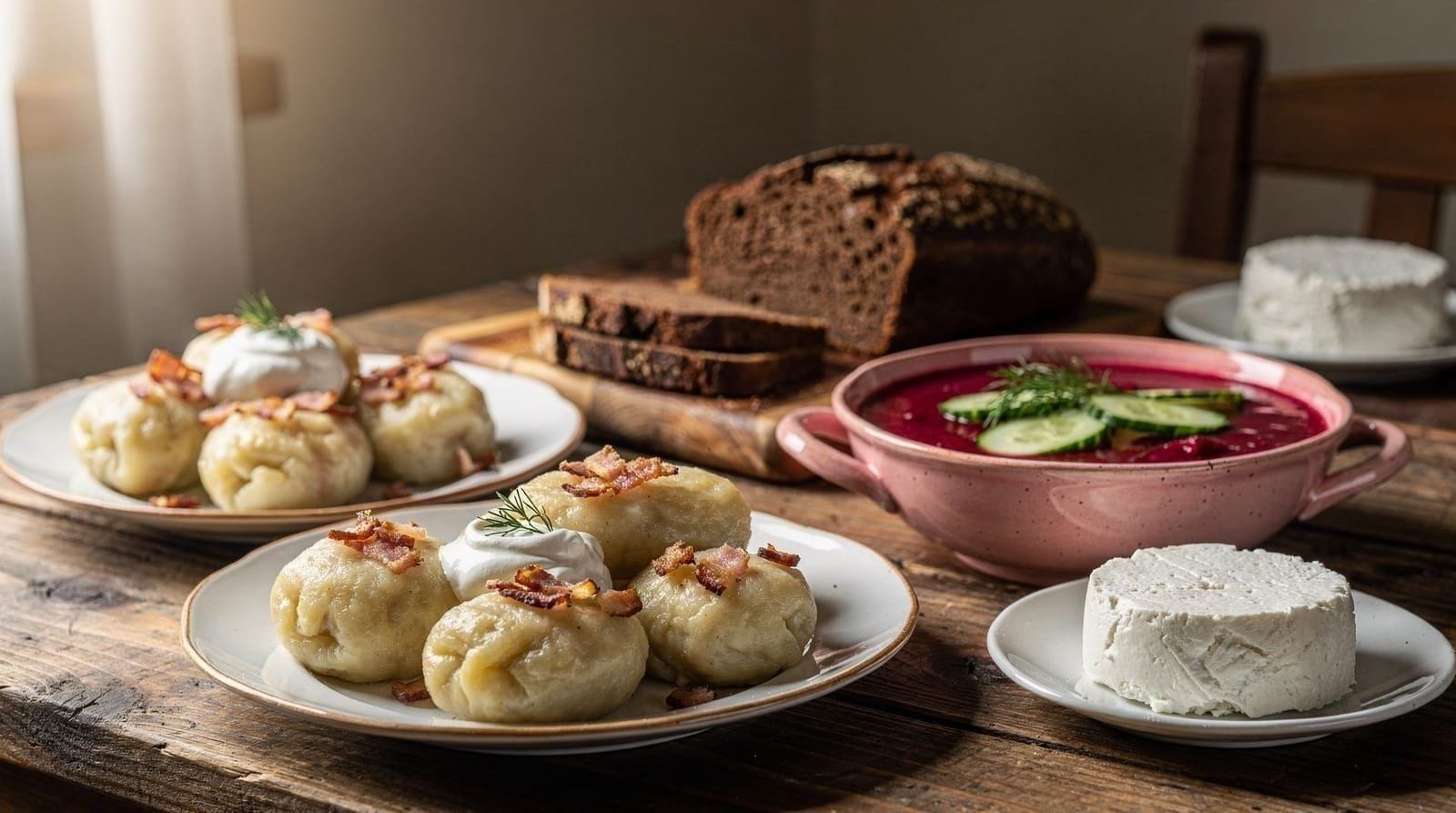
The 3-hour Vilnius flavors food tasting tour is the standard group food tour and the busiest-booked format on the platform. It typically covers 7 to 9 stops through the Old Town, each with a tasting portion: dark rye bread with local butter and salt, smoked meats from a deli, cepelinai at a traditional restaurant, cold beetroot soup in summer, local cheeses, a sweet pastry, and usually a shot of Lithuanian spirits (krupnikas, a spiced honey liqueur) at the end.
The guide narrates the history and culture at each stop — why Lithuanians eat so much rye bread (cultural and agricultural), what distinguishes Lithuanian cheese from neighbouring countries, the Karaite influence on the kibinai pastry (which you will encounter in Trakai but also at some Vilnius markets). Group sizes typically run 8 to 15.
Value assessment: At €35–€50, the tastings approach a light lunch in total quantity. You are paying for curation, context, and the small-group access to places that are not easily found without local knowledge. If the food angle bores you, this is overpriced. If you like eating and want to understand what you are eating, it is one of the better value tours available.
For a deeper written overview of the cuisine, the cepelinai and Lithuanian dishes guide covers the major dishes in detail before or after your visit.
The Lithuanian flavors experience
The Lithuanian flavors experience positions itself as a curated, slightly more refined version of the standard tasting tour — smaller groups, more carefully selected producers, and a slightly higher price point. It runs approximately 3 hours and targets visitors who want fewer stops with more depth at each one rather than a rapid circuit.
Whether the additional cost (typically €10–€15 more per person) is justified depends on the specific guide and cohort. On a good day with a knowledgeable guide and an engaged group, it is the best food tour available. On a bad day, the difference from the standard tour is minimal. Read recent reviews before choosing this over the standard format.
The traditional Lithuanian food tasting
The traditional Lithuanian food tasting tour is shorter (approximately 2 hours) and more focused on two or three core dishes in a more relaxed sit-down format rather than a walking circuit. This suits visitors who prefer a calmer pace and a deeper engagement with fewer dishes over the breadth of a full walking tour.
It is a good option for people with limited mobility or those who find the walking-and-eating-simultaneously format tiring. Price is typically €25–€35.
The cheese tasting tour
The Lithuanian cheese tasting tour is a specialist option for cheese lovers: a focused 1.5 to 2-hour tasting of local Lithuanian cheeses, explaining the regional differences, production methods, and pairing. Lithuanian farmstead cheese (varškė — a fresh curd cheese — and its aged variations) is a genuine product worth attention; this tour gives it proper treatment.
Niche, but excellent if the cheese angle interests you specifically. Pairs well with the Lithuanian drinks guide which covers the beer and spirit side of the food culture.
Combining food tour with beer tour
For a logical extension, the Vilnius beer tour covers the craft beer scene that complements the food culture. The two tours can be done on the same day (food tour at lunch, beer tour in the afternoon), though this is ambitious on the caloric intake front.
What makes Vilnius food distinctive
A few things worth noting that a good guide will cover:
Cepelinai are not optional — they are the national dish and they are large. A single serving (two dumplings) is about 600 calories. They are stuffed with minced meat or curd cheese and served with bacon fat and sour cream. Genuinely excellent and genuinely heavy.
Dark rye bread is the bread tradition here, not wheat-based. Lithuanian rye is particularly sour and dense. You either love it immediately or need a few bites to adjust.
Šaltibarščiai (cold beetroot soup) is seasonal — May to September — and bright pink. It is served cold, with hot boiled potatoes alongside. Not universally liked by non-Lithuanian visitors but worth trying once.
Kibinai are the Karaite pastry (crescent-shaped, filled with lamb or cheese) that you encounter mainly in Trakai — some Vilnius vendors also stock them.
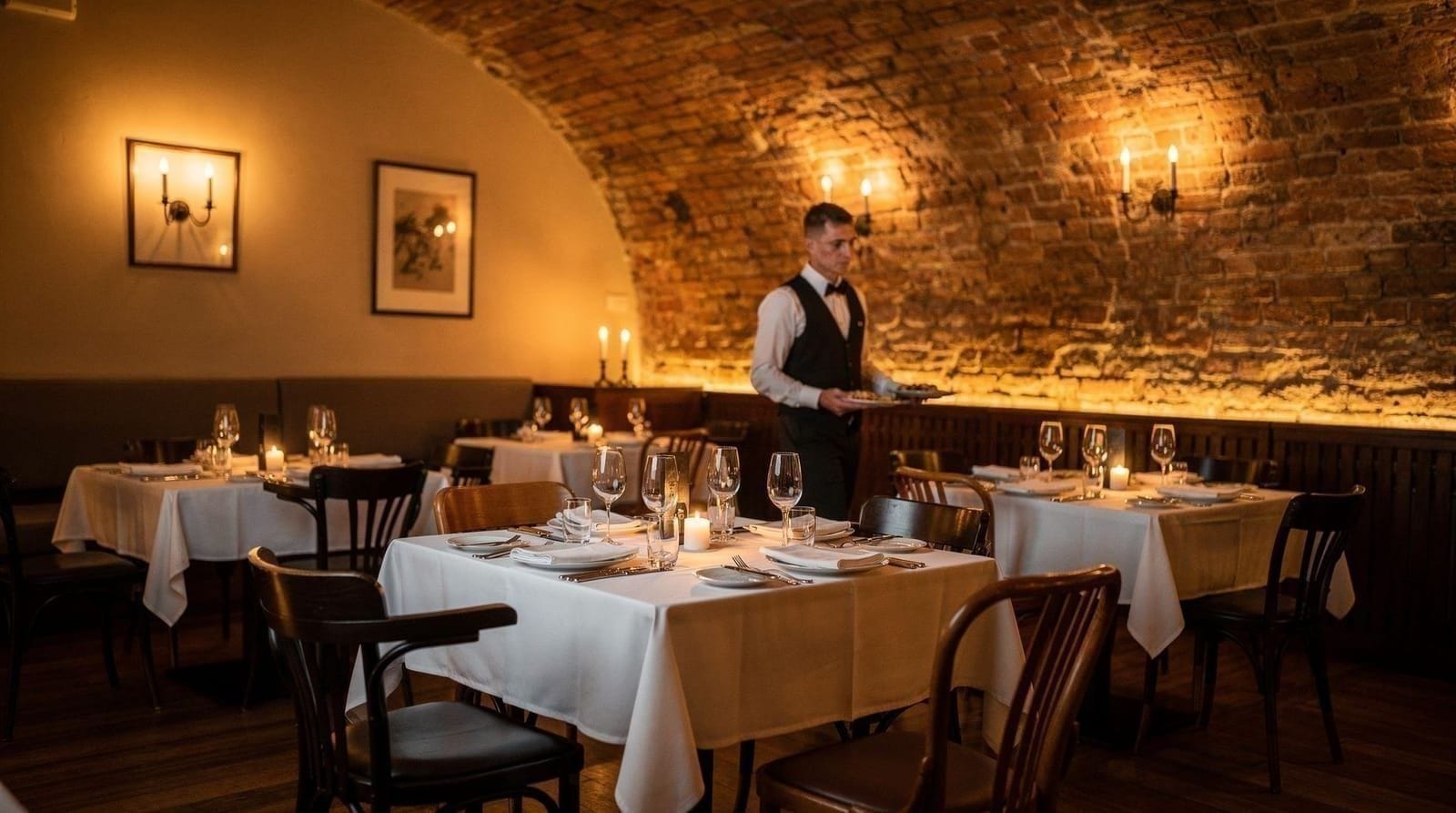
For restaurant recommendations after the tour, the best restaurants in Vilnius guide names specific places by cuisine type and budget. Skip the Pilies Street tourist restaurants with aggressive menu boards outside — the food is expensive for the quality.
The food culture context: why Lithuanian cuisine is the way it is
Lithuanian cuisine is agricultural in its logic: the country’s geography (flat, forested, lake-heavy, cold winters) shaped what grew and what was preserved. Rye grows in Lithuanian soil where wheat struggles — hence the bread tradition. The forest provided mushrooms, berries, and game. The lakes and rivers provided fish (smoked eel, freshwater perch, pike). The farmyard provided pork and dairy. Almost nothing was wasted.
The Soviet period imposed industrialised food production and disrupted the artisan food traditions (farmhouse cheese-making, home fermentation, local craft brewing). Post-independence recovery of these traditions has been uneven but genuine: the farmstead cheese revival, craft brewing, and the growing interest in seasonal foraged produce all represent a reconnection with pre-Soviet food culture.
Contemporary Vilnius has an interesting split food scene: on one side, traditional Lithuanian restaurants serving cepelinai and šaltibarščiai with appropriate seriousness; on the other, a generation of young Vilnius chefs doing genuinely creative work with Lithuanian ingredients and techniques. Restaurants like Džiaugsmas (Pilies g. 40) and Sweet Root (Bokšto g. 7) represent the latter direction. A food tour covers the traditional side; the best restaurants guide covers both.
A note on portions: Traditional Lithuanian food is serious business calorie-wise. Cepelinai — two per serving — can exceed 700 calories. The traditional logic was fuel for agricultural work; the modern reality is that most visitors feel very full after a standard Lithuanian lunch. A food tour portion-controls this by providing tasting quantities rather than full servings, which is actually the better introduction.
Practical notes
- Meeting point: Tours typically start at a central Old Town location. Confirm the exact meeting point when booking — some operators use Cathedral Square, others a specific market.
- Seasonal variation: Some items (šaltibarščiai, fresh market produce) are genuinely seasonal. Winter tours lean more toward smoked meats and warming dishes; summer tours incorporate more fresh produce and light items.
- Alcohol: Most tours include at least one alcoholic item (beer, wine, spirits). Non-drinkers can usually skip this — tell the guide at the start.
- Dietary restrictions: Vegetarians and those avoiding pork should flag this at booking time. Not all operators can accommodate well on short notice.
Halės Market: the food tour’s natural sequel
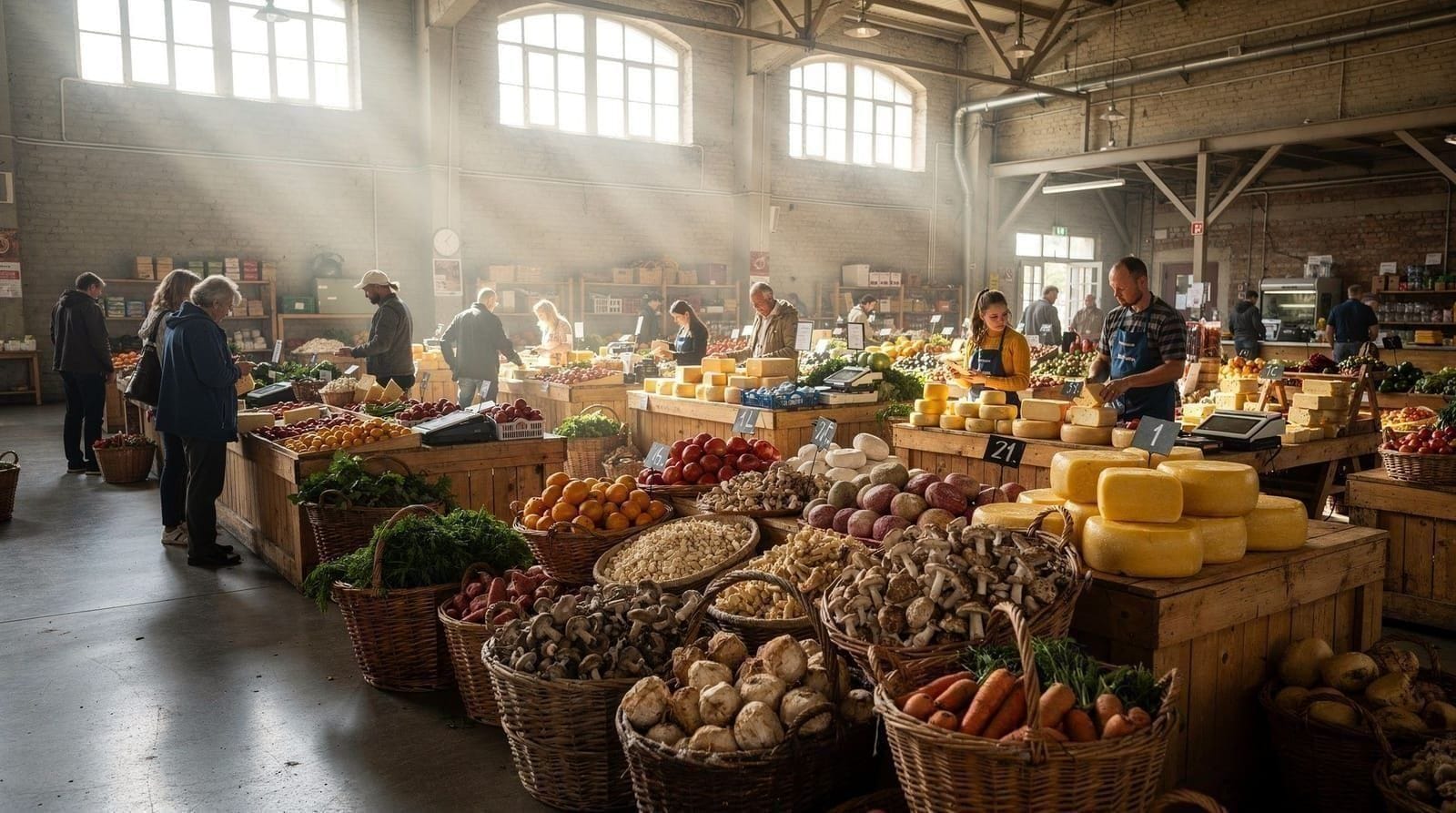
Most guided food tours in Vilnius cover curated stops selected for their quality and storytelling value. Halės Turgus (Halės Market, Pylimo g. 58) covers everything else: a covered 19th-century market hall that serves as the city’s main fresh food market, operating Tuesday through Sunday from 7:00 to 15:00.
The market is where Vilnius residents actually shop for cheese, smoked fish, fermented dairy, fresh vegetables, and seasonal produce. Stalls selling homemade sour cream (grietinė) at multiple fat percentages, farmhouse curd cheese in various stages of aging, smoked pigs’ ears, smoked eel, jars of forest mushrooms, pickled beets, dried herbs, and seasonal berries coexist with imported produce and standard grocery items.
For visitors, the market is most interesting in the permanent covered hall’s specialty section. The cheese vendors are particularly worth attention: Lithuanian cheese tradition produces everything from soft fresh curd to hard aged varieties similar to Dutch Edam, with regional farmstead variations in between. Prices are significantly lower than in tourist restaurants or delicatessens.
After a food tour, spending an hour at Halės Market to buy items to take home (sealed cheese travels well; smoked products less so) is a logical next step. The Vilnius food guide has a dedicated section on the market with vendor recommendations.
How a food tour fits your Vilnius trip
On a 2-day Vilnius visit, a food tour works well as a lunchtime activity on day one or two. On a weekend in Vilnius, Saturday morning food tour plus afternoon free exploration is a natural combination. For a longer Lithuania trip, you can space food experiences across the week — cooking class one day, food tour another.
What Lithuanian cuisine borrows from its neighbours
Lithuanian food is not entirely its own creation — six centuries of shared history with Poland, regular contact with Jewish community cooking, Karaite and Tatar influences, German Baltic coast connections, and Soviet-imposed Russian food standards all left traces.
From Polish tradition: Bigos (hunter’s stew of sauerkraut and mixed meats), pierogi-style dumplings (called virtiniai in Lithuanian — boiled dumplings filled with meat or mushroom), and a shared repertoire of Catholic feast-day foods. The borderland between Lithuanian and Polish cuisine is genuinely blurry in some dishes.
From Jewish cooking: The most significant external influence on traditional Vilnius food was the Jewish community. Carp in aspic, certain pickling traditions, the gefilte fish preparations, and a range of bakery items (Jewish bakeries in pre-war Vilnius were significant cultural institutions) have left traces in the surrounding food culture. The Jewish tradition of slow-cooked bean and barley preparations influenced what Lithuanian peasant households cooked for winter.
From the Baltic German tradition: The coastal areas (Klaipėda/Memel was German until 1939) maintained a German-influenced food culture — smoked meats, preserved fish, and a bread tradition that is closer to German dark rye than to Russian black bread.
From the Karaites: The kibinai pastry in Trakai, and similar meat-filled pastry preparations in some Vilnius establishments, trace directly to the Crimean Turkic community brought by Vytautas in 1397.
A good food tour guide will mention these connections without overemphasising any one influence — the honest answer is that Lithuanian cuisine is a synthesis, and understanding the layers makes the food more interesting.
Food tour vs cooking class: which suits you
A guided tasting tour and a hands-on Vilnius cooking class answer different questions. The tour is about breadth and context — many small tastes, a lot of narrative, minimal effort on your part beyond eating and listening. The cooking class is about depth on one or two dishes — you shape and stuff cepelinai yourself, learn the technique, and leave with a skill rather than just a memory. If you have one free half-day, the food tour packs in more variety per hour; if you have a full afternoon and want a tangible souvenir (a recipe you can actually repeat at home), the cooking class wins.
Some visitors do both on a longer trip: tour on arrival day for orientation, cooking class later in the stay once the dishes are familiar and you know what you liked best.
Comparing the formats at a glance
| 3-hour flavors tour | Lithuanian flavors experience | Traditional tasting | Cheese tasting | |
|---|---|---|---|---|
| Duration | ~3 h | ~3 h | ~2 h | 1.5–2 h |
| Stops | 7–9 | Fewer, deeper | 2–3 dishes | Cheese only |
| Group size | 8–15 | Smaller | Sit-down format | Small |
| Approx. price | €35–€50 | €45–€65 | €25–€35 | Varies, niche pricing |
| Best for | First-timers wanting breadth | Repeat visitors, refined pace | Limited mobility, calmer pace | Cheese specialists |
Booking timing and what changes by season
Group tasting tours run daily year-round, but the specific tastings shift with the season — expect more cold beetroot soup and fresh produce from May to September, and more smoked meats and warming dishes from October to April. Weekend departures in July and August fill up fastest; book at least a day ahead in peak summer. Winter tours have more availability but occasionally shorten the outdoor walking portion in genuinely cold snaps, shifting more time indoors at tasting stops — check with the operator if extreme cold is forecast.
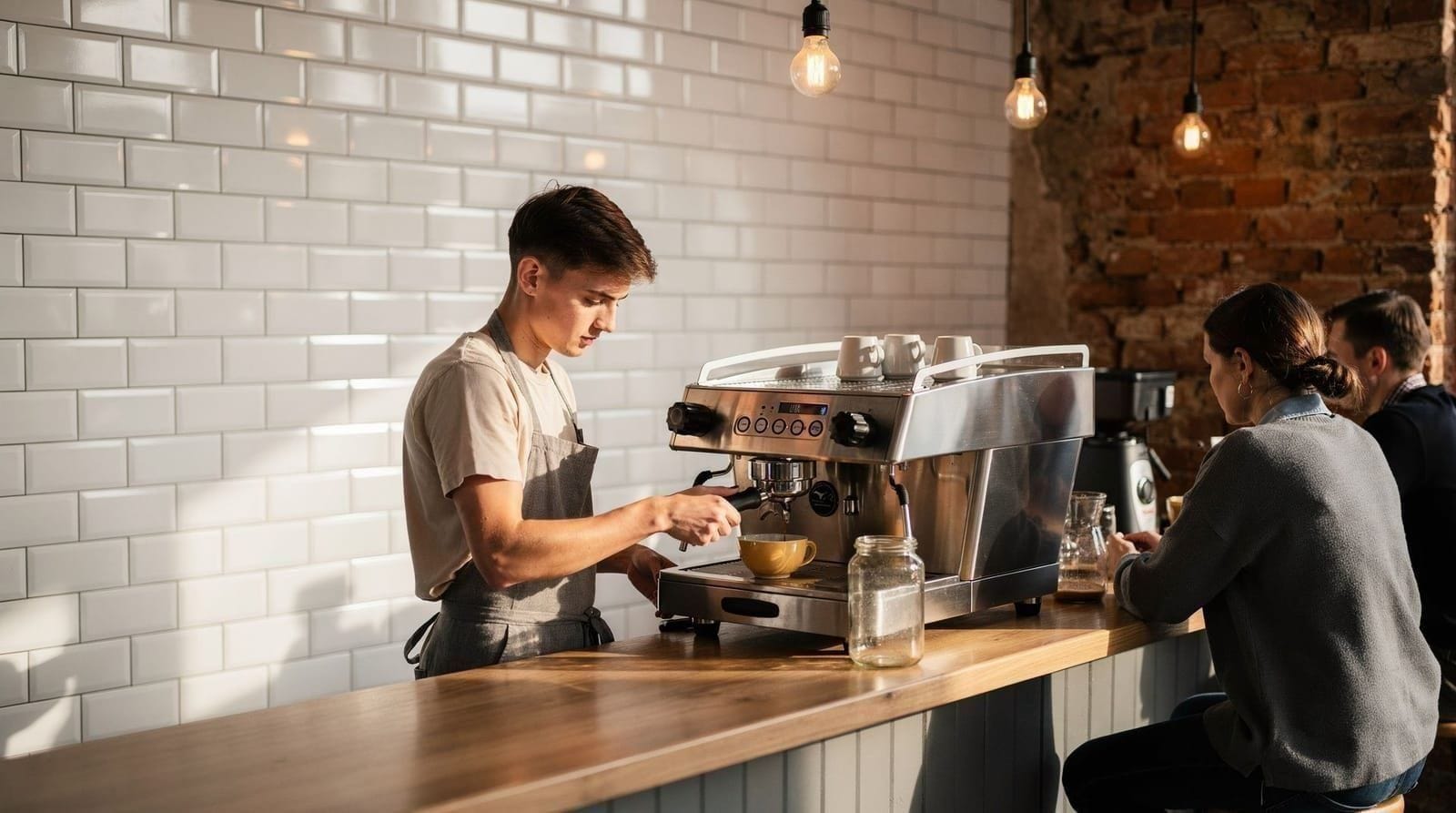
If you are combining a food tour with the Vilnius craft beer scene or the coffee scene on the same trip, spacing them a day apart avoids overlap in venues and, frankly, in stomach capacity.
Frequently asked questions about Vilnius food tours
What is the best time of year for a food tour?
Summer (June–August) offers the fullest range of seasonal produce. Winter tours are cosier and include warming dishes like cepelinai and žemaitiška blynai (thick Samogitian pancakes). All tours run year-round.
Is there street food in Vilnius?
Yes, primarily around Halės Market (the main covered market, open Tuesday–Sunday) and the Old Town. The market is the best place to graze independently — local vendors sell cheeses, smoked fish, rye bread, and pickled vegetables at very low prices. The Vilnius food guide has a full section on market and street food.
Can I do a food tour without Lithuanian language skills?
All the tours listed here operate in English. The guides explain Lithuanian terms as you go — no language preparation needed.
How does Lithuanian food compare to Latvian or Estonian?
The Baltic cuisines share common roots (rye bread, dairy, pork, foraged mushrooms and berries) but Lithuanian cooking has distinct Polish and Jewish influences, particularly in Vilnius. It also uses more herbs and has a stronger grain-based pancake tradition. A food tour guide will draw these comparisons if you ask.
Are there evening food tours?
Some operators run evening formats (typically starting at 18:00 or 19:00) that skew more toward restaurant dining and local wine bars. Check availability at booking — they run less frequently than the midday tours.