Vilnius beer tour: comparing the best craft beer experiences
Vilnius: Beer tour tasting 3h
Duration: 3 hours
Vilnius has become a genuinely interesting beer city in the last decade. A strong local craft brewing movement has overlapped with the rediscovery of traditional Lithuanian farmhouse ale styles — keptinis (baked malt ale, a technique unique to Lithuania), raw ales, and unfiltered wheat beers from small Samogitian producers. The city’s bar scene is affordable and surprisingly varied; a well-crafted beer tour gets you inside the knowledge rather than aimlessly wandering.
Here is a comparison of the main beer tour formats and one cider-focused alternative.
| Where | Old Town, Užupis and Šnipiškės bars and tap rooms |
| Cost | Around €20–€45 per person depending on format |
| Time needed | 1.5–3.5 hours depending on tour |
| Best time | Starting 16:00–17:00 leaves the evening free afterward |
| Group size | Typically 6–15 people |
The 3-hour craft beer tasting tour
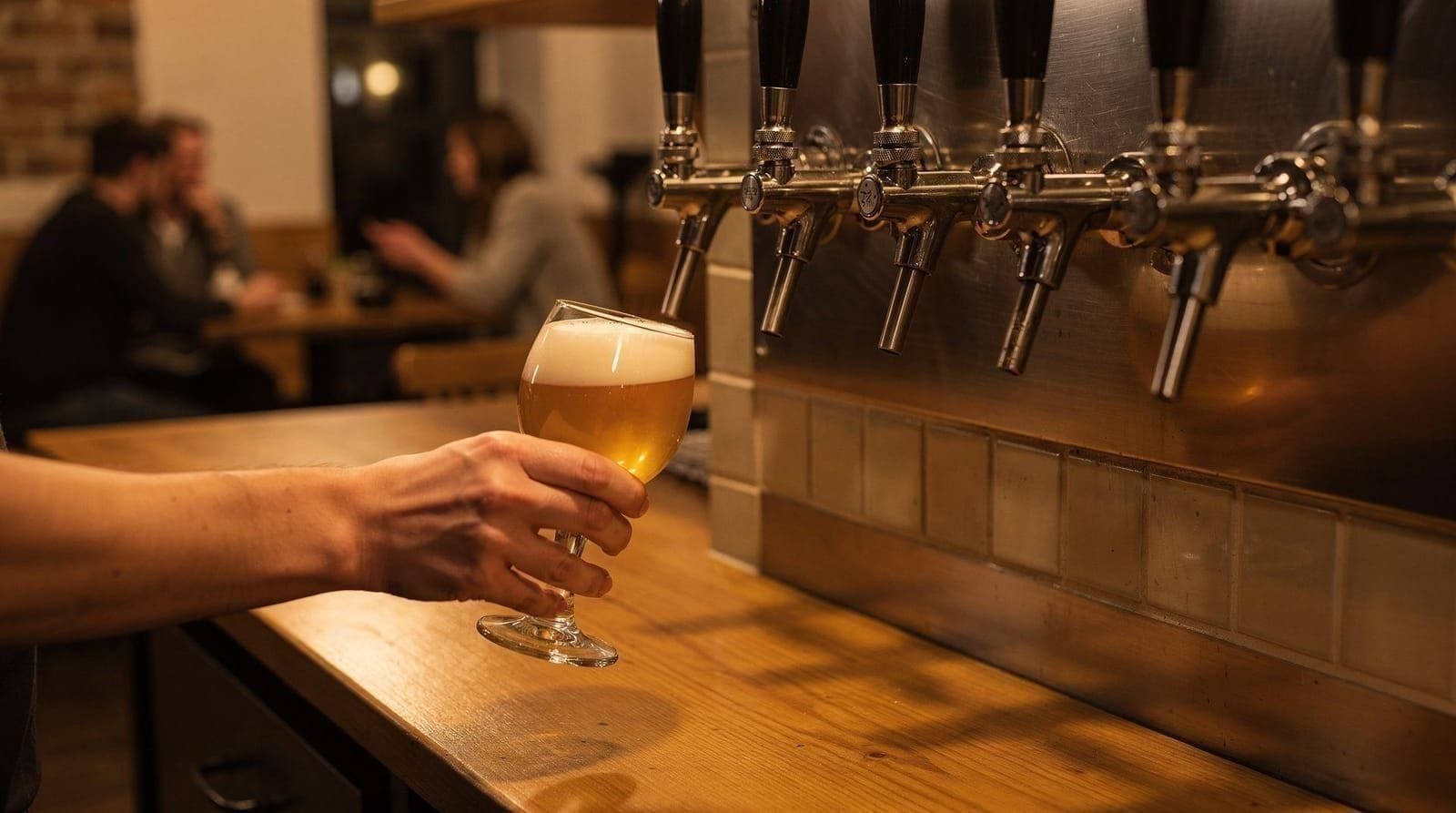
The Vilnius beer tasting tour (3h) is the standard group format: a local guide with a genuine brewing background leads a group of 6 to 15 people through four to six bars and tap rooms in the Old Town and surrounding neighbourhoods. At each stop, you taste one to two beers with an explanation of the style, the brewery, and the local context.
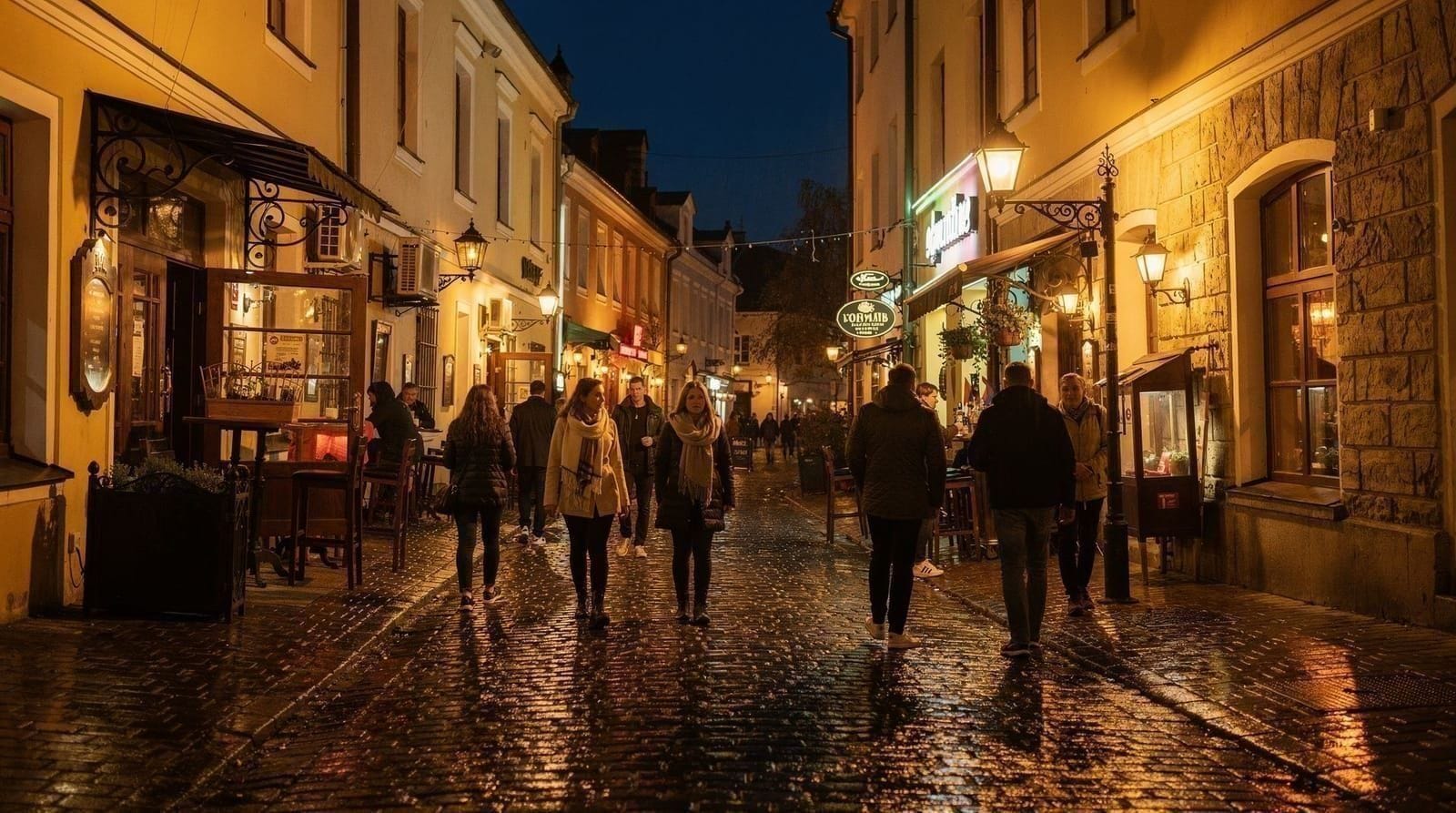
The bars included are not the tourist-trap Pilies Street strip — a well-designed tour takes you into places that locals actually drink: the Craft Beer Bar on Šv. Kazimiero, Bambalynė (a specialist beer bar with 50+ Lithuanian beers on the menu), and similar spots. The guide explains why Lithuanian lager differs from Czech or German styles, why keptinis (the baked ale) is unique to this region, and what to order when you return on your own.
Total tastings: Usually 6 to 10 different beers (70ml–150ml pours depending on alcohol content). Not enough to be seriously drunk, but enough to have a strong picture of the range.
Price: €30–€45 per person. Given you are paying for 6–10 craft beer samples in venues where even a single pint costs €3.50–€5, this is reasonable value — particularly with the guide’s knowledge added. The Vilnius craft beer guide gives you the same knowledge in writing if you prefer to explore independently.
The 3.5-hour beer trail
The Vilnius beer trail (3.5h) extends the itinerary by 30 minutes and typically adds one or two more venues — often including a tap room directly associated with a local brewery where you can taste directly from the source. It also covers more territory physically, moving beyond the Old Town into the Užupis or Šnipiškės districts where some of the better craft bars have opened in the last few years.
This is the right format if you specifically want the brewery tap room experience and are willing to walk further. The extra stops also allow for more food alongside the beer (the Lithuanian bar snack tradition is strong: smoked pig ears, fried bread with garlic and cheese, pickles — worth experiencing alongside the beer). See the Užupis republic guide for what the neighbourhood looks like beyond the beer context.
Price: Typically €5–€10 more than the standard 3-hour tour.
Baltic cider tasting
The Vilnius Baltic cider tasting is a specialist session focused entirely on Lithuanian and Baltic ciders — a category that gets very little international attention despite being genuinely interesting. Baltic ciders are drier and more complex than British mass-market ciders, with regional producers using traditional apple varieties and often incorporating local berries.
A typical session covers 5 to 8 different ciders with explanation of the producers and styles. Duration is usually 1.5 to 2 hours — shorter than the beer tour formats. This works well as an afternoon or early evening complement to a morning food or walking tour, or as a standalone experience for people who prefer cider to beer or want to explore something genuinely off the tourist circuit.
Price: €20–€30 per person.
Private and small-group alternatives
For a small group who want the beer tour on their own schedule rather than joining a fixed departure, the private pub and bar crawl to Vilnius’s hidden gems covers similar ground to the standard tastings but at a pace and route your group controls — useful for a birthday, bachelor/bachelorette group, or anyone who simply prefers not sharing a guide with strangers. It works well as a Saturday evening centrepiece alongside dinner beforehand at one of the best restaurants in Vilnius.
Lithuanian beer: what makes it distinctive
Before the Soviet period, Lithuania had hundreds of small farmhouse breweries producing ales for local consumption using traditional methods — open fermentation, top-cropping yeast, minimal filtration. Soviet collectivisation standardised brewing into large state-run factories producing lager for mass consumption. The farmhouse tradition survived primarily in Samogitia (the Žemaitija region of northwestern Lithuania) where small producers continued illegal production.
Post-independence, two things happened: the surviving traditional producers became celebrated rather than hidden, and a craft beer movement emerged in Vilnius and Kaunas that looked both backward (rediscovering traditional styles) and outward (importing American and British craft beer techniques).
Keptinis is the style you will not find anywhere else in the world outside Lithuania. The malt is baked in a bread oven before brewing, which creates caramelised flavours — think English mild or a very mild stout but with a distinctive baked malt character. It is not easy to make well; the best versions come from Dundulis brewery in Panevėžys and are available at Bambalynė in Vilnius.
Kvass (kvasas in Lithuanian) is a fermented beverage made from rye bread — technically a very low-alcohol beer (0.5–1.5% ABV). It is sold from street kiosks in summer and is genuinely refreshing. Not to everyone’s taste (sour, slightly carbonated, dense) but worth trying once.
Farmhouse ales from Samogitian producers (Rinkuškiai, Jovaru) are available at specialist bars and represent the closest link to the pre-Soviet brewing tradition. They are often hazy, unfiltered, and slightly sour by modern lager standards.
A beer tour guide worth their salt will explain all of this in context. It is the difference between tasting beer and understanding what you are tasting.
Self-guided beer route alternative
Vilnius’s compact Old Town makes a self-guided beer route entirely practical. The main landmarks:
- Bambalynė (Stiklių 7): 50+ Lithuanian beers on draught and in bottle, good food menu. Essential.
- Craft Beer Bar (Šv. Kazimiero 11): rotating taps, knowledgeable staff.
- Beer Garden / Alaus Sodas (near Cathedral): seasonal, summer only.
- Prohibicija (Dominikonu 8): good spirits and craft beer crossover selection.
The Vilnius craft beer guide covers these and more in detail with current hours and transport links. A self-guided route saves money but lacks the guide’s contextual knowledge — particularly around the Lithuanian brewing traditions and which producers are worth seeking out.
How this fits a Vilnius evening
The beer tour formats (3 and 3.5 hours) work best starting at 16:00 or 17:00, finishing around 20:00 — which leaves the option of dinner afterward or continuing independently at one of the venues visited. The Vilnius nightlife guide covers what to do after the tour if you want to extend the evening.
For a weekend in Vilnius, a beer tour on Saturday evening pairs naturally with a food tour or cooking class earlier in the day. On a 2-day visit, it is the obvious way to spend day two’s evening.
The Vilnius craft beer bar scene: what to know independently
The bars covered on most beer tours have been around long enough to have track records. A few reference points:
Bambalynė (Stiklių g. 7, just off Pilies Street) is the essential address for Lithuanian craft beer — 50 taps covering Lithuanian breweries comprehensively alongside notable Baltic and European guests. The menu lists ABV, style, and origin for every pour. Open daily from 12:00. This is where the beer tour circuit consistently delivers the deepest Lithuanian beer selection. A standard 300ml pour of a Lithuanian craft ale costs €3.50–€4.50.
Craft Beer Bar (Šv. Kazimiero g. 11, near the Gate of Dawn) focuses on rotating taps from Lithuanian and Baltic microbreweries. Smaller space, more intimate atmosphere, knowledgeable bar staff. Evening service is excellent; afternoon is quiet.
Alaus Biblioteka (“Beer Library”) on Dominikonų Street takes a wine-bar approach to craft beer — listed by style, origin, and food pairing suggestion. A good place to slow down and drink thoughtfully rather than sample rapidly.
The Old Town Rūpintojėlis at Aušros Vartų 7 stocks an unusual selection of traditional and farmhouse ales that mainstream bars do not carry. Harder to find, worth the search if you are specifically interested in traditional styles.
What to order if you go independently: Ask for the Lithuanian-only draft list. Most good bars have one, separate from the international selection. Start with a keptinis (baked ale) to understand the indigenous style, then move to a farmhouse ale from a Samogitian producer. Avoid anything labelled “premium lager” or with a major brand logo — these are the bar’s commercial necessity, not their point of difference.
Vilnius brewing seasons: what changes throughout the year
Lithuanian craft breweries are increasingly producing seasonal releases — not just for commercial reasons but because some traditional styles were genuinely seasonal by their nature.
Spring: Bock-style beers and märzen-influenced lagers appear from March onward, as brewing schedules from winter fermentation release into spring conditioning. Rhubarb and spring herb infusions are a contemporary addition — several Vilnius bars run seasonal tap events in April and May.
Summer: Light, unfiltered wheat beers and session-strength farmhouse ales dominate. The craft bar scene moves partly outdoors — Bambalynė opens a small courtyard seating area; several bars on Užupis streets set out tables on the street. The traditional kvass (kvasas) season runs June through August, sold at market stalls and street kiosks.
Autumn: The most interesting season for variety. Mushroom and forest berry seasonality crosses into brewing — several Lithuanian microbreweries produce chanterelle or bilberry ales. Dark lagers and Baltic porters (a traditionally strong style from the Baltic region, averaging 6–9% ABV) begin appearing from September. The Baltic porter is a regionally distinct style: think Imperial stout meets smooth lager, with chocolate and coffee notes. Sniegutė from Vilniaus Alus and selections from Rinkuškiai are worth seeking out.
Winter: Porter and stout season intensifies. Some bars run Christmas spiced ale series. The indoor bar scene is at its most convivial — Lithuania takes the winter season seriously, and the bar culture reflects this.
A beer tour guide who follows the seasonal programme will include these specifics. Off-season tours can actually be more interesting than peak-summer formats if seasonal beers are part of the itinerary.
Honest notes on the tours
Group composition: Beer tours attract a range of visitor types — solo travellers, couples, small groups of friends. The format is social and informal; group dynamics are usually good. Stag/hen party groups occasionally join; some operators restrict or discourage this for obvious reasons.
Weather: Beer tours happen in all weather in Vilnius. Most stops are indoors. The walking between venues (typically 10 minutes between stops) is in the open. Bring a light jacket from September onward.
Food pairing: Tour guides on the better-rated tours include small food pairings alongside specific beers. This is not guaranteed — check the tour description. Even if included, eat something beforehand.
Choosing between the 3-hour and 3.5-hour formats: If you are undecided, the honest distinguishing factor is the brewery tap room stop and the extra district coverage on the 3.5-hour trail, not the number of beers — both formats pour a broadly similar total volume. Beer enthusiasts who specifically want to taste directly from a brewery’s own tap should pay the small premium for the trail; casual visitors who mainly want an efficient, well-guided introduction to Lithuanian beer culture get essentially the same value from the shorter 3-hour tour. Neither format is a clear upgrade over the other — they serve slightly different priorities.
Beer alongside Lithuanian food
A good beer tour benefits from being eaten around, not just drunk around. Lithuanian bar snacks — smoked pig ears, garlic bread (kepta duona), pickles — are traditionally strong and salty, designed to complement rather than compete with beer. For a fuller picture of the cuisine beyond bar food, the Vilnius food guide and the cheap eats in Vilnius guide both cover where to eat well without overspending, useful if you are pairing a beer tour with dinner the same evening. For visitors curious about the wider spirits category — including Lithuanian craft gin and traditional herbal liqueurs — the Lithuanian drinks and spirits guide goes beyond beer specifically.
Frequently asked questions about Vilnius beer tours
What is keptinis and can I try it on a tour?
Keptinis (baked ale) is a traditional Lithuanian style made with malt that is baked before brewing, giving a caramel, slightly smoky character. It is available at Bambalynė and some specialist shops. A knowledgeable beer tour guide will include it. It is difficult to find outside Lithuania.
Is Lithuanian beer stronger than average?
Lithuanian craft beers range widely — 4% to 8% ABV for most styles. Traditional farmhouse ales can be stronger. The tour guides are aware of this and pace the tastings accordingly.
Can I buy Lithuanian craft beer to take home?
Yes — Bambalynė and some specialist shops (Alaus Kelias at Gedimino 8) sell bottles of local and regional craft beers. Quality varies in terms of transport survival; bottles in good condition travel well.
Are there brewery tours in Vilnius?
Most Vilnius craft breweries are small operations without formal tour programmes. The Volfas Engelman brewery (a mainstream lager brand, now part of Carlsberg) offers factory tours in Kaunas. For the craft angle, bar-based tours are the more practical format. The Kaunas day trip guide mentions brewery options if you are heading there anyway.
What if I don’t drink alcohol?
Most beer tours are not designed for non-drinkers and cannot be effectively adapted. The Vilnius food tour or a cooking class would be a better use of time if alcohol is not part of your travel experience.
Is the beer tour available in winter?
Yes, year-round. The indoor format makes it particularly appealing in winter. The winter in Vilnius guide notes that Lithuanian craft bars are excellent cold-weather refuges and that seasonal winter beers (dark lagers, spiced ales) are worth seeking out.
Does the beer tour go into Užupis?
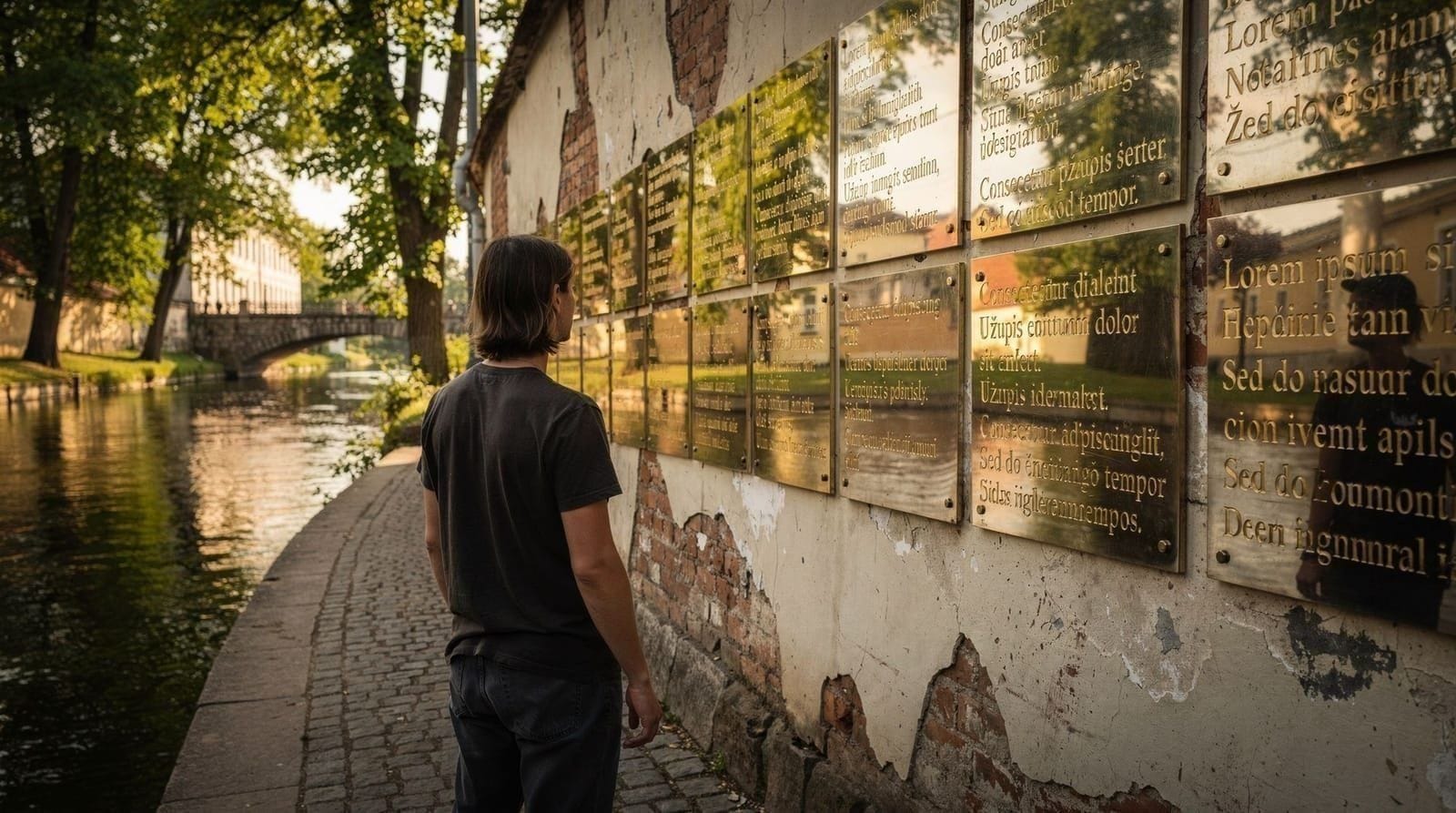
The 3.5-hour beer trail typically does; the standard 3-hour tour usually stays closer to the Old Town, though this varies by operator. If Užupis itself interests you beyond the bars, the Vilnius Old Town guide and the neighbourhood’s own quirky, self-declared “republic” status are worth reading about separately from the beer context.