Trakai vs Kaunas — which day trip should you choose?
Vilnius: Trakai half day sightseeing tour
Duration: 4 hours
Should I visit Trakai or Kaunas from Vilnius?
Trakai is better for a half-day — 30 minutes by train, island castle, lake activities, and back by lunch. Kaunas requires a full day and rewards visitors interested in interwar architecture (UNESCO-listed), Lithuanian cultural history, and the Ninth Fort Holocaust memorial. Both are excellent; they serve completely different purposes.
If you have one day free from Vilnius for a day trip, the most common question is: Trakai or Kaunas? They are both excellent choices and both reachable by train, but they are genuinely different experiences that suit different visitors. This comparison breaks down each objectively so you can make the right call for your trip. For the fuller standalone write-up of each, see the Trakai castle day trip guide and the Kaunas day trip guide.
The basics
| Factor | Trakai | Kaunas |
|---|---|---|
| Distance from Vilnius | 28 km | ~100 km |
| Train journey | 30 minutes | 1 hour |
| Train cost | €1.50 one-way | €6–8 one-way |
| Time needed | Half-day (3–4 h) | Full day (6–7 h) |
| Main draw | Island castle, lake | Architecture, history, Ninth Fort |
| Best for | Families, visual impact, short time | Architecture fans, history, culture |
| Food highlight | Karaim kibinai pastries | Avilys craft brewery, Kaunas food market |
| Children | Excellent (all ages) | Better for 10+ |
What you get at Trakai
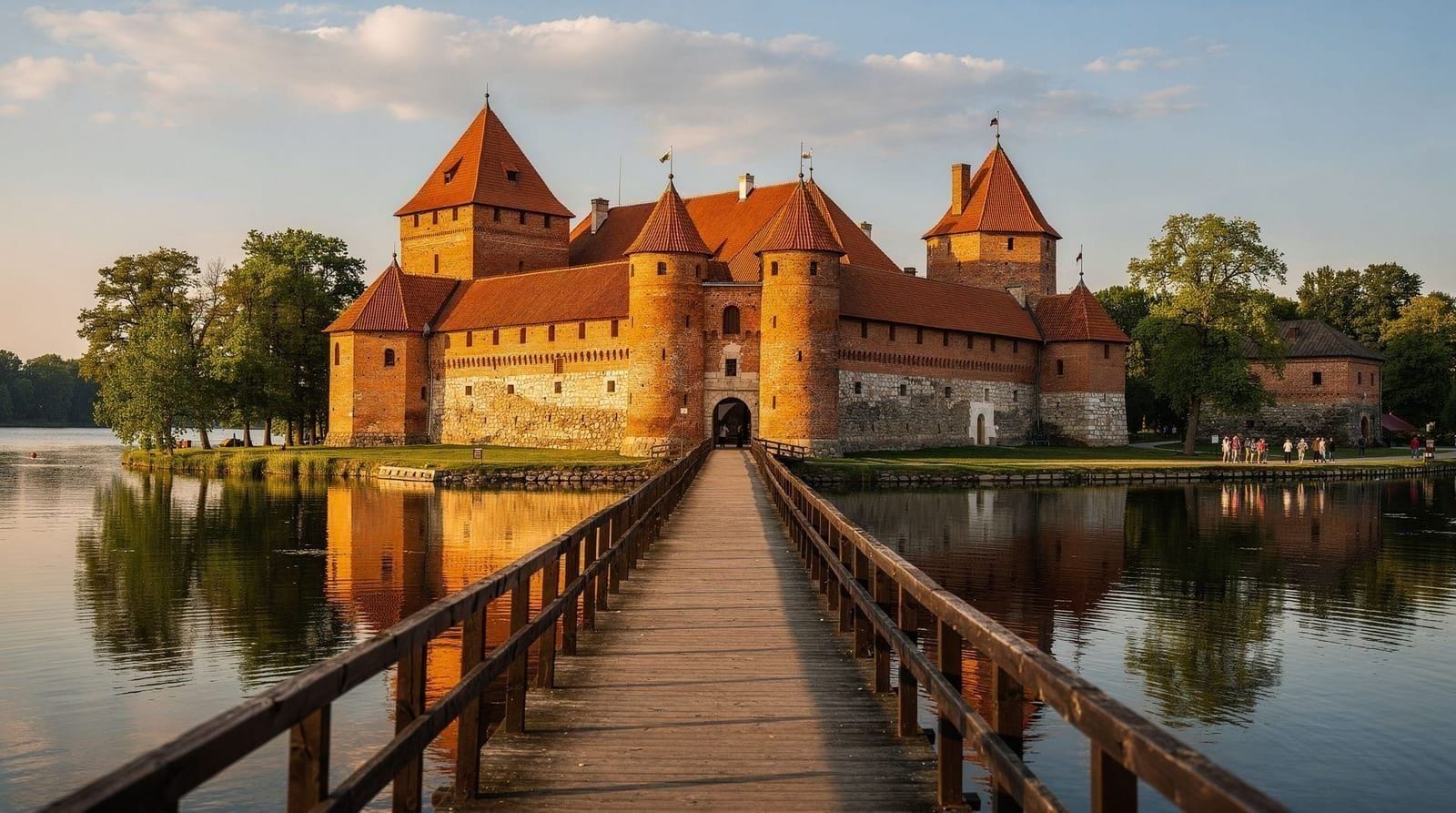
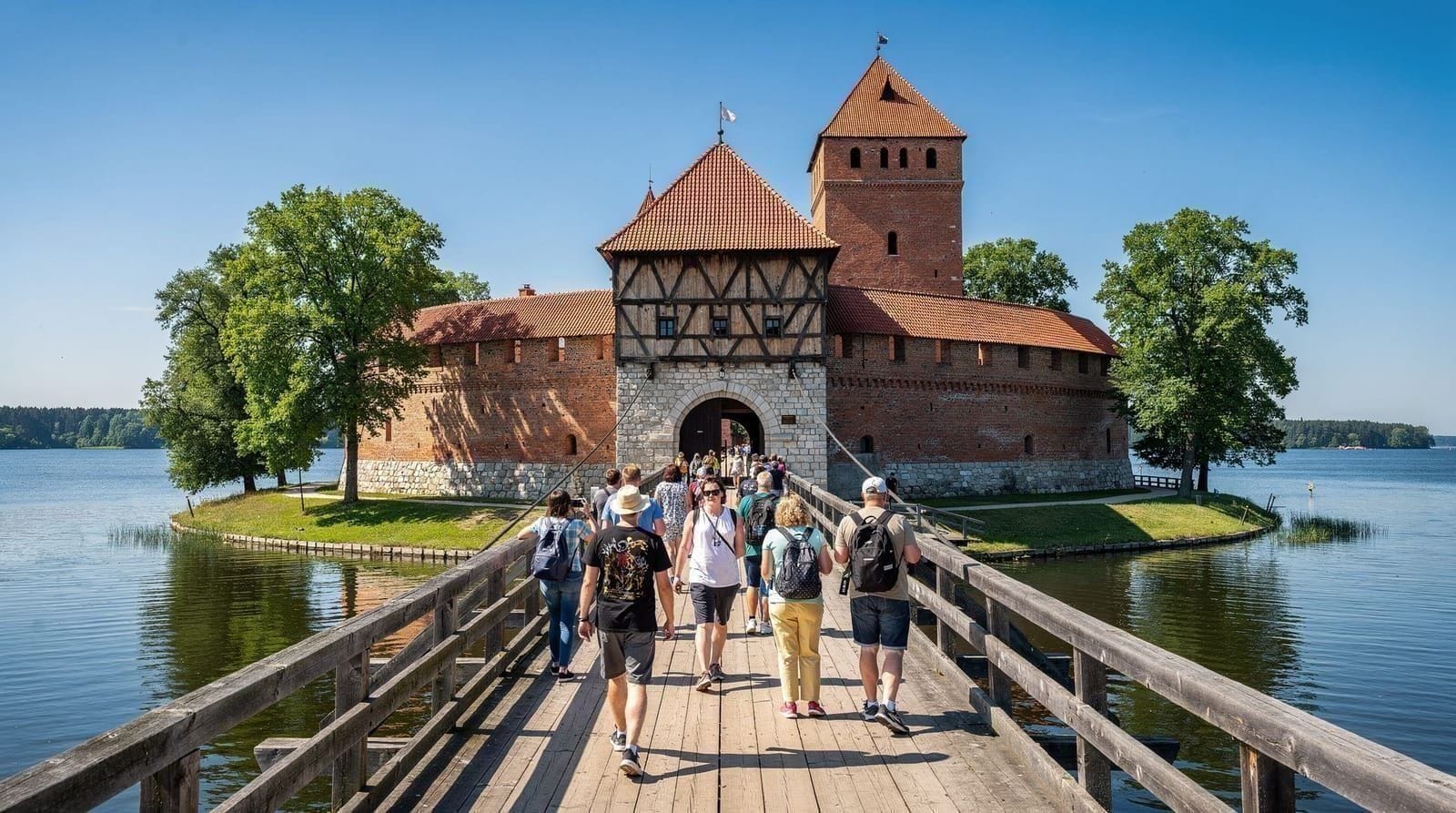
Trakai is about a single overwhelming visual: a red-brick Gothic island castle surrounded by lake, islands, and pine forest. It is immediately compelling, requires no background knowledge to appreciate, and delivers exactly what the photographs promise.
Beyond the castle:
- Castle museum covers Lithuanian Grand Duchy history and Karaim culture (1.5–2 hours, €12 adults)
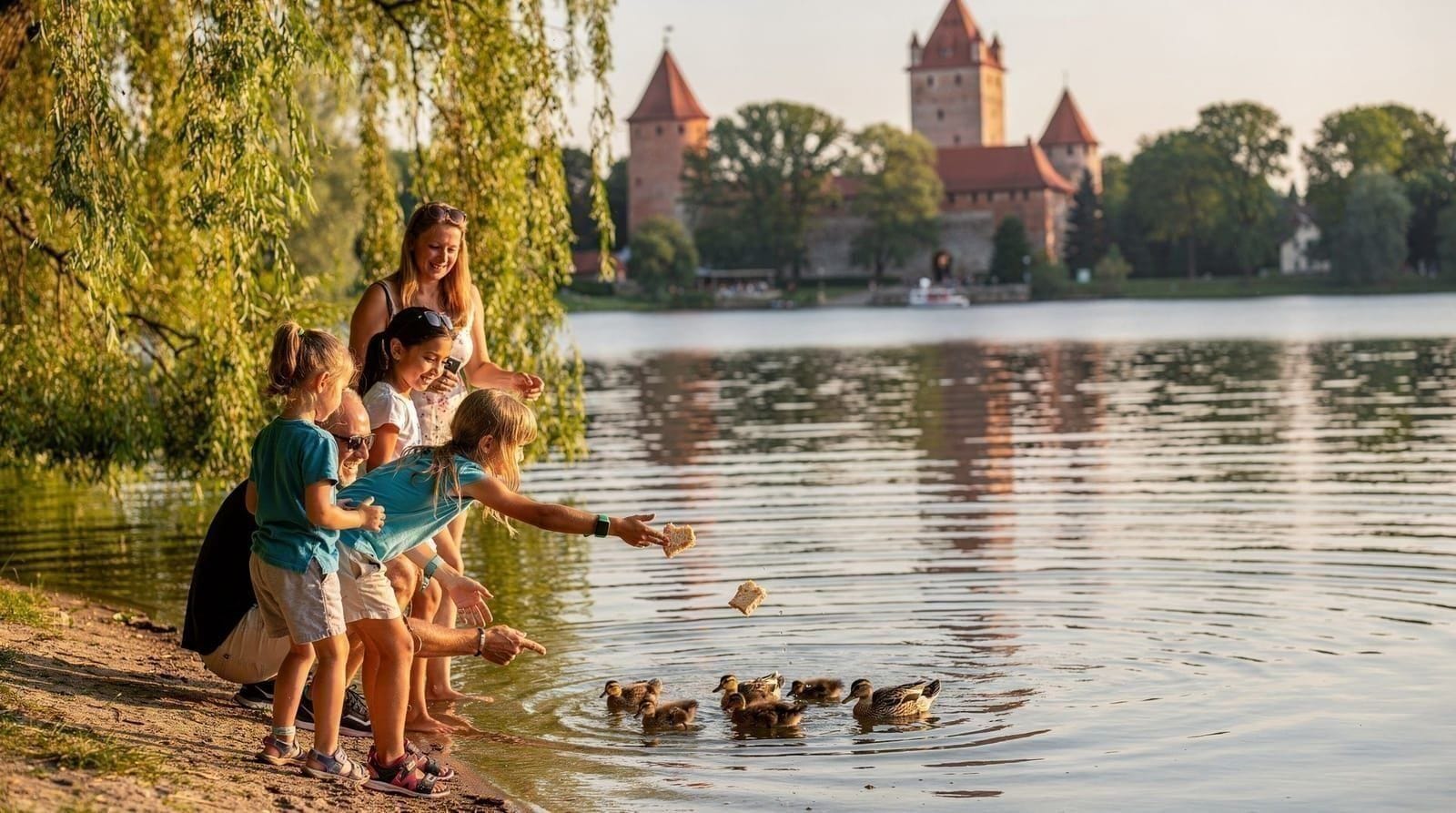
- Lake Galvė: kayak, canoe, and rowing boat rentals in summer
- Karaim kibinai at Senoji Kibininė (€1.50–2.50 each)
- The Karaim quarter: distinctive three-windowed wooden houses, Kenesa prayer house
- Užutrakis Manor 2 km east: 19th-century estate with English landscape garden
Trakai works as a half-day — leave Vilnius at 9 am, return by 2 pm. It also extends well to a full day if you add kayaking, a longer lake walk, or a visit to Užutrakis.
Book a guided half-day trip to Trakai from VilniusWhat you get at Kaunas
Kaunas is about depth rather than a single image. The city rewards investment of time and curiosity.
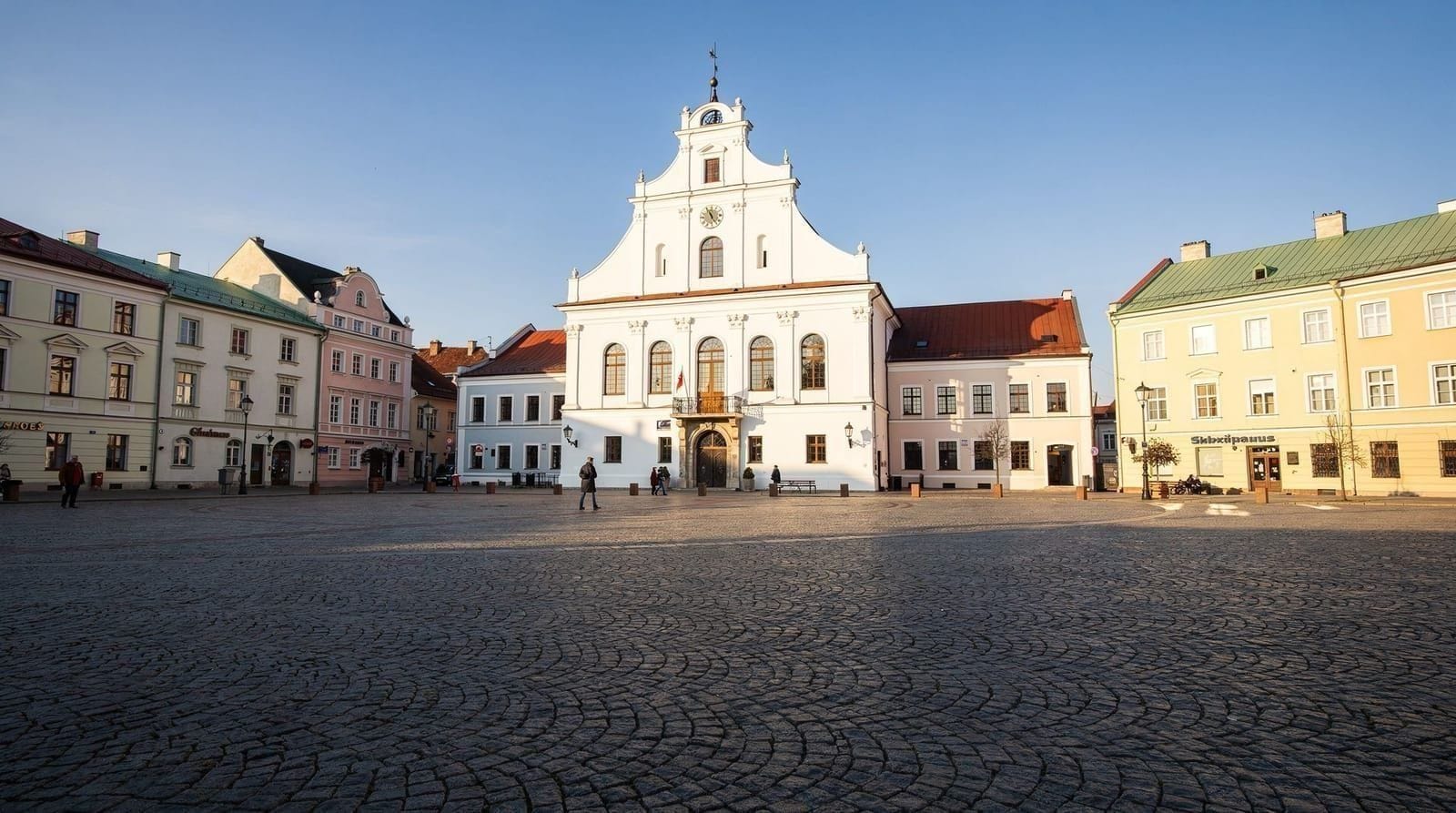
Old Town: Medieval castle ruin, Town Hall Square with the Baroque “White Swan” town hall, several Gothic and Baroque churches. Compact and walkable, 1.5–2 hours.
Laisvės alėja and the modernist district: The 1.6 km pedestrianised main boulevard and the surrounding streets contain Lithuania’s most important architectural collection — the interwar functionalist and Art Deco buildings that UNESCO recognised in 2023. Kaunas was Lithuania’s provisional capital from 1919 to 1940 and built rapidly in a modernist idiom that has largely survived. This is the aspect of Kaunas that most differentiates it from anywhere else in the Baltics. Allow 2–3 hours for a thorough walk with occasional stops.
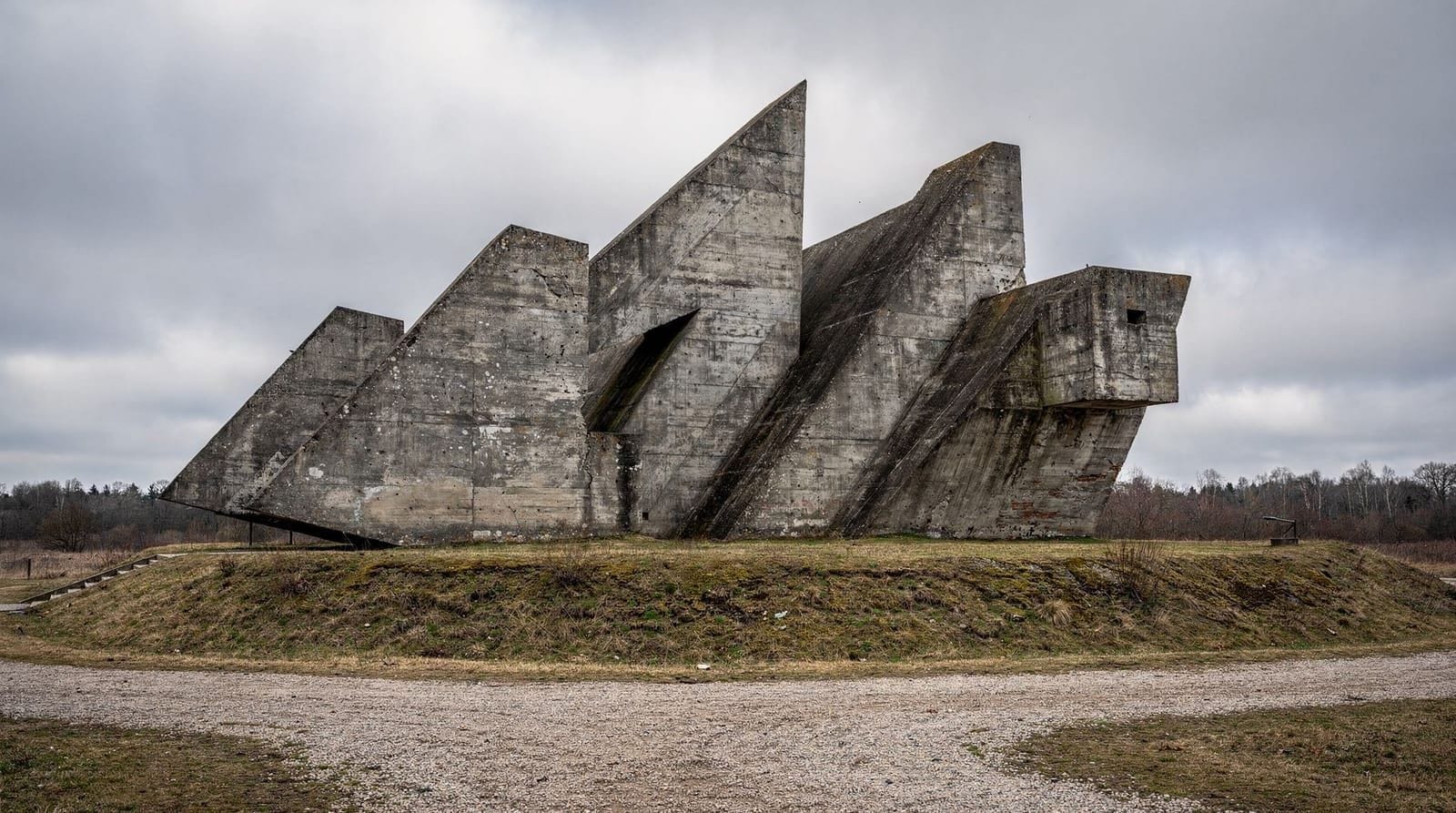
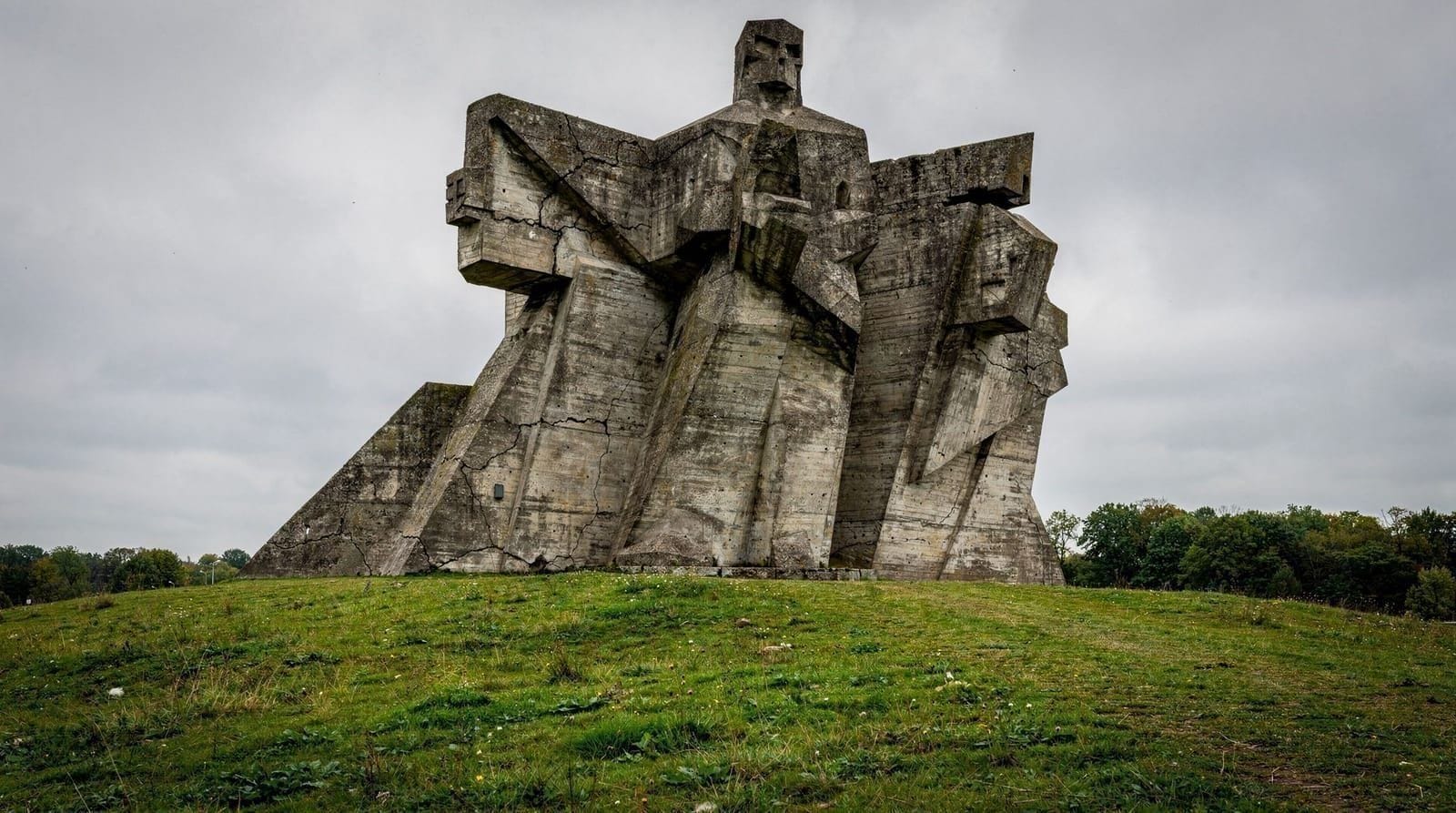
Ninth Fort (IX Fortas): 4 km from the city centre, accessible by bus or taxi. The former Tsarist fortress used as a mass murder site from 1941–1944, where approximately 50,000 people (mostly Jewish) were killed. The museum is sober and important; the exterior memorial is one of the most powerful in the Baltic states. Allow 1.5–2 hours.
Rumšiškės: 18 km east of Kaunas, the open-air folk architecture museum is a natural extension of a Kaunas day for those with a car or joining a guided tour.
Book a guided 2-hour sightseeing tour of KaunasWho should choose Trakai?
- Families with children under 12: Trakai wins decisively. The visual impact of the castle, the short train journey, the lake activities, and the food are child-friendly in a way Kaunas is not.
- Visitors with limited time (half-day available): Trakai can be done in 3–4 hours. Kaunas needs 6–7 hours.
- First-time visitors to Lithuania: Trakai is the iconic image and provides an immediate emotional connection to Lithuanian history.
- Visitors who want nature and water: The lake activities and lake scenery are Trakai’s distinctive element. Kaunas has nothing comparable.
Who should choose Kaunas?
- Architecture and design enthusiasts: The interwar modernist district is exceptional and has no equivalent in the Baltics. If architecture matters to you, Kaunas is clearly the right choice.
- History-focused visitors: The Ninth Fort is one of the most significant Holocaust memorial sites in Central Europe. The M. K. Čiurlionis National Museum of Art and the War Museum of Vytautas the Great add depth. Kaunas has far more historical substance than Trakai.
- Older children and teenagers: Kaunas’s combination of modernist architecture, art museums, and the Ninth Fort engages teenagers in a way a medieval castle might not.
- Visitors who have already seen Trakai: On a second visit to Lithuania, Kaunas is the natural next destination.
- Beer and food culture: Kaunas’s Avilys Brewery, the covered market (Halė rinka), and independent café scene on Laisvės alėja are better than Trakai’s more limited options.
Can you do both?
By public transport: Very difficult. Trakai and Kaunas are in opposite directions from Vilnius. To visit both by train, you would need to return to Vilnius Central Station between stops and then travel 1 hour south-west to Kaunas. Realistically, this leaves 2–3 hours maximum in each city — enough for Trakai’s castle but not enough for Kaunas’s full modernist walk and Ninth Fort.
By car: Possible with an early start but rushed. Vilnius → Trakai (30 min) → Kaunas (1 h via Vilnius or the longer direct route) — if you leave Vilnius by 8 am, you can spend 2.5 hours at Trakai (castle, lake walk) and arrive in Kaunas by noon. That leaves 5 hours in Kaunas before returning to Vilnius. Manageable but full.
By guided tour: Several operators offer combined Vilnius–Trakai–Kaunas tours, usually skipping some Kaunas sights to fit everything. Suitable if you want the highlights of both without the logistics.
Alternative combinations
Trakai + Kernavė: A natural pairing — medieval castle then prehistoric hillforts, both within 45 minutes of Vilnius. See the Kernavė and Paneriai day trip guide. Requires a car or private guided tour.
Kaunas + Rumšiškės: The open-air folk architecture museum (18 km east of Kaunas) fits naturally with a Kaunas day for those with a car or on a guided tour.
Trakai only: If you only have a half-day or are travelling with young children, Trakai by itself is a completely satisfying and well-structured half-day excursion.
Honest assessment
Trakai is more immediately rewarding and more universally suited. Kaunas is more substantial and more rewarding for repeat visitors or those with specific interests.
If this is your first visit to Lithuania and you have one free day, Trakai is the simpler right answer. If you have already seen Trakai or if you are interested in architecture, 20th-century history, or Lithuanian cultural life more broadly, Kaunas offers considerably more per hour spent.
Getting between Trakai and Kaunas directly
If you’re not routing through Vilnius at all — say, arriving via Kaunas Airport — a direct bus or private transfer between Trakai and Kaunas takes roughly 1–1.5 hours, though services are far less frequent than the Vilnius–Trakai train. For most visitors based in Vilnius, it remains simpler to treat these as two separate day trips rather than trying to link them directly; see the Vilnius to Kaunas guide for the standard route if you choose Kaunas.
If you have more than one day
With two free days, doing Trakai and Kaunas separately — rather than trying to combine them — lets you see both properly without rushing. Trakai fits naturally with a relaxed morning or afternoon, while Kaunas rewards a full day on its own. Both also appear in our wider best day trips from Vilnius guide, which covers the other main options if you have a third day free. Families in particular benefit from spreading the two trips out — see the family day trips from Vilnius guide for how each destination suits different age groups.
Frequently asked questions about Trakai vs Kaunas day trip
How does the cost of the two day trips compare?
Trakai: €1.50 train + €12 castle entry + optional kayak (€8–12/hour) + food = approximately €20–35 per person for a half-day.
Kaunas: €6–8 return train + €0 Old Town (free to walk) + optional Ninth Fort (€5 entry, €5–7 taxi each way) + food = approximately €30–40 per person for a full day.
Trakai is slightly cheaper; Kaunas offers more content per euro if you have a full day.
Is Kaunas the same as Vilnius in terms of what to see?
No. Kaunas and Vilnius are genuinely different cities in character, history, and architectural identity. Vilnius is primarily Baroque; Kaunas is modernist. Vilnius is the Grand Duchy capital; Kaunas was the interwar provisional capital. Visiting both gives a significantly richer picture of Lithuania than visiting Vilnius alone.
What is the best restaurant in Kaunas for a day trip visitor?
Avilys Brewery (Vilniaus g. 34) is the standard recommendation — their own craft beer, Lithuanian food at honest prices, central location. Bernelių Užeiga (Kęstučio g. 15) is reliable for traditional cepelinai. The covered market (Halė rinka, Miško g. 4) is the cheapest option for a quick lunch.
Is there anything to do in Trakai in winter?
Yes — the castle is open year-round (closed Mondays September–May). The lake in winter, especially when frozen, is beautiful. Some ice-fishing and skating happen on the lake in cold years. Kibinai restaurants remain open. The castle is much less crowded in winter, which is a genuine advantage.
Which day trip is better for photography?
Trakai is more photogenic in the traditional sense — the island castle on the lake is visually striking and immediately recognisable. Kaunas’s interwar modernist buildings are more interesting for architectural photography. If social-media friendly images are the goal, Trakai wins.
Which is better for a first-time visitor with only one free day?
Trakai, for most people. It requires no background knowledge, delivers its full visual impact quickly, and fits comfortably into a half-day, leaving the rest of your day free in Vilnius. Kaunas rewards a longer, more curious visit and is a stronger choice on a return trip.
Can I visit Trakai or Kaunas without joining a tour?
Yes, easily for both. Trakai is a simple 30-minute train ride with a well-marked walk to the castle; Kaunas is a 1-hour train ride into a walkable Old Town. Tours add convenience and commentary but are not necessary for either trip — see the Trakai castle day trip guide for the independent route.
Top experiences
Bookable activities with verified prices and instant confirmation on GetYourGuide.