Vilnius hidden gems — places locals actually go
Vilnius is genuinely undervisited compared to Riga and Tallinn, which means many of its most interesting places haven’t yet been smoothed over by tourism management. The problem isn’t finding hidden gems — it’s that the city has too many and most travel writing ignores them in favour of the Cathedral Square, which is perfectly nice but not what makes Vilnius interesting.
Here’s what locals actually walk through, eat at, and argue about.
| Where | Old Town courtyards, Kalnai Park, Vilnelė river path, Lazdynai, Paupio |
| Cost | Mostly free; Pharmacy Museum around €3, market food around €4-6 |
| Time needed | A loose half-day, or spread across two afternoons |
| Getting there | On foot from Cathedral Square; Lazdynai needs a short Bolt ride |
| Best time | Weekday mornings, before the Old Town fills up |
The Old Town courtyards
Vilnius Old Town is riddled with courtyards — some accessible through arched passages off the main streets, others through doors that appear to be private property but aren’t. The legal position is that most of these are accessible (though not all owners agree, so judge the context).
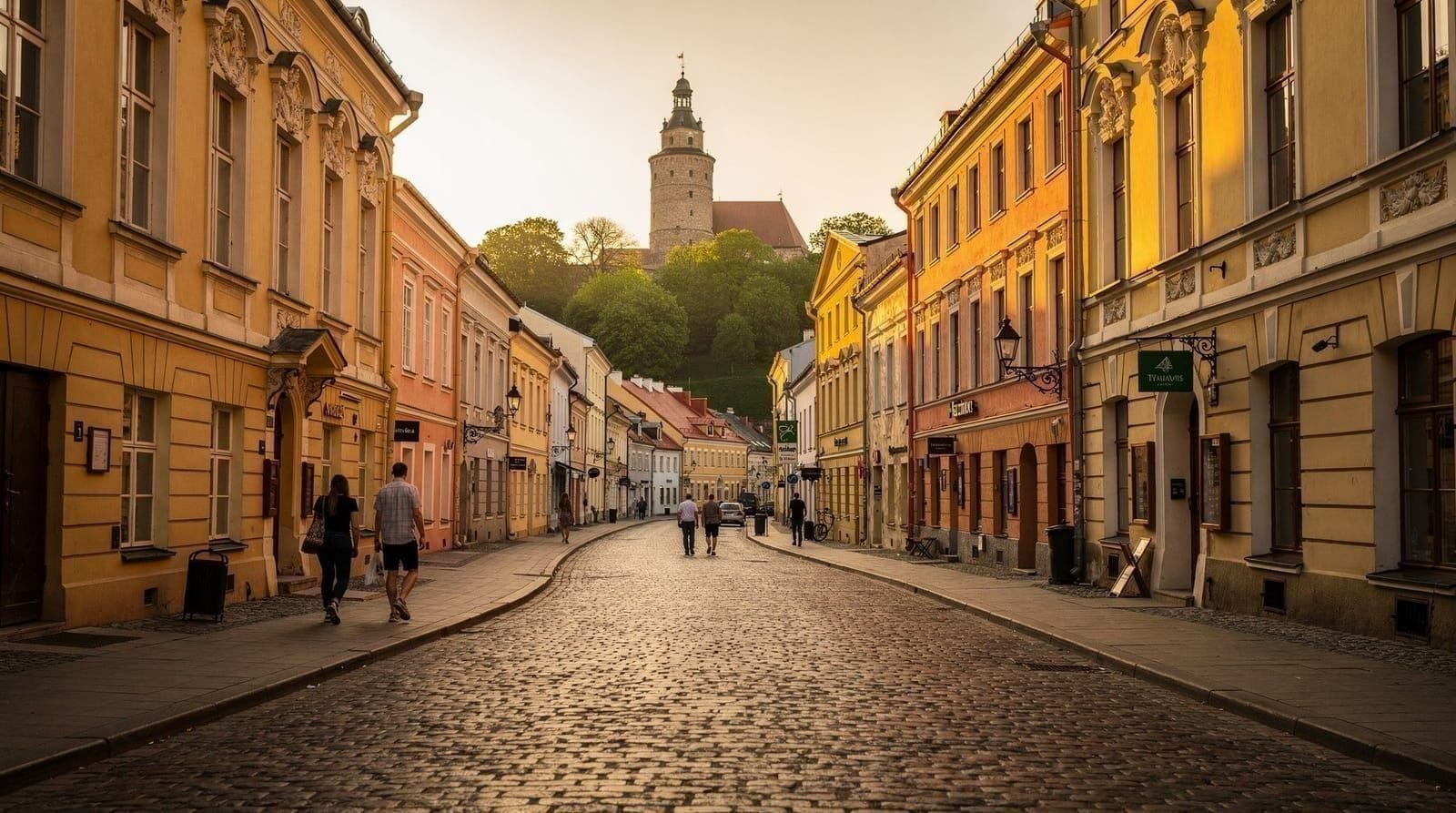
Literatų gatvė passage: Off Pilies gatvė, this narrow lane is lined with small metal plaques commemorating Lithuanian writers — not a tourist attraction in any formal sense, more a street-length memorial that most visitors walk past without realising it’s there. Stop and read a few; the range of faces and styles is striking.
The courtyards off Stiklių gatvė: Several medieval guild courtyards survive here, some with galleries, some residential, some with bars that set out chairs in summer. The passage at Stiklių 6 opens into a courtyard with a well that predates the street’s current form by four centuries.
Pilies 4: A large courtyard with a restaurant garden that’s crowded in summer but quiet in the shoulder months. The building around it contains layers of gothic, renaissance, and baroque elements that are visible if you look at the walls carefully.
Subačiaus hill and Kalnai park
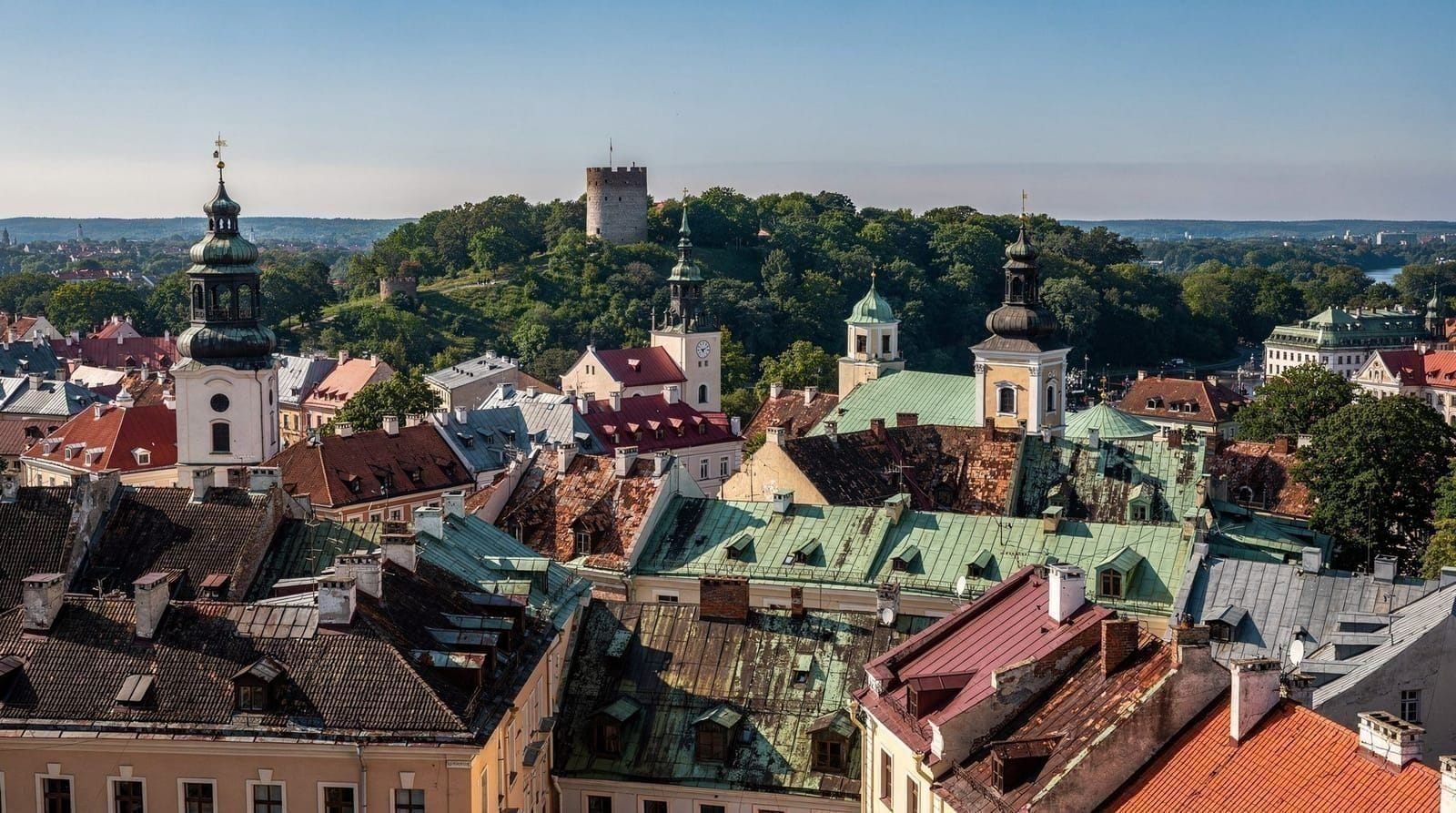
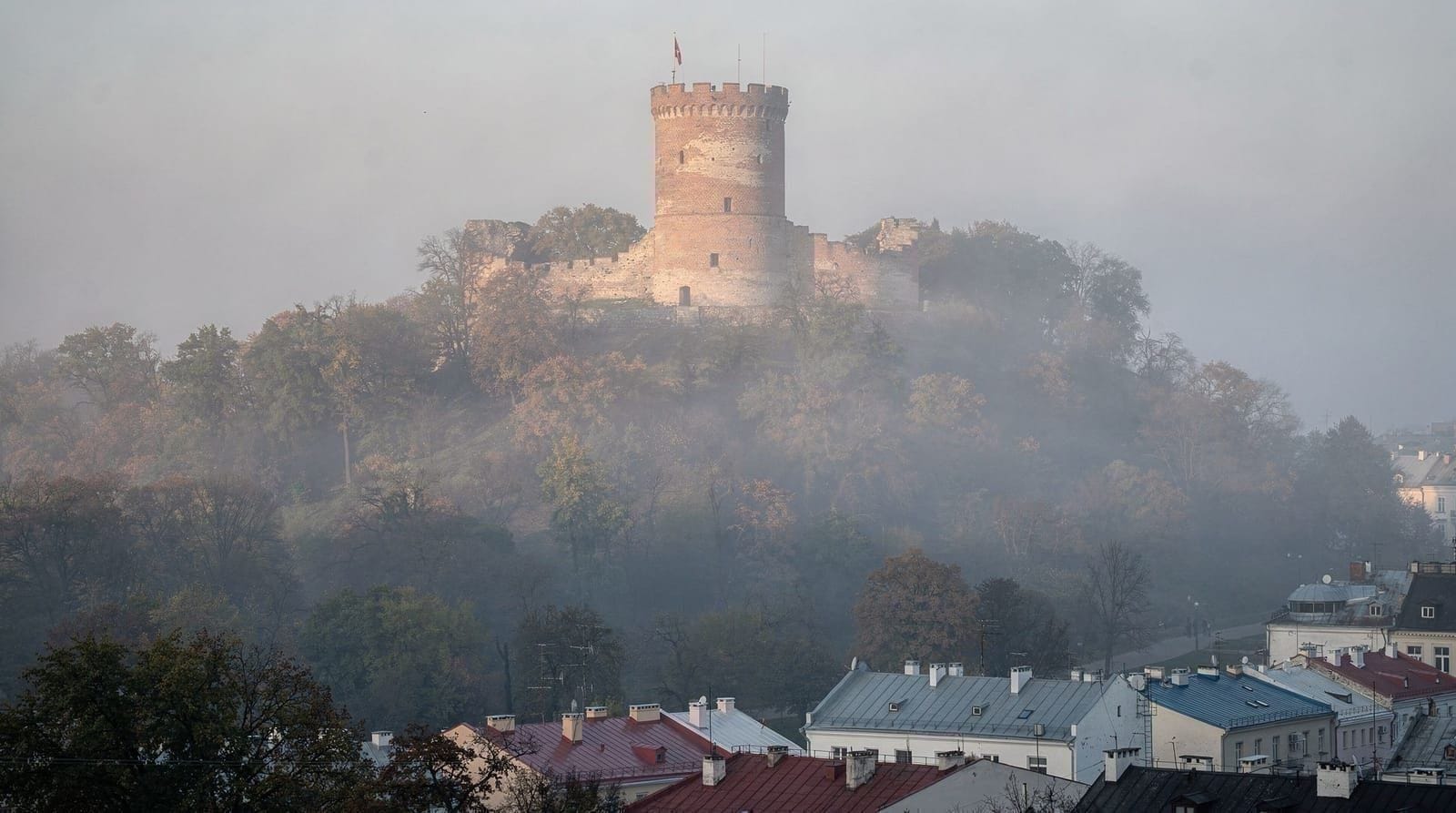
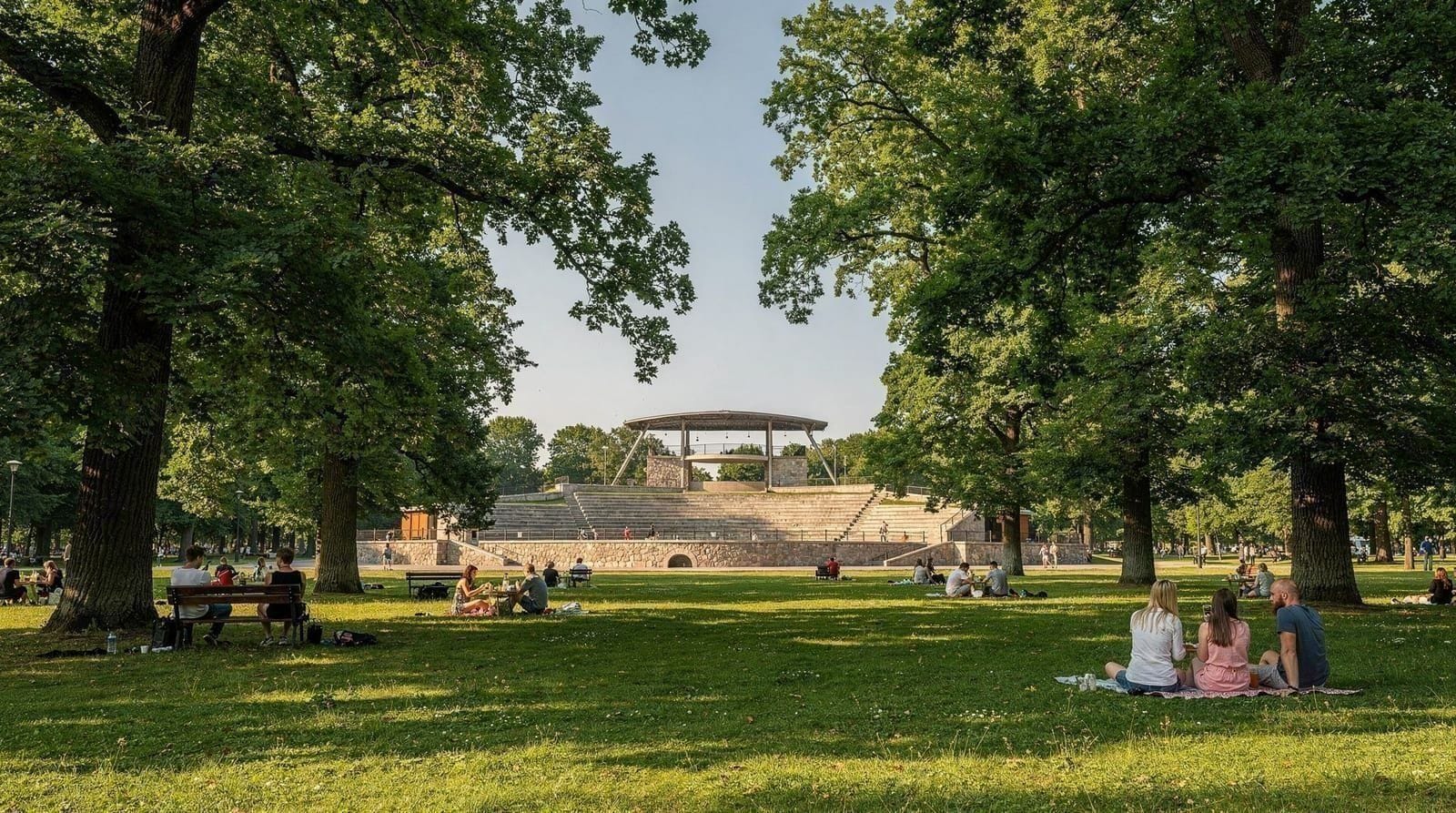
The Three Crosses monument stands on a hill east of the Old Town, 17 metres of white concrete visible from half the city. What’s less known is that the hill is part of Kalnai (Hills) Park, a stretch of forested ridges running north of the Old Town that most visitors never enter despite being a five-minute walk from Pilies gatvė.
On weekday mornings, the paths are used by dog walkers and local runners. The views of the Old Town from the ridge line — particularly from the platform near the Three Crosses — are genuinely better than most of the postcards. No entrance fee, no ticket counter, no crowd on most days.
Vilnelė river path
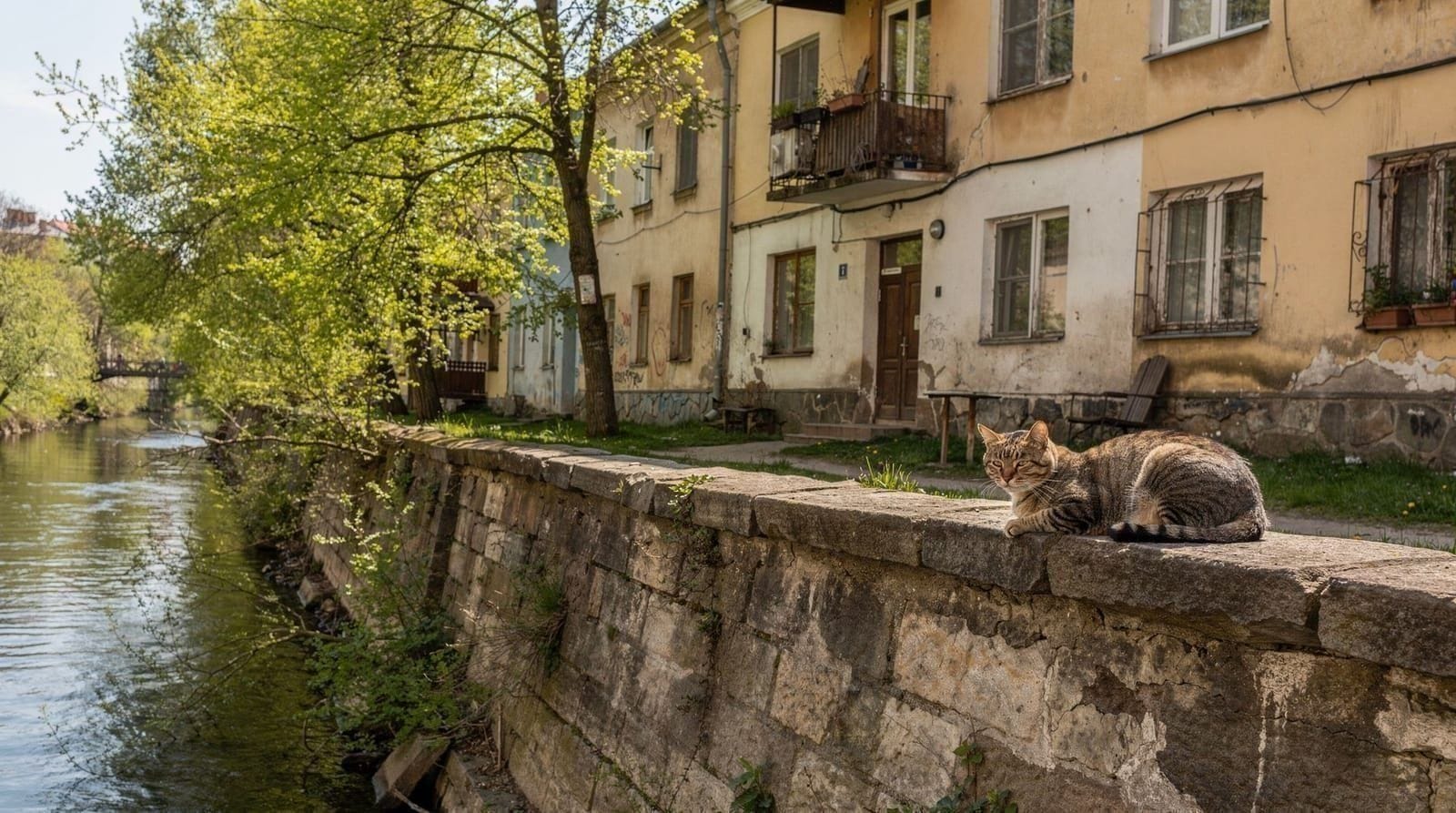
The Vilnelė runs south of Užupis through a narrow valley before joining the Neris. Following the river path south from the Užupis bridge for about twenty minutes takes you to Markučiai — a wooded district where Alexander Pushkin’s son lived in the 19th century (the estate is a small museum, open Thursday-Sunday, free admission). The path itself is used by cyclists and walkers and has a genuinely out-of-the-city feeling despite being within the city limits.
The Pharmacy Museum
On Stiklių gatvė, in a building that has operated as an apothecary since the 17th century, the Pharmacy Museum (Farmacijos muziejus) contains antique medical instruments, old prescriptions, and the original wooden display cases of a 19th-century pharmacist. Admission is around €3. It’s tiny — maybe thirty minutes — and almost nobody visits it. The staff are enthusiastic.
Šv. Onos bažnyčia from the back
St Anne’s Church is on every tourist map, and rightly — its late Gothic red-brick facade is one of the most striking in northern Europe (Napoleon allegedly wanted to carry it back to Paris). What tourists photograph is the west facade from Maironio gatvė. What’s less visited is the view from the east, from the Bernardine churchyard — where the church and the adjacent Bernardine Church form a complex with a garden that’s usually empty of tourists and has good light in the afternoon.
The Soviet murals in Lazdynai
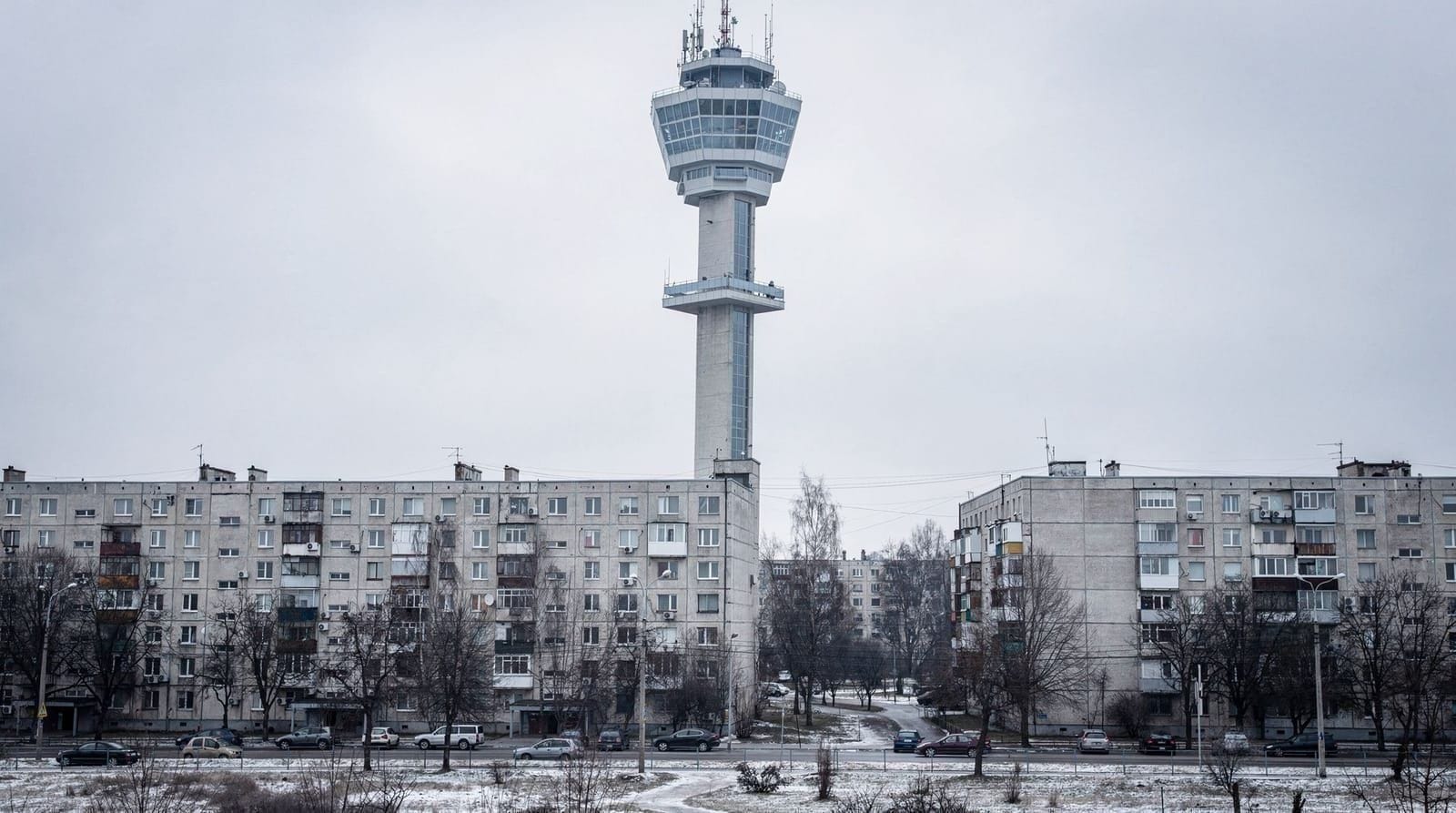
About fifteen minutes by Bolt from the Old Town, Lazdynai is a concrete housing estate from the 1970s that received the Lenin Prize for urban planning — then considered a model of socialist residential design. The apartments themselves are functional, but the district contains several large-scale Soviet mosaic murals on residential building facades that are in reasonable condition and completely unknown to most visitors.
This requires some intention — you won’t stumble on it — but the Soviet history guide has the context that makes it worth the trip.
A private Soviet-era Vilnius bike tour that covers Lazdynai and beyondA heavier hidden site: Paneriai
Not every hidden gem is a pleasant surprise. Paneriai, a forest about 10 km southwest of the centre, was the site of mass killings during the Nazi occupation — most of Vilnius’s Jewish population, once around 40% of the city, was murdered here. The memorial is quiet, sobering, and almost entirely without other visitors on a weekday. It’s not a place for a casual afternoon, but it belongs on any honest account of what Vilnius actually contains beneath its baroque surface. The Paneriai memorial guide has visiting logistics and historical context; Paneriai as a destination covers it alongside nearby Kernavė.
Vilnius’ quiet coffee and beer culture
Away from the Pilies Street terraces, Vilnius has a genuine specialty coffee and craft beer scene that most first-time visitors never find, tucked into basements and side streets in Naujamiestis and around the university. The Vilnius coffee scene guide and the Vilnius craft beer guide map the specific addresses — worth a detour if you want to see where Vilniečiai actually spend their evenings, rather than where the tour groups are steered.
Užupis beyond the main street
Užupis is covered elsewhere on this site, but within it: most visitors walk Užupio gatvė and leave. The streets leading away from it — Malūnų, Užupio, and the steep path up Malūnų hill — contain some of the more interesting residential architecture in Vilnius, a mix of 19th-century wooden buildings in various states of preservation and modernist blocks from the Soviet era. The path up from the river to Belmontas restaurant (at Kompozitorių g. 6, just outside the republic) passes through a genuine forest within the city.
Rasos cemetery
The oldest cemetery in Vilnius, with graves dating from the late 18th century. Joachim Lelewel (Polish historian, friend of Mickiewicz) is buried here; the heart of Józef Piłsudski (Polish military leader and statesmen with deep Vilnius connections) is interred beside his mother. The cemetery is well-maintained, walled, and quietly beautiful, particularly in autumn when the old lindens have turned. Open to visitors during daylight hours, free.
The Halės turgus market hall
The Halės Turgus market on Pylimo gatvė was built in 1906 and has been running ever since. It opens at 6am and closes by early afternoon. Inside: fresh produce, dairy, smoked meats, pickled vegetables, fresh mushrooms, fish, rye bread, flowers. The cafeteria section serves cepelinai, žuviniai (fish cakes), and other market food for around €4-6 a dish. Locals shop here; tourists go to Akropolis. Worth arriving early to see it at full volume.
A guided tour focused specifically on Vilnius’s hidden courtyards and passagesThe Paupio neighbourhood
Just south of Užupis and north of the city centre, Paupio is undergoing gentle gentrification without yet losing its character. The new Paupio market building (Paupio g. 25) opened in 2020 and houses a collection of food vendors, coffee roasters, and weekend markets that feel more like Vilnius in 2026 than the heritage parts of Old Town. The surrounding streets have a mix of working-class wooden buildings and new residential blocks in a ratio that hasn’t yet tipped entirely toward the new.
For a broader look at what makes Vilnius worth visiting, the Vilnius destination guide has the full overview, including practical logistics. And if you prefer your hidden gems with local interpretation, the mysteries and legends guide covers the stories that don’t appear on the official city maps.
How much time each hidden gem actually needs
| Spot | Time needed | Cost |
|---|---|---|
| Old Town courtyards | 30-45 min | Free |
| Kalnai Park / Three Crosses | 45-60 min | Free |
| Vilnelė river path to Markučiai | 40 min round trip | Free |
| Pharmacy Museum | 30 min | Around €3 |
| Lazdynai Soviet murals | 1.5-2 hrs incl. transport | Bolt fare only |
| Rasos cemetery | 30-45 min | Free |
| Halės Turgus market | 45-60 min | Food from €4 |
Frequently asked questions about Vilnius hidden gems
Are the Old Town courtyards really accessible to the public?
Most of them, yes. Vilnius Old Town courtyards are generally accessible through arched passages off public streets. Some residential courtyards may have intercoms or gates — if there’s an obvious barrier, respect it. Most of the interesting ones are open.
Is Lazdynai worth visiting for non-architecture enthusiasts?
Honestly, it’s a niche interest. If Soviet urban planning doesn’t fascinate you, give the time to the cemetery or the riverside path instead. But if you’ve read the Soviet history context, it’s a genuine piece of Cold War urban history walking distance from residential normality.
What time does the Halės Turgus market close?
The main market hall runs roughly 7am-3pm Monday to Saturday, with Sunday hours shorter (around 7am-1pm). The fresh produce section closes earlier than the peripheral stalls. Arrive by 10am for the best selection.
Are there hidden gems in the New Town (Naujamiestis)?
Yes — the Naujamiestis district south of Gedimino prospektas has interesting Art Nouveau apartment buildings (particularly on Gedimino and the streets running south of it), independent bookshops, and the kind of lived-in neighbourhood café scene that the Old Town doesn’t really have. Not as dramatic as the Old Town, but genuinely Vilnius.
Do I need a guide to find these hidden gems?
No, most are findable with a map and this guide, especially the courtyards, Kalnai Park, and the market. A guide adds value for context-heavy sites like Lazdynai or Paneriai, and for the Old Town courtyards specifically a guided walk (see the Old Town guide) can unlock a few passages you might otherwise walk past.
Is Paneriai appropriate to visit with children?
It’s a genocide memorial site, and most visitors find it more suitable for older children and adults who can process the history. If you’re travelling with a baby or young toddler, the Vilnius with a baby guide has more age-appropriate alternatives for that day.