Vilnius cooking class: the best Lithuanian cooking experiences to book
Vilnius: Traditional lithuanian cooking class
Duration: 3-4 hours
A cooking class is the most tactile way to understand Lithuanian food. Eating cepelinai at a restaurant tells you what they taste like; making them yourself — grating the potato, mixing the dough, assembling the dumplings, and timing the boiling — tells you why they are the way they are. Lithuanian cuisine is rooted in agricultural practicality: dense, filling, seasonal, and built around grain, dairy, and root vegetables. A few hours in a Vilnius kitchen reveals the logic behind it.
Here is how the main cooking experiences compare.
| Where | Old Town or countryside kitchen, central Vilnius pickup possible |
| Cost | Around €20–€80 per person depending on format |
| Time needed | 1.5–4 hours depending on class |
| Best time | Mid-trip, once you have eaten around Vilnius and have questions |
| Booking | 2–3 days ahead for group classes; more notice for private sessions |
The traditional Lithuanian cooking class
The traditional Lithuanian cooking class in Vilnius is the most comprehensive format: a professional chef or experienced home cook leads a group of 6 to 10 people through the preparation of three to four Lithuanian dishes, which you then eat together.
A typical session covers:
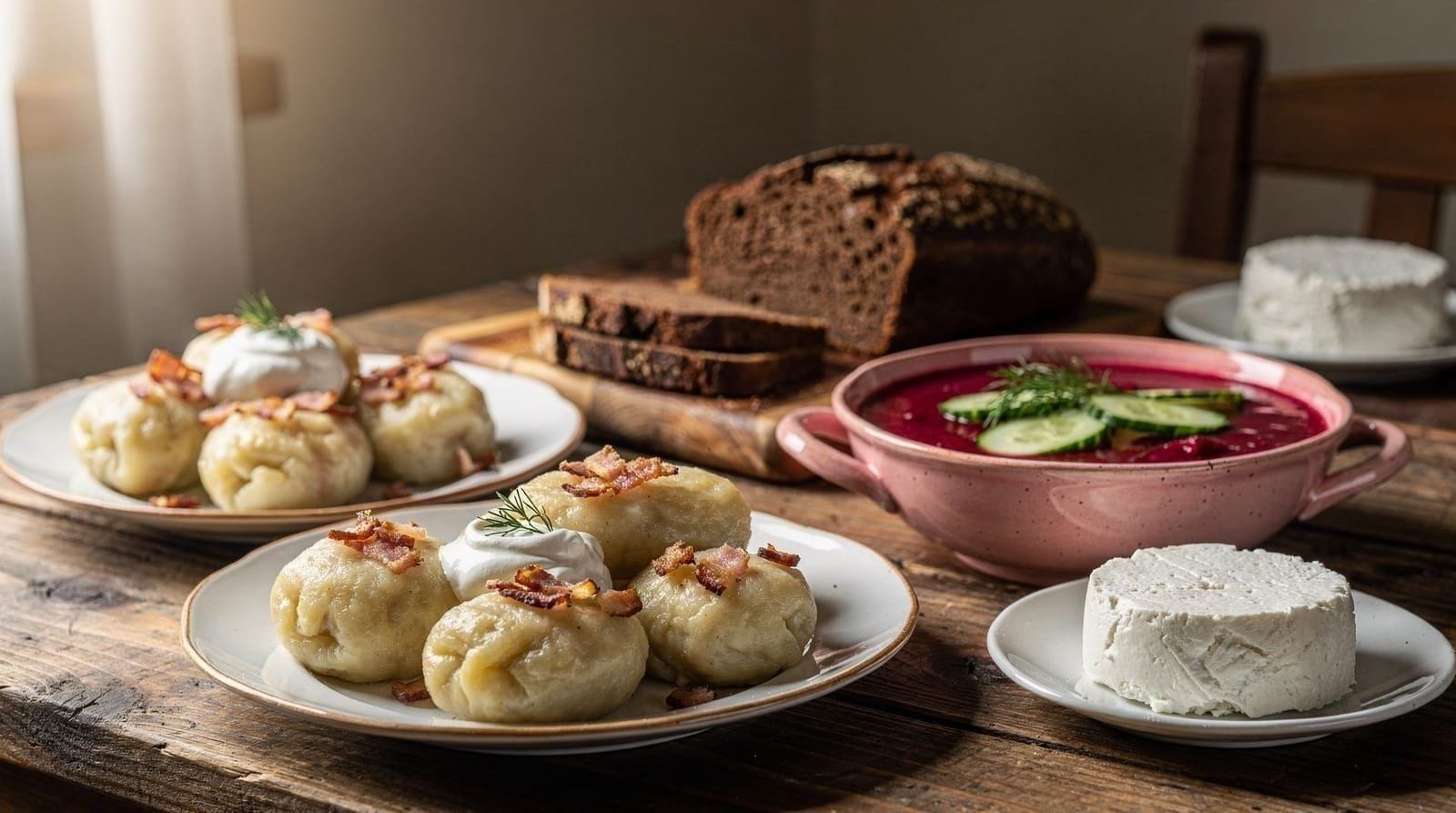
- Cepelinai — the national dish. Large potato dumplings (roughly the size of a zeppelin, which is where the name comes from) stuffed with minced meat or curd cheese, served with bacon fat sauce and sour cream. Technically straightforward but labour-intensive.
- Šaltibarščiai — cold beetroot soup with kefir (a fermented dairy liquid), served with hot boiled potatoes. Seasonally available (May–September in most classes).
- A dessert or side dish — varies by class but might include šimtalapis (Lithuanian layered crepes), potato pancakes (bulviniai blynai), or a seasonal vegetable preparation.
The class runs 3 to 4 hours. You eat everything you make at the end, which constitutes a full lunch or dinner. Group size matters here — smaller groups (6–8) allow more hands-on time per person. Some operators cap at 12; beyond that, individual participation becomes passive.
Price: €50–€80 per person. At the upper end, you are paying for premium ingredients and a teaching kitchen with proper equipment. At the lower end, expect a home kitchen setting which is arguably more authentic.
What the class adds beyond a restaurant: You leave knowing how cepelinai are made — a skill you can replicate at home with a potato grater and some patience. The preparation time (making cepelinai takes about an hour) also means you absorb a lot of conversation about Lithuanian food culture, seasonality, and regional variations.
The cepelinai and Lithuanian dishes guide is useful preparation for understanding what you will be cooking.
Bread baking class: rye bread the Lithuanian way
The Vilnius countryside bread baking class focuses specifically on Lithuanian dark rye bread — the staple that appears at every meal and has genuine cultural significance. This is a shorter session (typically 2.5 to 3 hours) focused on one product rather than a full meal.
Lithuanian rye bread is sourdough-based, very dense, and strongly flavoured. Making it from scratch involves working with a live sourdough starter, mixing and kneading the dough (much heavier than wheat bread dough), shaping, and baking. You typically take a loaf home.
Who this suits: People with a specific baking interest, or those who prefer a focused single-skill class over the breadth of a cooking class. The bread baking format is also generally cheaper (€25–€45 per person) and works well as a morning activity.
Note on timing: Bread baking requires proving time — the class schedule is designed around this, but you will spend periods waiting rather than actively working. This is normal bread baking; just set your expectations accordingly.
Cheese tasting: understanding Lithuanian dairy
The Lithuanian cheese tasting tour is more of a structured tasting than a cooking experience — you do not make cheese, but you taste and learn about the range of Lithuanian cheeses in a guided format. Duration is 1.5 to 2 hours.
Lithuanian farmstead cheese ranges from fresh varškė (curd cheese, very similar to quark) through dried and smoked varieties to aged regional cheeses. This diversity is genuine and largely unknown outside Lithuania. A tasting session in the Old Town introduces you to 5 to 8 different products with explanation of the producers and regional traditions.
Best combination: The cheese tasting works well paired with the beer tour or as a standalone afternoon activity. It is the most casual of the three formats and does not require significant time commitment.
Which format is right for you
| Cooking class | Bread baking | Cheese tasting | |
|---|---|---|---|
| Duration | 3–4 h | 2.5–3 h | 1.5–2 h |
| You eat/take home | Full meal | Loaf of bread | Tastings only |
| Hands-on cooking | Yes | Yes | No |
| Group size | 6–10 | 4–8 | 6–12 |
| Approx. price | €50–€80/person | €25–€45/person | €20–€35/person |
| Best for | Full immersion | Baking interest | Light experience |
What you make and why it works as a learning format
Cepelinai in detail: The dish gets its name from the German word for zeppelin — Luftschiff Zeppelin — because the dumplings are the same elongated shape as the airship. The process: raw potatoes are grated on a fine grater (time-consuming and physically demanding; a class of eight people takes 20 to 30 minutes just to grate enough potato), then the excess water is squeezed out, and the starch that settles in that water is returned to the potato mass. The filling (minced pork seasoned with onion and pepper, or curd cheese) is enclosed in the potato casing and shaped by hand — a skill that takes 10 minutes to learn reasonably and a lifetime to perfect. They boil for 20 to 25 minutes.
The sauce: Traditionally rendered bacon fat with fried onion and bacon pieces, finished with sour cream. The combination of dense potato dumpling with fatty sauce and cream is essentially the most calorically efficient cold-weather food possible. Lithuanian winter temperatures explain the portion sizes.
Šaltibarščiai: Cold soup made by combining kefir (Lithuanian fermented milk, similar to drinkable yoghurt), cooked and chopped beetroot, cucumber, fresh dill, a hard-boiled egg, and occasionally spring onion. The result is bright pink and served chilled, alongside hot boiled potatoes eaten separately. The texture contrast — ice-cold soup and hot potato — is intentional and jarring in a pleasant way. Making it takes about 15 minutes; the technique is in the balance of kefir to beetroot and the seasoning.
Hands-on ratio: In a well-structured class of 6 to 8 people, each participant handles every step of at least one dish. Larger classes (10–12) reduce individual hands-on time — some steps are demonstrated while others watch. When comparing operators, smaller class sizes mean more time actively cooking.
Practical notes
Dietary requirements: The cooking class covers dishes that are primarily meat and dairy-based. Vegetarian versions of cepelinai exist (curd cheese filling), and a good instructor can adapt some elements. Vegan diets are difficult to accommodate in traditional Lithuanian cooking — wheat-free options are not standard.
Aprons and equipment: Provided by the class. Wear clothes you do not mind getting flour or potato starch on — both are persistent stains.
Language: All classes listed operate in English. Some operators can accommodate groups in Lithuanian, German, or Russian if arranged in advance.
Booking: Book at least 2–3 days in advance for group classes; private classes may require more notice. Last-minute booking is possible for cheese tastings.
How Lithuanian cooking fits the wider Baltic food picture
Lithuanian cuisine shares roots with its Baltic neighbours — heavy reliance on potatoes, dairy, rye bread and pork — but the specifics diverge: cepelinai and šaltibarščiai are distinctly Lithuanian rather than pan-Baltic. For visitors curious how what they cooked compares with what they will eat if they cross into Latvia or Estonia, the understanding Lithuanian history guide touches on the cultural roots that shaped these food traditions, including the centuries of agricultural life that made dense, calorically efficient dishes like cepelinai a practical necessity rather than a stylistic choice.
Coffee and dessert after the class
A cooking class fills you up on savoury food; Vilnius’s coffee scene is worth exploring separately, ideally not on the same day if you want to actually taste it properly. The Vilnius coffee scene guide covers the city’s specialty coffee shops, several of which also serve Lithuanian desserts like šakotis (a spit cake) that classes rarely have time to cover. For visitors specifically interested in cepelinai beyond the class itself — including regional variations and the debate over what makes a “correct” version — the how to eat cepelinai guide is a useful, slightly opinionated companion piece.
After the class: continuing the food education
A cooking class answers the “how” of Lithuanian food. For the “where” and “who” — which restaurants do the cuisine properly and which just perform it for tourists — the best restaurants in Vilnius guide is the practical complement.
A few specific addresses worth knowing after you have learned what cepelinai should taste like:
Etno Dvaras (Pilies g. 16 and Vokiečių g. 34): two Old Town locations serving traditional Lithuanian food at reasonable prices with consistently good quality. The cepelinai here are made properly — dense potato exterior, generous meat filling, actual bacon fat sauce rather than the cream-heavy tourist adaptation. Expect to pay €9–€13 for a full cepelinai plate.
Bernelių Užeiga (Gedimino pr. 23): unpretentious Lithuanian restaurant in the New Town used by office workers for lunch. The menu includes daily specials of whatever the kitchen is making. Cheaper than Old Town equivalents (€7–€10 for a main), less atmospheric, more authentic in clientele.
Lokys (Stiklių g. 8): the most historic Lithuanian restaurant in Vilnius, operating since 1972 in a medieval building. Menu includes game dishes (wild boar, venison, beaver — yes, beaver — which appears in traditional Lithuanian cooking) alongside standard fare. Higher prices (€15–€25 for a main) but appropriate for a special occasion.
Gusto Blynai (multiple locations including Pylimo g. 22): dedicated to Lithuanian pancakes (blynai) in various forms — potato pancakes, wheat pancakes with sweet fillings, savoury filled pancakes. Quick, inexpensive, and showcases a category that cooking classes sometimes skip. Around €6–€10 for a filling pancake meal.
How cooking classes fit your Vilnius trip
A cooking class works best mid-trip — after you have eaten around Vilnius and have questions about what you have been eating. On a 2-day Vilnius visit, a lunchtime cooking class on day two is a natural fit. For a weekend in Vilnius, it pairs well with a morning Old Town walking tour.
The best restaurants in Vilnius guide covers where to eat before or after if you want context on the restaurant interpretation of what you have cooked. The Vilnius food guide provides a broader frame for the food culture.
Frequently asked questions about Vilnius cooking classes
Can I take the food home?
From a cooking class, you eat the food at the class location — the kitchen is not set up for packing. From the bread baking class, you typically take your loaf with you. From the cheese tasting, there is usually an option to buy additional cheese to take home.
Are classes offered on weekends?
Yes, weekends are typically peak booking times. Some classes run daily; others have specific weekly schedules. Check availability at time of booking. Private class timings are more flexible.
Is the class held in an authentic Lithuanian home?
Some operators use private home kitchens for smaller groups, which is more atmospheric. Others use teaching kitchens attached to culinary schools or restaurants. Both are effective; the home kitchen format is preferred by most visitors for ambience.
What is varškė and why does it appear in so many recipes?
Varškė is a fresh curd cheese — similar to quark in Germany or tvarog in Poland — made by curdling warm milk with an acid (lemon juice or vinegar). It is central to Lithuanian cooking: used in the filling for cepelinai, as a spread on bread, mixed with herbs as a side dish, and as the base for cheesecakes. A cooking class will likely involve making or using it.
Are there market visits before the class?
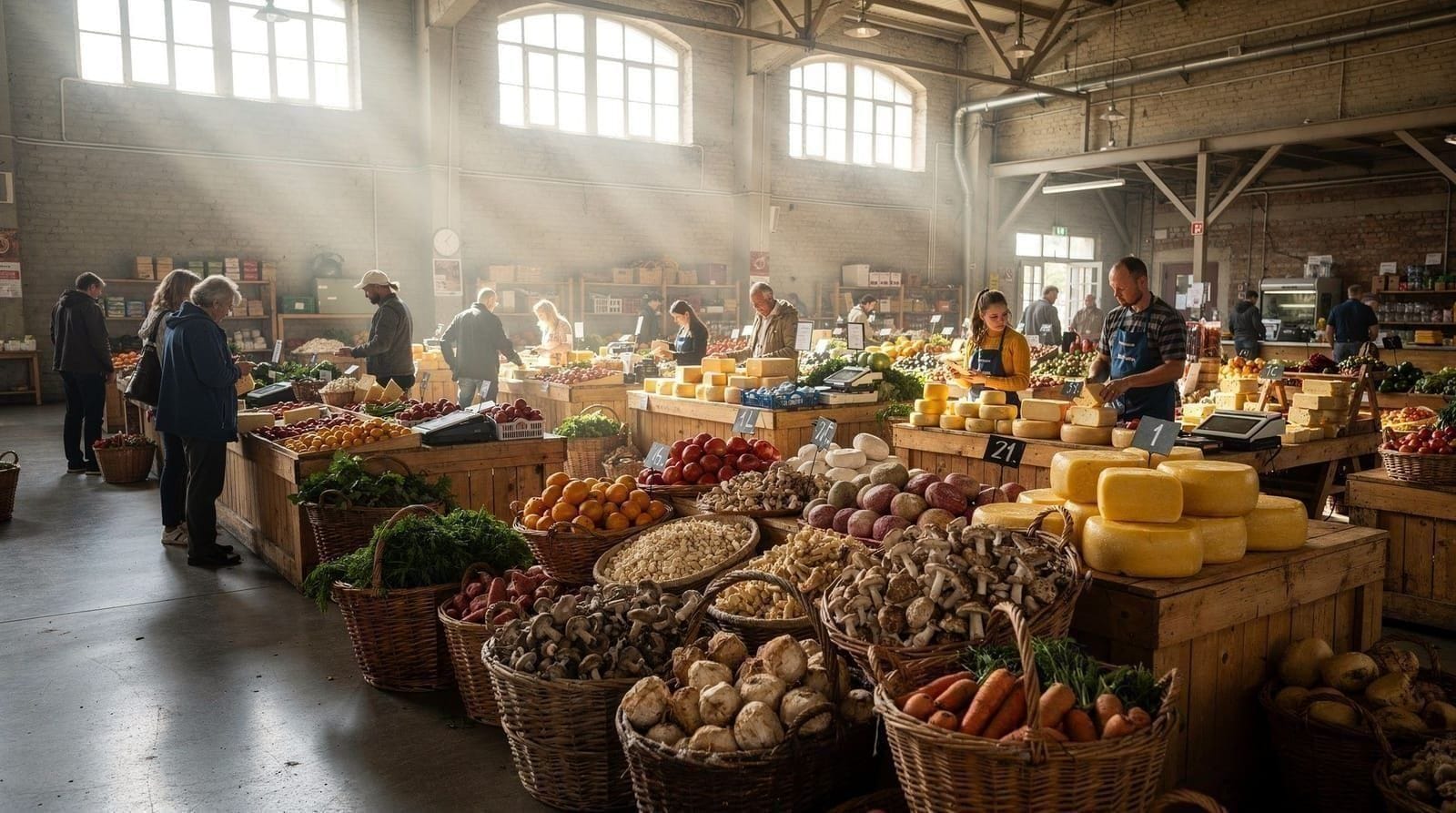
Some operators offer an optional market visit to the Halės Market before the cooking session to source ingredients. This adds an hour to the total time but is worthwhile if markets interest you. The Vilnius food guide covers the market in detail.
Can children join?
Most cooking class operators welcome children aged 8 and above. The activities (mixing dough, filling dumplings) are suitable for older children with appropriate supervision. Confirm with the operator before booking.
Is a cooking class a good activity for a rainy day in Vilnius?
Yes — it is entirely indoors and does not depend on weather, which makes it a sensible choice to hold in reserve for a wet afternoon rather than scheduling it on your one guaranteed sunny day. The Vilnius destination page covers other indoor options if you need to build a full wet-weather day around it.