Is Vilnius worth visiting? An honest assessment
Vilnius: City highlights walking tour
Duration: ~2 hours
Is Vilnius worth visiting?
Yes — particularly if you value authentic baroque architecture, honest prices, a real city vibe away from the tourist-industry machinery, and excellent access to Lithuanian nature and history. It is not the right trip if you want beach weather, extensive nightlife infrastructure, or a city known internationally for its food scene.
The honest answer is yes — but with context. Vilnius is one of the most underrated capitals in Europe, which paradoxically makes it a better destination than some more “famous” alternatives. Here is the case for and against, made without marketing language.
| Best for | History, architecture, honest prices, real day trips |
| Not ideal for | Beach weather, global food scene, big nightlife |
| Typical cost | Meals €7–15, craft beer €3–5, 3-star room €60–90 |
| Recommended stay | 3–4 days for a first-time visitor |
| Best paired with | Trakai, Kaunas, or a wider Baltic trip |
What Vilnius does genuinely well
Baroque architecture that rivals Rome (on a small scale)
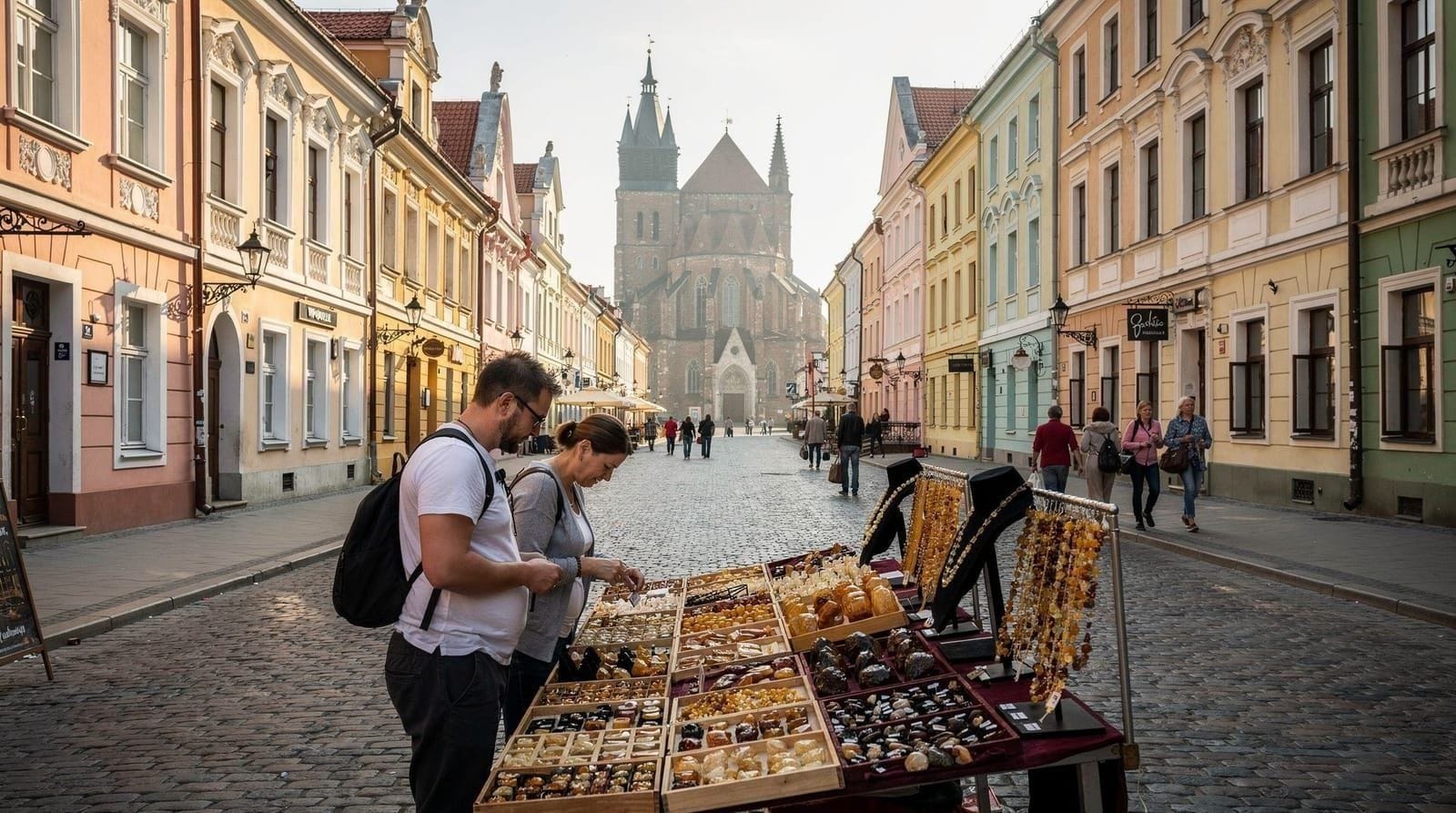
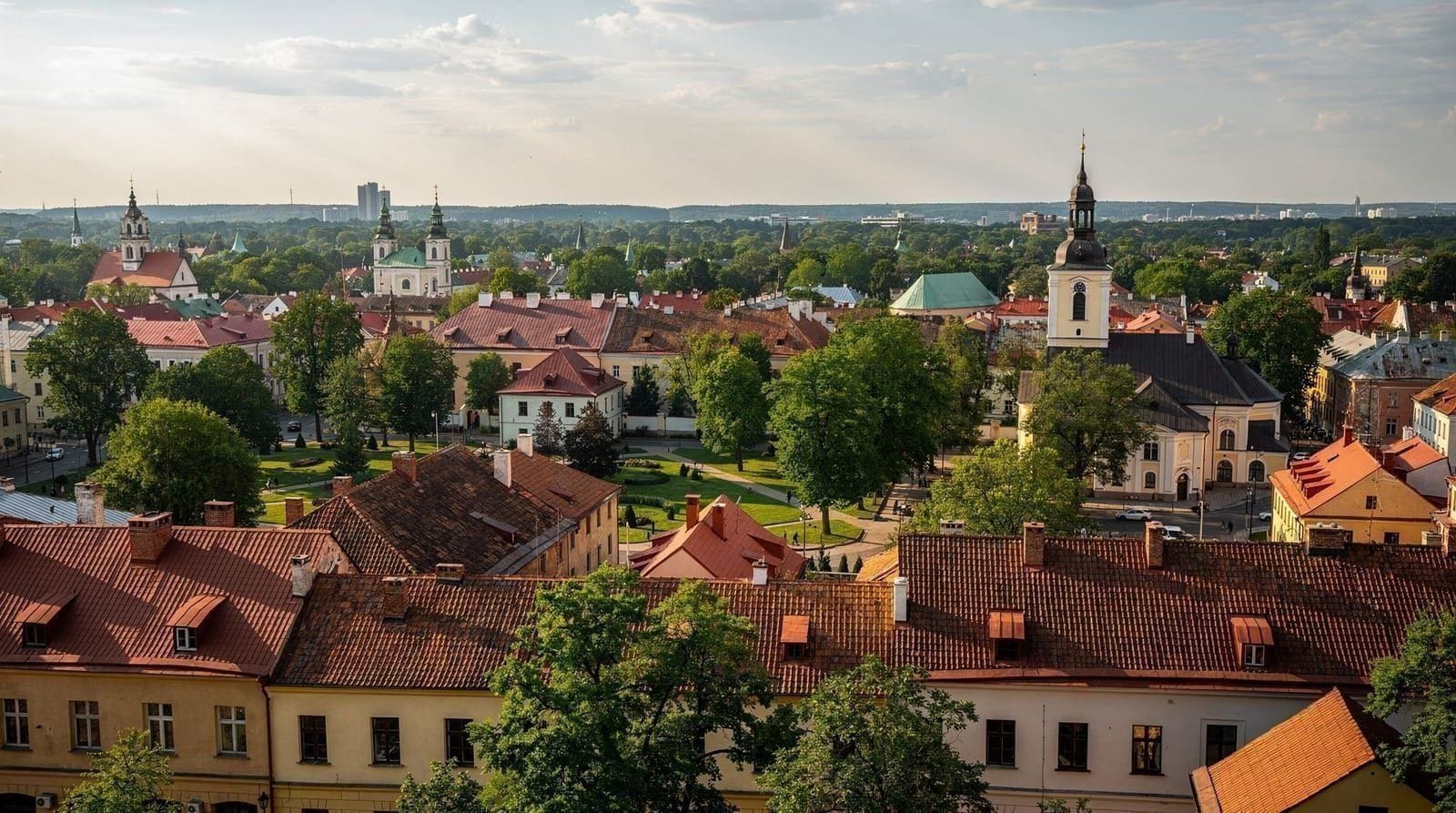
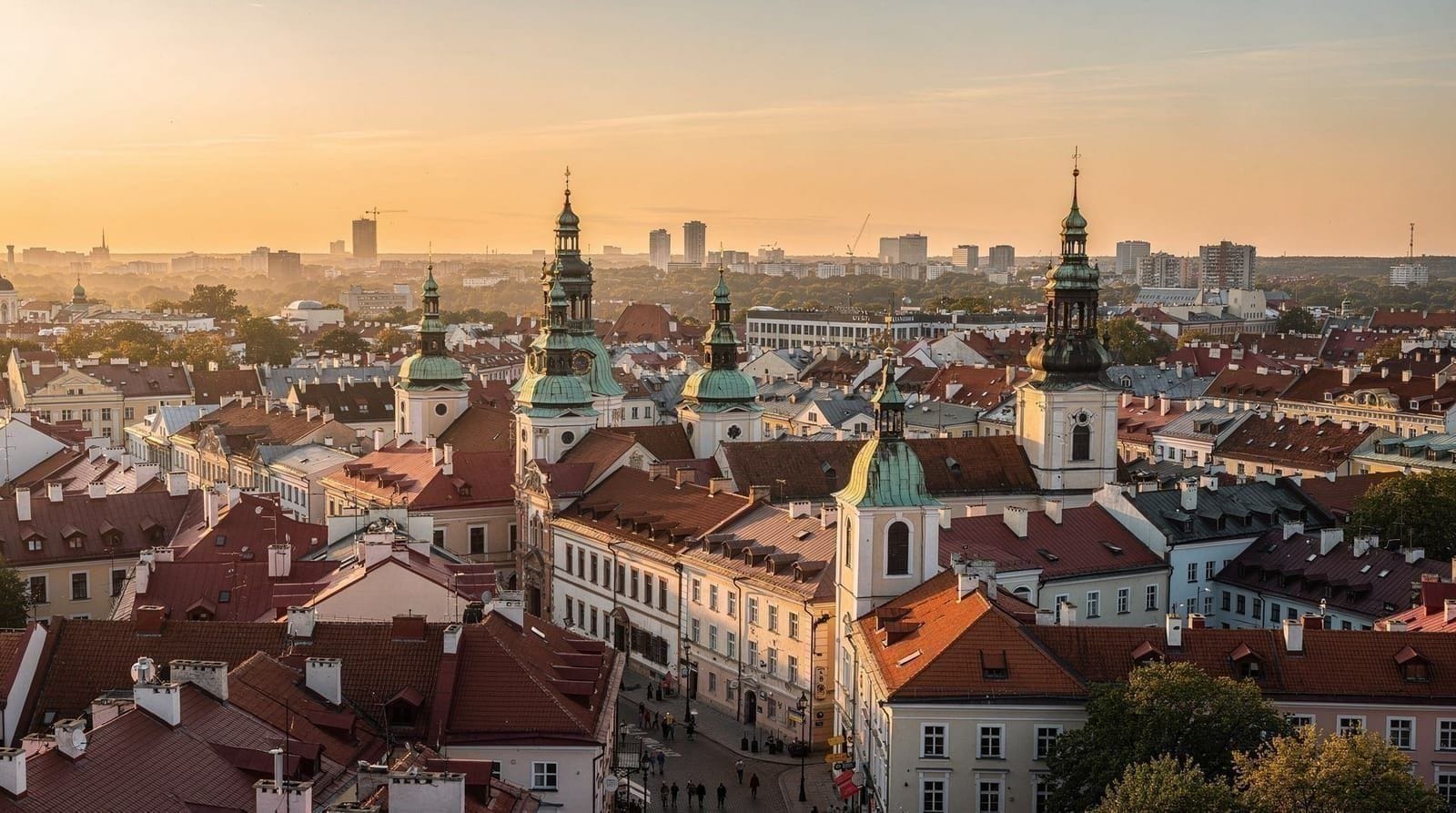
The Vilnius Old Town contains over 1,500 historic buildings and is a UNESCO World Heritage Site — the largest baroque Old Town in Northern Europe. The quality of the baroque is not a tourist exaggeration: St Anne’s Church (Šv. Onos bažnyčia), the Church of St Peter and Paul (with its extraordinary white stucco interior of over 2,000 figures), Vilnius University’s historic courtyards, and the Gate of Dawn (Aušros Vartai) all stand comparison with major European churches. Napoleon reportedly wanted to carry St Anne’s back to Paris in the palm of his hand.
For visitors from Western Europe accustomed to seeing these sights crowded with tourists, the relative calm here is striking. You can walk into the Church of St Peter and Paul on a summer afternoon and be one of twelve people inside.
Honest prices
Vilnius is one of the three cheapest EU capitals. Meals cost €7-15 at sit-down restaurants, craft beers run €3-5, and a decent hotel room is €60-90 for a 3-star. This is not a selling point that requires qualification — the prices are genuinely low by EU standards, and they do not come at the cost of quality. Lithuania has a sophisticated food and coffee culture, particularly in Vilnius.
Layers of real history
Few cities in Europe have been through what Vilnius has: capital of the Grand Duchy of Lithuania (one of medieval Europe’s largest states), a historically multi-ethnic city with large Polish and Jewish communities, occupied by Tsarist Russia, then German troops in WWI, then disputed between Lithuania and Poland through the interwar period, then occupied by Nazi Germany, then the Soviet Union, then independence in 1990. Each layer left physical traces. The Museum of Occupations (KGB Museum) is one of the most important, unflinching historical museums in the Baltics. Jewish Vilna (Vilna Gaon’s city, one of the world’s great centres of Jewish learning before the Holocaust) has visible remnants at the Choral Synagogue, the Great Synagogue excavations, and Paneriai memorial forest. This is a city where history is serious, not decorative.
Excellent day-trip access
Trakai (island castle, 28 km, 30 min) is one of the best half-day trips in the Baltics. Kaunas (interwar modernism, Ninth Fort, 100 km, 1 hour) is a full day well spent. The Curonian Spit (UNESCO dunes, Baltic beach, 310 km) rewards an overnight if you have the time. Druskininkai (spa town, Grūtas Soviet sculpture park, 130 km) is unusual and interesting. The Hill of Crosses near Šiauliai (210 km) is one of the most visually singular sites in Europe. Vilnius as a base for Lithuania overall works very well.
Užupis
The self-declared “Republic of Užupis” — a small bohemian neighbourhood across the Vilnelė from the Old Town — is not a tourist gimmick, or at least not entirely one. It is home to actual artists, independent galleries, cafes that have been there for decades, and an atmosphere that feels more Montmartre-circa-1990 than Instagram theme park. The Constitution of Užupis (displayed in many languages on plaques along the main street) is worth reading: “Every person has the right to die, but this is not an obligation” is funnier in context.
Vilnius: City highlights walking tour Vilnius: Hot air balloon guided city tourWhat Vilnius does not do as well
Beach and summer resort access
Vilnius is 310 km from the Baltic Sea coast. The Curonian Spit is magnificent but getting there is most of a day. If you want a Baltic beach holiday, consider basing yourself in Klaipėda or Nida rather than Vilnius. Vilnius in August is pleasant but it is a city break, not a seaside escape.
International food scene
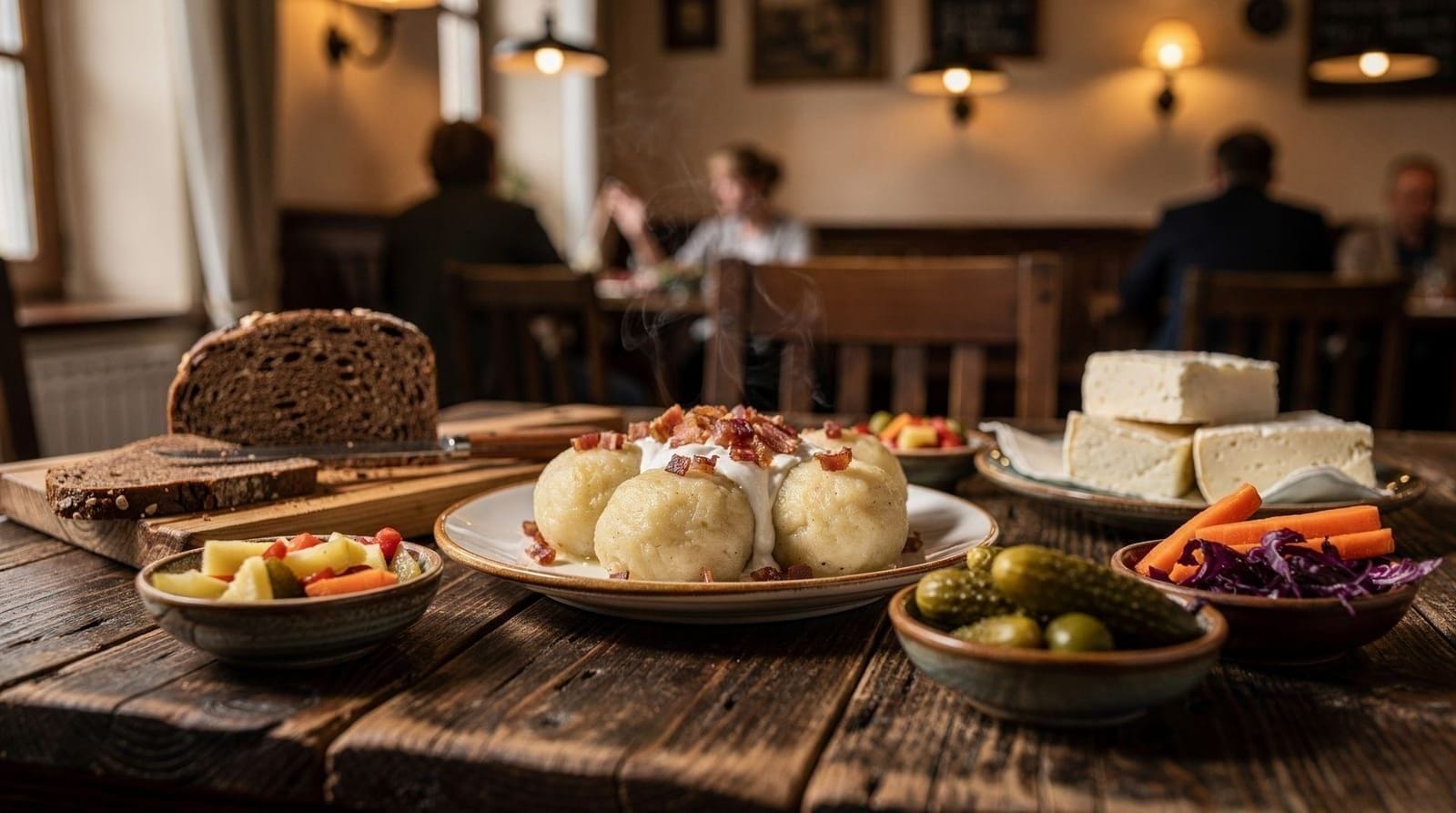
Lithuanian food is hearty, honest and increasingly creative, but Vilnius does not have the breadth of international cuisine of a city like Warsaw or Riga. The Vietnamese, Korean, and Japanese options available in larger Polish or Baltic cities are sparse here. What exists in Vilnius is good — Georgian food (due to a historic community), one strong sushi bar, and a growing natural wine scene — but do not come expecting a global food capital.
Extended nightlife infrastructure
Vilnius has bars, clubs, and a pub crawl circuit, but it is not a destination for hardcore nightlife tourism in the way that Warsaw (with its 24-hour club scene) or Riga (historically positioned as a stag-party destination) is. What exists is pleasant, local and moderately-scaled. If weekday-to-Sunday nightlife is a priority, look elsewhere.
Tourist infrastructure depth
Vilnius is not undeveloped, but it has fewer English-language tours, fewer experience operators, and fewer tourist-oriented service layers than Riga or Tallinn. This is a feature for some visitors (fewer crowds, more authentic feel) and a bug for others (harder to book niche experiences, some museums with limited English signage).
Who will love Vilnius
- History enthusiasts — particularly Central/Eastern European history, Jewish history, Soviet history, and medieval history
- Architecture lovers — baroque and Gothic in unusual combination, plus Vilnius’s lesser-known interwar Art Deco and Soviet Modernist heritage
- Budget-conscious travellers who want a European city break without Western European prices
- First-time visitors to the Baltics looking for a city that is genuinely different from Prague or Vienna
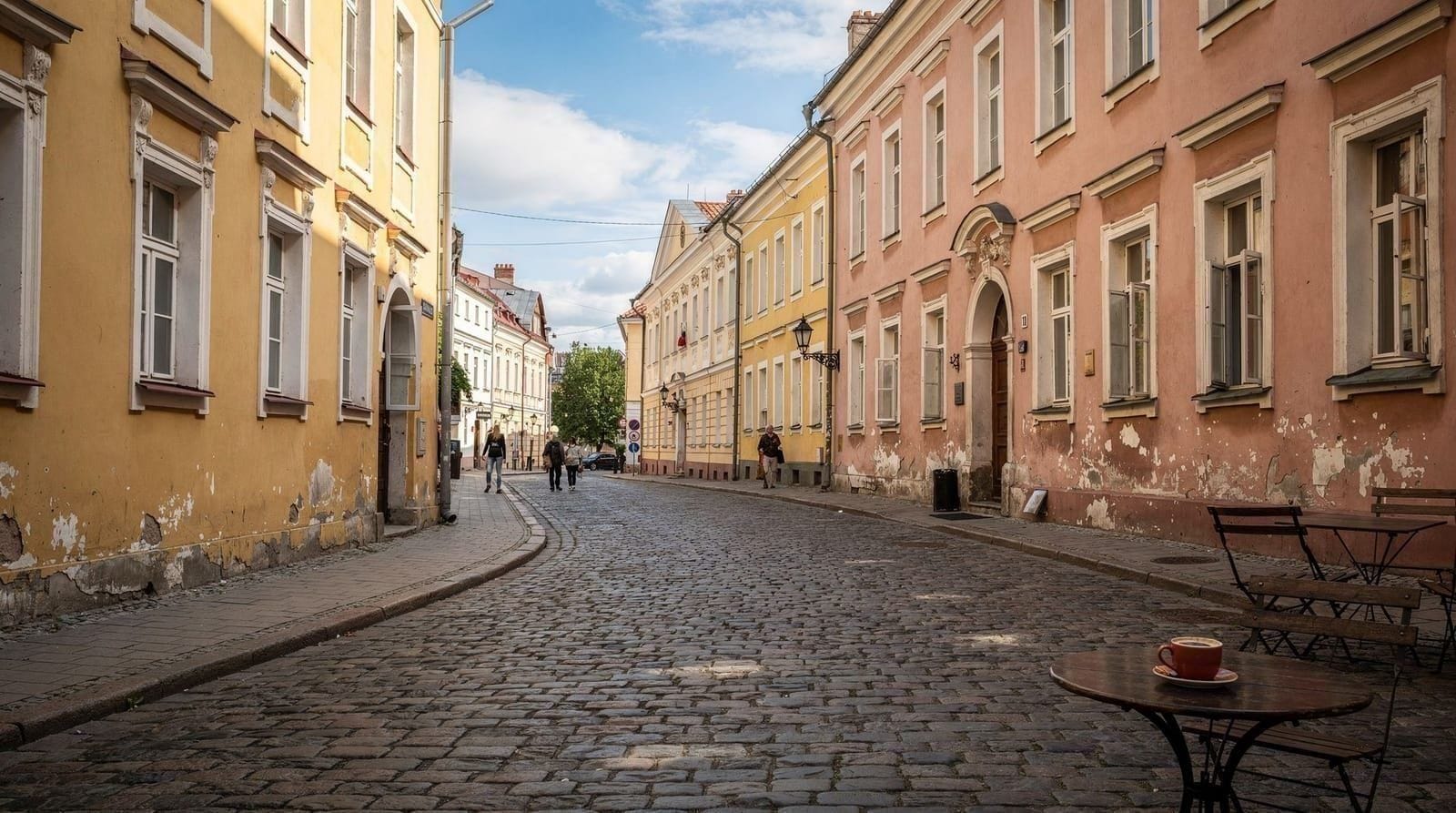
- Travellers who like walking slow — Vilnius rewards getting lost in courtyards and side streets, not ticking off a list
Who might prefer somewhere else
- Visitors who want a warm beach included in their itinerary
- Travellers who need a world-class restaurant scene with every cuisine represented
- Those who specifically want major-league nightlife or festival culture
- Visitors who struggle to engage with history that is not part of their own cultural background
Compared to Riga and Tallinn
All three Baltic capitals are worth visiting. The most common comparison for first-timers:
Vilnius vs Riga: Vilnius has more interesting history and better day-trip access within Lithuania; Riga has Art Nouveau architecture that is more internationally known and a slightly more developed tourist industry. Riga’s Old Town is smaller. Prices in both cities are similar.
Vilnius vs Tallinn: Tallinn’s Old Town is more compact and photogenic; Vilnius’s is larger and arguably more authentic (less reconstructed for tourism). Tallinn is better positioned for Finland day-trippers. Vilnius is quieter and less developed as a tourist destination — which reads either as “more authentic” or “less convenient” depending on your preference.
For a detailed breakdown, see Vilnius vs Riga and Vilnius vs Tallinn.
How to plan a trip once you’re convinced
If the case above has you leaning towards a visit, the practical next questions are how long to stay and when to go. How many days in Vilnius breaks down exactly what two, three, or five days each get you — three to four days is the sweet spot for most first-timers. Best time to visit Vilnius covers the seasonal trade-offs in more depth than the winter note above. And because the “honest prices” argument above is one of the strongest reasons to visit, Vilnius on a budget shows how far that value actually stretches for a realistic daily spend.
First-time visitors specifically should also read Vilnius travel tips for first-timers, which covers the practical logistics — cash vs card, tipping norms, opening hours — that this assessment deliberately leaves out to stay focused on the “should I go” question.
Frequently asked questions about whether Vilnius is worth visiting
Is Vilnius overrated?
No — if anything, the opposite. Vilnius is significantly undervisited relative to its quality as a destination. The Old Town alone justifies a long weekend.
Is Vilnius better than Riga?
They are different cities with different strengths. Vilnius has more historical depth and better Lithuania day-trip access; Riga has its signature Art Nouveau district and is more internationally recognisable. Both are worth visiting.
Is Vilnius worth visiting in winter?
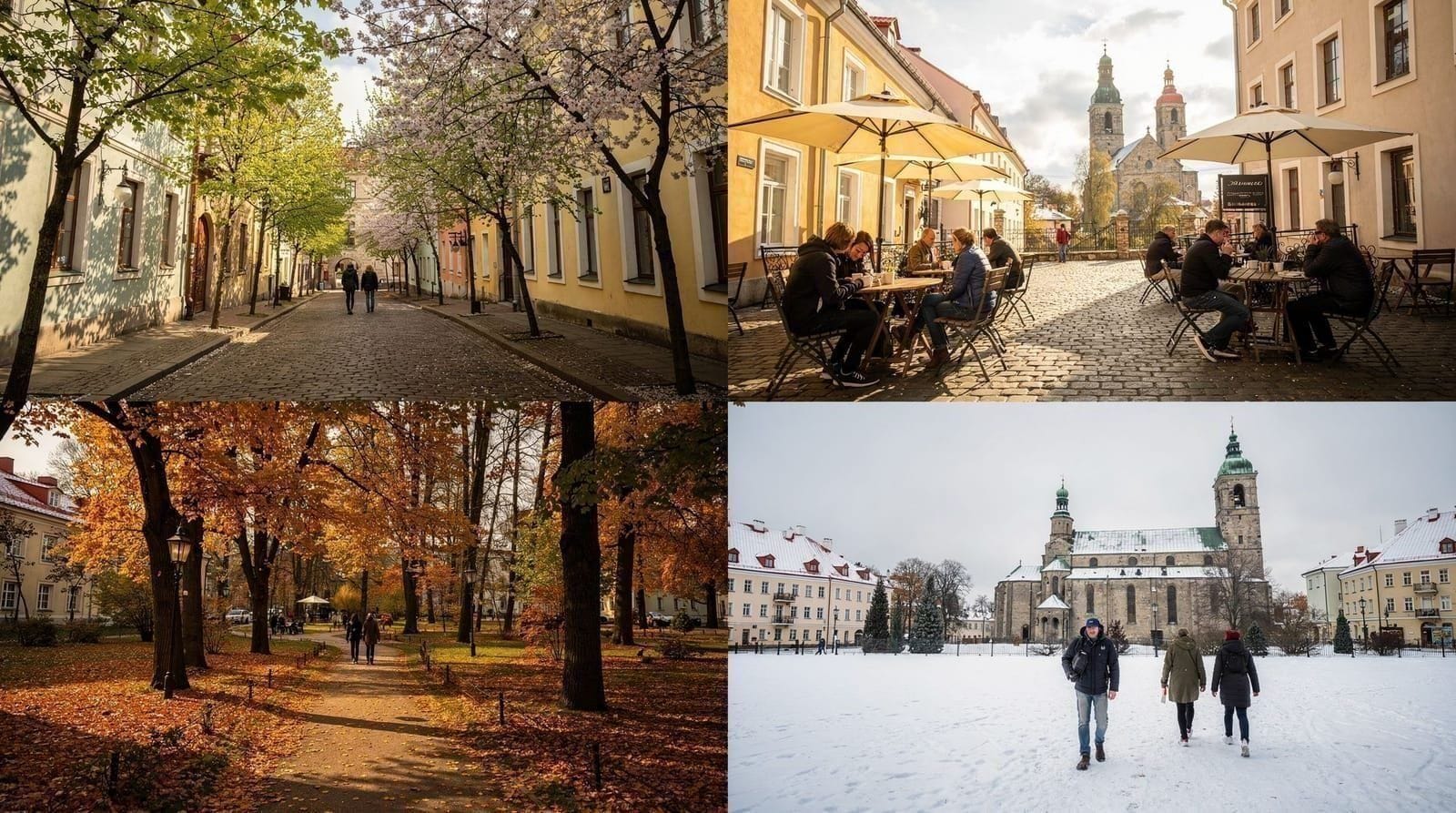
December, yes (Christmas market, atmospheric). January-February, only if you specifically enjoy quiet winter cities and low prices. See Vilnius in winter.
How does Vilnius compare to other Eastern European capitals?
Vilnius is smaller than Warsaw, Krakow or Budapest and less internationally prominent. But the Old Town quality is high, the history is genuinely interesting, and the prices are lower. It works very well as an addition to a wider Baltic or Eastern European trip rather than a standalone if you need maximum variety.
Is 2 days enough to see if Vilnius is worth it?
Yes — a 2-3 day trip is enough to form a real opinion. The Old Town, one or two museums, Užupis, and a Trakai day trip gives a fair sample of what Vilnius offers. Most visitors leave wishing they had stayed longer.
Is Vilnius worth visiting if I’ve already been to Prague or Krakow?
Yes, and arguably more so — Vilnius offers a genuinely different flavour of Central/Eastern Europe: less crowded, more Baltic in character, with a distinct blend of baroque, Jewish, and Soviet history that neither Prague nor Krakow quite replicates. Visitors who found Prague overrun with tourists often find Vilnius a relief.
Is Vilnius worth a stopover on a longer Baltic trip?
Absolutely — Vilnius pairs naturally with Riga and Tallinn on a Baltic capitals circuit, and its excellent day-trip access (Trakai, Kaunas) means even a 3-day stopover feels complete rather than rushed compared to squeezing the same into Riga or Tallinn alone.
Top experiences
Bookable activities with verified prices and instant confirmation on GetYourGuide.