Trakai beyond the castle: what most visitors miss
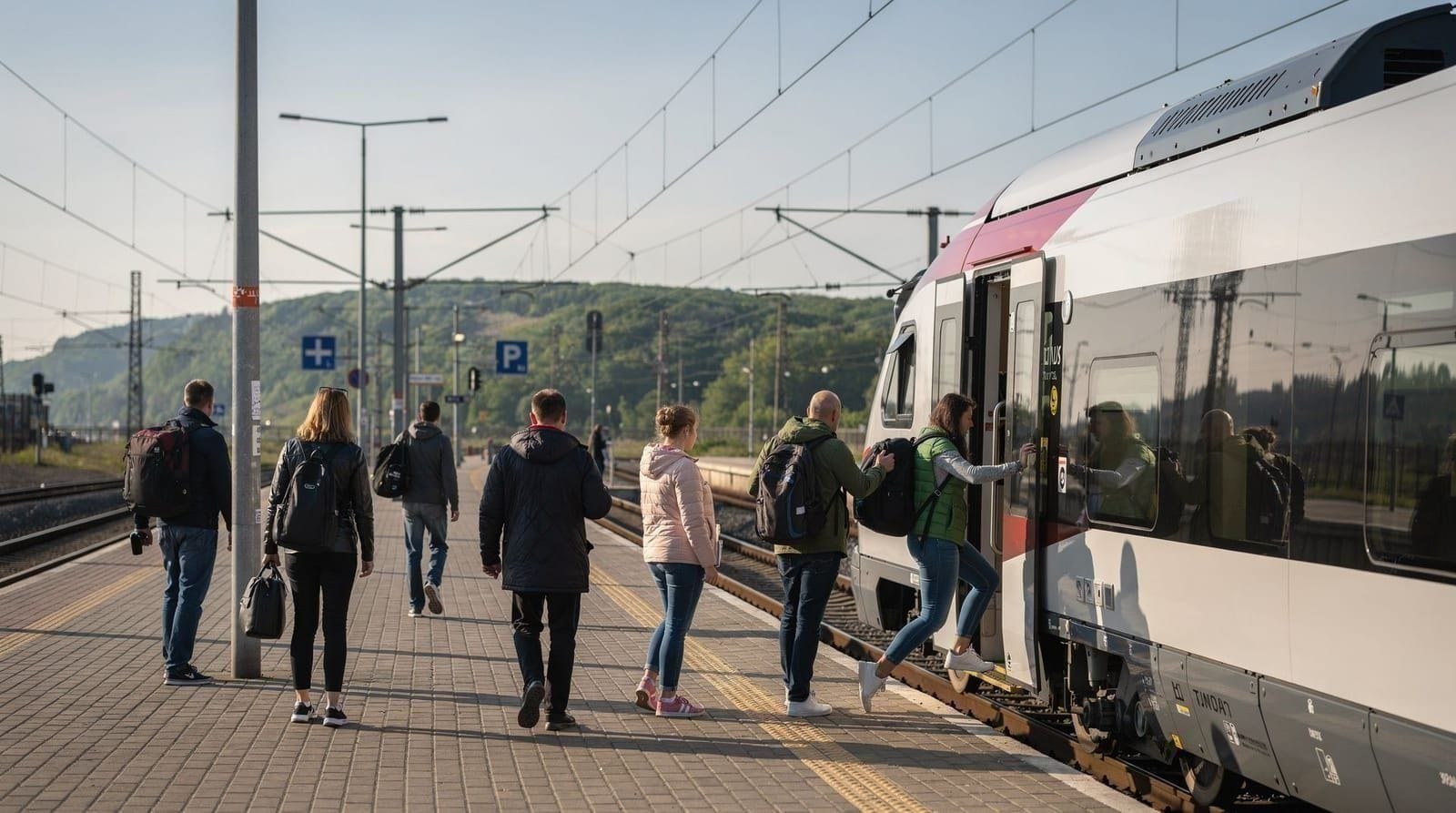
Most visitors to Trakai follow the same path: train from Vilnius, walk along the lake to the castle, take photos from the wooden bridge, eat a kibinai pastry, get back on the train. That itinerary takes about three hours and is perfectly adequate if that’s all you want. But Trakai has more depth — literal and figurative — than most people spend time with.
This guide is for the visitor with a full day and some curiosity about what’s beyond the obvious.
| Where | 28 km southwest of Vilnius |
| Getting there | Train, around 30 min, €2.50 one way |
| Time needed | 3hrs minimum; 6-8hrs for the full version |
| Cost | Castle entry €10; kibinai €2-3; kayak/boat extra |
| Best add-on | Užutrakis Manor walk or a guided canoe tour |
The Karaim community: Trakai’s most distinctive story
Trakai is home to one of the smallest ethnic communities in Europe: the Karaim (or Karaite Jews), a Turkic people who practice a form of Judaism predating the Talmudic tradition. Grand Duke Vytautas brought them from Crimea in the 14th century to serve as palace guards — and their descendants are still here, numbering perhaps 60–70 people in Trakai today.
The Karaim neighbourhood occupies Karaimų gatvė, the main street running south from the castle area. The distinctive kenesa (Karaim prayer house) at No. 65 is open to visitors at limited hours — it’s a wooden building from the early 20th century, modest from the outside and simple within. The street itself has a line of wooden houses with three windows facing the street — the traditional Karaim form, supposedly representing one window for God, one for the Grand Duke, and one for the family.
The Trakai History Museum (inside the castle) has a dedicated section on Karaim culture. For a deeper immersion, the Karaim Ethnographic Exhibition at Karaimų g. 22 is a small community-run museum worth an hour.
The kibinai (plural: kibinai) that every visitor eats is a Karaim pastry — a crescent-shaped short pastry filled with mutton or beef and onion, or cheese. The places selling them on the main Karaimų Street vary in quality. Kybynlar at No. 65 (attached to the kenesa) is the most traditional; Senoji Kibininė at No. 63 is more tourist-facing and reliable. Expect €2–3 per pastry.
The castle as a place, not just a photo
Trakai Castle on its island in Lake Galvė is an island fortress in the strict sense — the only preserved Gothic water castle in Eastern Europe. The current red-brick building is partly a 15th-century original and partly a 20th-century reconstruction; the restoration work from the 1950s to 1980s is visually convincing but architecturally debated.
What the museum inside the castle does well is the collection of archaeological finds from the lake bed — ceramics, weapons, tools — that give a less romantic but more grounded picture of medieval life on this site. Entry is €10 adults.
The wooden bridges across the lake to reach the castle are themselves interesting: the chain of small islands means you cross via two separate bridges, the first to a peninsula, the second to the castle island. Walk both sides of the bridges, not just the straight-ahead route.
Lake Galvė: kayaking and swimming
The network of lakes around Trakai — Galvė, Totoriškių, Skasytis — is the main non-castle attraction and the one most visitors don’t engage with because they haven’t arranged it in advance.
Kayak and canoe rentals are available from several operators near the castle area. The classic route from the town out through the lake network to the Užutrakis Manor estate (Trakų Vokė road, accessible by water) is approximately 4–5 km one way and takes 2–3 hours of relaxed paddling. The manor ruins themselves are visible from the water.
Guided canoe tour of Trakai castle island — includes equipment and guideFor an organised guided kayak experience, a tour that includes paddling around the castle island gives a perspective you can’t get from the bridges.
Swimming in Lake Galvė is possible at the town beach near the bus station in summer. The water is clean (the lake has a good environmental record), and the beach has facilities. In July–August it’s warm enough for comfortable swimming.
Užutrakis Manor estate
About 2 km east of the castle along the lake shore (accessible by foot on the hiking trail, or by kayak), the ruined Užutrakis Manor estate is one of the most evocative places near Trakai and is almost completely missed by day visitors. The Tyszkiewicz family manor was built in the 1880s and abandoned in the 20th century; the park surrounding it was designed in the English landscape tradition and now exists in a state of beautiful overgrowth.
The manor itself is undergoing slow restoration but is partially open for exploration. The park is open freely and has exceptional views across the lake towards the castle — a much better angle for photography than the tourist-crowded castle bridges.
Getting there: a marked trail runs from the Trakai town centre east along the lakeshore, approximately 45 minutes on foot.
Eating in Trakai
Beyond the kibinai street, Trakai has a handful of restaurants around the castle approach. Meal prices are higher than in Vilnius centre — the tourist premium is noticeable. Lakeside restaurant Galvė (by the first wooden bridge) serves traditional Lithuanian food with good views at tourist prices (mains €10–15). The kibinai stalls on Karaimų Street remain the best value option for eating.
Avoid: the most aggressively tourist-facing restaurants directly facing the castle bridge. The prices are inflated and the food is indifferent.
Trakai vs a Kaunas day trip: which one if you can only pick one
Both are the two most popular train-accessible day trips from Vilnius, and visitors with a single free day sometimes struggle to choose. Trakai is compact, scenic, and lake-focused — the better choice if you want a relaxed half-day with water and a single dominant landmark. Kaunas is a full working city with interwar modernist architecture and the Ninth Fort memorial — the better choice if you want urban depth and history rather than lake scenery. Trakai works well as a half-day, leaving room for something else; Kaunas deserves the full day. The Trakai vs Kaunas day trip comparison breaks this down further, and Vilnius day trips by train covers the practical rail logistics for both.
The peninsula churches and Lithuanian landscape
The area around Trakai contains several churches and manor estates that most visitors pass without stopping. The Bernardine Church in Trakai town (a short walk from the bus station, not the island castle) is a Gothic church from the 15th century — smaller and quieter than Vilnius’s baroque extravagance, and more intimate for it.
The Trakai peninsula itself — the narrow land corridor between Lake Galvė and the smaller lakes — has a particular landscape quality: water on both sides, forested banks, and the castle looming above all of it. Cycling the peninsula roads early in the morning, before the tour buses arrive, gives an entirely different experience of the same geography.
Several Lithuanian holiday cottages (sodybos) sit along the lake shores near Trakai — the summer rental market here is active from June through August. If you’re planning a longer Lithuania trip, a night or two in a lakeside sodybos near Trakai is significantly different from a Vilnius hotel: cooking your own meals, swimming from a private dock, watching herons in the lake reeds. Prices start around €80–120/night for a basic cottage during summer.
Trakai Island Castle: what the restoration means
The castle’s restoration is worth understanding before you visit. The original castle was built by Grand Duke Kęstutis in the 14th century and used as a Grand Duchy stronghold through the 15th century. After the Polish-Lithuanian Commonwealth declined, the castle fell into ruin — by the 19th century it was a roofless shell.
Soviet-era restoration between 1951 and 1987 was comprehensive and controversial: essentially a reconstruction from surviving archaeological evidence rather than a restoration of surviving material. Purists argue the result is a new building in historical style rather than a true medieval castle. Pragmatists note it gives visitors something substantial to experience and that the museum collection inside is genuine even if the walls are partly 1980s brickwork.
The debate doesn’t diminish the experience much for most visitors. The island setting is authentic; the archaeological finds in the museum are real; the view from the battlements across the lake is the same view the Grand Duchy garrison would have had. Just understand what you’re looking at.
Getting there and how long to stay
Train from Vilnius: approximately 30 minutes, €2.50 each way. Trains run throughout the day. The station is 1.5 km from the castle — an easy 20-minute walk along the lake.
Bus from Vilnius: faster from the city centre if you’re near the bus station; multiple departures daily from Trakų g. terminal.
How long: three hours is the minimum for castle + Karaim street + quick lake walk. A full day (6–8 hours) allows kayaking, the Užutrakis Manor walk, and a proper exploration of the Karaim neighbourhood.
Trakai and Užutrakis Manor boat tour from Vilnius — includes both sitesThe Trakai day trip guide has comprehensive logistics including accommodation options if you want to stay overnight. For a broader look at how much to plan into a Vilnius-area visit that includes Trakai, see how many days in Vilnius, and for train and bus alternatives, Vilnius to Trakai transport has the full picture.
Frequently asked questions about Trakai beyond the castle
Is there more to do in Trakai than the castle?
Yes — the Karaim community and neighbourhood, kayaking on the lakes, the Užutrakis Manor estate, and the lake swimming area all deserve more time than most visitors give them.
Can you kayak to the Trakai castle?
You can paddle around the castle island. Several local operators offer kayak rentals; guided canoe tours of the castle island are also available and give you the best views.
How far is Užutrakis Manor from Trakai Castle?
Approximately 2 km east along the lake shore, about 45 minutes on foot on the marked trail. Accessible by kayak in about 30 minutes.
Are the Karaim community’s religious sites open to visitors?
The kenesa (prayer house) is open to visitors at limited hours — typically late morning on weekdays and weekend mornings. The Karaim Ethnographic Exhibition at Karaimų g. 22 has more reliable opening hours.
What are kibinai and where should I eat them in Trakai?
Kibinai are Karaim pastries — crescent-shaped short pastry filled with mutton or cheese. The most authentic place is Kybynlar at Karaimų g. 65 (attached to the kenesa). Expect €2–3 per pastry.
Should I visit Trakai or Kaunas if I only have one day?
Trakai suits a relaxed half-day focused on lake scenery and a single landmark; Kaunas suits a full day of urban architecture and history. See the Trakai vs Kaunas comparison for a fuller breakdown.
Is a full day in Trakai worth it, or is three hours enough?
Three hours covers the castle and Karaim street adequately. A full day (6-8 hours) is worth it if you want to kayak, walk to Užutrakis Manor, or explore the Karaim neighbourhood properly rather than just passing through it.